8 Delicious Vegetables California Gardeners Can Grow In Water
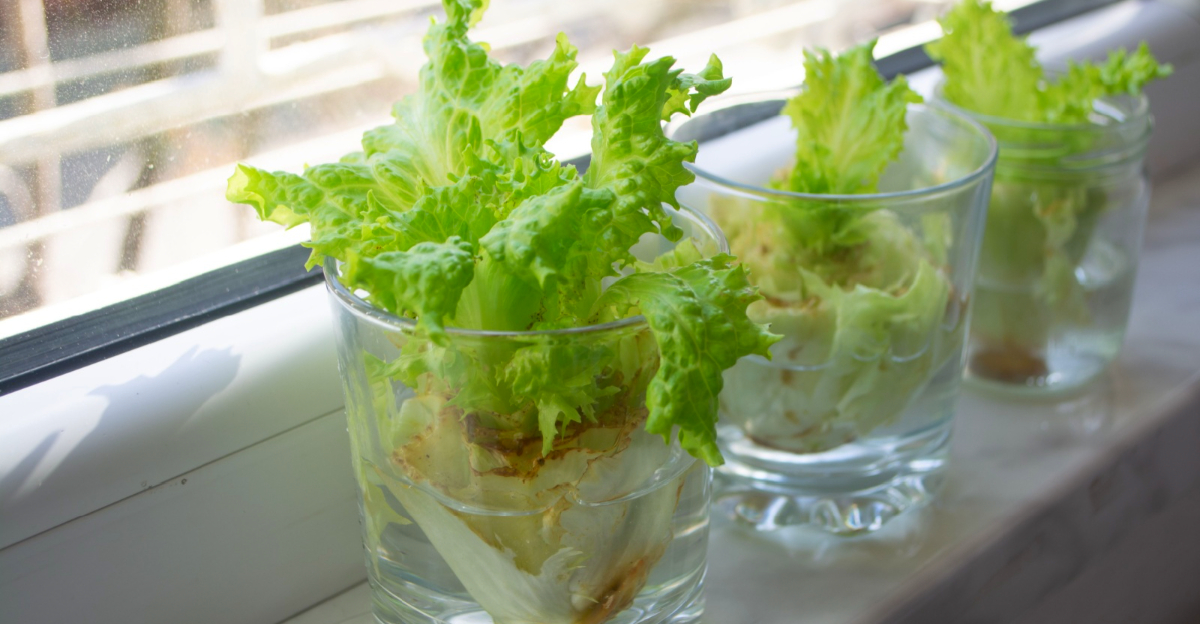
Growing fresh veggies in California just got easier – and you don’t even need soil. Hydroponic gardening is booming as a smart, water-saving way to grow your own produce right at home.
Whether you have a small apartment or a spacious backyard, water-based gardening lets you enjoy delicious, homegrown vegetables with less mess and less water.
With California’s ongoing drought concerns, it’s the perfect time to try growing veggies in water.
From your kitchen counter to your patio, these eight vegetables are perfect for a water-based garden. Ready to eat fresh and flavorful, without the hassle of soil!
1. Harvest Juicy Tomatoes Straight From Your Water Garden
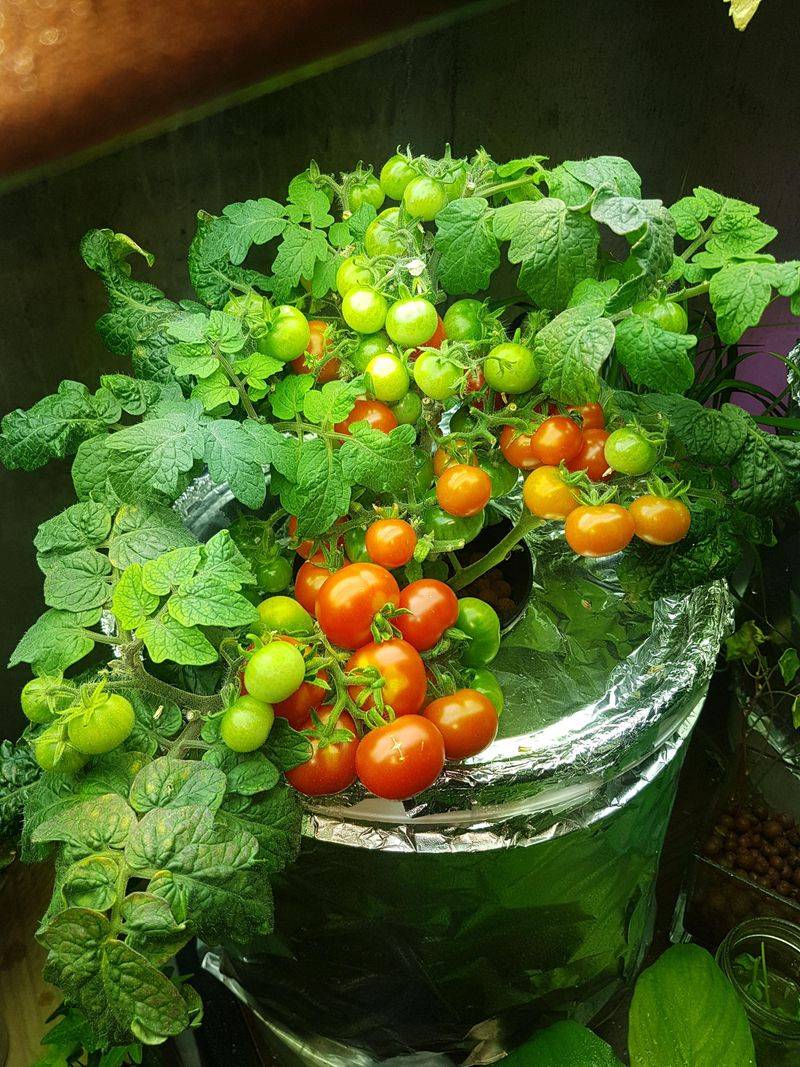
Tomatoes and California sunshine are basically best friends, and growing them hydroponically takes that relationship to a whole new level.
In a water-based system, tomato plants often grow faster and produce more fruit than their soil-grown counterparts because their roots have direct access to nutrients without having to search through dirt.
Cherry and grape tomato varieties are especially well-suited to home hydroponic setups since they stay compact and produce abundantly all season long.
To get started, you will need a net pot, a nutrient reservoir, and a quality hydroponic nutrient solution formulated for fruiting plants. Tomatoes are heavy feeders, so keeping your nutrient levels balanced is key.
Aim for a water temperature between 65 and 75 degrees Fahrenheit and make sure your plants receive at least six to eight hours of bright light each day. California’s abundant sunshine makes outdoor or greenhouse setups particularly productive.
One thing to keep in mind is that tomato plants need support as they grow. A simple stake or small trellis works perfectly.
Prune any suckers – the small shoots that sprout between the stem and branches – to keep energy focused on fruit production.
Hydroponic tomatoes typically use up to 90 percent less water than traditionally grown ones, which is a huge win for water-conscious California gardeners.
Fresh, sun-ripened tomatoes from your own water garden taste noticeably sweeter and more vibrant than anything you will find at the store.
2. Grow Fresh Crisp Lettuce Without A Speck Of Soil
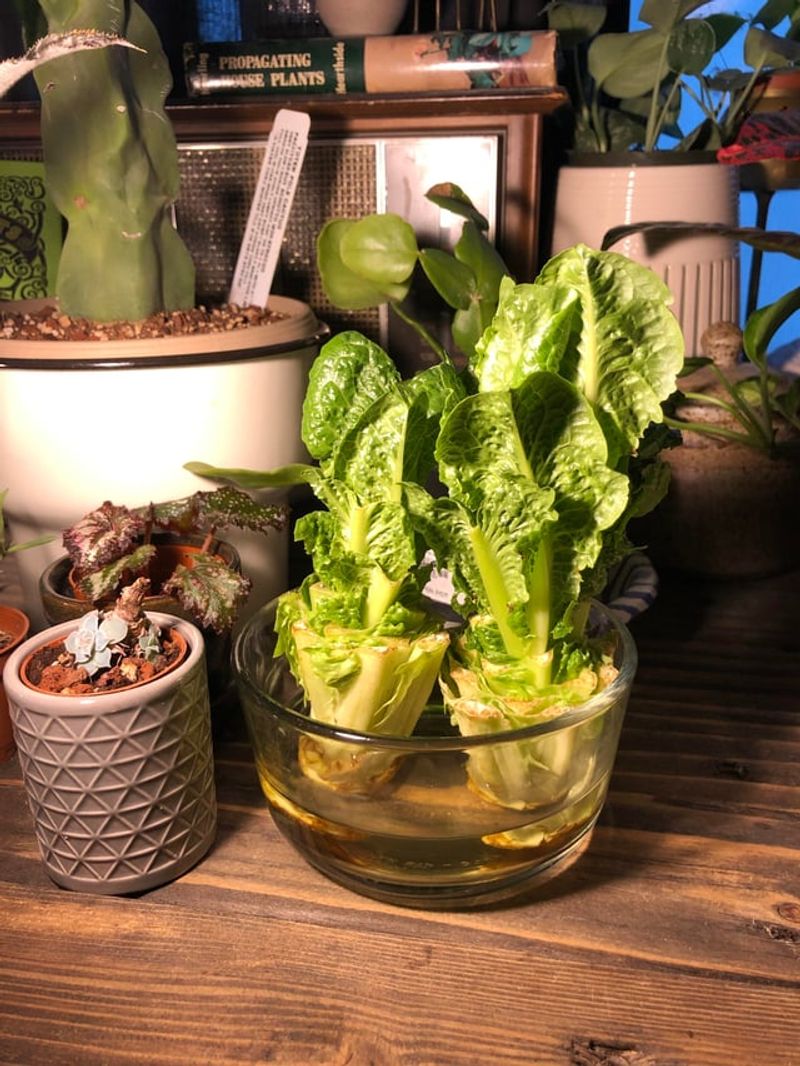
Lettuce might just be the easiest vegetable you will ever grow in water, and California gardeners are absolutely loving it. All you need is the base of a store-bought lettuce head, a shallow dish, and some clean water.
Place the cut base in about an inch of water, set it near a sunny window, and watch new leaves sprout within just a few days. It almost feels like magic the first time you see it happen.
For best results, change the water every couple of days to keep things fresh and prevent any buildup. Leaf varieties like butterhead, romaine, and loose-leaf lettuce tend to work best in water-based systems.
In California’s mild coastal climates, lettuce thrives especially well because it prefers cooler temperatures, ideally between 60 and 70 degrees Fahrenheit. If you live in a warmer inland area, keep your setup indoors near an air-conditioned space during summer.
Adding a diluted hydroponic nutrient solution once a week will give your lettuce the minerals it needs to grow fuller and faster. You can harvest outer leaves as they grow, letting the center continue producing.
Your California Garden Changes Every Week. Your Plan Should Too.
Gardening in California changes quickly throughout the season. Every Friday you’ll receive a simple weekly plan showing exactly what to plant, prune, fertilize, harvest, and protect so you never miss the right timing.
This cut-and-come-again method means one small setup can keep your salad bowl full for weeks.
For apartment dwellers across California, this is a genuinely practical and rewarding way to grow your own greens without hauling bags of soil up three flights of stairs.
3. Pick Cool Crunchy Cucumbers Grown Only In Water
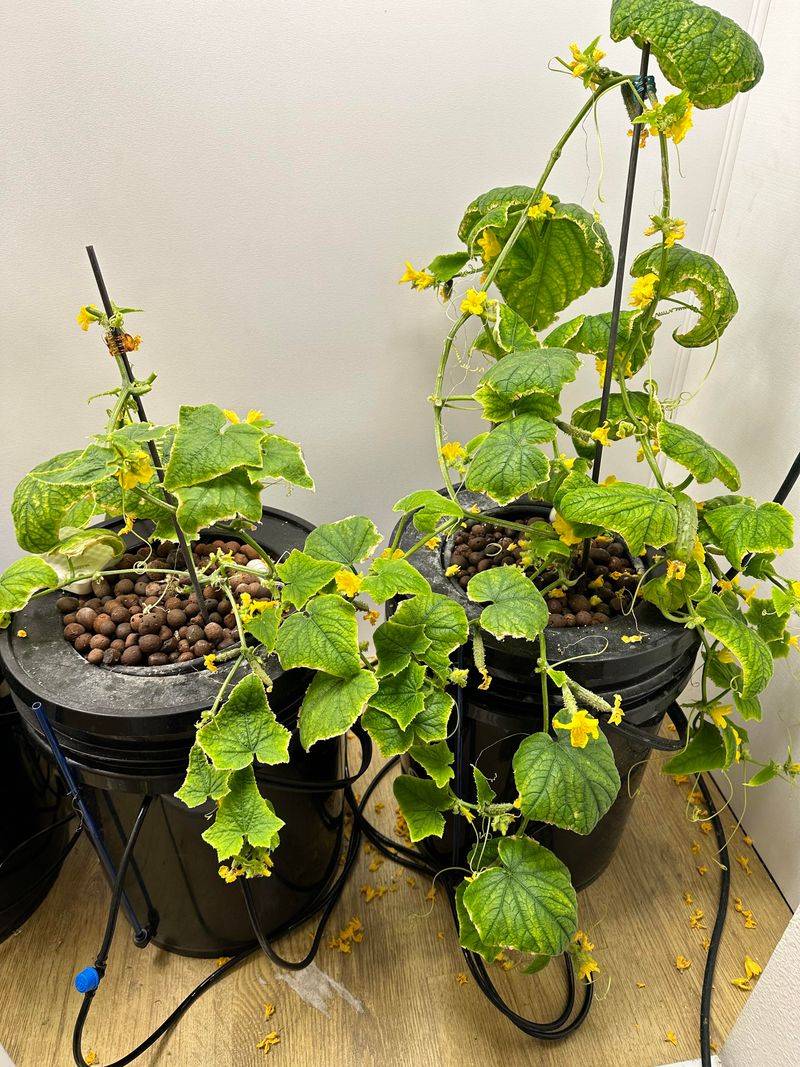
There is something incredibly satisfying about snapping a fresh cucumber off the vine knowing you grew it entirely without soil.
Cucumbers are enthusiastic growers in hydroponic systems, often outpacing their garden-bed counterparts thanks to the steady supply of nutrients delivered directly to their roots.
Bush cucumber varieties work especially well for home setups since they stay manageable in size and do not require as much vertical space as sprawling vine types.
In California’s warm, sunny climate, cucumbers can thrive in outdoor hydroponic setups for much of the year. They love warmth, ideally growing best when air temperatures stay between 70 and 85 degrees Fahrenheit.
Use a nutrient solution designed for fruiting vegetables and monitor your pH levels regularly, keeping them between 5.5 and 6.5 for optimal nutrient uptake. Cucumbers are thirsty plants, so check your reservoir daily and top it off as needed.
A small trellis or vertical net will help your cucumber vines climb and keep fruit off the ground, which also improves air circulation and reduces the chance of mildew.
Harvest cucumbers when they reach their ideal size – usually six to eight inches for slicing varieties – because leaving them on the vine too long causes bitterness and slows new fruit production.
Did you know cucumbers are about 95 percent water themselves? Growing them in a water system feels almost poetically fitting, and the results are crisp, refreshing, and absolutely delicious straight from your California garden.
4. Grow Tender Spinach Fast In A Simple Water Setup
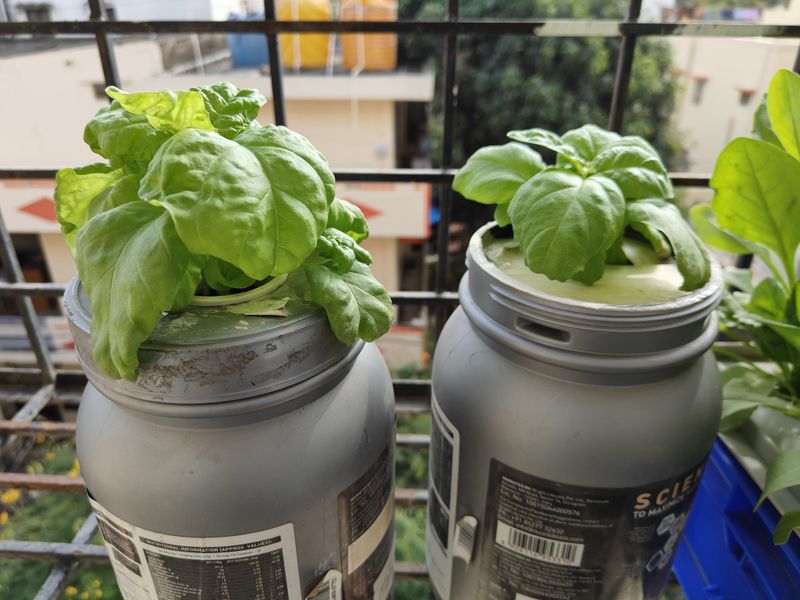
Spinach is one of those vegetables that practically begs to be grown in water. It sprouts quickly, grows fast, and rewards you with tender, nutrient-packed leaves in as little as three to four weeks from seed.
For California gardeners looking for a quick win with their hydroponic setup, spinach is an excellent first crop to build confidence and enthusiasm.
A simple raft system works beautifully for spinach. Float a piece of foam board with small holes cut out over a tray of nutrient-rich water, tuck seedlings into the holes, and let the roots dangle freely into the solution below.
Spinach prefers cooler conditions, thriving in temperatures between 50 and 70 degrees Fahrenheit, which makes it a fantastic choice for fall, winter, and early spring growing in most California regions.
During the hotter summer months, move your setup indoors where temperatures are more controlled.
Keep your nutrient solution at a slightly lower concentration compared to heavier crops like tomatoes, since spinach can be sensitive to overly strong solutions. Change or refresh the water every week to prevent salt buildup on the roots.
Spinach grown hydroponically tends to be incredibly tender with a mild, sweet flavor – noticeably different from the sometimes bitter store-bought kind. Harvest outer leaves first and let the center keep growing for a continuous supply.
One compact tray can easily keep a family stocked with fresh spinach for smoothies, salads, and stir-fries all season long.
5. Harvest Peppery Radishes Ready For Your Next Salad
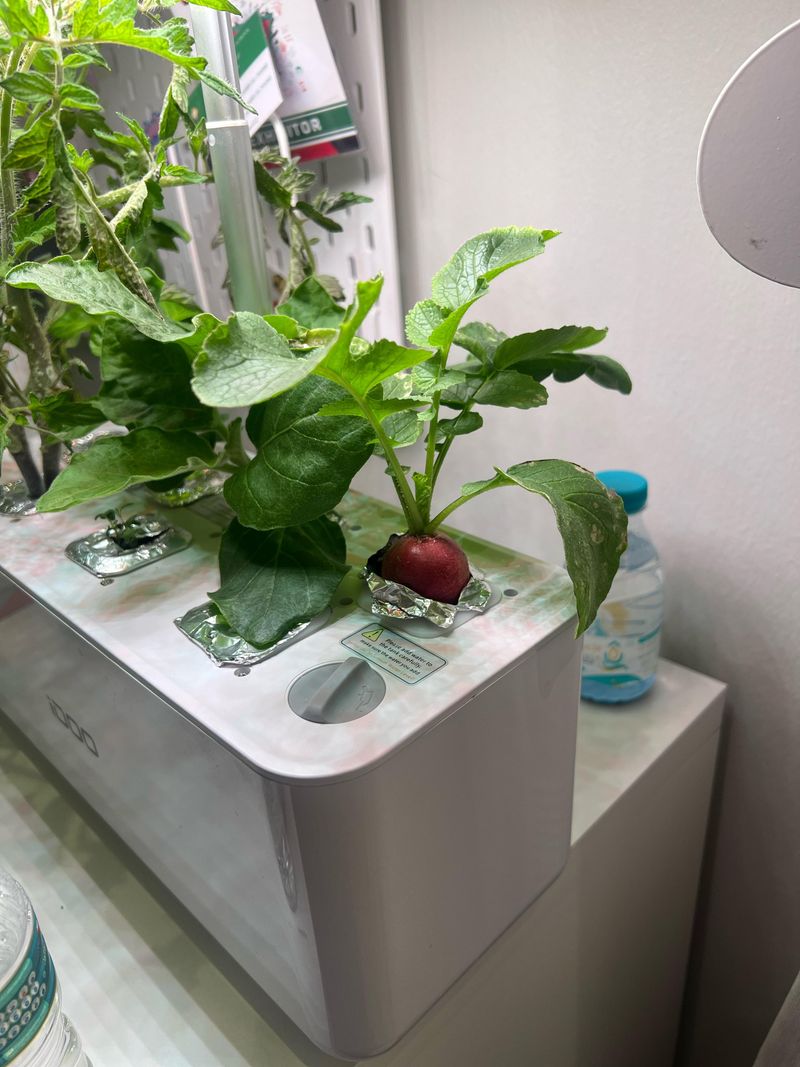
Radishes are the sprinters of the vegetable world – fast, bold, and ready to impress in record time.
In a hydroponic water system, these zippy little root vegetables can go from seed to harvest in as few as 20 to 30 days, making them one of the quickest crops you can grow.
For California gardeners who want near-instant gratification, radishes deliver every single time.
Growing radishes in water requires a slightly different approach than leafy greens since you are growing a root vegetable. A deep water culture setup works well, where roots hang freely into an oxygenated nutrient solution.
Using an air pump and air stone to keep the water oxygenated is especially important for root crops, as it prevents the roots from becoming waterlogged and promotes healthy, firm development.
Keep your nutrient solution at a moderate strength and maintain a pH between 6.0 and 7.0.
Radishes prefer cooler temperatures, making California’s fall and winter seasons ideal growing times, especially in inland valleys where summer heat can be intense.
Varieties like Cherry Belle and French Breakfast perform particularly well in hydroponic systems.
Harvest promptly once radishes reach their mature size – usually about one inch in diameter – because leaving them too long makes them woody and overly sharp in flavor. Their peppery crunch adds a fantastic kick to salads, tacos, grain bowls, and slaws.
Growing your own means you can pick them at peak freshness, which makes a noticeable difference in taste.
6. Enjoy Fresh Flavorful Herbs All Year In Water
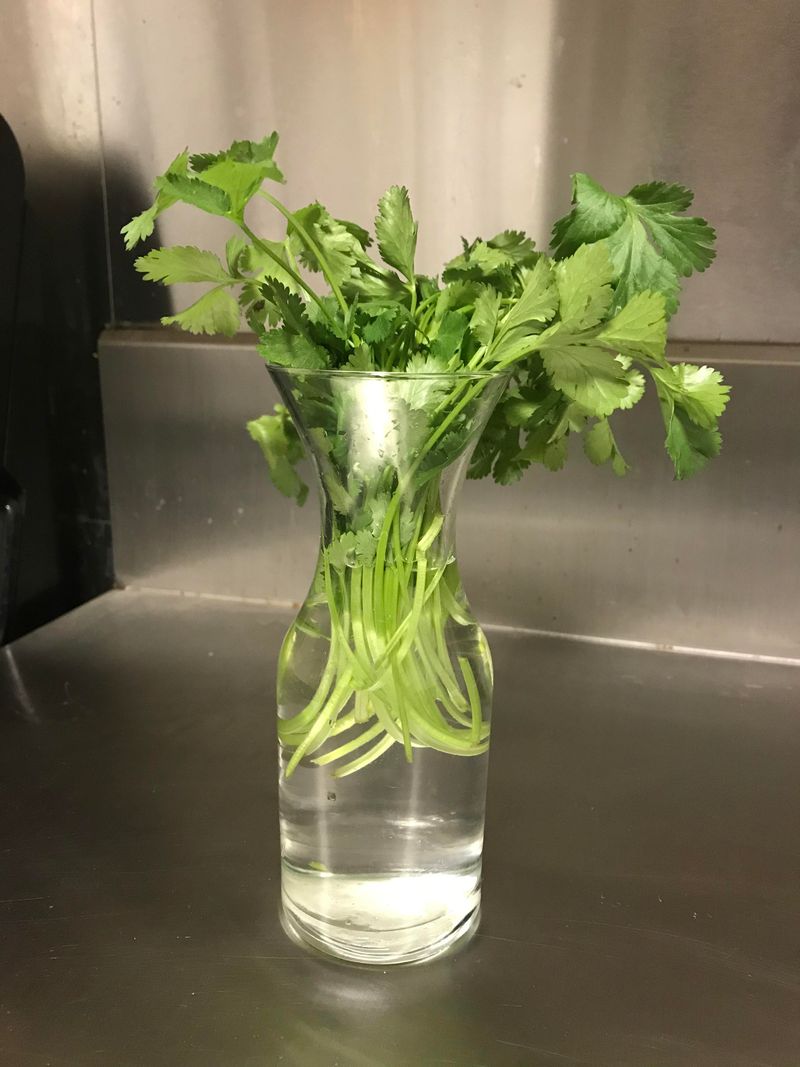
Buying fresh herbs at the grocery store week after week adds up fast, and they often wilt before you even get to use them all. Growing herbs in water at home solves both problems beautifully.
Basil, mint, cilantro, parsley, and green onions are all excellent candidates for water propagation, and most of them root so easily you will wonder why you ever bought them in plastic clamshells.
To start, simply snip a four to six inch cutting from a healthy herb plant, remove the lower leaves, and place the stem in a clean glass or jar of water.
Set it on a sunny windowsill – California’s abundant natural light is a real advantage here – and within one to two weeks you will see roots forming.
Once roots are an inch or two long, you can keep the herbs growing indefinitely in water by adding a diluted liquid nutrient solution once a week.
Mint is especially enthusiastic in water and can grow so vigorously it becomes a cheerful little jungle on your countertop. Basil loves warmth and bright light, making it a natural fit for California’s long sunny seasons.
Change the water every few days to prevent stagnation and keep your herbs tasting clean and bright. The beauty of growing herbs in water is that you always have exactly what you need, right at your fingertips.
Snip what you need for dinner and the plant keeps right on growing – fresh, fragrant, and completely free of preservatives or packaging waste.
7. Grow Sweet Colorful Peppers In Easy Water Systems
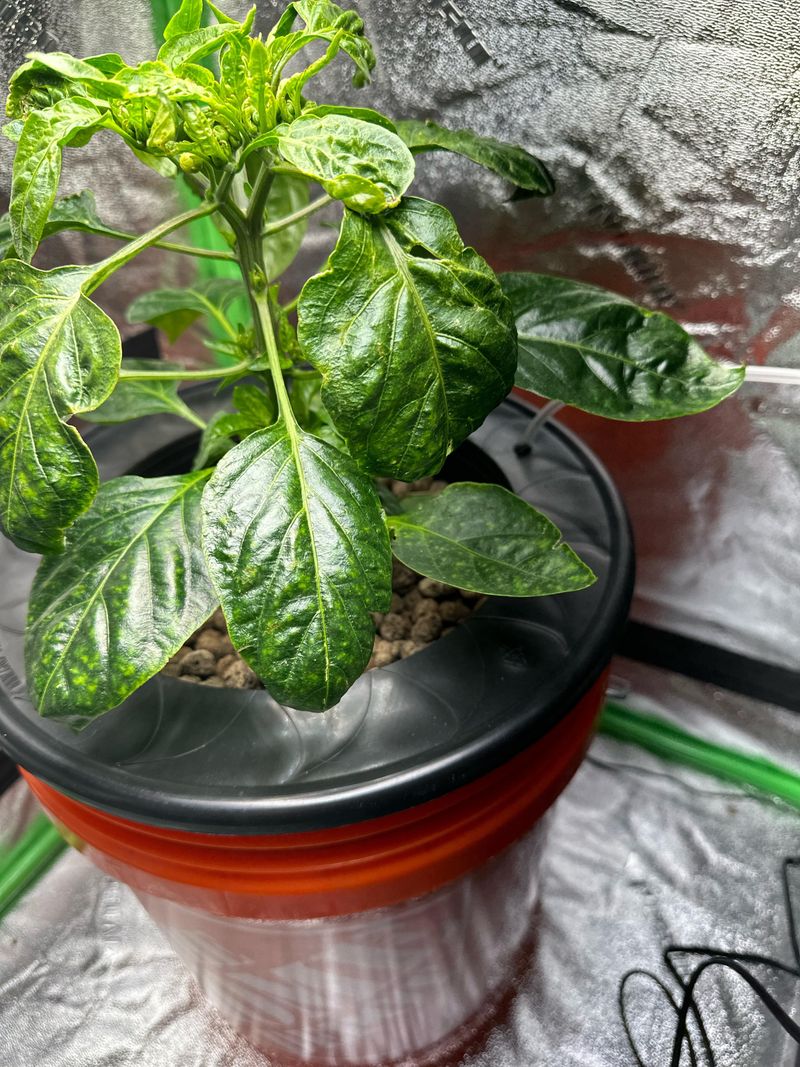
Few things brighten up a kitchen garden quite like a cluster of colorful peppers hanging heavy on a hydroponic vine.
Sweet bell peppers, banana peppers, and even mildly spicy varieties like Anaheim or Cubanelle all perform remarkably well in water-based growing systems.
California’s warm, sun-drenched climate is genuinely ideal for pepper production, and hydroponics pushes their performance even further by delivering nutrients with pinpoint efficiency.
Peppers are warm-season crops that love temperatures between 70 and 85 degrees Fahrenheit, so they thrive in California from late spring through early fall.
A deep water culture or nutrient film technique system works well for peppers since they develop substantial root systems that benefit from consistent moisture and airflow.
Keep your nutrient solution well-balanced with adequate levels of calcium and magnesium, as peppers are prone to deficiencies that can cause blossom end rot or poor fruit development.
Provide at least eight hours of direct sunlight or supplement with grow lights if you are keeping your setup indoors. Peppers take longer to mature than lettuce or herbs – typically 60 to 90 days from transplant – but the payoff is absolutely worth it.
Hydroponic peppers tend to be sweeter and more intensely flavored than store-bought ones. You can harvest them green for a firmer, slightly bitter flavor or wait until they turn red, yellow, or orange for maximum sweetness.
Either way, your water-grown California peppers are going to taste extraordinary.
8. Add Bright Swiss Chard That Thrives In Water
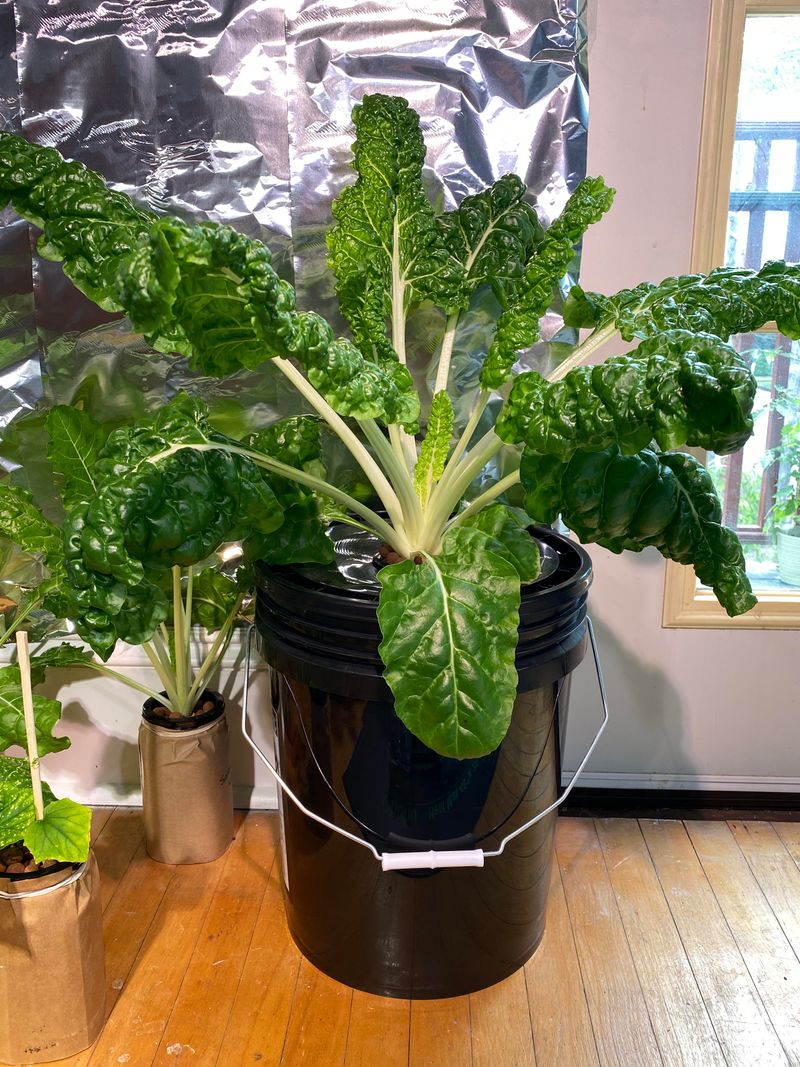
Swiss chard is one of those vegetables that earns its place in the garden on looks alone – those jewel-toned stems in red, yellow, and orange are genuinely stunning.
But beyond its good looks, Swiss chard is a powerhouse of nutrition and one of the most adaptable vegetables you can grow in a water-based system.
It handles both warmer and cooler California temperatures better than most leafy greens, making it a reliable year-round option for hydroponic growers across the state.
A simple deep water culture setup suits Swiss chard perfectly. Plant seedlings in net pots filled with a soilless growing medium like clay pebbles or rockwool, suspend them over a nutrient-rich water reservoir, and let the roots do their thing.
Swiss chard is not particularly fussy about nutrient concentration but does appreciate consistent feeding.
Maintain a pH between 6.0 and 7.0 and keep water temperatures on the cooler side – between 60 and 70 degrees Fahrenheit – for the best leaf quality and color.
Harvest outer stalks when they reach about ten to twelve inches tall, leaving the inner leaves to keep growing. This approach keeps your plant productive for months at a time.
Swiss chard grows quickly in hydroponic conditions and can be harvested multiple times before the plant needs replacing.
Sauteed with garlic, tossed into pasta, or eaten fresh in a salad, water-grown Swiss chard from your California garden brings serious color, flavor, and nutrition to every meal you make.