Pull These California Weeds Now Before They Spread In Summer
Some weeds in California have a way of looking harmless right up until they are suddenly everywhere.
A few scraggly stems in spring can turn into a much bigger headache by summer, especially once the heat kicks in and seed production starts picking up speed.
That is why this window matters more than many gardeners realize. Pulling weeds now is not just about making the yard look tidier.
It is about stopping the trouble before it multiplies, crowds out better plants, and turns easy cleanup into a much more annoying job later.
And honestly, a few minutes of effort in spring can save a lot of frustration when summer gardening should feel simpler, not more exhausting.
Some California weeds are especially quick to spread once conditions dry out and warm up. Catch them early, and you stay ahead of the mess. Wait too long, and the whole battle gets a lot bigger than it needed to be.
1. Crabgrass
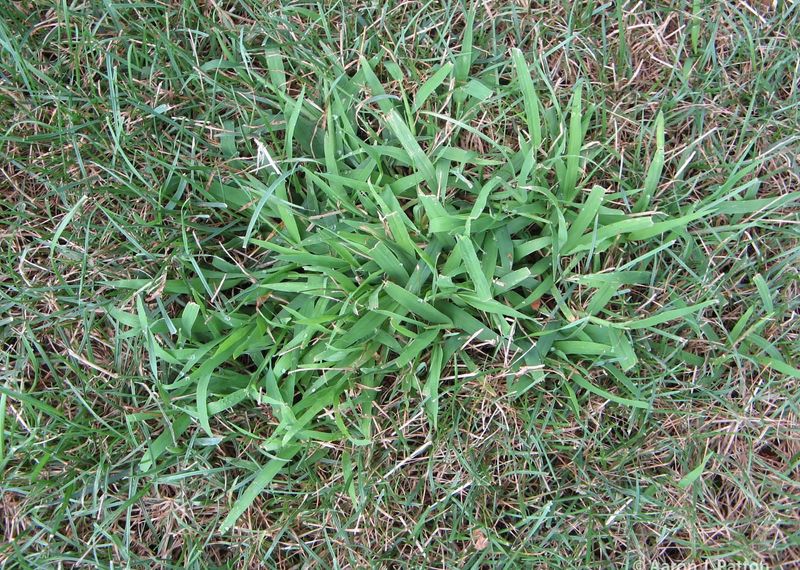
You might not notice it at first, but crabgrass has a sneaky way of showing up right in the middle of your lawn. It starts small and low to the ground, but give it a few warm weeks in California and it spreads out like a mat, stealing water and nutrients from your grass.
Crabgrass is an annual weed, meaning it grows from seed every year. It loves warm soil and dry conditions, which makes California the perfect home for it.
Once it sets seed in late summer, those seeds can stay in the soil and sprout again next spring.
Pull it out by hand while the soil is still moist from spring rains. Make sure you get the roots.
If you leave pieces behind, it can regrow quickly. Applying a layer of mulch around garden beds also helps block new seeds from sprouting.
Keeping your lawn thick and healthy is one of the best ways to crowd crabgrass out before it ever gets a foothold. Stay consistent and check your yard every week or two during spring.
2. Common Purslane
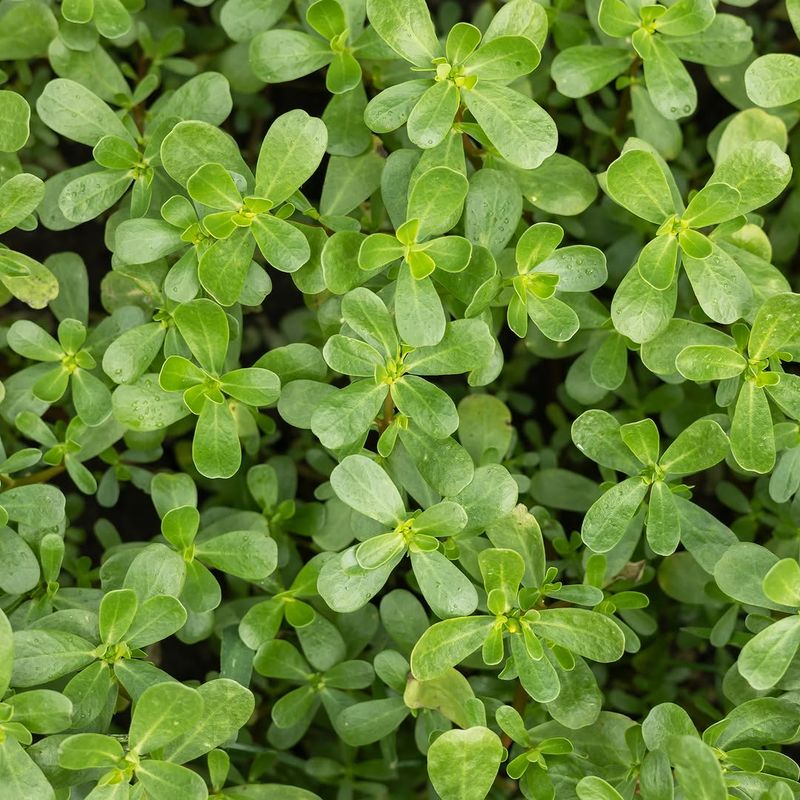
Surprisingly, common purslane is actually edible and used in some cuisines around the world. But in your California garden, it behaves more like a stubborn guest that refuses to leave.
It has thick, fleshy leaves that store water, which means it can survive even when conditions get dry and hot.
Purslane spreads fast. One plant can produce thousands of tiny seeds in a single season.
Even worse, if you pull it and leave stem pieces on the ground, those pieces can re-root and start growing again. That is why it is so important to bag it up and remove it completely from your yard.
Early spring is the best time to tackle purslane in California because the plants are still small and the roots are shallow. Use a hand tool to loosen the soil around each plant before pulling.
Avoid tilling the soil too much, since that can bring buried seeds to the surface where they will sprout. Consistent weeding every couple of weeks throughout spring gives you the best chance of keeping purslane from taking over your garden beds before the summer heat arrives.
Your California Garden Changes Every Week. Your Plan Should Too.
Gardening in California changes quickly throughout the season. Every Friday you’ll receive a simple weekly plan showing exactly what to plant, prune, fertilize, harvest, and protect so you never miss the right timing.
3. Hairy Fleabane
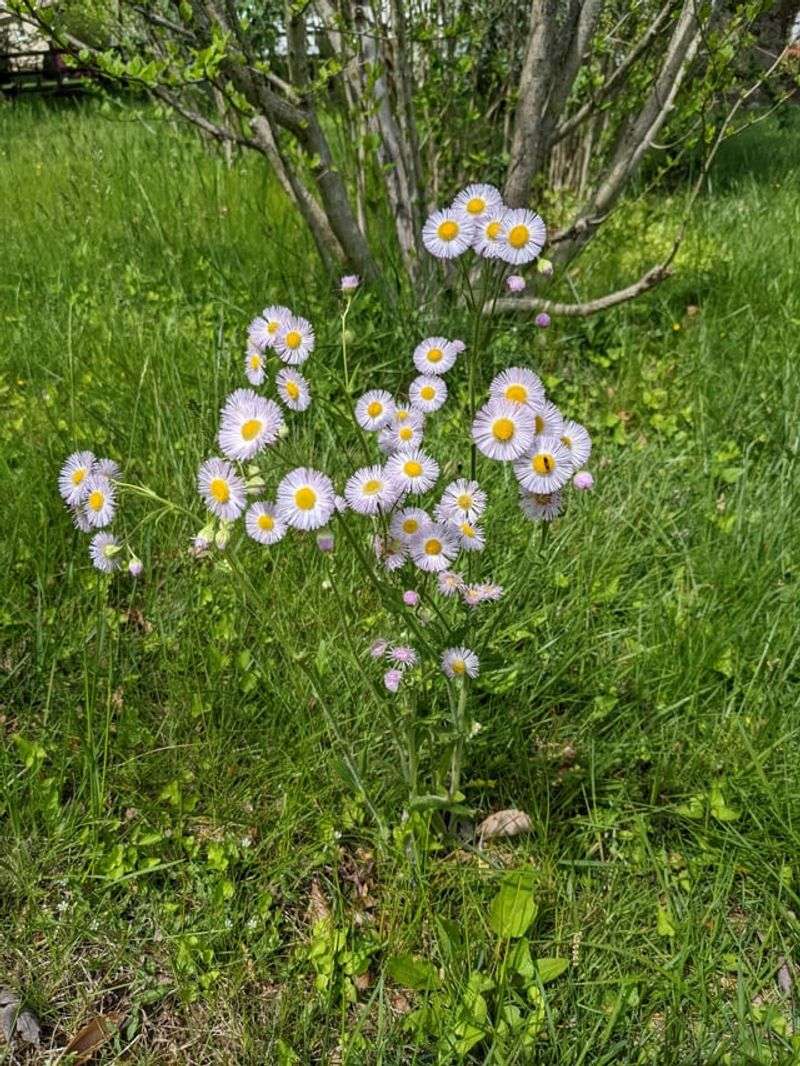
Hairy fleabane might sound harmless, but this weed is one of the most frustrating plants California gardeners deal with. It grows fast, produces fluffy seeds that travel on the wind, and has developed resistance to several common herbicides.
That makes hand removal especially important.
You will recognize hairy fleabane by its tall, hairy stems and small white flowers that look a bit like tiny daisies. It often shows up in disturbed soil, along fences, roadsides, and in garden beds.
Once it starts flowering, each plant can release hundreds of seeds into the air.
Getting it out before it flowers is the key strategy. In California, spring is when hairy fleabane is still young and manageable.
Grab it close to the base and pull firmly to remove as much of the root as possible. Wearing gloves is a good idea since the hairs on the stems can be irritating to sensitive skin.
Follow up by adding a layer of mulch to help suppress any seeds already in the soil. Check back regularly because new seedlings can pop up quickly, especially after light spring rain.
4. Horseweed
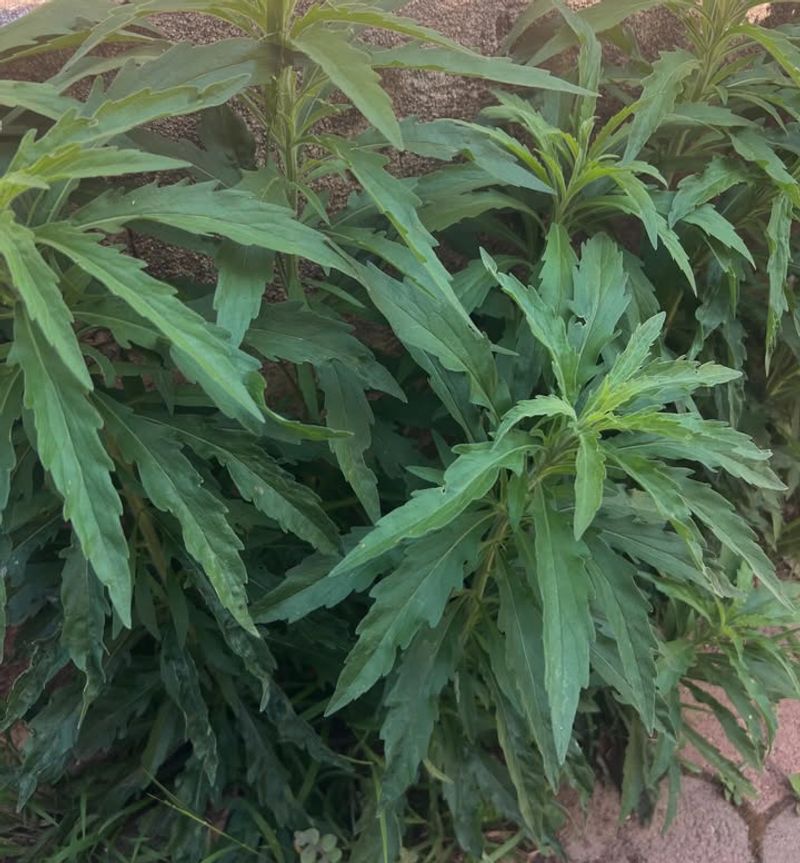
Few weeds grow as tall or as fast as horseweed. What starts as a small rosette of leaves in early spring can shoot up to six feet or taller by summer.
In California, horseweed is one of the first weeds to appear after winter rains, and it wastes no time establishing itself.
Also known as marestail, horseweed thrives in disturbed soil and open spaces. It produces enormous amounts of feathery seeds that float easily on the wind, spreading to neighboring yards and gardens.
Like hairy fleabane, many horseweed populations in California have become resistant to common herbicides, making physical removal the most reliable method.
Pull horseweed when it is still in the rosette stage, before it sends up a tall central stalk. Young plants are much easier to remove, and the roots come out more cleanly from moist spring soil.
If a plant has already grown tall, cut it down and remove it before it goes to seed. Dispose of pulled plants in yard waste bags rather than composting them, since seeds can still mature on cut stems.
Staying on top of horseweed early in California will save you a lot of work once summer arrives.
5. Common Lambsquarters
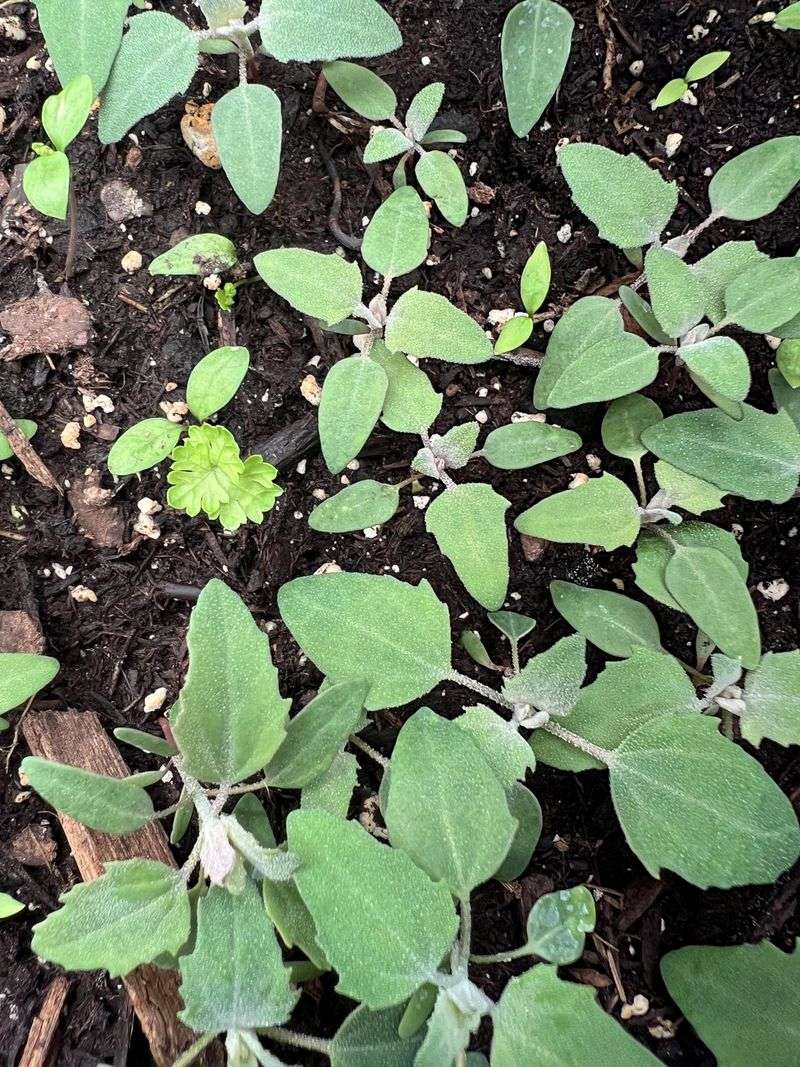
Walk past a common lambsquarters plant and you might notice a faint whitish or powdery coating on its leaves. That coating is one of the easiest ways to identify this fast-growing weed.
It belongs to the same plant family as spinach, and it actually has a long history as a wild edible green in many cultures.
In a California garden, though, lambsquarters is a serious competitor. It grows quickly and can reach several feet tall by midsummer.
Each plant is capable of producing tens of thousands of seeds, and those seeds can remain viable in the soil for years. That means even one missed plant can cause problems for many seasons to come.
Spring is when you want to act. Young lambsquarters plants pull out easily, especially from loose or moist garden soil.
Grab the stem close to the ground and pull steadily to bring the root up with it. Larger plants may need a trowel or hoe to loosen the soil first.
Avoid letting any plants go to seed. If you keep up with weeding every week or two during spring in California, you can significantly reduce how many lambsquarters plants you will face during the long, warm summer months ahead.
6. Redroot Pigweed
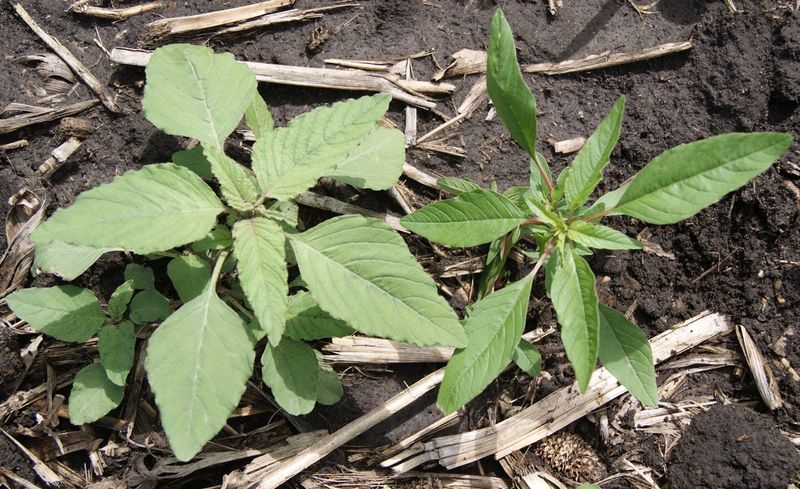
One look at the base of this plant and you will understand how it got its name. Redroot pigweed has a distinctly reddish root and stem that makes it easy to identify once you pull it out of the ground.
It is one of the most common warm-season weeds found across California gardens and farms.
Redroot pigweed is a heavy seed producer. A single mature plant can release over 100,000 seeds before the end of summer.
Those seeds spread easily and can stay dormant in the soil for a long time. Once summer heat kicks in, pigweed grows aggressively and can quickly tower over shorter garden plants, blocking sunlight and hogging nutrients.
Getting it while it is young makes all the difference. In spring, redroot pigweed seedlings are small and shallow-rooted, making them easy to pull by hand.
Wear gloves because the stems can have small spines as the plant matures. Remove the entire root to prevent regrowth.
Consistent checking of your California garden every week during spring is the best defense. Adding mulch to your beds after weeding helps block new seedlings from sprouting.
Do not let even one pigweed plant go unnoticed this spring.
7. Puncturevine
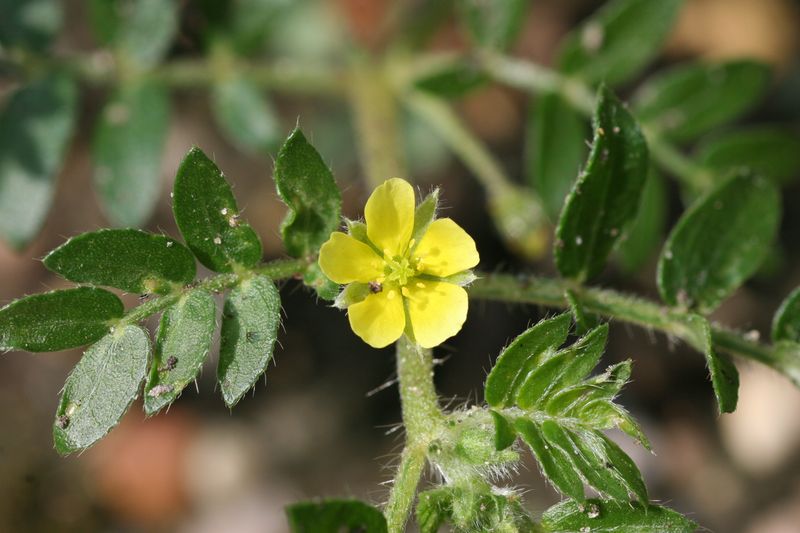
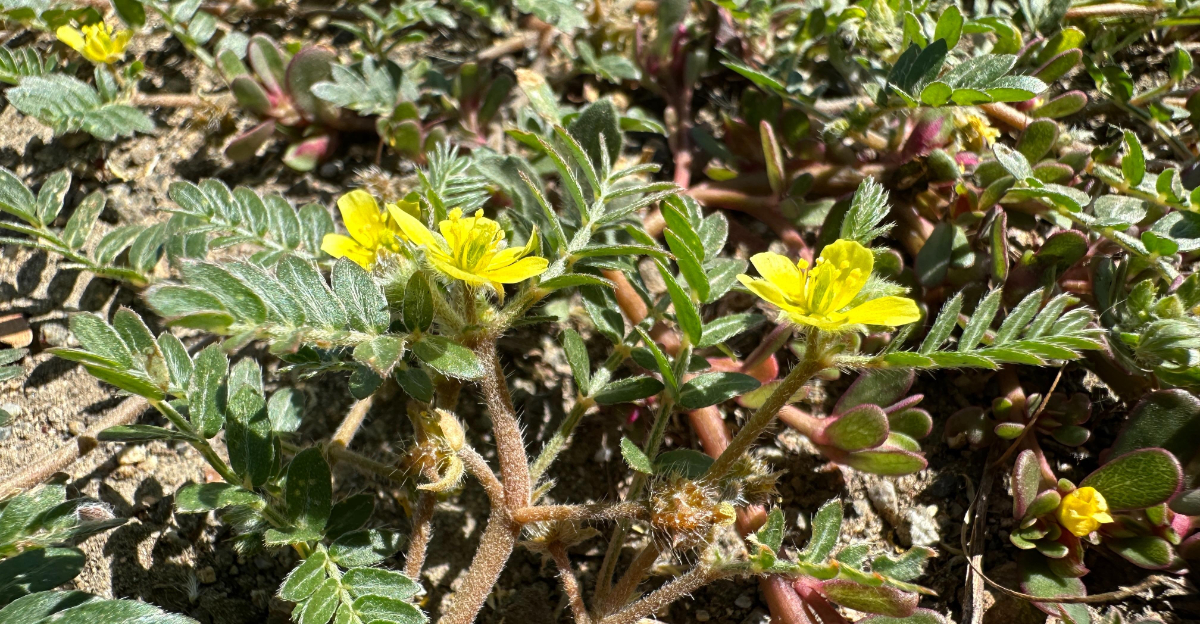
If you have ever stepped on a small sharp spine in your backyard and jumped in pain, there is a good chance puncturevine was the cause. Also called goathead or burr weed, puncturevine produces hard little seed pods covered in sharp spines that can puncture bike tires, pet paws, and bare feet.
Puncturevine thrives in hot, dry conditions, which makes California an ideal home. It spreads low across the ground, often going unnoticed until the spiny burrs appear.
Each plant can produce hundreds of burrs, and those burrs stick to shoes, animal fur, and tires, spreading them far and wide across California neighborhoods.
Spring is the critical window to act because plants are still small and have not yet produced burrs. Use a hoe or hand tool to sever the taproot just below the soil surface.
Trying to pull puncturevine by hand can be tricky since the stems break easily. Wear thick gloves and check the area repeatedly over the coming weeks.
Even after you remove the main plant, seeds already in the soil can sprout later. Staying persistent with regular checks through spring and early summer gives you the best chance of keeping this painful weed out of your California yard for good.
8. Russian Thistle
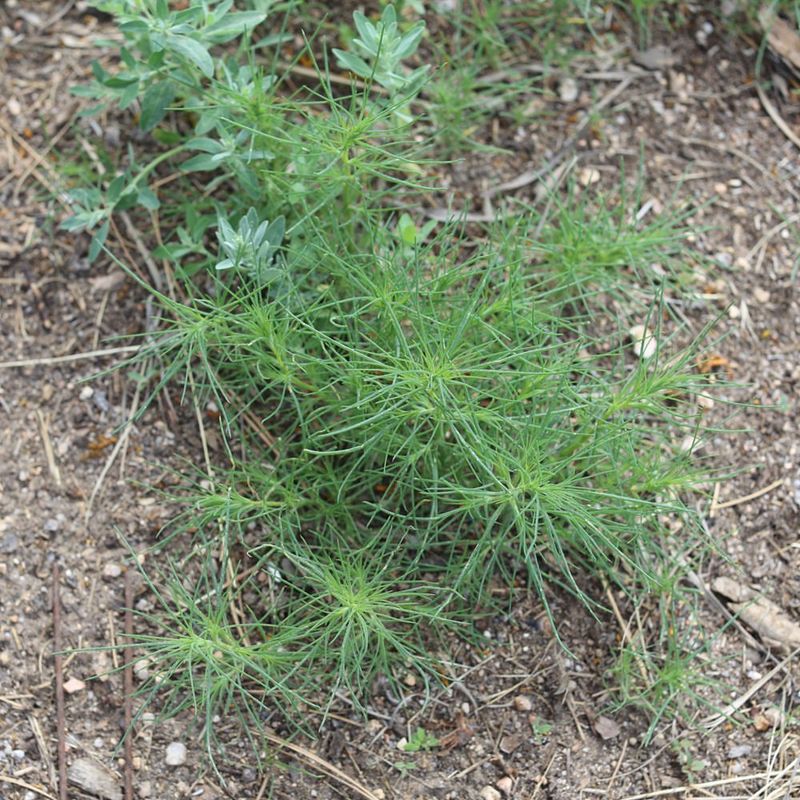
Most people know Russian thistle by its more famous nickname: tumbleweed. You have probably seen it rolling across dry California highways or piling up against fences in open fields.
But before it becomes a tumbleweed, it starts as a bushy, spiny plant that can grow several feet wide in a single season.
Russian thistle is actually not native to California or even North America. It came from Russia and Central Asia and arrived in the United States in the late 1800s.
Since then, it has spread across dry western states and become a familiar sight in California’s inland valleys and desert regions. When the plant matures and dries out, it breaks off at the base and rolls with the wind, scattering thousands of seeds as it travels.
Young Russian thistle plants are the easiest to manage. In early spring, before the stems harden and get spiny, you can pull or hoe small plants out of the ground fairly easily.
Once the plant grows larger, the sharp spines make handling it painful, so thick gloves are a must. Removing plants before they set seed is critical.
Even one mature plant rolling through your California yard can drop enough seeds to create a serious problem next season. Get it early and get it completely.