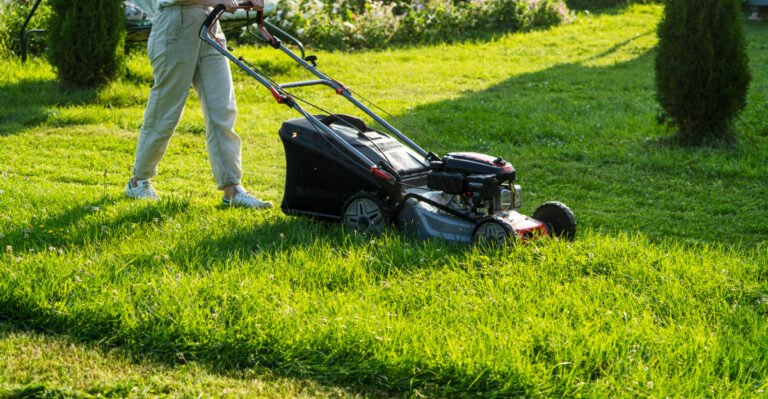
4 Virginia Trees To Prune In March And 3 Trees To Avoid
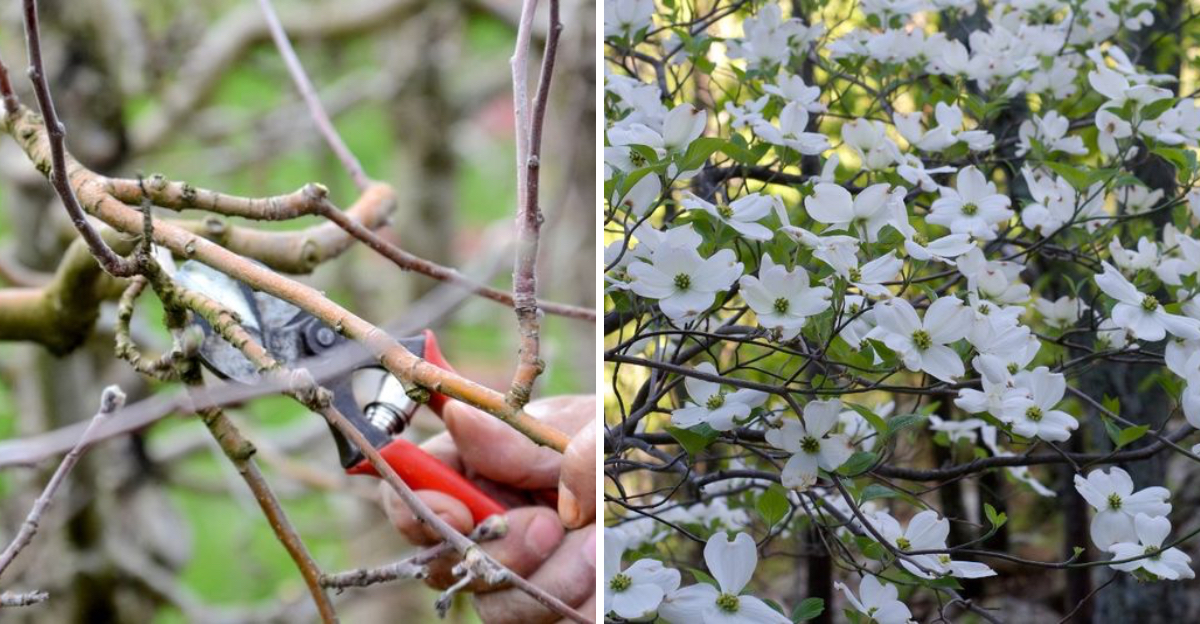
March is one of the best times of year to grab your pruning shears and head outside.
The cold winter weather is wrapping up, and trees are just starting to wake up from their dormant season, making it the perfect window to shape and clean them up before new growth explodes.
Pruning at the right time can mean the difference between a thriving, beautiful tree and one that struggles through the growing season.
But not every tree should be touched in March, and knowing which ones to leave alone is just as important as knowing which ones to cut. Pruning timing matters more than most gardeners think.
With conditions ranging from the mild Chesapeake coast to the cooler Appalachian foothills, not every tree follows the same schedule. Get the timing wrong, and you could lose flowers or leave fresh cuts vulnerable.
1. Oak Trees Thrive With A March Trim In Virginia
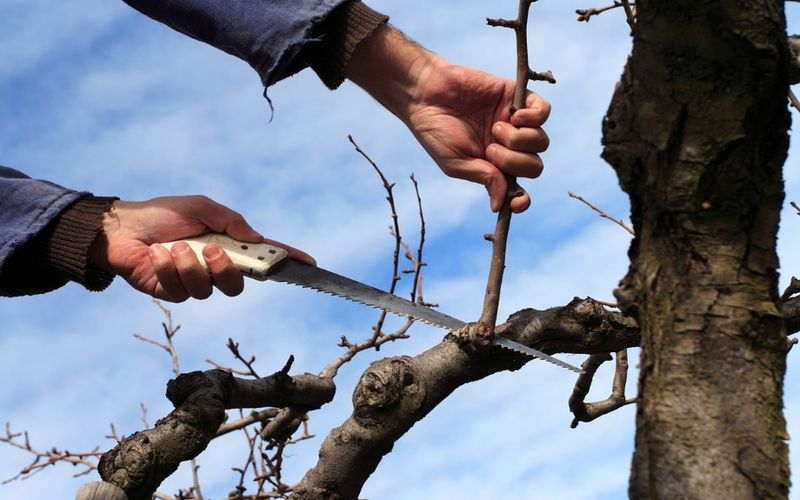
Oak trees are practically the backbone of a landscape, and March is their sweet spot for pruning. These strong, long-lived trees are still dormant in early March, which means cuts heal faster and there is far less risk of attracting the beetles that spread oak wilt disease.
Pruning while temperatures are still cool keeps those harmful insects at bay.
When pruning oaks, focus on removing any dead, crossing, or damaged branches first. Look for limbs that rub against each other, because that friction creates wounds where disease can enter.
Cleaning up the canopy also lets more sunlight reach the inner branches, which encourages healthier growth once spring fully arrives.
Virginia homeowners near wooded areas, especially in the Piedmont region and Shenandoah Valley, often have large white oaks and red oaks on their properties.
These trees can live for hundreds of years, so investing time in proper March pruning now pays off for generations. Always use clean, sharp tools to make smooth cuts rather than ragged ones.
One common mistake people make is cutting too close to the trunk and removing the branch collar, the slightly raised area where the branch meets the trunk. That collar contains specialized tissue that helps the tree seal over the wound.
Leave it intact, and your oak will recover beautifully and be ready to put on a full show of fresh green leaves when spring finally arrives in full force.
2. Maple Trees Love Early Spring Pruning Done Right
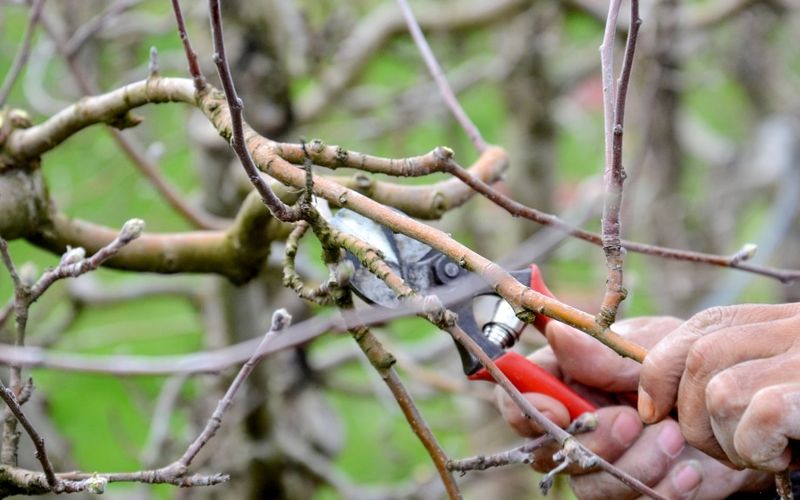
There is something almost magical about a maple tree, especially when fall rolls around and those leaves turn brilliant shades of red and orange. But to keep that show going year after year, a good March pruning session makes a real difference.
Maples can be pruned in late winter or early spring while dormant, though gardeners should expect heavy sap bleeding at that time. It may look alarming, but it usually does not harm the tree.
If you want to avoid that mess, pruning after the leaves fully expand in late spring or early summer is often the better option.
Your Virginia Garden Changes Every Week. Your Plan Should Too.
Gardening in Virginia changes quickly throughout the season. Every Friday you’ll receive a simple weekly plan showing exactly what to plant, prune, fertilize, harvest, and protect so you never miss the right timing.
Virginia gardeners from Northern Virginia suburbs all the way down to the Hampton Roads area grow red maples, silver maples, and Japanese maples in their yards. Each variety benefits from removing weak, crowded, or crossing branches before the growing season kicks off.
Thinning the canopy also reduces wind resistance, which matters a lot in areas that see spring storms rolling through.
For Japanese maples, use a lighter hand. Smaller, more precise cuts help preserve the tree’s natural shape and elegant branching pattern.
Step back often as you prune so the tree keeps its balance and graceful form. A well-pruned maple not only grows stronger but looks stunning from the curb all year long, making it a true standout in any yard.
3. Fruit Trees Produce More When Pruned In March
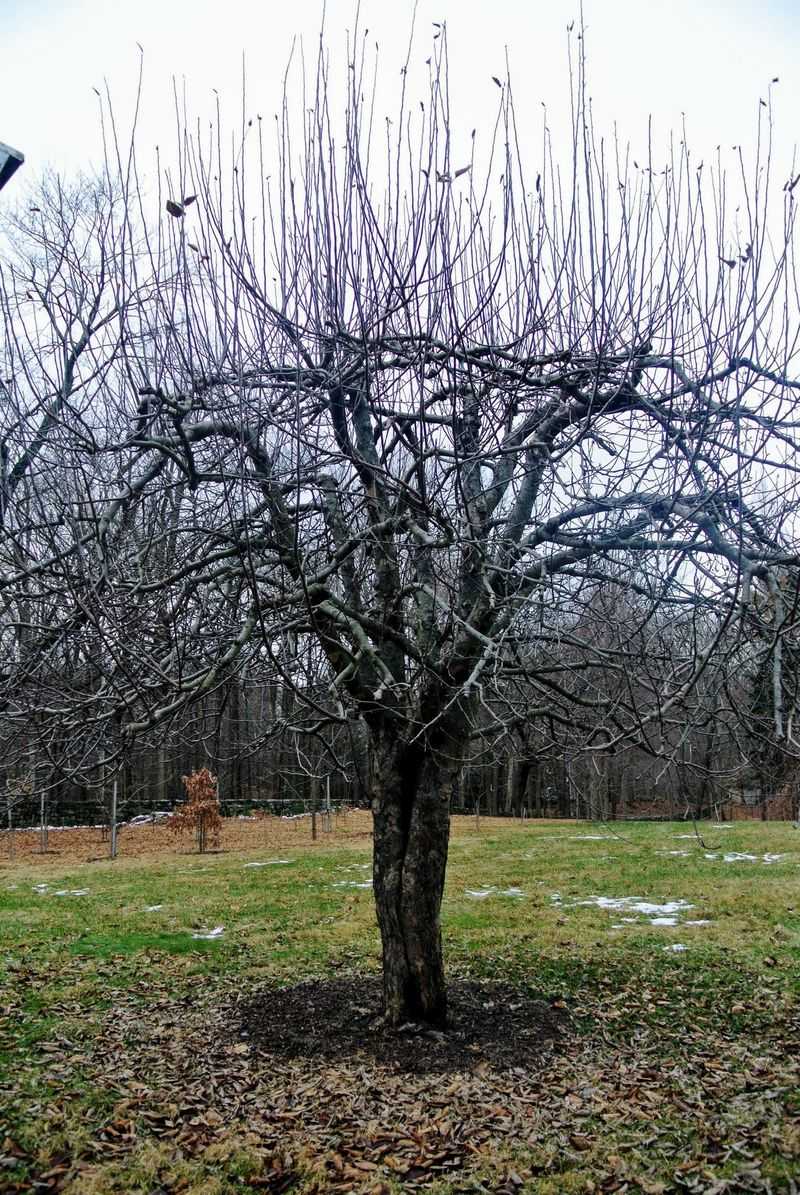
Ask any seasoned gardener about fruit trees, and they will tell you straight up: pruning in March is one of the most important things you can do for a productive harvest. Apple and pear trees both benefit from pruning in late winter to early spring while they are still dormant.
Peach trees also need pruning around this time, but they are often best pruned a little later, closer to bud swell, rather than too early in winter. Cutting at the right moment helps the tree direct its energy into fewer, stronger branches.
If sunscald is a concern, white latex paint is sometimes used on the trunk, not on fresh pruning cuts. In most cases, pruning cuts should be left unsealed so the tree can heal naturally.
The goal when pruning fruit trees is to create an open center or modified central leader shape, depending on the type of tree. An open canopy lets sunlight reach all parts of the tree, which is essential for ripening fruit evenly.
It also improves air circulation, which helps prevent fungal diseases that are common in Virginia’s humid summers.
Climate in areas like the Shenandoah Valley makes it one of the best apple-growing regions on the East Coast. Orchards in Clarke County and Frederick County have been producing world-class apples for generations, and proper March pruning is a big part of their success.
Home growers across the state can follow the same principles on a smaller scale.
Remove any water sprouts, which are the thin, straight shoots that shoot straight up from branches and steal energy without producing fruit. Also cut out any branches growing toward the center of the tree or downward.
A little effort in March rewards you with buckets of fresh fruit come summer and fall.
4. Crape Myrtle Responds Beautifully To Careful March Cuts
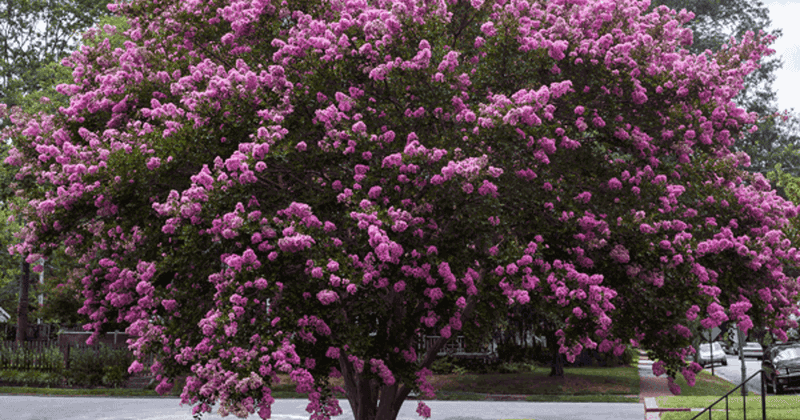
Crape myrtles are everywhere, from Richmond neighborhoods to Virginia Beach front yards, and for good reason. They bloom with stunning bursts of pink, red, white, and purple color all summer long.
Pruning them correctly in March, just before new growth begins, sets them up for the most impressive bloom display of the season.
The most important thing to know about pruning crape myrtles is what NOT to do. Topping a crape myrtle, which means cutting the main trunks down to ugly stubs, is so common and so damaging that Virginia horticulturists have given it a name: crape murder.
Instead of hacking the tops off, make selective cuts to remove crossing branches, seed heads from last year, and any small twiggy growth at the base.
A properly pruned crape myrtle keeps its graceful, vase-shaped form and develops attractive smooth bark that peels beautifully as the tree matures.
Removing only what is necessary encourages strong new growth from the existing branch tips, which is exactly where the flower clusters will form. More branch tips mean more blooms, which is the whole point.
For homeowners who have inherited severely topped crape myrtles from previous owners, the good news is that these trees are incredibly resilient.
You can begin a multi-year restoration process starting in March by gradually removing the knobby stubs and encouraging better-shaped replacement branches.
It takes patience, but the results are absolutely worth it. A well-maintained crape myrtle in a yard is a showstopper from June all the way through September, drawing compliments from neighbors and adding serious curb appeal to any property.
5. Cherry Trees Should Be Left Alone In March Virginia
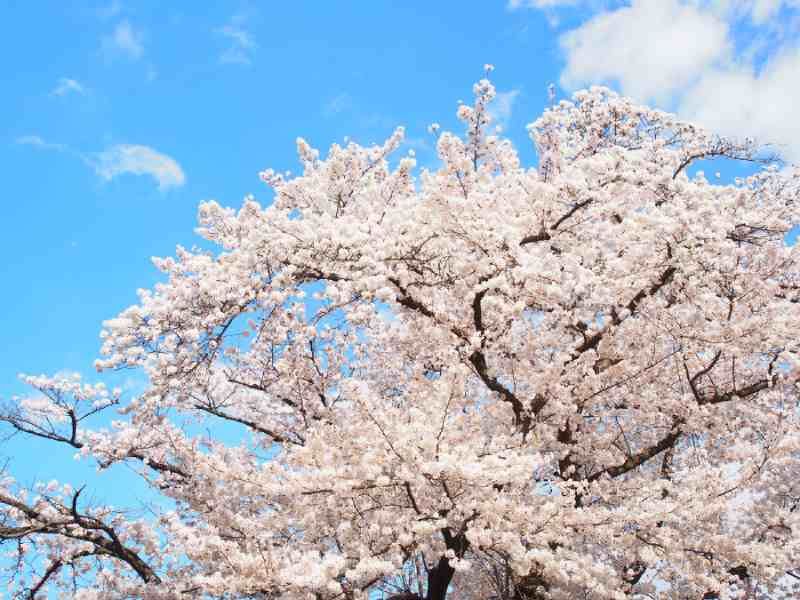
Few sights are as breathtaking as a cherry tree exploding into bloom in early spring. Those clouds of pink and white blossoms are a true sign that winter is finally over, and the last thing you want to do is cut into the tree right before or during that spectacular show.
Cherry trees are one of the most important trees to avoid pruning in March.
Cherries, including both ornamental and fruiting varieties, set their flower buds in the fall and carry them through winter. Pruning in March means you are almost certainly cutting off buds that are just days away from opening.
Beyond losing the blooms, cuts made on cherry trees in early spring are also more vulnerable to a bacterial disease called bacterial canker, which spreads easily in cool, wet Virginia spring weather.
The best time to prune cherry trees in Virginia is right after they finish blooming, typically in late April or May. At that point, you can clearly see the tree’s structure, the flowers have already done their job, and the tree is in active growth mode, which means wounds close over much more quickly.
Waiting those extra weeks makes a significant difference in the tree’s long-term health. Homeowners who grow ornamental cherry trees, like the famous Yoshino cherry that lights up Washington D.C. just across the border each spring, should treat them the same way.
Enjoy the March blooms fully, then pick up your pruning tools once the petals have fallen. Your cherry tree will reward your patience with another stunning performance the following spring, year after year, making it one of the most beloved trees in any garden.
6. Dogwood Trees Need Protection From March Pruning
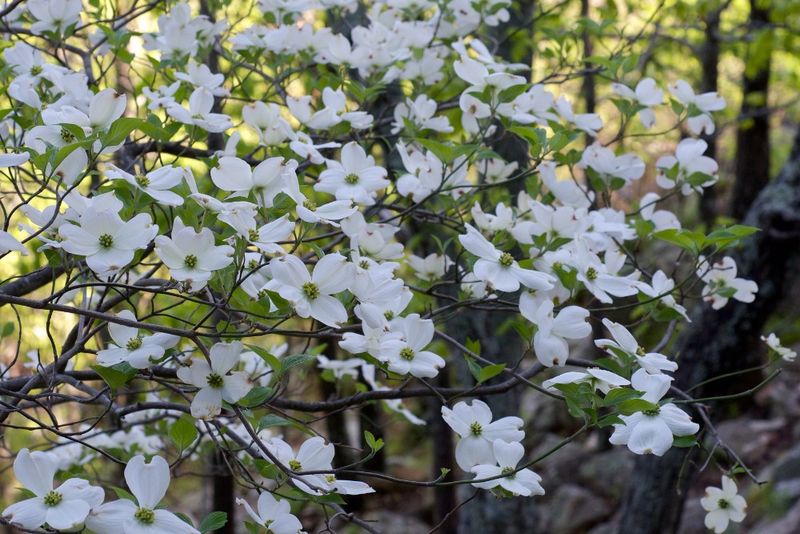
The flowering dogwood is a state tree, and it deserves every bit of respect that title implies. Come March, dogwoods across the state are already gearing up for one of nature’s best performances, with their iconic white or pink bracts preparing to unfurl.
Pruning a dogwood in March is one of the quickest ways to ruin that display and weaken the tree at the same time.
Dogwoods are naturally sensitive trees that do not handle pruning wounds well when they are stressed or actively pushing energy into blooms.
Cuts made in early spring invite a devastating fungal infection called dogwood anthracnose, which has already taken a serious toll on wild dogwood populations across forests and Blue Ridge Mountain woodlands.
Keeping your tools away from dogwoods in March is one of the simplest ways to protect them.
If your dogwood genuinely needs pruning, whether to remove a broken branch or improve its shape, wait until late spring after it has finished blooming and its leaves are fully out.
Summer pruning is actually quite well-tolerated by dogwoods, as the warm, dry conditions help cuts seal quickly before disease has a chance to take hold. Always sterilize your pruning tools between trees to avoid spreading any pathogens.
Virginia gardeners who plant dogwoods under the light shade of larger trees, mimicking their natural woodland habitat, tend to have the healthiest and longest-lived specimens.
These trees thrive in the dappled light found at forest edges, exactly the kind of environment you find throughout the Virginia Piedmont and mountain foothills.
Treat your dogwood with care, skip the March pruning, and it will reward you with decades of stunning spring color that makes every yard feel special.
7. Lilac Shrubs Bloom Best When You Skip March Cuts
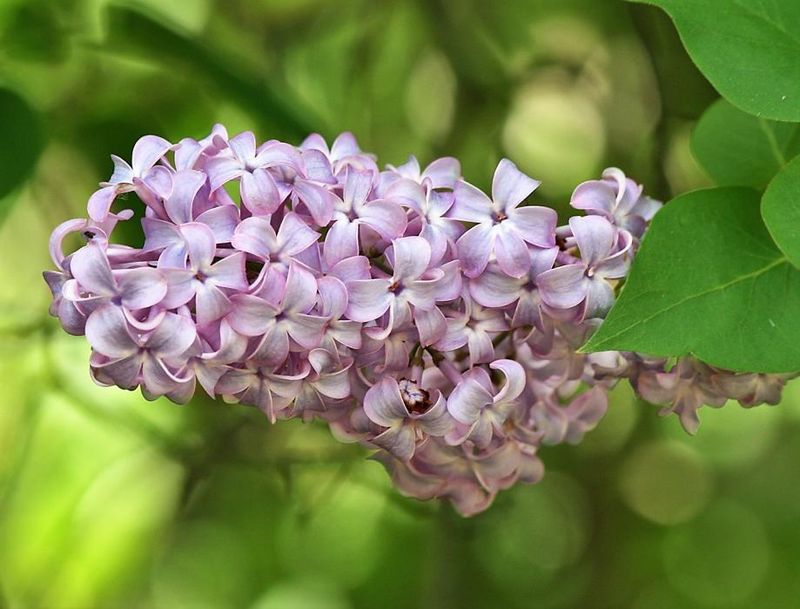
Lilac shrubs carry a kind of nostalgic charm that is hard to put into words. That sweet, unmistakable fragrance drifting across a yard on a warm spring afternoon is something people remember for a lifetime.
But if you prune your lilac in March, you might not get to enjoy that scent at all this year, because lilacs bloom on old wood and their buds are already fully formed by the time March rolls around.
Pruning a lilac in March means cutting off the very branches that hold this season’s flower buds. Unlike some trees that bloom on new growth produced in spring, lilacs develop their buds during the previous summer and carry them through the entire winter.
Every branch you remove in March takes a cluster of future blooms with it, leaving you with a green but flowerless shrub come April and May.
The correct time to prune lilacs is immediately after they finish blooming, which is usually sometime in May depending on your location in the state.
Pruning right after bloom gives the plant the entire growing season to produce new growth, and those new branches will carry next year’s flower buds.
Waiting just a few extra weeks preserves the bloom and keeps the plant on track.
Virginia gardeners in cooler areas like the Alleghany Highlands or the higher elevations near the West Virginia border often have particularly vigorous lilacs that can grow quite large over the years.
For overgrown lilacs, a gradual renewal approach works best, removing no more than one-third of the oldest stems each year right after blooming.
This keeps the plant productive and fragrant without shocking it, ensuring that gorgeous purple display returns every spring without fail.