The Secrets To Growing Asparagus In Pennsylvania
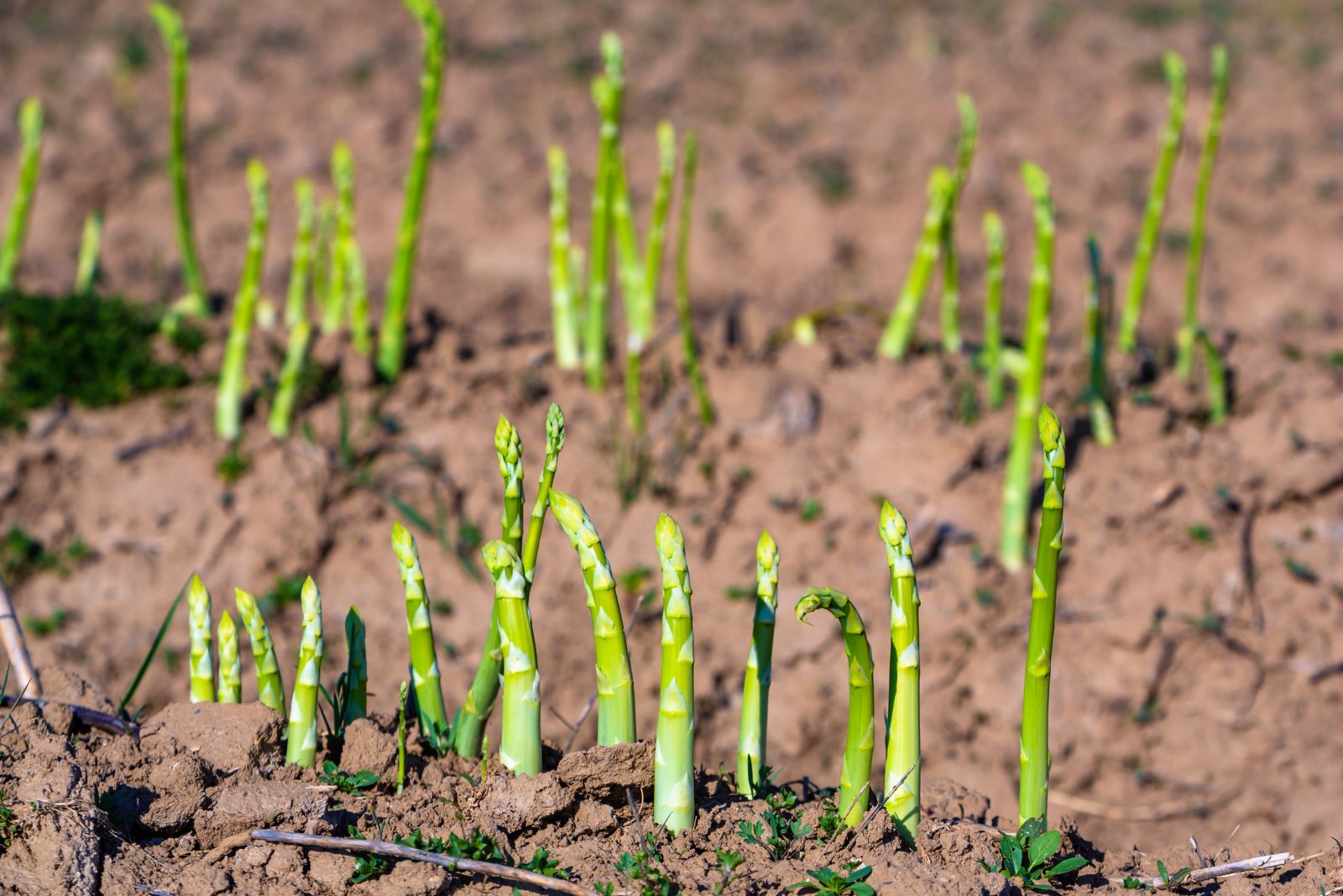
Growing asparagus in Pennsylvania might seem like a challenge, but with the right care, it can become one of the most rewarding crops in your garden.
Known for its crisp, fresh flavor, asparagus is a garden delicacy that’s surprisingly easy to grow once you get the hang of it. The key is patience and planning – this isn’t a crop you can rush, but the payoff is worth it.
In Pennsylvania, asparagus thrives with a little extra attention to soil, sun, and spacing. It loves well-drained soil and plenty of sunlight, making it perfect for early spring planting.
While it may take a couple of years for your asparagus to truly take off, once it establishes itself, it will keep producing for years to come. With the right setup, you can enjoy fresh spears straight from your garden, season after season.
Ready to get started? Your asparagus patch could become your new garden favorite.
1. Choosing The Right Variety For Pennsylvania
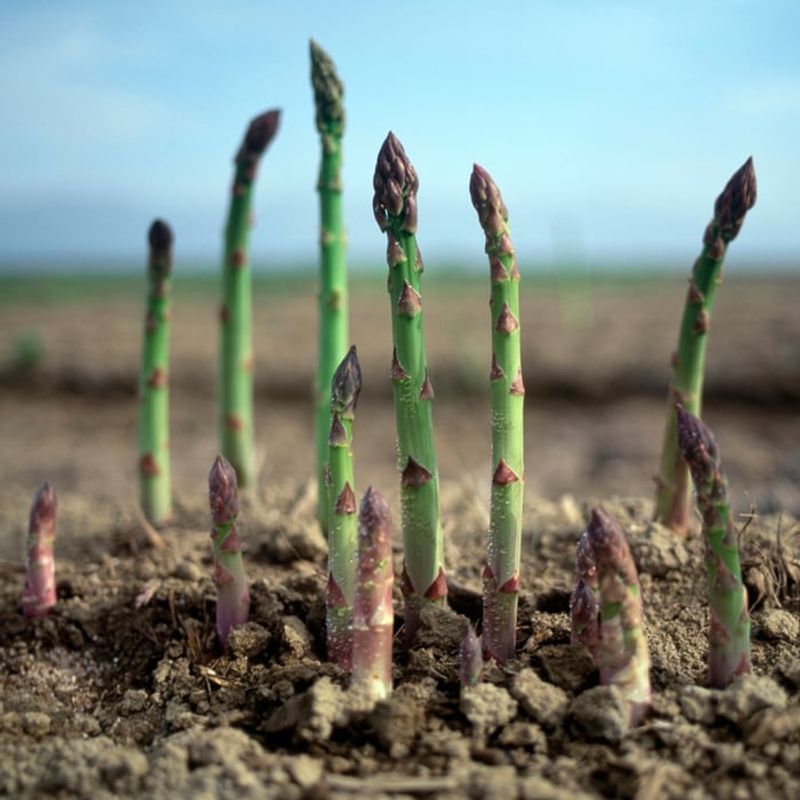
Not all asparagus varieties are created equal, and picking the right one can make a huge difference in your garden’s success. Pennsylvania gardeners have a few standout options that are well-suited to the state’s cold winters and unpredictable spring weather.
The most popular choices are Jersey Knight and Mary Washington, both of which have earned their reputation for a good reason.
Jersey Knight is a top pick for Pennsylvania because it handles cold temperatures like a champ. It is also highly resistant to common diseases like rust and crown rot, which can wipe out a whole bed if left unchecked.
This variety produces thick, flavorful spears and tends to yield more than older varieties. Mary Washington is a classic heirloom variety that many Pennsylvania gardeners have grown for generations.
It is open-pollinated, which means you can save seeds, and it performs reliably in the Keystone State’s climate. The spears are tender and have that rich, earthy asparagus flavor that everyone loves.
When choosing a variety, look for crowns labeled as disease-free and one year old. Older crowns can struggle to establish, while younger ones adapt quickly.
Local nurseries in Pennsylvania often carry region-specific recommendations, so do not hesitate to ask for advice.
Choosing a cold-hardy, disease-resistant variety from the start sets your entire asparagus bed up for long-term success and gives you the best shot at a plentiful harvest every spring.
2. Preparing The Soil: The Key To A Successful Asparagus Bed
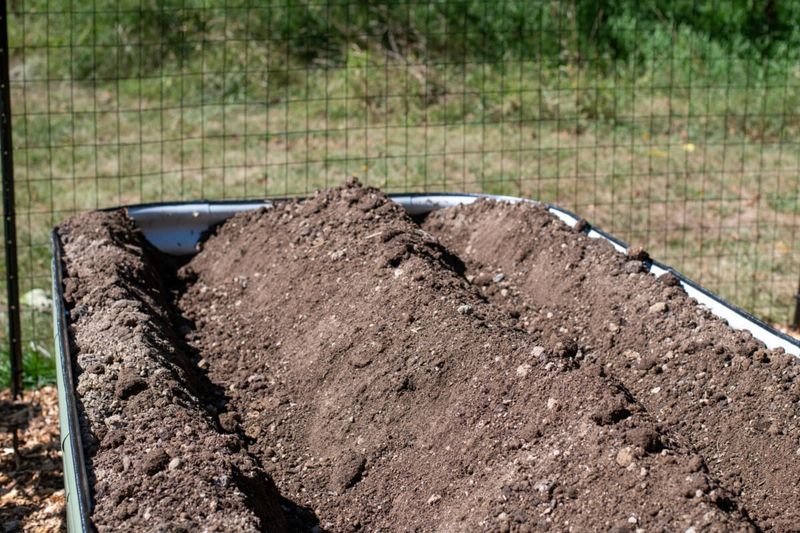
Asparagus is a long-term investment in your garden, and the soil you plant it in will either make or break your harvest for years to come.
Getting the soil right before you ever put a crown in the ground is the single most important step in the entire process. Asparagus thrives in well-drained, sandy-loam soil that does not hold too much water.
Start with a soil test before doing anything else. Penn State Extension offers affordable soil testing kits that give you a clear picture of what your soil needs.
Asparagus prefers a soil pH between 6.5 and 7.0, so if your soil is too acidic, you may need to add lime to bring it up to the right level.
Your Pennsylvania Garden Changes Every Week. Your Plan Should Too.
Gardening in Pennsylvania changes quickly throughout the season. Every Friday you’ll receive a simple weekly plan showing exactly what to plant, prune, fertilize, harvest, and protect so you never miss the right timing.
Once you know your pH, it is time to add organic matter. Work in a few inches of well-composted manure or compost into the top six inches of soil.
This improves drainage, adds nutrients, and encourages the kind of healthy microbial activity that asparagus roots love. Avoid using fresh manure, as it can introduce pathogens and burn young roots.
Pennsylvania soils can vary widely by region, from the heavy clay soils in some areas to the lighter soils found in other parts of the state. If your soil is heavy clay, consider building a raised bed to improve drainage.
Good drainage is non-negotiable for asparagus because standing water can cause crown rot and severely limit your plant’s ability to thrive season after season.
3. Planting Asparagus: Timing And Techniques
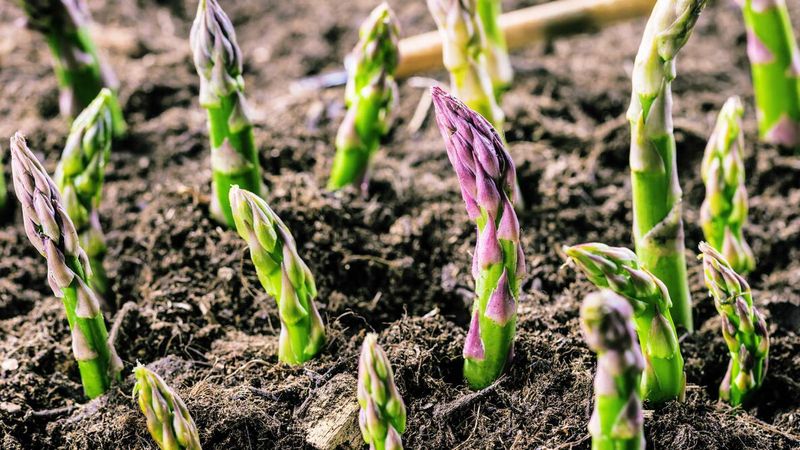
Timing is everything when it comes to planting asparagus in Pennsylvania. The best window is early spring, usually somewhere between late March and mid-April, depending on where you are in the state.
You want to get the crowns in the ground about two to four weeks before the last average frost date, giving them time to establish before summer heat kicks in.
Start by digging a trench about six inches deep and twelve inches wide. Space your trenches about four to five feet apart to give mature plants plenty of room to spread.
Place the asparagus crowns at the bottom of the trench, spreading the roots out like a spider web. Space each crown about 18 to 24 inches apart within the trench for proper air circulation and root development.
Cover the crowns with just two to three inches of soil at first. As the spears begin to emerge and grow, gradually add more soil until the trench is filled to ground level.
This gradual backfilling technique helps the crowns establish strong root systems without being buried too deep all at once.
Water the bed lightly right after planting to settle the soil around the roots. Avoid soaking the bed, as overly wet conditions can cause the crowns to rot before they even get started.
Pennsylvania’s early spring rain often provides enough natural moisture, but keep an eye on things during dry spells. A good start in the ground means a stronger, more productive plant for years ahead.
4. Caring For Asparagus: Watering, Fertilizing, And Mulching
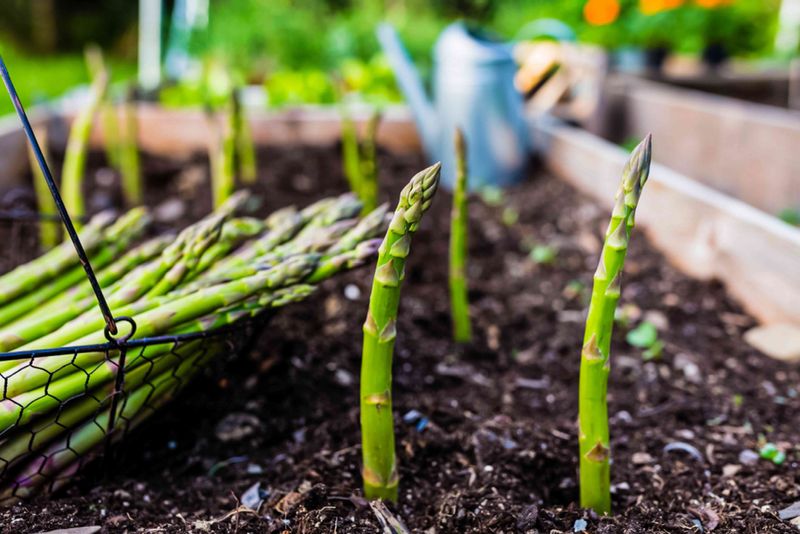
Once your asparagus is in the ground, consistent care is what keeps it healthy and productive year after year. Asparagus is not a high-maintenance plant, but it does have a few basic needs that should not be ignored.
Watering, feeding, and mulching are the three pillars of good asparagus care throughout the growing season.
Water your asparagus bed about one inch per week during the growing season. Pennsylvania summers can get hot and dry, so pay attention to rainfall and supplement with irrigation when needed.
Avoid overwatering, though, because soggy soil is just as harmful as drought. Drip irrigation is a great option because it delivers water directly to the roots without wetting the foliage.
Fertilizing is important, especially during the early years when the plants are still building their root systems. In early spring, before spears emerge, apply a balanced fertilizer or a generous layer of compost around the bed.
Organic options like well-rotted manure or a 10-10-10 granular fertilizer work well for Pennsylvania gardens. A second light feeding after the harvest season helps the ferns build energy for the following year.
Mulching is a simple step that pays off in big ways. Spread two to three inches of straw, wood chips, or shredded leaves over the bed to keep weeds down and hold moisture in the soil.
Weeds are one of the biggest threats to young asparagus plants because they compete for water and nutrients. A good layer of mulch also regulates soil temperature during Pennsylvania’s unpredictable spring and fall weather.
5. Managing Pests And Diseases
Every Pennsylvania gardener eventually encounters pests or diseases in the asparagus bed, but the good news is that most problems are manageable with a little attention and the right approach.
Catching issues early is the key to preventing small problems from turning into big ones. Knowing what to look for makes all the difference.
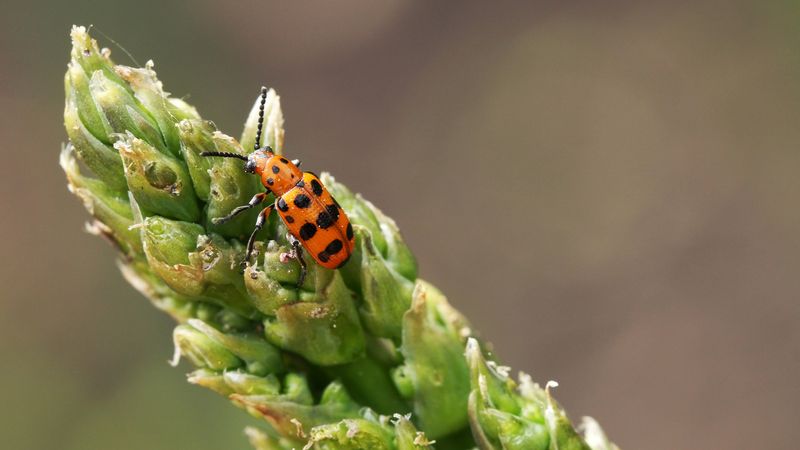
The asparagus beetle is the most common pest in Pennsylvania gardens. Both the common asparagus beetle and the spotted asparagus beetle can attack spears and ferns, leaving behind chewed foliage and unsightly damage.
Handpicking is the most effective organic control method. Check your plants in the morning when beetles are slow-moving and drop them into a bucket of soapy water.
Neem oil spray is also a reliable organic option that discourages beetles without harming beneficial insects.
Asparagus rust is a fungal disease that shows up as orange or brown powdery spots on the ferns. It thrives in wet, humid conditions, which are common in many parts of Pennsylvania during summer.
Planting resistant varieties like Jersey Knight significantly reduces the risk of rust. Good air circulation and avoiding overhead watering also help keep fungal problems at bay.
Crown rot is another concern, especially in poorly drained soils. Planting in raised beds or well-amended soil prevents most cases.
Rotate any nearby vegetable plantings and avoid working in the bed when it is wet to reduce the spread of soil-borne diseases.
A healthy, well-cared-for asparagus patch in Pennsylvania is naturally more resistant to both pests and disease outbreaks throughout the season.
6. Harvesting And Maintaining Your Asparagus Patch
Patience is the golden rule of asparagus growing, and nowhere is that more true than at harvest time.
It can be tempting to snap off those first spears right away, but holding back in the early years is what guarantees a productive patch for decades to come. The wait is absolutely worth it once you taste fresh-picked Pennsylvania asparagus.
Do not harvest at all during the first year after planting. Let the ferns grow freely so the crowns can build strong, deep root systems.
In the second year, harvest lightly for just one to two weeks, taking only the thickest spears. By the third year, you can enjoy a full harvest that lasts four to six weeks without stressing the plants.
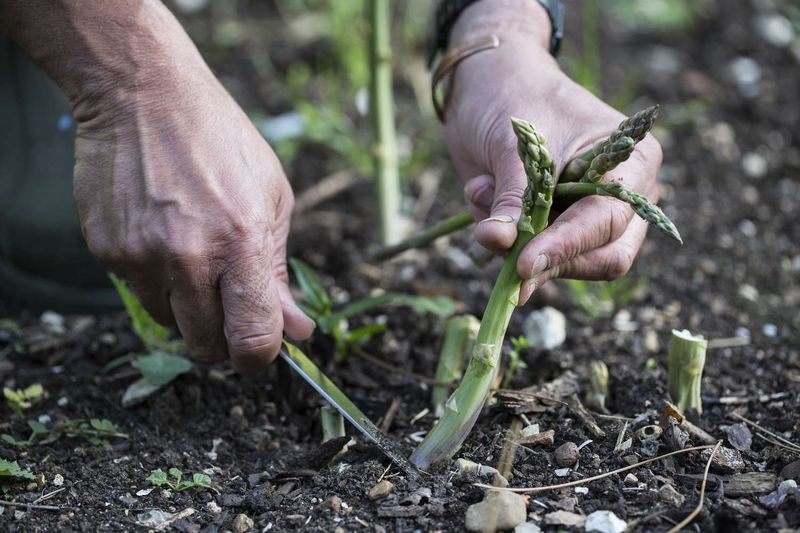
To harvest correctly, snap or cut the spears at ground level when they are six to eight inches tall. Use a sharp knife or simply bend the spear until it snaps naturally at its tender point.
Avoid cutting too deep into the soil because this can accidentally damage emerging crowns below the surface. Harvest every day or two during peak season because spears grow fast in Pennsylvania’s warm spring weather.
After the harvest season ends, let the remaining spears grow into tall, feathery ferns. These ferns are not just pretty to look at.
They are doing the critical work of photosynthesis, sending energy back down into the roots to fuel next year’s crop. Leave the ferns standing until they turn yellow and brown in fall before cutting them back to the ground.
7. Ensuring A Thriving Asparagus Patch Year After Year
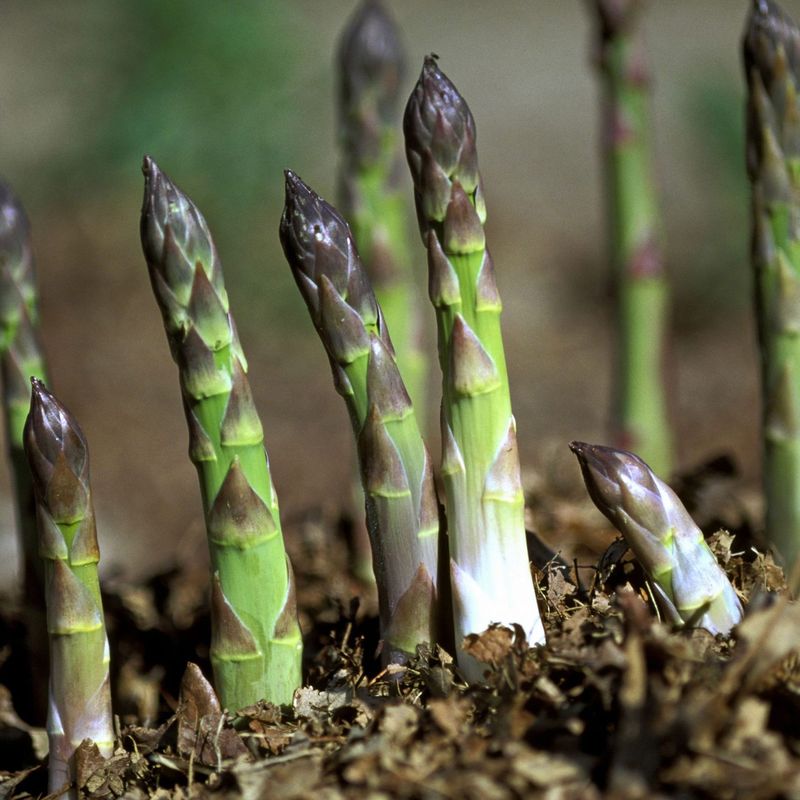
An asparagus patch that is well cared for can keep producing for 20 years or more, making it one of the best long-term investments in any Pennsylvania garden. The secret to that kind of longevity is not complicated.
It comes down to consistent fall care, smart soil management, and knowing when to step in and make adjustments to the bed.
Every fall, after the ferns have turned brown and dried out, cut them back to about two inches above the soil. Remove all the debris from the bed and dispose of it rather than composting it, since diseased material can harbor pests over winter.
Once the bed is cleared, spread a two to three inch layer of compost over the entire surface. This feeds the soil and the roots as they rest through Pennsylvania’s cold winter months.
Over time, an asparagus bed can become overcrowded as the crowns multiply and spread. When spears start coming up thin and pencil-like, that is a sign the bed needs thinning.
Carefully dig out some of the older, outer crowns in early spring before growth begins. Thinning gives the remaining crowns more space and resources, which leads to thicker, more flavorful spears the following season.
Keep adding compost or aged manure each fall to maintain soil fertility and structure. Check the soil pH every few years and adjust as needed to keep it in that sweet spot between 6.5 and 7.0.
A little attention each season goes a long way toward keeping your Pennsylvania asparagus patch productive, healthy, and full of life for many years to come.