Beautiful Ornamental Grass Varieties To Grow In Containers In Pennsylvania
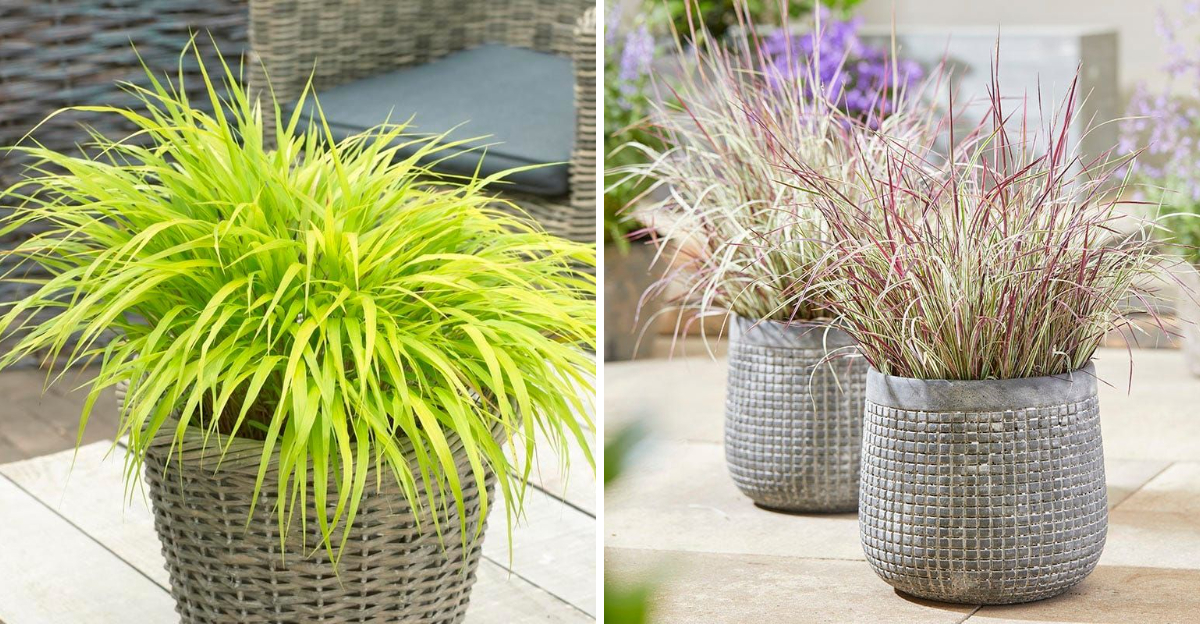
Container gardens do not have to be all flowers, herbs, and trailing vines. Ornamental grasses can bring a whole new kind of beauty to a Pennsylvania porch, patio, balcony, or small backyard.
They sway in the breeze, add soft texture, and keep things interesting even when other plants are between blooms. Some varieties offer feathery plumes, while others show off bold stripes, blue-green blades, or warm fall color that looks amazing beside mums and pumpkins.
Pennsylvania’s changing seasons make grasses especially useful in containers. Many handle cool spring weather, humid summers, and crisp autumn days with ease, as long as they have the right pot, drainage, and sunlight.
They can stand alone as a simple focal point or mix beautifully with annuals and perennials. If your outdoor space needs movement, height, and low-maintenance charm, ornamental grasses may be exactly what your containers have been missing.
1. Blue Fescue
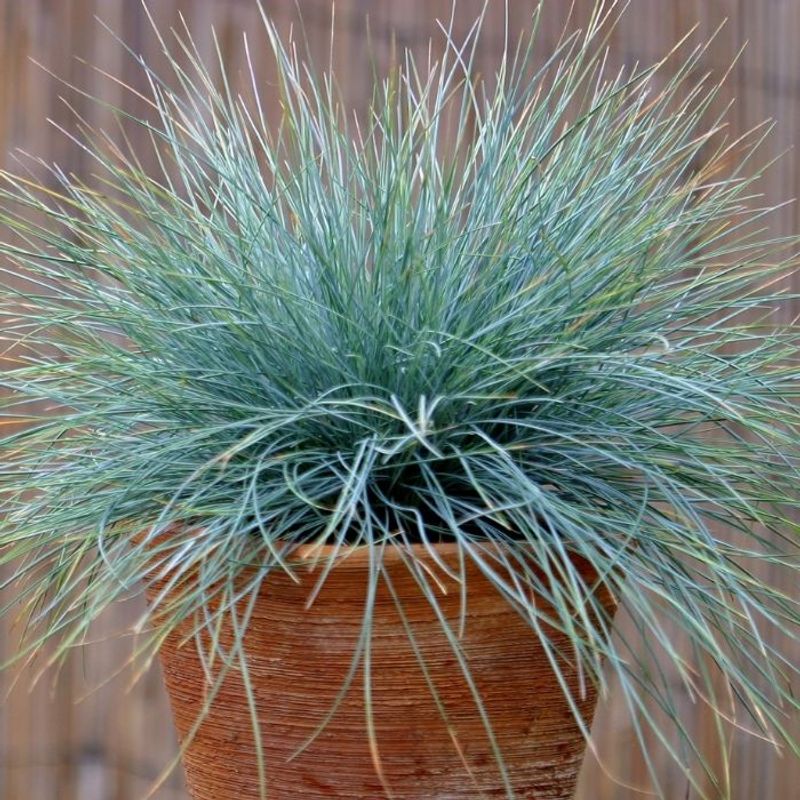
If you want a grass that looks like it belongs in a fairy tale garden, Blue Fescue is your answer. This compact, cool-season grass grows in tight, rounded clumps of silvery blue-gray blades that almost glow in the sunlight.
It stays small, usually reaching about 8 to 12 inches tall, making it a perfect fit for containers of all sizes.
In Pennsylvania, Blue Fescue shines especially well during spring and fall when temperatures are cool. It actually prefers cooler weather, which means it looks its best during those crisp Pennsylvania mornings.
During hot and humid summers, it may slow down a bit, but it bounces right back when temperatures drop.
One of the best things about this grass is that it keeps its color year-round. Even in winter, those blue-gray blades add a pop of color to an otherwise bare porch or patio.
Plant it in a container with well-drained soil and place it where it gets full sun for at least six hours a day.
Watering is simple. Just make sure the soil does not stay soggy, because Blue Fescue does not like wet feet.
A container with drainage holes works best. Fertilize lightly in spring to encourage fresh growth.
Fun fact: The name “Elijah Blue” was given to this variety because of its especially vivid blue color compared to other fescues.
It is one of the most popular ornamental grasses sold in Pennsylvania garden centers every spring. Pair it with bright flowers like marigolds or petunias for a stunning container display.
2. Japanese Forest Grass
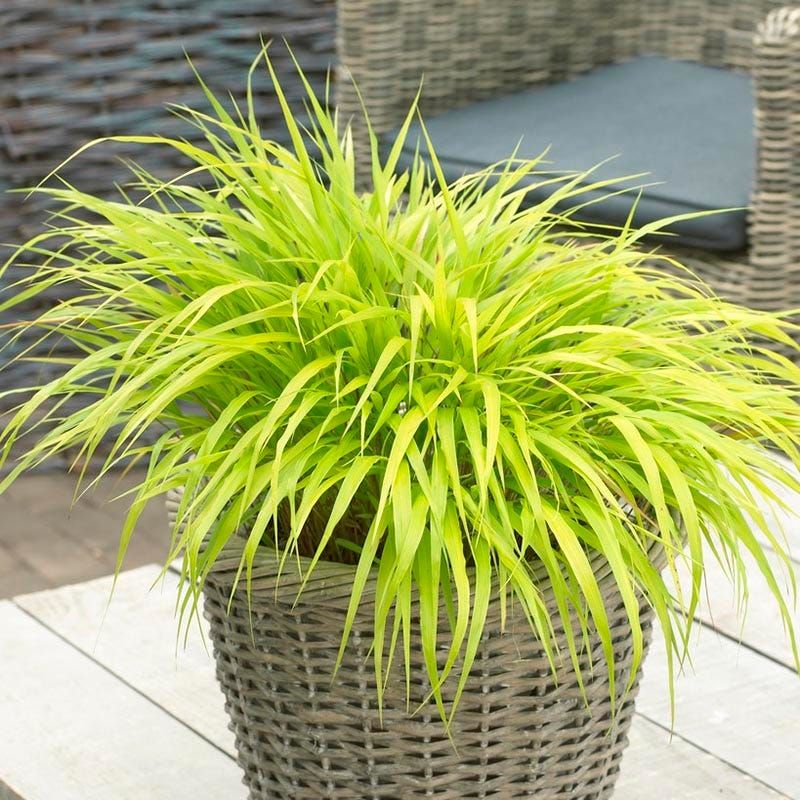
There is something almost magical about watching Japanese Forest Grass sway in a light breeze. Its long, arching blades flow downward like a soft waterfall, creating a graceful, almost poetic look in any container.
This grass is truly one of the most elegant choices you can make for a shaded patio in Pennsylvania.
Unlike most ornamental grasses that prefer full sun, Japanese Forest Grass actually thrives in partial to full shade. This makes it a fantastic option for those spots on your porch or under a tree where other plants struggle.
In Pennsylvania, shaded patios can sometimes feel dull and lifeless, but this grass completely changes that.
Your Pennsylvania Garden Changes Every Week. Your Plan Should Too.
Gardening in Pennsylvania changes quickly throughout the season. Every Friday you’ll receive a simple weekly plan showing exactly what to plant, prune, fertilize, harvest, and protect so you never miss the right timing.
The foliage is typically a warm golden-green color, though some varieties lean more toward bright yellow or striped green and gold. In fall, the leaves take on beautiful reddish-orange tones, giving your container display a whole new look without any extra effort on your part.
Keep the soil consistently moist but never waterlogged. Japanese Forest Grass likes humidity, so Pennsylvania summers actually suit it well.
Use a rich, well-draining potting mix and a container that holds moisture without becoming swampy. A light layer of mulch on top of the soil can help retain moisture during drier stretches.
This grass grows slowly, which means you will not need to repot it too often. It reaches about 12 to 18 inches tall and wide, making it ideal for medium to large containers.
Place it alongside hostas or ferns for a lush, layered shade garden look right on your Pennsylvania patio.
3. Feather Reed Grass
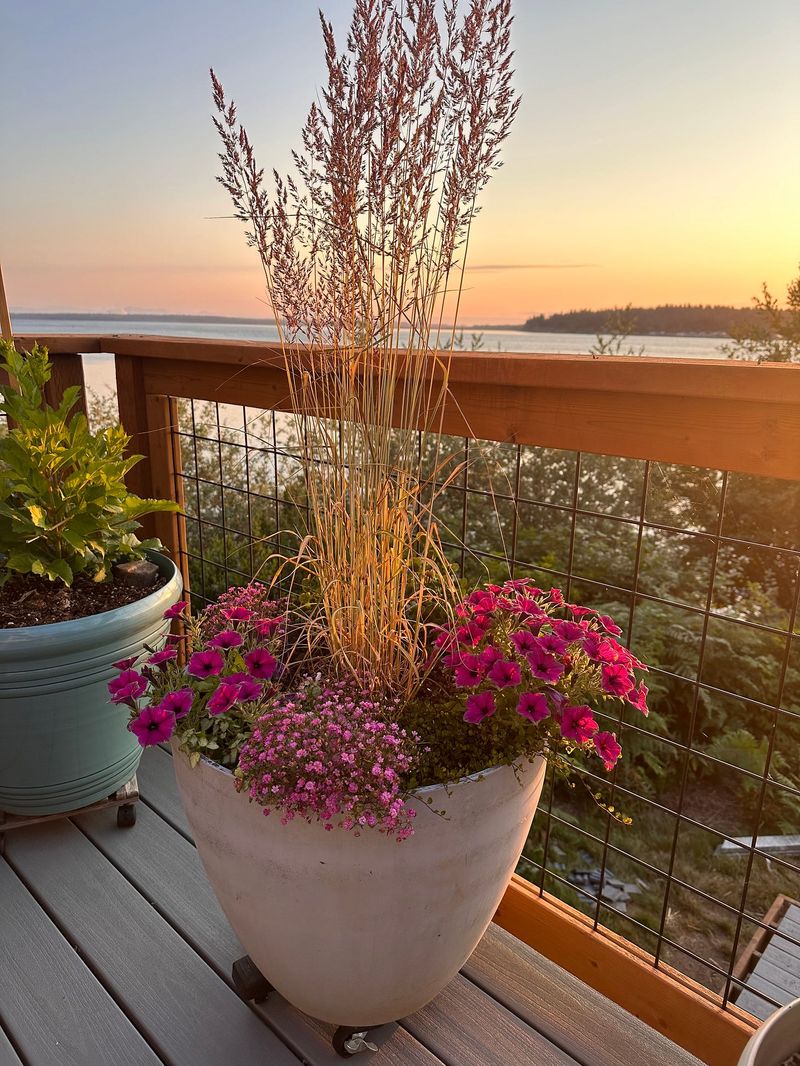
Bold, tall, and absolutely unforgettable, Karl Foerster Feather Reed Grass is the kind of plant that makes people stop and stare. It shoots straight up like a living exclamation point, reaching heights of four to five feet when grown in a large container.
If you want to add dramatic vertical interest to your Pennsylvania outdoor space, this is the grass to choose.
What makes this variety so special is how early it comes to life. It is one of the first ornamental grasses to emerge in spring, and by early summer, it produces feathery, pinkish-bronze plumes that eventually turn a warm golden tan.
Those plumes stick around well into winter, giving your container display months of visual interest.
Pennsylvania gardeners love Karl Foerster because it handles the state’s unpredictable weather like a champ. It is hardy in USDA zones 4 through 9, which covers all of Pennsylvania comfortably.
Whether you are dealing with a late spring frost or a dry August heat wave, this grass keeps going strong.
Choose a large, heavy container to support its height and prevent tipping on windy days. Use a quality potting mix and make sure the container drains well.
Water regularly during the growing season, but ease up in winter when the grass goes dormant.
Maintenance is refreshingly simple. Cut it back to about four to six inches in late winter or very early spring before new growth begins.
That is really all it needs. For Pennsylvania gardeners who want big impact with minimal fuss, Karl Foerster is absolutely worth growing in containers.
4. Pennsylvania Sedge
Right in the name, Pennsylvania Sedge feels like it was made for this state, and honestly, it kind of was.
Carex pensylvanica is a native plant that naturally grows in Pennsylvania’s woodland floors, making it perfectly adapted to the local climate and soil conditions. Growing it in containers is a wonderful way to celebrate the state’s natural plant heritage.
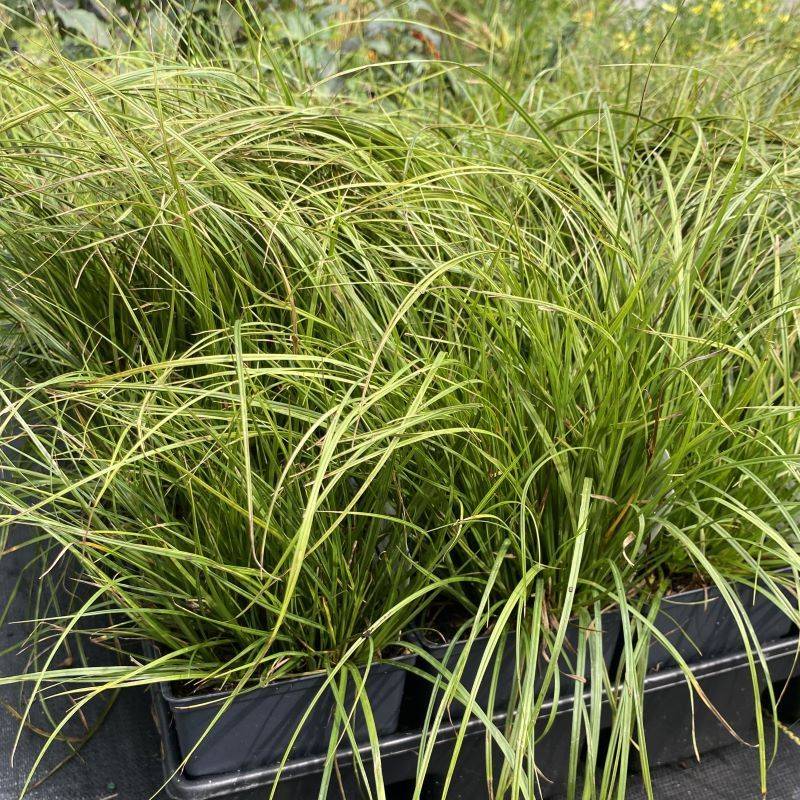
This low-growing sedge forms a soft, dense carpet of fine, dark green blades. It typically stays under 12 inches tall, which makes it ideal for wide, shallow containers where it can spread out and look lush.
The relaxed, flowing texture gives containers a natural, woodland-inspired appearance that feels both calming and beautiful.
One of the biggest advantages of Pennsylvania Sedge is its love of shade. Got a dark corner of your porch that nothing seems to like?
This plant will happily fill it in. It tolerates partial to full shade, which opens up a lot of container placement options that other grasses simply cannot handle.
Watering needs are moderate. Once established, Pennsylvania Sedge is fairly drought-tolerant, especially compared to other shade-loving plants.
Keep the soil lightly moist during the hottest parts of Pennsylvania summers, but do not stress if you miss a watering or two.
Because it is a native plant, Pennsylvania Sedge also supports local wildlife. It provides cover and food for small insects and birds, which is a nice bonus for eco-conscious gardeners.
Pair it with native ferns or wild ginger in your container for a stunning all-native plant display that celebrates Pennsylvania’s natural beauty all season long.
5. Little Bluestem
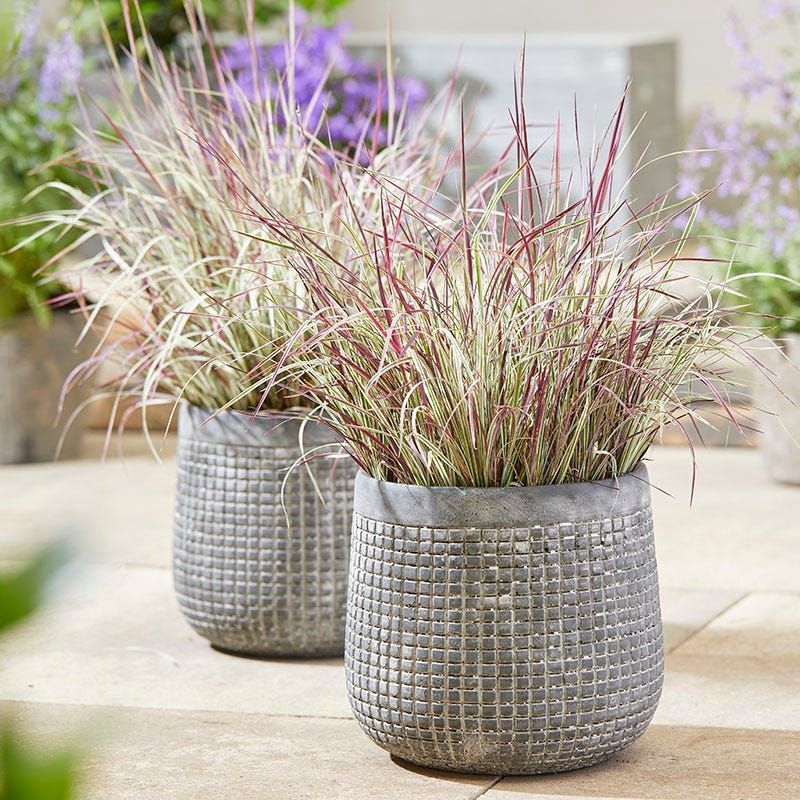
Few ornamental grasses put on a seasonal show quite like Little Bluestem. In summer, the upright clumps glow with a cool blue-green color that stands out beautifully against warm-colored flowers or simple terracotta pots.
Then, as Pennsylvania’s fall temperatures begin to drop, something amazing happens: the foliage shifts to rich shades of red, orange, and bronze that rival any autumn leaf display.
Little Bluestem is a native prairie grass that has been growing across North America for thousands of years. It is incredibly tough and well-suited to Pennsylvania’s variable climate.
It handles summer heat, late-season dry spells, and cold winters without complaint, making it one of the most reliable choices for container growing in the state.
For containers, choose a larger pot since Little Bluestem can reach two to four feet tall and needs room for its root system to settle in comfortably. It prefers full sun, so place the container somewhere it gets at least six hours of direct sunlight each day.
Well-drained potting soil is a must, as this grass does not like sitting in soggy conditions. Watering is easy once the plant is established. It is actually quite drought-tolerant, which is great news for busy gardeners.
Avoid over-fertilizing, as too much nitrogen can make the stems flop over instead of standing tall and proud.
Come late fall, the fluffy white seed heads add yet another layer of texture to the display. Birds love those seeds too, so you might find your container becoming a little wildlife hotspot right on your Pennsylvania porch or deck.
6. Pink Muhly Grass
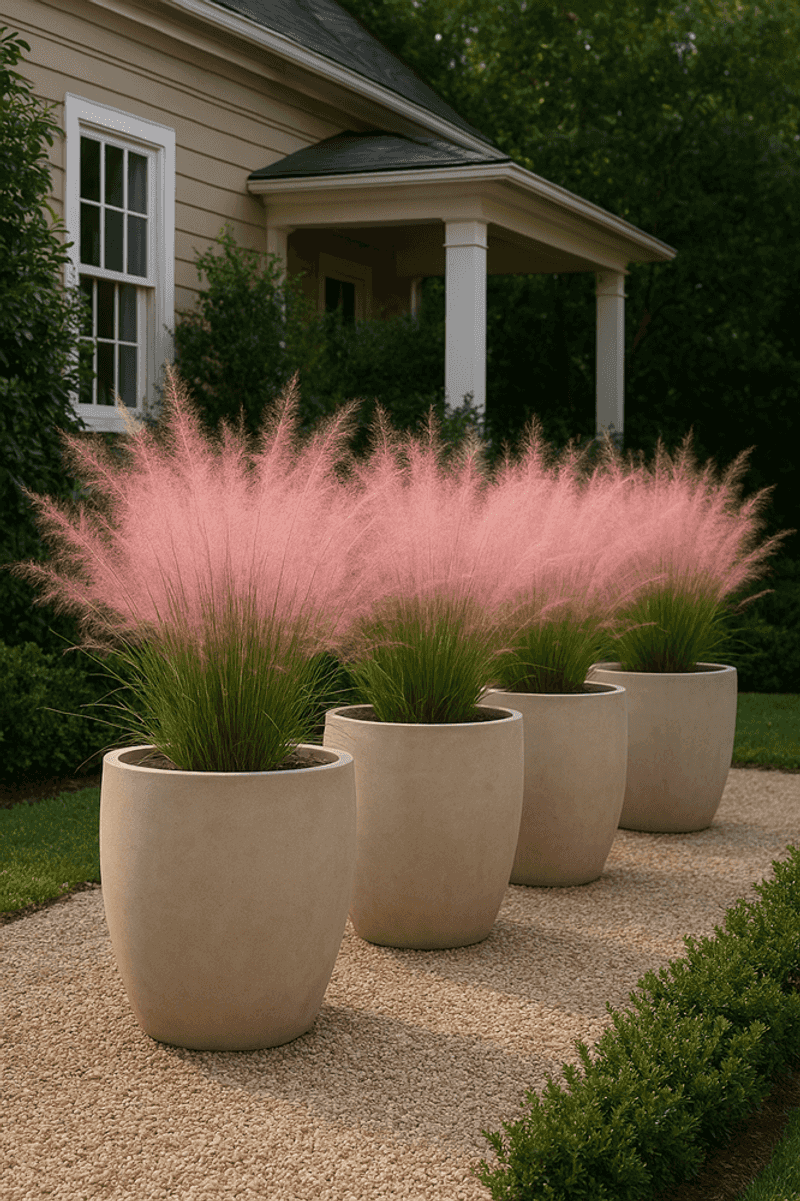
Imagine stepping outside in late September to find your container overflowing with a cloud of soft, cotton-candy pink. That is exactly what Pink Muhly Grass delivers every fall, and it never gets old.
This grass is genuinely one of the most jaw-dropping plants you can grow in a container anywhere in Pennsylvania, and it earns every bit of that reputation.
Throughout spring and summer, Pink Muhly Grass looks like a tidy clump of fine, dark green blades. It is pretty enough, but nothing too dramatic.
Then, as the days shorten in late summer and early fall, it erupts into a breathtaking display of airy, pinkish-purple plumes that seem to float above the foliage like a rosy mist.
Growing it in Pennsylvania containers is straightforward. This grass loves full sun and well-drained soil, so pick a sunny spot on your porch, deck, or driveway and use a container with good drainage holes.
It handles Pennsylvania’s summer heat and humidity well, and it is hardy enough to survive most Pennsylvania winters when given a little protection.
Watering needs are low to moderate. Pink Muhly Grass is drought-tolerant once established, so do not overwater it.
Let the top inch or two of soil dry out between waterings. Skip heavy fertilizing, as too many nutrients can reduce the dramatic plume display you are counting on.
Cut the grass back to about four inches in early spring before new growth starts. Within a few weeks, fresh green blades will push up, and the whole stunning cycle begins again. For pure seasonal drama in Pennsylvania containers, nothing beats Pink Muhly Grass.