These 6 Common Mistakes Are Ruining Your Georgia Spring Garden
Spring in Georgia can make gardeners feel unstoppable for about five minutes. A few warm afternoons arrive, the garden centers fill up, and suddenly it seems like everything should go in the ground right now.
Then a cold snap rolls through, the soil stays soggy for days, or a shrub gets pruned at exactly the wrong time. That is how small spring mistakes start turning into bigger garden headaches.
Georgia’s mix of late frosts, heavy rain, humidity, and fast warmups can punish rushed decisions in a hurry. The good news is that most spring setbacks come from a handful of very fixable habits.
Once you know what tends to go wrong here, it gets much easier to time planting better, water more wisely, and give your garden a stronger start that carries into the rest of the season.
1. Planting Too Early Can Set Your Garden Back
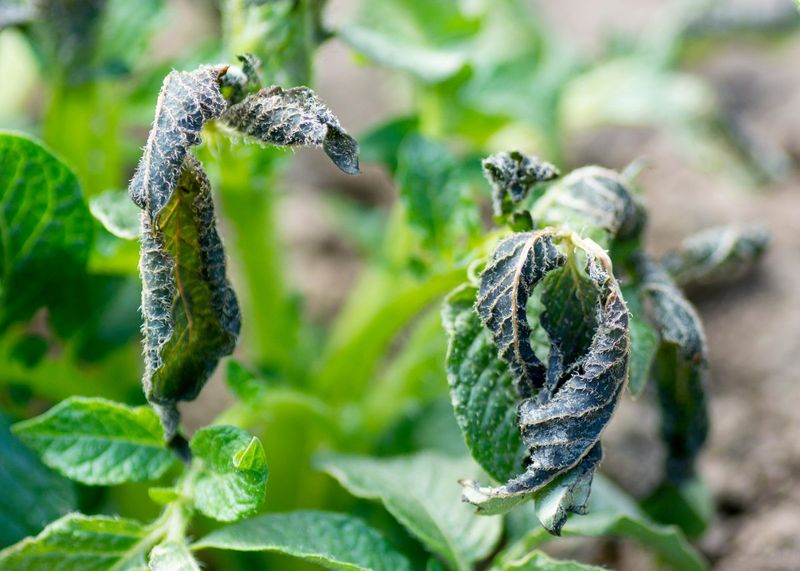
A stretch of warm days in late February or early March can make Georgia feel ready for planting, but soil conditions often tell a different story. Air temperatures may rise quickly, yet soil warms much more slowly, especially after periods of rain.
Many warm-season vegetables and tender annuals establish best once soil temperatures are consistently around 60°F, with some crops performing better closer to 65–70°F.
Planting before that threshold is reached often leads to seeds sitting inactive or transplants failing to root properly.
Late frosts are another factor that varies across the state. Northern Georgia, particularly the mountain regions, can still experience freezing temperatures into April, while central and southern areas warm earlier.
Relying on a few warm afternoons instead of checking local frost dates can lead to setbacks that delay growth more than waiting would have.
Using a soil thermometer is one of the most reliable ways to time planting correctly. Paying attention to both nighttime temperatures and soil warmth gives a clearer picture of when conditions are truly ready.
For gardeners eager to start early, containers offer flexibility since they can be moved during cold nights. Taking a more measured approach at the start of spring often results in stronger, faster-growing plants once conditions stabilize.
2. Overwatering During Spring Showers
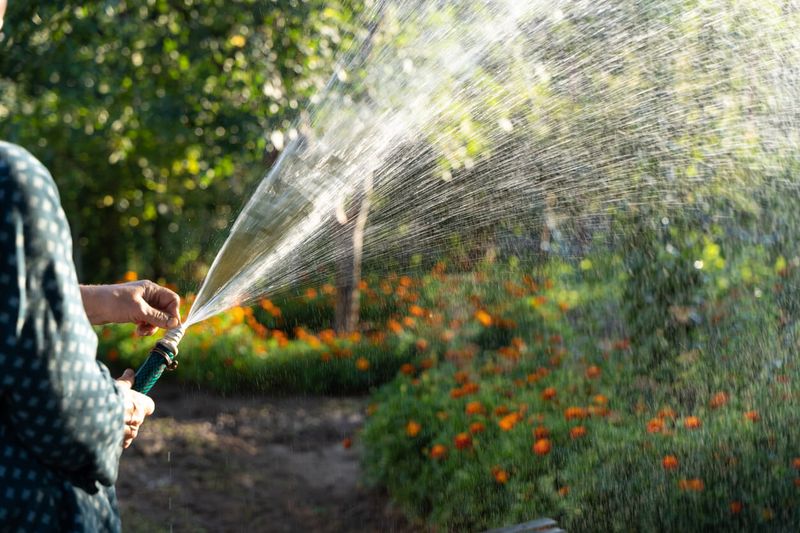
Spring rainfall in Georgia can be generous, and that creates one of the most common gardening mistakes: adding water when the soil already has enough.
In many parts of the state, especially where clay soil is common, moisture lingers longer than expected.
When irrigation continues on top of frequent rain, the soil can stay saturated, reducing oxygen around roots and slowing plant development.
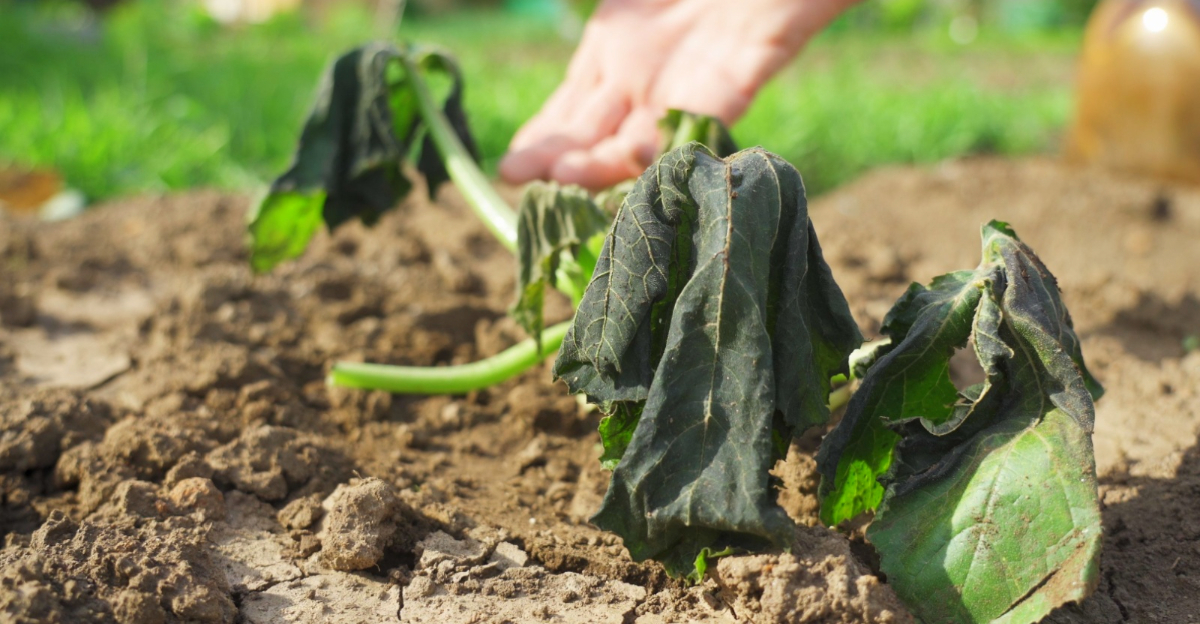
Symptoms of overly wet soil can be misleading. Leaves may yellow or wilt, which often looks like a lack of water.
This leads some gardeners to water even more, making the situation worse. The key is to check soil moisture before watering rather than relying on a fixed schedule.
Pressing a finger a couple of inches into the soil gives a quick and reliable indication of whether watering is needed.
Improving drainage is just as important as adjusting watering habits. Raised beds, containers with proper drainage holes, and adding organic matter like compost can all help water move through the soil more effectively.
Your Georgia Garden Changes Every Week. Your Plan Should Too.
Gardening in Georgia changes quickly throughout the season. Every Friday you’ll receive a simple weekly plan showing exactly what to plant, prune, fertilize, harvest, and protect so you never miss the right timing.
Grouping plants with similar moisture needs also makes watering more precise.
Letting the soil guide decisions instead of the calendar leads to stronger root systems and healthier plants. In Georgia’s spring conditions, careful watering often means watering less, not more.
3. Ignoring Soil Testing and pH Adjustments
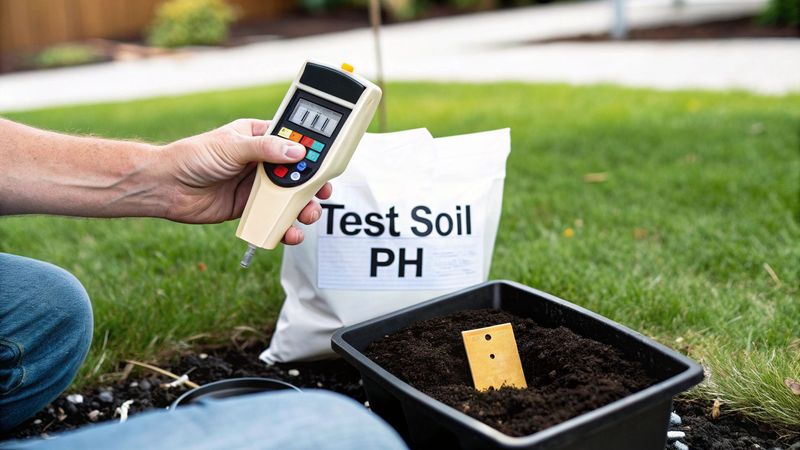
One of the most overlooked steps in spring gardening is understanding what is happening below the surface. Soil in Georgia varies widely from yard to yard, and pH plays a major role in how well plants can access nutrients.
Without testing, gardeners may add fertilizer or amendments without knowing if they are actually needed.
Soil pH affects the availability of essential nutrients such as nitrogen, phosphorus, and potassium. Many vegetables and flowering plants grow best in slightly acidic to neutral soil, generally between 6.0 and 7.0.
When soil falls outside that range, nutrients can become less available, even if they are present in the soil. Some plants, like blueberries, prefer more acidic conditions and perform poorly if pH rises too much.
A soil test provides clear guidance on what adjustments are needed. In Georgia, testing services offer specific recommendations for lime, sulfur, or fertilizer based on your soil’s condition.
These changes take time, so early spring is an ideal moment to test and begin improving soil before peak planting.
Adding compost can help improve structure and support beneficial soil activity, but it does not replace correcting pH when needed. Checking soil every few years helps track changes and keeps your garden on the right path for consistent growth and better results.
4. Pruning At The Wrong Time Reduces Blooms
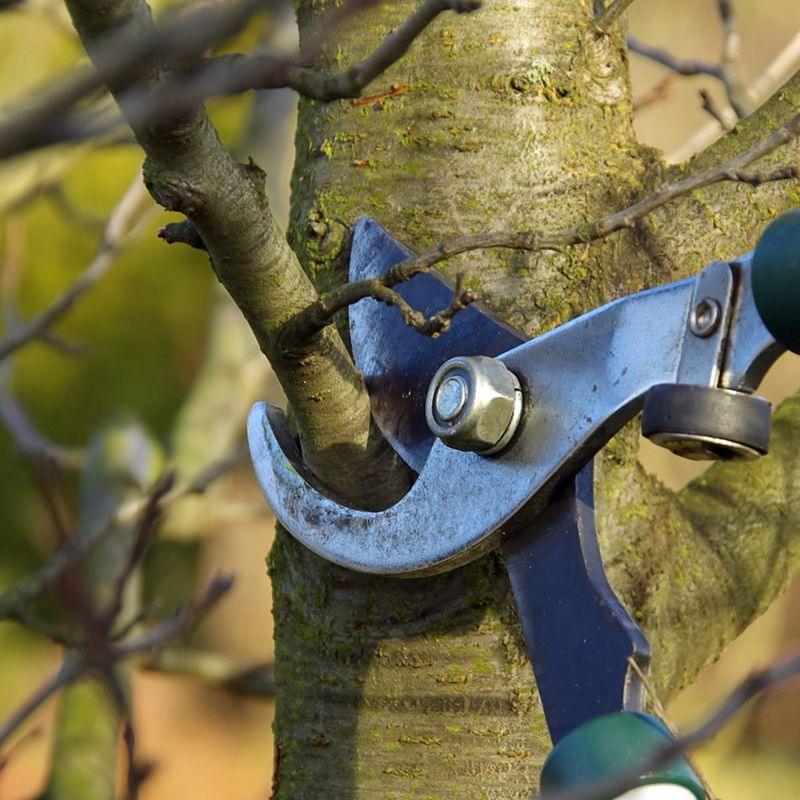
Timing matters more than technique when it comes to pruning. Many spring-flowering shrubs in Georgia form their buds during the previous growing season, which means those buds are already in place by late winter.
Cutting branches at the wrong time removes those buds and leads to fewer flowers, even if the plant itself remains healthy.
Azaleas, camellias, and forsythia are common examples. These plants benefit from pruning soon after they finish blooming in spring.
That timing allows new growth to develop and set buds for the following year. Waiting too long into summer can shorten that window and reduce the next season’s bloom potential.
Other plants follow a different pattern. Crape myrtles, for example, bloom on new growth and can be pruned in late winter or very early spring.
Even then, heavy cutting that removes large portions of the canopy can lead to weak, crowded growth instead of a balanced structure.
The most practical approach is to learn the bloom cycle of each plant in your garden. Keeping simple notes on when plants flower and when they were pruned helps avoid confusion.
A well-timed pruning routine supports healthier growth, better airflow, and a more reliable display of blooms throughout the season.
5. Spacing Plants Too Close Together Limits Growth
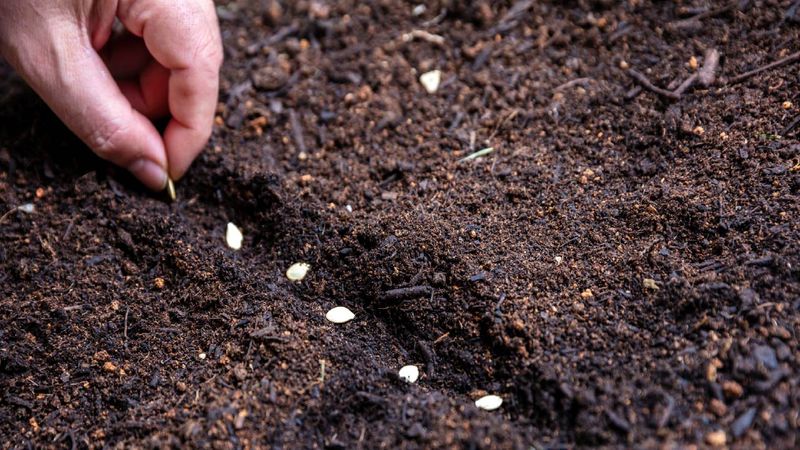
It is easy to underestimate how much space plants will need once they mature. Small transplants can make spacing recommendations feel excessive, but those guidelines are based on how large the plant will become, not how it looks at planting time.
In Georgia’s warm and humid climate, giving plants enough space is especially important.
When plants are placed too close together, airflow between them is reduced. Moisture lingers longer on leaves and stems, creating conditions where fungal issues can develop more easily.
Crowded plants also compete for water and nutrients, which can limit growth and reduce overall performance even when care is consistent.
Following spacing guidelines on plant tags and seed packets is one of the simplest ways to avoid these issues. Tomatoes, for example, often need two to three feet between plants to grow properly.
Crowding them may seem efficient, but it usually results in lower yields and weaker plants.
Thinning seedlings early can feel counterintuitive, but it allows the remaining plants to develop stronger root systems and fuller growth.
In raised beds and containers, where space feels limited, it is especially important to resist the urge to overplant.
Giving plants room to grow leads to healthier gardens and more reliable results throughout the season.
6. Failing To Mulch Can Harm Your Garden
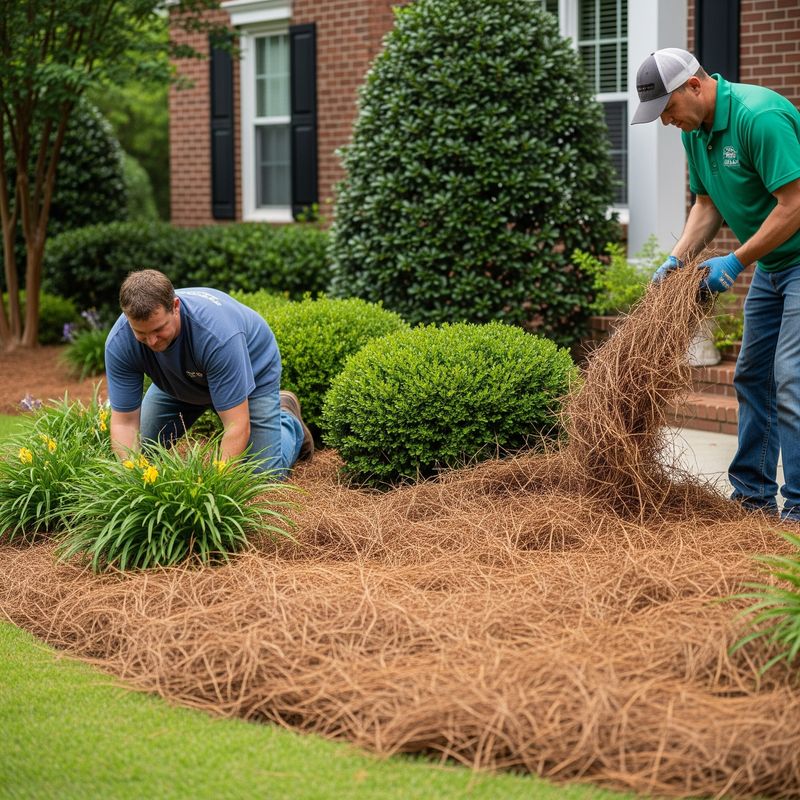
Mulch is one of the most useful tools for managing a Georgia garden, yet it is often overlooked early in the season.
A proper layer of mulch helps regulate soil temperature, retain moisture, and reduce weed growth, all of which become more important as spring progresses into warmer weather.
Georgia’s spring conditions can shift quickly from cool and damp to warm and dry. Bare soil responds to these changes more dramatically, losing moisture faster and exposing roots to temperature swings.
A two to three inch layer of mulch creates a buffer that keeps conditions more stable around the root zone.
Organic mulches such as pine straw, pine bark, shredded leaves, or wood chips are commonly used across the state. Pine straw is especially popular around acid-loving plants, while bark and wood mulches work well in vegetable beds and mixed plantings.
The key is to apply mulch evenly while keeping it a few inches away from plant stems and tree trunks to prevent moisture buildup.
Refreshing mulch each spring maintains its benefits without creating overly thick layers that block water and airflow.
Along with improving soil over time, mulch reduces the need for frequent watering and makes garden maintenance much easier.
This simple step supports healthier growth from early spring through the heat of summer.