How To Prevent Blossom End Rot In Georgia Tomatoes
Tomatoes start setting fruit in Georgia just as the weather begins to shift, and that is when things can quietly go off track.
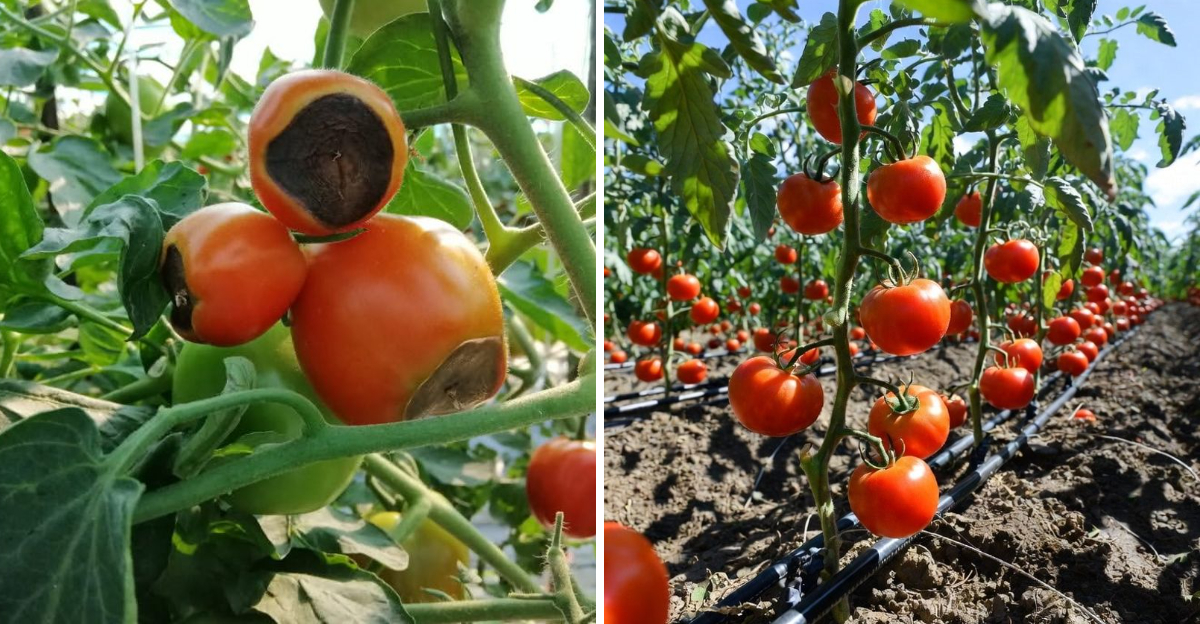
Plants still look healthy from the outside, yet the first signs show up on the fruit itself, often catching people off guard.
Plenty of growers run into the same issue without realizing what triggered it. Watering feels consistent, soil seems fine, and growth looks strong, yet something underneath is not lining up the way it should.
That disconnect is what leads to uneven fruit development. Once the pattern becomes clear, it changes how the whole season is handled.
Small adjustments early on can keep plants more stable as temperatures rise, helping fruit develop the way it is supposed to instead of running into problems later on.
1. Keep Soil Moisture Even To Prevent Calcium Disruption
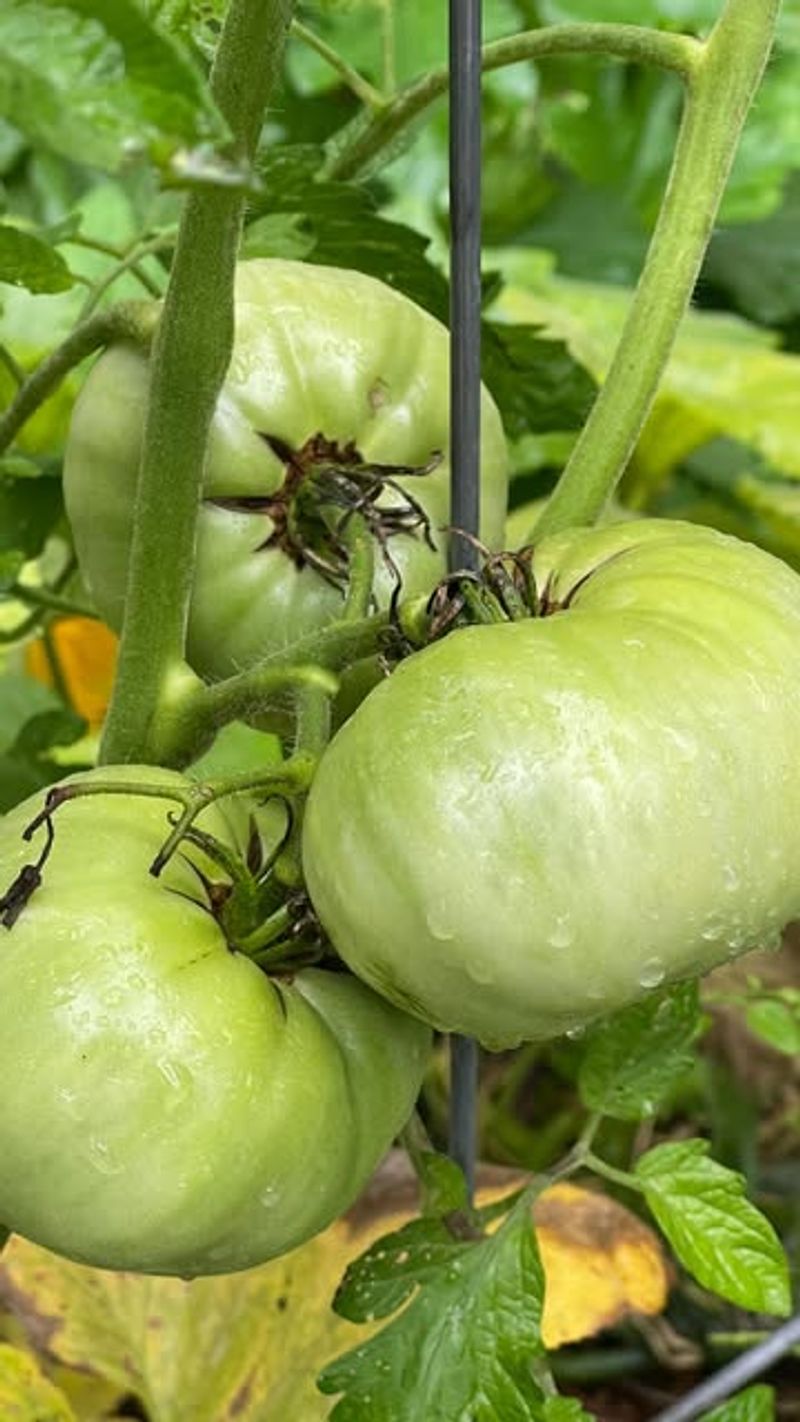
Calcium is the key player in blossom end rot, but here is the twist: most Georgia soils actually have enough calcium in them. The real problem is that tomato plants cannot absorb calcium properly when soil moisture swings wildly between soaking wet and bone dry.
Georgia summers are brutal. Temperatures regularly climb past 90 degrees, and a few days without rain can dry out your garden bed faster than you expect.
When roots sit in dry soil, calcium uptake slows down dramatically, even if the mineral is sitting right there in the ground.
Keeping soil moisture consistent is not about watering more, it is about watering smarter. Check your soil every day during hot stretches by pressing a finger about two inches down.
If it feels dry at that depth, water right away and do not wait until plants look wilted.
Wilting is a sign your plants have already been stressed, and stress during fruit development is exactly when blossom end rot strikes hardest. Young tomatoes forming in late spring or early summer in Georgia are especially vulnerable during the first heat waves of the season.
A simple soil moisture meter can take the guesswork out of this completely. They are inexpensive and widely available at garden centers across Georgia.
2. Water Deeply Instead Of Frequent Shallow Watering
Shallow watering is one of the sneakiest causes of blossom end rot in Georgia gardens, and most people never suspect it. When you water lightly every day, moisture only soaks a couple of inches into the soil.
Tomato roots go much deeper than that, sometimes reaching 18 to 24 inches down.
Roots that stay shallow cannot find stable moisture during Georgia’s unpredictable summer heat. A deep watering session two or three times a week pushes moisture down to where the roots actually live.
That deeper moisture reservoir stays more consistent even when the top layer of soil dries out quickly in the afternoon sun.
A good rule of thumb is to water until moisture reaches at least six to eight inches below the surface. You can check this by digging a small hole near the plant after watering.
If the soil is dry past a couple of inches, your watering sessions need to be longer, not more frequent.
Your Georgia Garden Changes Every Week. Your Plan Should Too.
Gardening in Georgia changes quickly throughout the season. Every Friday you’ll receive a simple weekly plan showing exactly what to plant, prune, fertilize, harvest, and protect so you never miss the right timing.
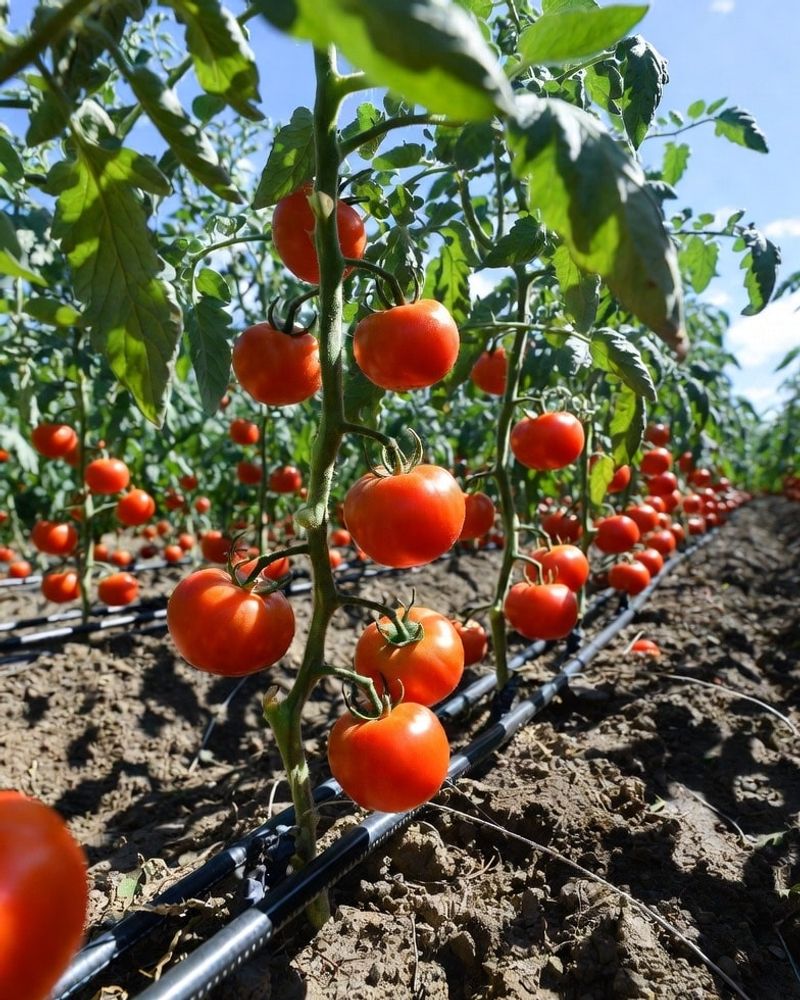
Drip irrigation is one of the most effective tools Georgia tomato growers can use for this exact reason. It delivers water slowly and directly to the root zone, allowing deep penetration without runoff or waste.
Soaker hoses work similarly and are an affordable option for raised beds and in-ground gardens alike.
3. Mulch Around Plants To Hold Moisture And Reduce Stress
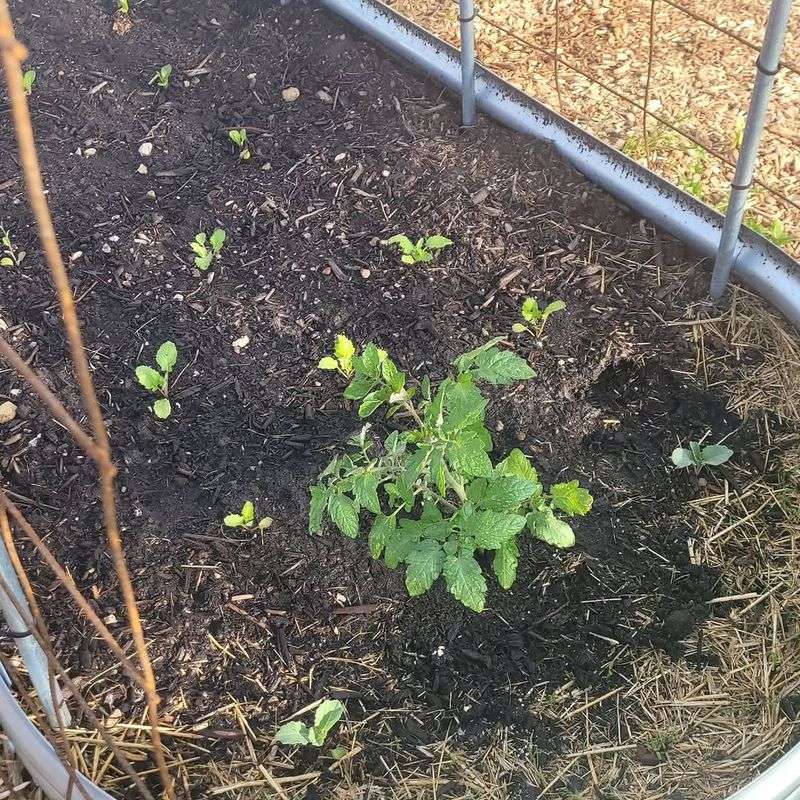
A thick layer of mulch around your tomato plants might be the single easiest upgrade you can make in a Georgia garden. Mulch acts like a blanket over the soil, slowing evaporation dramatically during those long, scorching Georgia afternoons when the sun feels relentless.
Without mulch, soil surface temperatures can spike well above air temperature on a hot day. That kind of heat stress at the soil level disrupts root function and makes it harder for plants to pull in water and nutrients, including calcium.
Mulch keeps those temperatures more stable and manageable.
Straw, pine needles, and wood chips all work well for tomatoes. In Georgia, pine straw is especially popular because it is inexpensive, widely available, and breaks down slowly enough to last through the season.
Apply a layer about three to four inches deep, keeping it a couple of inches away from the main stem to prevent rot at the base.
Beyond moisture retention, mulch also suppresses weeds that compete with tomatoes for water and nutrients. Fewer weeds mean less stress on your plants overall, and less stress means healthier roots that can absorb calcium more efficiently.
4. Avoid Overfertilizing With High Nitrogen Products
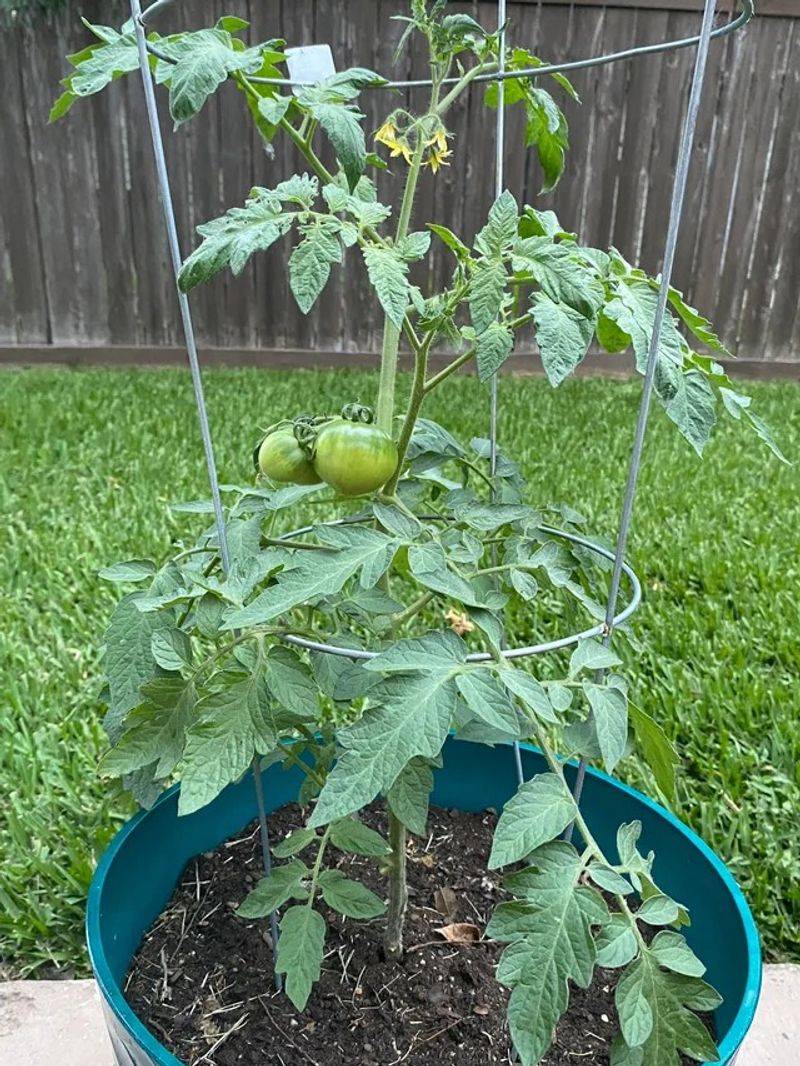
Fertilizer enthusiasm is a real thing, and it gets a lot of Georgia gardeners into trouble. More fertilizer does not mean more tomatoes, and when it comes to nitrogen specifically, too much can actively make blossom end rot worse.
High nitrogen fertilizers push plants to grow fast and produce lots of leafy green growth. That sounds great on the surface, but rapid vegetative growth actually competes with fruit development for calcium.
When a plant is focused on pushing out new leaves and stems, calcium uptake gets redirected away from forming fruit.
Check the numbers on your fertilizer bag before you apply anything. A product labeled 30-0-0 or something similarly nitrogen-heavy is not the right choice during fruiting season.
Once tomatoes start setting fruit in Georgia, switch to a balanced fertilizer with more moderate nitrogen levels, something like a 5-10-10 or 8-8-8 formula.
Timing matters a lot here. Heavy nitrogen applications right when flowers are forming or tiny fruits are just starting to develop are especially likely to cause problems.
Pull back on fertilizing during those critical windows and let the plant focus its energy on fruit development instead of leaf production.
5. Use Well-Draining Soil To Support Healthy Root Uptake
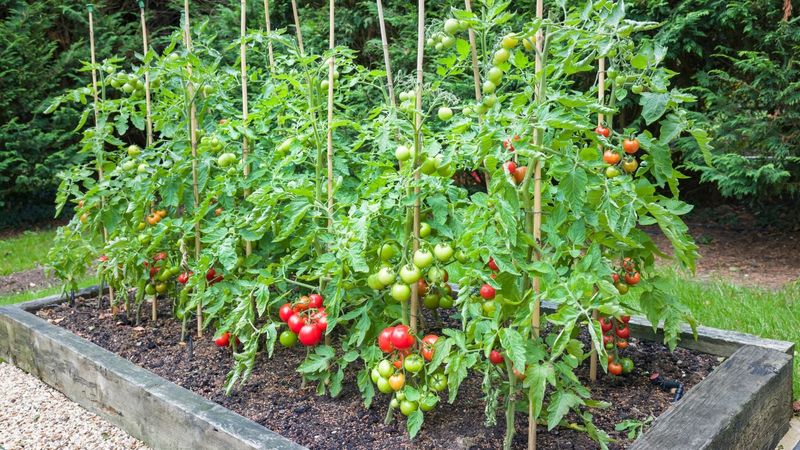
Soggy roots are just as bad as dry ones when it comes to blossom end rot. Waterlogged soil suffocates roots and shuts down their ability to absorb nutrients, including the calcium that tomatoes need to form healthy fruit.
Georgia soils vary a lot depending on where you are in the state. Red clay is common in the Piedmont region and it holds water poorly, draining too slowly after heavy rains.
Sandy coastal soils drain fast but can dry out too quickly between waterings. Both extremes create conditions that stress roots and interfere with calcium uptake.
Improving soil structure with compost is the most reliable fix for both problems. Compost added to clay soil opens it up and improves drainage noticeably.
Added to sandy soil, compost helps hold moisture longer without creating waterlogging. Working in several inches of compost before planting makes a real difference in how roots perform all season long.
Raised beds are another strong option for Georgia gardeners dealing with difficult native soil. Filling a raised bed with a mix of quality topsoil and compost gives you full control over drainage and structure from the start.
Roots in well-structured soil spread easily and access moisture and nutrients much more effectively.
6. Add Calcium Only If Soil Is Truly Deficient
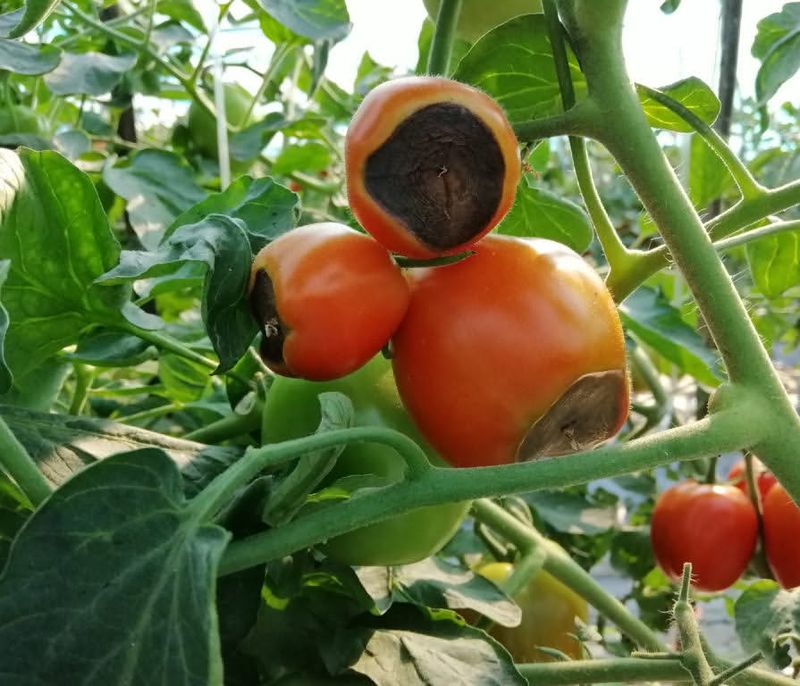
Calcium sprays and supplements are heavily marketed to gardeners dealing with blossom end rot, but reaching for them without testing first is often a waste of money. Most Georgia soils are not actually calcium deficient, especially if you have ever added lime or grown a garden in the same spot for a few seasons.
Blossom end rot is usually a calcium uptake problem, not a calcium supply problem. Spraying calcium directly on fruit or leaves rarely solves the issue if inconsistent watering or poor soil structure is the actual cause.
Fixing the root problem almost always works better than adding supplements on top of an unresolved issue.
That said, there are genuine cases where soil calcium is low, particularly in very sandy Georgia soils that have been heavily leached by rain over many years. A soil test will show you exactly where your levels stand.
Georgia Cooperative Extension offices offer affordable testing and can interpret results in plain language.
If your test confirms low calcium, agricultural lime is a cost-effective way to raise levels while also adjusting pH toward the slightly acidic range that tomatoes prefer, around 6.2 to 6.8. Apply lime in fall if possible so it has time to break down and integrate before spring planting.
7. Protect Roots From Damage During Planting And Care
Root damage is an underappreciated cause of blossom end rot, and it happens more easily than most gardeners realize. When roots get cut, crushed, or disturbed during transplanting or routine garden maintenance, the plant loses part of its ability to pull water and calcium from the soil.
Transplant shock is common in Georgia when seedlings go into the ground during warm spring weather. Planting on a cooler evening rather than midday, watering in immediately, and avoiding excessive root disturbance during the process all reduce the stress a young plant experiences.
Less transplant stress means roots recover faster and get back to absorbing nutrients sooner.
Cultivating around tomato plants with a hoe or trowel is another common way roots get damaged. Tomato roots spread widely and some run close to the soil surface.
Scraping or digging within a foot of the main stem can sever roots you cannot even see, weakening the plant at exactly the time it needs full strength for fruit development.
Hand-pulling weeds close to the base is gentler than hoeing and reduces root disturbance significantly. Mulching well also limits the need for weeding in the first place, which protects roots passively throughout the season.