8 Common Mistakes To Avoid When Growing Coral Honeysuckle In Florida
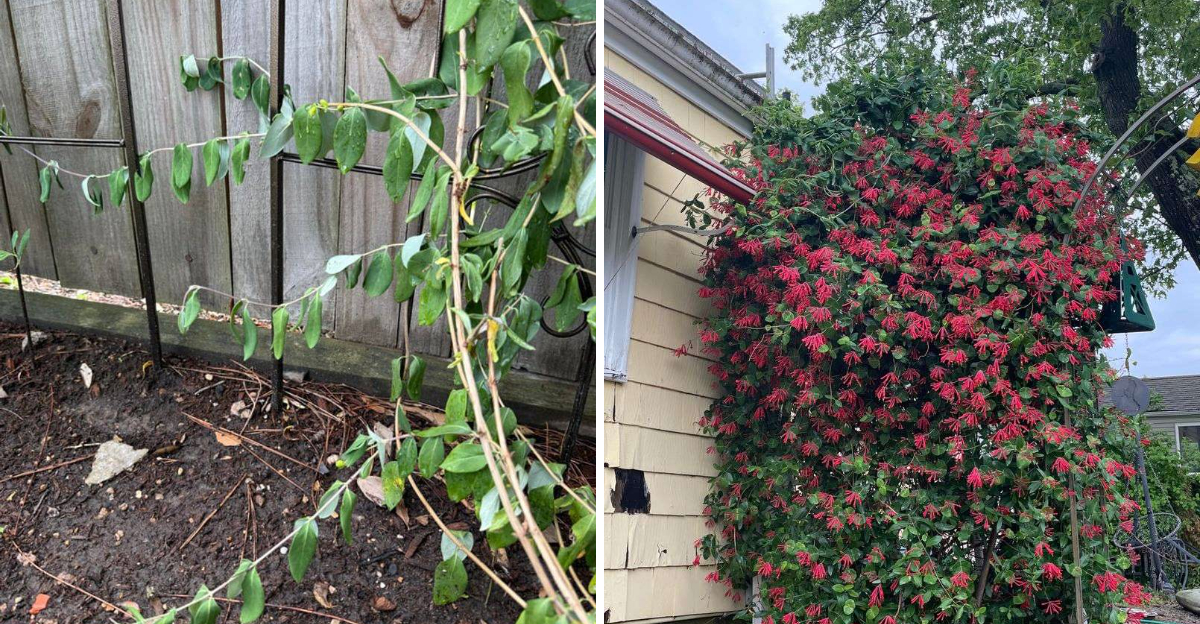
Coral honeysuckle can be one of the most rewarding vines to grow in Florida, but success depends on more than planting it and hoping for the best. This native favorite brings bright tubular blooms, attracts hummingbirds, and adds a wild, effortless look to fences, trellises, and garden edges.
Still, many gardeners run into trouble early. A healthy vine can stall, thin out, or bloom far less than expected when a few common mistakes get in the way.
Problems often start with the wrong location, poor watering habits, or care that does not match Florida’s heat and moisture. The good news is that coral honeysuckle does not need complicated attention to thrive.
It simply needs the right conditions from the start. Avoid a few easy missteps, and this Florida-friendly vine can reward you with stronger growth, better blooms, and a much healthier presence in the garden.
1. Planting It In Too Much Shade
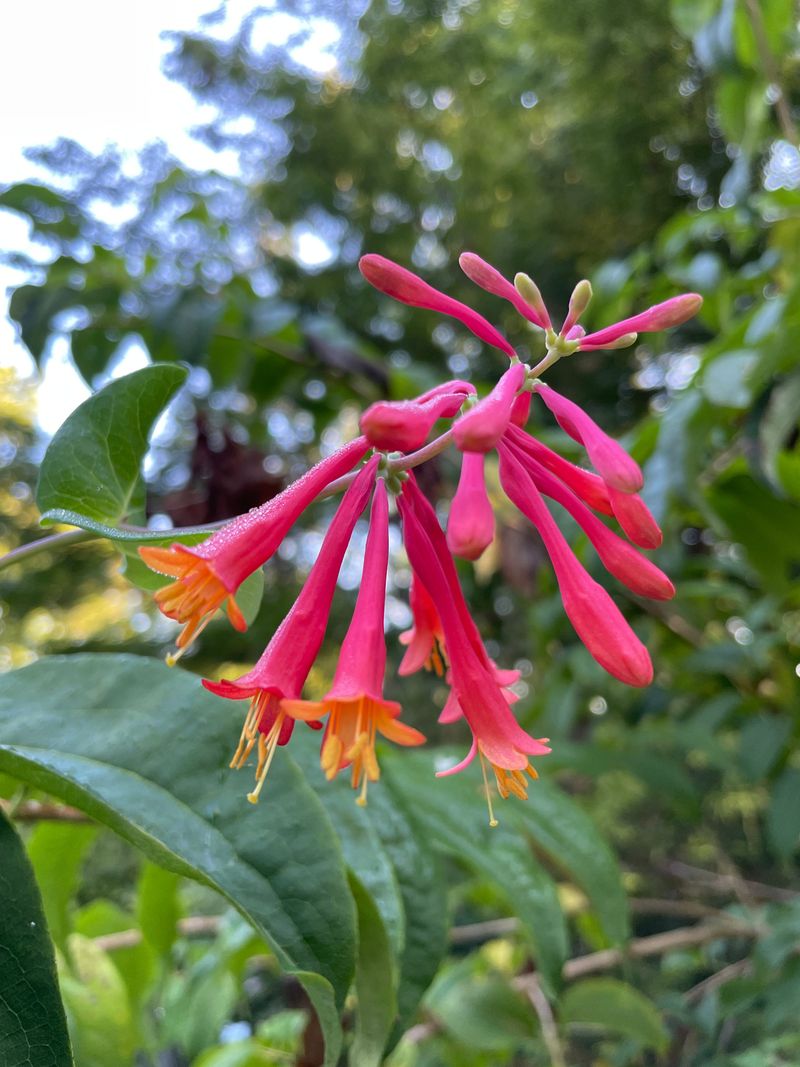
Full sun is not just a suggestion for coral honeysuckle — it is the key to getting those gorgeous red blooms that make this Florida native so popular. When planted in heavy shade, the vine may still grow, but flowering becomes sparse and disappointing.
You end up with a lot of green and very little color, which defeats the whole purpose of planting it.
Coral honeysuckle performs best with at least six hours of direct sunlight each day. Spots under large live oaks or beside tall fences that block afternoon sun are common problem areas in Florida yards.
Partial shade is tolerable, but the more sun the vine gets, the more impressive the flower display will be.
If your vine has been underperforming, take a look at how much light it actually receives throughout the day. Florida’s sun intensity is strong, especially from spring through early fall, and a well-placed coral honeysuckle will reward you with near-constant blooms during that period.
Try repositioning young plants to a sunnier spot before they become too established. Choosing the right location from the start is always easier than trying to fix a shady mistake later.
2. Letting Dry Sandy Soil Stress The Vine
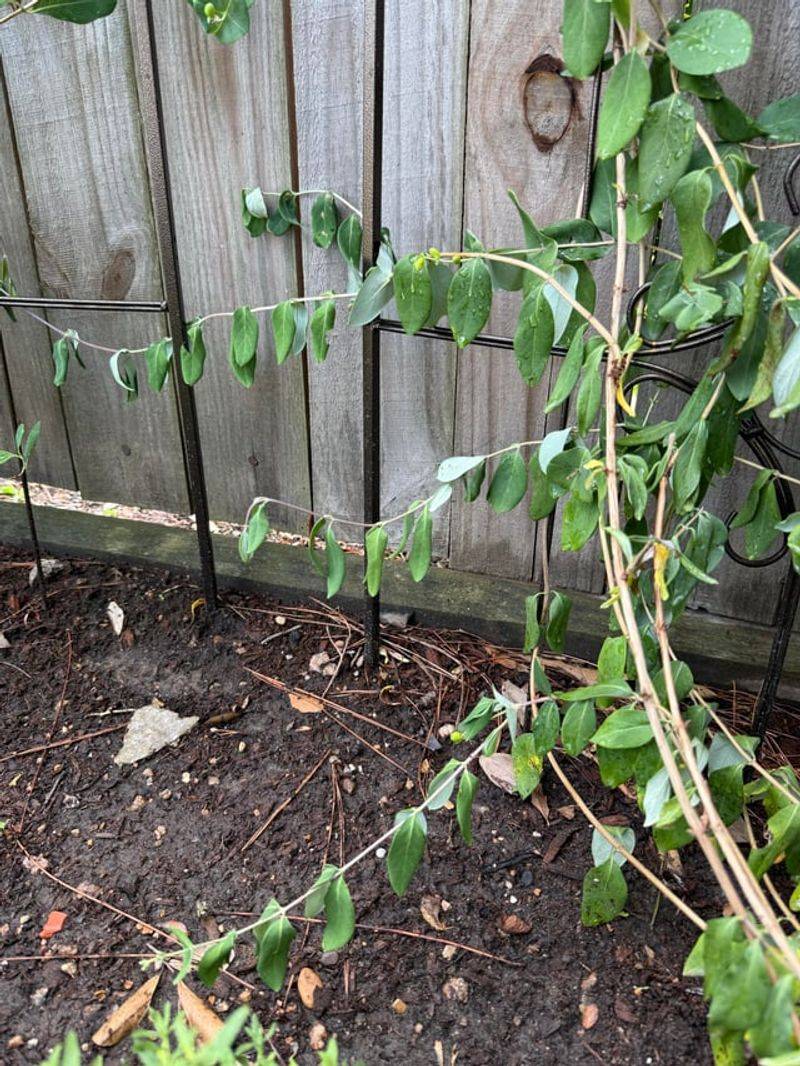
Sandy soil is a reality across much of Florida, and while coral honeysuckle is more adaptable than many plants, extremely dry sandy conditions can still wear it down over time. The vine does not need constant moisture, but it does appreciate a site where water does not drain away within seconds of hitting the ground.
During the establishment period, which usually lasts about the first year after planting, consistent moisture matters most. Watering deeply a few times per week helps the roots grow deeper and stronger.
Once established, coral honeysuckle becomes much more drought-tolerant, but that first year in Florida’s sandy landscape is critical.
Adding a two-to-three inch layer of organic mulch around the base of the plant makes a noticeable difference. Mulch slows moisture loss from the soil, keeps roots cooler during Florida’s hot summers, and gradually improves soil quality as it breaks down.
Your Florida Garden Changes Every Week. Your Plan Should Too.
Gardening in Florida changes quickly throughout the season. Every Friday you’ll receive a simple weekly plan showing exactly what to plant, prune, fertilize, harvest, and protect so you never miss the right timing.
Avoid piling mulch directly against the stem, though, since that can cause problems over time. Gardeners in Central and South Florida especially benefit from mulching, as those regions tend to have sandier, faster-draining soils that dry out quickly between rain events.
A little attention to soil moisture goes a long way.
3. Skipping Support And Training Early On
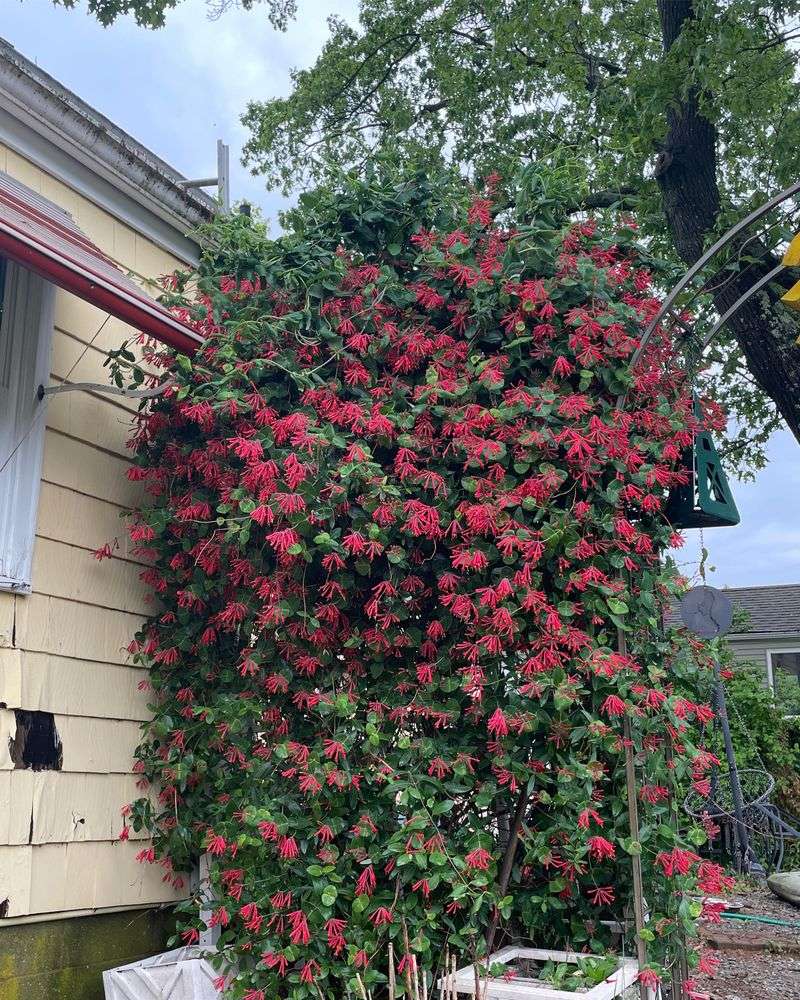
Picture this: you plant a beautiful coral honeysuckle, step back, and just wait. A few months later, the vine is sprawling across the ground, tangled into nearby shrubs, and looking nothing like the elegant climbing plant you imagined.
Skipping support and early training is one of the most common mistakes Florida gardeners make with this vine.
Coral honeysuckle is a twining vine, meaning it wraps itself around structures to climb. Without something to grab onto, it will grow in whatever direction it finds convenient, which is usually not the direction you want.
Providing a trellis, fence, arbor, or even a sturdy post right from the beginning gives the vine a clear path upward.
Training the vine early is just as important as giving it a structure. Gently guiding the young stems toward the support and loosely tying them in place helps establish the growth pattern you want.
In Florida’s warm climate, coral honeysuckle grows quickly, so it does not take long for untrained vines to become messy and hard to manage. Starting the training process during the first few months of growth keeps things tidy and makes the vine far more attractive as it matures.
A little guidance early pays off in a big way later.
4. Expecting Heavy Blooms Without Enough Sun
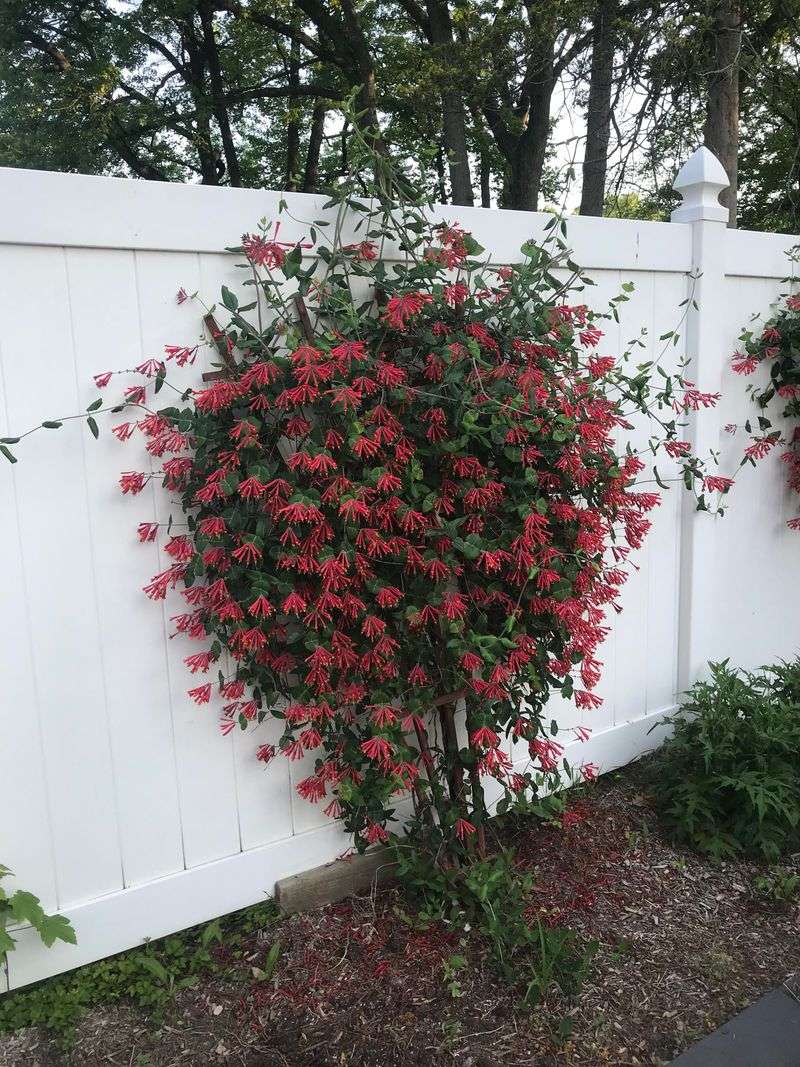
Some gardeners plant coral honeysuckle in a shaded corner and then wonder why it barely blooms. The connection between sunlight and flower production is direct and hard to work around.
Coral honeysuckle is not a shade-loving plant, and trying to force heavy blooms in low-light conditions simply does not work.
Sunlight drives the energy production that fuels flowering. When a vine does not get enough light, it redirects its energy into growing leaves and stems rather than producing flowers.
You may end up with a lush, leafy vine that looks healthy enough but delivers almost no color, which is a real letdown when you planted it specifically for those brilliant red blooms.
Across Florida, sun availability can vary depending on your landscape setup. Tall trees, neighboring structures, and even the direction your fence faces all affect how much direct light your vine actually receives.
Before planting, observe the spot throughout the day to see how many hours of sun it gets. Aim for a minimum of six hours, and ideally more.
Gardeners in North Florida planting near large deciduous trees should also consider that winter sun angles are lower, which can reduce light levels significantly during cooler months. Sun placement is everything when it comes to reliable blooms.
5. Forgetting It Needs Different Care In Different Parts Of Florida
Florida is not one-size-fits-all when it comes to gardening, and coral honeysuckle is no exception. Gardeners in Pensacola or Tallahassee deal with cooler winters and more defined seasons, while those in Orlando face long, hot summers with brief mild winters.
Down in Miami or Naples, the growing conditions are practically tropical year-round. Treating all three regions the same way is a setup for inconsistent results.
In North Florida, coral honeysuckle may go semi-dormant during colder months and benefit from a light protective mulch layer in winter. Planting is best done in early spring or fall when temperatures are moderate.
Central Florida gardeners often see year-round activity from their vines, but should watch for heat stress during the peak summer months when temperatures regularly climb above 90 degrees.
South Florida presents a different challenge altogether. The lack of a true cold season means the vine may not follow the same growth and bloom cycle seen in northern parts of the state.
Watering schedules, pruning timing, and fertilization approaches should all be adjusted based on your specific region. Checking in with your local UF IFAS Extension office is a smart move no matter where in Florida you garden, since they can provide region-specific guidance tailored to your exact growing conditions.
6. Letting The Vine Get Leggy Without Pruning
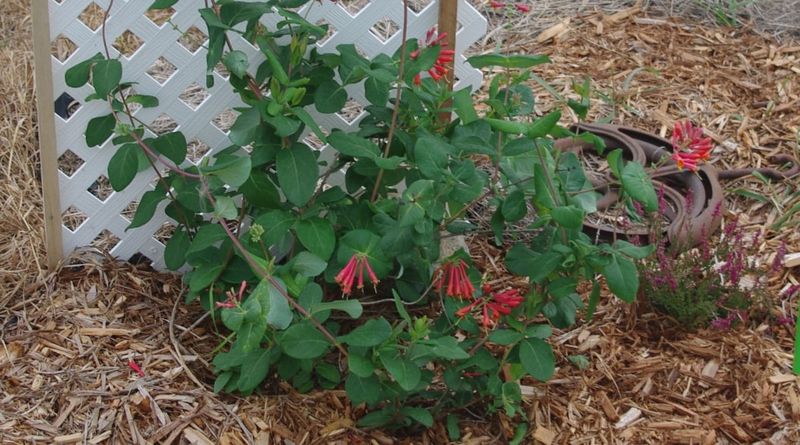
Left completely on its own, coral honeysuckle can start looking a little wild. The lower stems lose their leaves, the top of the vine gets heavy and tangled, and the whole plant takes on a scraggly appearance that no one wants in their Florida yard.
Occasional pruning solves this problem and keeps the vine looking its best.
The good news is that coral honeysuckle responds very well to pruning and bounces back quickly. A light shaping after the main bloom period, typically in late summer or early fall in most parts of Florida, encourages fresh growth and can even stimulate a second flush of flowers.
Hard pruning is not usually necessary unless the vine has been seriously neglected for a long time.
Focus on removing withered or crossing stems first, then trim back any overly long shoots that are throwing off the overall shape. Avoid pruning heavily in late fall or winter in North Florida, since new growth stimulated by pruning can be vulnerable to cold snaps.
In Central and South Florida, the timing is more flexible since temperatures stay warmer longer. Sharp, clean pruning tools make the job easier and reduce the chance of tearing or damaging the vine.
A tidy vine is a happy vine, and your yard will thank you for it.
7. Treating It Like Invasive Japanese Honeysuckle
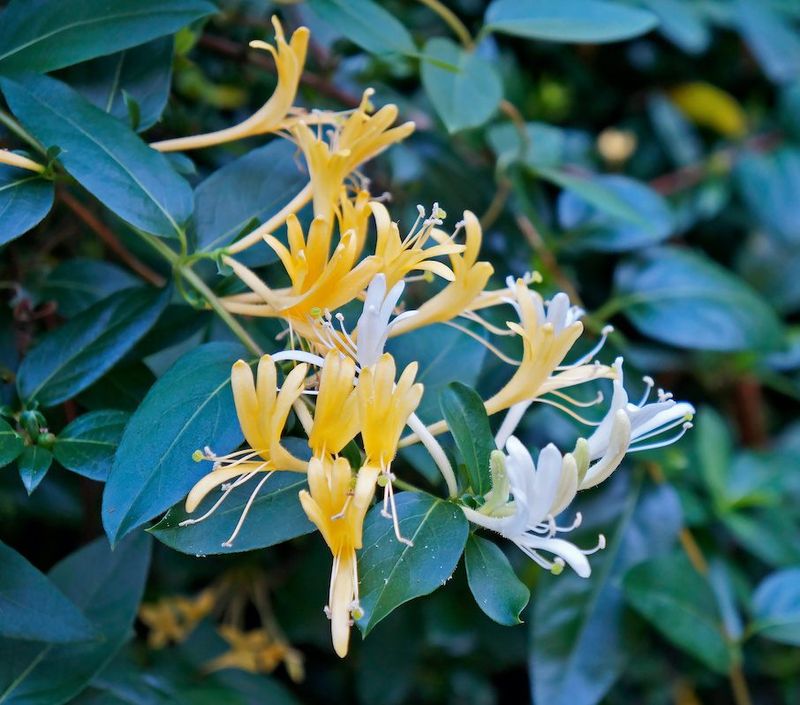
Not all honeysuckles are created equal, and confusing coral honeysuckle with Japanese honeysuckle is a mistake that leads to a lot of unnecessary worry. Japanese honeysuckle (Lonicera japonica) is an invasive species that spreads aggressively and is considered a serious problem in Florida and across the southeastern United States.
Coral honeysuckle (Lonicera sempervirens), on the other hand, is a well-behaved Florida native that plays nicely with the surrounding environment.
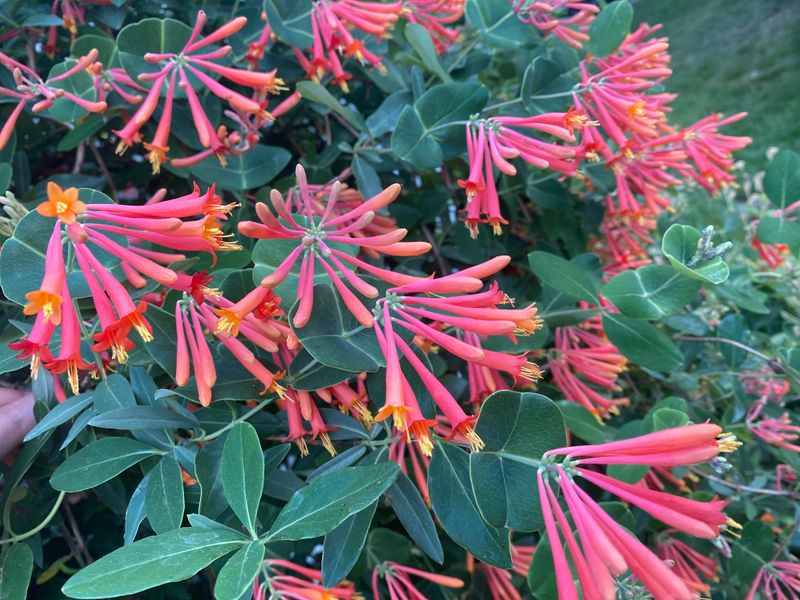
The two plants look quite different up close. Coral honeysuckle has distinctive red to orange tubular flowers with no noticeable fragrance, while Japanese honeysuckle produces small white and yellow flowers with a strong sweet scent.
If your honeysuckle smells strongly fragrant, that is a sign it may not be the native species.
Coral honeysuckle does not spread invasively or crowd out other plants the way Japanese honeysuckle does. It grows vigorously but stays manageable with basic care and occasional pruning.
Florida gardeners who want to support hummingbirds, butterflies, and other native wildlife should feel confident planting coral honeysuckle without fear of creating an ecological problem. Embracing Florida-friendly natives like this one is exactly the kind of gardening choice that benefits both your landscape and the broader environment around your home.
8. Ignoring Drainage While Focusing Only On Water
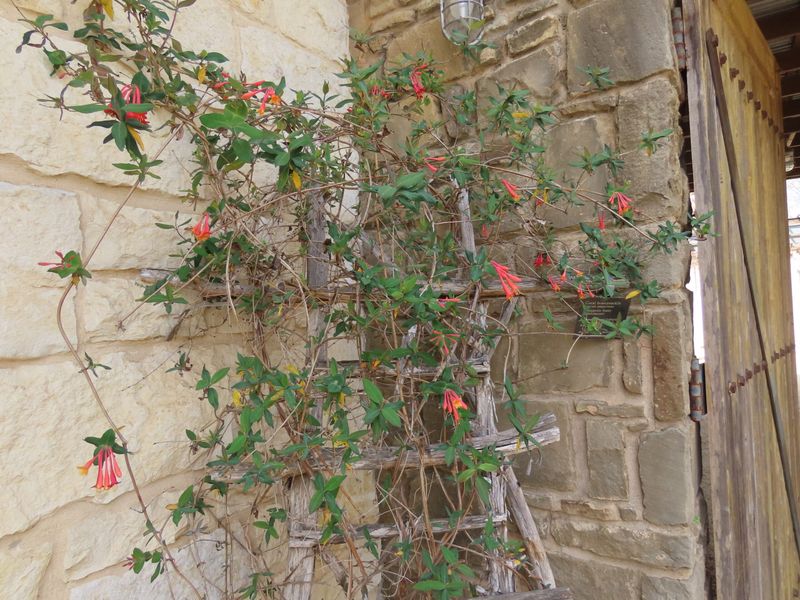
Watering is important, but drainage is just as critical — and it is easy to overlook. Some Florida gardeners focus so much on keeping their coral honeysuckle watered that they plant it in a low spot where water pools after rain.
Standing water around the roots is far more damaging than occasional dryness, and it can cause serious root problems that are hard to reverse.
Coral honeysuckle prefers well-drained soil. It can handle brief periods of moisture after heavy Florida rain events, but it does not want to sit in soggy ground for extended periods.
Before planting, take a look at how water moves through your yard during and after a rainstorm. Low-lying areas, spots near downspouts, and compacted clay patches are all risky locations for this vine.
Raised planting beds or mounded soil can help in areas where drainage is naturally poor. Mixing organic matter into heavy soils also improves drainage over time.
In many parts of Florida, the combination of summer downpours and flat terrain creates drainage challenges that gardeners need to actively plan around. Choosing a site that naturally sheds water rather than collects it gives your coral honeysuckle the balanced conditions it needs to stay healthy, grow vigorously, and produce those stunning blooms season after season.