Why Naturalistic Landscaping Is Taking Over Oregon Yards In 2026
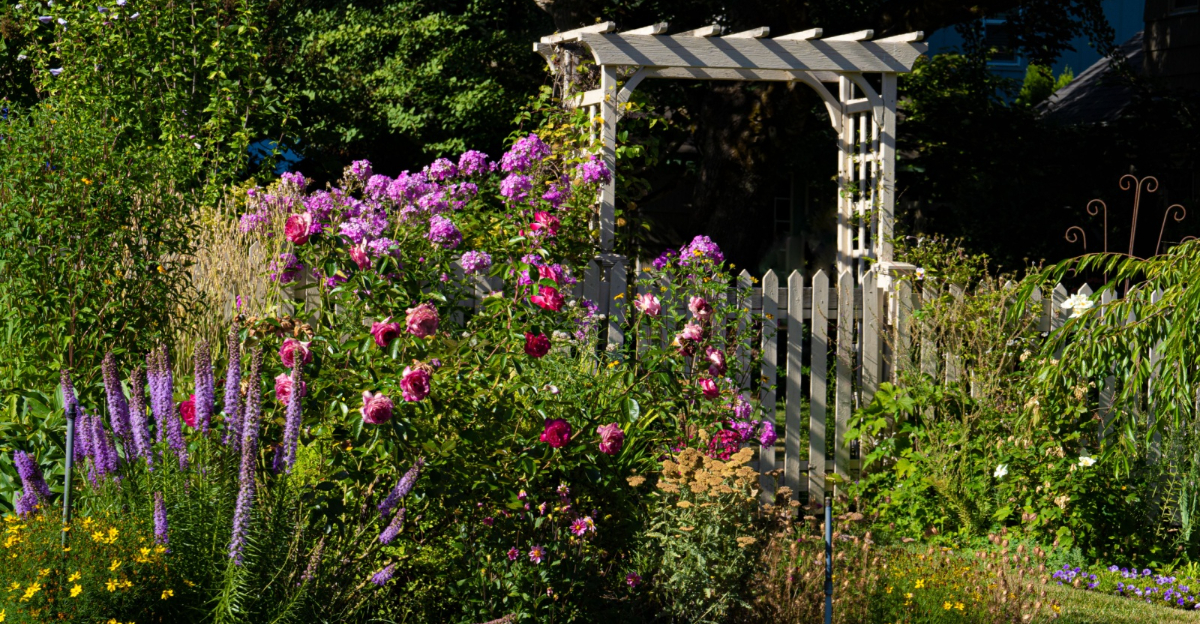
Oregon yards are changing fast, and the shift is hard to miss.
More homeowners across the state are trading out thirsty lawns and high-maintenance flower beds for layered plantings, native shrubs, and wildlife-friendly designs that actually work with Oregon’s climate rather than against it.
Wet winters, long dry summers, and growing concerns about pollinators and water use are pushing people to rethink what a beautiful yard really means.
From Portland neighborhoods to Willamette Valley suburbs and southern Oregon hillsides, naturalistic landscaping is becoming the new standard for yards that look good, support local wildlife, and ask a lot less of the people who tend them.
1. Native Plants Fit Oregon’s Wet Winters And Dry Summers
Anyone who has tried to keep non-native plants alive through an Oregon summer knows how exhausting it can get.
Native plants, by contrast, have spent thousands of years adjusting to exactly this kind of climate – wet and mild from October through April, then dry and warm from June through September.
That seasonal rhythm is built into their biology.
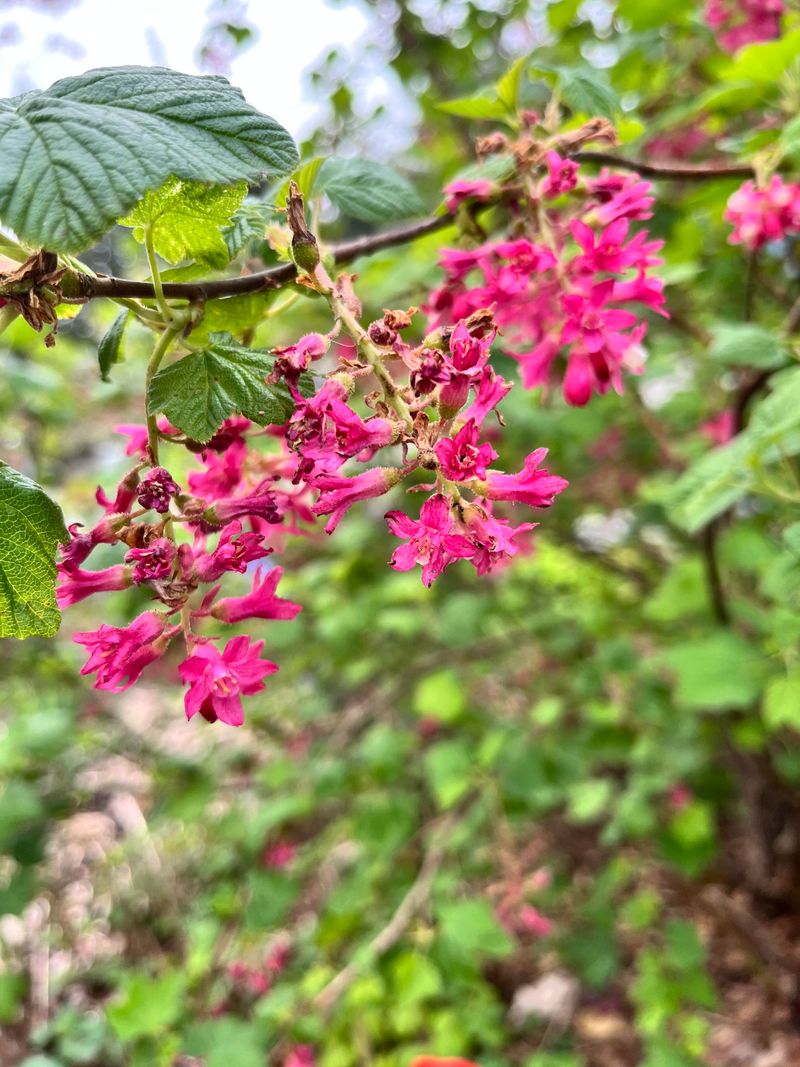
Plants like red flowering currant, Oregon grape, and blue wild rye green up beautifully during Oregon’s rainy season and then slow down gracefully when summer arrives.
They do not need extra irrigation to survive the dry months because their root systems are already built for it.
That kind of natural resilience is exactly what Oregon gardeners are looking for right now.
Native plants also tend to resist local pests and diseases better than introduced species, which means fewer chemical treatments and less hands-on maintenance throughout the year.
For Oregon homeowners juggling busy schedules, that kind of low-effort reliability is a genuine selling point.
Choosing plants that are native to the region is one of the most practical decisions a gardener can make in 2026.
2. Less Lawn Means Less Water And Less Upkeep
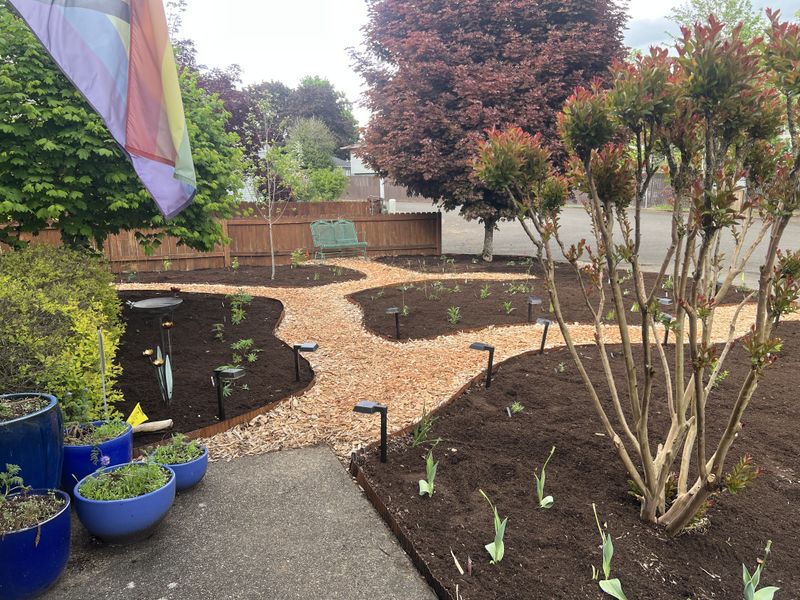
Lawns have dominated American yards for decades, but in Oregon, the math is starting to catch up with them.
A typical turf lawn needs regular mowing, consistent fertilizing, and significant irrigation during the dry summer months – all of which cost time, money, and water that many homeowners would rather spend elsewhere.
Replacing even a portion of a lawn with native groundcovers, ornamental grasses, or low shrubs can dramatically reduce the amount of work a yard demands each week.
Oregon gardeners who have made the switch often describe the experience as freeing.
Instead of mowing every ten days through summer, they are spending that time enjoying their yard rather than maintaining it.
Water savings are real and measurable. Native and climate-adapted plants used in place of lawn grass can cut outdoor water use significantly during Oregon’s dry season, which typically runs from late June through early October.
With water rates rising across many Oregon municipalities and summer drought conditions becoming more common, reducing lawn area is one of the most practical choices a homeowner can make.
Smaller lawns simply make more sense for Oregon’s climate in 2026.
3. Pollinator-Friendly Yards Feel More Alive In Spring And Summer
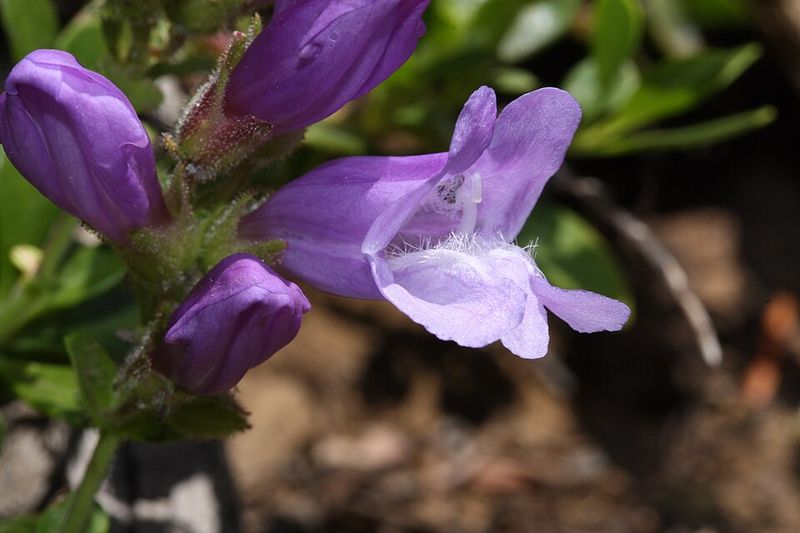
Walk past a yard filled with native flowering plants on a warm May morning in Oregon, and you will notice something right away – the place is buzzing.
Your Oregon Garden Changes Every Week. Your Plan Should Too.
Gardening in Oregon changes quickly throughout the season. Every Friday you’ll receive a simple weekly plan showing exactly what to plant, prune, fertilize, harvest, and protect so you never miss the right timing.
Bees move between blooms, butterflies drift across the garden, and the whole space feels genuinely alive in a way that a clipped lawn simply cannot match.
Pollinator populations across Oregon have faced real pressure in recent years, largely due to habitat loss, pesticide exposure, and the spread of non-native plants that do not provide the right kind of food.
Native flowering plants like penstemon, camas, native asters, and Oregon sunshine offer pollen and nectar that local bee and butterfly species have evolved to use.
Planting them is one of the most direct ways a homeowner can help.
Beyond the ecological benefit, pollinator gardens are genuinely enjoyable spaces to spend time in. There is something satisfying about watching a bumblebee work through a patch of blue-eyed grass or seeing a swallowtail land on a native thistle.
Oregon homeowners are discovering that yards designed for pollinators are also yards that feel more connected to the natural world, and that connection is becoming a real priority in 2026.
4. Naturalistic Planting Handles Oregon’s Changing Climate Better
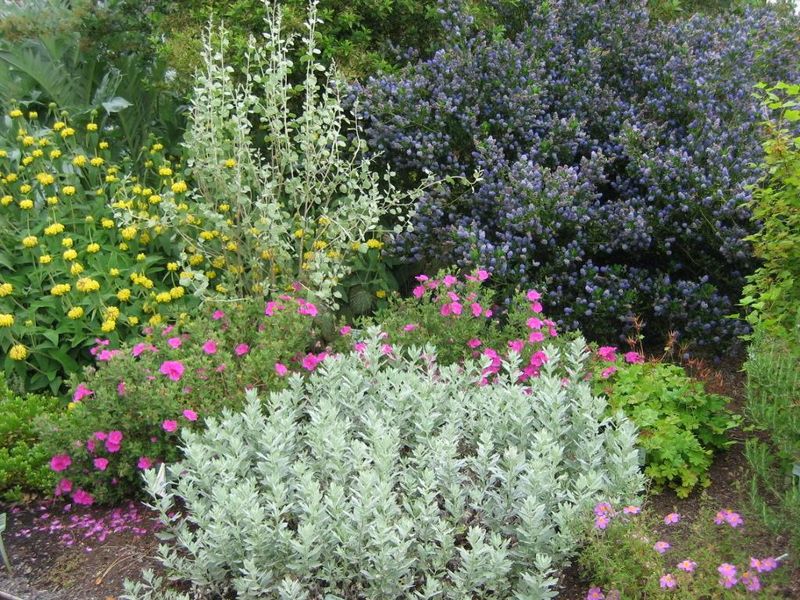
Oregon’s climate has been shifting in noticeable ways. Summers are running hotter and drier than they did a generation ago, while winter rain events are sometimes more intense and concentrated.
Traditional landscape plants selected for stable, predictable conditions are increasingly struggling to keep up with those changes.
Naturalistic landscapes built around native and climate-adapted plants tend to handle that variability much better.
Root systems that reach deep into the soil can access moisture during dry spells, and plants accustomed to Oregon’s wet winters are not damaged by seasonal flooding or heavy rain.
The flexibility built into these plants is exactly what a changing climate demands.
Oregon gardeners who have shifted toward naturalistic planting often report fewer plant losses during extreme weather events compared to more conventional landscapes.
That resilience reduces replacement costs and the frustration of watching expensive plants struggle through summer heat or unexpected late frosts.
Building a yard around plants that are genuinely suited to Oregon’s current and emerging climate conditions is no longer just an environmental choice – it is a practical one that saves time and money over the long run in ways that traditional landscaping often cannot match.
5. Layered Landscapes Create Habitat Without Looking Messy
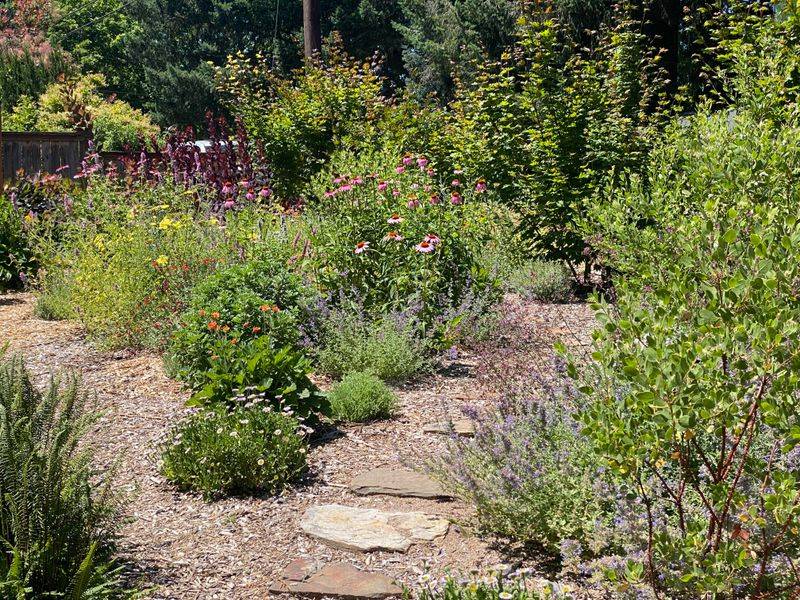
One of the most common concerns Oregon homeowners raise about naturalistic landscaping is that it will look wild or unkempt. The reality is that layered planting design can be both ecologically rich and visually intentional when it is done thoughtfully.
Structure and beauty are not opposites of wildness – they can exist together.
Layered landscapes typically include a canopy layer of trees, a mid-level layer of shrubs, a low layer of perennials and groundcovers, and sometimes a ground-level layer of mosses or low-spreading plants.
Each layer provides habitat for different species while also creating visual depth and year-round interest.
Oregon yards designed this way often look more interesting than conventional single-level plantings.
The key is choosing plants that complement each other in height, texture, and seasonal color so the overall effect feels deliberate rather than accidental.
Combining native ferns with red-twig dogwood and a canopy of native vine maple, for example, creates a layered composition that looks right at home in the Pacific Northwest.
Oregon homeowners who have invested in layered planting often find that neighbors stop to ask what kind of garden it is, which says a lot about how appealing these designs can actually be.
6. Drought-Tolerant Plants Make Summer Watering Easier
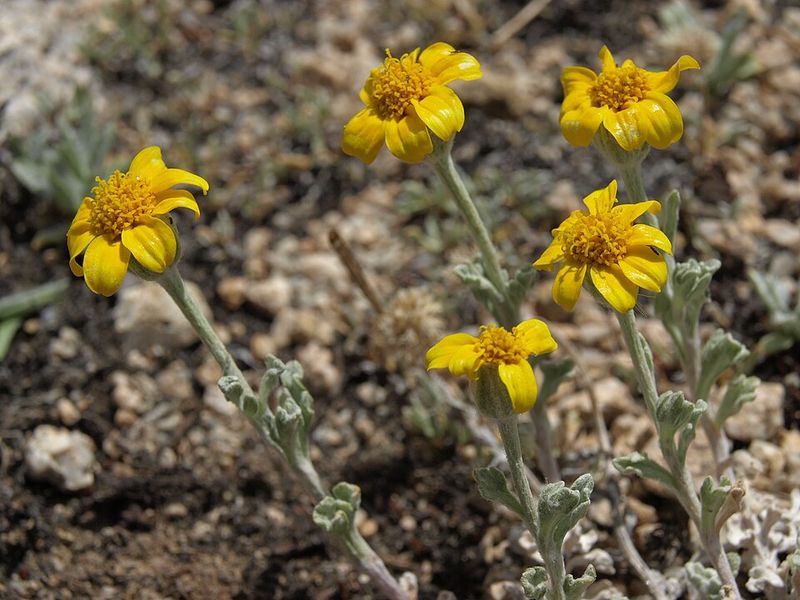
By mid-July, Oregon’s landscape shifts dramatically. The rains stop, temperatures climb, and yards that depend on regular irrigation start showing the strain.
For homeowners tired of dragging hoses or programming sprinkler systems, drought-tolerant native plants offer a genuinely different experience of summer yard care.
Plants like yarrow, penstemon, native buckwheat, and Oregon sunshine are well suited to the dry conditions that define an Oregon summer.
Once established – typically after their first full growing season – many of these plants need little to no supplemental water to stay healthy and attractive.
That establishment period does require some attention and occasional watering, but the long-term payoff is significant.
Reducing irrigation is not just about convenience. Water conservation has become a real concern across Oregon as summer dry periods extend and municipal water systems face increasing demand.
Using drought-tolerant plants in place of thirsty ornamentals or lawn grass is one of the most effective ways a homeowner can reduce their outdoor water footprint without sacrificing a yard that looks and feels good.
Oregon gardeners who have made this shift often describe summer yard care as genuinely enjoyable rather than a constant obligation, which is a meaningful change in how people relate to their outdoor spaces.
7. Oregon Gardeners Are Choosing Plants That Belong Here
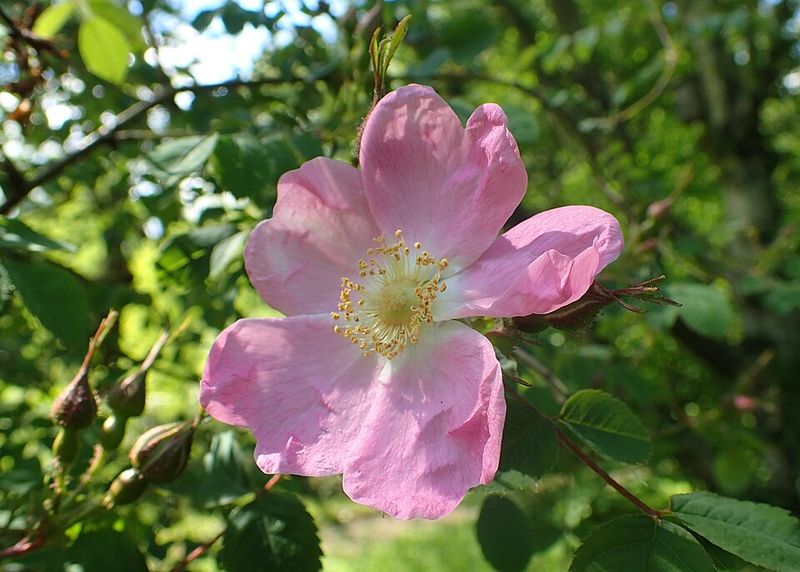
Something has shifted in how Oregon gardeners approach the nursery. A few years ago, the native plant section was a small corner of most garden centers.
Today, demand for Oregon natives has grown enough that many nurseries have expanded their selections significantly, and specialty native plant sales sell out faster than they used to.
That shift reflects a broader change in values. Oregon homeowners are increasingly interested in plants that actually belong to this place – species that evolved alongside local insects, birds, and soil organisms and that contribute to the ecological health of the region rather than just filling space in a planting bed.
Choosing native plants feels like a more honest way to garden in Oregon.
Species like sword fern, native columbine, red alder, and Nootka rose are showing up in front yards and backyards across the state because they look beautiful and because they work.
They attract wildlife, stabilize soil, filter rainwater, and require minimal intervention once established.
Oregon gardeners who have made the shift to natives often describe it as a turning point in how they think about their yards – less like outdoor decoration and more like a small piece of living Oregon landscape worth tending carefully.
8. Looser Planting Styles Feel More Relaxed And More Resilient
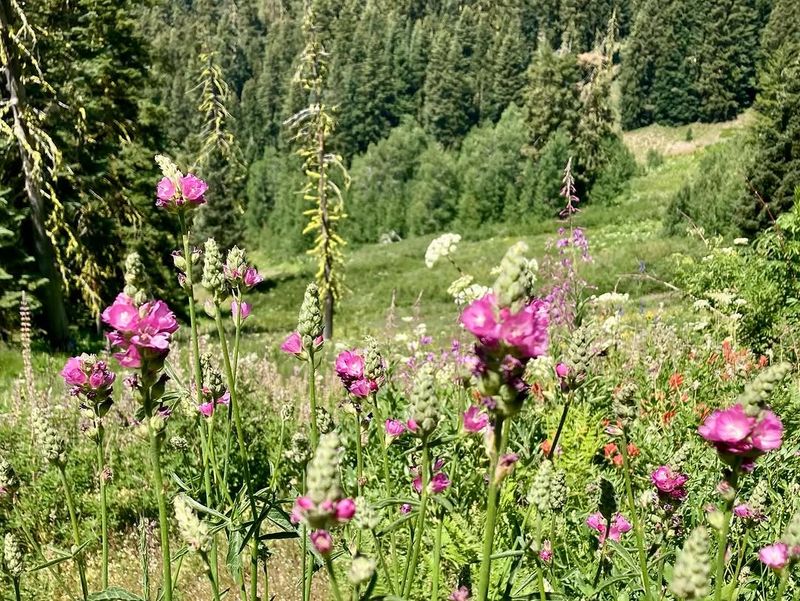
Formal garden design has its place, but across Oregon, a quieter and more relaxed aesthetic is gaining real momentum.
Yards with soft drifts of native grasses, self-seeding wildflowers, and shrubs allowed to grow into their natural shapes are showing up in neighborhoods where clipped hedges and symmetrical beds once dominated.
The appeal is partly visual. Loose planting styles have a natural rhythm and movement that formal gardens often lack.
Grasses sway in the breeze, flower stems catch the light at different angles, and the overall effect shifts with the seasons in ways that feel connected to the landscape rather than imposed on it.
Oregon’s natural scenery – meadows, forest edges, river corridors – offers a ready-made model for this kind of relaxed beauty.
Resilience is another real advantage. Plants allowed to grow in ways that suit their natural form tend to be healthier and less prone to stress than those constantly pruned or shaped into artificial configurations.
Oregon gardeners who have adopted looser planting styles often find that their yards recover more quickly from weather events and require less corrective maintenance over time.
A yard that works with nature rather than against it tends to hold up better across seasons, which is a practical benefit that is hard to argue with.
9. Groundcovers And Shrubs Are Replacing Thirsty Blank Spaces
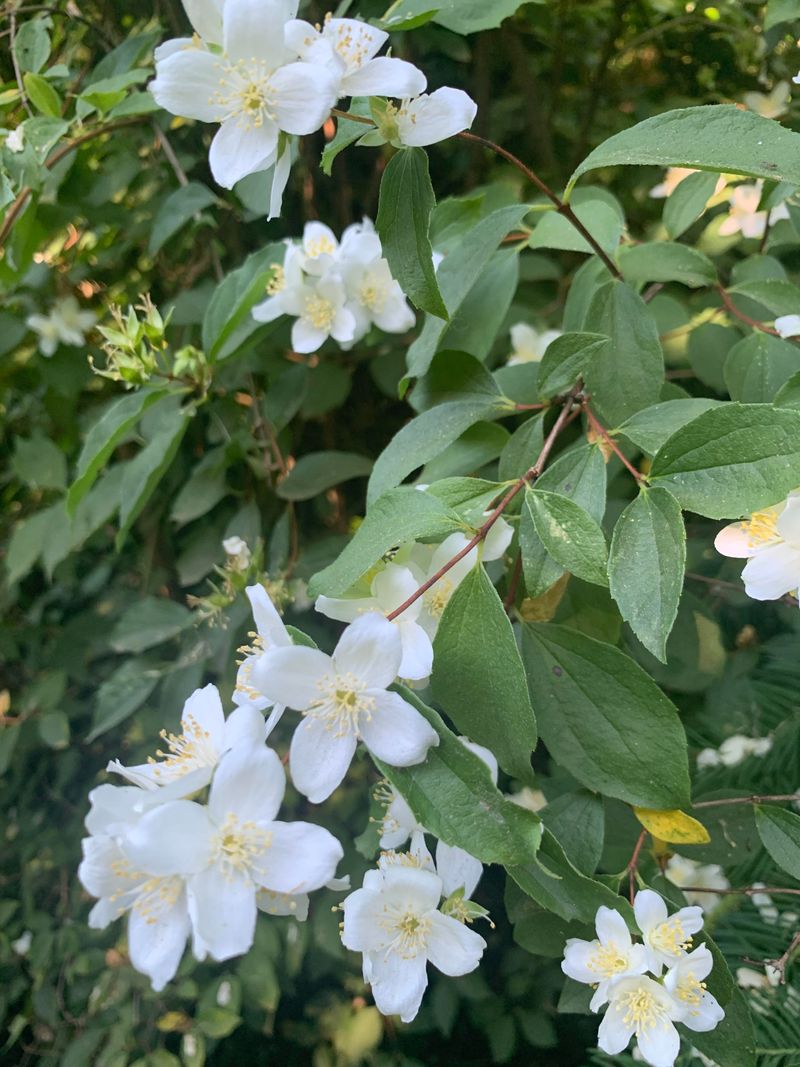
Blank stretches of lawn or bare mulch are becoming less common in Oregon yards as homeowners look for planting solutions that do more with less.
Groundcovers and low-growing native shrubs are filling those spaces in ways that reduce maintenance, conserve moisture, and add genuine ecological value to the yard.
Plants like kinnikinnick, creeping Oregon grape, native strawberry, and low-growing sedges spread steadily to cover ground without the water demands of turf grass.
They suppress weeds once established, protect soil from erosion during Oregon’s rainy season, and provide food and cover for ground-nesting insects and small birds.
That combination of practical function and wildlife value is exactly what naturalistic landscaping is built around.
Shrubs like native roses, mock orange, and ocean spray anchor mid-level spaces while offering seasonal flowers and berries that support wildlife through multiple parts of the year.
Oregon homeowners who replace blank lawn areas with these kinds of plants often notice immediate changes in the yard’s activity level – more birds, more insects, and a greater sense that the space is doing something useful.
Filling empty spaces with plants that earn their place is one of the defining ideas behind Oregon’s growing interest in naturalistic yard design in 2026.
10. Wildlife-Friendly Gardens Are Reshaping What A Beautiful Yard Looks Like
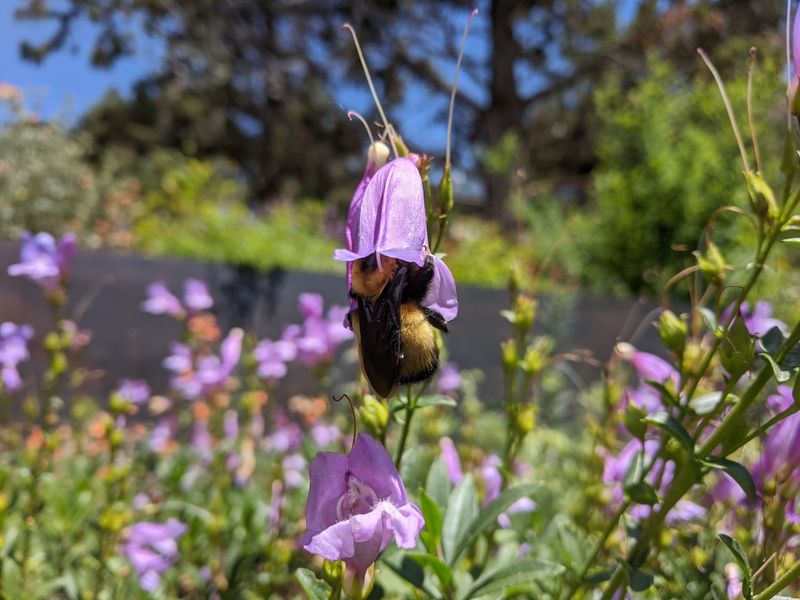
The definition of a beautiful yard in Oregon is quietly but unmistakably changing.
Where neatly manicured yards once set the standard, more homeowners are now judging success by how much life the space supports. They notice how many birds visit, whether bees are working the flowers, and whether the garden feels alive instead of staged.
Wildlife-friendly gardens are designed around the needs of the animals that share the Oregon landscape.
That means growing plants that provide food in more than one season. It also helps to leave some areas a little less tidy, add water for birds and beneficial insects, and avoid pesticides that disrupt the garden’s natural balance.
These choices add up to yards that feel genuinely generous.
Neighbors and passersby often respond to wildlife gardens with curiosity and appreciation rather than disapproval.
As more Oregon yards adopt this approach, the visual language of what a well-kept yard looks like is shifting across entire neighborhoods.
A yard full of native plants, bird activity, and seasonal wildflower blooms is increasingly recognized as something worth admiring – a sign of care and ecological awareness that resonates with where Oregon is heading in 2026 and beyond.