What Oregon Gardeners Should Do This April
April is when Oregon gardens start asking for real attention. The weeds are ready, the soil is warming, and plants that sat quiet through winter are suddenly pushing new growth like they have been waiting for this moment.
It is also the month when good intentions can turn into a messy, overwhelming to-do list. A few smart jobs done now can make the rest of the season easier, while putting them off can leave you chasing problems later.
This is the sweet spot for tidying beds, checking soil, pruning the right plants, and getting ahead of pests before they become a bigger headache.
Oregon’s spring weather still likes to keep gardeners guessing, so timing matters just as much as effort.
The good news is that not every task needs to be complicated. A handful of well-timed moves this April can set your garden up for stronger growth, healthier plants, and a much better-looking yard.
1. Clean Up Garden Beds
After a long Oregon winter, garden beds can look pretty rough. Dead leaves, soggy plant stems, and leftover debris pile up fast.
April is the perfect time to roll up your sleeves and clear all of that out.
Start by removing any dead plant material from last season. Old stems can harbor fungal spores and unwanted insects, so getting rid of them early protects your new plants.
Rake the beds gently to avoid disturbing any early bulbs or seedlings already poking through the soil.
Once the big stuff is cleared, do a closer inspection. Look for crowded areas where plants may have spread too far.
Thin them out so air can circulate freely. Good airflow helps prevent the mold and mildew that Oregon’s wet springs often bring.
After cleaning, add a thin layer of compost over the top of your beds. This feeds the soil and gives your spring plants a nutrient boost right from the start.
In Oregon, where rain keeps coming through April, compost also helps with drainage and prevents soil from compacting. A clean bed is a happy bed, and a happy bed grows better food and flowers all season long.
2. Prep Soil The Right Way
Healthy plants start with healthy soil. Before you put a single seed in the ground, take time to really prepare your garden beds.
Oregon soil, especially in the western part of the state, can be dense and heavy after months of rain.
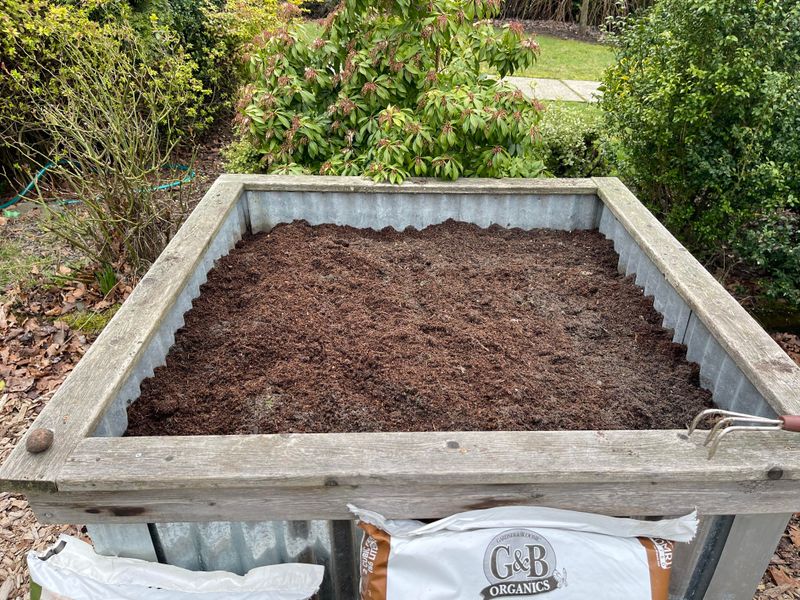
Work in at least two inches of compost or well-rotted manure to improve the texture and nutrient content. Compost loosens compacted soil, helps with water drainage, and feeds the microbes that plants depend on.
Oregon State University Extension recommends doing this every spring for best results.
Avoid working soil that is still too wet. If you squeeze a handful and it holds a tight ball without crumbling, wait a few more days.
Working wet soil damages its structure and makes it harder for roots to grow through later.
If you have raised beds, April is a great time to top them off with fresh material. Raised beds tend to warm up faster than ground-level plots, which gives you a head start on planting.
Your Oregon Garden Changes Every Week. Your Plan Should Too.
Gardening in Oregon changes quickly throughout the season. Every Friday you’ll receive a simple weekly plan showing exactly what to plant, prune, fertilize, harvest, and protect so you never miss the right timing.
For areas with poor drainage, raised beds are an especially smart choice in Oregon’s notoriously soggy spring climate. Good soil prep now saves a lot of frustration later in the season.
3. Plant Cool-Season Crops
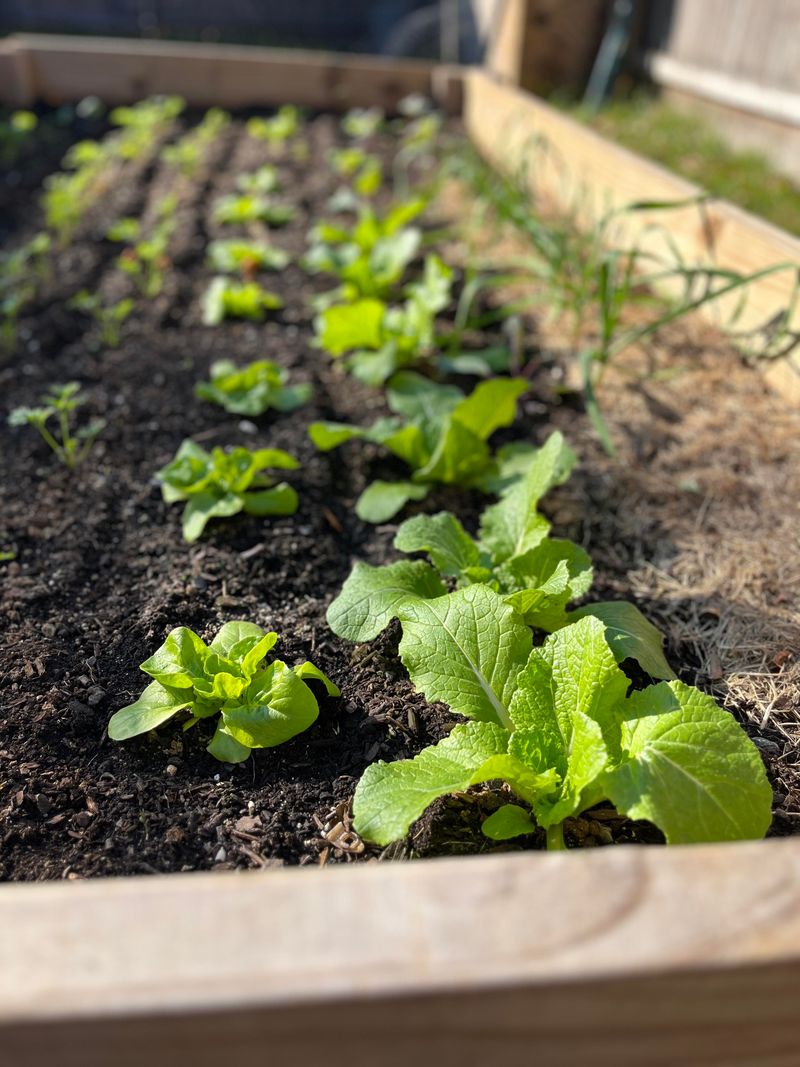
April is prime time for cool-season vegetables across Oregon. These crops actually prefer the chilly, damp conditions that define an Oregon spring, which makes this the ideal window to get them in the ground.
Directly sow seeds of beets, carrots, radishes, spinach, and turnips right into your prepared garden beds. These crops germinate well in cooler soil and do not need much fussing.
Just press them in at the right depth, water gently, and let Oregon’s natural rainfall do a lot of the work for you.
For transplants, now is the time to set out broccoli, cabbage, cauliflower, chard, leeks, and lettuce. Make sure any seedlings started indoors have been hardened off first.
Hardening off means gradually moving them outside for a few hours each day over one to two weeks so they adjust to outdoor conditions without going into shock.
Keep an eye on nighttime temperatures. Late frosts can still sneak up on Oregon gardeners in April, especially inland areas and higher elevations.
Row covers and cloches are easy tools to protect tender transplants on cold nights. With a little planning, you can enjoy fresh greens and vegetables well before summer even arrives.
4. Feed Lawns Carefully
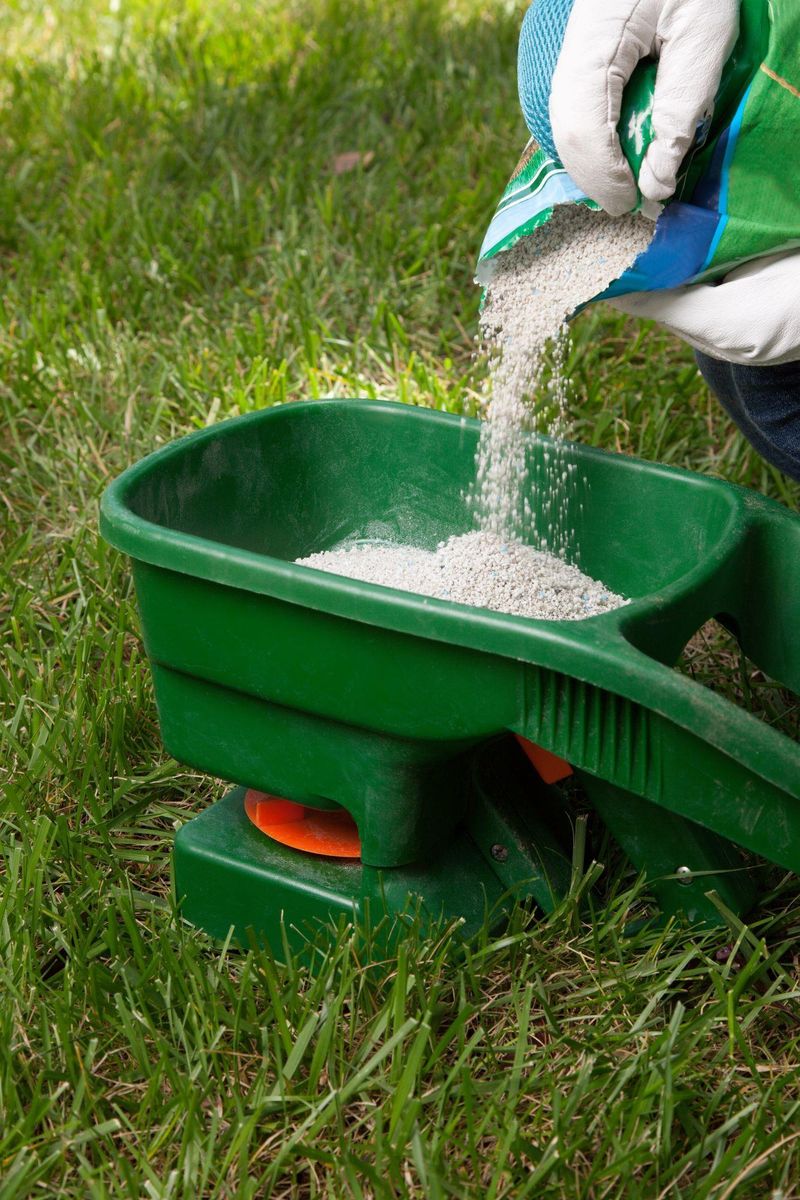
Oregon lawns wake up hungry in April. After months of cold and low light, grass is ready to put on new growth, and a timely feeding can make a big difference in how your lawn looks all summer long.
Apply about one pound of nitrogen per one thousand square feet of lawn. That is the general recommendation from Oregon State University Extension for spring fertilization.
Use a slow-release formula if possible, since it feeds the grass steadily rather than all at once, which can cause a surge of weak growth.
Do not over-fertilize. Too much nitrogen too early pushes rapid, lush growth that actually makes the lawn more vulnerable to disease and pests.
Oregon’s wet spring weather can make that problem worse. Apply fertilizer when the grass is dry, and water it in lightly afterward.
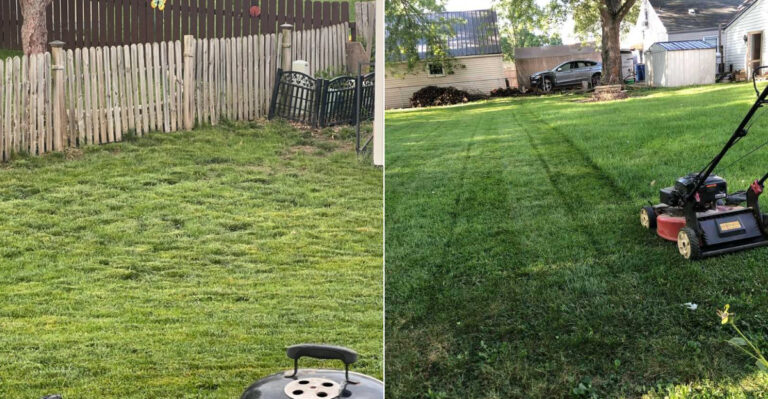
Also, consider sharpening your mower blades before the first cut. Dull blades tear grass rather than cut it cleanly, which stresses the lawn and opens it up to fungal problems.
Mow at a height of about one and a half to two inches for cool-season grasses common in Oregon. A well-fed, cleanly mowed lawn not only looks great but also crowds out weeds naturally.
That is a win all around.
5. Check Your Irrigation System
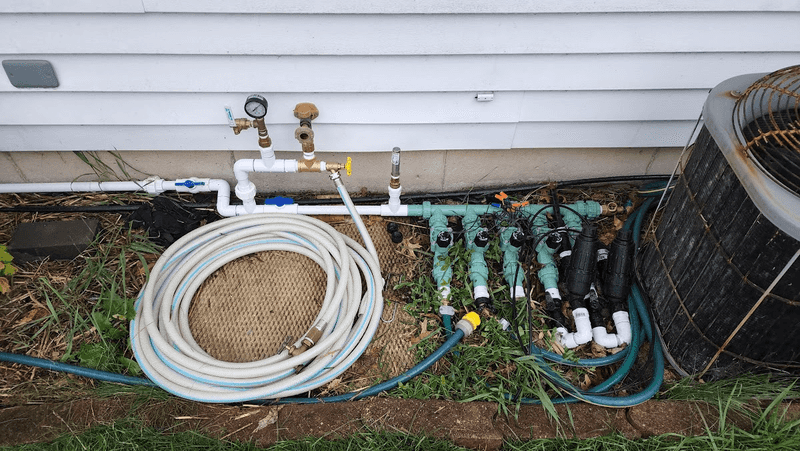
Sprinkler systems and drip lines can develop all kinds of problems over a wet Oregon winter. Hoses crack, emitters clog, and connectors loosen when temperatures drop and rise repeatedly.
Checking your system now, before you actually need it, saves a lot of headaches later.
Turn the system on and walk through every zone. Look for broken sprinkler heads, uneven spray patterns, or drip lines that have shifted out of position.
Even small leaks waste a surprising amount of water over a season, and in Oregon, where summer water restrictions can kick in, efficiency really matters.
Clean out clogged emitters by soaking them in a mild vinegar solution. Replace any cracked hoses or broken connectors now while you have time.
If your system has a timer, update the schedule to match spring watering needs, which are much lighter than what you will need in July and August.
For new gardeners in Oregon, April is also a smart time to install drip irrigation if you do not already have it. Drip systems deliver water directly to plant roots, reducing evaporation and keeping foliage dry, which helps prevent the mold and mildew problems so common in the Pacific Northwest.
A little system check now goes a long way.
6. Watch For Early Pests
Slugs are basically the unofficial mascot of Oregon gardening, and April is when they really get going. These slimy creatures love the cool, wet conditions that define spring in the Pacific Northwest, and they can wipe out a bed of seedlings seemingly overnight.
Check your garden beds in the early morning or after dark when slugs are most active. Look for the telltale silvery trails they leave behind on leaves and soil.
Remove any debris, boards, or pots near your beds since slugs hide under them during the day.
Non-toxic iron phosphate baits are a safe and effective option for managing slug populations. They are safe around pets, children, and wildlife, which makes them a popular choice for Oregon gardeners who want to protect their plants without harsh chemicals.
Scatter the bait around the base of vulnerable seedlings.
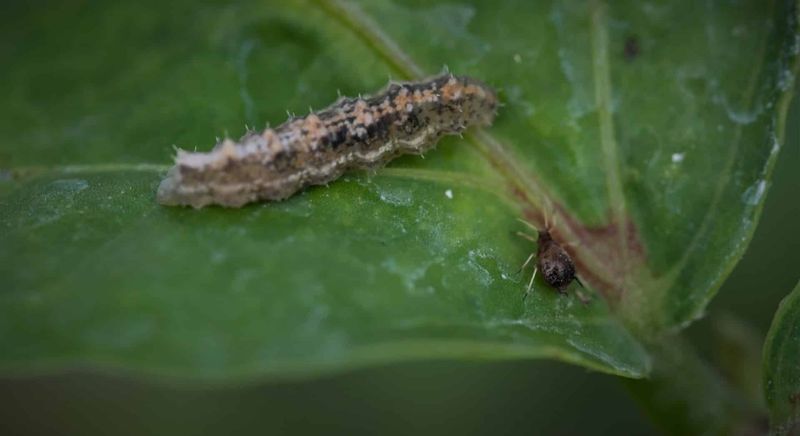
Beyond slugs, also watch for aphids gathering on new growth and cabbage worms on brassica seedlings. Catching pest problems early, when populations are still small, is far easier than dealing with a full infestation later.
Inspect your plants every few days in April. Healthy, well-watered plants resist pest damage better than stressed ones, so keeping your garden in good shape is your first line of defense.
7. Pull Weeds While They Are Small
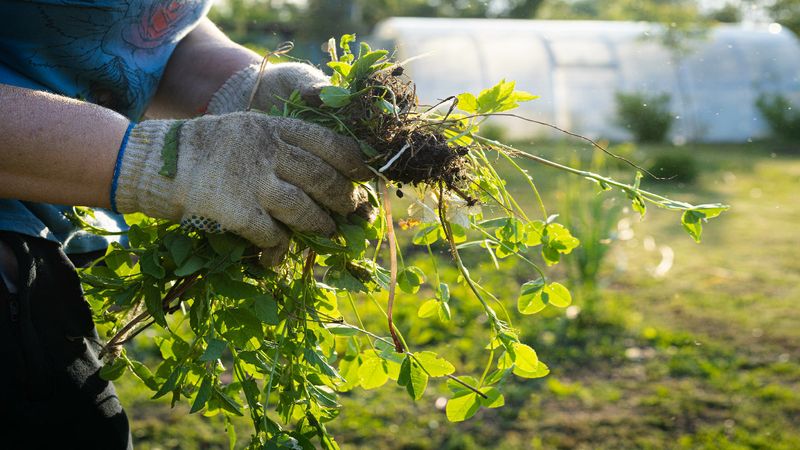
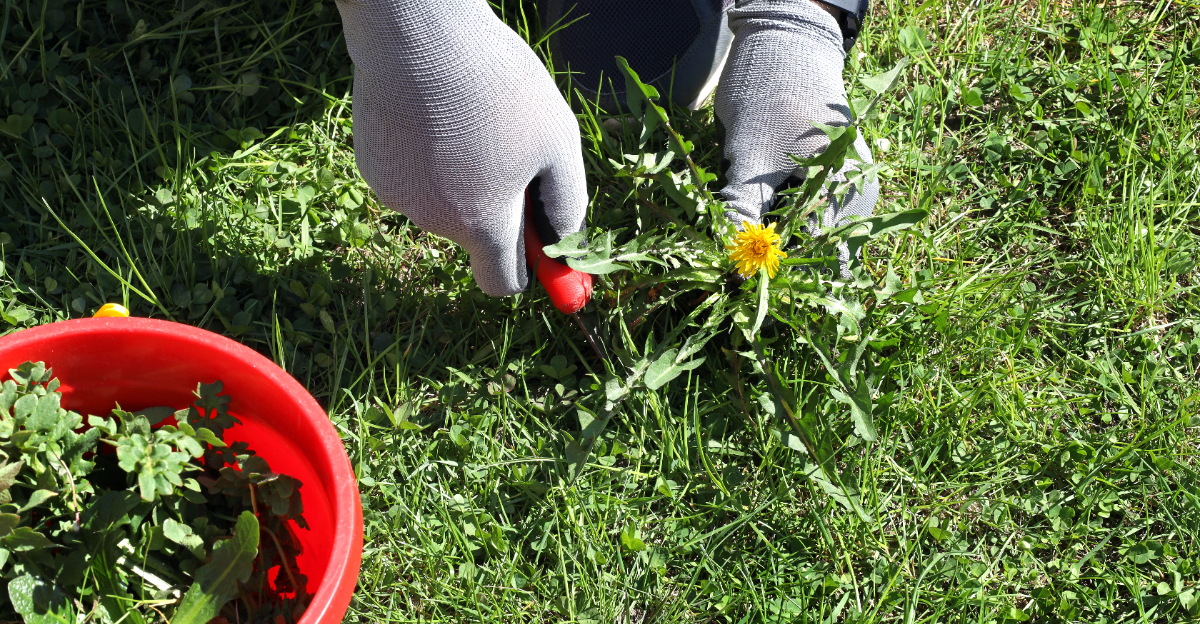
Weeds in April are small, shallow-rooted, and easy to pull. Wait until June, and you will be wrestling with deep tap roots and plants that have already scattered hundreds of seeds.
Getting ahead of weeds now is one of the smartest things Oregon gardeners can do this month.
Walk through your garden beds every few days and pull anything that does not belong. Young weeds come out easily after rain when the soil is loose.
Use a hand hoe or weeding tool to disturb the soil surface lightly, which also brings dormant weed seeds to the surface where they sprout and can be removed before they establish.
Common weeds in Oregon spring gardens include chickweed, bittercress, and creeping buttercup. Chickweed in particular thrives in the cool, moist conditions of a Pacific Northwest spring and can spread incredibly fast if left unchecked.
Remove it before it sets seed.
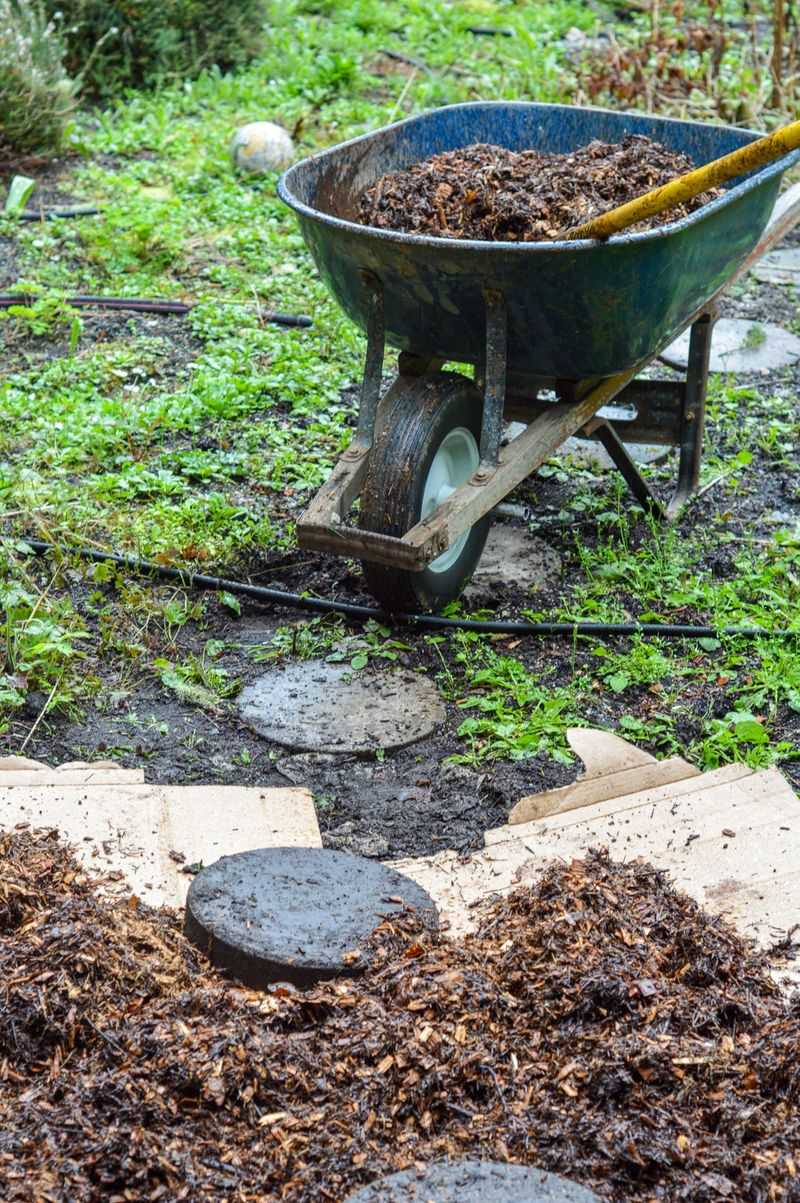
After weeding, lay down a thin layer of mulch over your garden beds. Mulch blocks sunlight from reaching weed seeds and slows new growth significantly.
Two to three inches of straw, wood chips, or shredded leaves works well. Consistent weeding throughout April and May keeps your garden cleaner all season and means your vegetables get all the nutrients and water without competition.
8. Divide Overgrown Perennials
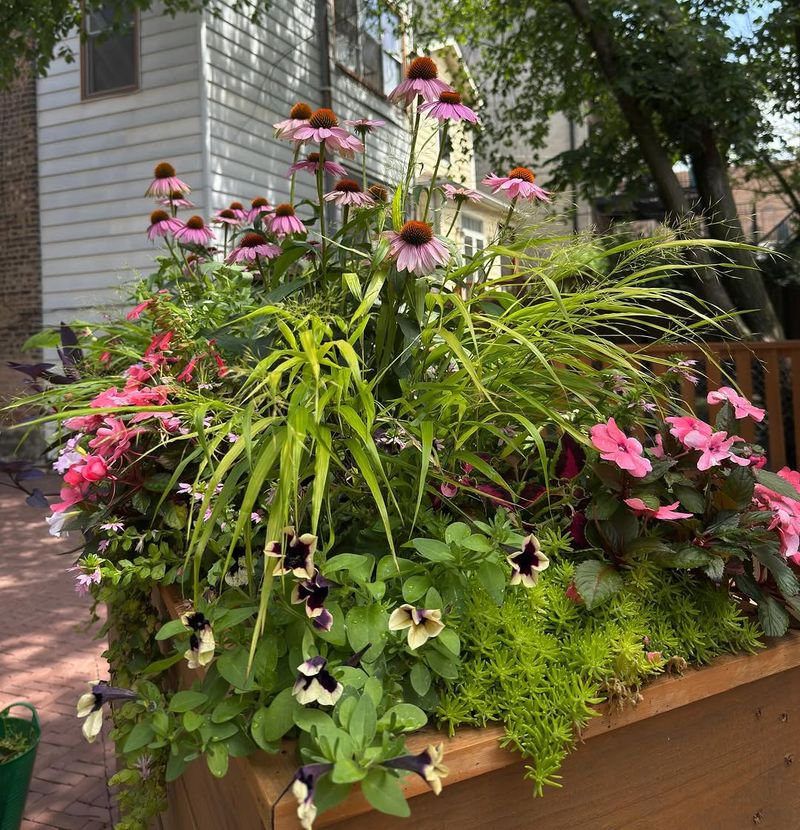
Perennials that have been growing in the same spot for three or more years often start to look tired. The center of the clump may stop blooming, growth slows down, and the plant spreads into areas where it is not wanted.
April is the right time to fix that problem in Oregon gardens.
Dividing perennials is simpler than it sounds. Use a sharp garden fork or spade to lift the entire clump out of the ground.
Then split it into sections, making sure each section has healthy roots and a few shoots. Replant the divisions at the same depth they were growing before and water them in well.
Good candidates for April division in Oregon include hostas, daylilies, ornamental grasses, black-eyed Susans, and coneflowers. Chives and other perennial herbs also benefit from being divided and replanted at this time of year.
Division actually reinvigorates plants and often leads to better blooms later in the season.
Share the extra divisions with neighbors, swap them at a local plant exchange, or pot them up to fill empty spots in your garden later. It is a free and satisfying way to expand your garden without spending a dime.
Oregon gardeners who divide regularly tend to have fuller, healthier perennial beds year after year.
9. Refresh Spring Containers
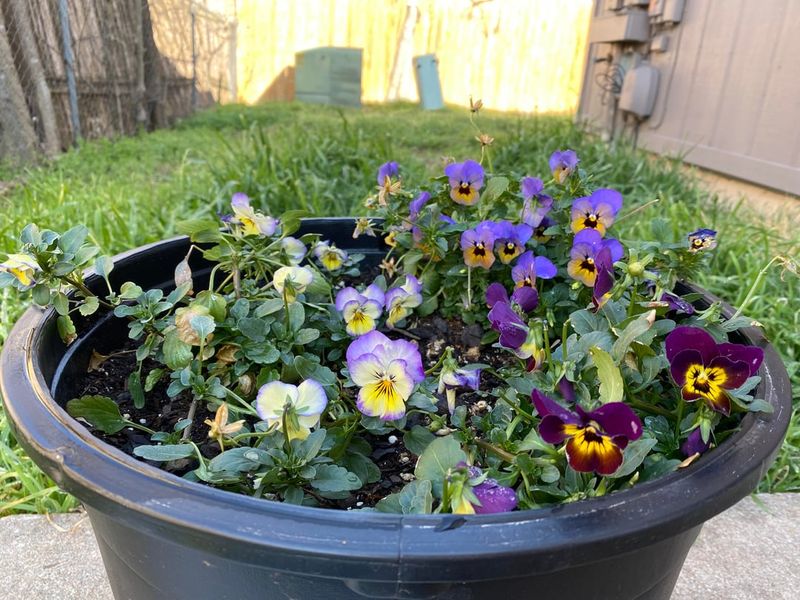
Container gardens take a beating over the winter. Soil gets compacted, nutrients wash out with all the rain, and last season’s plants look ragged by the time April rolls around.
Giving your pots a fresh start now sets them up for a beautiful spring and summer display.
Start by dumping out old potting mix and replacing it with fresh material. Reusing old soil without refreshing it leads to poor drainage and nutrient deficiencies.
Add a slow-release fertilizer to the new mix so your plants have steady nourishment right from the start.
For a classic Oregon spring look, fill containers with pansies, violas, snapdragons, and primroses. These plants love cool weather and actually do better in April’s chilly temperatures than they would in the heat of summer.
Add some trailing ivy or creeping Jenny to soften the edges of your pots and give them a layered, lush appearance.
Place containers near your front door, on the patio, or along pathways to brighten up those gray April days that Oregon is known for. Make sure each pot has drainage holes so water does not pool at the roots.
Waterlogged roots are a common problem in the Pacific Northwest spring, and good drainage makes all the difference for keeping container plants thriving.
10. Wait On Warm-Season Crops
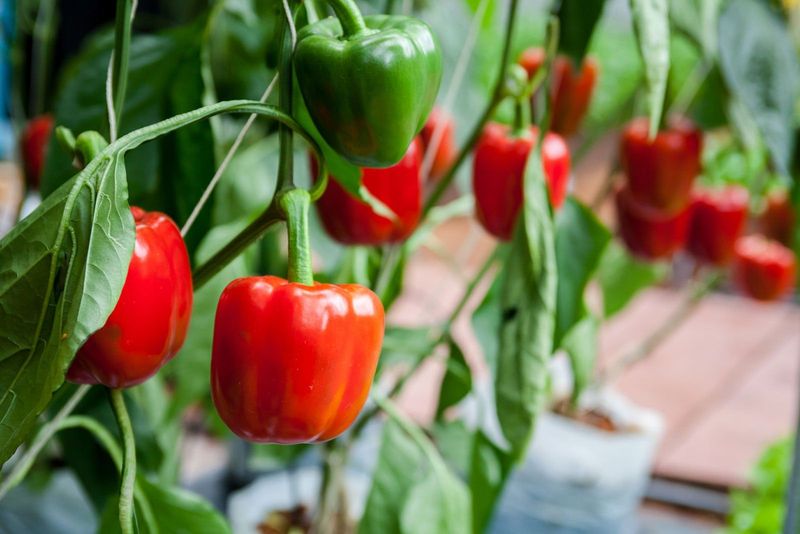
Patience is genuinely one of the most useful tools in an Oregon gardener’s toolbox, especially in April. It can be tempting to rush tomatoes, peppers, squash, and cucumbers outside when the first warm days hit, but Oregon’s unpredictable spring weather makes that a risky move.
Warm-season crops need soil temperatures of at least 60 degrees Fahrenheit to thrive. Oregon soil in April rarely reaches that consistently, especially in the Willamette Valley and coastal areas.
Planting too early means slow growth, stressed plants, and disappointing results even if a late frost does not show up.
Keep tomato and pepper seedlings growing strong indoors under grow lights or in a sunny south-facing window. Give them a quarter-turn every few days so they grow evenly.
Feed them with a diluted liquid fertilizer every couple of weeks to keep growth steady without pushing them too fast.
Plan to transplant warm-season crops outside in late May or early June, after Oregon’s last frost date has safely passed and the soil has had time to warm up. The wait is absolutely worth it.
Plants set out at the right time catch up quickly and often outperform those planted too early. Trust the timing and your summer harvest will thank you for it.