10 Plants North Carolina Gardeners Should Plant In April (By Zone)
April can feel very different across North Carolina, and that is exactly why planting by zone matters. What grows well in one part of the state may struggle in another, even during the same week.
In the mountains, spring can still move slowly. In the Piedmont, gardens begin to warm up and fill with new life.
Along the coast, longer growing time opens the door to even more options. That is what makes April such an important month for gardeners who want strong results.
The right plant in the right zone can grow faster, stay healthier, and put on a much better show. A few smart picks now can shape the whole season ahead.
Instead of guessing what might work, it helps to focus on plants that match North Carolina’s different growing conditions and know how to take off when April arrives.
1. Tomatoes (Solanum lycopersicum)
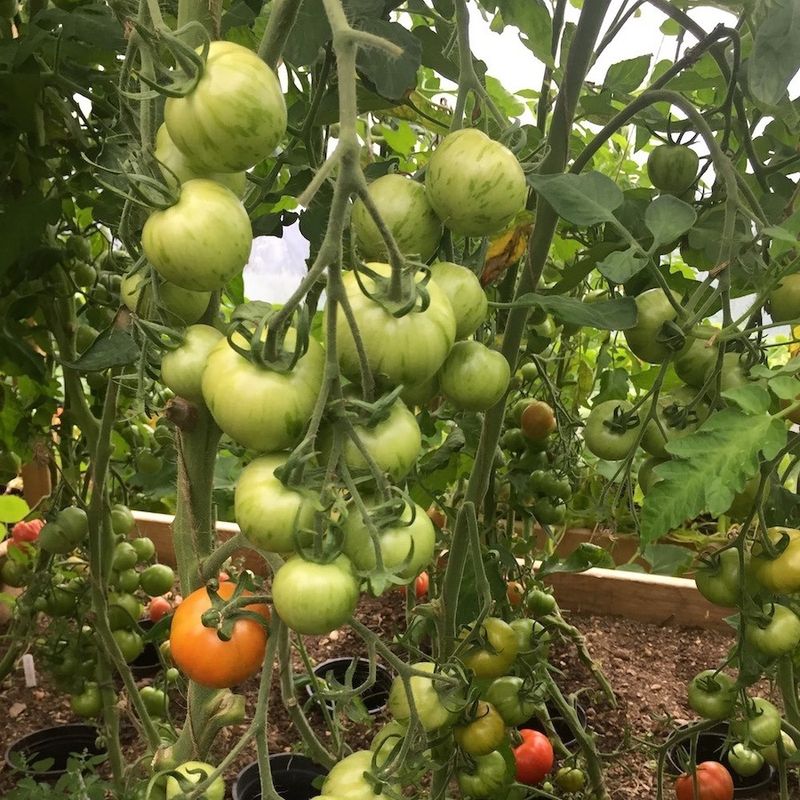
Few things beat the taste of a homegrown tomato pulled straight from your own backyard. In North Carolina, April is the prime window for getting tomatoes in the ground, but timing depends a lot on where you live.
Coastal Plain gardeners in Zones 8a and 8b can safely transplant tomatoes in early to mid-April, since the last frost typically passes by late March in those warmer areas.
Piedmont gardeners in Zones 7b and 8a should aim for mid to late April, once nighttime temperatures stay reliably above 50 degrees Fahrenheit.
Soil temperature is just as important as air temperature, so aim for at least 60 degrees in the ground before transplanting. A soil thermometer is a smart and inexpensive tool worth having in your shed.
Mountain gardeners in Zones 6a through 7a should hold off until late April at the earliest, and many find early May safer for avoiding a surprise cold snap. Tomatoes absolutely love full sun, so choose a spot that gets at least six to eight hours of direct light daily.
Adding compost before planting gives your tomatoes a strong, healthy start that pays off all summer long.
2. Peppers (Capsicum annuum)
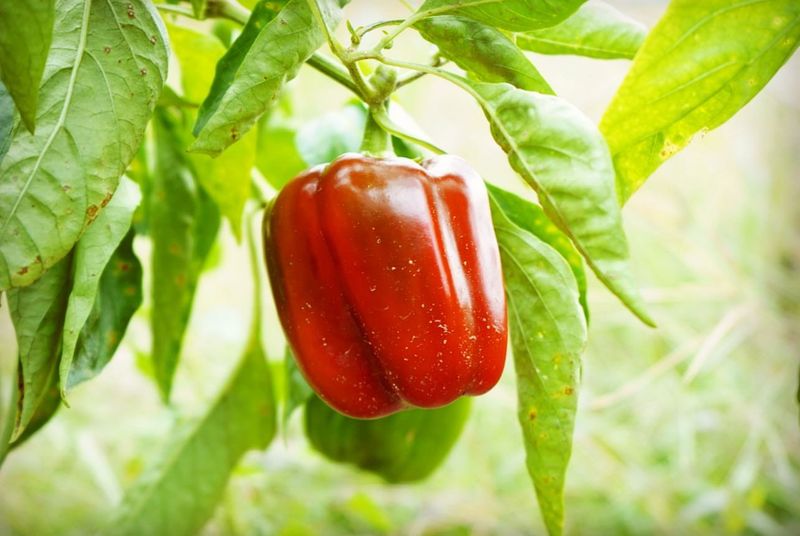
Peppers have a reputation for being a little picky, and honestly, they have earned it. They want warmth, they want sunshine, and they absolutely refuse to cooperate when nights are still chilly.
In the warmer parts of North Carolina, including much of the Coastal Plain and Piedmont, mid to late April is the sweet spot for getting pepper transplants into the ground.
The key rule with peppers is simple: nighttime temperatures need to stay consistently above 50 degrees Fahrenheit before you plant. Putting them out too early stunts their growth and can set them back by weeks.
Coastal gardeners have a clear advantage here, since warmer overnight lows arrive earlier along the shoreline and in the lower Piedmont.
Up in the Mountain zones, patience is your best friend when it comes to peppers. Most mountain gardeners in Zones 6a through 7a find that early May works better than any point in April.
Choose a sunny, well-drained bed and work in some organic compost to get the soil ready. Peppers come in so many fun varieties, from sweet bells to spicy cayennes, making them one of the most rewarding crops you can grow in North Carolina all season long.
Your North Carolina Garden Changes Every Week. Your Plan Should Too.
Gardening in North Carolina changes quickly throughout the season. Every Friday you’ll receive a simple weekly plan showing exactly what to plant, prune, fertilize, harvest, and protect so you never miss the right timing.
3. Cucumbers (Cucumis sativus)
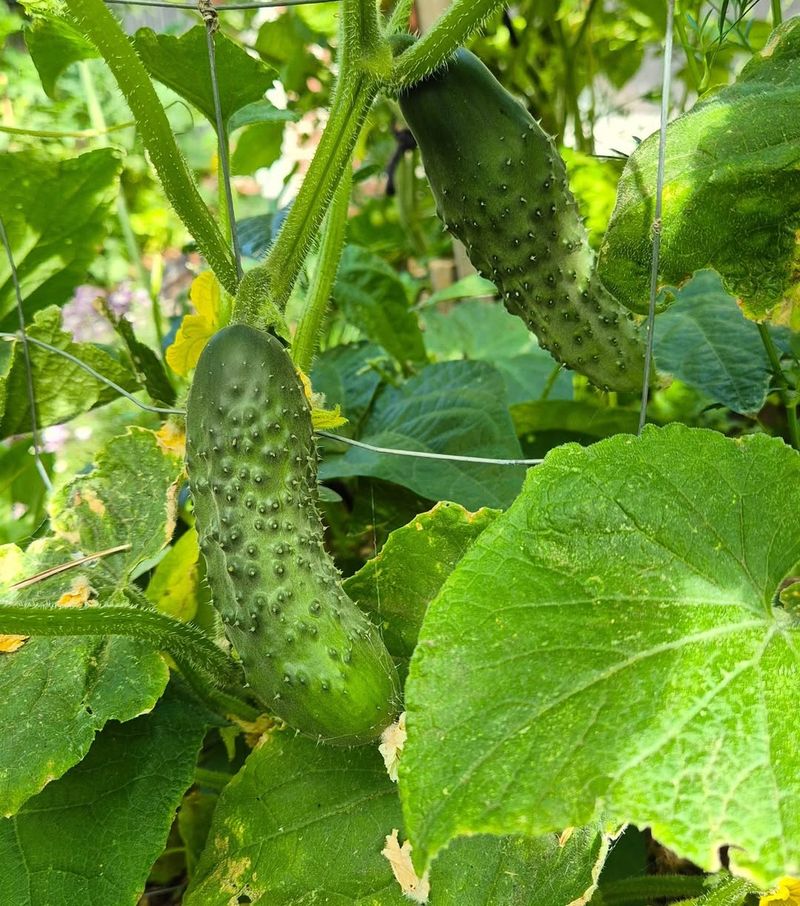
Crisp, cool cucumbers are a summer staple, and April is when the work begins in North Carolina.
Coastal and Piedmont gardeners can start direct sowing or transplanting cucumber seedlings once soil temperatures reach around 60 to 65 degrees Fahrenheit, which typically happens in mid-April in those warmer zones.
Cucumbers grow fast and reward early planting with an impressive harvest by early summer.
One of the best things about cucumbers is how quickly they take off once conditions are right. They thrive in full sun with consistently warm soil, so raised beds are a great option if your garden tends to stay cool and damp.
Adding a trellis gives vining varieties room to climb, which also improves airflow and reduces the chance of fungal problems during humid North Carolina summers.
Mountain gardeners should wait until late April or even early May before sowing cucumber seeds outdoors. Cold soil slows germination significantly, so there is no benefit to rushing the planting date in higher elevations.
Starting seeds indoors a few weeks early is a smart move if you want a head start. Whether you prefer slicing cucumbers for salads or pickling types for preserving, North Carolina gardens are perfectly suited for producing an impressive crop throughout the warm growing season.
4. Squash (Cucurbita pepo)
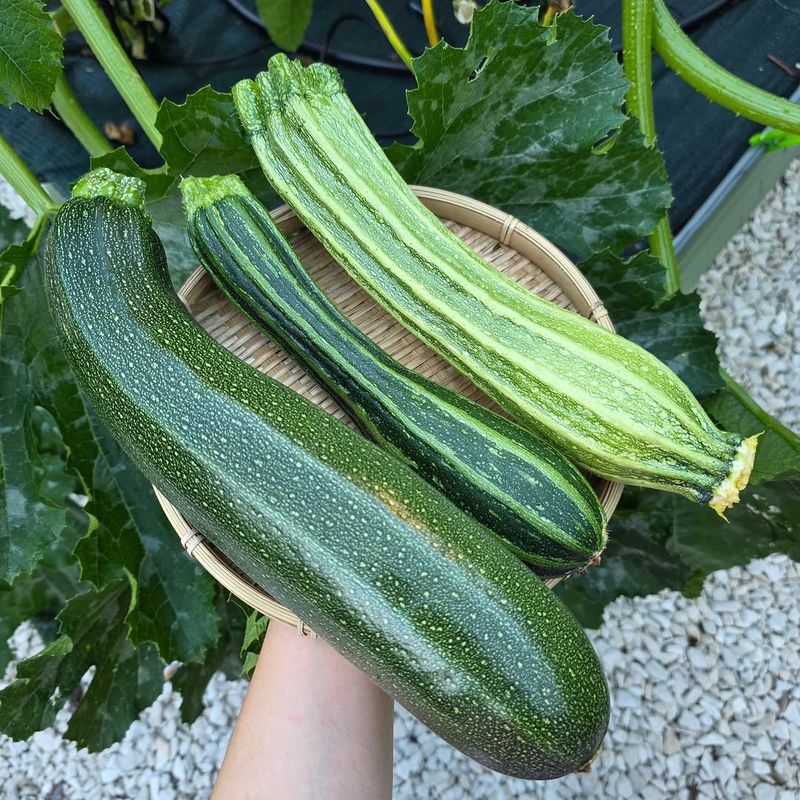
Summer squash is one of those vegetables that almost seems to grow while you watch. Plant a seed in warm soil, give it a little water and sunshine, and within days you will see it pushing through the ground with impressive energy.
In North Carolina’s Coastal Plain and Piedmont regions, April is the ideal time to get squash seeds or transplants into the garden.
Squash seeds germinate best when soil temperatures are consistently at or above 60 degrees Fahrenheit. In warmer coastal zones, that condition is usually met by early to mid-April, while Piedmont gardeners can typically plant by mid-April with confidence.
The plants grow quickly and can start producing harvestable squash within 50 to 60 days of planting, making them one of the most productive choices for spring gardens.
Mountain gardeners should wait until late April or early May to avoid cold soil slowing germination. Squash plants need full sun and good drainage, so avoid low spots in your yard where water collects after rain.
Spacing plants properly also matters since they spread out considerably as they grow. Yellow crookneck, zucchini, and pattypan are all popular varieties that perform beautifully in North Carolina gardens, and each brings something a little different to your summer table.
5. Green Beans (Phaseolus vulgaris)
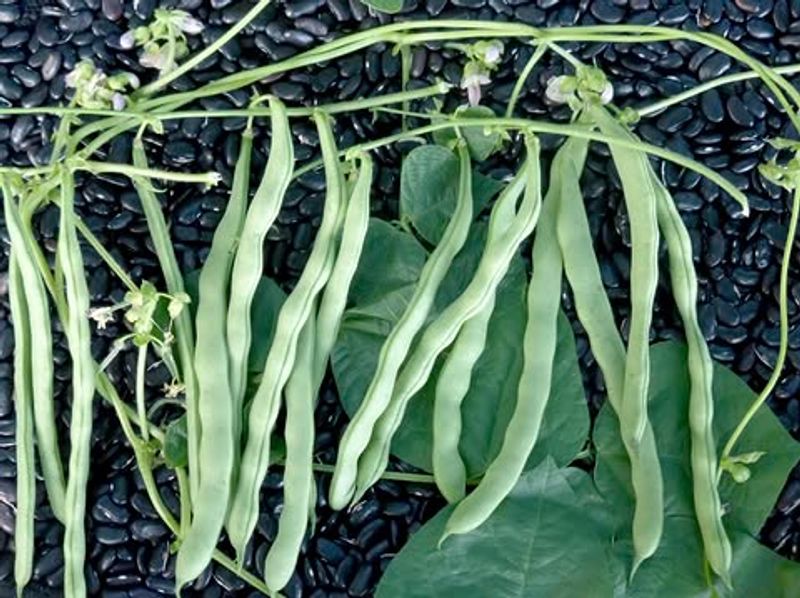
Green beans are one of the most satisfying crops a North Carolina gardener can grow, partly because they are so straightforward and reliable. They grow quickly, produce heavily, and do not demand a lot of fuss once they get going.
The main thing they need is warm soil, and that is exactly what mid to late April delivers in the Coastal and Piedmont regions of the state.
Soil temperature should be at least 60 degrees Fahrenheit before you sow green bean seeds directly in the ground. Planting in cold soil leads to slow, uneven germination, so patience pays off here.
Coastal gardeners can often get seeds in the ground by mid-April, while Piedmont gardeners typically aim for the second half of the month when soil has had more time to warm up after winter.
Mountain gardeners in the cooler zones should wait until late April or early May, keeping a close eye on soil temperature rather than just the calendar date.
Bush beans are a popular choice for smaller gardens since they do not need staking, while pole beans produce longer and can be trained up a trellis to save space.
Either way, fresh green beans straight from a North Carolina garden are a true summer treat that makes every bit of effort worth it.
6. Sweet Corn (Zea mays)
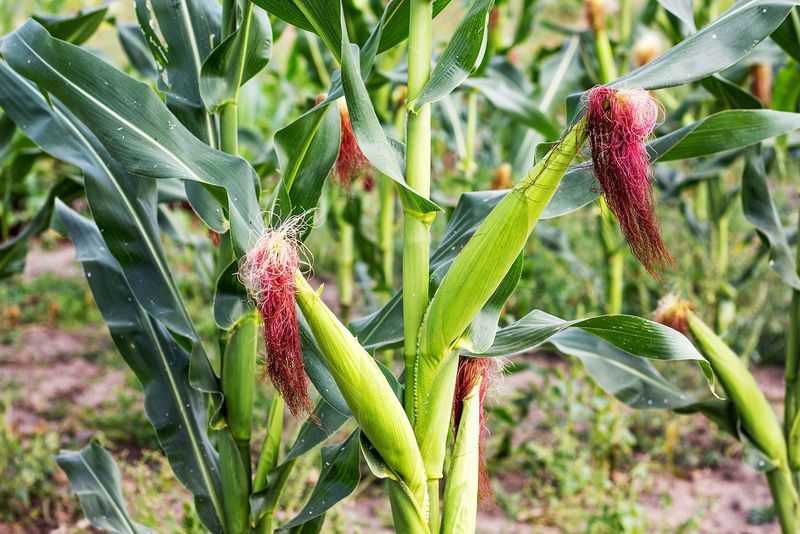
There is something deeply satisfying about growing your own sweet corn, especially when you can walk out to the garden and pick ears at peak freshness. In North Carolina, April planting is possible for sweet corn, but soil temperature is the deciding factor.
Corn seeds need soil temperatures of at least 60 degrees Fahrenheit to germinate well, and 65 degrees gives even better results.
Coastal Plain gardeners in Zones 8a and 8b often have soil warm enough for corn planting by early to mid-April. Piedmont gardeners can typically plant by mid to late April once the soil has had time to warm after the last cold spells of early spring.
Planting in blocks rather than single rows helps with pollination, which directly affects how full and sweet your ears of corn turn out.
Mountain gardeners in the cooler zones should wait until late April at the earliest, and many find early May to be a more reliable time for consistent germination. Sweet corn grows tall and needs full sun along with regular water during tasseling and ear development.
Adding nitrogen-rich fertilizer or compost at planting gives the stalks a strong foundation. North Carolina’s warm summers are perfectly suited for bringing a sweet corn crop to full maturity, making it a great addition to any home garden this season.
7. Okra (Abelmoschus esculentus)
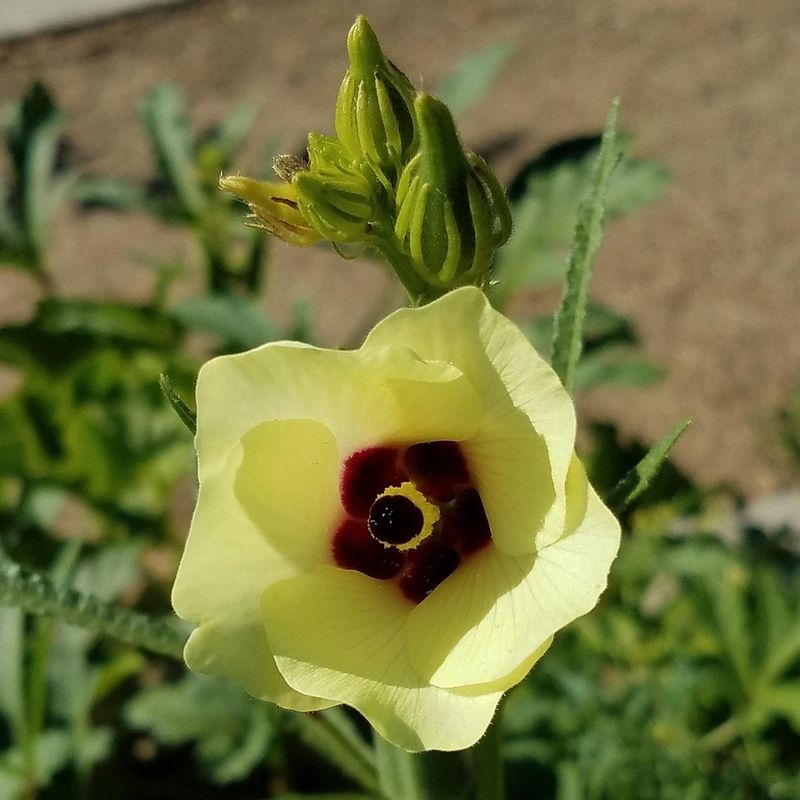
Okra is practically made for the North Carolina climate, especially in the warmer Coastal and Piedmont regions where long, hot summers give it exactly what it craves. That said, timing still matters, because okra planted too early in cold soil will sit there stubbornly and refuse to sprout.
Late April is the sweet spot for getting okra started in Coastal Plain and Piedmont gardens. Okra seeds need soil temperatures of at least 65 degrees Fahrenheit, and they germinate even more reliably when soil hits 70 degrees.
Soaking seeds overnight before planting can speed up germination noticeably, which is a handy trick many experienced North Carolina gardeners swear by.
Plant seeds about an inch deep in a sunny, well-drained bed and give them room to grow since plants can reach five feet or taller by midsummer.
Mountain gardeners should skip April entirely for okra and wait until late May when soil temperatures in higher elevations finally reach the warmth this plant demands.
Okra is incredibly heat-tolerant once established and actually produces more pods as summer temperatures climb, making it one of the most productive warm-season crops you can grow in North Carolina.
Harvest pods when they are two to four inches long for the best texture and flavor, and keep picking regularly to encourage continuous production throughout the season.
8. Sweet Potatoes (Ipomoea batatas)
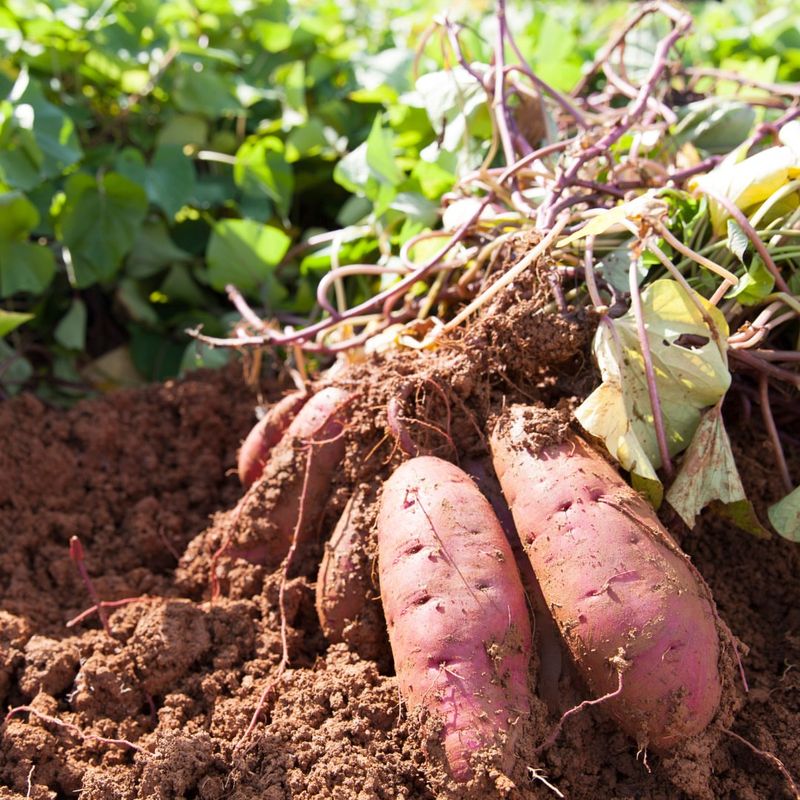
Sweet potatoes are a North Carolina classic, and for good reason. The state is actually one of the top sweet potato producers in the entire country, and home gardeners here can tap into that same growing magic.
The trick is that you plant sweet potatoes from slips, which are small rooted cuttings, rather than from seeds or the whole tuber itself.
Slips should go into the ground in late April in the Coastal Plain and warmer Piedmont zones, once soil temperatures have reached at least 65 degrees Fahrenheit.
These plants need a long, warm growing season of around 90 to 120 days to develop properly, which is why Coastal and Piedmont gardeners have a clear advantage over those in the mountains.
Planting too early in cool soil leads to poor root development and weak plants that struggle all season.
Mountain gardeners should typically wait until May or even early June before planting sweet potato slips, since the shorter warm season in higher elevations makes late planting a smarter choice.
Loose, well-drained soil with good organic matter gives sweet potatoes the best environment for producing large, flavorful roots.
Avoid over-fertilizing with nitrogen, which pushes leafy vine growth at the expense of root development. With the right timing and care, sweet potatoes grown in North Carolina gardens are absolutely outstanding come harvest time in early fall.
9. Lettuce (Lactuca sativa)
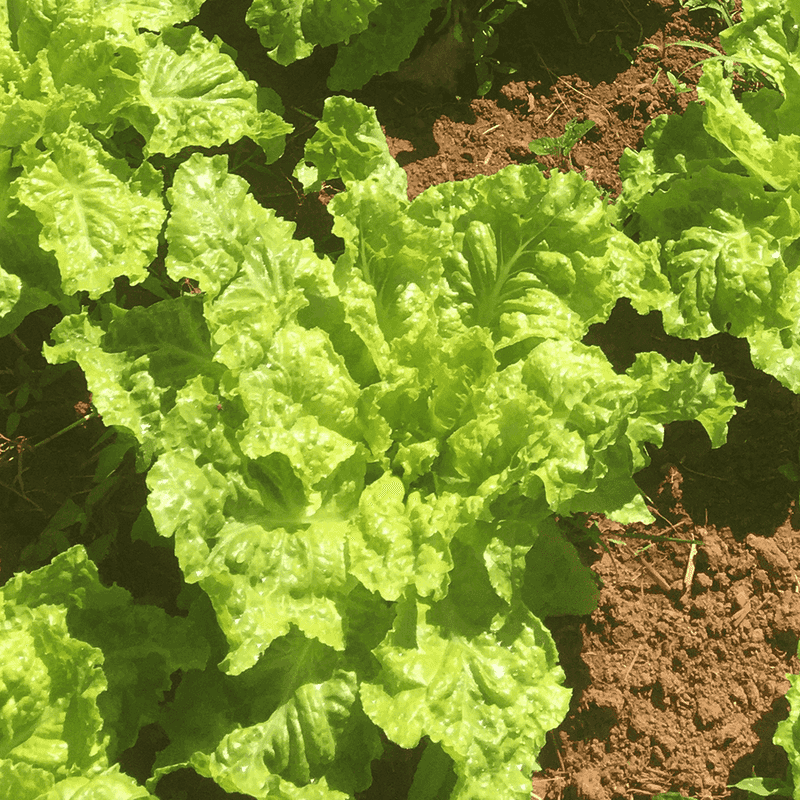
April might seem like the season for warm-weather planting, but lettuce has a different opinion entirely. This cool-season favorite actually thrives in the mild temperatures of early spring, and early April is one of the best times to get it going across much of North Carolina.
The trick is to plant before the heat of summer arrives, since lettuce bolts quickly when temperatures climb above 75 degrees Fahrenheit.
Mountain gardeners in Zones 6a through 7a are in luck because their cooler spring temperatures are absolutely perfect for lettuce.
The longer, cooler spring season in the NC mountains means lettuce can be planted through mid-April and sometimes beyond without bolting too quickly.
Piedmont and Coastal gardeners should plant lettuce in early April and plan to harvest before May temperatures push too high.
Lettuce grows well in containers, raised beds, or traditional garden rows, making it one of the most flexible crops for gardeners working with limited space.
It prefers partial shade in warmer areas, which helps extend the harvest window by keeping soil and air temperatures a bit cooler around the plants.
Loose-leaf varieties like Red Sails or Black-Seeded Simpson tend to mature faster than head lettuces, giving you a quicker reward for your effort. Growing lettuce in North Carolina in April is one of the easiest and most satisfying ways to start the gardening season strong.
10. Carrots (Daucus carota subsp. sativus)
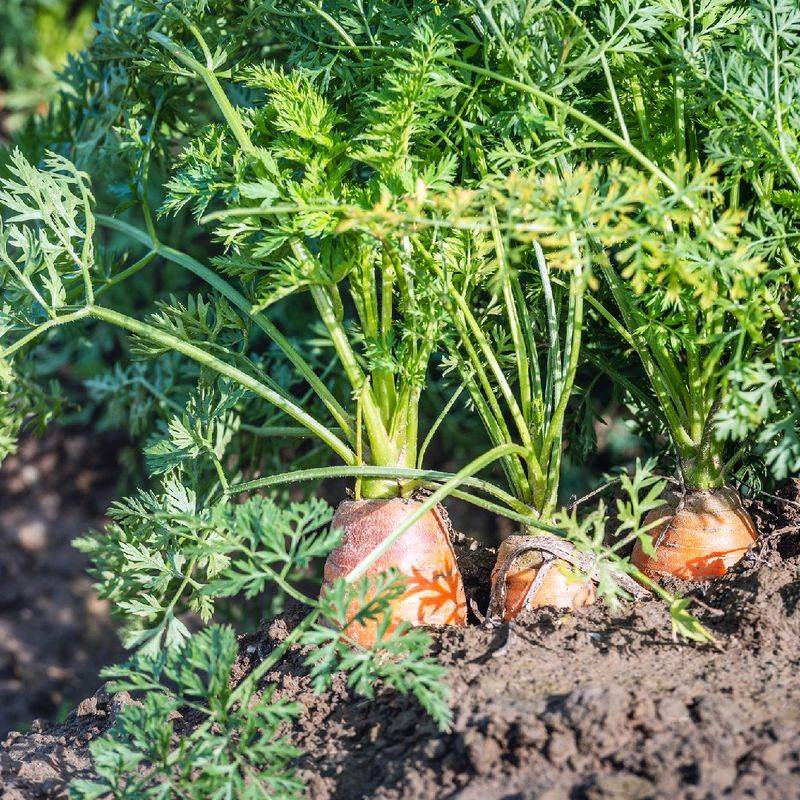
Carrots are one of those crops that reward patience and good soil preparation more than almost anything else. They grow underground and out of sight for most of their development, which makes pulling up a bunch of bright, crunchy carrots feel like finding buried treasure.
April is a great month to direct sow carrot seeds across all regions of North Carolina, from the coast to the mountains.
Carrots prefer cool to moderate soil temperatures, ideally between 55 and 75 degrees Fahrenheit, which makes April a natural fit before summer heat sets in.
The soil must be loose, deep, and free of rocks or hard clumps that could cause roots to fork or grow in odd shapes.
Raised beds with well-amended, sandy loam soil produce the straightest and most impressive carrots, and they are a worthwhile investment for any serious North Carolina gardener.
Carrot seeds are tiny and can be tricky to sow evenly, but mixing them with a little sand before sprinkling them into the row helps spread them more consistently.
Thin seedlings to about two to three inches apart once they reach a couple of inches tall, since crowded carrots never develop their full size or flavor.
Varieties like Nantes, Chantenay, and Danvers all perform reliably well in North Carolina garden conditions and produce sweet, flavorful roots that are well worth the wait.