What To Direct Sow In April In Oregon For Fast Spring Growth
The Oregon gardening calendar is a wild ride, and by the time April rolls around, the itch to get your hands in the dirt is almost unbearable.
While the soil might still feel a bit chilly under your fingernails, it is actually the prime window to skip the indoor seed trays and get straight to business.
Forget the fuss of hardening off delicate sprouts or cluttering up your kitchen counters with grow lights. You can achieve a lush, vibrant patch of greenery by tossing seeds directly into your garden beds and letting Mother Nature do the heavy lifting.
Our local spring moisture provides the perfect hydration for a quick breakout, turning a bare patch of brown earth into a sea of emerald green before May even arrives.
It is all about choosing the resilient sprinters of the plant world that thrive in our cool, damp mornings.
You get to enjoy the satisfaction of a rapidly filling garden without the stress of transplant shock.
1. Peas
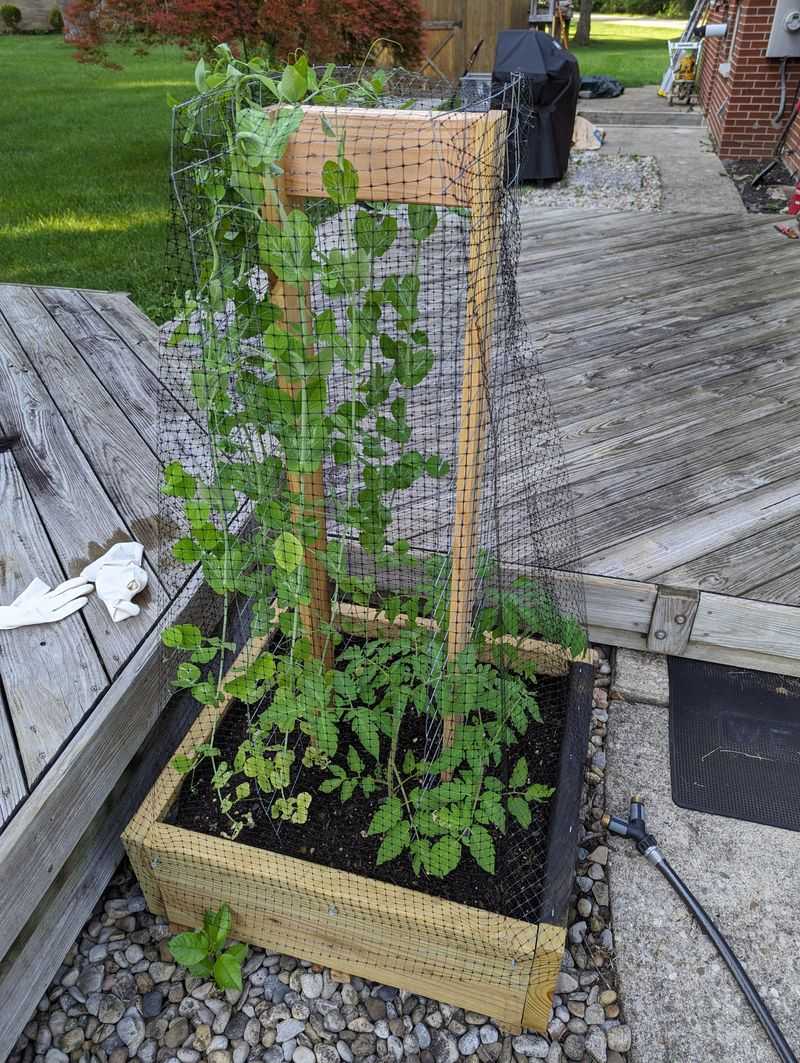
Nothing says spring gardening in Oregon quite like a row of peas pushing through the cool, damp soil. Peas are one of the earliest crops you can direct sow, and April is right in their sweet spot.
They love cool temperatures and can handle a light frost without any problem.
In Western Oregon, you can get peas in the ground before April 15 for the best results. In Central and Eastern Oregon, aim for mid-April when the soil starts to warm up a bit.
Either way, peas germinate well when soil temperatures are around 40°F to 50°F.
Choose a sunny spot and plant seeds about one inch deep and two inches apart. Give them something to climb, like a simple trellis or some sticks, because most pea varieties love to grow upward.
Sugar snap peas and snow peas are both great choices for Oregon gardens.
Water consistently but do not overwater, especially in wetter parts of Western Oregon where the rain does most of the work. Succession planting every two to three weeks will extend your harvest well into early summer.
Peas are fast, fun, and incredibly rewarding for gardeners of all skill levels.
2. Spinach
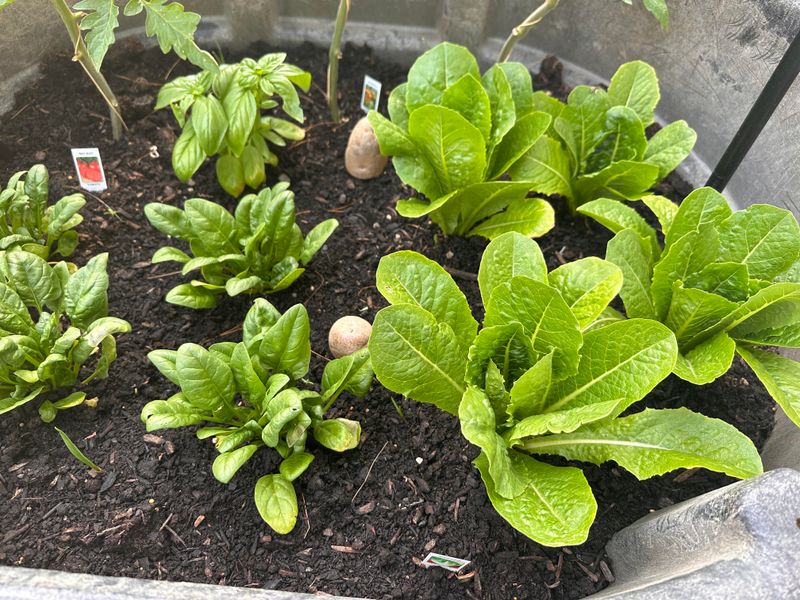
It thrives in cool, moist conditions, which is exactly what most of Oregon offers in April. You can direct sow spinach seeds as soon as the soil is workable, and you will see sprouts in as little as seven to fourteen days.
Plant seeds about half an inch deep and space them two to three inches apart in rows. Spinach does not need a lot of room, so it fits perfectly in raised beds, containers, or traditional garden rows.
It also grows well in partial shade, which is handy if your garden gets afternoon cloud cover.
Did you know spinach was one of the first vegetables to be grown commercially in the Pacific Northwest? Oregon’s cool, wet springs have always been ideal for this leafy green.
Gardeners in both Western and Eastern Oregon can enjoy great spinach crops with very little effort.
Your Oregon Garden Changes Every Week. Your Plan Should Too.
Gardening in Oregon changes quickly throughout the season. Every Friday you’ll receive a simple weekly plan showing exactly what to plant, prune, fertilize, harvest, and protect so you never miss the right timing.
Thin seedlings to about six inches apart once they sprout to give each plant room to grow full, tender leaves. Harvest outer leaves regularly to keep the plant producing longer.
Spinach bolts quickly in heat, so get it in the ground early in April to enjoy the longest possible harvest before summer arrives.
3. Lettuce
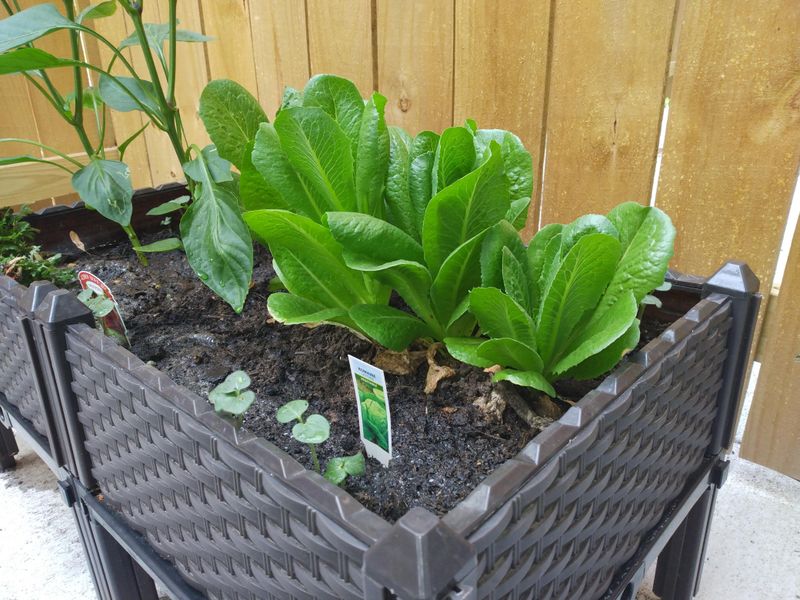
Lettuce might just be the most satisfying crop to grow in an Oregon spring garden. It germinates quickly, grows fast, and you can start harvesting leaves in as little as four to six weeks after sowing.
Few things beat walking out to your garden and picking a fresh salad right before dinner.
April in Oregon is perfect for lettuce because the temperatures are still cool and the days are getting longer. Sow seeds shallowly, just pressing them lightly into the soil surface, because lettuce needs light to germinate well.
Space rows about eight to twelve inches apart for best results.
Loose-leaf varieties like Black Seeded Simpson or Red Sails are especially popular with Oregon gardeners because they grow quickly and tolerate the variable spring weather. Head lettuce varieties like Butterhead also do very well when sown directly in April.
Succession planting is a smart move with lettuce. Sow a short row every two weeks throughout April and into May to keep a steady supply of fresh greens coming.
In Western Oregon, the mild, rainy spring weather means you may not need to water much at all. Keep an eye out for slugs, which love lettuce just as much as you do, and use row covers to protect young plants from surprise cold snaps.
4. Carrots
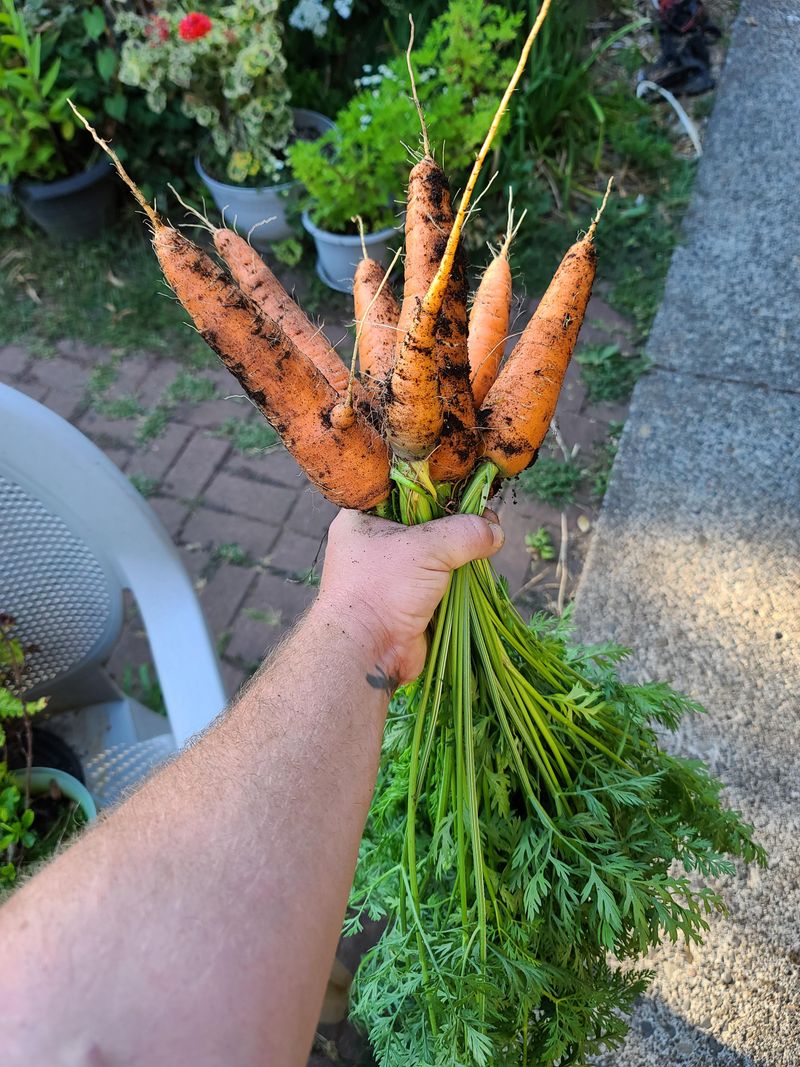
These versatile plants take a little patience, but direct sowing them in April in Oregon is absolutely worth it. They are one of the most rewarding root vegetables you can grow, and getting them in the ground early means you will be pulling up sweet, crunchy carrots by late spring or early summer.
In Western Oregon, wait until after April 15 to direct sow carrots. In Central and Eastern Oregon, mid-April to early May works well once the soil starts to warm.
Carrot seeds need soil temperatures of at least 50°F to germinate reliably.
Prepare your soil well before sowing. Carrots need loose, deep, rock-free soil to grow straight and long.
Mix in some compost to improve drainage and give roots room to stretch. Sow seeds thinly, about a quarter inch deep, and keep the soil consistently moist until germination, which can take up to two weeks.
Once seedlings appear, thin them to about three inches apart so each carrot has space to develop properly. Varieties like Nantes and Danvers perform especially well in Oregon’s spring conditions.
Carrots are worth the wait. Their natural sweetness actually improves after a light frost, so late-season carrots in Oregon often taste even better than early ones.
5. Beets
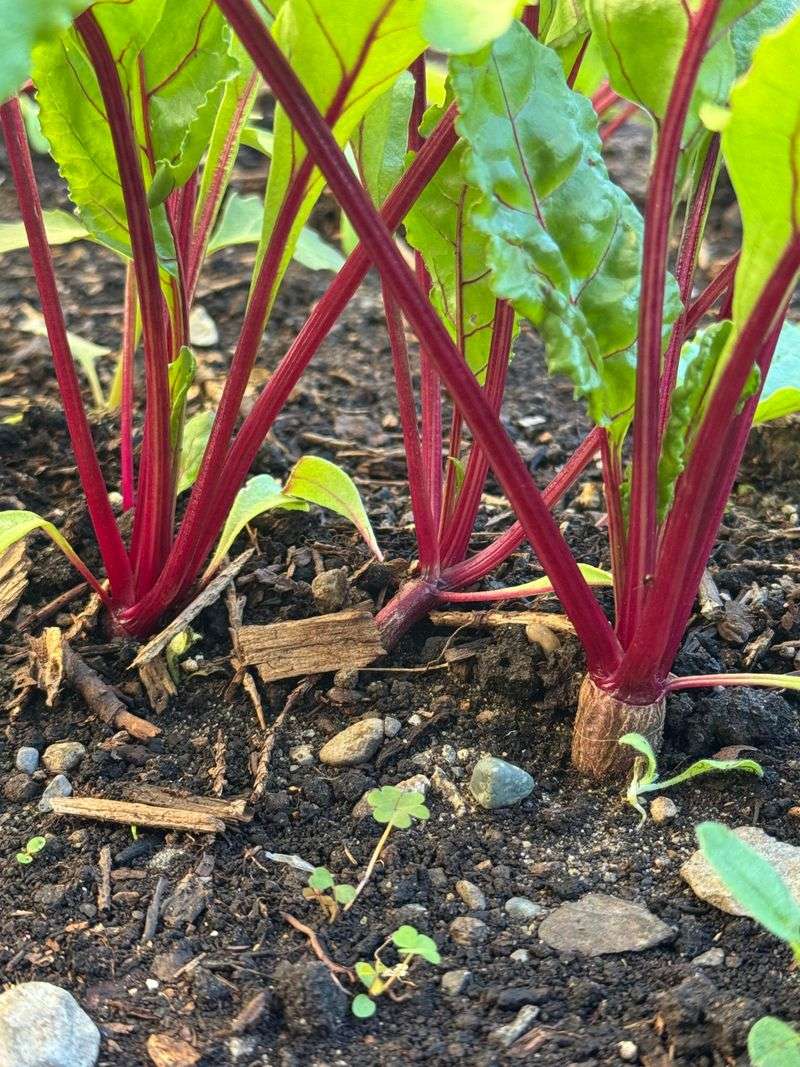
Now, beets are a powerhouse crop for Oregon spring gardens, and April is a great time to get them started. They grow fast, taste amazing, and give you two crops in one since both the roots and the leafy tops are edible.
Beet greens can be harvested early while you wait for the roots to fill out.
In Western Oregon, beets can be direct sown after April 15 when the soil has had a chance to warm slightly. In Central and Eastern Oregon, mid-April to mid-May is the recommended window.
Beet seeds prefer soil temperatures between 50°F and 85°F for good germination.
Plant beet seeds about half an inch deep and two inches apart. Each beet seed is actually a cluster of seeds, so expect multiple sprouts from each planting spot.
Thin seedlings to about four inches apart once they reach two inches tall to give roots room to grow round and full.
Varieties like Detroit Dark Red and Chioggia are popular with Oregon gardeners for their reliable performance and great flavor. Beets are also wonderfully forgiving, making them a fantastic choice for beginner gardeners.
Keep the soil evenly moist and watch these colorful, nutritious roots develop over the next several weeks.
6. Radishes
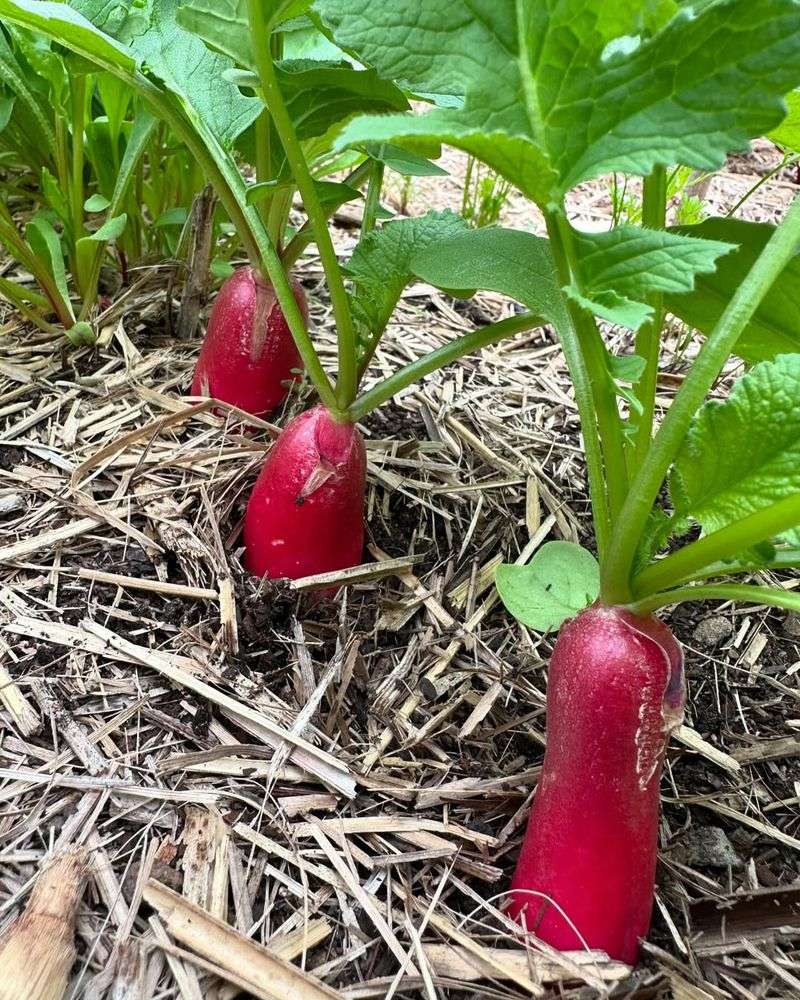
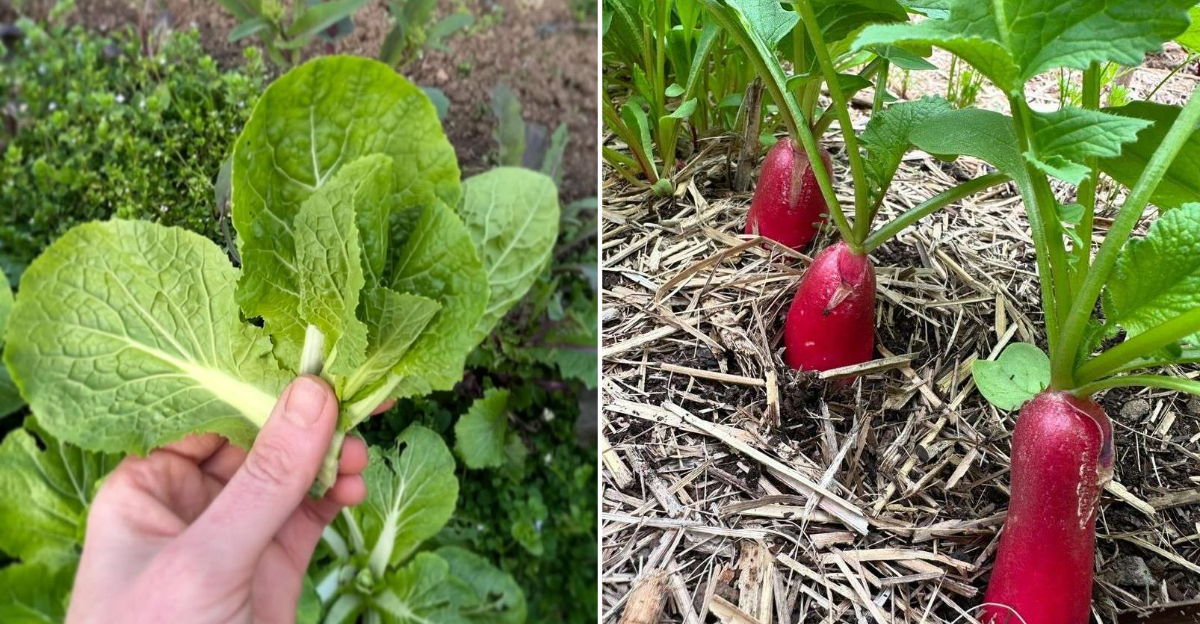
If you want the fastest reward in your Oregon spring garden, radishes are your answer. Some varieties go from seed to harvest in as little as three to four weeks, making them one of the quickest vegetables you can grow.
They are also a great way to mark rows of slower-growing crops like carrots.
Radishes can be direct sown in Oregon starting before April 15 in Western Oregon and from mid-April onward in Central and Eastern Oregon. They germinate quickly in cool soil and do not need much fuss.
Simply scatter seeds about half an inch deep and one inch apart in loose, well-draining soil.
Thin seedlings to about two inches apart once they sprout to give each radish room to form a nice round root. Overcrowded radishes tend to produce lots of leaves but small, disappointing roots.
Keep soil consistently moist because dry conditions cause radishes to turn pithy and overly spicy.
Cherry Belle and French Breakfast are two varieties that do exceptionally well in Oregon’s spring climate. Because radishes grow so fast, you can sow a new row every ten days throughout April for a continuous supply.
They are crunchy, peppery, and absolutely satisfying to pull straight from the Oregon soil and eat fresh.
7. Asian Greens
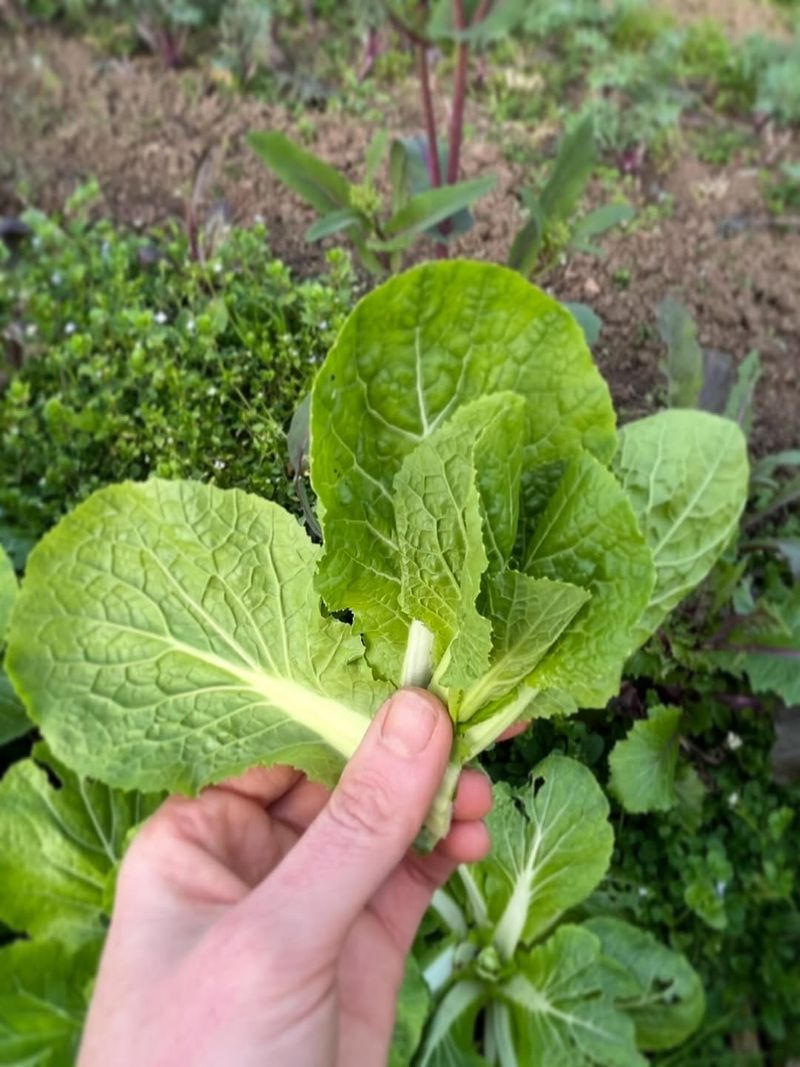
These greens are some of the most underrated crops you can grow in an Oregon spring garden. Bok choy, tatsoi, mizuna, and komatsuna all thrive in cool, moist conditions, which Oregon delivers in abundance during April.
They grow fast, taste incredible, and add beautiful color to your garden beds.
In Western Oregon, Asian greens can be direct sown before April 15, making them one of the earliest crops you can get started. They germinate quickly in cool soil and can be harvested as baby greens in just two to three weeks, or left to mature into full heads over four to six weeks.
Sow seeds thinly, about a quarter inch deep, in rows spaced about six to eight inches apart. Thin seedlings to four to six inches apart once they emerge.
Asian greens prefer consistent moisture and partial shade during warmer spring days, which helps prevent premature bolting.
One fun fact about Asian greens is that many varieties have been cultivated in Asia for over five thousand years, and they are now a staple in Oregon farmers markets.
Succession sowing every two to three weeks will keep your kitchen stocked with fresh, tender greens all spring long.
They are truly one of April’s most rewarding direct-sow crops in Oregon.
8. Cabbage
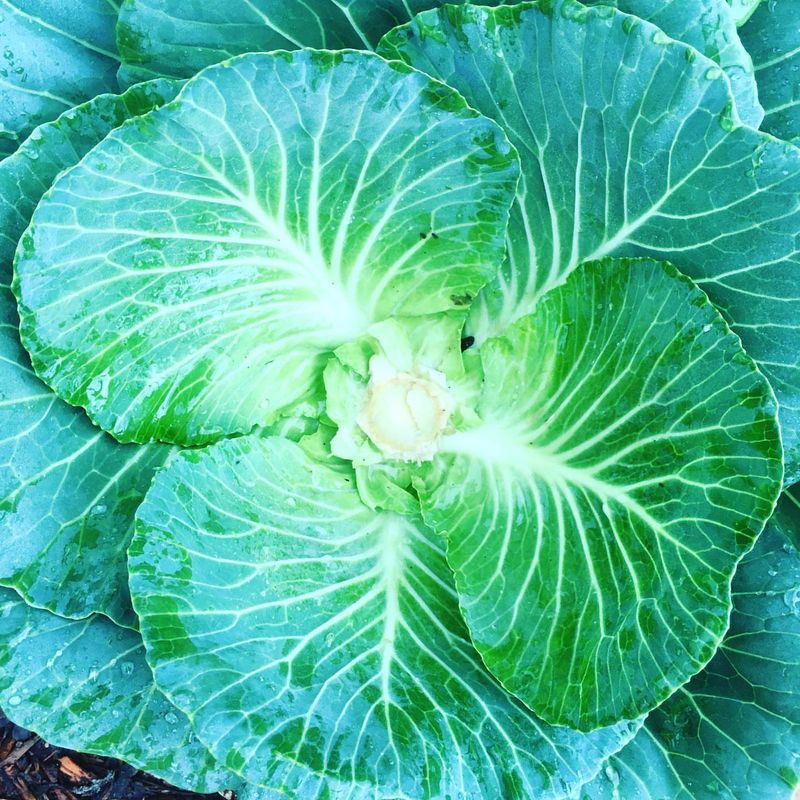
This veggie is a cool-season champion, and April in Oregon is exactly the right time to direct sow it for a strong start. While many gardeners transplant cabbage starts, direct sowing works beautifully in Oregon’s mild spring climate, especially in Western Oregon after April 15 when soil temperatures have climbed a bit.
In Central and Eastern Oregon, mid-April to early May is the better window for direct sowing cabbage. Soil should be around 45°F to 85°F for reliable germination.
Cabbage is tough and can handle light frosts once seedlings are established, making it a smart choice for Oregon’s unpredictable spring weather.
Plant seeds about a quarter inch deep and space them about twelve inches apart in rows eighteen inches wide. Cabbage needs room to develop its large, leafy heads.
Thin seedlings once they reach a few inches tall to ensure each plant gets enough space, sunlight, and nutrients.
Early Jersey Wakefield and Savoy varieties are well-suited to Oregon’s spring conditions. Cabbage grows slowly compared to radishes or lettuce, but the payoff is a big, dense head of crisp greens that stores well and tastes fantastic.
Keep plants well-watered and use floating row covers to protect against cabbage worms and unexpected cold snaps in early spring.