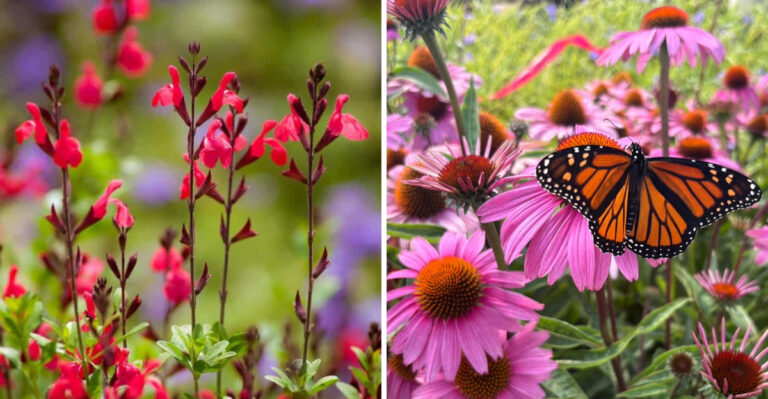
Texas Gardeners Should Make Room For These 10 Must-Grow Plants In 2026
Texas gardening in 2026 is not about babying fussy plants through another brutal summer. It is about choosing the kinds of plants that can take the heat, handle unpredictable rain, and still make your yard look amazing for months.
In a state where one garden may be packed with heavy clay and another sits on rocky limestone, the right plant choices can save time, water, and a whole lot of frustration.
The good news is that Texas gardeners have plenty of beautiful options that bring color, texture, pollinator activity, and strong performance without demanding constant attention.
Whether you are gardening in the Hill Country, along the Gulf Coast, or in the piney woods of East Texas, these ten standout plants have what it takes to earn a place in your landscape this year.
1. American Beautyberry Brings Purple Berries And Wildlife Appeal
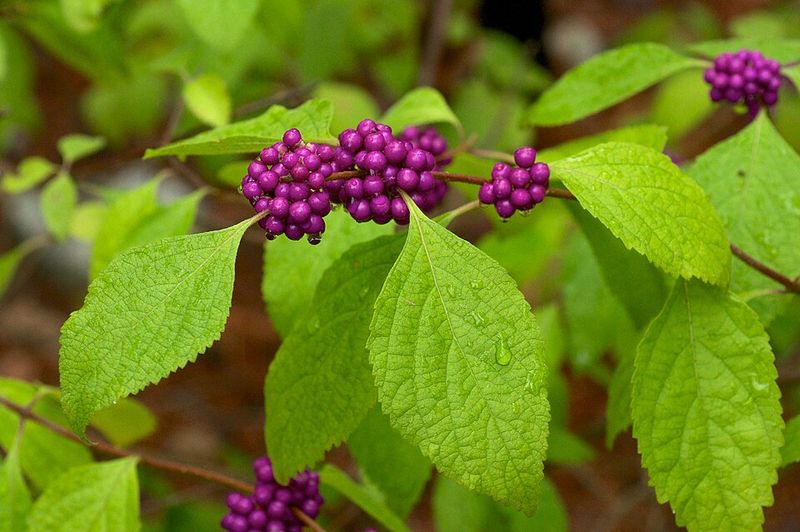
Few shrubs put on a fall show quite like American Beautyberry, which turns its long, arching branches into something that looks almost painted with clusters of electric purple berries.
Native across much of the South and well-suited to Texas conditions, this plant earns its place in the landscape through both beauty and wildlife value.
Birds flock to the berries, making it a reliable draw for cardinals, mockingbirds, and other backyard visitors.
American Beautyberry performs especially well in East Texas and other areas with slightly acidic, well-drained soil and partial shade. It tolerates full sun but tends to look its best when shaded during the hottest afternoon hours.
Gardeners sometimes overlook it because it looks plain in spring, but patience pays off when fall arrives and the berry clusters emerge.
Plant it toward the back of a border or along a woodland edge where its size, typically four to six feet tall and wide, has room to spread naturally.
Avoid overwatering once established, and skip heavy fertilizing since too much nitrogen pushes leafy growth at the expense of berries.
Pruning hard in late winter keeps the plant tidy and encourages vigorous new growth for next season.
2. Texas Sage Adds Silver Leaves And Purple Color
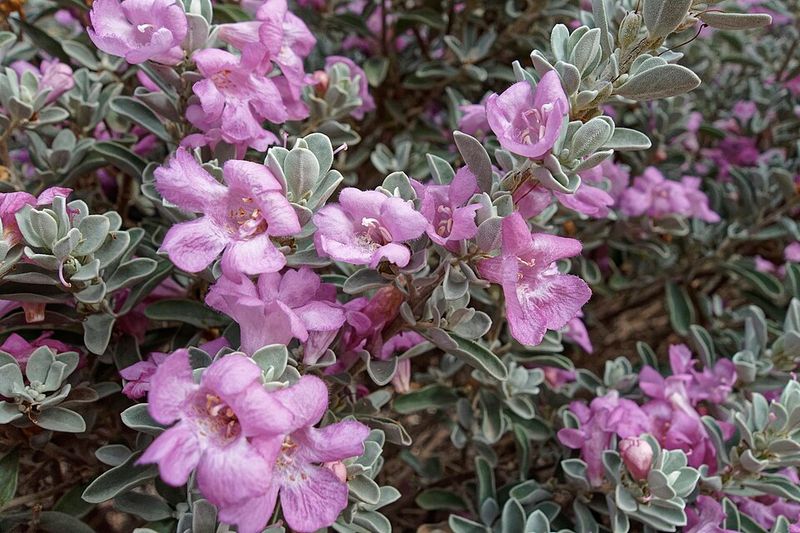
Walk through almost any dry, sunny Texas neighborhood and you will likely spot Texas Sage glowing silver in the heat, often bursting into bloom right after a summer rain. That bloom response to humidity is one of the reasons many Texans call it the barometer bush.
The combination of soft, silvery foliage and vivid purple flowers makes it one of the most visually striking native shrubs available for Texas landscapes.
Texas Sage thrives in alkaline, well-drained soils and full sun, making it an excellent choice for the Hill Country, West Texas, and the San Antonio region.
It handles extended dry spells without complaint once established, which is a major advantage in a state where summer watering restrictions are common.
Planting it in heavy clay or poorly drained spots is the most common mistake gardeners make, often leading to root problems that reduce the plant’s long-term performance.
Your Texas Garden Changes Every Week. Your Plan Should Too.
Gardening in Texas changes quickly throughout the season. Every Friday you’ll receive a simple weekly plan showing exactly what to plant, prune, fertilize, harvest, and protect so you never miss the right timing.
Use Texas Sage as a foundation shrub, a low-water hedge, or a colorful anchor in a pollinator garden. Bees and butterflies visit the blooms regularly.
Plants typically reach four to eight feet tall depending on the variety, so choose compact selections if space is limited. Minimal pruning and no supplemental fertilizer are needed once the plant settles in.
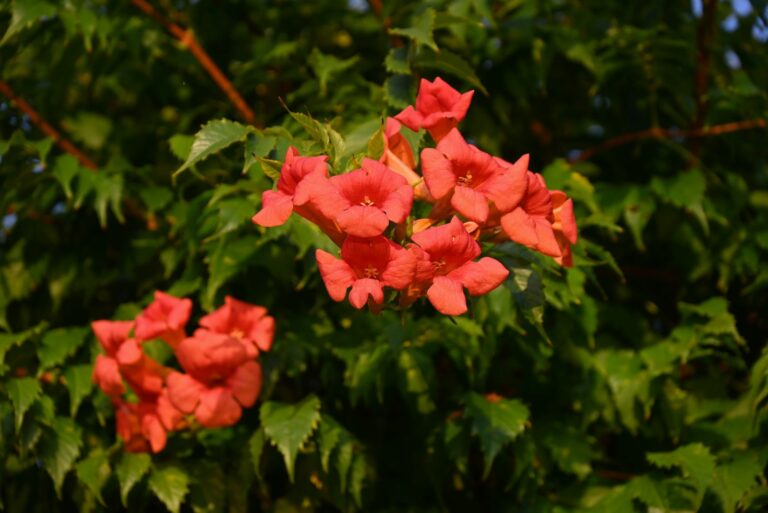
3. Turk’s Cap Produces Red Blooms In Tough Spots
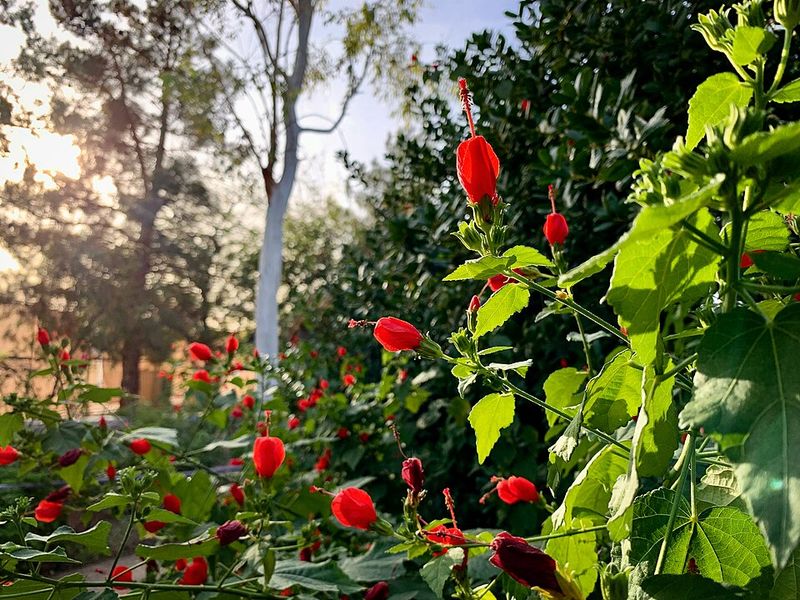
Shady, dry spots under live oaks or along fence lines often stump Texas gardeners looking for reliable color, but Turk’s Cap handles exactly those conditions with ease.
The distinctive twisted red flowers, which never fully open and resemble a small Turkish turban, bloom from late spring through fall and attract hummingbirds, butterflies, and bees in impressive numbers.
Few plants deliver that level of wildlife activity in challenging low-light spots.
Native to Texas and the Gulf Coast region, Turk’s Cap is a tough perennial that spreads slowly over time and can reach four to nine feet tall in ideal conditions.
It performs well in both partial and full shade, tolerating the kind of dry shade beneath established trees where most flowering plants simply refuse to grow.
East Texas gardeners and those along the Gulf Coast will find it especially adaptable.
Give it room to spread and resist the urge to overwater, since established plants are quite drought-tolerant. The red berries that follow the flowers are edible and attract additional wildlife through fall and winter.
Cutting plants back hard in late winter encourages fresh, vigorous growth in spring. Avoid planting in full, unrelenting sun without supplemental water, as it prefers some protection during the hottest part of the Texas day.
4. New Gold Lantana Keeps Blooming In Texas Heat
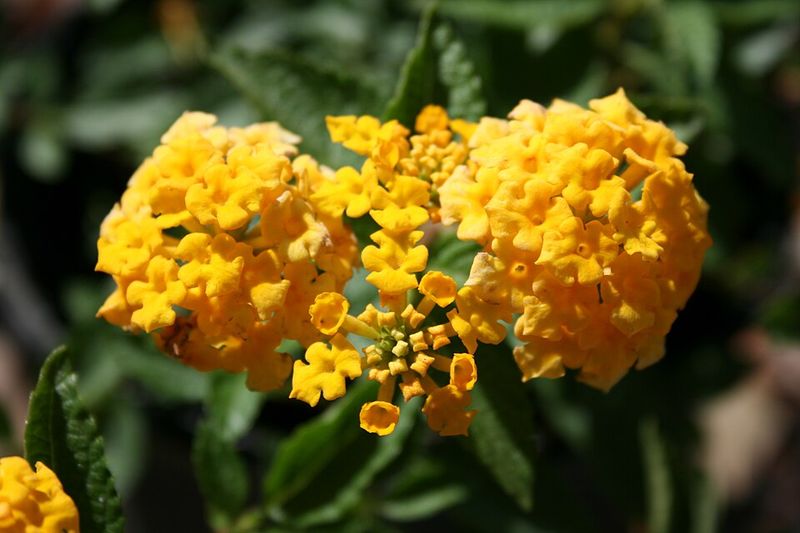
When summer temperatures push past 100 degrees and most flowering plants sulk or slow down, New Gold Lantana just keeps going.
This trailing, mounding variety produces dense clusters of rich golden yellow blooms from spring well into fall without missing a beat.
It earned Texas Superstar designation for exactly this kind of proven, consistent performance across the state’s demanding growing conditions.
New Gold Lantana works beautifully as a ground cover, a cascading border plant, or a bold container specimen. It spreads two to four feet wide while staying relatively low, making it useful for covering large sunny areas without a lot of fuss.
The blooms attract butterflies in large numbers, and the plant requires very little water once it settles into the landscape after the first growing season.
Plant it in full sun and well-drained soil for the best results. Avoid soggy conditions, which can encourage root problems that reduce flowering and overall vigor.
Removing spent blooms isn’t necessary since New Gold Lantana rarely sets viable seed, which is actually an advantage because it means the plant is not considered invasive like some other lantana varieties.
A light trim in midsummer helps refresh the plant and encourages a fresh flush of blooms heading into fall.
5. Autumn Sage Adds Color From Spring Into Fall
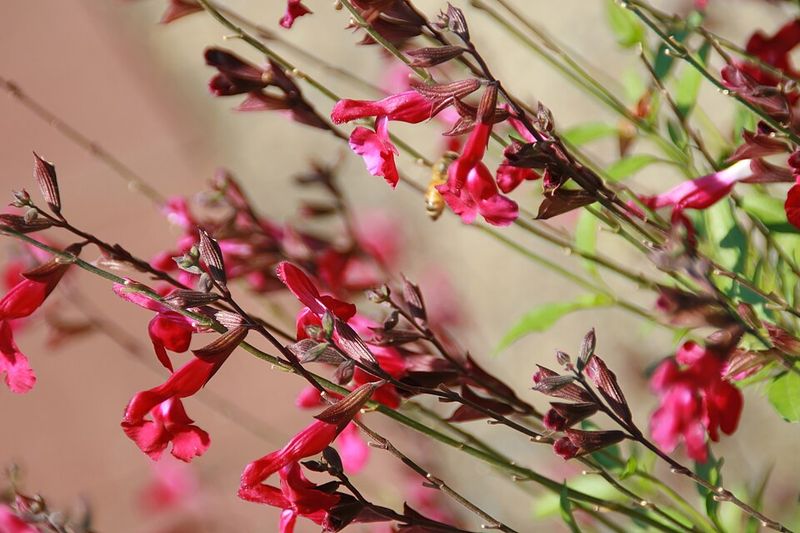
Reliable color across three seasons is something every Texas gardener wants, and Autumn Sage delivers exactly that without requiring constant attention.
This woody perennial produces tubular flowers in shades of red, pink, coral, salmon, and white from early spring through the first hard freeze.
Hummingbirds and butterflies visit the blooms constantly, making it one of the most wildlife-friendly perennials available for Texas landscapes.
Autumn Sage is native to the Chihuahuan Desert region and performs exceptionally well across much of Texas, from the Hill Country to North Texas and beyond.
It handles heat and drought with impressive resilience once established, though it does appreciate occasional deep watering during extended dry stretches in summer.
Well-drained soil and full to partial sun are the keys to keeping it healthy and blooming vigorously.
Most varieties grow two to three feet tall and wide, fitting neatly into borders, foundation plantings, or mixed pollinator gardens.
Cutting plants back by about one-third in midsummer removes spent growth and encourages a fresh, strong round of blooms in fall.
Avoid heavy clay soils that hold water around the roots, as overly wet conditions during summer can weaken the plant over time. With the right placement, Autumn Sage becomes one of the most dependable perennials in any Texas yard.
6. Lindheimer Muhly Grass Brings Texture And Motion
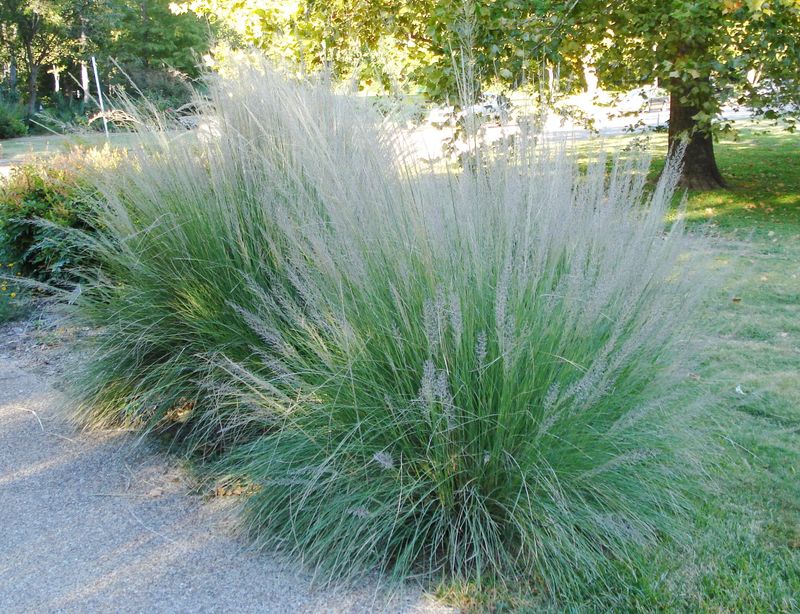
There is something quietly dramatic about a clump of Lindheimer Muhly grass catching the late afternoon light, its tall, feathery plumes swaying in the breeze like something out of a nature documentary.
Named after the famous Texas botanist Ferdinand Lindheimer, this native ornamental grass is a standout for adding movement, texture, and soft visual interest to landscapes that might otherwise feel flat or static.
Lindheimer Muhly grows three to five feet tall and produces silvery-blue to gray-green foliage topped by airy plumes that appear in fall and persist well into winter.
It thrives across a wide range of Texas conditions, performing reliably in the Hill Country, Central Texas, and South Texas.
Full sun and well-drained soil are ideal, and the plant is notably drought-tolerant once established, making it a smart choice for water-wise landscapes.
Use it as a specimen plant, in mass plantings along slopes or berms, or as a graceful backdrop for shorter flowering perennials. Avoid cutting it back too aggressively in fall since the plumes provide winter interest and some shelter for small wildlife.
A cleanup cut in late winter before new growth emerges is all the maintenance it typically needs. Overwatering in heavy clay soils is the most common mistake, so prioritize drainage when selecting a planting site.
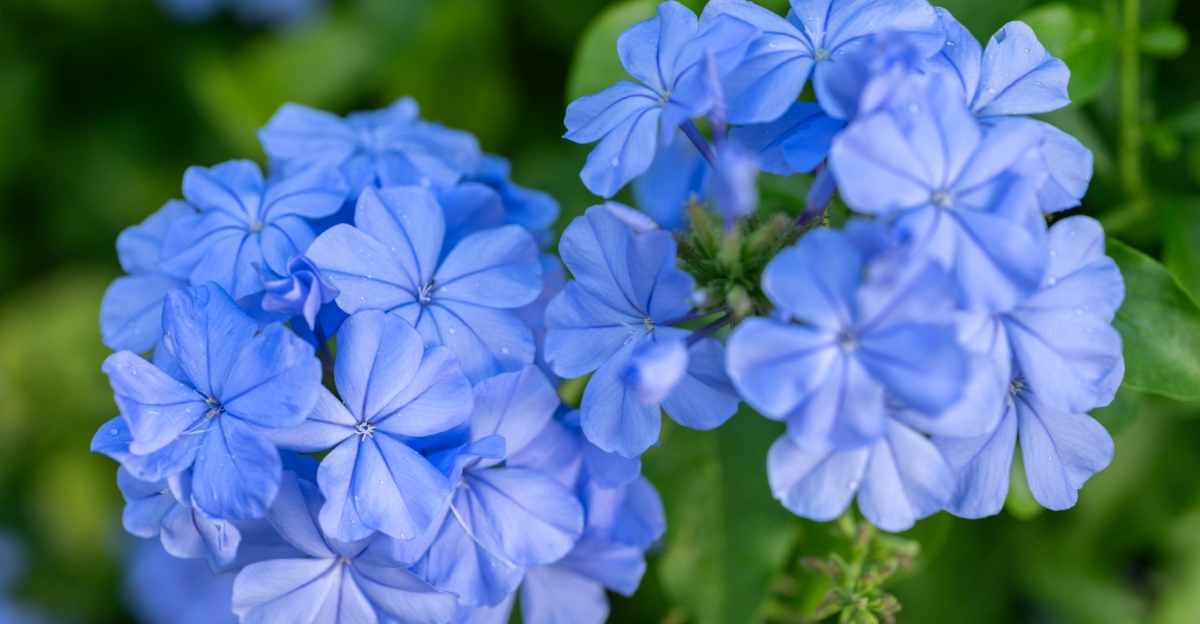
7. Plumbago Adds Bright Blue Blooms For Months
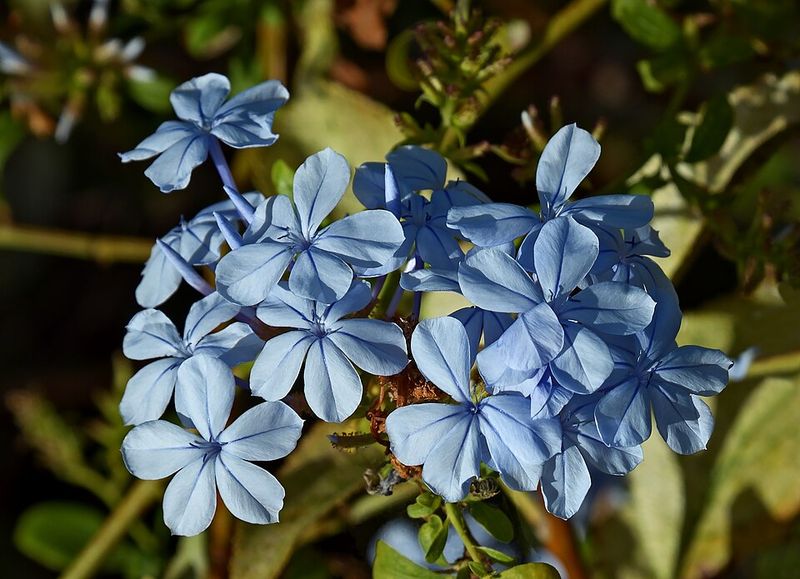
Blue is one of the rarest colors in the Texas summer garden, which makes Plumbago feel like a genuine treasure when it bursts into bloom.
The sky-blue flower clusters appear from late spring through fall, covering the plant in a soft haze of color that pairs beautifully with yellow, orange, and red flowering companions.
Gardeners who have not yet tried Plumbago are missing one of the most cheerful and reliable bloomers available for warm-season Texas landscapes.
Plumbago grows as a sprawling, semi-woody shrub that reaches three to four feet tall and spreads four to six feet wide in favorable conditions.
It loves full sun and well-drained soil, and once established, it handles Texas heat and moderate drought with ease.
South Texas and the Gulf Coast region are especially well-suited to Plumbago, though it performs well across most of the state in USDA zones 8 through 10.
Plant it as a border anchor, a foundation shrub, or a sprawling ground cover on slopes where its spreading habit is an advantage. Butterflies visit the blooms frequently, adding additional movement and life to the garden.
In colder parts of Texas, Plumbago may freeze back to the ground in winter but typically returns from the roots in spring. Avoid overwatering and soggy soil, which can weaken the plant and reduce flowering.
8. Texas Gold Columbine Lights Up The Spring Garden
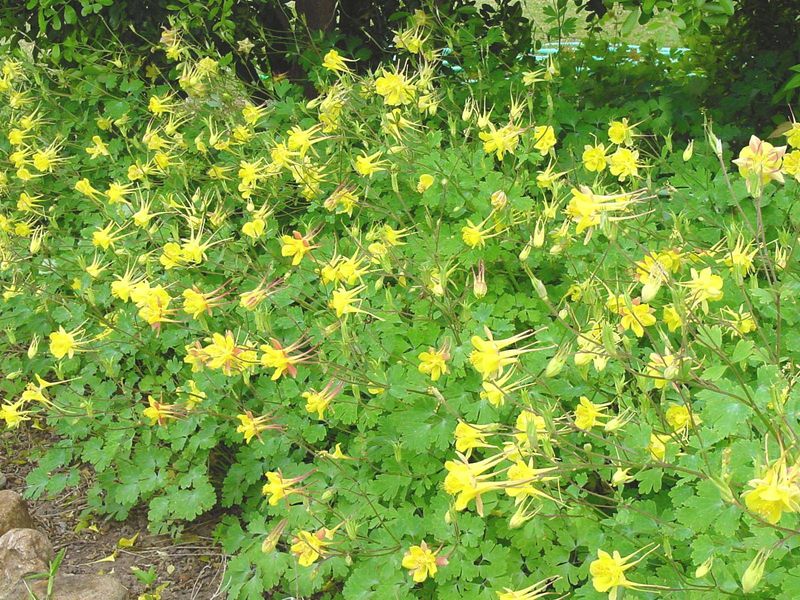
Spring in the Texas Hill Country brings one of the most charming wildflower moments imaginable, and Texas Gold Columbine is a big part of that seasonal magic.
This native perennial produces nodding, golden-yellow flowers on slender stems that sway above attractive blue-green foliage, creating a delicate, airy display that feels right at home in naturalistic or woodland-style gardens.
Hummingbirds are strongly drawn to the tubular blooms during their spring migration.
Texas Gold Columbine is native to the Edwards Plateau and performs best in partial to full shade with well-drained, rocky or gravelly soil. It is particularly well-suited to Hill Country gardens and other areas with alkaline soils and good drainage.
Unlike many columbines that struggle in Texas heat, this native selection is adapted to the local climate and re-seeds reliably in favorable conditions, gradually naturalizing in a planting bed.
Place it beneath the filtered shade of cedar elms or live oaks, or tuck it into a shaded rock garden where its delicate form can be appreciated up close. Avoid heavy clay soils and afternoon sun, which can stress the plant during summer.
After blooming in spring, the foliage may go dormant in extreme heat, which is completely normal. Allow seed heads to mature before removing spent plants so the colony can spread naturally over time.
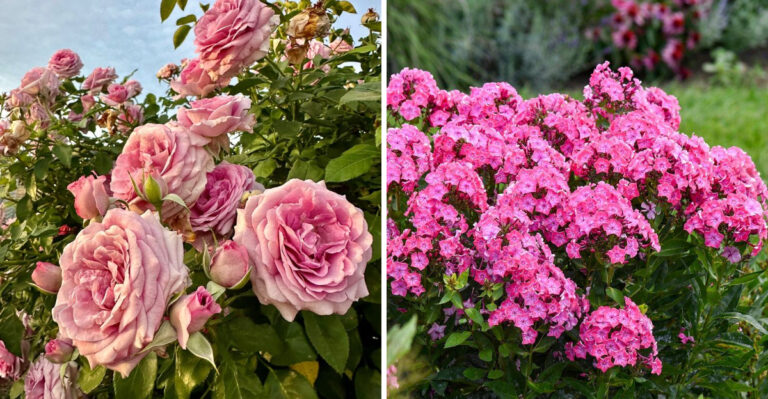
9. Annual Phlox Brings Early Color And Soft Fragrance
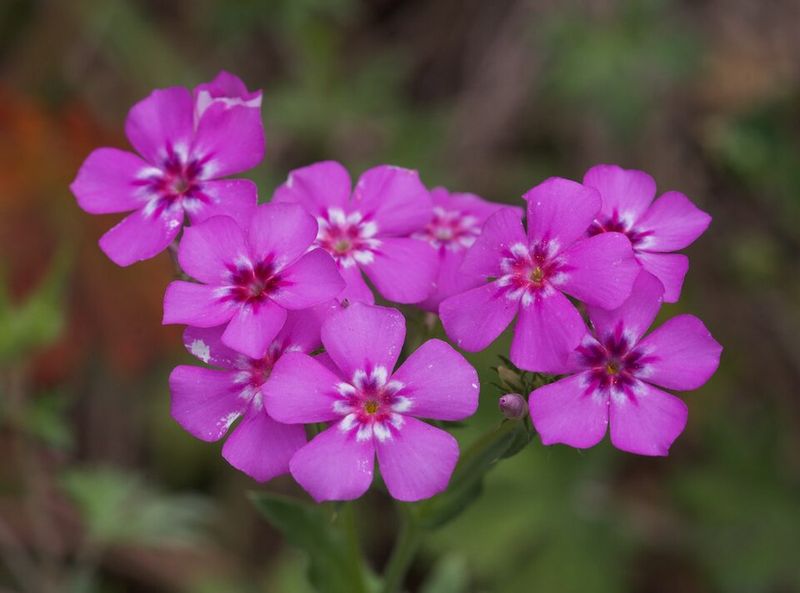
Cool-season color is sometimes an afterthought in Texas gardening, but Annual Phlox proves that early spring can be just as visually rewarding as summer if you plan ahead.
This fast-growing annual blooms in shades of pink, white, lavender, red, and bicolor from late winter through spring, filling garden beds with soft fragrance and cheerful color during a season when most landscapes are still waking up.
It is one of the best cool-season annuals for Texas because it handles light frosts and bounces back quickly.
Annual Phlox, or Phlox drummondii, is actually native to Texas, which explains why it adapts so readily to the state’s unpredictable early spring conditions.
It performs best in full sun with well-drained soil and does not require heavy fertilizing to bloom well.
Gardeners across all regions of Texas can enjoy it, from the Panhandle to the Gulf Coast, though timing of planting varies depending on local frost dates.
Sow seeds directly in the garden in fall or early spring, or transplant nursery starts in late winter for the quickest results. Mass plantings in borders or along pathways create a stunning visual impact.
As temperatures climb toward summer, Annual Phlox naturally declines, at which point warm-season annuals or perennials can take over the space. Letting some plants set seed can result in a natural return the following year.
10. Chocolate Flower Adds Golden Blooms And Sweet Scent
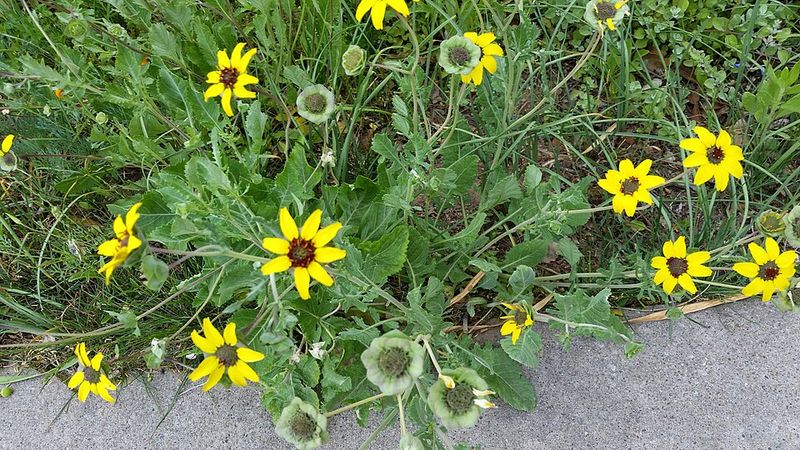
Imagine walking through your garden in the early morning and catching a warm, chocolatey scent drifting from a cheerful yellow wildflower.
That is the experience Chocolate Flower offers, and it is one of the most delightfully surprising sensory moments available in any Texas landscape.
The fragrance is strongest in the morning hours and fades through the day, making early risers the lucky ones who get to enjoy it most.
Chocolate Flower, or Berlandiera lyrata, is a native perennial adapted to dry, alkaline soils and full sun, making it an outstanding choice for the Hill Country, West Texas, and other areas with rocky or sandy ground.
It produces yellow, daisy-like blooms with a deep reddish-brown center disk repeatedly from spring through fall, and it handles drought and heat without complaint.
The blooms attract a variety of pollinators including bees and butterflies.
Plant it in a xeriscape bed, a pollinator garden, or a sunny border where its low, spreading habit works as a ground-level accent.
Avoid rich, heavily amended soils since Chocolate Flower actually performs better in lean, well-drained conditions that mirror its native habitat.
Overwatering is the most common mistake and can shorten the plant’s lifespan significantly. With minimal care and the right site, this cheerful native rewards gardeners with months of blooms and an unforgettable fragrance season after season.