Place Jasmine Near Your Texas Door And Watch The Magic Unfold
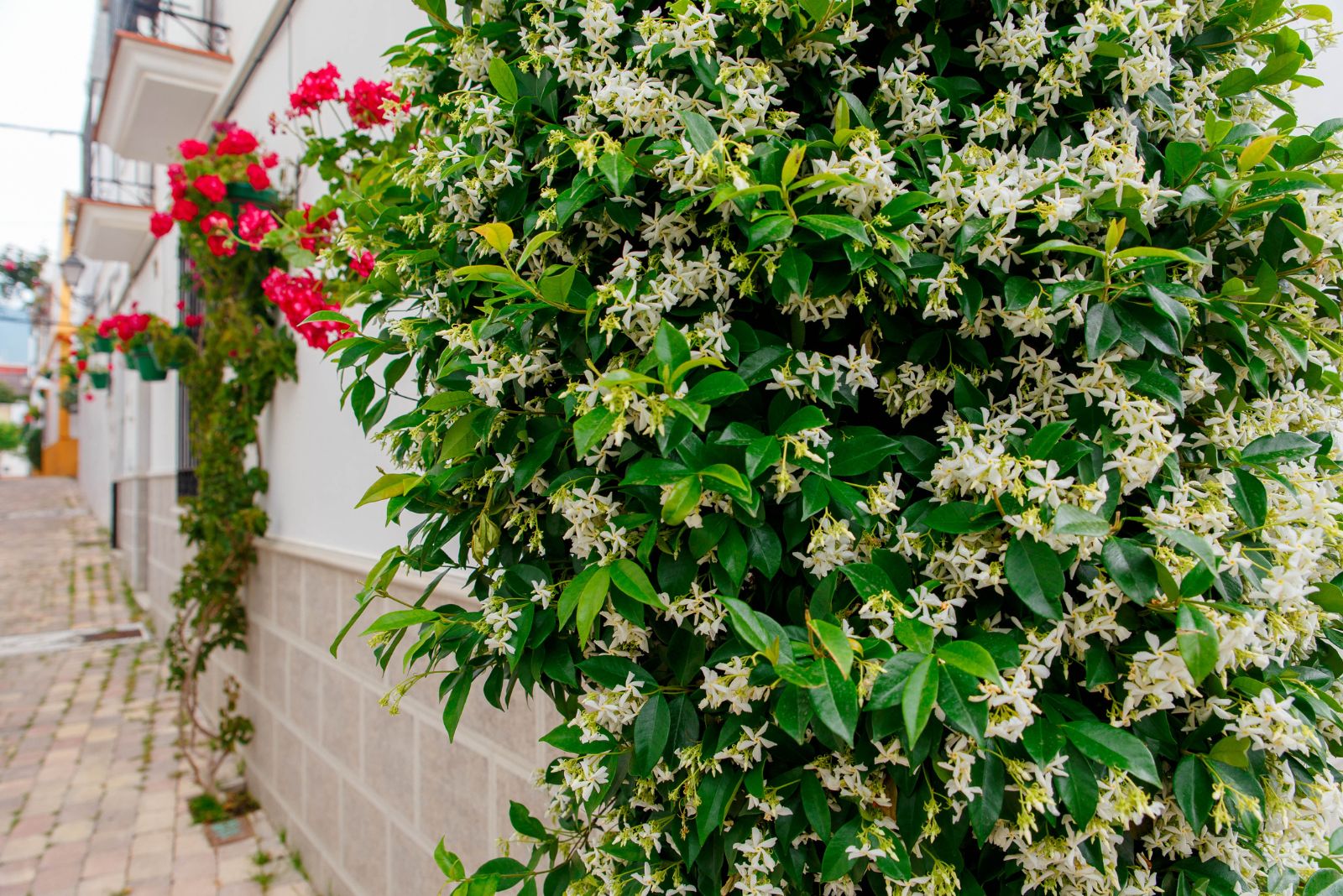
There is something special about walking up to a home and being greeted by the soft scent of jasmine in the air. It feels warm, welcoming, and just a little dreamy, which is probably why so many Texas gardeners love planting it near the front door.
In a state where heat, sun, and unpredictable weather can make gardening feel like a challenge, jasmine brings a nice mix of beauty and payoff. It looks pretty, smells amazing, and can make even the simplest entryway feel more charming.
What makes jasmine such a great choice in Texas is how well it can turn an ordinary spot into a standout feature. A plain porch, a bare walkway, or an empty space by the door suddenly feels more alive with a climbing vine or blooming shrub in place.
It is the kind of plant that adds character without trying too hard. If you want your home to feel inviting before anyone even steps inside, jasmine might be the touch that changes everything.
Why Jasmine Thrives In Texas Climates
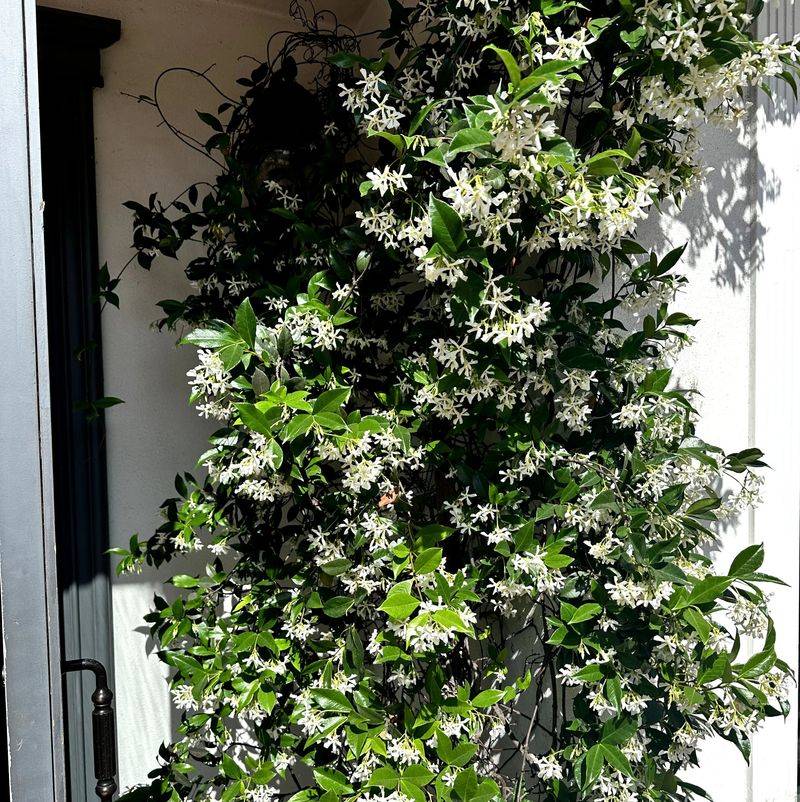
Texas is basically jasmine’s dream home. The warm temperatures, long sunny days, and mild winters in most parts of the state create the perfect growing conditions for this beloved plant.
Jasmine loves heat, and Texas delivers that in abundance from spring all the way through fall.
Star Jasmine, also called Confederate Jasmine, is one of the most popular varieties grown across Texas. It handles both heat and brief cold snaps remarkably well, making it a reliable choice for gardeners in Dallas, Houston, and San Antonio.
Arabian Jasmine is another fantastic option, especially for those in warmer southern regions of the state where winters stay mild.
One lesser-known fact about jasmine is that it actually benefits from the warm walls and fences common in Texas homes. Brick, stone, and wood surfaces absorb heat during the day and slowly release it at night, creating a cozy microclimate that helps jasmine stay comfortable even when temperatures briefly dip.
Texas also gets plenty of sunshine, which jasmine absolutely needs to produce its signature blooms. Most varieties require at least six hours of direct sun daily to flower at their best. Plant it where morning sun hits first and it will reward you generously.
The humidity in East Texas and along the Gulf Coast can actually work in jasmine’s favor too, keeping the soil from drying out too quickly during the hottest months. With a little attention and the right variety, jasmine in Texas does not just survive.
It thrives, spreads, and fills your yard with extraordinary beauty and fragrance year after year.
The Real Magic: Fragrance That Greets You Every Day
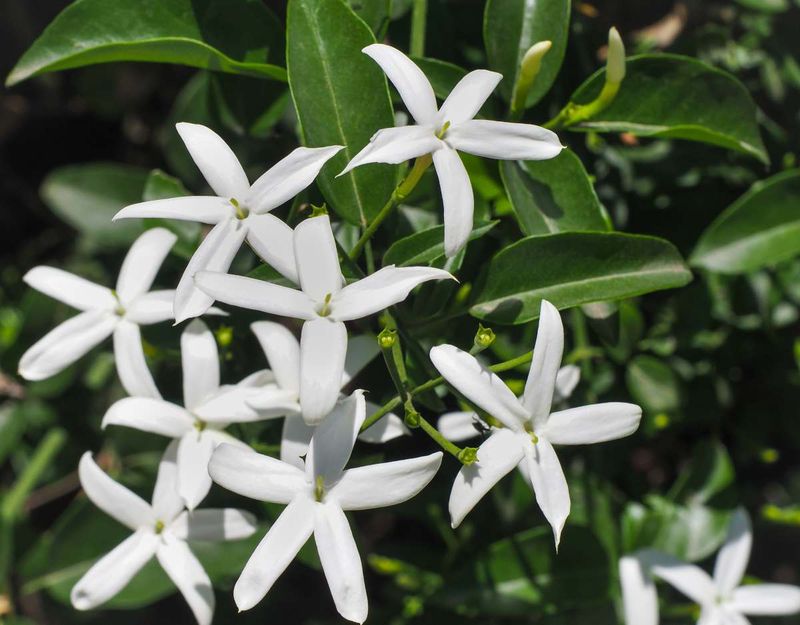
Few experiences in gardening compare to walking out your front door and being wrapped in the sweet, heady scent of jasmine in full bloom.
It is the kind of fragrance that stops you in your tracks and makes you take a slow, deep breath. Placing jasmine near your Texas entrance means you get that moment every single day.
Your Texas Garden Changes Every Week. Your Plan Should Too.
Gardening in Texas changes quickly throughout the season. Every Friday you’ll receive a simple weekly plan showing exactly what to plant, prune, fertilize, harvest, and protect so you never miss the right timing.
Jasmine’s scent is especially powerful in the evening. As temperatures cool after a hot Texas afternoon, the flowers release even more of their natural oils into the air, creating an almost magical atmosphere around your entryway.
Neighbors walking by may stop and ask what that wonderful smell is coming from your yard.
Positioning jasmine near doors, patios, or open windows allows the fragrance to drift indoors too.
Imagine sitting in your living room with a breeze coming through the window, carrying that soft floral scent inside without any artificial air fresheners needed. It is a completely natural upgrade to your daily home experience.
Beyond just smelling amazing, jasmine creates a sensory welcome that makes guests feel instantly at ease. There is real science behind this as well.
Studies have shown that floral scents can reduce stress and improve mood. So your front entrance is not just beautiful, it is genuinely calming for everyone who visits.
In cities like Austin and San Antonio, where outdoor living is a big part of the lifestyle, having jasmine near your patio or back door adds another layer of enjoyment to those warm Texas evenings spent outside with family and friends. The fragrance is truly the magic ingredient.
Best Spots To Plant Jasmine Near Your Entrance
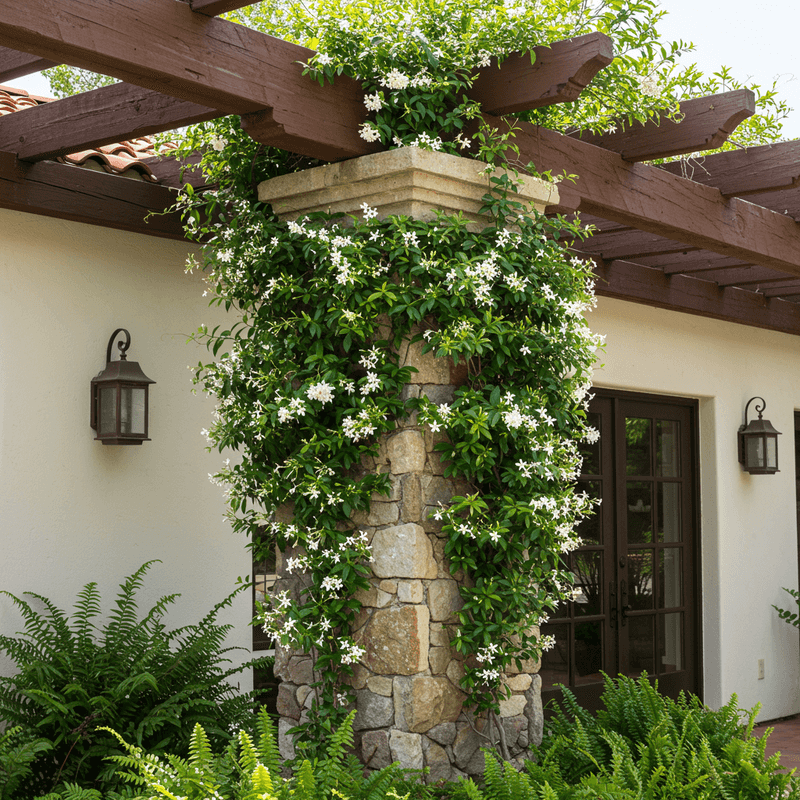
Picking the right spot for your jasmine can make all the difference between a plant that just exists and one that truly transforms your home’s curb appeal. Front doors, covered porches, and side fences are all excellent locations to start.
The goal is to place jasmine somewhere it gets noticed and enjoyed every day.
Trellises and arbors near the front walkway are among the most popular choices for Texas homeowners. Training jasmine to climb a trellis creates a stunning living archway that frames your entrance beautifully.
Over one or two growing seasons, it fills in thickly and produces waves of white blooms that are impossible to ignore.
Containers are a brilliant option for those with smaller spaces or apartment patios. A large pot placed right beside the front door lets you move the plant if needed and still enjoy the full fragrance effect up close.
Pair it with a small decorative trellis inside the container and you have an instant showpiece.
Sunlight and airflow are critical factors when choosing your spot. Jasmine needs at least six hours of direct sun to bloom well, so avoid planting it in deeply shaded areas.
Good airflow also helps prevent fungal issues, which can occasionally affect plants in humid parts of Texas like Houston and Beaumont.
Visibility matters too. Planting jasmine somewhere you pass by every day, like right next to the door or along the main path to your home, ensures you actually experience the fragrance and beauty regularly.
Do not tuck it away in a corner where it goes unnoticed. Put it front and center where it belongs.
How To Plant And Care For Jasmine Successfully
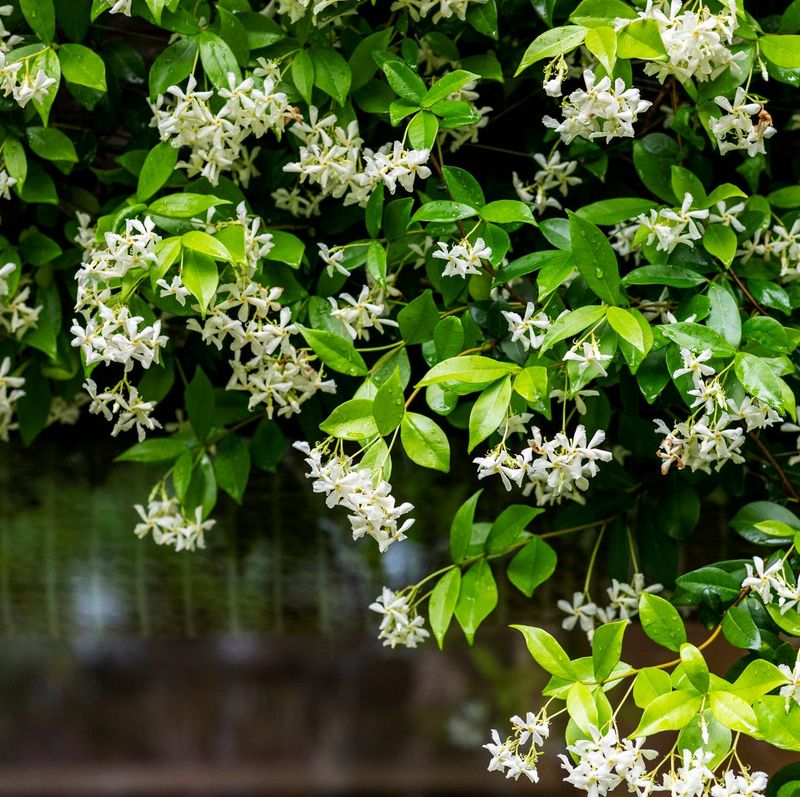
Getting jasmine into the ground the right way sets it up for long-term success. Start with well-draining soil because jasmine does not like sitting in soggy conditions.
If your Texas soil is heavy clay, mix in some compost or coarse sand to improve drainage before planting.
Watering consistently but not excessively is the key balance to strike. Newly planted jasmine needs regular moisture while it establishes roots, usually for the first few weeks.
Once it is settled in, water deeply once or twice a week during hot Texas summers, allowing the top inch of soil to dry out between sessions.
Fertilizing jasmine two or three times during the growing season gives it the nutrients it needs to produce abundant blooms. Use a balanced, slow-release fertilizer in early spring, then again in midsummer.
Avoid over-fertilizing with nitrogen-heavy products because that encourages leafy growth at the expense of flowers.
Training climbing varieties is one of the most satisfying parts of growing jasmine. As new vines appear, gently tie them to your trellis or fence using soft garden ties.
Guide the stems in the direction you want them to grow and they will follow along beautifully, eventually covering the structure on their own.
Texas heat can be intense, especially in July and August. Applying a layer of mulch around the base of your jasmine plant helps retain soil moisture and keeps roots cooler during those brutal afternoon heat spikes.
About two to three inches of organic mulch works perfectly. With these straightforward steps, your jasmine will stay healthy, strong, and blooming season after season across the great state of Texas.
Extra Benefits: Pollinators, Privacy, And Beauty
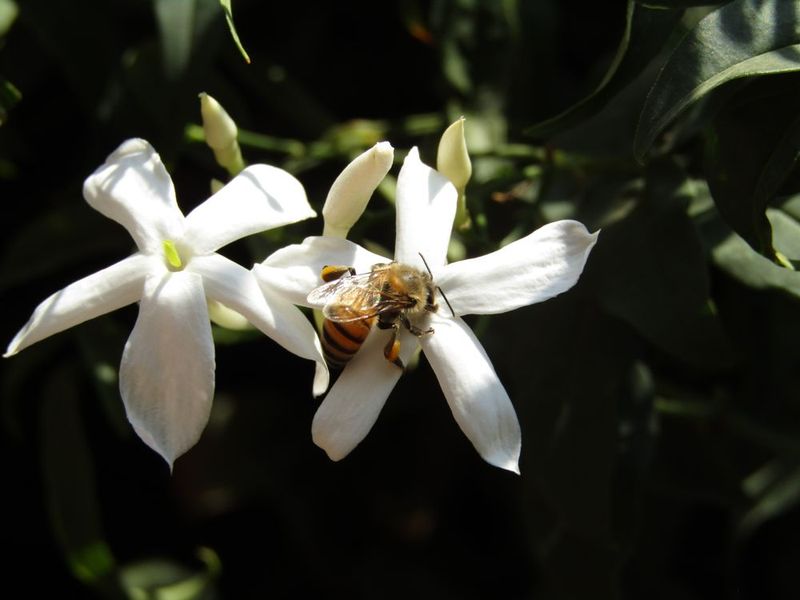
Jasmine does so much more than just smell amazing and look gorgeous. Once it starts blooming, you will notice a steady stream of bees, butterflies, and other pollinators visiting your yard regularly.
This is genuinely exciting for any Texas gardener who cares about supporting local wildlife and keeping the ecosystem healthy.
Bees are especially drawn to jasmine’s nectar-rich flowers. Having active pollinators around your garden also benefits nearby vegetable beds, fruit trees, and flowering plants.
You are essentially creating a small, thriving ecosystem right outside your front door, all thanks to one beautiful plant.
Privacy is another underrated benefit of growing jasmine near your Texas entrance. When trained along a fence or trellis, a mature jasmine plant creates a dense, leafy screen that softens the view from the street.
It offers a natural, attractive alternative to plain wooden fencing or bare walls without feeling closed off or harsh.
The visual beauty jasmine adds to a home’s exterior is hard to overstate. Those clusters of delicate white flowers against deep green foliage create a classic, elegant look that works with any architectural style, from modern farmhouses in Austin to traditional brick homes in Dallas or colorful bungalows in San Antonio.
Many jasmine varieties also stay green year-round in the warmer regions of Texas, which means your entrance looks lush and well-kept even during winter months when other plants go dormant. That consistent greenery adds real value to your home’s curb appeal.
A well-placed jasmine plant is truly one of the most rewarding investments a Texas homeowner can make in their outdoor space.
Common Mistakes To Avoid With Jasmine In Texas
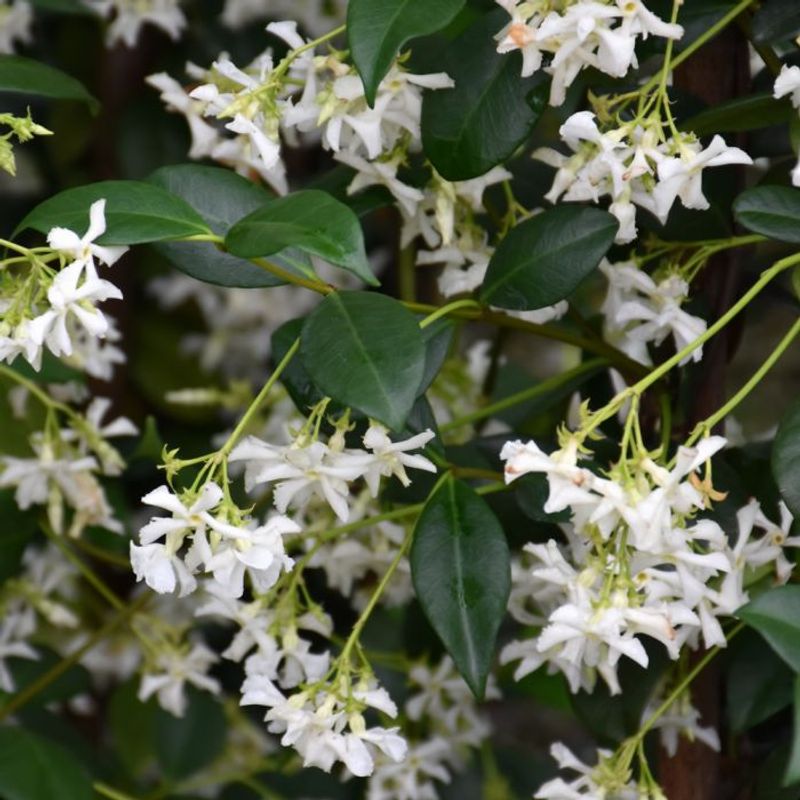
Even a tough, adaptable plant like jasmine can struggle when a few key mistakes are made. The most common error Texas gardeners make is overwatering.
Jasmine roots need oxygen, and waterlogged soil suffocates them quickly. If your plant’s leaves are turning yellow and the soil stays constantly wet, that is a clear sign you are watering too much.
Poor drainage is closely related to overwatering and is just as damaging. Planting jasmine in low-lying areas where rainwater collects, or in pots without drainage holes, leads to root rot.
Always make sure water can move freely through the soil and out of the container. Raised beds or slightly elevated planting spots work wonderfully in areas of Texas with heavy rainfall.
Not giving jasmine enough sunlight is another mistake that many first-time growers make. Shady spots might seem appealing during a hot Texas summer, but jasmine planted in too much shade produces very few flowers and grows slowly.
Aim for a location that receives a solid six to eight hours of direct sunlight each day for the best blooming results.
One surprisingly common error is planting jasmine too far from the entryway. The whole point of placing it near your Texas door is to enjoy the fragrance up close every day.
If it is planted across the yard or hidden behind other shrubs, you will miss out on most of the sensory magic that makes jasmine so special.
Finally, skipping regular pruning can cause jasmine to become tangled and overgrown. A light trim after the main blooming season keeps the plant tidy, encourages new growth, and ensures it stays a beautiful focal point at your home’s entrance for many years ahead.