These Vegetables Survive Texas Heatwaves With Little Watering
Growing vegetables in Texas can feel like a race against the sun. One stretch of intense heat can leave plants wilted, soil dry, and gardeners wondering what went wrong.
It is frustrating to put in the effort only to watch your garden struggle the moment temperatures spike. That is why choosing the right vegetables makes such a big difference, especially if you want something that can handle heatwaves without constant watering.
Some vegetables are tougher than they look. They can push through high temperatures, dry conditions, and long sunny days without giving up halfway through the season.
Instead of needing daily attention, they keep growing, producing, and holding their own when the weather gets rough. That kind of reliability is exactly what many Texas gardeners are after.
With the right picks, you can spend less time worrying about watering and more time actually enjoying what your garden produces. When the heat is at its worst, these are the vegetables that keep showing up and doing the job.
1. Okra
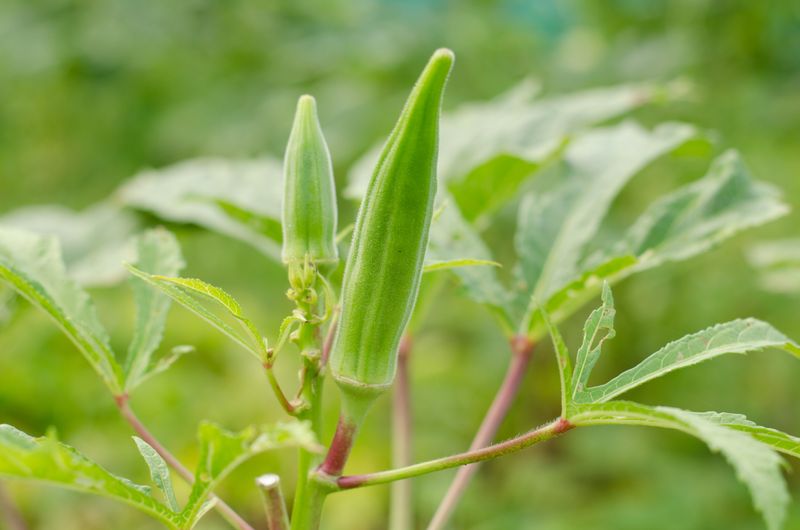
Ask any experienced Texas gardener what they plant when the summer heat gets brutal, and okra will almost always top the list. This tall, sturdy vegetable is one of the most heat-tolerant crops you can grow anywhere in the South.
It doesn’t just survive the Texas heat, it actually thrives in it. When other vegetables start to wilt and struggle, okra keeps on growing and producing.
Okra loves temperatures above 90°F, and it keeps pumping out tender pods all summer long without much fuss. Its deep root system is a big reason why it handles dry conditions so well.
Those roots push far down into the soil to find moisture that shallower-rooted plants simply can’t reach. That means you don’t have to water it every single day to keep it alive and producing.
Plant okra in full sun and give it well-draining soil. Once it gets established, it needs very little from you.
A deep watering once or twice a week is usually enough, even during the hottest stretches of a Texas summer. Mulching around the base of the plant helps lock in whatever moisture is in the soil.
Harvest the pods when they’re about three to four inches long for the best texture and flavor. If you leave them too long, they get tough and woody.
Did you know okra is actually related to hibiscus? Its beautiful yellow flowers are a nice bonus in any garden. Texas summers and okra were truly made for each other.
2. Southern Peas (Black-Eyed Peas / Cowpeas)
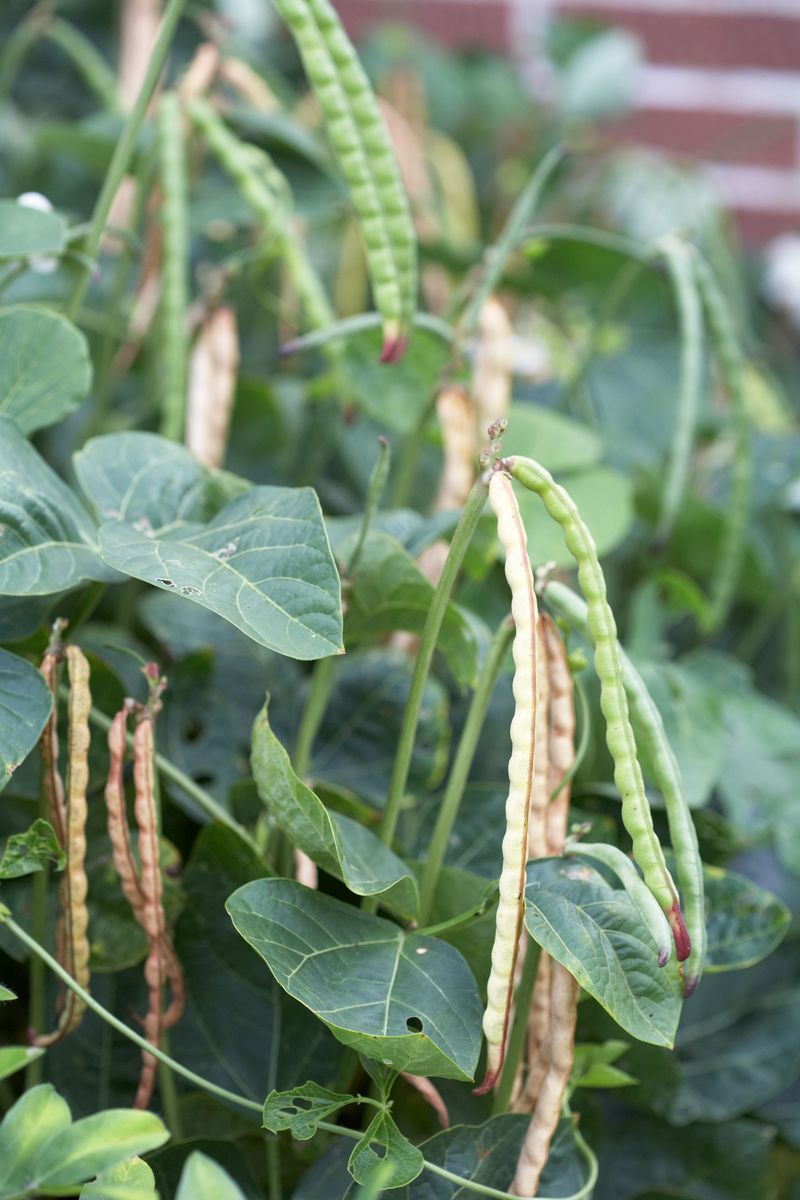
Few vegetables have a deeper connection to Texas gardening culture than Southern peas. Whether you call them black-eyed peas, cowpeas, or field peas, these legumes have been feeding Texans through hot, dry summers for hundreds of years.
There’s a reason they’ve stuck around so long, and it’s not just tradition. They are genuinely one of the toughest vegetables you can grow in the state.
Southern peas are extremely drought-tolerant once they get going. They can produce a solid harvest even in poor, dry soil that would make other vegetables give up entirely.
Your Texas Garden Changes Every Week. Your Plan Should Too.
Gardening in Texas changes quickly throughout the season. Every Friday you’ll receive a simple weekly plan showing exactly what to plant, prune, fertilize, harvest, and protect so you never miss the right timing.
That makes them a fantastic choice for Texas gardeners who deal with sandy or rocky ground. They don’t need rich, heavily amended soil to perform well.
One of the coolest things about Southern peas is what they do for your garden soil. As legumes, they fix nitrogen from the air and deposit it into the ground.
That means they’re actually improving your garden while they grow. After the season is over, turning the spent plants into the soil adds even more nutrients back.
Water them deeply when you first plant them, and then let the soil dry out a bit between waterings. Overwatering can actually cause problems with these plants.
They like it warm and a little dry. Across Texas, from the Hill Country to the Gulf Coast, Southern peas are a staple summer crop that delivers big results with minimal effort. Plant them once and you’ll come back to them every year.
3. Sweet Potatoes
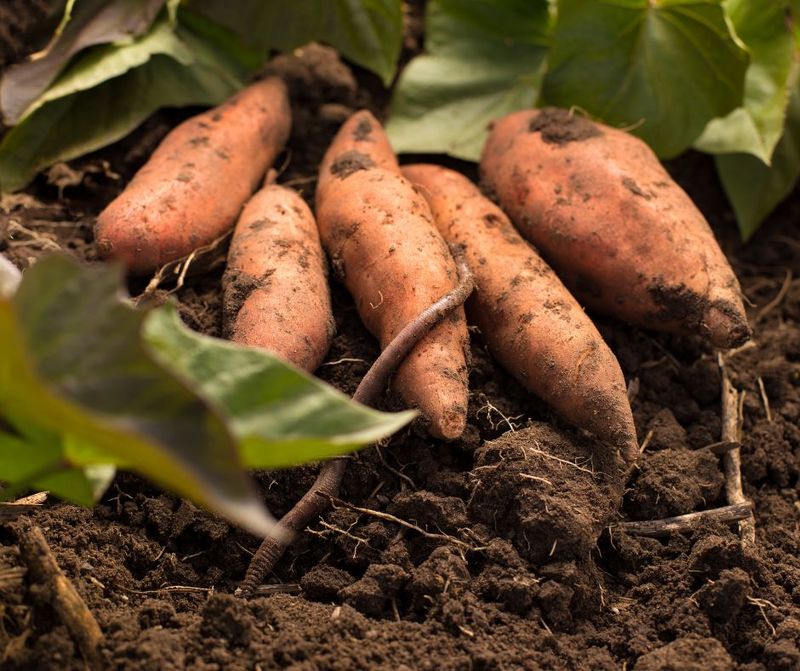
Sweet potatoes might just be the ultimate low-maintenance summer crop for Texas gardens. Once they get settled in, these plants are remarkably good at taking care of themselves.
They love the heat, they tolerate dry spells, and their wide-spreading vines do something really clever: they shade the soil underneath them. That shading effect slows down moisture evaporation, which means the ground stays a little cooler and holds water longer.
Getting sweet potatoes started is the main job. Plant your slips after the last frost when the soil is warm, give them a good deep watering, and then let them do their thing.
As the vines spread out and cover the ground, your watering needs drop significantly. A thorough soak once a week is usually plenty during a Texas summer, and sometimes even less when conditions are right.
Sweet potatoes develop deep root systems over time, which helps them reach moisture buried in the soil. That’s one of the reasons they hold up so well during dry stretches.
They’re not just surviving the heat, they’re designed for it. In Texas, where summers can stretch from May all the way into October, that kind of staying power is incredibly valuable.
Harvest time is one of the most satisfying parts of growing sweet potatoes. Dig them up in the fall and you’ll often find more than you expected.
They store well too, which means your harvest can last for months. For Texas gardeners looking for a reliable, heat-tough crop, sweet potatoes are a no-brainer choice.
4. Eggplant
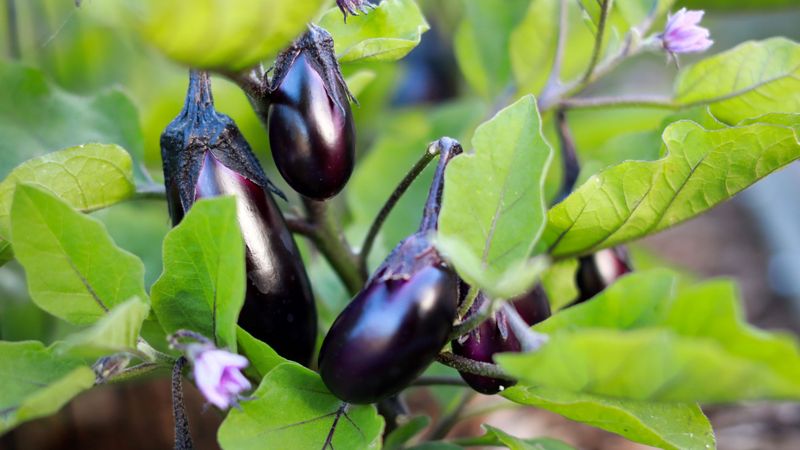
While many vegetables slow down or stop producing when Texas temperatures spike, eggplant does the opposite. It actually performs better in heat than it does in cooler conditions.
Give it full sun, warm soil, and a little space to grow, and it will reward you with a steady stream of glossy, beautiful fruits all summer long. For Texas gardeners, that kind of reliability during a heatwave is a serious advantage.
Eggplant has a deep root system that helps it handle dry conditions without too much stress. Once the plant is established, usually a few weeks after transplanting, it needs far less water than you might expect.
Watering deeply a couple of times per week is typically enough to keep it healthy and productive, even when temperatures are soaring across central and south Texas.
One thing to keep in mind is that eggplant really does not like cold soil. It thrives when soil temperatures are consistently warm, which is exactly what Texas summers provide in abundance.
Starting with transplants rather than seeds can give you a head start on the season and get your plants producing sooner.
Eggplant is also surprisingly versatile in the kitchen. You can grill it, roast it, stuff it, or use it in dips and stews.
There are many varieties to choose from, including classic large purple types, long slender Asian varieties, and small round Italian kinds. All of them handle Texas heat well. If you haven’t grown eggplant in your Texas garden yet, this summer is a great time to start.
5. Hot Peppers (Chili Peppers)
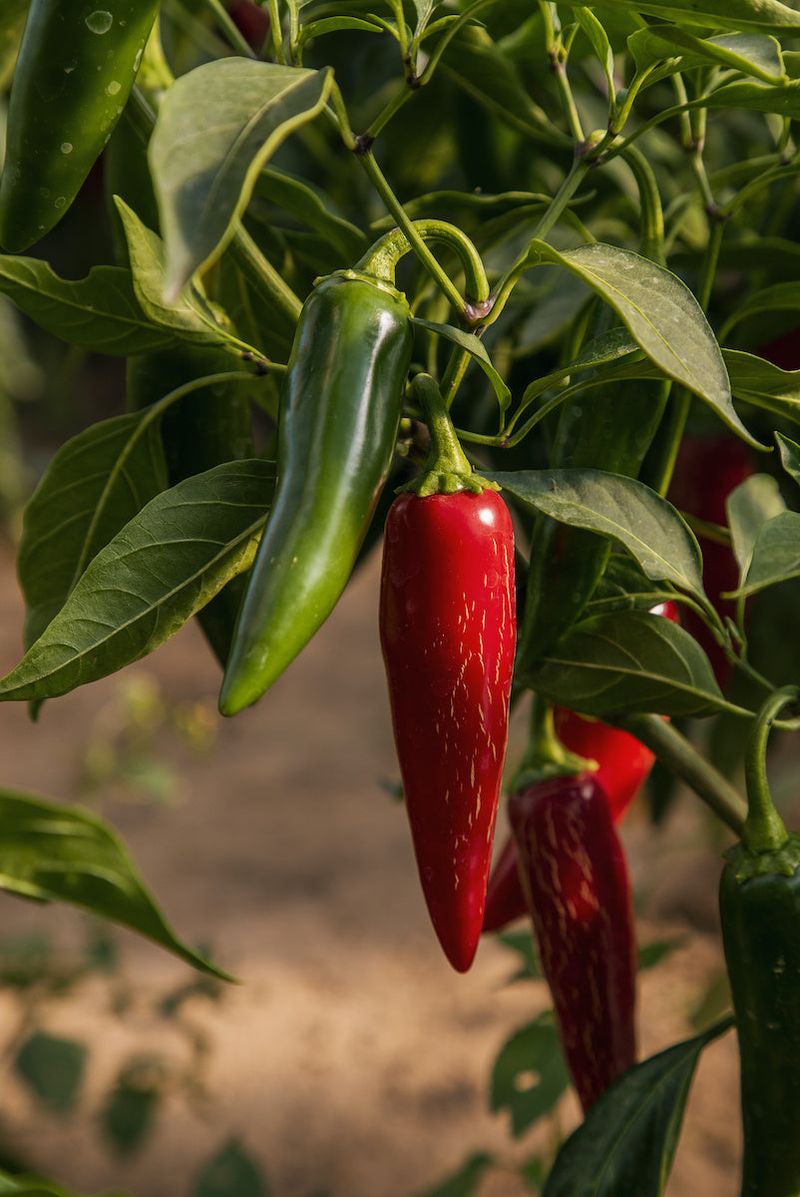
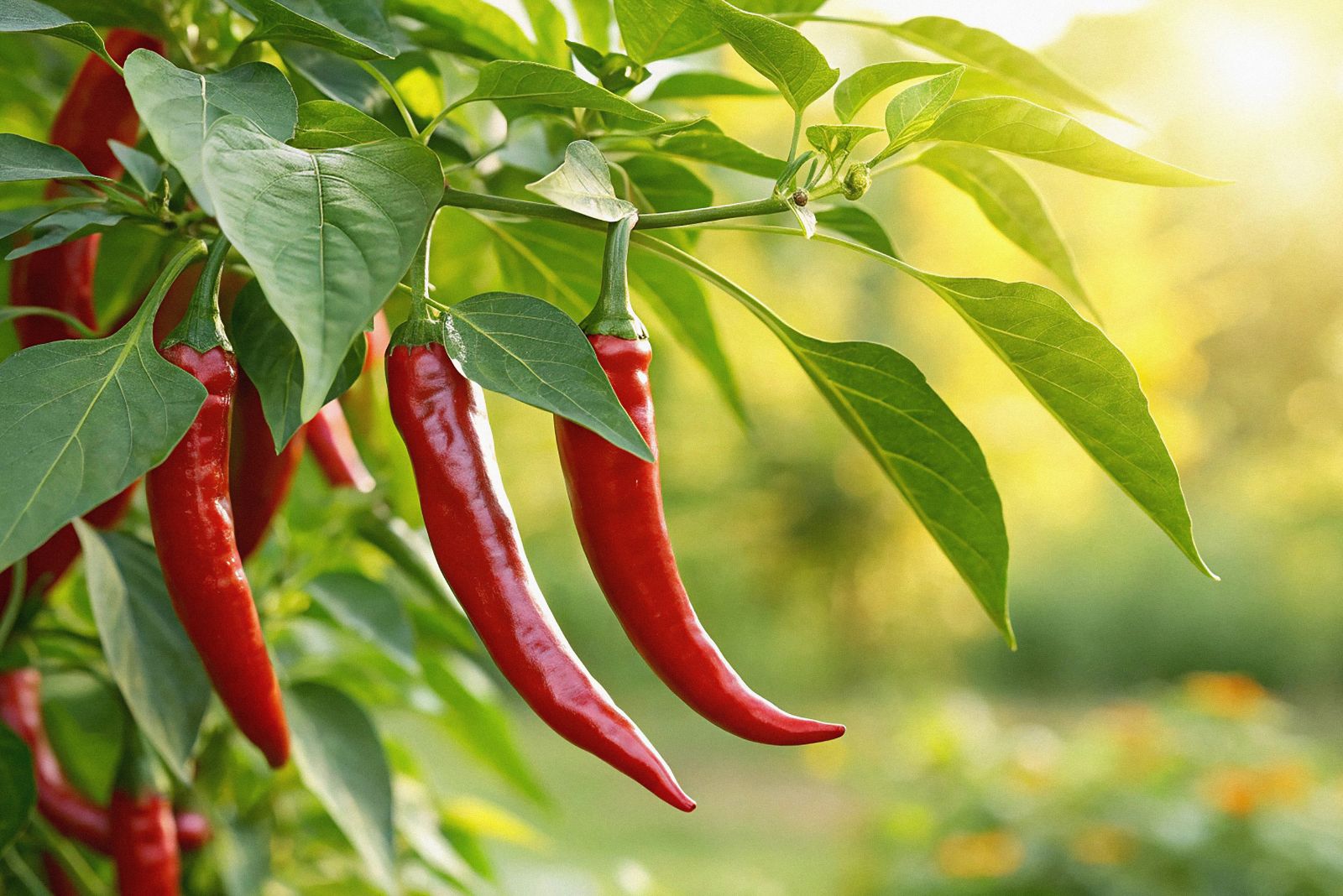
Hot peppers and Texas go together like boots and spurs. These fiery vegetables are perfectly at home in the state’s blazing summers, and they actually produce better when the weather gets tough.
While some plants struggle in the heat, chili peppers seem to feed off it. The hotter and sunnier the conditions, the more capsaicin the fruits develop, which is the compound responsible for that satisfying kick of heat.
One of the most interesting things about growing hot peppers is that slightly drier conditions can actually improve fruit quality. Overwatering is a common mistake that leads to less flavorful, less spicy peppers.
Letting the soil dry out a bit between waterings stresses the plant just enough to concentrate the flavors and heat levels in the fruit. Texas summers naturally provide those drier conditions, which works in your favor.
Plant your chili peppers in full sun and well-draining soil. Once established, they’re tough plants that don’t need much fuss.
Water them deeply but infrequently, and avoid getting water on the leaves during the hottest part of the day. A layer of mulch around the base helps keep the soil from drying out too fast between waterings.
From jalapeños to serranos to habaneros, there are dozens of hot pepper varieties that grow beautifully across Texas.
Many gardeners in cities like Austin and Corpus Christi swear by them as one of the most reliable summer crops available. Pick them regularly to encourage more fruit, and enjoy the harvest all season long.
6. Malabar Spinach
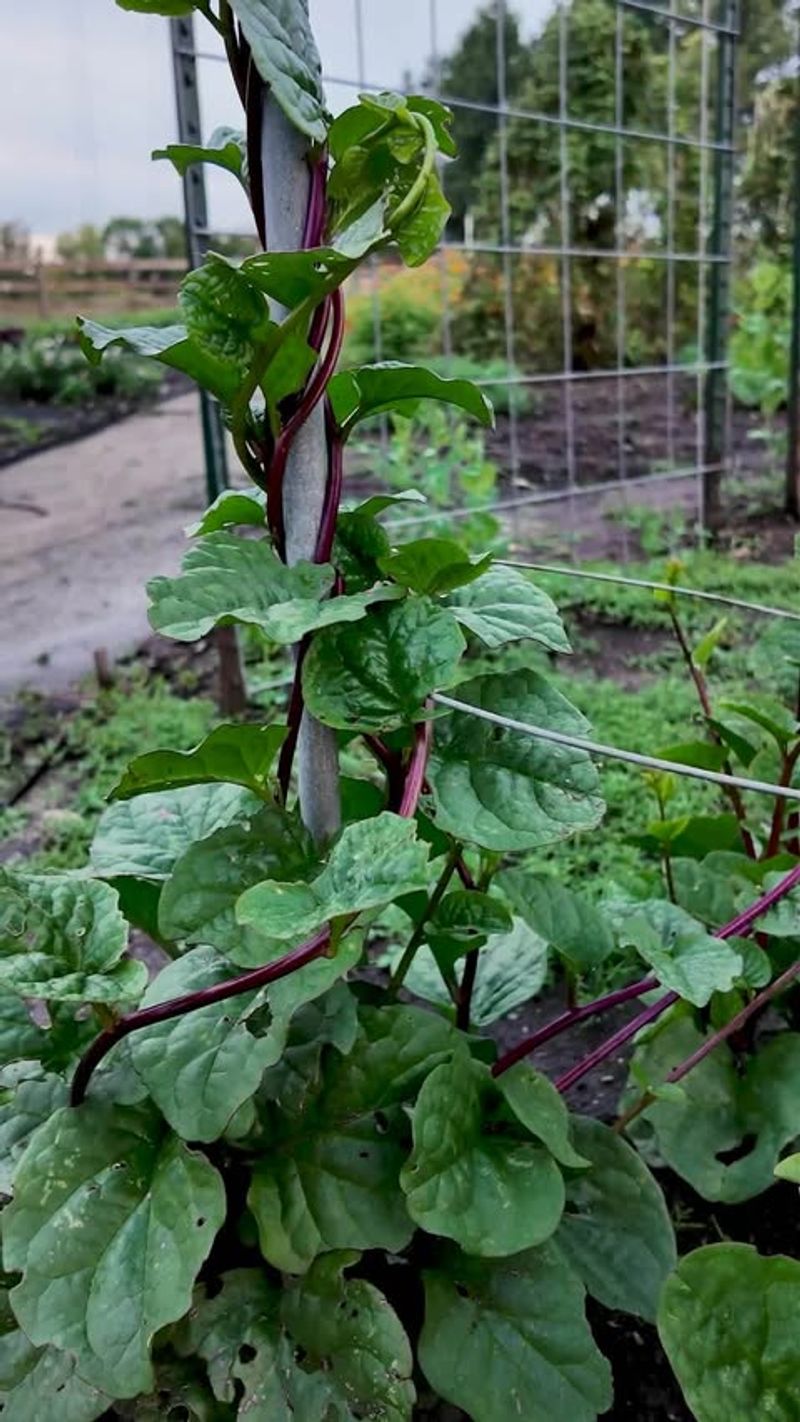
Regular spinach bolts and turns bitter the moment Texas summer arrives, but Malabar spinach plays by completely different rules. This tropical vine loves heat and humidity, and it keeps on growing and producing tender, glossy leaves even when temperatures are at their most brutal.
For Texas gardeners who want fresh leafy greens all summer, Malabar spinach is a revelation.
Technically not related to regular spinach, Malabar spinach is its own unique plant with a slightly thicker, more succulent leaf. The flavor is mild and slightly earthy, making it a great substitute in salads, stir-fries, and soups.
Because its leaves are thick and hold moisture well, the plant can handle dry stretches better than most other leafy greens you might try to grow during a Texas summer.
Growing Malabar spinach is straightforward. It’s a climbing vine, so giving it a trellis, fence, or some kind of support will help it grow upward and save space in your garden.
It grows quickly once temperatures warm up, and it will keep producing leaves for months. Harvest the young leaves and growing tips regularly to keep the plant bushy and productive.
Water it consistently when young, but once it’s established, it handles dry conditions with ease. It thrives across Texas, from the humid Gulf Coast to the drier regions of West Texas.
If you’ve ever given up on growing leafy greens during summer because the heat was just too much, Malabar spinach is exactly what you’ve been missing. It’s a warm-weather green that truly earns its place in any Texas garden.
7. Armenian Cucumber
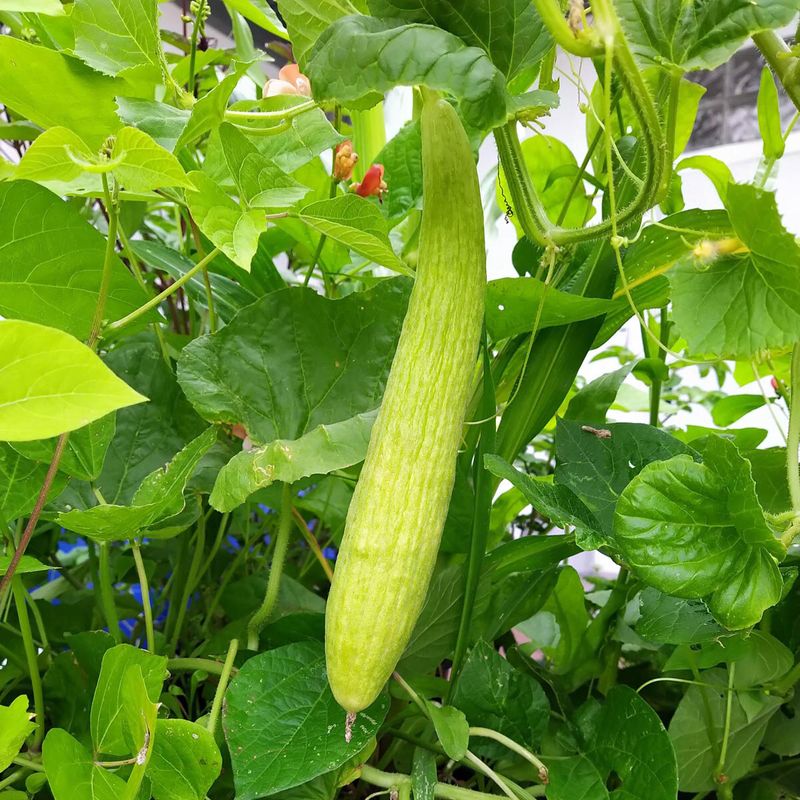
Regular cucumbers can be a bit of a gamble in a Texas summer. They wilt in extreme heat, struggle with dry soil, and often stop producing when temperatures stay high for too long.
Armenian cucumber, on the other hand, seems almost unfazed by the same conditions. Despite its name, it’s actually more closely related to a melon, and that melon heritage gives it a serious edge when the Texas heat turns relentless.
Armenian cucumbers are longer and paler than traditional varieties, often growing a foot or more in length. Their skin is thin and ridged, and the flesh is crisp, mild, and refreshing, with very few seeds.
They taste similar to a regular cucumber but with a slightly sweeter, more delicate flavor. Gardeners across Texas who have made the switch from standard cucumbers rarely go back.
These plants grow vigorously on a trellis or fence and do well with deep, infrequent watering rather than frequent shallow drinks.
Training the vines upward also improves air circulation, which helps prevent the fungal issues that can pop up in humid parts of Texas like Houston or the Gulf Coast region. Full sun and warm soil are all they really ask for.
Harvest them while they’re still young and pale green for the best texture and flavor. If left too long on the vine, they turn yellow and get seedy.
Plant Armenian cucumbers in late spring for a summer harvest, and you’ll have more crisp, cool cucumbers than you know what to do with, even during the hottest Texas heatwave. They are a true hidden gem for Texas vegetable gardeners.