This Small Purple Plant Is Taking Over Texas Gardens (For A Good Reason)
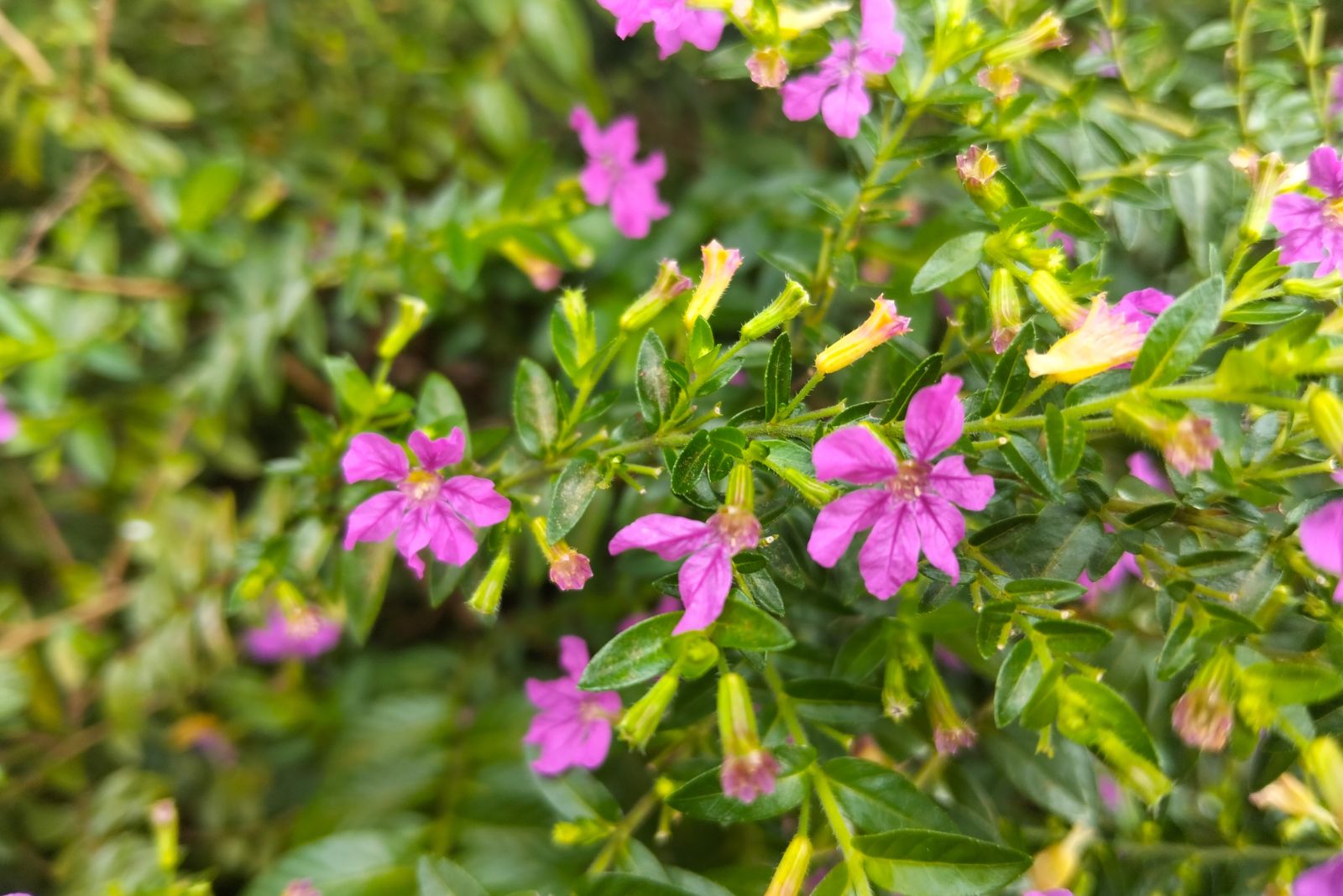
Some plants do not need much space to make a big impression. In Texas gardens, one small purple bloomer has been showing up more and more, and it is not hard to see why.
It adds color without being fussy, softens up walkways and borders, and keeps going when other plants start looking tired. For gardeners who want something low-maintenance but still eye-catching, that combination is hard to beat.
A plant that stays neat, blooms generously, and handles Texas conditions well is always going to get attention.
That growing favorite is Mexican heather, and it has a lot working in its favor. Its tiny purple flowers bring steady color, while its compact shape makes it easy to fit into all kinds of spaces, from front beds to patio containers.
It also plays well with other plants, which makes it a simple way to fill gaps and make a garden look more finished. In a state where heat can be rough on landscaping, finding something this reliable feels like a win.
Once it settles in, it has a way of making the whole garden look brighter and more pulled together.
1. What Is Mexican Heather And Why Everyone’s Talking About It
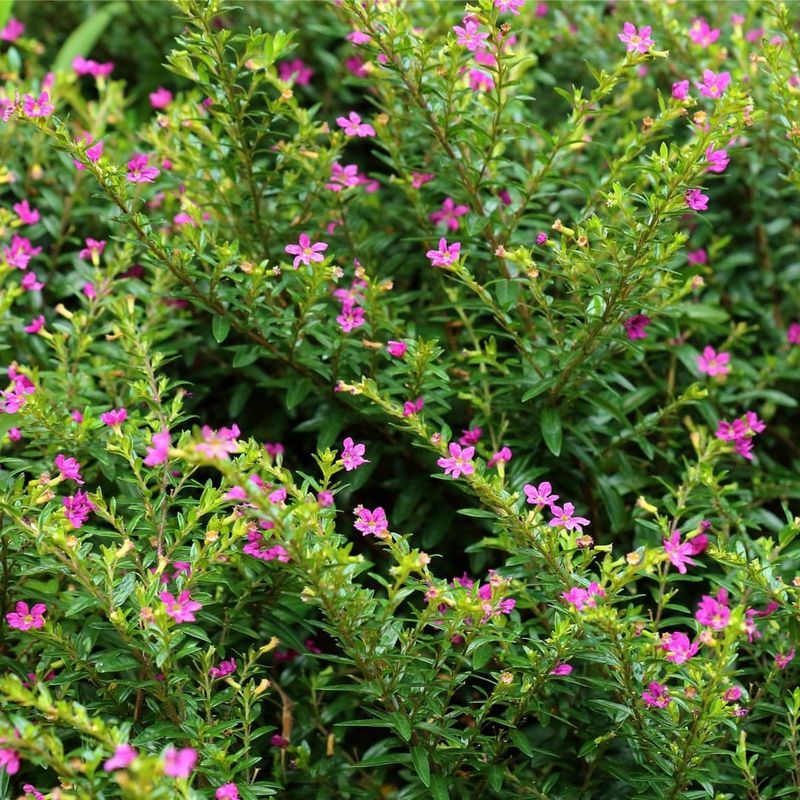
Walk through almost any Texas neighborhood right now and you will probably spot a tidy little plant covered in tiny purple flowers lining someone’s front walkway.
That plant is Mexican heather, scientifically known as Cuphea hyssopifolia, and it is having a serious moment in the Lone Star State.
Originally from Mexico and Guatemala, this compact perennial has found a true home in Texas landscapes.
Mexican heather stays pretty small, usually growing between one and two feet tall and wide. Its fine-textured foliage is bright green, and the flowers are delicate, star-shaped, and a beautiful shade of lavender-purple.
Some varieties even produce white or pink blooms, but the purple ones remain the most popular by far among Texas gardeners.
What really sets this plant apart is its incredibly long blooming season. In Texas, it can flower from spring all the way through the first frost of fall.
That means months and months of color without much fuss. Most flowering plants take a break during the hottest parts of summer, but not Mexican heather.
It keeps right on blooming even when temperatures climb past 100 degrees in cities like Dallas and Houston.
Gardeners are also drawn to how versatile it is. You can tuck it into borders, line a pathway, fill a container, or use it as low-growing ground cover.
It looks polished and intentional without requiring a lot of effort. For busy Texas homeowners who want a beautiful yard without spending every weekend maintaining it, Mexican heather checks every single box on the list.
2. Why It Thrives In Texas Heat And Sun
Texas summers are no joke. Temperatures regularly hit triple digits across much of the state, and many plants simply cannot keep up.
That is exactly why Mexican heather stands out so strongly. This tough little plant was practically built for conditions that would cause other flowers to struggle and fade.
Your Texas Garden Changes Every Week. Your Plan Should Too.
Gardening in Texas changes quickly throughout the season. Every Friday you’ll receive a simple weekly plan showing exactly what to plant, prune, fertilize, harvest, and protect so you never miss the right timing.
Mexican heather loves full sun and performs best when it gets at least six hours of direct sunlight each day. It also handles partial shade well, which gives Texas gardeners some flexibility when planning their layouts.
Whether your garden faces south and gets blasted with afternoon sun or sits in a partially shaded corner, this plant can adapt and keep on blooming through it all.
Once Mexican heather gets established in the ground, it becomes surprisingly drought-tolerant. The roots settle in and learn to find moisture even during dry stretches, which is a huge advantage in a state where summer rain can be unpredictable.
Cities like Lubbock, Midland, and El Paso see long dry spells, and Mexican heather handles those conditions far better than most ornamental plants.
The plant also thrives in the humid heat of East Texas and the Gulf Coast region. High humidity does not slow it down or cause the fungal problems that affect other flowering plants.
Its small leaves and woody stems help it regulate moisture efficiently. From the Hill Country to the Rio Grande Valley, Mexican heather performs consistently well across nearly every Texas climate zone.
That kind of reliability is rare, and it is a huge reason why so many Texas gardeners keep planting it year after year without hesitation.
3. The Pollinator Magnet Effect
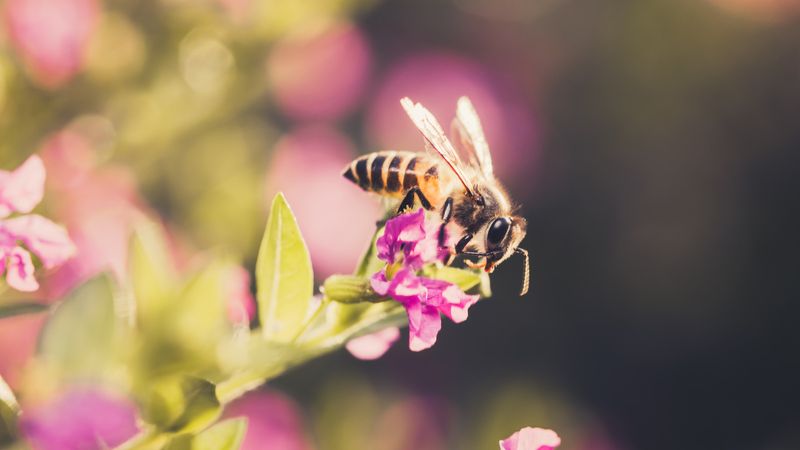
Here is something that might surprise you: that small purple plant is basically running a 24-7 buffet for pollinators.
Mexican heather produces a steady and reliable supply of nectar from spring through fall, and local bees, butterflies, and even hummingbirds have absolutely noticed.
If you want to bring more wildlife into your Texas garden, this plant is one of the easiest ways to do it.
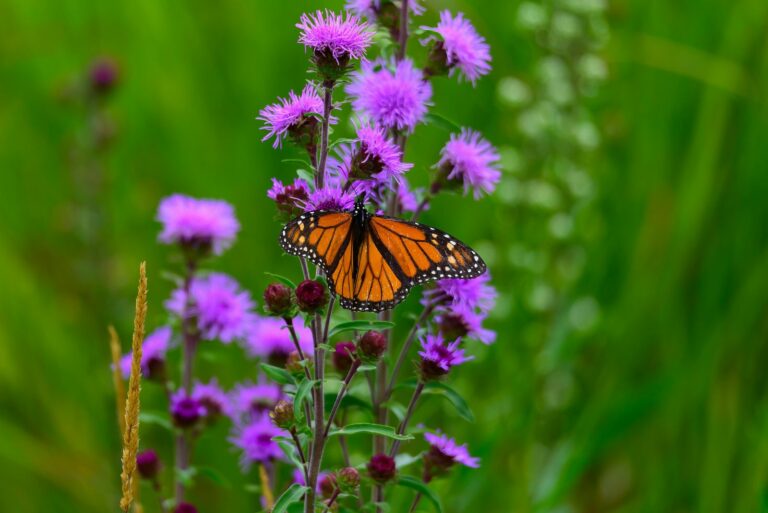
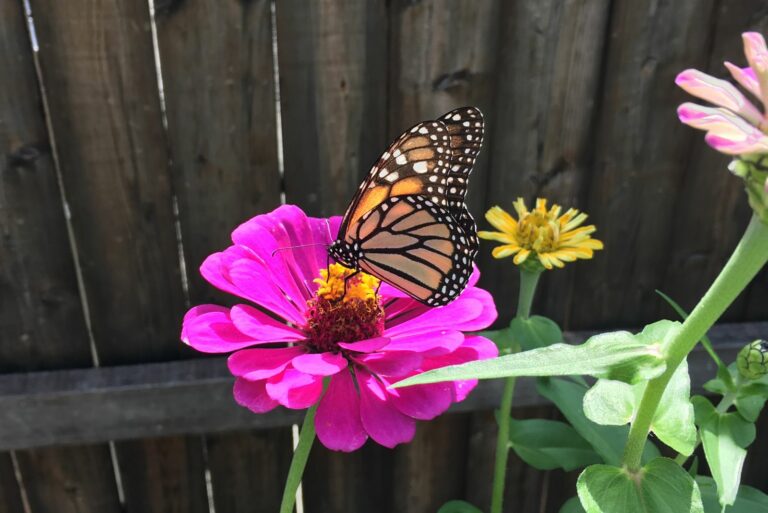
Butterflies are especially drawn to Mexican heather. Species like the Gulf Fritillary, the Monarch, and various skipper butterflies visit the blooms regularly in search of nectar.
Since the plant flowers continuously rather than in one short burst, it provides food for pollinators throughout the entire growing season. That consistency makes it far more valuable to local wildlife than plants that only bloom for a few weeks.
Bees love it too. Both honeybees and native bees like bumblebees and sweat bees visit Mexican heather constantly.
Supporting native bee populations is increasingly important as their numbers face pressure from habitat loss and pesticide use. Planting Mexican heather in your Texas yard is a small but meaningful way to help.
Hummingbirds occasionally visit as well, especially during their migration periods through Texas in spring and fall. The tubular shape of the small flowers is well-suited for hummingbird feeding.
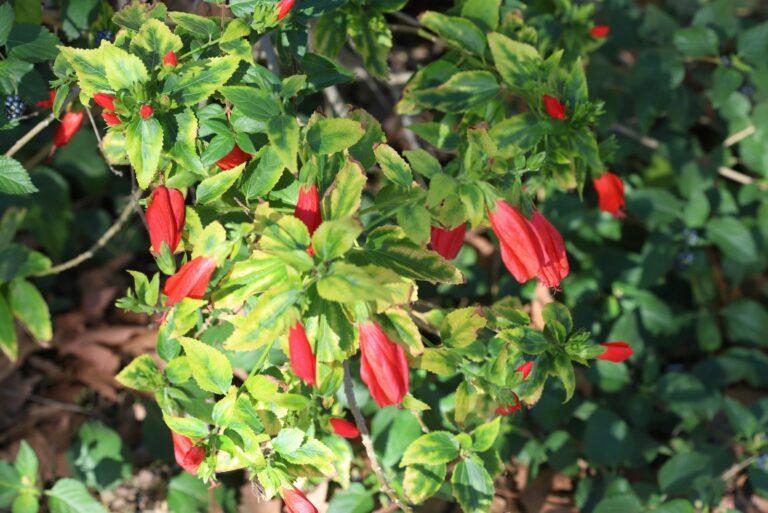
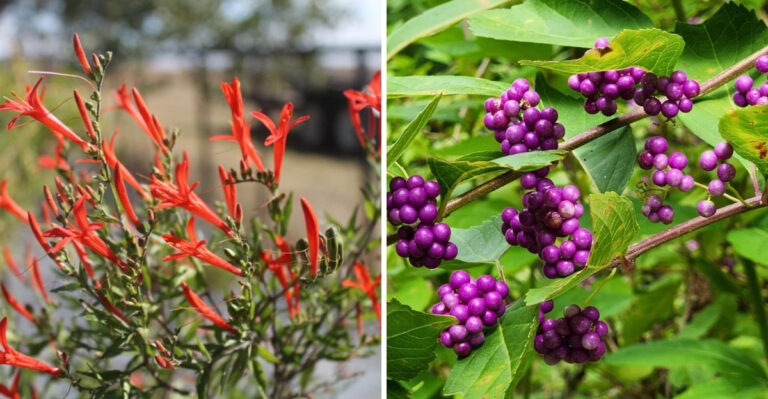
Pairing Mexican heather with other nectar-rich native plants like Salvia greggii or Turk’s cap creates a pollinator-friendly garden that buzzes with life from March through October.
Texas gardeners who care about the environment will find that this plant does a whole lot of ecological good in a very small space.
4. How To Use Mexican Heather In Your Garden Design
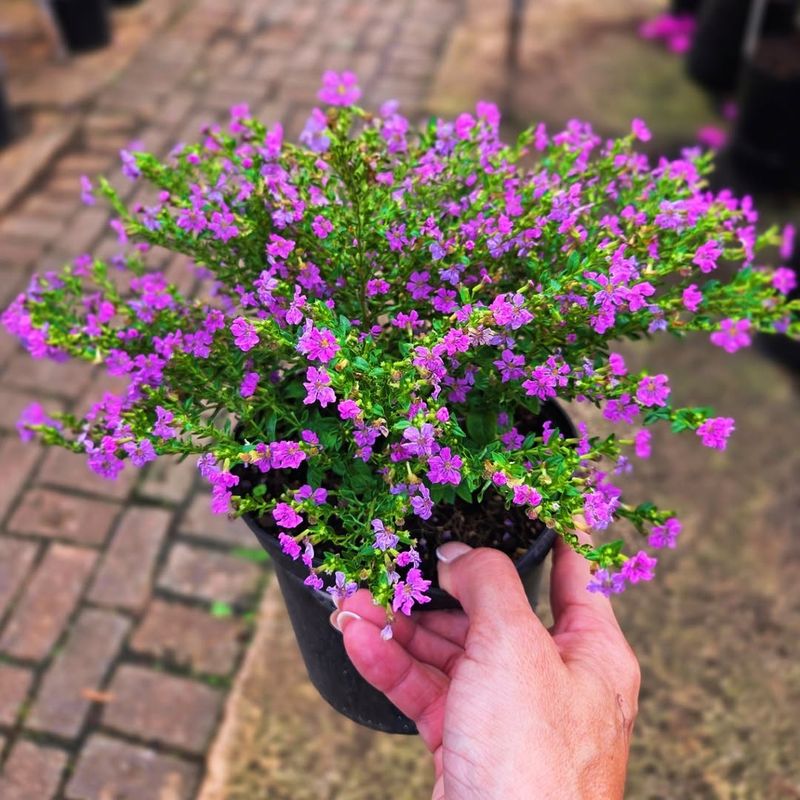
One of the best things about Mexican heather is how many ways you can use it in a garden. It is not a one-trick plant.
Whether your style leans toward formal and structured or relaxed and cottage-inspired, Mexican heather fits right in and adds a pop of color that ties everything together.
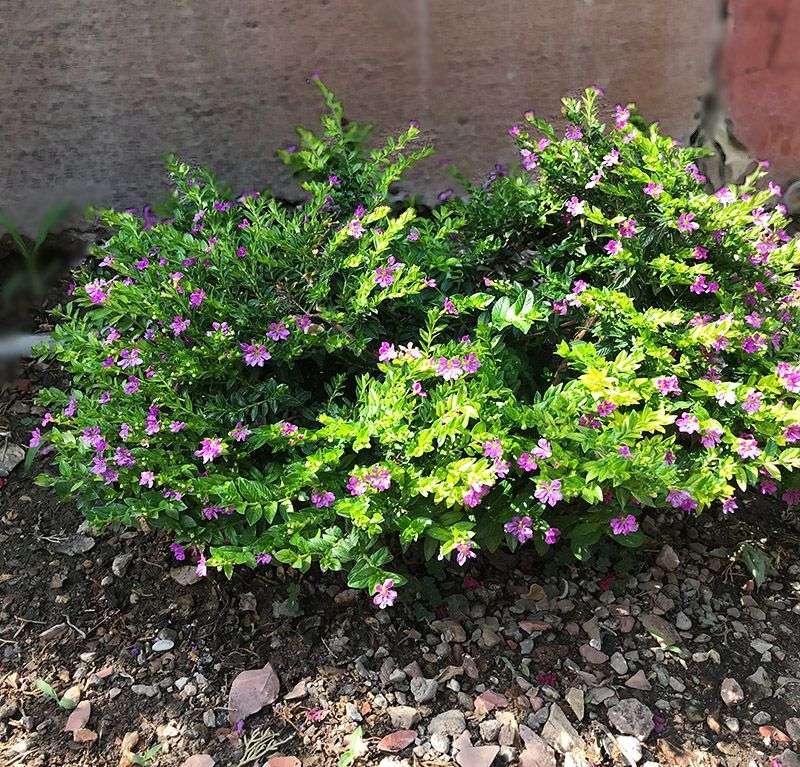
Borders and edging are probably the most popular uses in Texas landscapes. The plant’s naturally mounded, compact shape makes it ideal for lining walkways, driveways, and garden beds.
It stays tidy without much trimming and creates a clean, finished look. Many Texas homeowners plant it along the front of their homes for curb appeal that lasts from late spring all the way through fall.
Containers are another fantastic option, especially for apartment dwellers or anyone with limited outdoor space in cities like Austin or Houston. Mexican heather grows well in pots as long as drainage is good.
You can mix it with trailing plants like sweet potato vine or pair it with taller thriller plants for a layered, eye-catching container arrangement on a porch or patio.
Filling gaps in existing garden beds is another smart use. If you have bare patches between larger shrubs or perennials, Mexican heather fills them in beautifully and quickly.
It also works well as a low-growing ground cover on gentle slopes where erosion can be a concern. Its dense foliage helps hold soil in place while adding visual interest.
For gardeners who want maximum color with minimal planning stress, planting Mexican heather in clusters of three or five creates a bold, natural-looking drift of purple that looks stunning all season long.
5. Easy Care Tips For Healthy, Long-Lasting Blooms
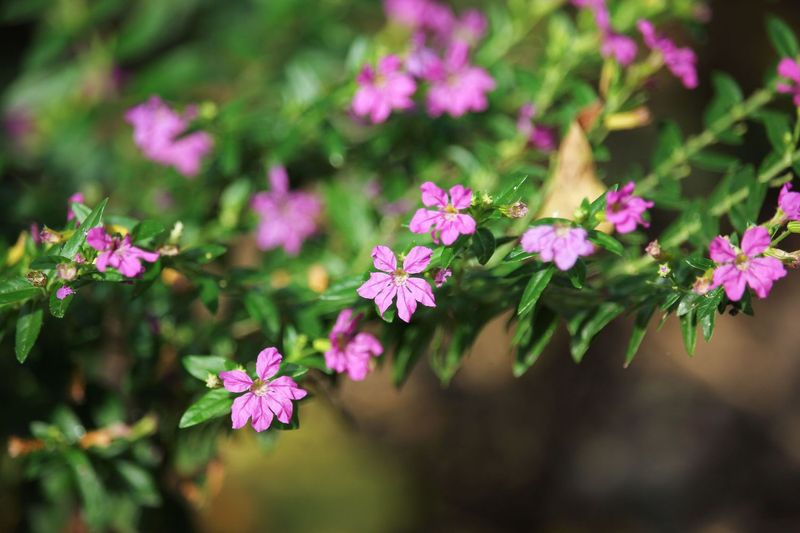
Good news for anyone who does not want to spend every weekend in the garden: Mexican heather is genuinely low-maintenance.
Once it gets settled into your Texas yard, it pretty much takes care of itself. But a few simple habits will help it look its absolute best all season long.
Watering is the first thing to get right. Newly planted Mexican heather needs regular watering for the first few weeks while its roots establish.
After that, it only needs moderate watering during dry spells. Overwatering is actually a bigger risk than underwatering once the plant is established.
Water deeply but infrequently, and always let the soil dry out a bit between sessions. In most parts of Texas, rainfall alone handles much of the job from fall through spring.
Occasional trimming keeps Mexican heather looking full and compact rather than leggy. A light shearing in early spring before new growth begins encourages a fresh flush of blooms and a tidy shape.
You do not need to do heavy pruning, just a gentle trim to remove any woody or straggly stems. This simple step makes a noticeable difference in how lush the plant looks.
Light fertilizing once or twice during the growing season gives Mexican heather an extra boost. Use a balanced, slow-release fertilizer in early spring and again in midsummer if the plant looks like it needs encouragement.
Avoid over-fertilizing with high-nitrogen products, as that tends to push leafy green growth at the expense of flowers. Stick to a balanced formula and your plant will reward you with nonstop purple blooms from spring through the first Texas frost of the season.
6. Common Mistakes To Avoid When Growing Mexican Heather
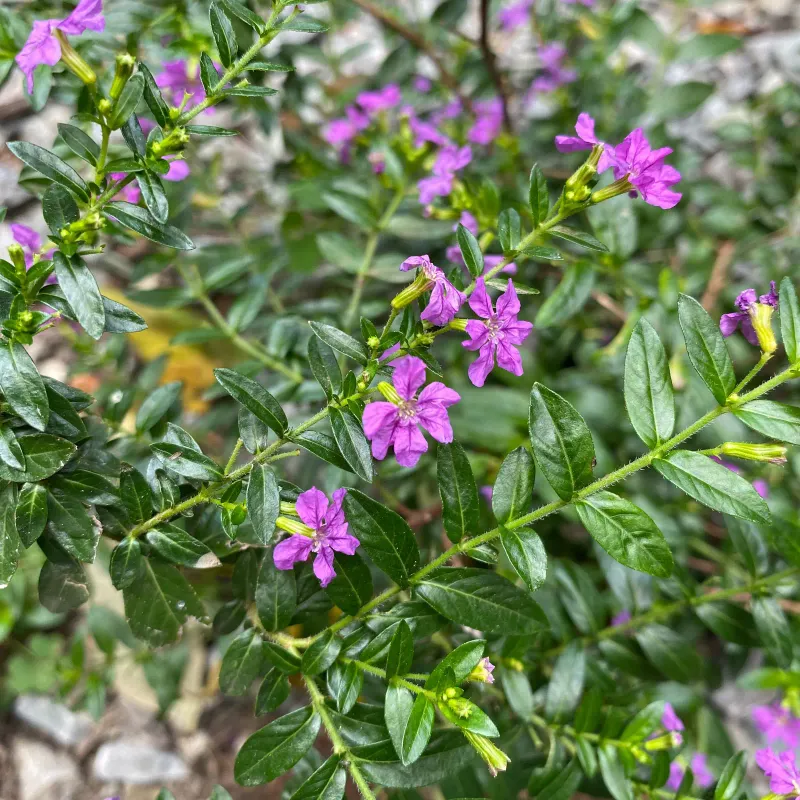
Even the toughest plants can struggle when they are not given the right conditions. Mexican heather is forgiving, but a few common mistakes can seriously hold it back from reaching its full potential in your Texas garden.
Knowing what to avoid ahead of time saves you frustration and keeps your plants thriving.
Overwatering is the number one problem that Texas gardeners run into with Mexican heather. This plant does not like to sit in soggy soil.
If your garden bed has poor drainage, the roots can rot quickly, especially during humid summers along the Texas Gulf Coast.
Always plant Mexican heather in well-draining soil, and avoid low spots in the yard where water tends to collect after rain. Raised beds or amended soil with added sand or compost can solve drainage issues easily.
Planting in too much shade is another mistake that leads to disappointment. Mexican heather can tolerate some shade, but too little sunlight results in sparse, leggy growth and far fewer blooms.
If you notice your plant stretching toward the light or producing fewer flowers than expected, it likely needs more sun. Try to give it at least five to six hours of direct sunlight daily for the best results.
Finally, gardeners in the northern parts of Texas, places like Amarillo or Lubbock, should think about winter protection. Mexican heather is not frost-hardy and can suffer serious damage during hard freezes.
In cooler regions of Texas, consider treating it as an annual or covering it with frost cloth during cold snaps. In South Texas and along the coast, it often comes back on its own each spring without any extra help needed at all.