The Real Reason California Lawns Are Disappearing
California’s love affair with the perfect green lawn is fading fast, and honestly, it was only a matter of time.
Those lush, thirsty yards may look nice in photos, but keeping them alive in a state famous for drought, heat, and water restrictions is starting to feel like a very expensive fantasy.
Homeowners are realizing that grass is not just high-maintenance, it is also out of step with the way Californians actually live now.
People want outdoor spaces that look great, use less water, cost less to maintain, and can survive a brutal summer without turning into a patchy mess.
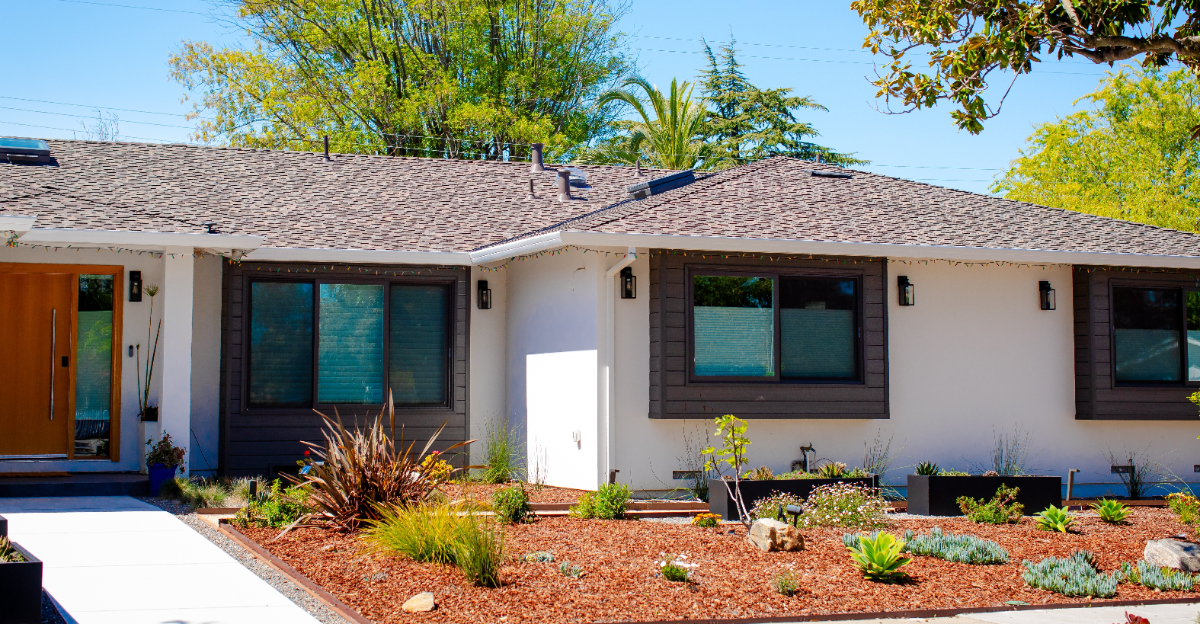
That shift is changing neighborhoods all over the state. Traditional lawns are being ripped out and replaced with smarter, more practical landscapes that still bring curb appeal without the constant mowing, watering, and stress.
The disappearing lawn is not just a trend. It is a sign that California yards are finally getting a much-needed reality check.
Why Lawns Are Failing
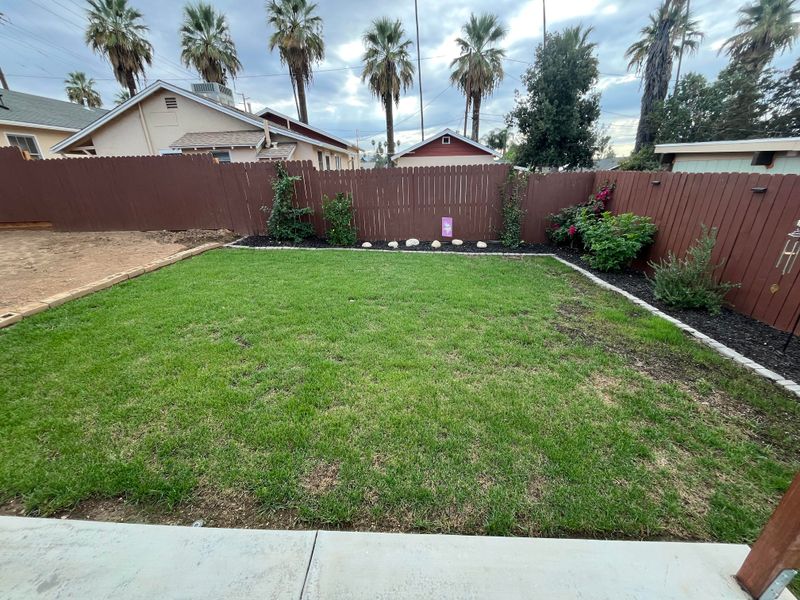
Walk through almost any California neighborhood these days, and you’ll notice something strange. Lawns that used to look perfectly green are now brown, patchy, and struggling to survive.
It’s not that people stopped caring. The climate simply stopped cooperating.
Traditional grass, like Kentucky Bluegrass or Bermuda, was never really meant for California’s dry, hot conditions. These grass types need a lot of water to stay healthy.
But when water becomes scarce, they’re among the first things to suffer. Homeowners across the state are watching their once-lush yards turn into something that looks more like straw than a lawn.
There’s also the maintenance factor. Keeping grass alive in California means constant watering, mowing, fertilizing, and treating for pests.
That’s a lot of time, money, and effort for something that keeps struggling anyway. Many people are realizing that fighting nature isn’t worth it.
California’s soil and climate weren’t built for traditional grass, and that mismatch is becoming impossible to ignore. The lawn isn’t just failing because of neglect.
It’s failing because it was never the right fit to begin with.
The Water Problem
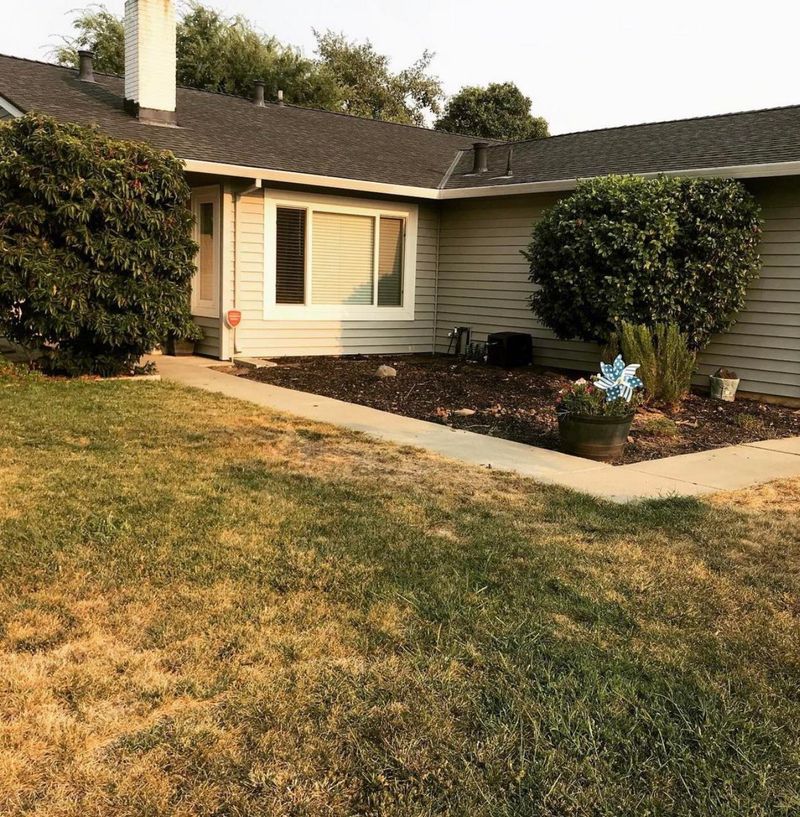
Water is at the heart of everything happening to California lawns right now. The state has been dealing with serious drought conditions for years.
Reservoirs have dropped to alarming levels, and water agencies have been forced to put strict limits on how much residents can use.
Here’s the eye-opening part: a traditional lawn can use up to 70 percent of a household’s outdoor water supply. In a place like California, where water is already stretched thin, that’s simply not sustainable.
Cities like Los Angeles and San Diego have introduced tiered pricing systems, meaning the more water you use, the more you pay per gallon. That makes keeping a green lawn extremely expensive.
Some water districts across California have even banned daytime watering and set strict limits on how many days per week residents can run their sprinklers. These rules aren’t just suggestions.
Your California Garden Changes Every Week. Your Plan Should Too.
Gardening in California changes quickly throughout the season. Every Friday you’ll receive a simple weekly plan showing exactly what to plant, prune, fertilize, harvest, and protect so you never miss the right timing.
Violations can result in real fines. For many homeowners, the math becomes clear pretty fast.
Paying hundreds of dollars in water bills every month, plus potential fines, just to keep grass green doesn’t make sense anymore. Water scarcity is reshaping how people think about their yards in a very real way.
Grass Costs Too Much
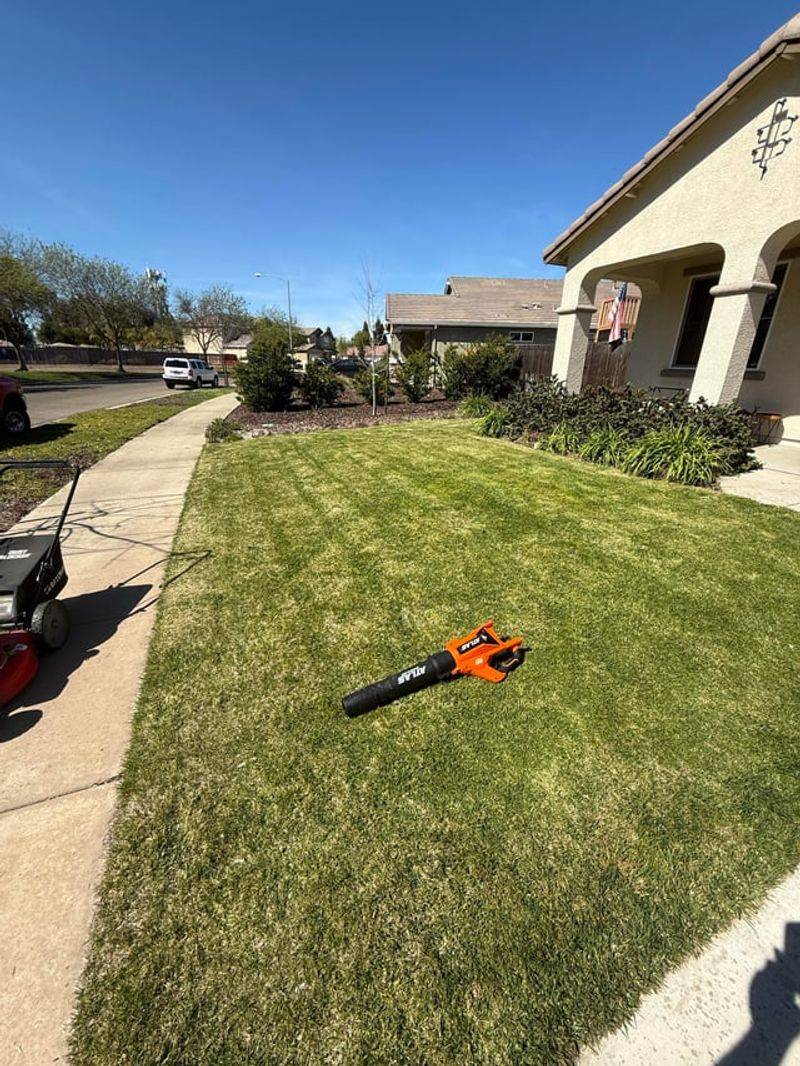
Let’s talk about money. Keeping a traditional lawn in California is genuinely expensive, and the costs add up faster than most people expect.
Between water bills, lawn care services, fertilizers, pesticides, and equipment, the average California homeowner can spend thousands of dollars a year just to keep grass green.
Water alone is a massive expense. In Southern California especially, water rates have climbed steadily over the past decade.
A family with a large lawn can easily see monthly water bills spike during summer months. Add mowing services, which can run anywhere from $50 to $150 per visit, and the total cost becomes hard to justify.
There’s also the hidden cost of lawn repair. When grass gets patchy or damaged, homeowners spend money on reseeding, soil treatments, and irrigation repairs.
It’s a never-ending cycle of spending. Many Californians are waking up to the realization that their lawn is one of their biggest household expenses.
Switching to drought-tolerant landscaping, on the other hand, can cut outdoor water use by 50 to 80 percent. That’s a significant amount of savings over time.
More and more people across California are choosing to keep that money in their wallets instead.
Drought Changed Everything
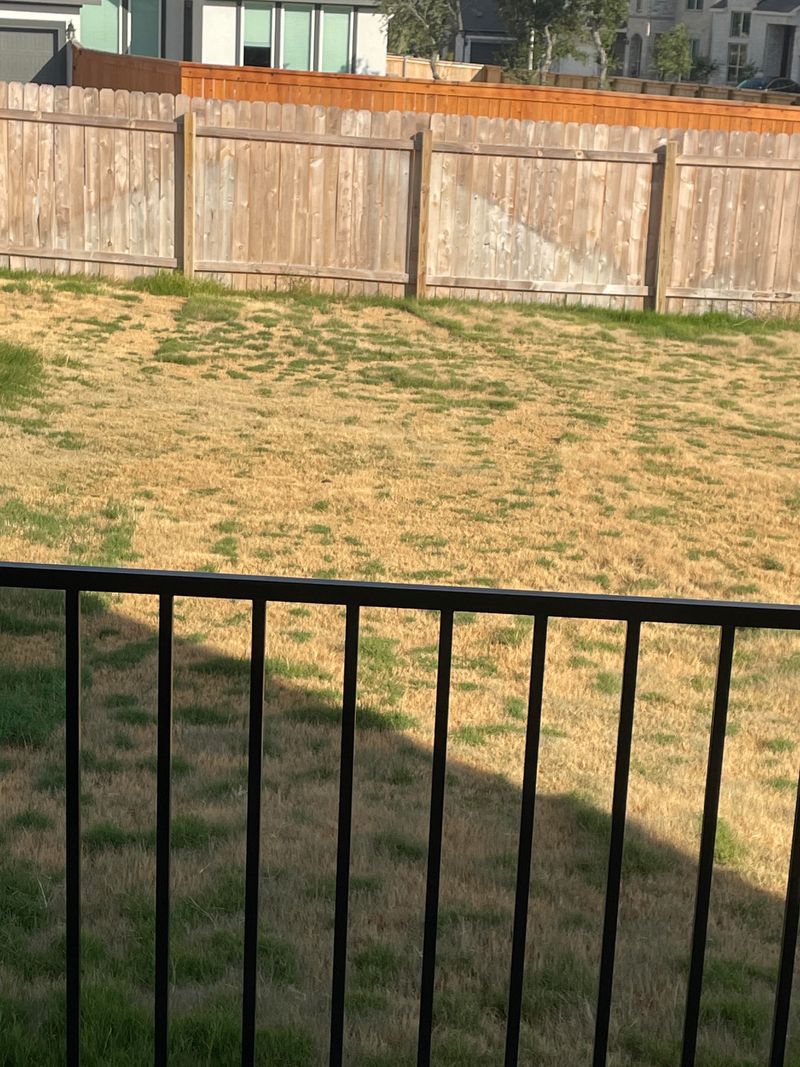
California has always had dry seasons, but the droughts of recent years have been on a different level entirely. Scientists describe the current pattern as a “megadrought,” a prolonged dry period that has lasted for more than two decades across much of the American West.
California has been hit especially hard.
When drought conditions become severe, water agencies don’t just ask people to cut back. They mandate it.
During the drought years of 2020 through 2022, many California cities ordered residents to reduce outdoor water use by 30 percent or more. For lawns, that kind of reduction is nearly impossible to survive.
Grass needs consistent moisture, and when that moisture is cut off, it doesn’t take long for yards to turn brown.
The drought also changed public attitudes in a lasting way. People who once took their green lawns for granted started seeing them differently.
A perfectly manicured lawn began to look less like a symbol of success and more like a waste of a precious resource. That shift in thinking has been one of the most powerful forces behind the decline of traditional lawns in California.
Once people change how they see something, it’s hard to go back.
Less Turf, Less Waste
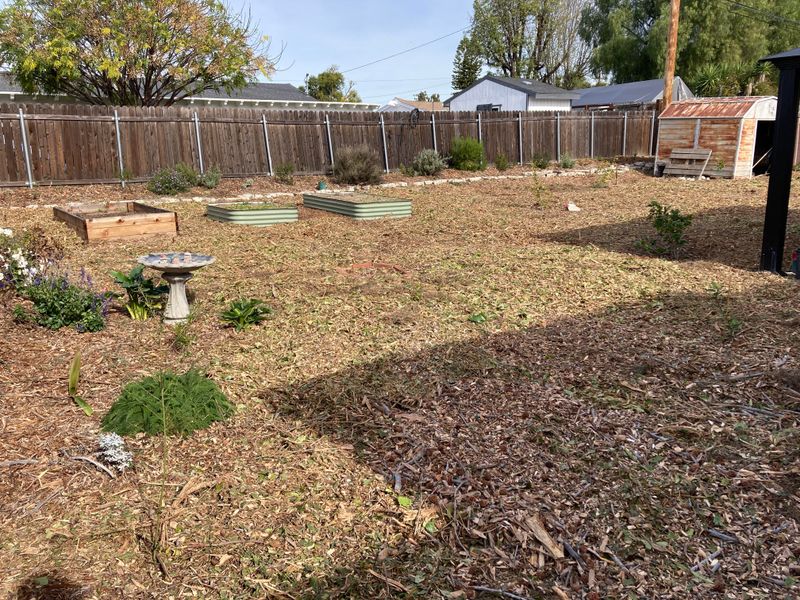
Grass isn’t just thirsty. It also generates a surprising amount of waste.
Lawn clippings, chemical runoff, and the emissions from gas-powered mowers all add up to a real environmental footprint. Many California residents are becoming more aware of this and choosing to reduce their impact by getting rid of their turf altogether.
Lawn fertilizers and pesticides are a particular concern. When it rains or when sprinklers run too long, these chemicals can wash off into storm drains and eventually reach rivers, bays, and the ocean.
In California, where coastal ecosystems are already under pressure, that kind of pollution adds up over time. Replacing grass with native plants or gravel eliminates that chemical runoff almost entirely.
Gas-powered lawn mowers are another issue. According to the EPA, a gas mower running for one hour can produce as much pollution as driving a car for 45 miles.
California has actually passed laws pushing residents toward electric alternatives, but many people are skipping the mower altogether by removing their lawns. Less turf means less waste in almost every sense of the word.
It’s a choice that benefits the homeowner, the neighborhood, and the broader California environment at the same time.
Why Homeowners Are Switching
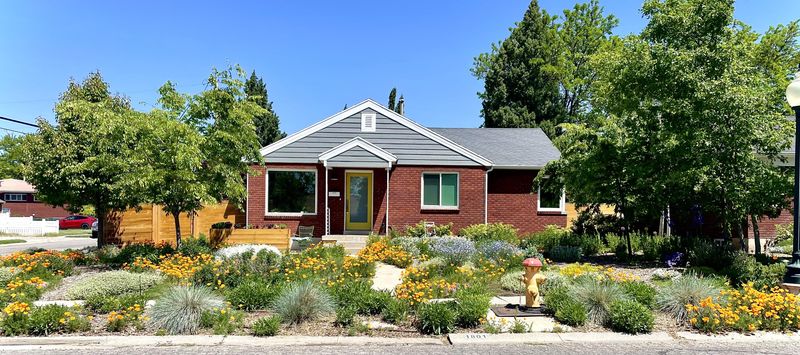
Money matters, but it’s not the only reason California homeowners are pulling up their grass. A lot of people are switching because they’re tired.
Tired of the weekly mowing, the constant watering schedule, the brown patches, and the never-ending upkeep. A traditional lawn demands a lot of attention, and not everyone has the time or energy for it.
Many homeowners are also switching because of financial incentives offered by local water agencies. Programs like the Metropolitan Water District’s “Cash for Grass” rebate offer California residents money for every square foot of lawn they replace with drought-tolerant landscaping.
Some homeowners have received thousands of dollars in rebates, making the switch financially attractive on top of the long-term savings.
There’s also a growing sense of community pride tied to native landscaping. In neighborhoods across Los Angeles, the San Francisco Bay Area, and San Diego, homeowners are noticing their neighbors making the switch and feeling inspired to do the same.
What starts as one house with a native garden can quickly spread down a whole block. People want yards that look intentional and beautiful, and they’re discovering that drought-tolerant gardens can deliver exactly that without all the stress of traditional lawn care.
The Rise Of Dry Gardens
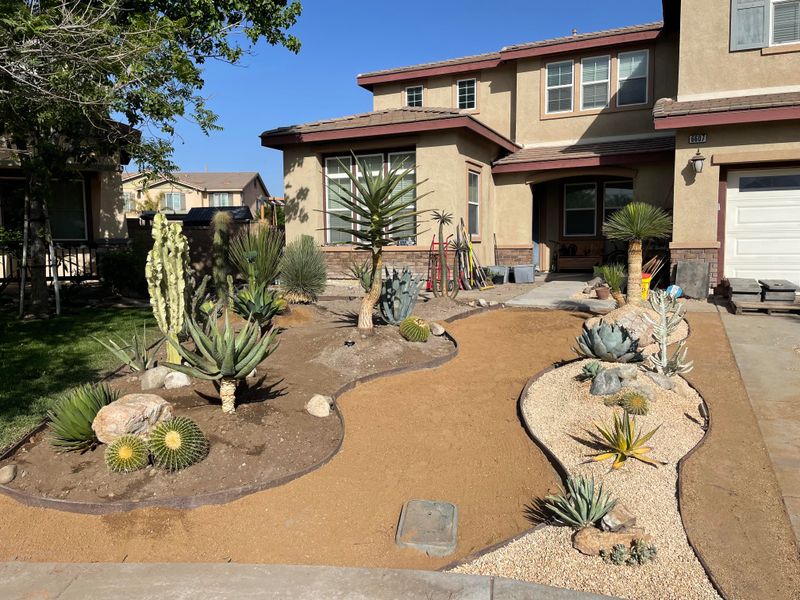
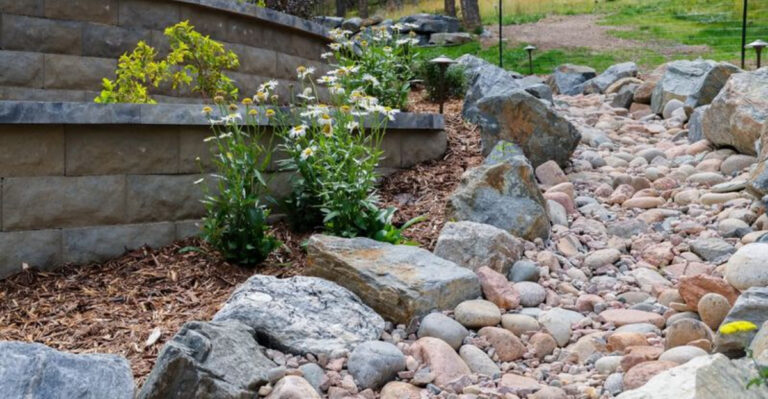
Dry gardens are having a serious moment in California right now. Also called xeriscape gardens, these landscapes are designed to look gorgeous while using very little water.
They’re not the bare, rocky yards some people imagine. Done well, a dry garden can be one of the most striking things on the block.
Plants like California poppies, lavender, agave, and ornamental grasses are showing up in front yards all over the state. These plants are naturally suited to California’s warm, dry climate.
They don’t need much water once they’re established, and they bring color, texture, and life to a yard in ways that a flat green lawn simply can’t match. Pollinators like bees and butterflies love them too.
Designers and landscapers across California are reporting huge increases in demand for xeriscape projects. Homeowners are hiring professionals to transform their yards into low-maintenance, water-smart spaces that still feel welcoming and alive.
Decomposed granite, river rock, and drought-tolerant ground covers are replacing sod at a rapid pace. The dry garden movement isn’t a trend that’s going to fade.
It’s a genuine lifestyle shift that reflects both the environmental realities of living in California and a new appreciation for what a yard can look and feel like.
What Comes After Grass
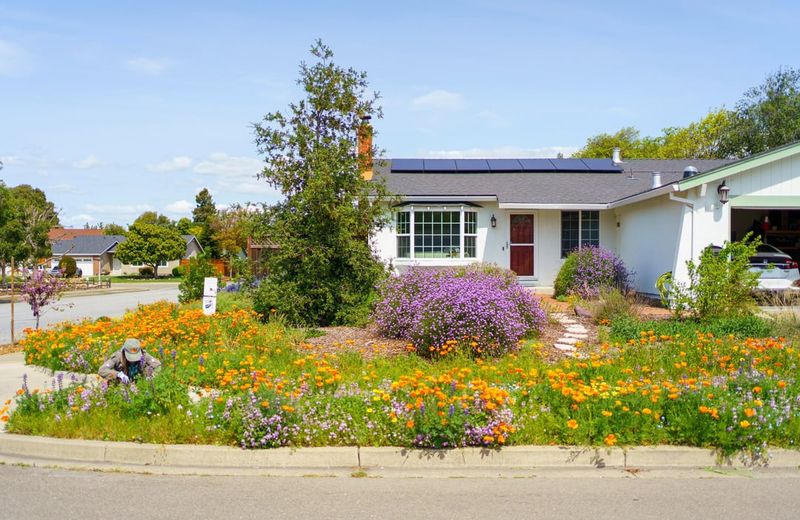
So what does the future of California yards actually look like? The good news is that the options are genuinely exciting.
Homeowners across the state are getting creative with how they use the space that used to be covered in grass, and the results are often stunning.
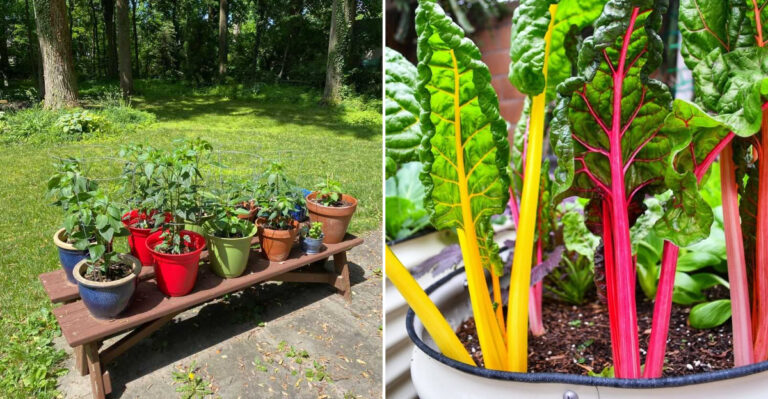
Some people are planting edible gardens with vegetables, herbs, and fruit trees. Others are creating pollinator habitats filled with native wildflowers that attract birds and butterflies.
Many are using decomposed granite or permeable pavers to create clean, modern outdoor spaces that require almost zero maintenance. The variety of choices is one of the things that makes this transition feel empowering rather than like a loss.
California cities are also playing a role in shaping what comes next. Some municipalities are updating zoning codes to encourage front yard food gardens and native plant installations.
Schools and public spaces across the state are modeling the shift with their own drought-tolerant landscapes. The era of the traditional lawn in California isn’t ending because people gave up on having beautiful outdoor spaces.
It’s ending because people found something better. Something that works with California’s climate instead of against it, costs less, and honestly looks pretty amazing too.