The California Native Plants That Support Monarch Butterflies Through The Dry Season
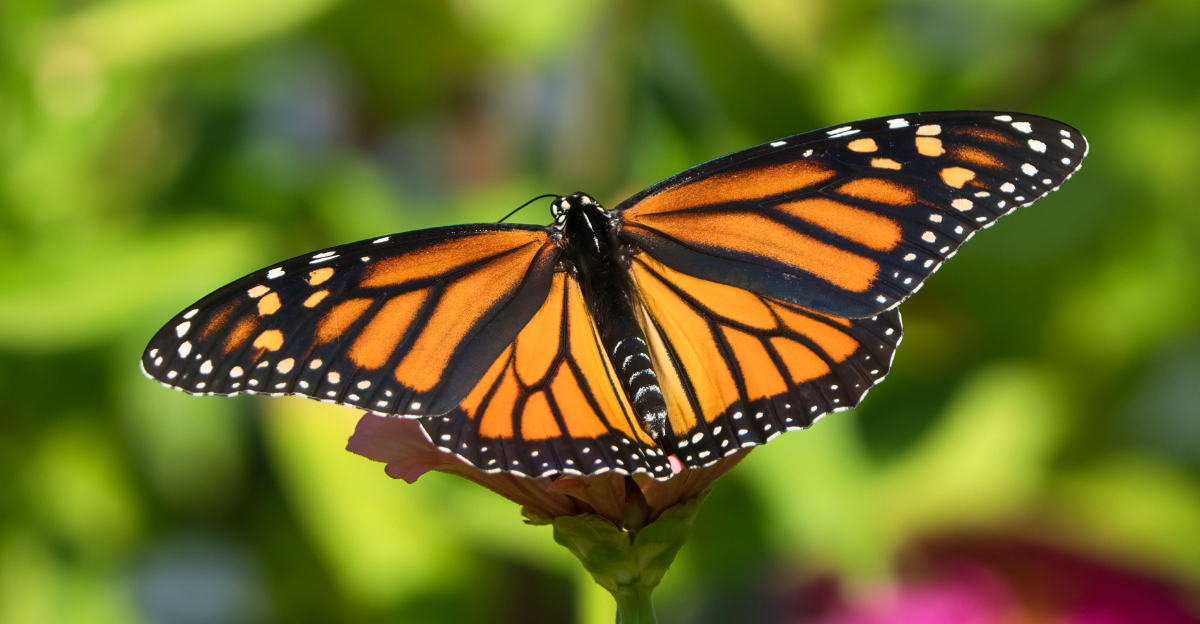
Monarch butterflies have a harder time making it through California’s dry season than most people realize.
The milkweed dries up, nectar sources disappear, and the landscape that supported them in spring turns sparse and unforgiving by midsummer.
For monarchs passing through or trying to complete their cycle, that gap in resources is a serious problem. The good news is that California native plants can fill that gap better than almost anything else.
They evolved alongside monarchs and other pollinators in the same conditions, which means they stay productive exactly when imported ornamentals start to fade.
A yard with the right native plants becomes a reliable stop for monarchs when food and shelter are hardest to find.
You do not need a large space or a complicated setup to make a real difference. The right plants in the right spots give monarchs what they need to push through the dry season and keep moving.
1. Rush Milkweed
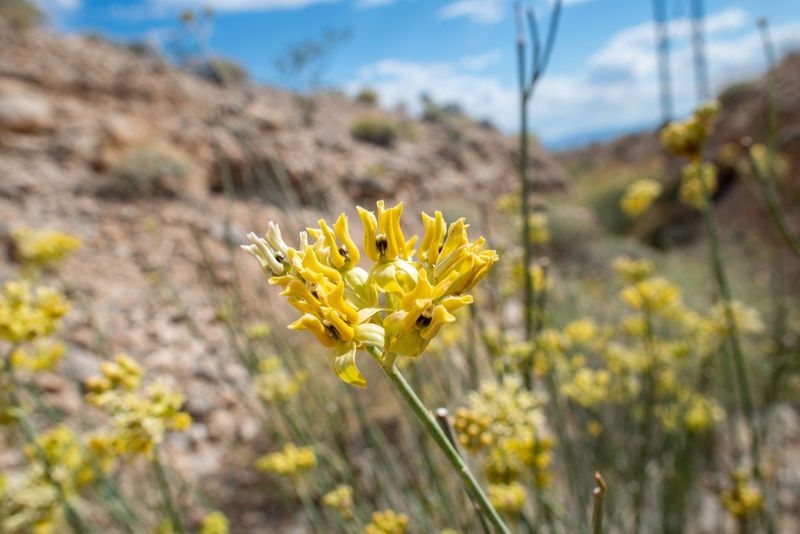
Few plants in California are as deeply tied to monarch butterfly survival as rush milkweed. Known scientifically as Asclepias subulata, this plant is the real deal when it comes to supporting monarchs during the driest months of the year.
It grows tall and slender, with pale greenish-white stems that almost look leafless, giving it a striking, architectural appearance in the landscape.
What makes rush milkweed so special is that it belongs to the milkweed family, which is the only group of plants where monarch butterflies will lay their eggs. Without milkweed, monarch caterpillars simply cannot survive.
Rush milkweed is uniquely adapted to thrive in hot, arid conditions, making it one of the best options for California gardens that receive little to no summer water.
It produces clusters of small, creamy white flowers that bloom throughout the warmer months. These flowers are a magnet for adult monarchs looking for nectar.
Planting rush milkweed in a sunny, well-drained spot is all it takes to get started. It is drought-tolerant once established and requires very little maintenance.
Beyond monarchs, this plant also attracts other native bees and beneficial insects. Gardeners in Southern California and desert-adjacent regions will find it especially useful.
It can grow up to six feet tall, so giving it some space to spread out will help it thrive. Rush milkweed is truly a cornerstone plant for anyone serious about supporting monarch butterflies through California’s challenging dry season.
2. Coyote Mint
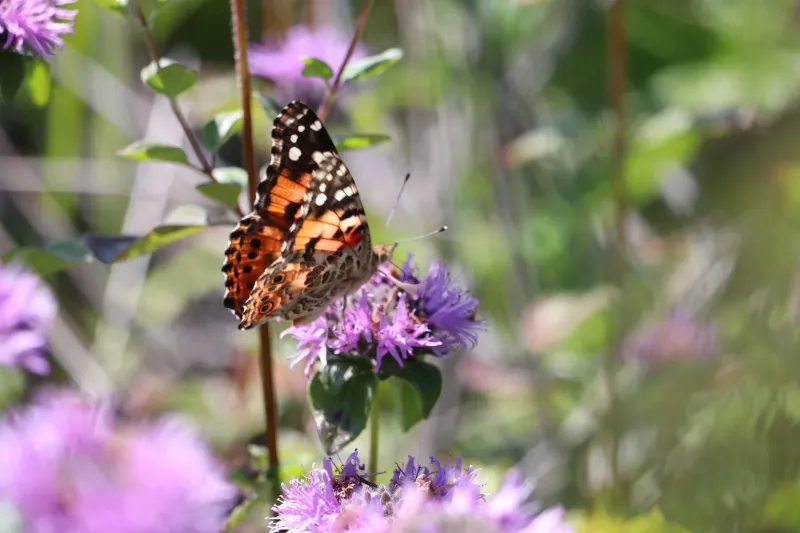
There is something almost magical about the way coyote mint draws butterflies in from a distance. The moment its rounded clusters of purple or lavender flowers open up, monarchs and other pollinators seem to appear out of nowhere.
Coyote mint belongs to the Monardella genus, and several species are native to California’s chaparral, rocky slopes, and dry foothills.
One of the best things about coyote mint is its incredible toughness. It handles heat, poor soil, and very little water like a champion.
During the dry season, when many plants have stopped blooming entirely, coyote mint keeps right on producing flowers. That steady nectar supply is exactly what monarch butterflies need when food sources become scarce across the landscape.
Your California Garden Changes Every Week. Your Plan Should Too.
Gardening in California changes quickly throughout the season. Every Friday you’ll receive a simple weekly plan showing exactly what to plant, prune, fertilize, harvest, and protect so you never miss the right timing.
The plant has a wonderful minty fragrance that is pleasant for humans and irresistible for pollinators. Its low, mounding growth habit makes it a fantastic choice for the front of a garden bed, along pathways, or tucked into rocky garden areas.
It pairs beautifully with other native plants and rarely needs pruning or fussing over.
Coyote mint tends to stay relatively compact, usually reaching about one to two feet in height. It prefers full sun and fast-draining soil.
Once established, it can go weeks without water, which is perfect for California’s summer conditions. Planting a small grouping of coyote mint near other nectar plants creates a powerful pollinator corridor that monarchs will return to season after season.
It is a small plant with a genuinely outsized impact on local butterfly populations.
3. Coyote Brush
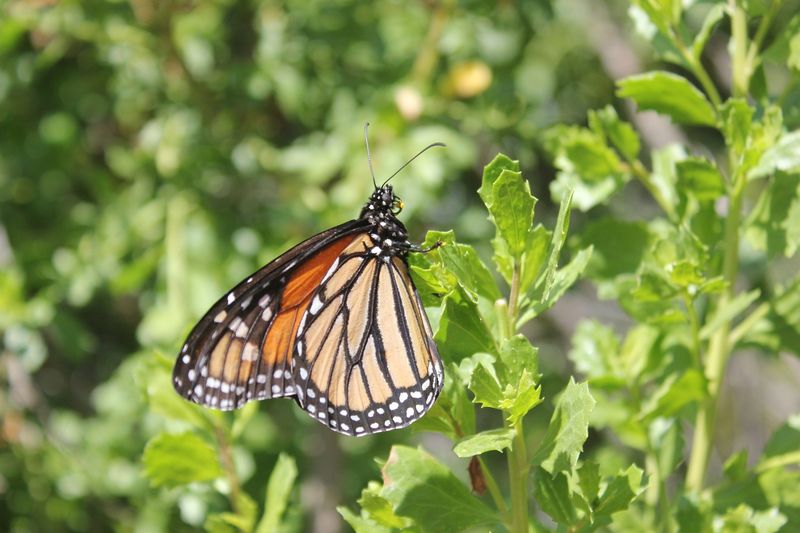
Not every butterfly plant needs to be flashy, and coyote brush proves that point perfectly. Baccharis pilularis is a tough, evergreen shrub that grows wild across California’s coastal bluffs, chaparral zones, and open hillsides.
It might not win any beauty contests with its modest white fluffy flowers, but for monarch butterflies, it is one of the most important fall-blooming plants in the entire state.
Coyote brush blooms in late summer and into autumn, which lines up almost perfectly with the monarch butterfly migration season. When monarchs are traveling down the California coast toward their overwintering sites, they need nectar stops along the way.
Coyote brush provides exactly that, offering a reliable and abundant food source right when it matters most for migrating butterflies.
The shrub is incredibly hardy and low-maintenance. It tolerates coastal winds, salt spray, drought, and poor soils without complaint.
Once planted, it practically takes care of itself. Gardeners in coastal and inland California areas will both find coyote brush easy to grow and quick to establish.
Beyond butterflies, coyote brush also supports native bees, beetles, and other insects that form the base of healthy local food webs. Its dense growth provides shelter for small birds and other wildlife.
It can spread several feet wide, so giving it room to grow naturally will reward you with a lush, wildlife-friendly shrub year after year. For anyone wanting to support migrating monarchs in particular, coyote brush is one of the most practical and effective plants to add to any California native garden.
4. California Buckwheat
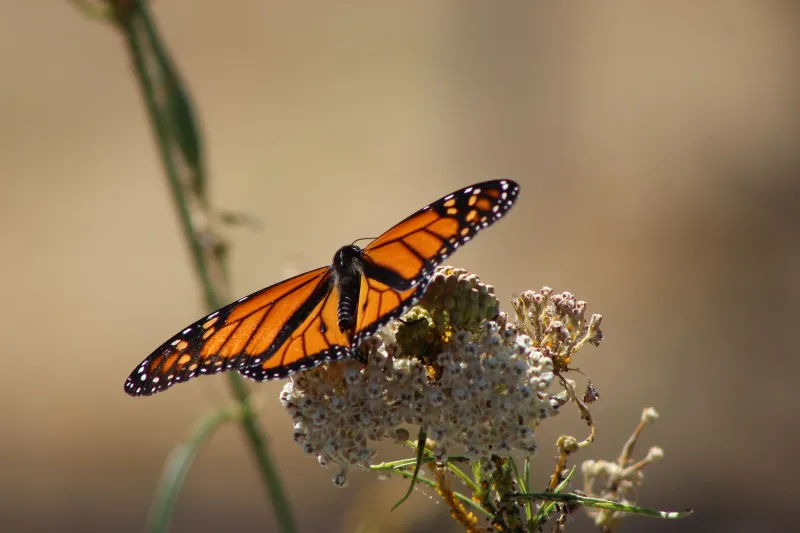
Walk through almost any dry California hillside in summer and you will almost certainly spot California buckwheat. Eriogonum fasciculatum is one of the most common and beloved native shrubs in the state, and for very good reason.
Its clusters of tiny white to pinkish flowers bloom from late spring all the way through the dry summer months, providing a steady nectar buffet for monarchs and dozens of other pollinators.
What sets California buckwheat apart is how long it stays useful. Even after the flowers fade and turn a beautiful rusty orange-red, the dried seed heads continue attracting birds and insects.
That extended season of usefulness makes it an exceptional plant for wildlife gardens. Monarch butterflies are frequently spotted nectaring on California buckwheat during their late-season movements along the coast and inland valleys.
Growing California buckwheat is about as easy as it gets for native plant gardening. It thrives in full sun, handles rocky or sandy soil with ease, and needs almost no supplemental water once it gets settled in.
It grows into a rounded shrub about two to four feet tall and wide, making it a natural fit for slopes, borders, and open garden spaces.
There is also something deeply satisfying about watching the color of this plant shift from white to pink to rust as the season progresses. It looks great alongside native grasses, sages, and other drought-tolerant plants.
If you are just starting a California native garden and want one plant that delivers big results with minimal effort, California buckwheat is the one to start with. It truly earns its place in every butterfly-friendly landscape.
5. Black Sage
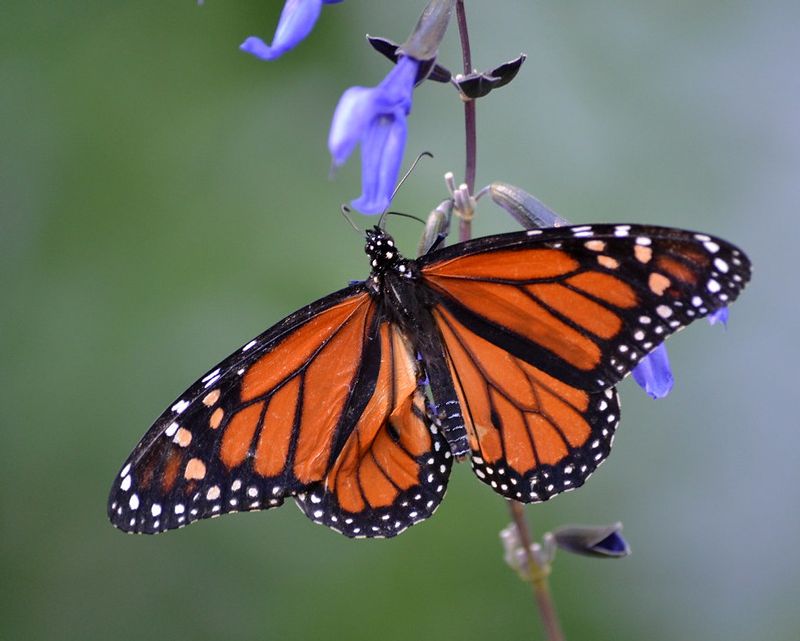
Few plants capture the wild spirit of California’s chaparral quite like black sage. Salvia mellifera, whose species name literally means “honey-bearing,” has been feeding pollinators in California for thousands of years.
Its pale blue to white flower spikes emerge in spring and can persist well into the dry season, offering a critical nectar source during a time when many other plants have already finished blooming.
Monarch butterflies are among the many pollinators that visit black sage regularly. The flowers are small but numerous, and the plant can grow quite large, sometimes reaching five or six feet tall.
A mature black sage shrub in full bloom is genuinely impressive, buzzing with activity from bees, butterflies, and other beneficial insects. The strong, camphor-like fragrance of the leaves is a bonus that many gardeners find pleasant and refreshing.
From a care standpoint, black sage is one of the most forgiving native plants you can grow. It wants full sun, excellent drainage, and very little water once established.
Overwatering is actually one of the few ways to stress this plant, so a dry summer suits it perfectly. Planting it on a slope or in a raised bed helps ensure the roots stay on the dry side.
The dark seed heads that follow the flowers also feed native birds, adding another layer of ecological value. Black sage works beautifully alongside California buckwheat, coyote brush, and other chaparral plants to create a habitat-rich landscape.
For anyone building a butterfly garden focused on the dry season, black sage brings both beauty and serious wildlife value to the mix.
6. White Sage
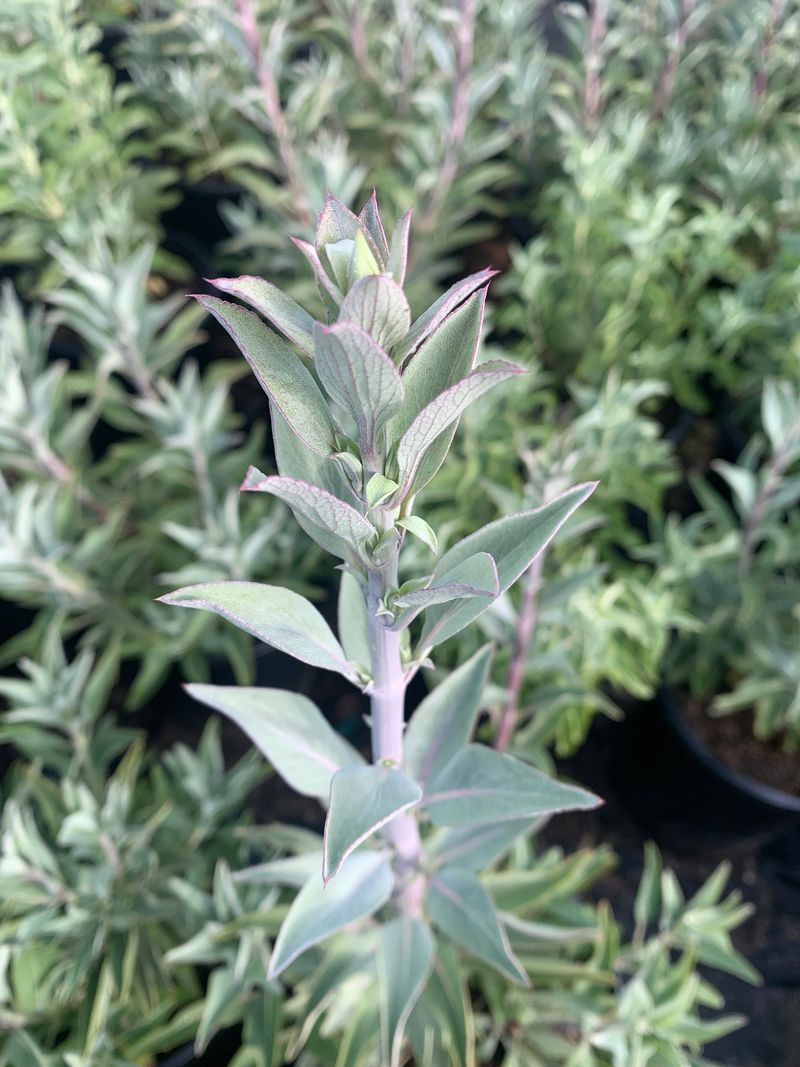
White sage is one of California’s most iconic native plants, and its silver-white leaves make it instantly recognizable in any garden or wild landscape. Salvia apiana has deep cultural and ecological roots in California, used for centuries by Indigenous peoples and beloved today by gardeners, herbalists, and wildlife enthusiasts alike.
For monarch butterflies, it offers something just as valuable as its history: reliable nectar during the dry season.
The tall flower stalks of white sage can reach four to five feet high, and they are covered in small white to pale lavender flowers that bloom from late spring through summer.
These blooms attract native bees in huge numbers, and monarch butterflies frequently stop to feed on them during warm, dry months when nectar options are limited elsewhere.
The plant essentially becomes a hub of pollinator activity when everything around it has gone dormant.
White sage is built for California’s dry summers. It thrives in full sun, prefers well-drained or rocky soil, and needs almost no water once it has been in the ground for a season or two.
Its woolly, aromatic leaves reflect sunlight and reduce water loss, which is a clever natural adaptation to hot, dry conditions. The strong herbal scent of the leaves is something many people find deeply calming and distinctive.
Giving white sage plenty of space and good air circulation will keep it healthy and looking its best. It pairs wonderfully with black sage, California buckwheat, and native grasses for a stunning, low-water landscape.
Adding white sage to your garden is a meaningful way to honor California’s natural heritage while actively supporting monarch butterflies and the wider web of pollinators that depend on native plants.