Plants You Should Remove Near Homes In Southern California
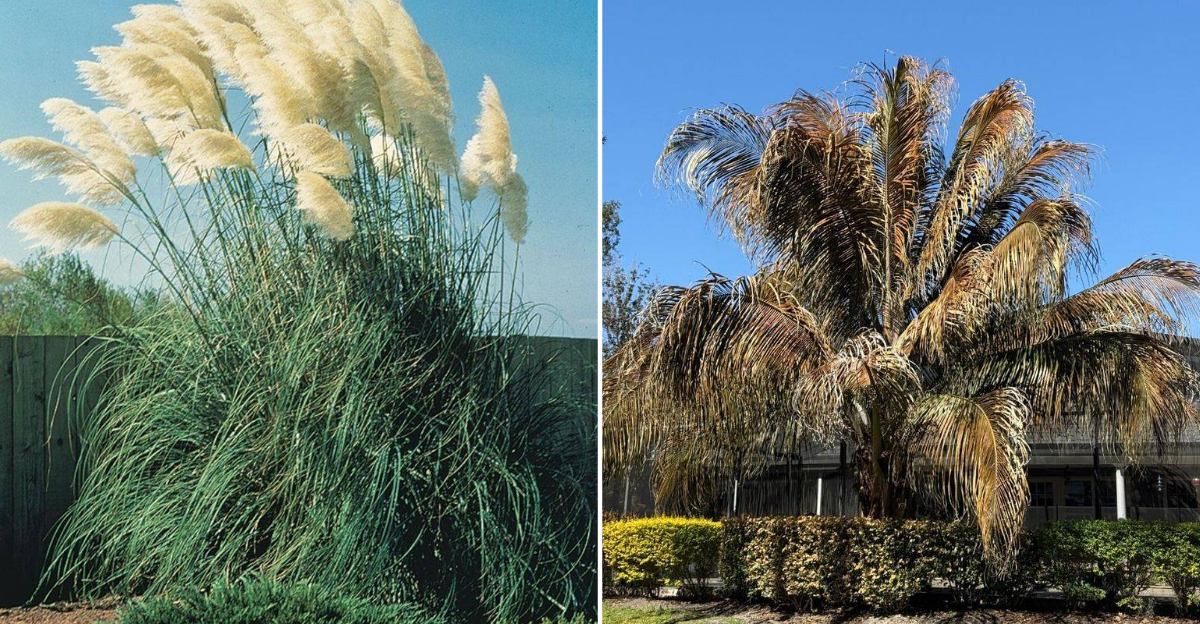
Some plants may look harmless planted close to the house, but in Southern California, the wrong choice can turn into a real headache.
Fast-growing roots, extra-dry foliage, messy leaf drop, and overgrown branches can all cause problems you do not want sneaking up on you.
A plant that starts out pretty and manageable can end up crowding walkways, trapping moisture, damaging foundations, or creating a bigger fire risk during hot, dry weather. That is a big deal in a region where space, water, and wildfire safety all matter.
The good news is that pulling out the worst offenders can make your yard safer, cleaner, and a lot easier to manage. Sometimes the best landscaping move is not adding something new.
It is getting rid of the plants that never should have been there in the first place. Your home will look better, and it may be better protected too.
1. Eucalyptus
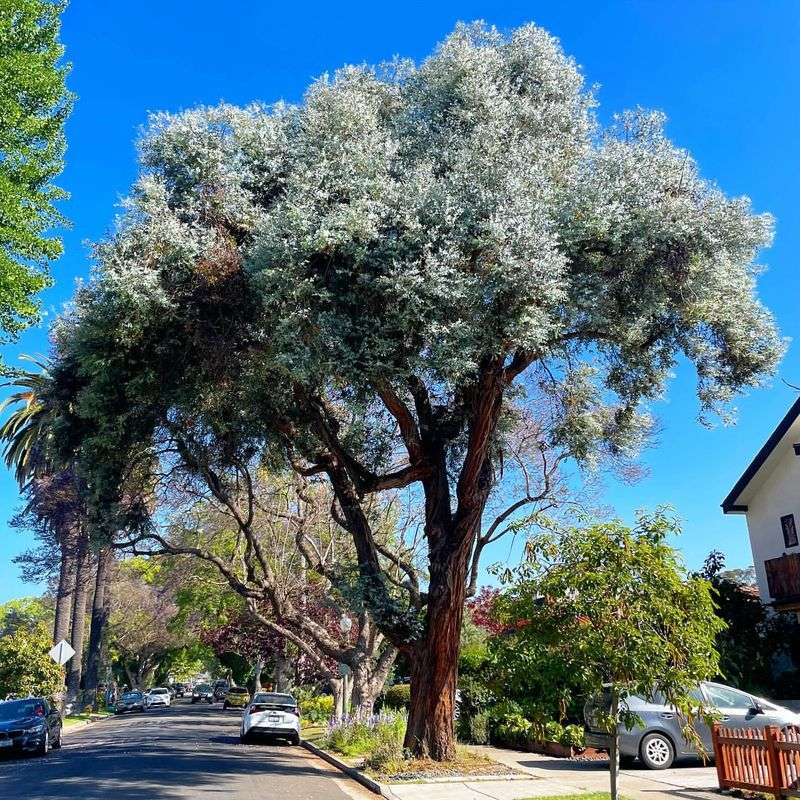
Few trees are as iconic in Southern California as the eucalyptus, but that popularity comes with a serious downside. These trees shed enormous amounts of oily bark and leaves year-round.
That debris piles up fast, and it burns extremely well.
Eucalyptus leaves are packed with flammable oils. When temperatures rise and the air gets dry, those oils make the leaves ignite with very little effort.
Burning pieces of bark can also travel through the air, spreading fire to nearby structures.
One of the biggest concerns with eucalyptus is how quickly a fire can climb from the ground up through the canopy. The trees act almost like a ladder for flames.
Firefighters in Southern California have described eucalyptus fires as some of the most intense and fast-moving they encounter.
If you have a eucalyptus tree within 30 feet of your home, removal is strongly recommended. Replacing it with a native, low-water, fire-resistant tree like a toyon or a California lilac gives you greenery without the extreme risk.
Your home, your neighbors, and your local fire department will all benefit from that swap.
2. Juniper
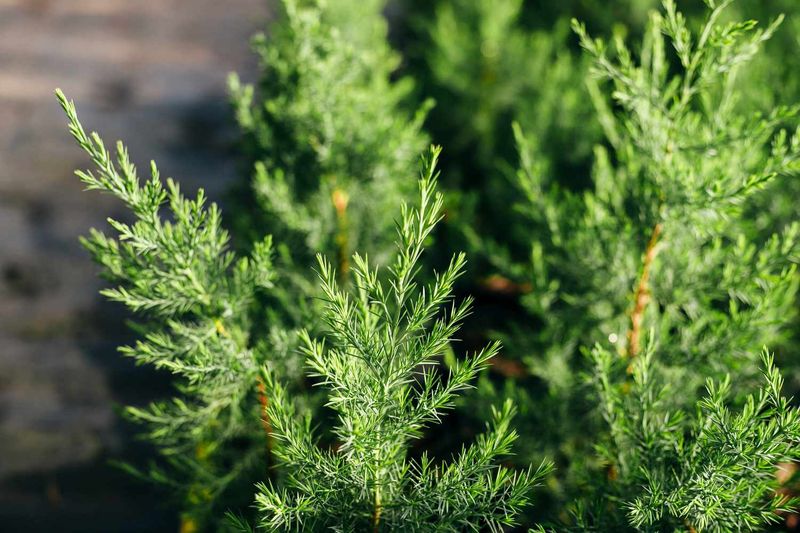
Walk past a juniper shrub on a hot Southern California afternoon and you might notice that papery, dusty smell coming from inside the bush. That smell is a warning sign.
Junipers trap dead foliage deep inside their dense branches, and that dry material builds up season after season.
The oils and resins naturally found in juniper make it one of the most flammable shrubs you can plant near a home. A single ember landing in the right spot can turn a juniper into a ball of fire within seconds.
That is not an exaggeration.
Junipers are commonly used as foundation plantings and hedges throughout Southern California neighborhoods. They look tidy from the outside, but the inside tells a very different story.
Without regular deep cleaning, they become packed with years of dry, combustible debris.
Removing junipers close to your house and replacing them with something like lavender or sage gives you a much safer landscape. Both of those alternatives are drought-tolerant, smell wonderful, and carry far less fire risk.
Your California Garden Changes Every Week. Your Plan Should Too.
Gardening in California changes quickly throughout the season. Every Friday you’ll receive a simple weekly plan showing exactly what to plant, prune, fertilize, harvest, and protect so you never miss the right timing.
Making this switch is a practical step that many fire safety experts in California recommend every single year.
3. Italian Cypress

There is something undeniably elegant about a row of Italian cypress trees lining a driveway in Southern California. They are tall, neat, and architectural.
But that tall, narrow shape is exactly what makes them so dangerous during a wildfire.
Italian cypress trees are loaded with resinous, oil-rich foliage from top to bottom. When one catches fire, it burns intensely and almost straight up, like a torch.
The heat generated can be enough to ignite nearby structures, fences, and other plants in a very short time.
Because these trees grow so close together when planted in rows, fire can jump from one to the next with shocking speed. A line of Italian cypress trees near a home in Southern California is essentially a chain of fuel waiting for a spark.
Wind makes this situation even more dangerous.
Fire safety professionals consistently flag Italian cypress as one of the highest-risk trees for residential properties. If you love the formal look they provide, consider replacing them with a fire-resistant columnar plant like a native manzanita or a well-spaced row of drought-tolerant shrubs.
You can still have a beautiful yard without the extreme fire liability sitting right outside your door.
4. Pampas Grass
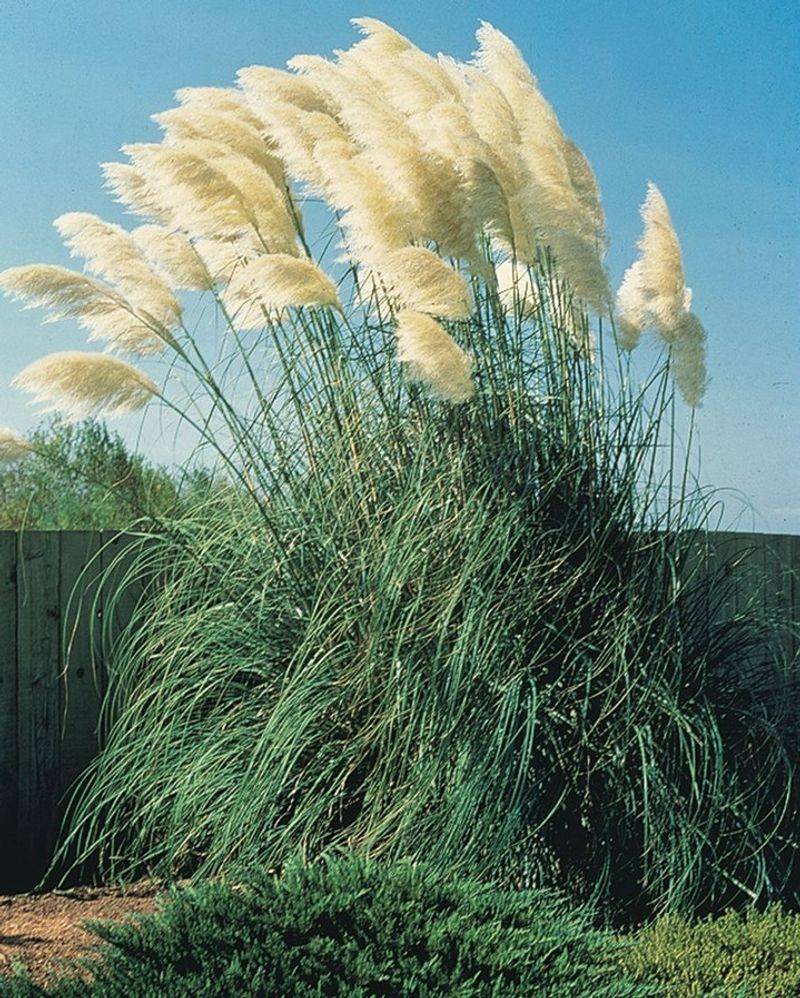
Pampas grass has been a popular landscaping choice in Southern California for decades. Those big, fluffy white plumes look stunning in the fall.
But beneath that beautiful exterior is a plant that poses real danger to homes during fire season.
At the base of every pampas grass clump is a dense mass of dry, dead stems and leaves that accumulates over time. This material is tinder-dry for most of the year in Southern California.
A windblown ember landing in that base material can start a fire almost instantly.
Beyond the fire risk, pampas grass is also considered an invasive species in California. It spreads aggressively, outcompeting native plants and disrupting local ecosystems.
Removing it actually helps your neighborhood in more ways than one.
The sharp-edged leaves also make pampas grass difficult and uncomfortable to maintain, which means many homeowners leave it alone far too long. That neglect only increases the amount of dry fuel sitting near their homes.
Replacing pampas grass with a native bunch grass like deer grass gives you a similar look with a fraction of the fire risk. Deer grass is also much friendlier to the environment and requires very little water once established in Southern California.
5. Fountain Grass
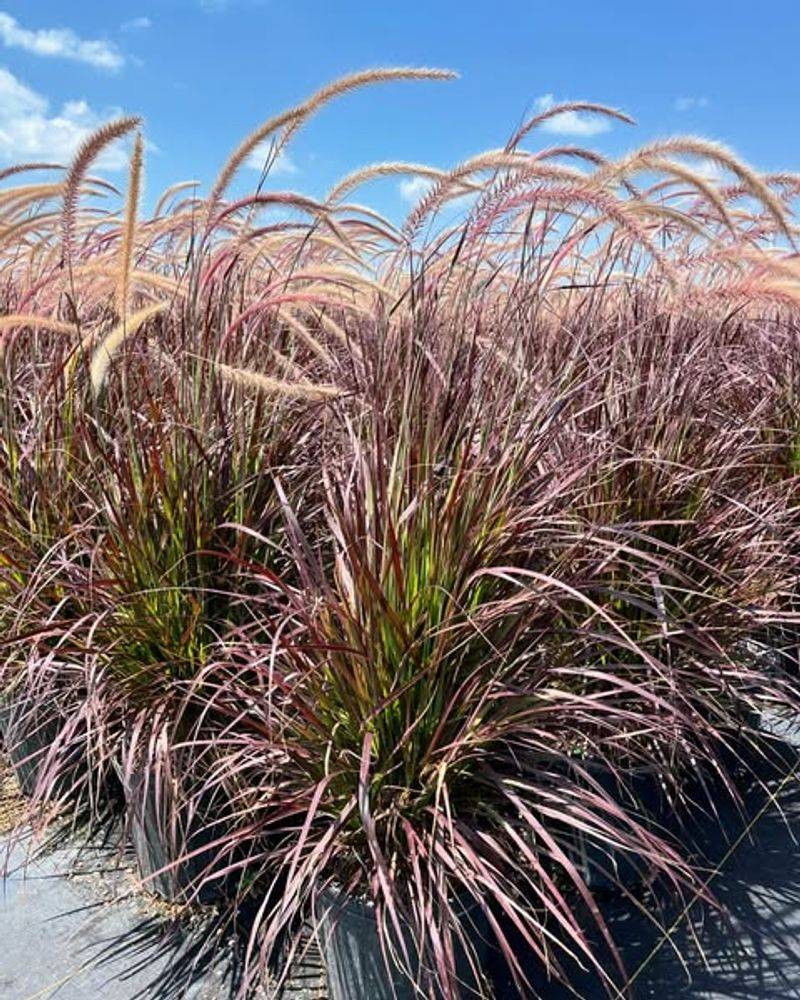
Fountain grass is everywhere in Southern California. It shows up in parking lot dividers, front yards, and hillside plantings all across the region.
It is easy to grow and looks graceful when the wind moves through it. The problem is what happens when that grass dries out.
During the long dry season that Southern California experiences, fountain grass turns brown and crispy. The entire plant becomes a bundle of dry, lightweight fuel.
Because the blades are fine and airy, they catch and spread fire extremely fast.
Fountain grass is also classified as invasive in California. It spreads by seed and can take over large areas of open land quickly.
Once it establishes on hillsides near homes, it creates continuous fuel paths that allow fire to travel uphill with terrifying speed.
Many Southern California communities have actually banned fountain grass in new landscaping projects for exactly these reasons. If you still have it in your yard, now is a good time to remove it before fire season arrives.
Replacing it with a native plant like blue grama grass or purple needlegrass gives you a similar wispy, flowing look without turning your yard into a fire risk. Native grasses are also much better for local wildlife and pollinators.
6. Rosemary
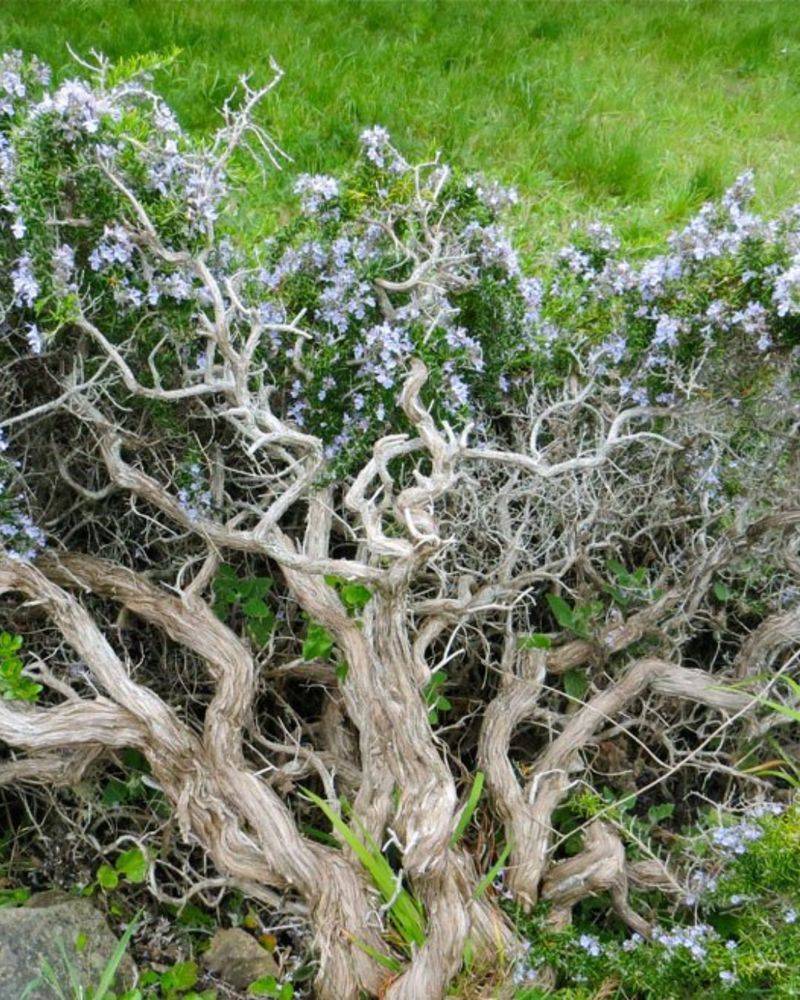
Rosemary might be your favorite herb for cooking, but the large, woody version growing in your Southern California yard is a very different situation. Small, well-trimmed rosemary plants in a kitchen garden carry relatively low risk.
The problem starts when rosemary is left to grow unchecked into a large, sprawling shrub.
As rosemary ages and grows large, the interior becomes packed with old, woody stems that dry out completely during the summer. These woody stems are surprisingly flammable.
The essential oils that make rosemary smell so wonderful are also what make it burn so readily.
In Southern California, where summers are long and dry, large rosemary shrubs can become significant fire hazards right against the walls of homes. Many homeowners do not realize this because rosemary seems like such a harmless, familiar plant.
If you have a big, established rosemary shrub growing close to your house, consider removing it and replacing it with a lower-growing, fire-resistant ground cover. Plants like ice plant or creeping sage are good alternatives for Southern California landscapes.
If you want to keep rosemary, maintain it as a small, regularly pruned shrub and keep it well away from the walls and eaves of your home. Consistent trimming makes a real difference.
7. Pine
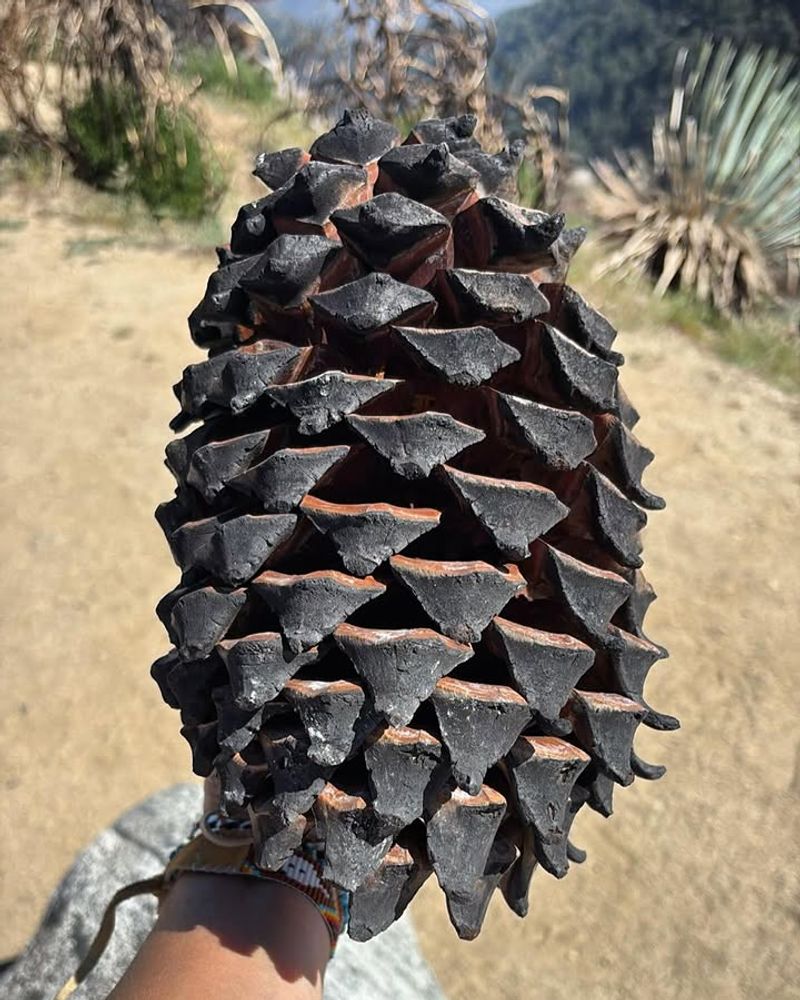
Pine trees are breathtaking, and plenty of Southern California homeowners love having one in the yard. The shade they provide on hot summer days is genuinely wonderful.
But pines come with a fire risk that is hard to ignore, especially when they are planted close to a structure.
The problem starts with pine needles. They fall constantly and pile up on roofs, in gutters, and around the base of the tree.
Dry pine needles are one of the most flammable natural materials you will find in any landscape. They ignite quickly and burn hot.
Pine trees also produce resin, which is extremely flammable. During a wildfire, that resin can cause pine trees to burn intensely and release large amounts of heat.
Embers from burning pine cones can travel significant distances on the wind, starting new fires far from the original source.
If you have a pine tree close to your home in Southern California, regular maintenance is critical. Clean up fallen needles frequently, clear your gutters, and trim lower branches to reduce the fire risk.
For trees within 10 feet of the structure, removal may be the safest option. Replacing a pine with a fire-resistant native oak planted at a safe distance is a smart long-term strategy for Southern California properties.
8. Palm
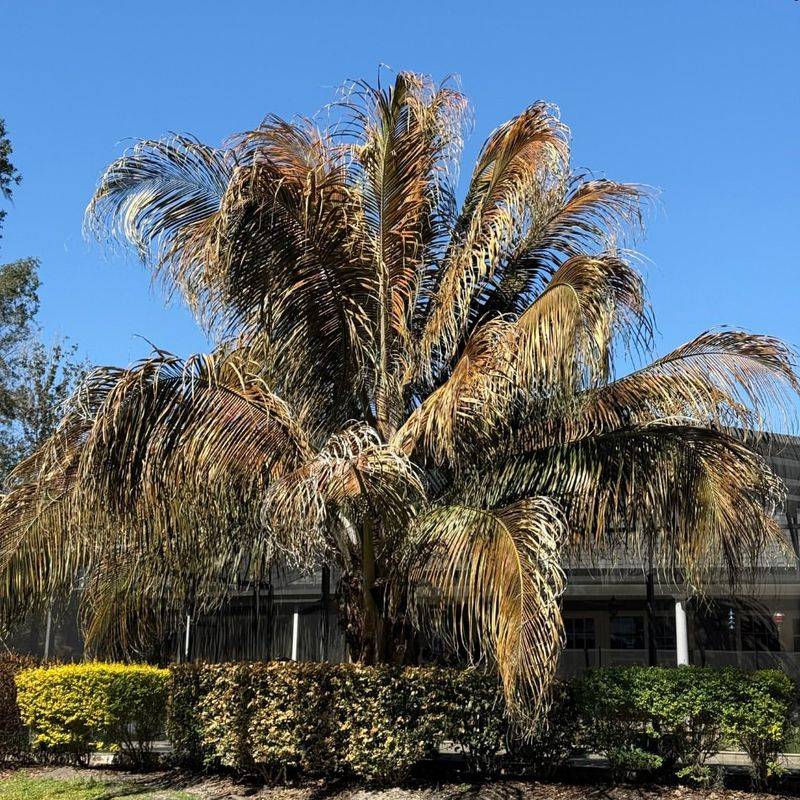
Palm trees are practically the symbol of Southern California. They show up in postcards, movies, and just about every neighborhood from San Diego to Los Angeles.
But those gorgeous trees can become serious fire hazards when their dead fronds are left in place.
As palm fronds age and dry out, they hang against the trunk like a skirt of brown, papery material. This dried material is incredibly flammable.
A single spark or ember can ignite it, and fire travels up the trunk rapidly, turning the whole tree into a flaming torch that can reach 40 or 50 feet in the air.
Burning palm fronds also break off and travel on the wind. This is one of the ways wildfires spread so quickly through Southern California neighborhoods.
A single burning palm can scatter embers onto rooftops, fences, and other plants across a wide area.
Regular skirt removal, which means clearing off the dead fronds, dramatically reduces the risk that palms pose. If a palm is very close to your home and has not been maintained in years, removal might be the right call.
Keeping palms well-trimmed and at a safe distance from your roof and eaves is the key to enjoying them safely in Southern California.
9. Broom
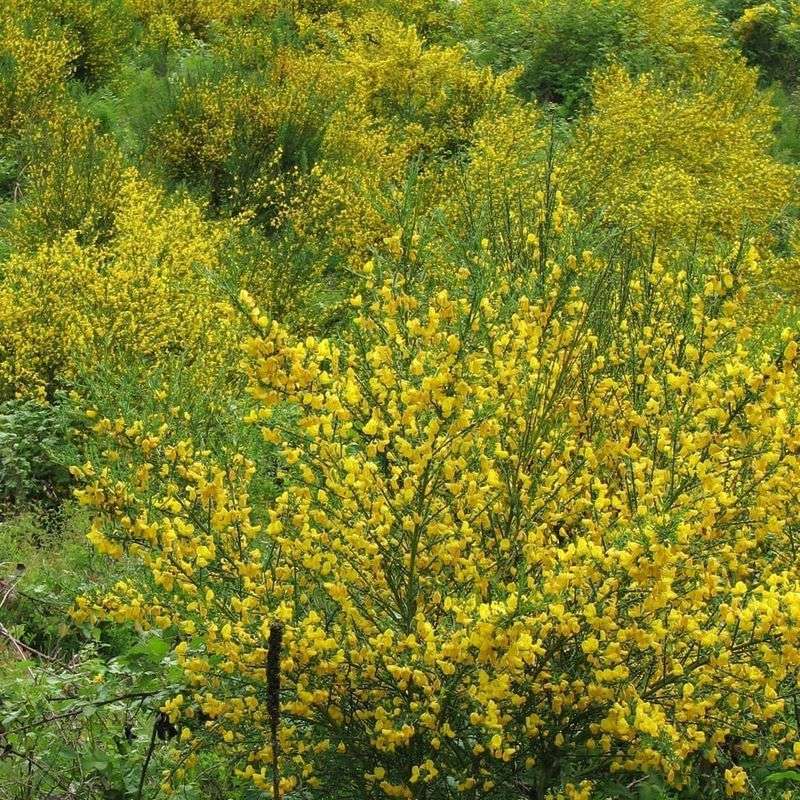
French broom and Scotch broom might look cheerful with their bright yellow flowers in the spring, but these plants are among the most problematic in all of Southern California. They are invasive, fast-spreading, and extremely flammable.
That is a bad combination when you live in fire country.
The stems of broom plants contain waxy oils that make them ignite very easily. They also grow in thick, dense patches that create large, continuous areas of fuel.
On a hillside near a neighborhood, a broom infestation can act like a river of fire during a wildfire event.
Broom spreads aggressively by seed and can take over large areas in just a few years. Once it establishes itself, it is difficult to remove and keeps coming back if not treated properly.
Many areas of Southern California that once had diverse native plant communities are now dominated by broom, which increases regional fire risk significantly.
Removing broom from your property is genuinely one of the most impactful things you can do for fire safety in Southern California. It helps not just your home but your entire neighborhood.
After removal, replanting with native species like black sage or toyon helps prevent broom from returning and restores habitat for local birds and insects at the same time.