These 9 California Plants Keep Blooming Even As May Heat Sets In
May in California can feel like spring and summer are arguing in the driveway. The mornings may still be gentle, but by afternoon, the sun starts acting very confident.
That is when tough, colorful plants earn their keep. The best bloomers do not panic when the weather warms up.
They keep pushing out flowers, feeding pollinators, brightening patios, and making garden beds look cheerful instead of crispy. Some thrive in dry soil, some love coastal mildness, and others can handle inland heat with a little smart watering while they settle in.
For gardeners who want color that does not vanish the second temperatures climb, these heat-ready picks bring serious staying power. May may turn up the thermostat, but your garden does not have to wave a tiny white flag.
1. Cleveland Sage
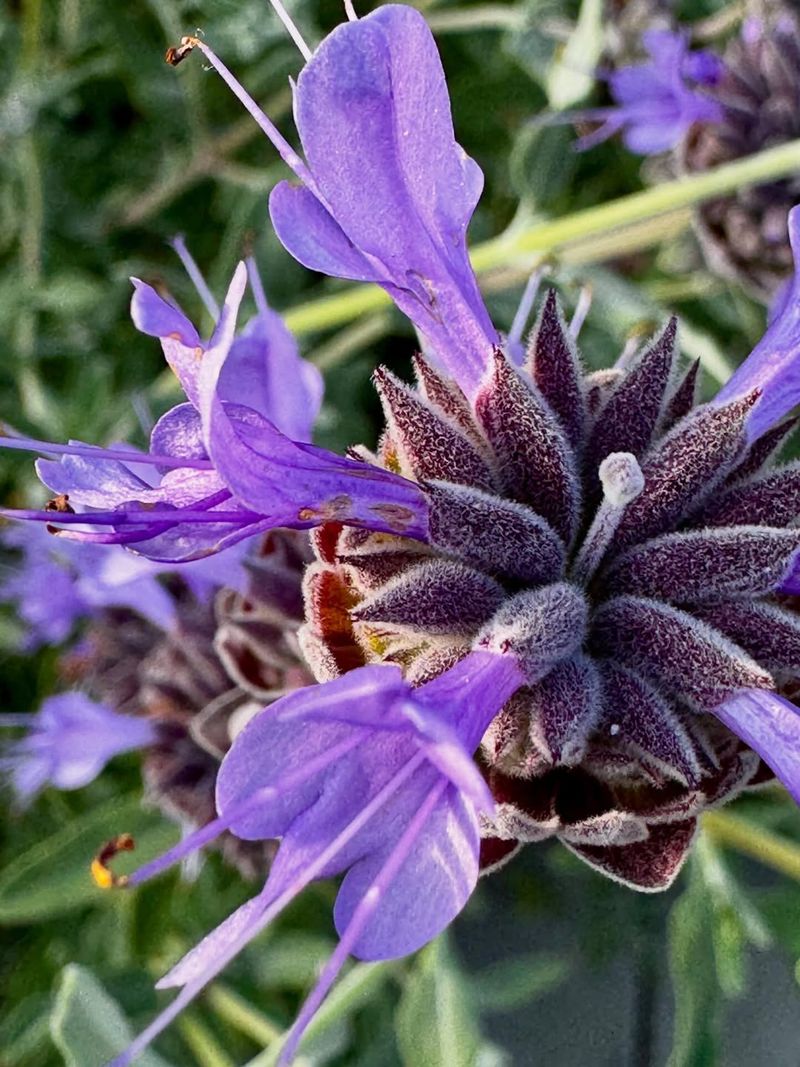
Walk past a Cleveland Sage on a warm California afternoon and you will smell it before you see it. This native shrub is known for its intensely aromatic silver-green leaves and beautiful whorls of purple-blue flowers that bloom from spring right into early summer.
It is a standout in any California garden.
Cleveland Sage is native to Southern California and Baja California. It thrives in dry, rocky slopes and well-drained soil.
Once it gets established, it needs almost no extra watering. That makes it a smart choice for low-water gardens throughout the state.
Pollinators absolutely love it. Bees, butterflies, and hummingbirds flock to the flowers throughout May.
Planting it near a patio or walkway lets you enjoy both the blooms and that incredible fragrance. Prune it lightly after flowering to keep it full and healthy.
It grows best in full sun and handles heat with ease.
2. Lantana
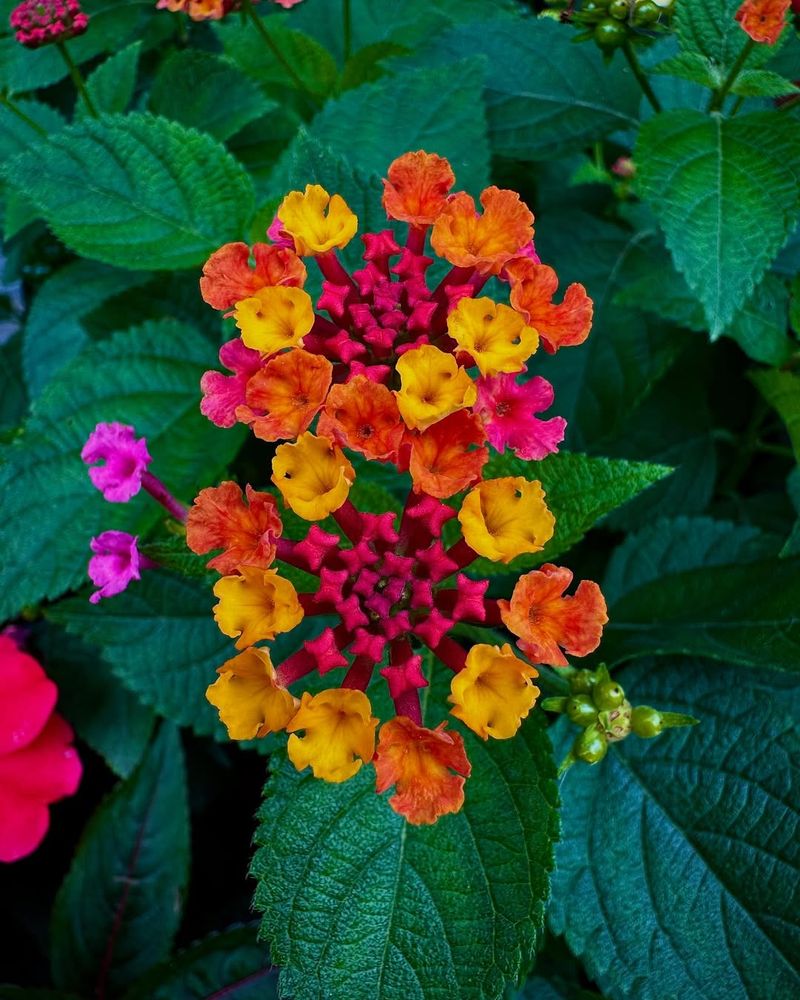
Few plants put on a color show quite like Lantana does when the heat cranks up in May. Its clusters of tiny flowers come in wild combinations of orange, yellow, red, and pink, often all on the same plant.
The more sun it gets, the more it blooms.
Lantana is incredibly tough. It handles the dry, hot conditions found across much of California without missing a beat.
Whether you are in the Central Valley, Southern California, or the Bay Area inland, Lantana tends to thrive when other plants start to struggle. It also handles poor soil well.
Butterflies are drawn to Lantana like a magnet. Planting it along borders or in containers gives your outdoor space a burst of long-lasting color.
Keep in mind that it can spread quickly, so give it a defined space. Trim it back occasionally to encourage fresh new blooms and keep the shape tidy.
It is a low-maintenance winner for warm California gardens.
3. Matilija Poppy
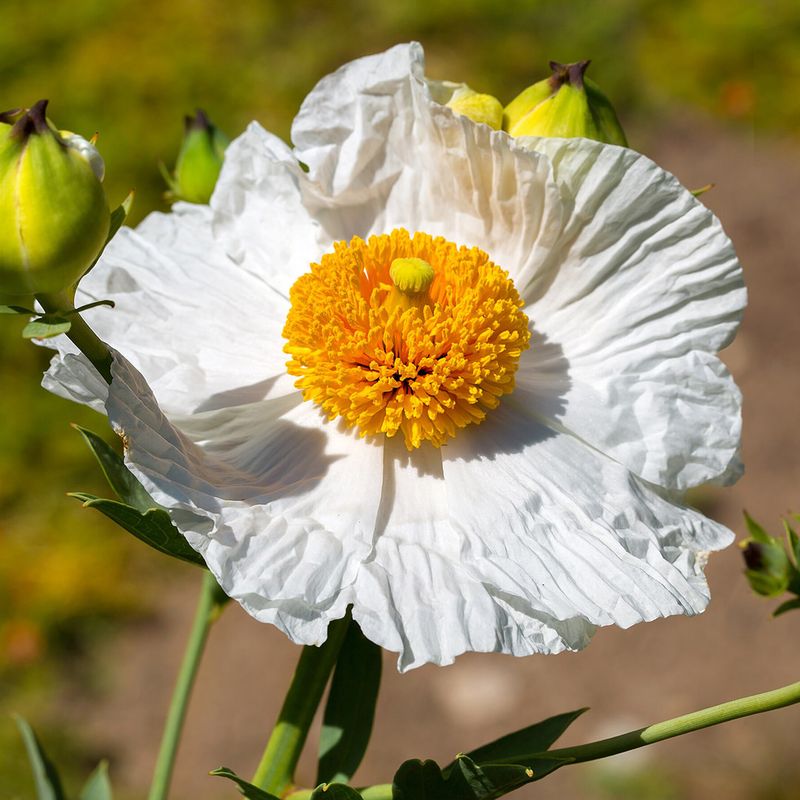
Sometimes called the fried-egg plant, the Matilija Poppy is one of the most dramatic wildflowers you can grow in California. Its enormous white flowers with crinkled petals and bold yellow centers can stretch up to nine inches across.
When it blooms in May, it is genuinely hard to miss.
This plant is native to Southern California and northern Baja California. It is built for heat and drought, growing naturally on dry hillsides and chaparral areas.
Your California Garden Changes Every Week. Your Plan Should Too.
Gardening in California changes quickly throughout the season. Every Friday you’ll receive a simple weekly plan showing exactly what to plant, prune, fertilize, harvest, and protect so you never miss the right timing.
Once established, it spreads by underground runners, so give it plenty of room to roam. It loves full sun and well-drained soil.
Matilija Poppy can grow quite tall, sometimes reaching eight feet or more. That makes it a bold backdrop plant for garden borders or naturalized slopes.
It attracts native bees and adds a wild, natural feel to any California landscape. Cut it back hard after flowering to keep it from getting too woody.
It is a tough, stunning plant that earns its space in any drought-tolerant garden.
4. Island Alum Root
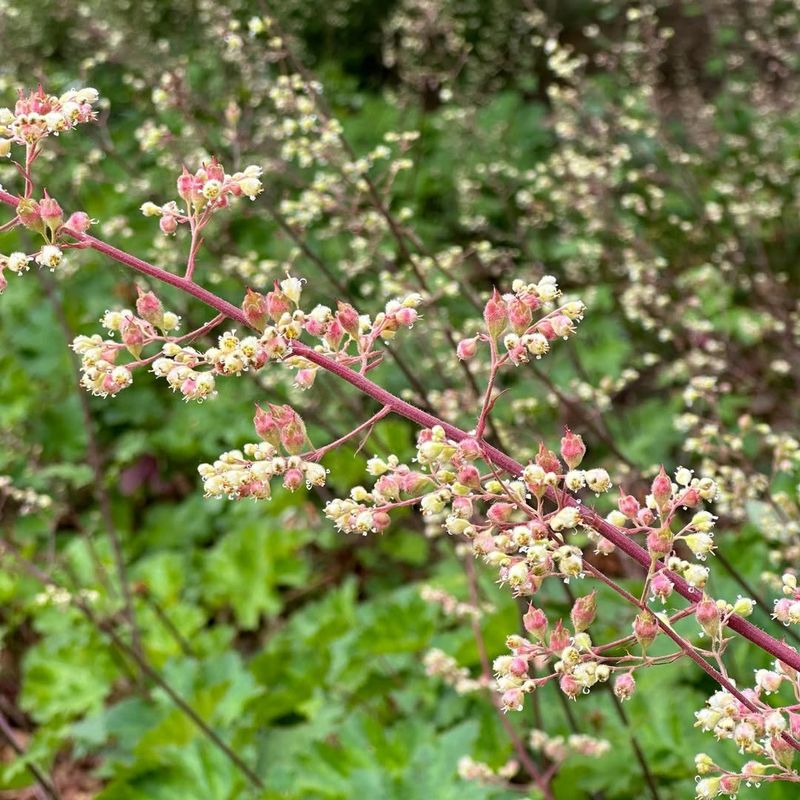
Not every California garden plant needs full blazing sun to keep blooming in May. Island Alum Root is a charming little plant that actually prefers some shade, making it a great option for spots under trees or along shaded walls.
It produces slender, elegant flower stalks tipped with tiny bell-shaped blooms in shades of coral, pink, and red.
Native to the Channel Islands off the Southern California coast, this plant handles dry conditions really well once it settles in. It works beautifully as a ground cover or border plant.
The attractive, lobed leaves stay green through warm months, adding texture even when the plant is not in full bloom.
Hummingbirds are especially fond of Island Alum Root, making it a great addition to any wildlife-friendly garden in California. It pairs nicely with other shade-tolerant natives like coral bells and ferns.
Water it occasionally during dry spells but avoid soggy soil. It is a quieter plant compared to showier bloomers, but its understated charm and reliability through May heat make it a true garden gem worth growing.
5. Desert Marigold
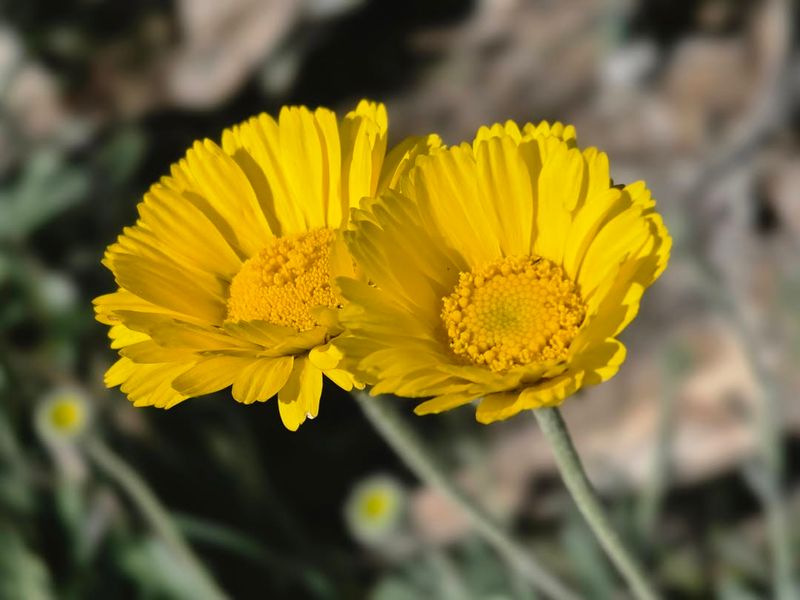
Bright, cheerful, and absolutely fearless in the heat, Desert Marigold is one of those plants that seems to thrive on tough conditions. Its sunny yellow, daisy-like flowers pop against the dry landscape of California’s inland regions and desert areas.
May is actually one of its peak blooming months.
Desert Marigold is native to the Mojave and Sonoran Deserts, which means it is perfectly suited to hot, dry California gardens. It grows in poor, gravelly soil with minimal water once established.
The silvery-gray foliage adds a soft contrast to the vivid yellow blooms, giving it a polished look even in rough conditions.
One cool thing about Desert Marigold is that it often re-blooms in fall after the summer heat fades. That gives your garden two seasons of color from a single plant.
It works well in rock gardens, along dry slopes, or mixed with other drought-tolerant plants. Deadhead spent flowers to encourage more blooms throughout the season.
Full sun is a must, and good drainage keeps it at its best. It is a reliable performer for California’s hottest spots.
6. Seaside Daisy
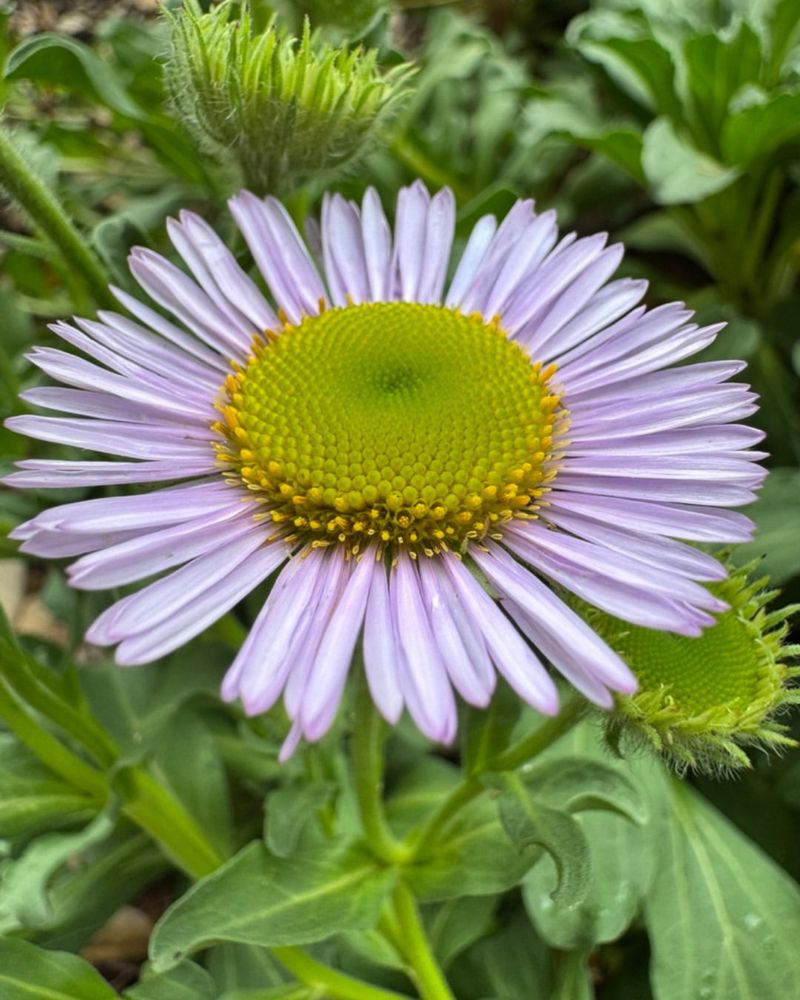
There is something refreshing about a plant that looks delicate but handles tough conditions without any fuss. Seaside Daisy fits that description perfectly.
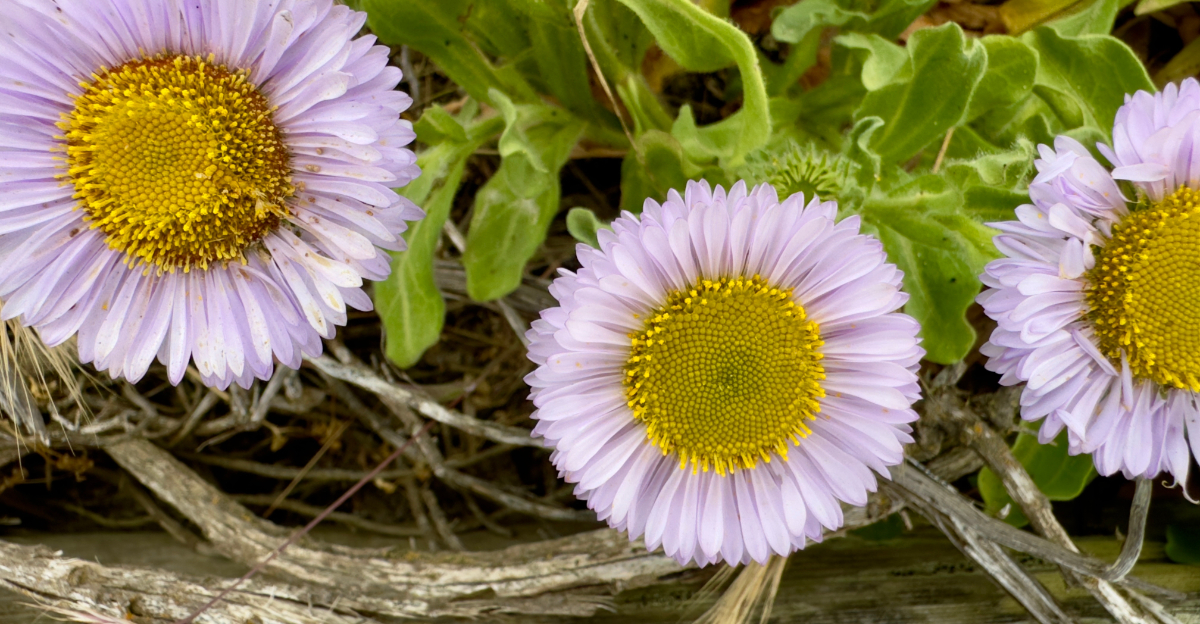
Its cheerful lavender and yellow flowers bloom close to the ground, creating a soft carpet of color that brightens gardens along the California coast and beyond.
Native to coastal areas of California and Oregon, Seaside Daisy handles salt air, wind, and dry conditions like a champ. It is a popular ground cover for slopes, borders, and garden edges.
The low-growing habit helps it spread gently to fill in bare spots without taking over the whole garden.
Blooming from spring through summer, it keeps going strong even as May heat settles in. It grows best in full sun to light shade and needs very little water once established.
Trimming it back after the first big flush of flowers encourages a fresh round of blooms. Seaside Daisy is also a favorite with native bees and small butterflies.
If you want easy, low-maintenance color that works in coastal California gardens, this little plant is a fantastic choice worth adding to your yard.
7. Sticky Monkeyflower
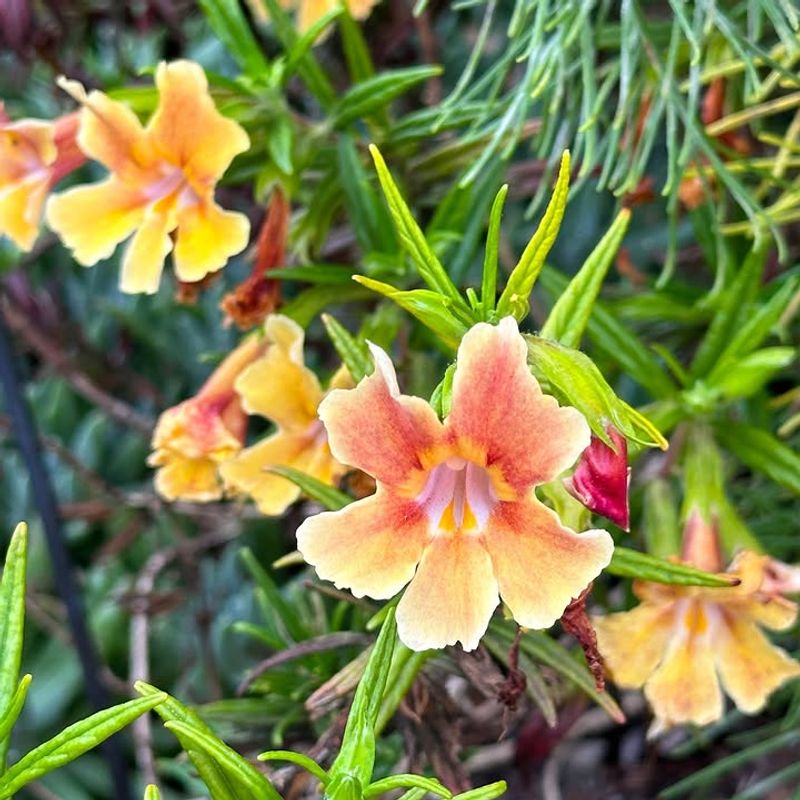
The name alone makes you want to know more. Sticky Monkeyflower is a native California shrub that earns its nickname from the slightly sticky texture of its leaves.
But what really grabs attention are its vibrant, tubular flowers in shades of orange, yellow, and red that bloom heavily through May and beyond.
Found naturally on dry slopes, roadsides, and chaparral throughout California, this plant is built for heat and drought. It grows into a rounded shrub with a relaxed, natural shape.
Once established, it needs very little supplemental watering, making it a smart pick for water-conscious gardeners across the state.
Hummingbirds absolutely cannot resist Sticky Monkeyflower. The tubular blooms are shaped perfectly for them, and watching hummingbirds work through the flowers is one of the simple pleasures of a California garden.
Plant it on slopes for erosion control or use it as a colorful filler in a mixed native garden bed. Cut it back after blooming to encourage healthy new growth.
It is a tough, wildlife-friendly plant that delivers real color through the warming weeks of May with almost no effort required from you.
8. Sulfur Buckwheat
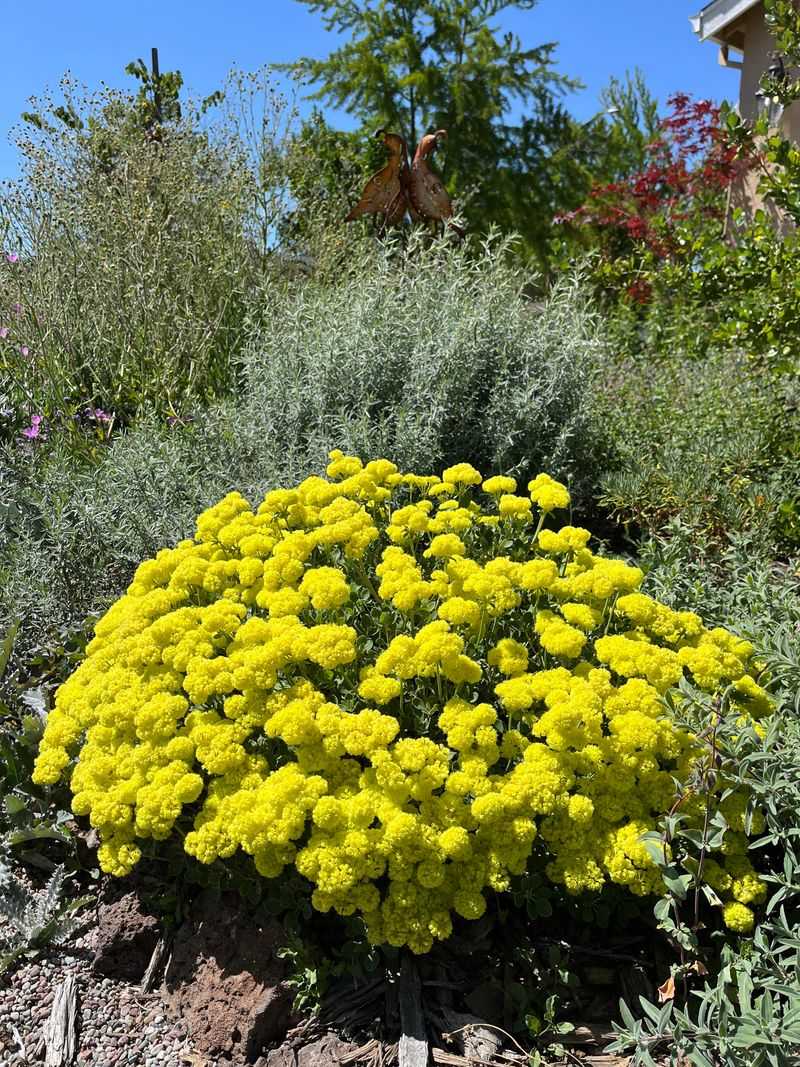
Bright yellow flower clusters that seem to glow in the California sun, Sulfur Buckwheat is one of those native plants that deserves far more attention than it usually gets. It forms low, spreading mounds covered in cheerful blooms from late spring into summer, putting on a reliable show right through the heat of May.
Native to dry, rocky slopes and open hillsides throughout California, this plant is completely at home in tough conditions. It thrives in sandy or gravelly, well-drained soil and full sun.
Once it is established, it is extremely drought tolerant, needing little to no extra watering during dry spells.
What makes Sulfur Buckwheat especially valuable is how much wildlife it supports. Native bees, butterflies, and other pollinators flock to the flowers throughout the blooming season.
The dried flower heads also add interesting texture to the garden after blooming fades. It works beautifully in rock gardens, on slopes, or in naturalized areas.
Pair it with other California natives like Cleveland Sage or California Poppy for a low-water garden that looks stunning in May and beyond. It is a quietly spectacular plant that rewards minimal care with maximum charm.
9. California Poppy
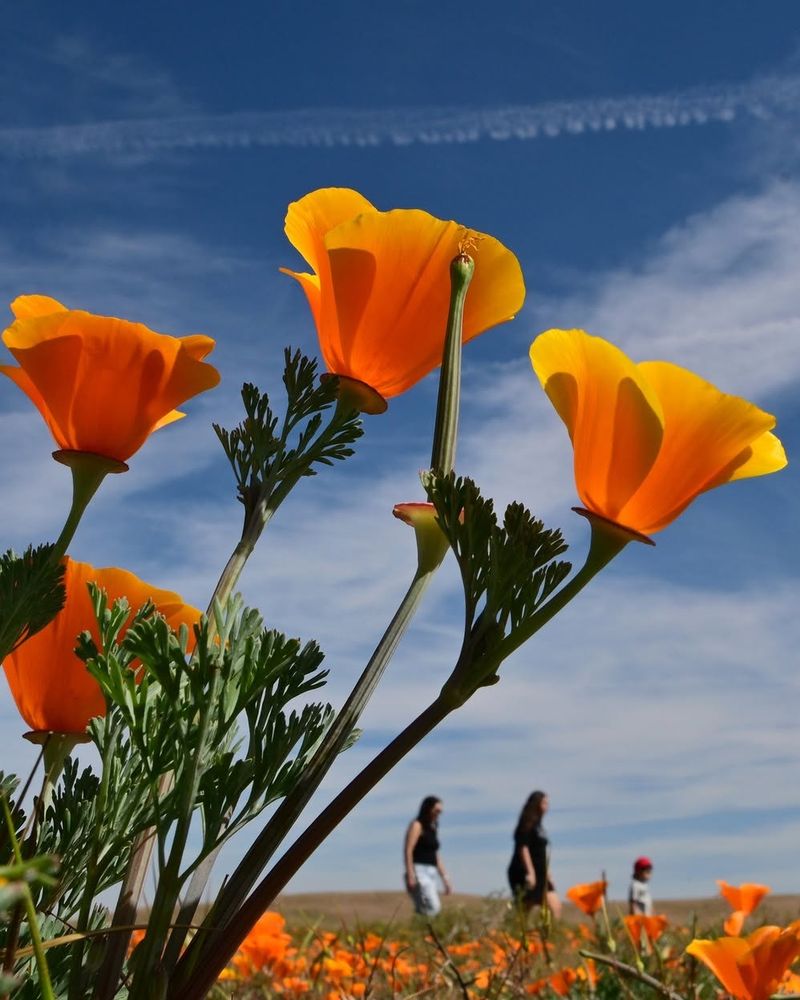
No list of California bloomers would be complete without the California Poppy. It is the state flower for good reason.
Those silky, cup-shaped blooms in shades of golden orange practically define spring and early summer in California. And the good news is they keep going strong even as May heat builds up.
California Poppies are incredibly easy to grow. Scatter seeds in a sunny spot with well-drained soil and let nature do the rest.
They self-seed freely, which means once you plant them, they tend to come back year after year without much help from you. They are a perfect fit for low-water gardens across the entire state.
One fun fact: California Poppies close their flowers at night and on cloudy days, opening back up when the sun returns. It is one of those little quirks that makes them fun to observe.
They grow well in poor soil and actually prefer not to be over-watered or over-fertilized. Too much care can actually reduce blooming.
Plant them in masses for the best effect, and enjoy the way they catch the light on a warm California afternoon. They are pure sunshine in plant form.