This Is The Biggest Watering Mistake South Florida Gardeners Make In Spring
Spring puts South Florida gardeners in a dangerous mood. The weather feels mild, plants start pushing new growth, and the yard suddenly looks ready for more attention.
That is when one watering mistake shows up again and again, quietly setting plants up for trouble before the hottest months even arrive. It seems harmless at first.
In some cases, it even feels like the responsible thing to do. Then the stress starts building below the surface while everything still looks fine from above.
That is what makes this mistake so easy to miss. By the time plants start showing clear signs of trouble, the real problem has often been in motion for weeks.
More water does not always mean more health, especially in a South Florida spring where conditions can shift fast and habits from cooler months do not always hold up. A strong garden going into summer depends on more than good intentions.
It depends on getting this one habit right before spring growth turns into spring damage.
1. Spring Heat Triggers Watering Too Early
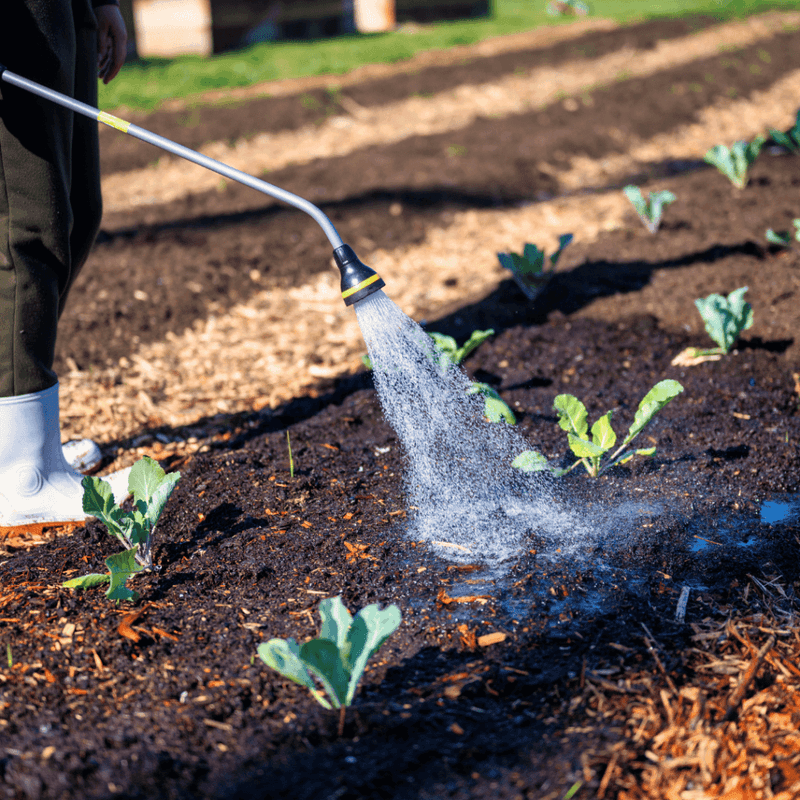
The moment temperatures climb in South Florida, something almost automatic kicks in for a lot of gardeners. The instinct says it is hot, so the plants must need water.
But rising spring heat does not automatically mean your soil has dried out or that your plants are thirsty.
Soil moisture can linger longer than you expect, especially if recent rainfall has done some of the work for you. According to UF/IFAS, many gardeners in Florida begin increasing irrigation too early in the season, before plants have actually signaled a need for extra water.
Checking the soil first is always the smarter move.
Sandy soils common in South Florida do drain quickly, but that does not mean they are always bone dry just because the air feels warm. Push a finger two to three inches into the soil near your plants.
If it still feels damp, hold off on watering.
Reacting to temperature alone instead of actual soil conditions is one of the easiest ways to overwater without realizing it. Plants stressed by too much water early in spring often struggle more as the season gets hotter, not less.
Train yourself to observe before you irrigate.
2. Too Much Water Stresses Plants Fast
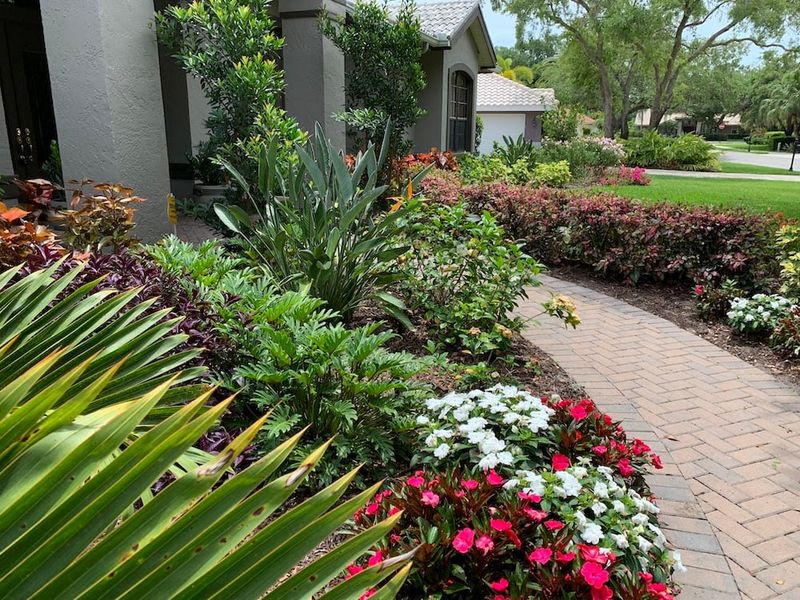
Overwatering is not just wasteful. It can genuinely stress your plants in ways that look confusingly similar to drought stress, which makes the problem easy to misread and accidentally worse.
When soil stays saturated for too long, oxygen gets pushed out of the root zone. Roots need air just as much as they need water, and without it they begin to struggle and break down.
This is sometimes called root suffocation, and it happens more often in South Florida gardens than most people realize.
The tricky part is that overwatered plants often look like they need more water. Leaves may turn yellow, wilt in the afternoon heat, or drop off entirely.
Gardeners who see those signs and respond by watering more are making the original problem significantly worse.
Your Florida Garden Changes Every Week. Your Plan Should Too.
Gardening in Florida changes quickly throughout the season. Every Friday you’ll receive a simple weekly plan showing exactly what to plant, prune, fertilize, harvest, and protect so you never miss the right timing.
UF/IFAS extension guidance consistently points out that overwatering is one of the most common causes of plant decline in Florida landscapes. Soggy soil also creates ideal conditions for fungal root diseases that can spread quickly in warm, humid spring weather.
Before adding more water to a struggling plant, check the soil. If it feels wet or cool more than two inches down, excess moisture may already be the source of the stress you are seeing.
3. Shallow Watering Keeps Roots Weak
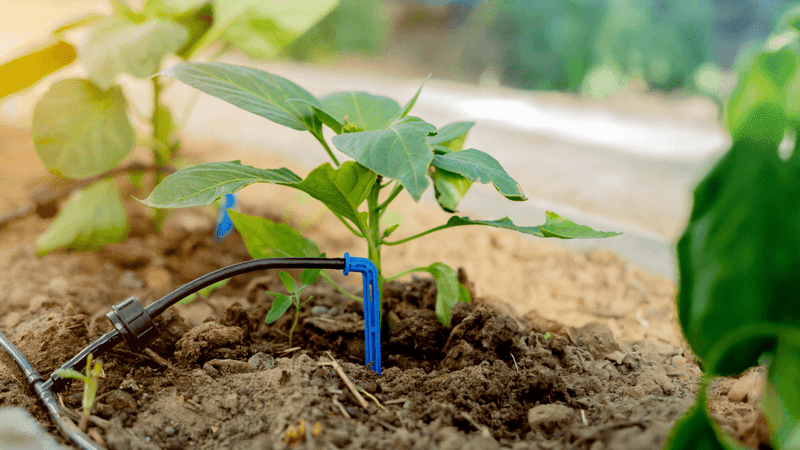
A lot of gardeners water a little every day thinking they are being attentive and careful. In reality, frequent light watering is one of the habits that quietly weakens plants over time, especially in South Florida’s sandy, fast-draining soils.
Shallow watering only moistens the top inch or two of soil. Roots follow the moisture, so they stay near the surface instead of growing deeper.
That sounds harmless until summer heat and dry spells arrive, and those surface roots have nowhere to go for water or stability.
Deep, infrequent watering encourages roots to push down further into the soil profile. According to south-florida-plant-guide.com and UF/IFAS guidance, watering deeply and then allowing the soil surface to dry before the next session builds a stronger, more resilient root system.
Plants with deeper roots handle heat stress, brief droughts, and wind much more effectively.
For most South Florida landscape plants during the cooler dry season, watering once or twice a week with enough volume to penetrate several inches is far more beneficial than a quick daily sprinkle. The goal is to encourage roots to work for their water rather than waiting for it at the surface.
Changing this one habit alone can noticeably improve how your plants hold up through a South Florida spring.
4. South Florida Soil Changes Everything
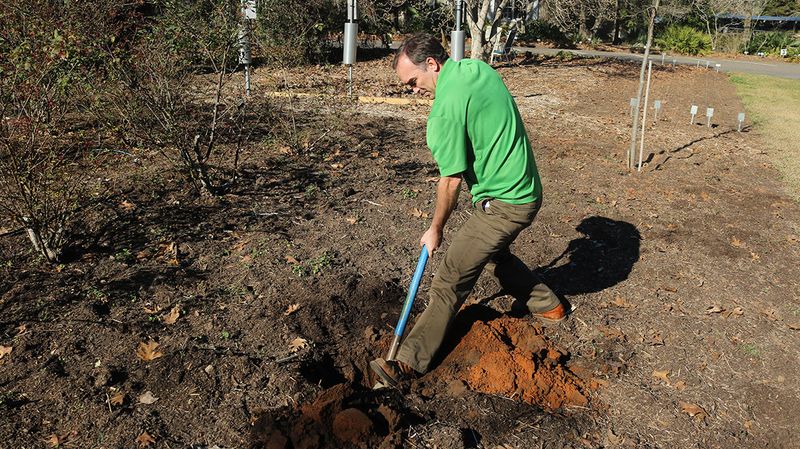
Not all soil behaves the same way, and in South Florida that point matters more than almost anywhere else. Sandy soil, which covers much of the region, drains extremely fast.
Water moves through it quickly, which means plants in sandy ground may genuinely need water more often than plants grown in amended or clay-heavy soils elsewhere.
But amended beds, raised planters, and containers hold moisture very differently from straight sandy ground. A gardener who waters everything on the same schedule is almost certainly overwatering some areas while possibly underwatering others.
Containers dry out faster than in-ground beds because they have limited soil volume and often sit in full sun. However, containers with poor drainage or saucers that collect water can stay too wet for too long, especially if spring rains add to the moisture.
Checking each growing situation individually makes a real difference.
UF/IFAS recommends evaluating watering needs based on plant type, soil type, sun exposure, and recent weather rather than applying one blanket schedule. South Florida’s variety of microclimates, from coastal areas to inland neighborhoods, adds another layer of variability that a fixed routine simply cannot account for.
Getting familiar with how your specific soil drains and holds water is one of the most practical steps you can take toward smarter spring irrigation.
5. Rain Can Ruin A Watering Routine
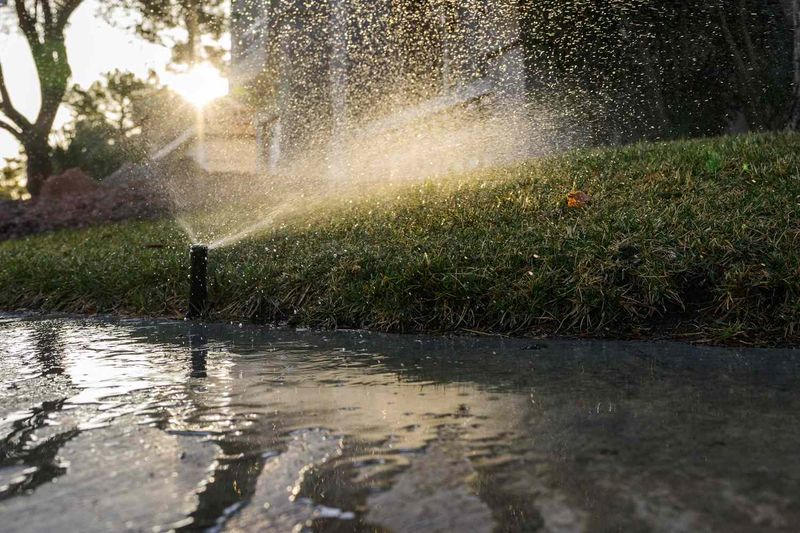
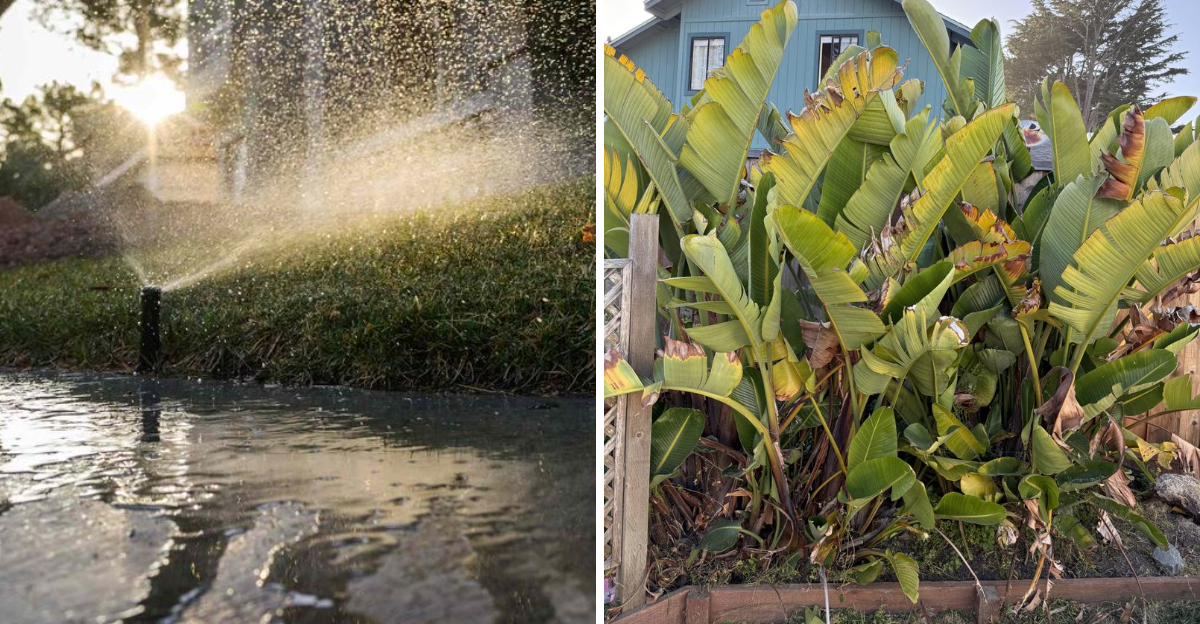
South Florida spring weather is unpredictable in the best way for plants and the worst way for fixed irrigation schedules. A week of dry, sunny days can shift suddenly into several days of afternoon showers, and if your irrigation timer does not know that, your garden will get soaked whether it needs it or not.
Running sprinklers right after a solid rain event is one of the most common and preventable watering mistakes in the region. The soil is already saturated, the plants already have what they need, and adding more water on top of that creates exactly the kind of soggy, oxygen-poor root zone that stresses plants and invites disease.
A rain sensor or smart irrigation controller can solve this problem automatically. UF/IFAS strongly recommends installing rain shut-off devices on all automatic irrigation systems in Florida, and state law actually requires them on new systems.
They are inexpensive and easy to add to existing setups.
Even without a sensor, simply stepping outside and checking conditions before your scheduled watering day is enough to avoid the problem most of the time. South Florida gardeners who stay flexible with their irrigation timing rather than locking into a rigid schedule consistently see healthier plants and lower water bills through the spring season.
6. Overwatering Often Hides In Plain Sight
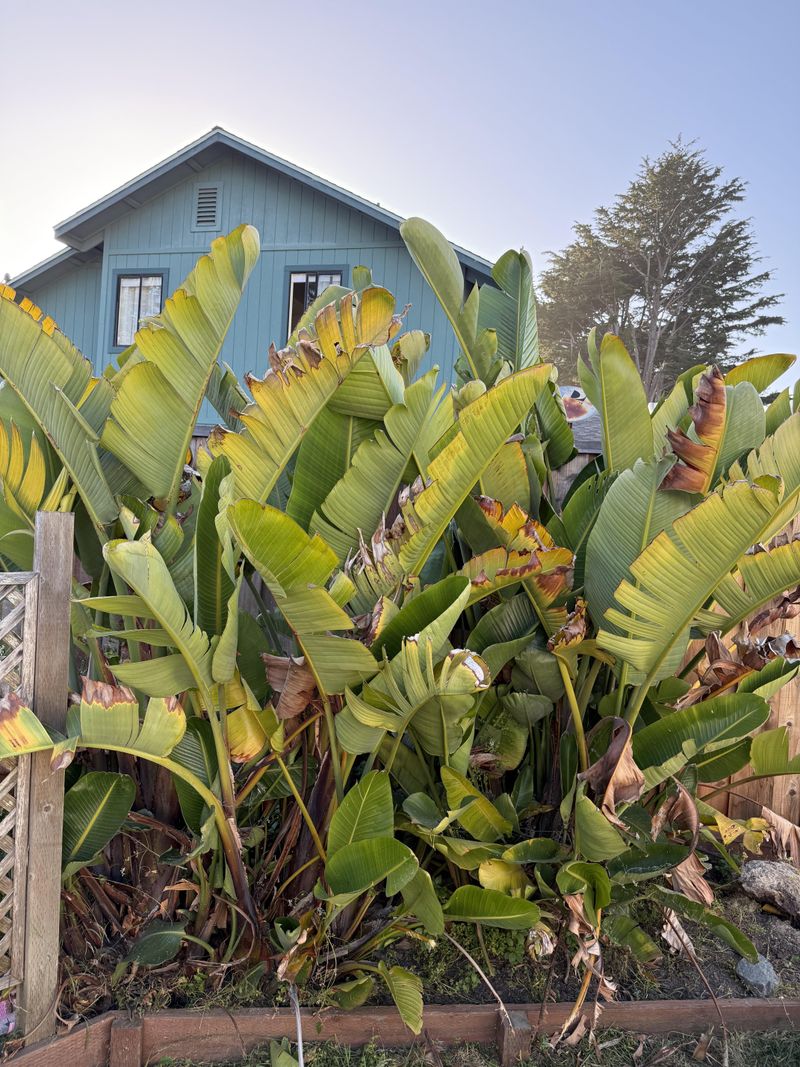
Yellow leaves, drooping stems, and a general look of decline are the kinds of signals that make most gardeners want to help their plants immediately. The natural response is to water more.
But those same symptoms are almost identical whether a plant is too dry or too wet, and guessing wrong makes things worse fast.
Overwatering symptoms are sneaky because they do not look like what most people picture when they think of water damage. There is no visible flood, no standing water in most cases, just a plant that looks sad and tired for reasons that seem mysterious.
Root damage from prolonged moisture prevents plants from absorbing nutrients efficiently, which is why overwatered plants often show signs that resemble nutrient deficiency. Pale or yellowing foliage, soft stems near the base, and a slightly musty smell from the soil are clues worth paying attention to before reaching for the hose.
According to UF/IFAS extension resources, gardeners in Florida frequently misdiagnose overwatering as heat stress or drought, particularly in spring when temperatures are rising. The fix is not always more water.
Sometimes the most helpful thing you can do is simply stop watering and let the soil dry out for several days.
Learning to read the actual root zone rather than just the leaves is a skill that pays off all season long.
7. Established Plants Need Less Than You Think
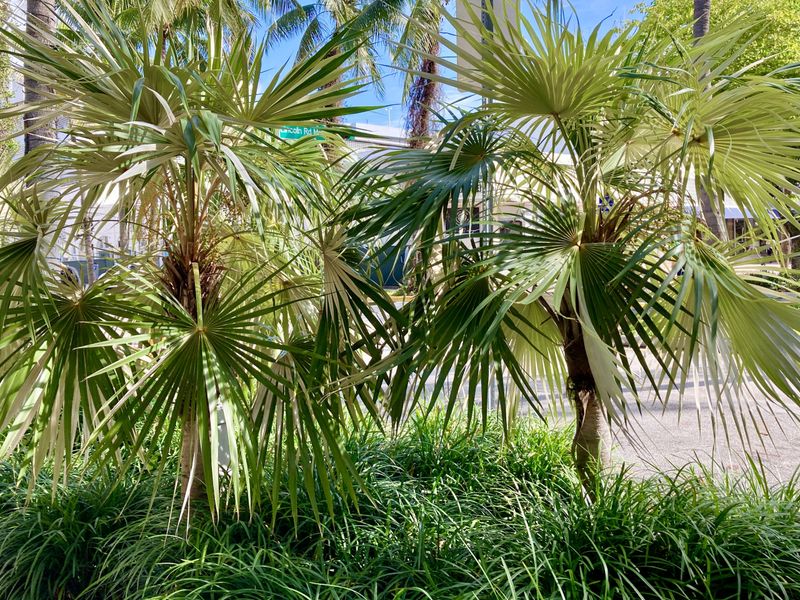
There is a common assumption in gardening that more care always equals better results. For established plants in South Florida, that logic often backfires, especially with watering.
Once a plant has been in the ground for a full growing season or longer, its root system has had time to spread and deepen. Established palms, flowering shrubs, native plants, and many tropical species in South Florida are surprisingly capable of finding their own moisture once they are settled in, particularly if spring rainfall is contributing to soil moisture levels.
Gardeners who continue watering established plants on the same schedule used when those plants were newly installed are often giving them far more water than needed. The result can be shallow root dependency, where roots stop exploring deeper because moisture is always available at the surface, and increased vulnerability to fungal issues that thrive in consistently wet soil.
UF/IFAS notes that mature landscape plants in Florida frequently require significantly less supplemental irrigation than new plantings, especially during periods with regular rainfall. Pulling back on irrigation for established plants is not neglect.
It is actually the kind of hands-off confidence that lets a mature garden show what it can do.
Newer plants still need regular attention and consistent moisture to get established, but those that have been in the ground for a season or more often do best with less intervention.
8. Check First, Water Second
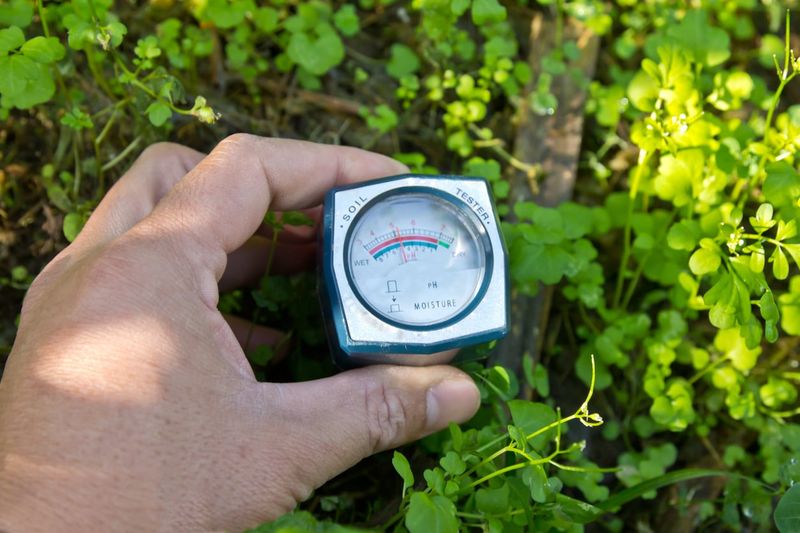
The simplest upgrade any South Florida gardener can make this spring costs nothing and takes about thirty seconds. Before turning on the hose or letting the irrigation timer run, check the soil, look at the plant, think about recent rainfall, and consider what kind of plant you are dealing with.
Pushing a finger two to three inches into the soil tells you more than the weather forecast ever will. If the soil feels moist at that depth, your plants almost certainly do not need water yet.
If it feels dry and crumbly, that is your cue to water deeply and thoroughly.
Looking at the plant itself also helps. Healthy color, firm stems, and upright leaves usually mean things are fine.
Dull color or slight limpness in the early morning, before the heat of the day sets in, can be a real signal worth acting on.
Factoring in recent weather is equally useful. If South Florida got a solid inch of rain two days ago, most established plants are probably still working through that moisture.
Watering on top of natural rainfall is one of the most common and avoidable mistakes of the spring season.
Smart watering is not complicated. Observe first, then decide.
That one habit shift can keep your garden healthier, your water bill lower, and your plants far more resilient through everything South Florida spring throws their way.