8 Great Places To Grow Easter Cactus In California Indoors Or Out
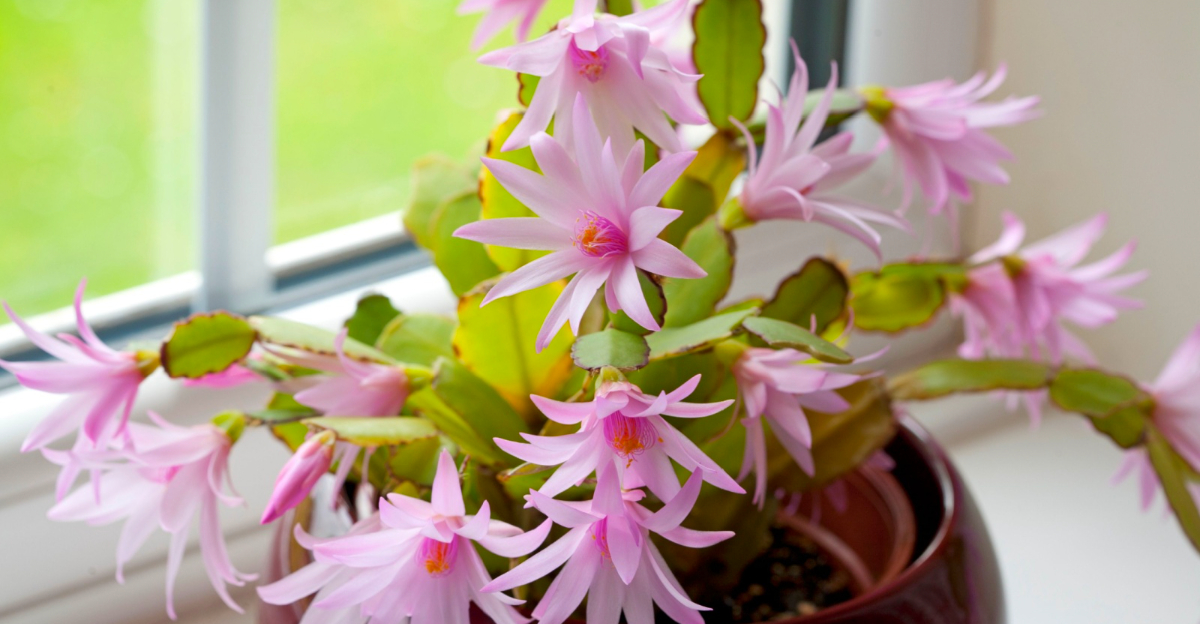
Easter cactus is the kind of plant that really comes alive when you place it in the right spot.
Unlike desert cacti that soak up harsh sun, this tropical beauty comes from the rainforests of Brazil and prefers softer light, milder temperatures, and a little extra humidity.
That might sound tricky at first, but California actually offers more good growing spots than many gardeners expect.
From cool, foggy coastal neighborhoods to warmer inland homes with bright filtered light, there are plenty of places where Easter cactus can thrive.
Whether you are working with a sunny apartment in Los Angeles or a shaded patio in San Francisco, success comes down to finding that sweet spot where light, moisture, and comfort all come together.
1. Bright Windowsills With Filtered Light
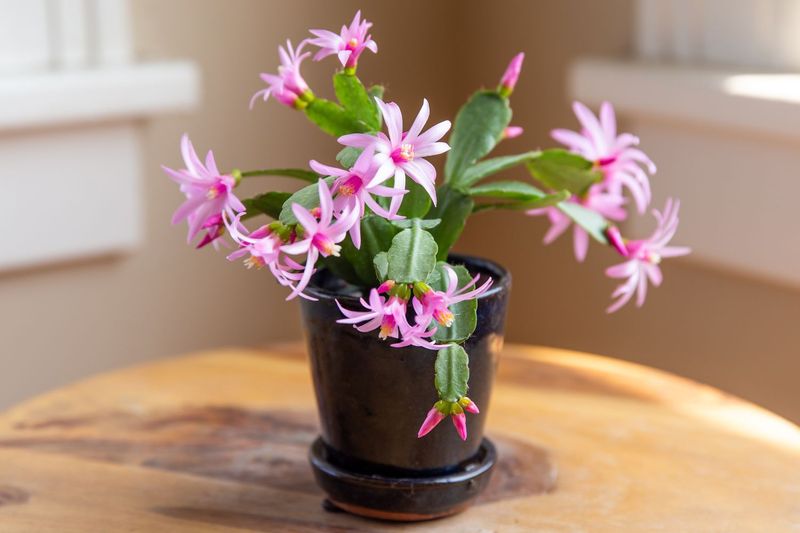
Soft, glowing light from a windowsill can be the sweet spot this plant has been waiting for. Easter cactus thrives in bright but indirect light, and a windowsill fitted with a sheer curtain does exactly that job well.
The curtain softens the sun’s intensity while still letting in plenty of brightness to support healthy stem growth and flowering.
East-facing windows are a popular choice because they catch the cooler morning sun rather than the harsh afternoon rays.
In California’s sunnier inland cities like Fresno or Sacramento, that afternoon light can be especially intense, so filtering it becomes even more useful.
A sheer panel or frosted window film can make a big difference for plants sitting close to the glass.
Coastal California homes, especially those in San Francisco or Santa Cruz, often have naturally diffused light due to marine layer clouds, which can actually work in your favor.
On those foggy mornings, the windowsill still gathers enough ambient brightness to keep your Easter cactus content.
Rotate the pot every few weeks so all sides of the plant receive even light exposure. Watch the stems for any sign of bleaching or wrinkling, which usually signals the light is too strong or the air is too dry.
Adjusting the curtain thickness or moving the pot a few inches back can resolve most light-related issues quickly.
2. Covered Patios With Morning Sun
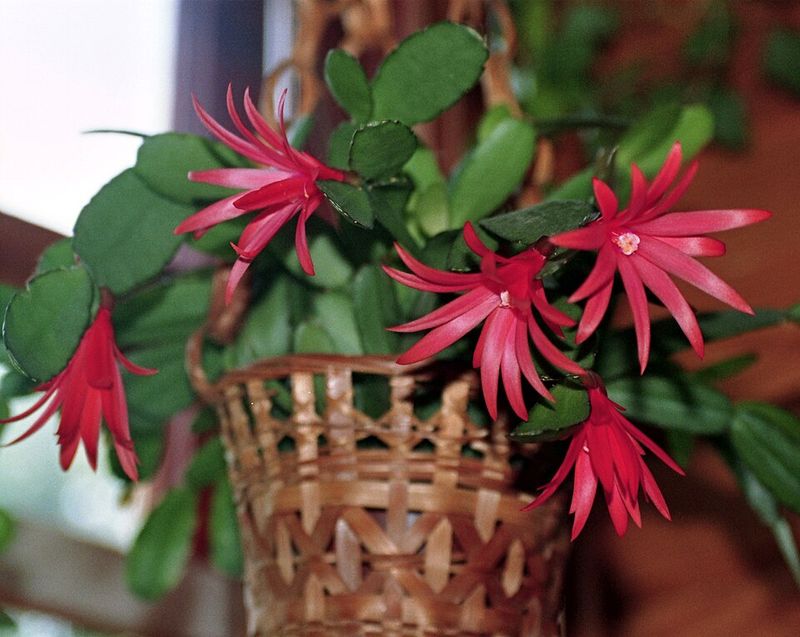
There is something genuinely satisfying about stepping onto a covered patio in the morning and seeing your Easter cactus catching just the right amount of early sun.
Covered patios offer a sheltered microclimate that protects the plant from direct midday heat while still allowing gentle morning light to filter through.
That combination is close to what this plant experiences in its native Brazilian forest canopy.
Morning sun is softer and cooler than afternoon sun, which makes it much safer for Easter cactus stems.
In Southern California, where afternoons can push temperatures well above 80 degrees, a covered patio facing east gives the plant its dose of light before conditions become too harsh.
The overhead structure also shields the plant from unexpected rain or wind events that could stress it out.
In coastal areas like San Diego or Ventura, covered patios are especially useful because the natural humidity from the ocean air keeps the plant from drying out too quickly.
Your California Garden Changes Every Week. Your Plan Should Too.
Gardening in California changes quickly throughout the season. Every Friday you’ll receive a simple weekly plan showing exactly what to plant, prune, fertilize, harvest, and protect so you never miss the right timing.
Inland gardeners in areas like Riverside or the Inland Empire should keep an eye on afternoon heat that might sneak around the edges of the patio cover.
Moving the pot slightly further under the roof during summer heat waves is a simple way to protect it. Hanging baskets work beautifully in this setting and allow the stems to trail naturally as they would in the wild.
3. Shaded Balconies That Stay Cool
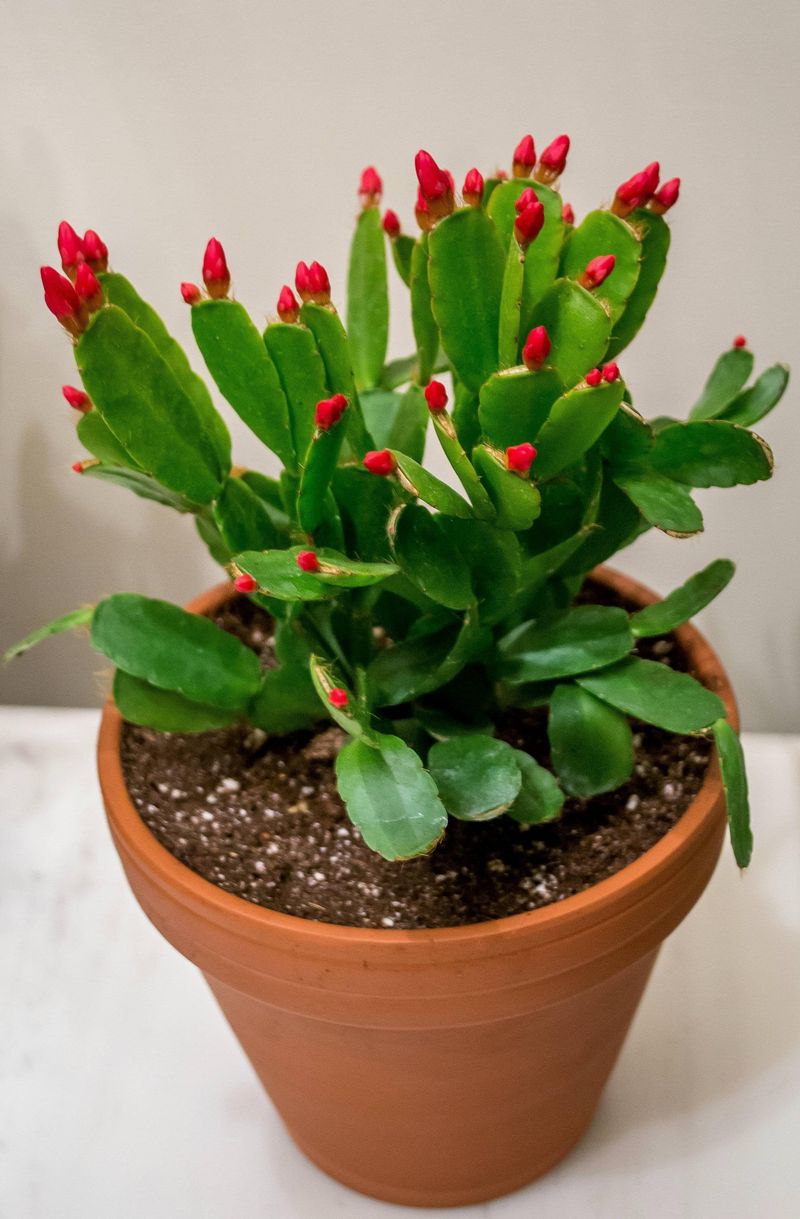
Apartment living in California does not have to mean giving up on beautiful plants, and a shaded balcony can be one of the most surprisingly good homes for an Easter cactus.
Shaded balconies that face north or are blocked by a building or awning tend to stay cooler throughout the day, which suits this tropical plant well.
It prefers temperatures that stay between 60 and 70 degrees Fahrenheit, and a cool, shaded balcony often hits that range naturally.
The key on a balcony is managing airflow. Easter cactus appreciates gentle air circulation, but strong, dry winds can pull moisture from the stems quickly.
If your balcony gets frequent breezes, placing the pot near a wall or using a windbreak like a small trellis or plant screen can help maintain a more stable environment.
Urban balconies in cities like Los Angeles or Oakland sometimes trap heat from surrounding concrete and buildings, so monitoring temperature during summer afternoons is worthwhile.
A simple outdoor thermometer placed near the plant can help you catch heat spikes before they cause damage.
Coastal balconies in cities like Half Moon Bay or Carmel naturally stay cooler and often have enough ambient humidity to reduce watering frequency.
Choose a well-draining pot with drainage holes and use a light, airy potting mix to prevent root rot in this lower-light, cooler setting.
4. Near Glass Doors With Soft Natural Light
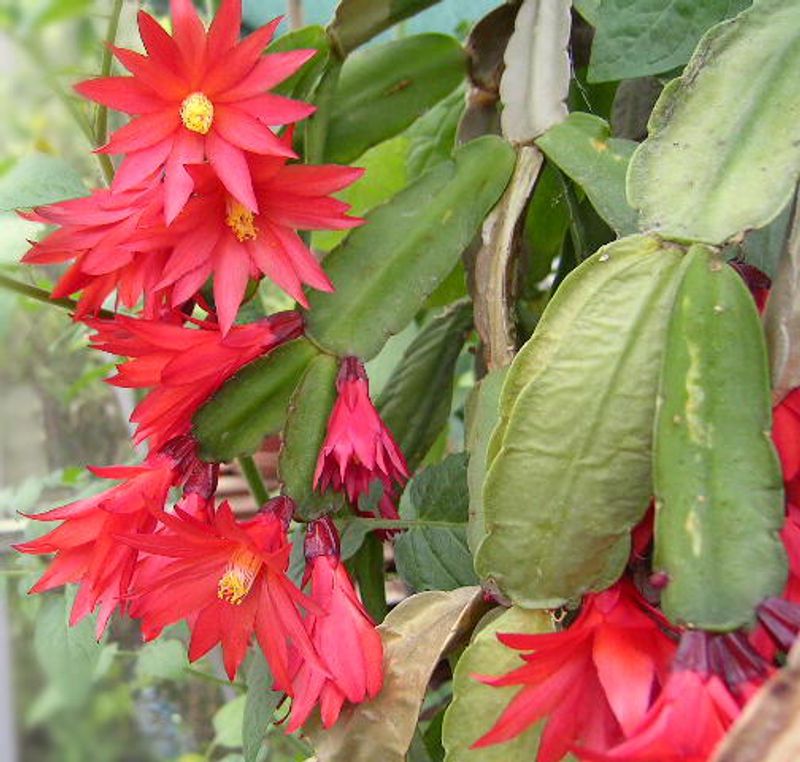
Glass doors are often overlooked as plant spots, but they can offer some of the most consistent and gentle natural light in a California home.
Sliding glass doors that face east or south typically allow a wide spread of soft light throughout the day, especially when paired with a sheer panel or light-filtering blind.
Easter cactus responds well to this kind of steady, indirect brightness.
One advantage of placing your plant near a glass door is the temperature stability. Unlike windows that might have drafts or cold spots in winter, glass doors often have better sealing and tend to maintain a more consistent temperature nearby.
That matters because Easter cactus does not enjoy sudden temperature swings, which can interrupt its blooming cycle.
In California’s warmer inland regions, glass doors can sometimes intensify heat during summer afternoons, so it is smart to use a sheer curtain or move the plant slightly back from the glass when temperatures climb.
In milder coastal areas, a glass door location can work year-round with minimal adjustment.
Another benefit of this spot is that it keeps the plant visible and accessible, making it easier to check soil moisture and spot any early signs of pests or stress.
Grouping it with other tropical houseplants near the door can also help raise local humidity through collective transpiration, which benefits the whole group.
5. Under Trees With Light Dappled Shade
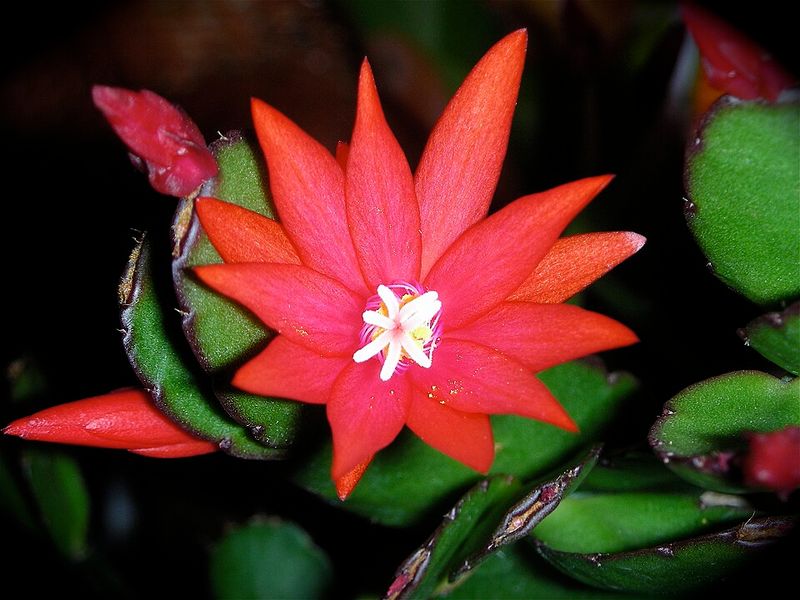
Tucking an Easter cactus under a tree in your California backyard can replicate the kind of environment it evolved in, growing among the branches of South American forest trees where light filters through layers of leaves.
Dappled shade is not complete darkness; it is a shifting, gentle mix of light and shadow that changes throughout the day.
That dynamic light pattern works well for this plant as long as it is not getting hit by direct sun for extended stretches.
Fruit trees, oaks, and large ornamental trees found commonly across California gardens can all provide this kind of protective canopy. The key is choosing a tree that creates partial shade rather than dense, heavy shade.
Avocado trees, for example, common in Southern California yards, create a layered canopy that lets in scattered light while keeping temperatures underneath noticeably cooler.
Soil moisture management becomes especially important in this outdoor setting. Tree roots compete for water, and the ground under a tree can dry out faster than you might expect.
Checking the pot’s moisture level every few days during warm months helps prevent the plant from drying out. In Northern California’s wetter winters, make sure the pot has good drainage so roots do not sit in soggy soil.
Bringing the pot indoors when nighttime temperatures dip below 50 degrees Fahrenheit protects it from cold damage that outdoor placement can sometimes bring.
6. Bathrooms With Bright Indirect Light And Humidity
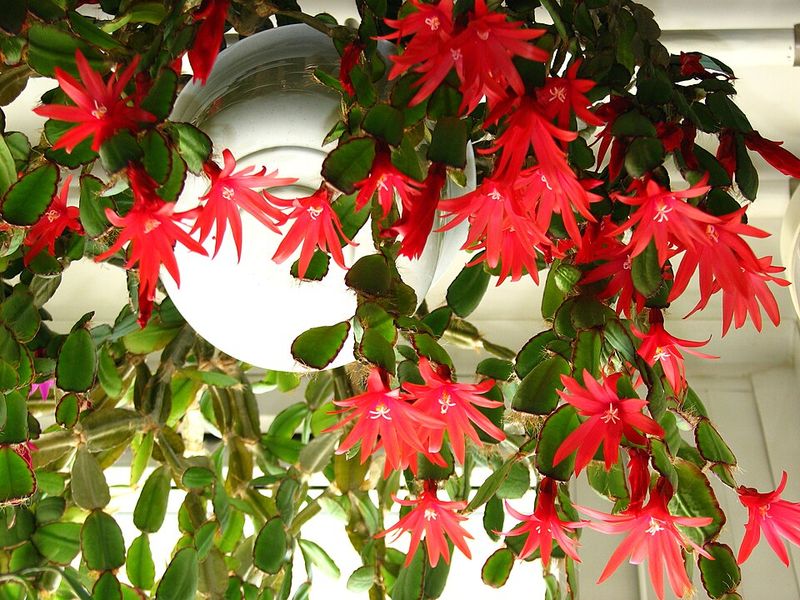
Bathrooms are genuinely one of the most underrated spots in a California home for growing Easter cactus, and the reason comes down to one word: humidity.
This plant originates from tropical rainforests where the air is consistently moist, and bathrooms naturally generate that kind of humid environment through showers, baths, and running water.
Many California homes, especially in dry inland regions, have air that is too dry for this plant, making the bathroom a clever workaround.
For this location to work well, the bathroom needs a window that lets in bright, indirect light. A frosted or textured window is actually useful here because it diffuses direct sunlight while still providing enough brightness for healthy growth.
North or east-facing bathroom windows tend to offer the gentlest light without the risk of scorching the stems.
In desert-adjacent areas like Palm Springs or the San Bernardino foothills, where outdoor and indoor air tends to be extremely dry, the bathroom can be the single most hospitable room in the house for this tropical plant.
Good ventilation after steamy showers helps prevent fungal issues that can develop in overly damp conditions.
A small plant shelf or suction-cup window shelf keeps the pot elevated and well-lit without taking up counter space.
Checking for adequate drainage is still essential even in this humid spot, because soggy roots remain a risk regardless of how well the air humidity is managed.
7. Greenhouses With Filtered Light And Airflow
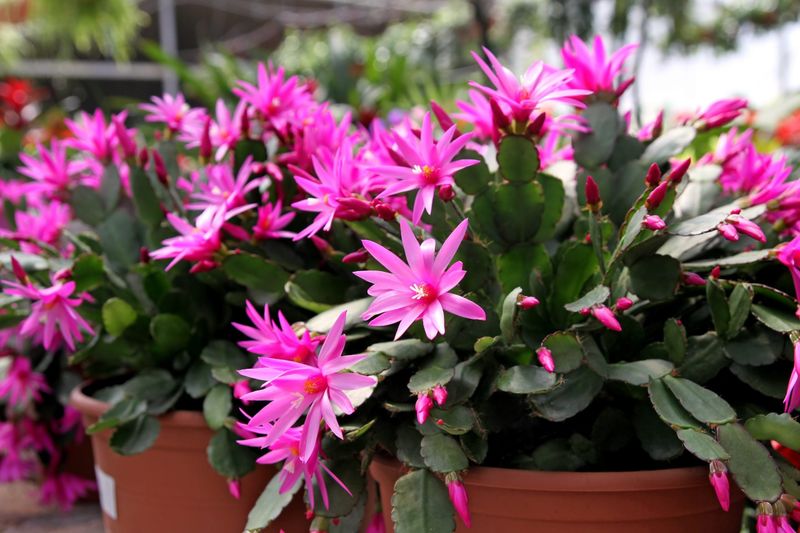
For California gardeners who are serious about their plants, a small backyard greenhouse can give Easter cactus conditions that are genuinely hard to beat.
Greenhouses allow you to control light intensity, temperature, and humidity in ways that outdoor or indoor spots simply cannot match.
Using shade cloth rated at 30 to 50 percent inside the greenhouse filters out the harshest wavelengths of sunlight while maintaining the bright, ambient light this plant loves.
Airflow is one of the most important factors inside a greenhouse setting. Stagnant, humid air can encourage fungal diseases and root rot, which are real concerns for Easter cactus.
Installing a small oscillating fan or ensuring the greenhouse has operable vents on both sides promotes the kind of gentle air movement that keeps the plant healthy without drying it out too aggressively.
Inland California growers in areas like Bakersfield or Stockton find greenhouses especially valuable because they can buffer the extreme summer heat and dry winter cold that makes outdoor growing tricky.
Evaporative coolers or shade cloth additions during summer can keep greenhouse temperatures in the preferred range.
In Northern California, greenhouses extend the comfortable growing season well into late fall and early winter, protecting the plant from unexpected cold snaps.
Watering on a consistent schedule, rather than reacting to soil dryness alone, tends to produce more reliable results when growing Easter cactus in a controlled greenhouse environment.
8. Indoor Shelves Near South Windows With Sheer Curtains
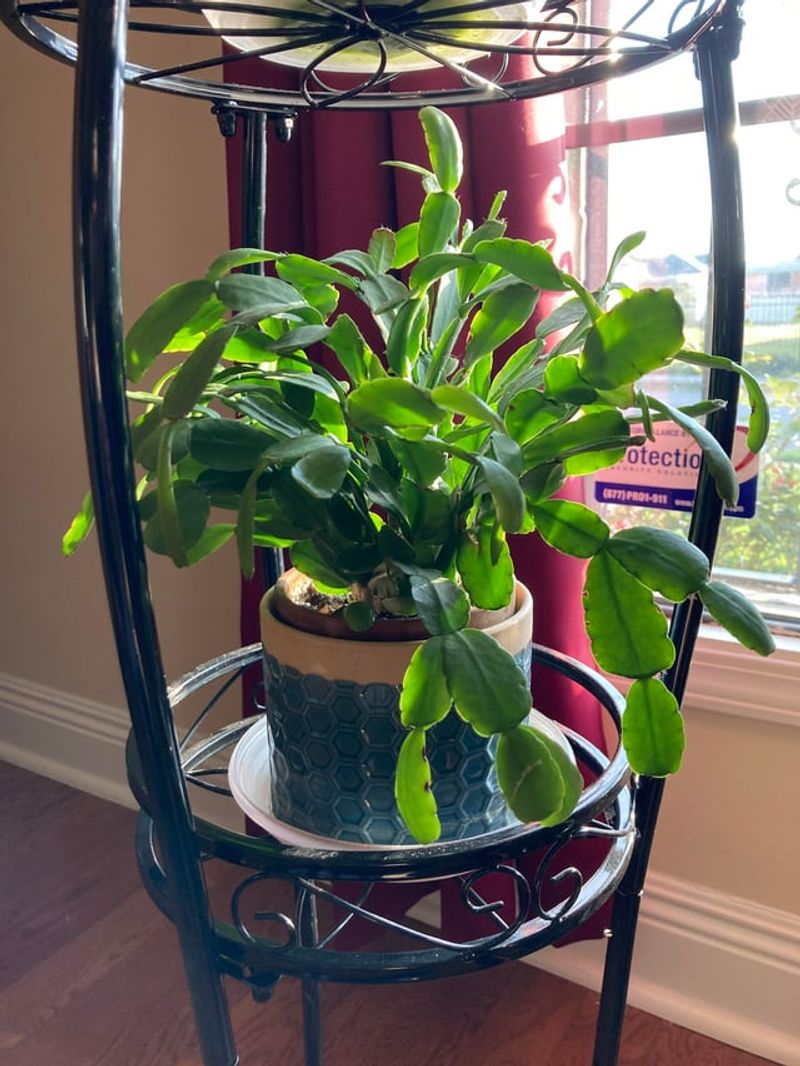
South-facing windows in California homes get more consistent light throughout the day than any other orientation, which makes them both an opportunity and a challenge for Easter cactus.
Without any filtering, that direct southern exposure can be too intense, causing the stems to bleach, shrivel, or drop segments.
A well-placed sheer curtain changes everything by cutting the intensity while keeping the room bright and inviting.
Placing the plant on a shelf rather than directly on the windowsill adds another layer of distance from the glass, softening the light even further.
A shelf about two to four feet back from a south window with sheer curtains tends to produce the kind of warm, diffused brightness that encourages strong stem growth and reliable blooming.
Floating shelves work especially well because they keep the pot elevated and allow air to circulate around the plant from multiple angles.
In California’s Central Valley, where south windows can flood rooms with intense light from late spring through early fall, doubling up with a heavier linen curtain during peak summer months gives extra protection.
Along the coast, south windows often provide gentler light year-round due to marine layer influence, so sheer curtains alone are usually sufficient.
Grouping a few plants together on the shelf helps create a small humidity pocket that benefits the Easter cactus without requiring a humidifier.
Rotating the pot monthly ensures balanced growth and prevents the plant from leaning toward the light source over time.