Grow These Native California Plants Instead Of Ornamental Grasses
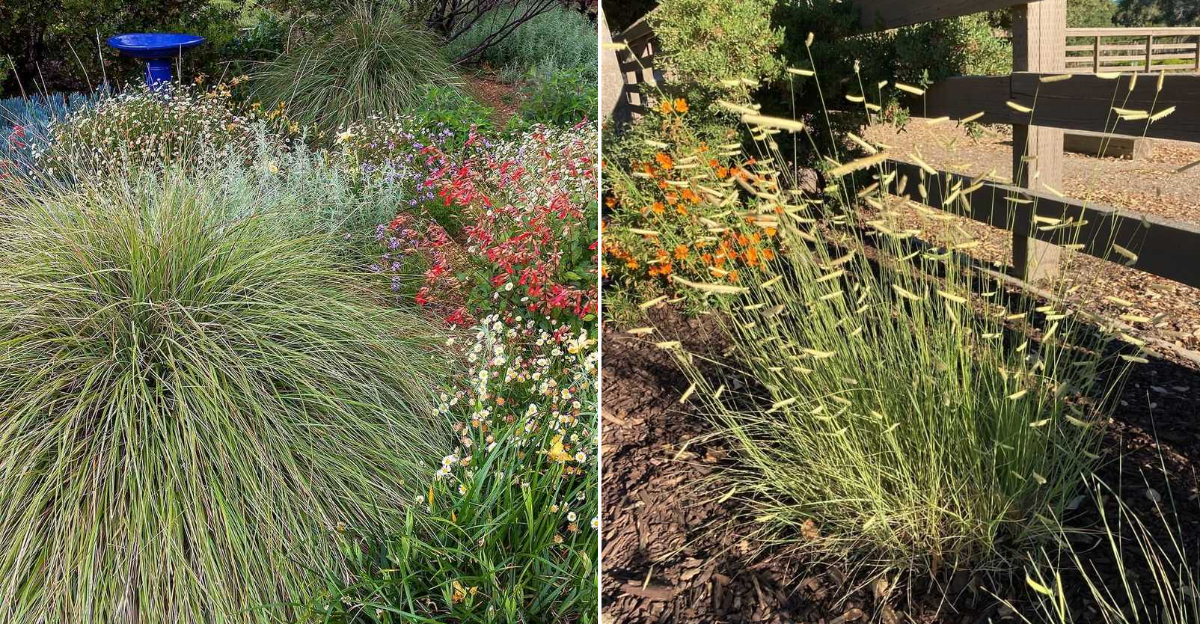
Ornamental grasses have had a long run in California gardens. They’re fine. They do the job.
But “fine” is a pretty low bar when you live in one of the most biodiverse states on the planet, with an incredible lineup of native plants that look just as stunning and actually give something back to the local ecosystem.
It’s time to raise the bar. Native California plants have spent thousands of years adapting to this exact climate.
They know how to handle the summer drought, the dry winds, and the intense sun without any hand-holding. Swap out ornamental grasses for the right natives and you’re not just upgrading the look of your garden.
You’re bringing in pollinators, supporting local birds, improving your soil, and dramatically cutting down on water and maintenance.
These plants work harder, look wilder in the best possible way, and fit into a California landscape like they were always supposed to be there. Because they were.
1. Deer Grass
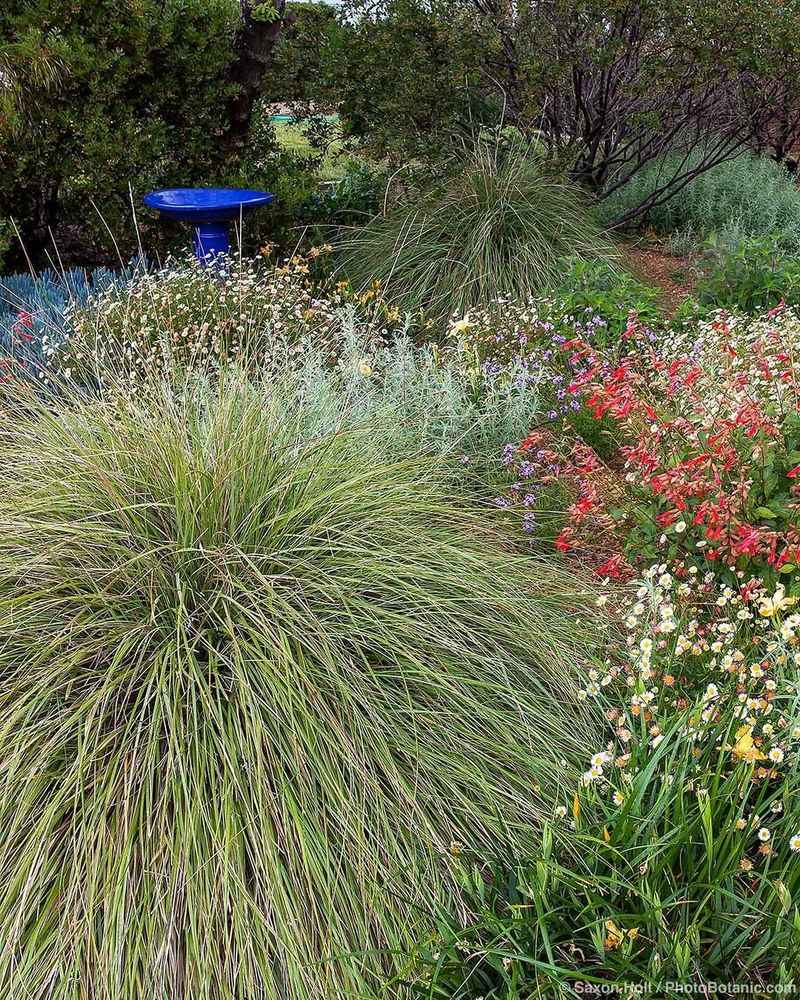
Walk past a clump of deer grass on a warm California afternoon, and you’ll understand why so many landscapers reach for it first. Its long, arching blades move with every breeze, creating a soft, flowing effect that ornamental grasses simply can’t match on this level of water efficiency.
It looks stunning without asking much in return.
Deer grass (Muhlenbergia rigens) is a California native that grows in large, rounded clumps reaching about three to four feet tall. It thrives in full sun and handles dry summers like a champ, making it perfect for low-water gardens across the state.
From the Central Valley to Southern California, this plant fits right in.
Thin, upright flower stalks rise above the foliage in late summer, adding beautiful vertical interest to any yard. Birds love picking through the seed heads during fall and winter.
You can plant deer grass along slopes, in medians, or as a backdrop for smaller flowering natives. It needs very little maintenance once established, which makes it ideal for busy homeowners who still want a beautiful, natural-looking garden in California.
2. Purple Needlegrass
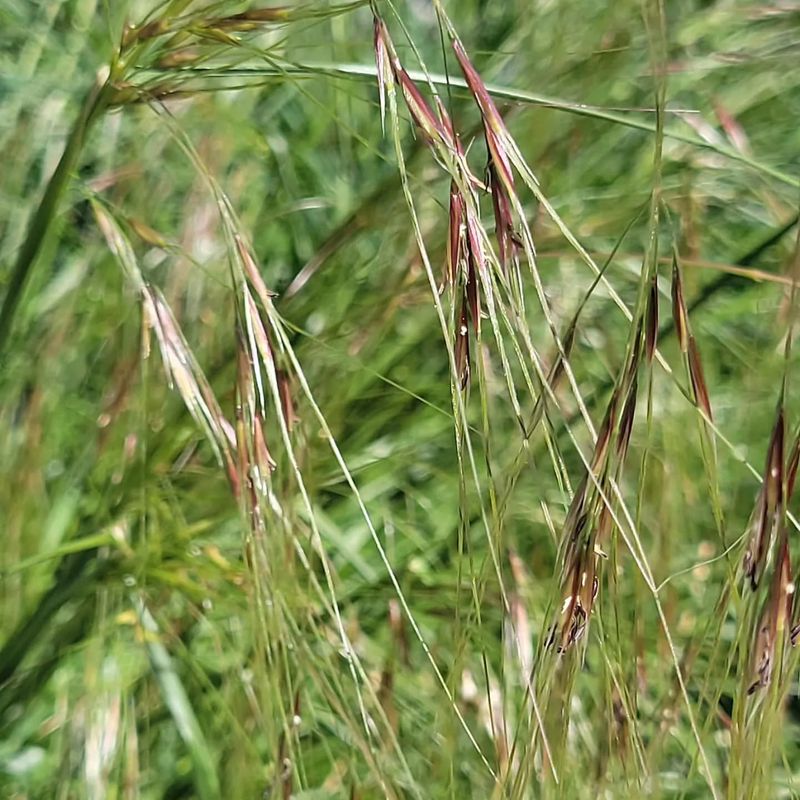
California actually has an official state grass, and it’s this one. Purple needlegrass (Stipa pulchra) earned that honor for good reason.
It has been growing across California’s hills and valleys for thousands of years, long before lawns and landscaping were even a thought. There’s something deeply rooted about planting it in your yard.
The grass forms graceful, fine-textured clumps that reach about two feet tall. In spring, it pushes up feathery purple-tinged seed heads that shimmer in the light.
It’s a cool-season grass, meaning it grows actively during fall, winter, and spring, then goes semi-dormant in the dry California summer months.
Purple needlegrass is a powerhouse for wildlife. Native bees, birds, and small mammals all benefit from it.
It also supports California’s native butterfly populations by providing habitat and food sources. Because it’s so well adapted to California soils and rainfall patterns, it rarely needs supplemental watering once established.
Your California Garden Changes Every Week. Your Plan Should Too.
Gardening in California changes quickly throughout the season. Every Friday you’ll receive a simple weekly plan showing exactly what to plant, prune, fertilize, harvest, and protect so you never miss the right timing.
Plant it in a sunny spot with well-drained soil, and it will reward you for years. It pairs beautifully with native wildflowers like poppies and lupine for a truly California-style garden display.
3. California Fescue
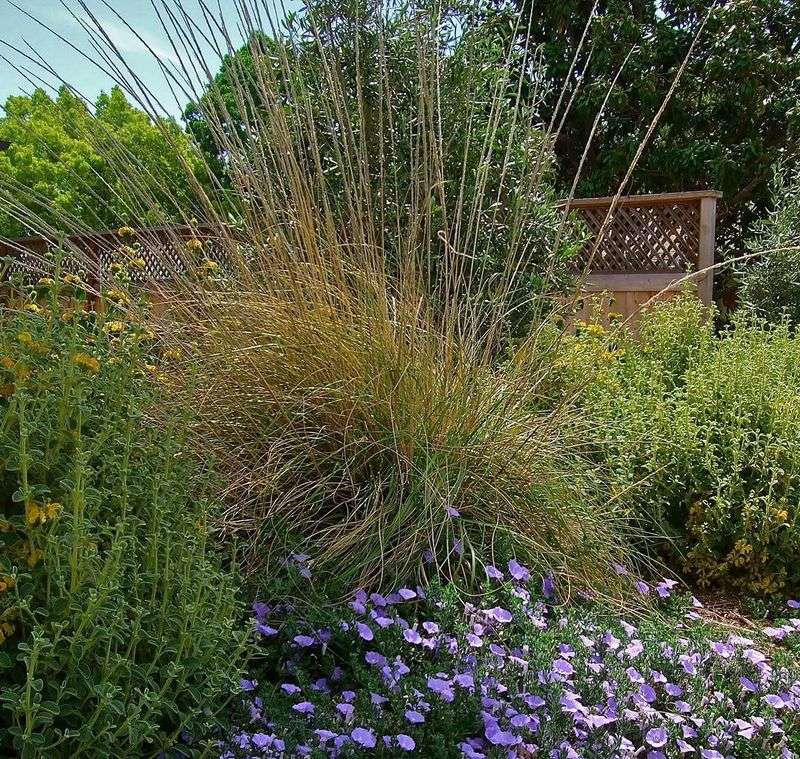
Most grasses want full sun, but California fescue breaks that rule in the best possible way. This native beauty actually prefers shade or partial shade, making it one of the most useful plants for spots under oak trees or along shaded fences in California gardens.
It fills those tricky low-light areas with real elegance.
California fescue (Festuca californica) forms bold, arching clumps of blue-green to gray-green foliage that can reach two to three feet tall. The texture is coarser than other fescues, giving it a lush, almost tropical feel.
In spring, tall flower stalks rise up with nodding seed heads that add a graceful, airy quality to the planting.
This grass works especially well in woodland garden settings alongside other shade-tolerant California natives like coral bells and wild ginger. It needs very little water once it gets established, which usually takes one full growing season.
Gardeners in the Bay Area and along the Northern California coast find it particularly well-suited to their conditions. Trim it back lightly in late summer to refresh the foliage and encourage a tidy, healthy appearance heading into the cooler months ahead.
4. Idaho Fescue
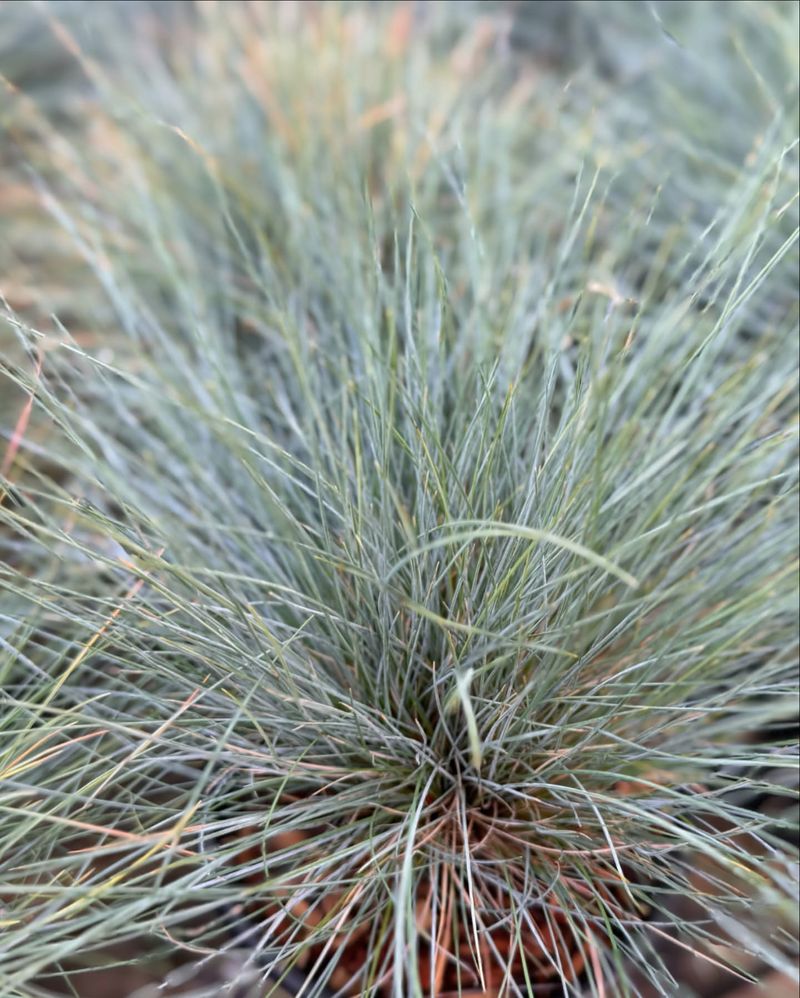
There’s a certain cool-toned beauty to Idaho fescue that makes it stand out in any California garden. The blades are a striking blue-gray color, almost like a dusty blue crayon brought to life.
That color stays consistent through much of the year, giving your landscape a calm, cohesive look that works with nearly any design style.
Idaho fescue (Festuca idahoensis) is a compact, low-growing grass that forms tight clumps reaching about one to two feet tall. It’s naturally found in California’s mountain meadows and open forests, which means it handles cold winters and dry summers without complaint.
It’s a great option for gardens in higher elevation areas of California.
Because of its small size, Idaho fescue works perfectly as a ground cover, border plant, or lawn alternative for low-traffic areas. Plant it in masses for a meadow-style look that feels natural and effortless.
It pairs well with other blue-toned natives like ceanothus and blue-eyed grass. Water it occasionally during the first summer to help it settle in, then step back and let it do its thing.
Minimal care, maximum visual payoff, especially in sunny, well-drained California gardens.
5. Blue Grama
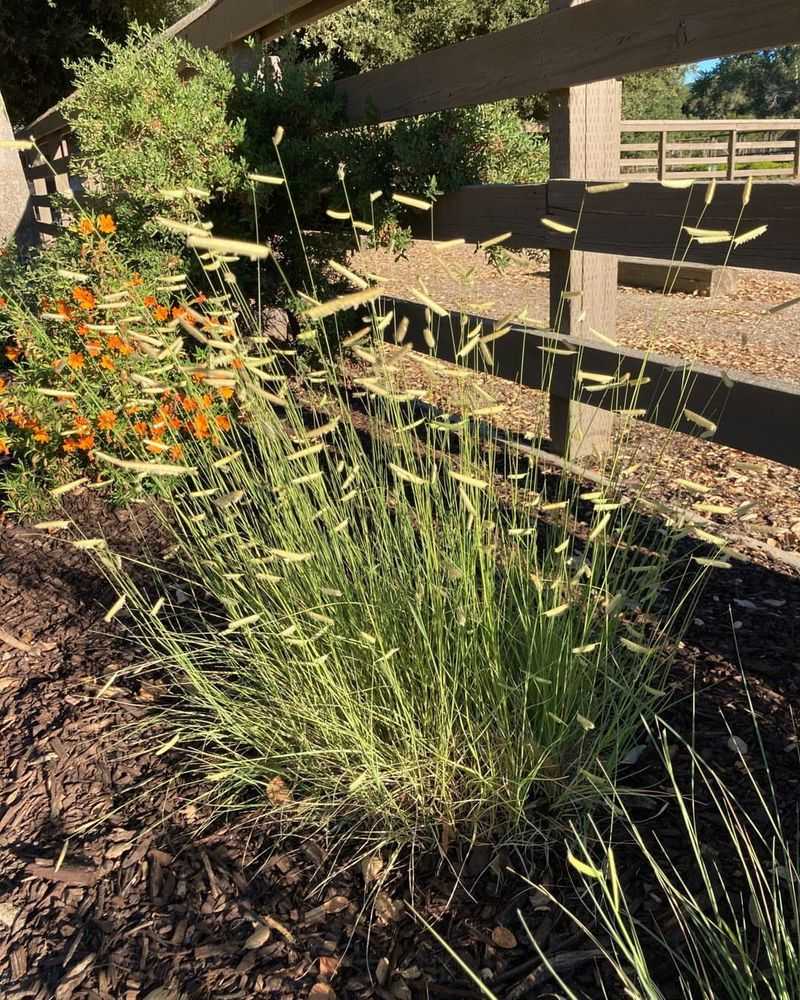
If you’ve never seen blue grama in seed, you’re in for a treat. The seed heads look like tiny eyelashes or little combs held sideways on slender stems, which makes this grass one of the most visually interesting natives you can grow in California.
It’s charming in a quirky, understated way that grows on you fast.
Blue grama (Bouteloua gracilis) is a warm-season, drought-tolerant grass that thrives in California’s dry, sunny spots. It forms low, fine-textured clumps that stay under two feet tall, making it an excellent choice for small gardens, borders, or even container plantings.
The foliage has a soft blue-green color that deepens as the season progresses.
This grass is a fantastic lawn alternative for areas of California that don’t get much foot traffic. It stays relatively low without mowing and handles heat and drought far better than traditional turf grasses.
It also supports pollinators and native birds, adding ecological value to your yard. Plant it in full sun with well-drained soil, and avoid overwatering since too much moisture can actually cause problems.
Blue grama is a rewarding plant for gardeners ready to try something a little different and genuinely beautiful.
6. Junegrass
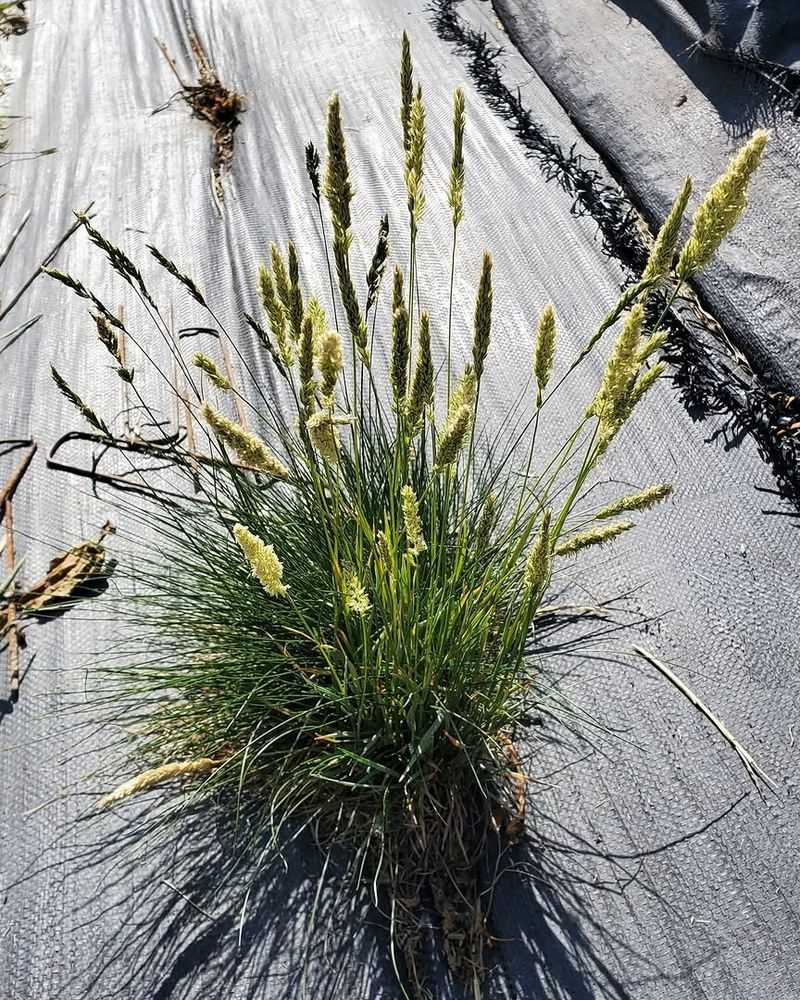
Early summer in California means Junegrass is putting on its best show. Named for the month when its silky, shimmering seed spikes reach their peak, this cool-season native grass is one of those plants that rewards patient gardeners with a genuinely beautiful seasonal display.
It’s subtle, but once you notice it, you can’t stop looking.
Junegrass (Koeleria macrantha) forms upright, slender clumps that reach about one to two feet tall. The foliage is fine-textured and gray-green, and the flower spikes are narrow and silvery, catching the light in a way that feels almost magical on breezy California mornings.
It’s a cool-season grass, so it grows most actively from fall through spring.
Junegrass is native to a wide range of California habitats, from coastal bluffs to inland valleys and mountain meadows. That adaptability makes it a reliable choice for many different garden styles and climates across the state.
It works well mixed into native wildflower plantings or used as a filler between larger shrubs. Water it during establishment, then taper off as summer arrives.
It tolerates dry conditions well and asks very little from the gardener beyond a good planting spot and some patience.
7. Meadow Barley
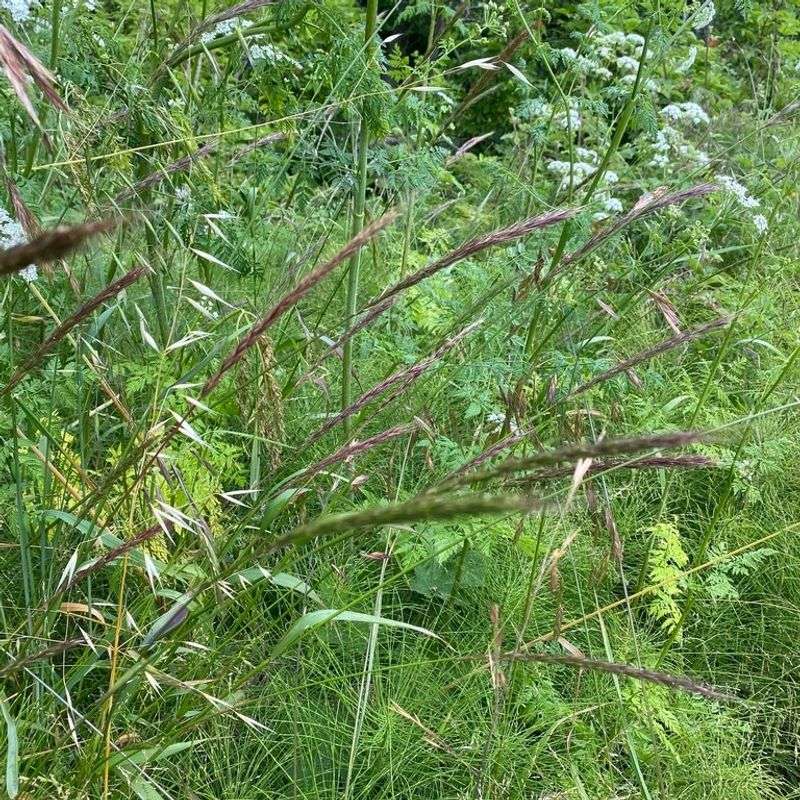
Meadow barley has a softness to it that makes a California garden feel genuinely wild and alive. The seed heads look just like miniature barley, which gives this native grass a rustic, meadow-style charm that’s hard to replicate with any ornamental grass from a big-box store.
It’s the kind of plant that makes your yard look thoughtfully designed.
Meadow barley (Hordeum brachyantherum) is a cool-season native grass that grows naturally in moist meadows, wetland edges, and valley grasslands throughout California. It forms loose, arching clumps about one to two feet tall with bright green foliage that stays fresh-looking through the cooler months.
The feathery seed heads appear in spring and early summer.
Because meadow barley tolerates wet soils better than most native grasses, it’s a smart pick for low spots in the yard, rain gardens, or areas near irrigation runoff. It also handles moderate shade, which adds even more flexibility for tricky planting spots.
Birds adore the seed heads, so expect some feathered visitors once the plant matures. It’s a short-lived perennial but self-seeds readily, meaning it tends to stick around in the garden without much help.
For a natural, flowing California meadow look, meadow barley is a perfect fit.