Why Monarch Butterflies Love Michigan Gardens And How To Attract Them
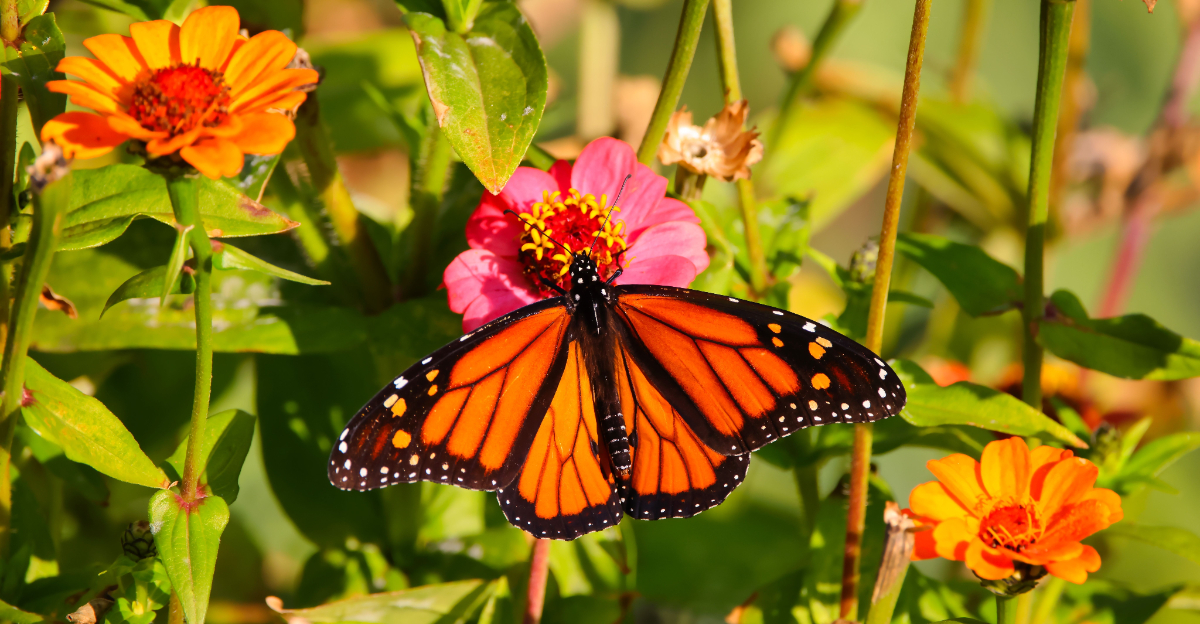
Michigan gardens can become something special when monarch butterflies show up. Their bright orange wings bring color, movement, and a kind of energy that makes the whole yard feel alive.
Each year, these butterflies pass through the state as part of an amazing journey, and many stop to feed, rest, and raise the next generation. That gives Michigan gardeners a real chance to help.
With the right plants in the ground, even a small backyard can turn into a place monarchs want to visit again and again. You do not need a huge space or expert skills to make it happen.
A few smart choices can fill your garden with more life and give these butterflies what they need during an important part of their season. For anyone who wants a yard that feels more colorful, active, and rewarding, monarchs are a beautiful place to start.
1. Milkweed Is Native And Essential For Monarchs
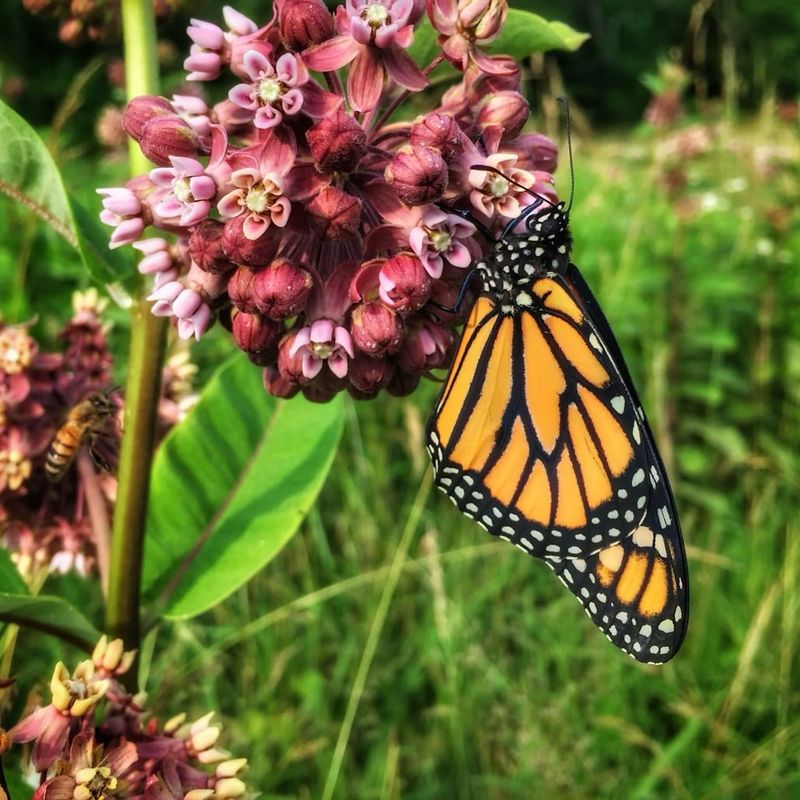
No plant on earth means more to a monarch butterfly than milkweed. Monarch butterflies (Danaus plexippus) lay their eggs exclusively on milkweed plants, making it the single most important plant you can add to any Michigan garden.
Without it, monarchs simply cannot complete their life cycle. Common milkweed (Asclepias syriaca) grows naturally across Michigan and is perfectly suited to local soil and weather conditions.
Once you plant it, it spreads steadily and creates a reliable patch that monarchs return to year after year.
The tiny white eggs are laid on the underside of leaves, where caterpillars hatch and feed exclusively on the plant’s foliage.
Michigan sits right in the heart of the monarch’s summer breeding region, which makes milkweed planting here especially valuable. Gardeners who grow even a small patch of milkweed can support multiple generations of monarchs between late spring and early fall.
Butterfly weed (Asclepias tuberosa) is another excellent native milkweed option that adds bright orange color to your garden while feeding caterpillars all summer. Swamp milkweed (Asclepias incarnata) works beautifully in wetter spots across the state.
Planting a mix of these native milkweed species gives monarchs more options and keeps your garden lively from June straight through August.
2. Michigan Is Part Of Their Summer Breeding Range
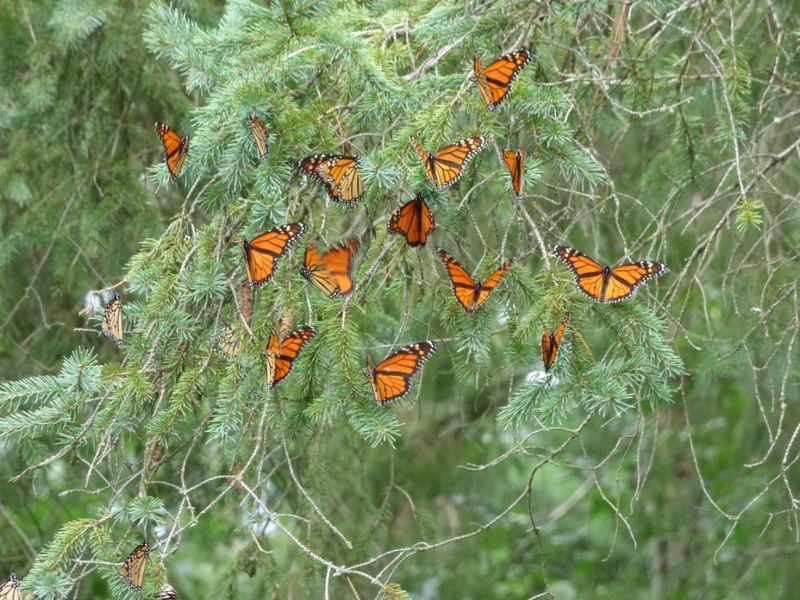
Every spring, monarch butterflies begin one of the most remarkable journeys in the animal kingdom, flying north from their winter grounds in Mexico.
By late May and into June, they reach Michigan, where warm temperatures and abundant milkweed make the state a prime summer breeding destination. Gardeners here have a real opportunity to support this incredible migration.
Michigan offers monarchs exactly what they need during the breeding season: long sunny days, mild summer temperatures, and plenty of native plants. Multiple generations of monarchs hatch, grow, and fly across the state between late spring and late summer.
Each new generation moves a little farther north before eventually heading back south in late August and September.
What makes Michigan especially important is its size and plant diversity. With forests, meadows, and suburban gardens spread across the Lower and Upper Peninsulas, there is no shortage of habitat for monarchs to use.
Your Michigan Garden Changes Every Week. Your Plan Should Too.
Gardening in Michigan changes quickly throughout the season. Every Friday you’ll receive a simple weekly plan showing exactly what to plant, prune, fertilize, harvest, and protect so you never miss the right timing.
Backyard gardens play a surprisingly big role in filling gaps where natural habitat has been lost over the years.
When Michigan residents plant milkweed and nectar flowers, they essentially create stepping stones that help monarchs survive and thrive across their breeding range.
Even a small 10-by-10-foot garden patch can host several monarch generations throughout a single summer season, contributing meaningfully to the broader population.
3. Nectar-Rich Flowers Fuel Their Lifecycle
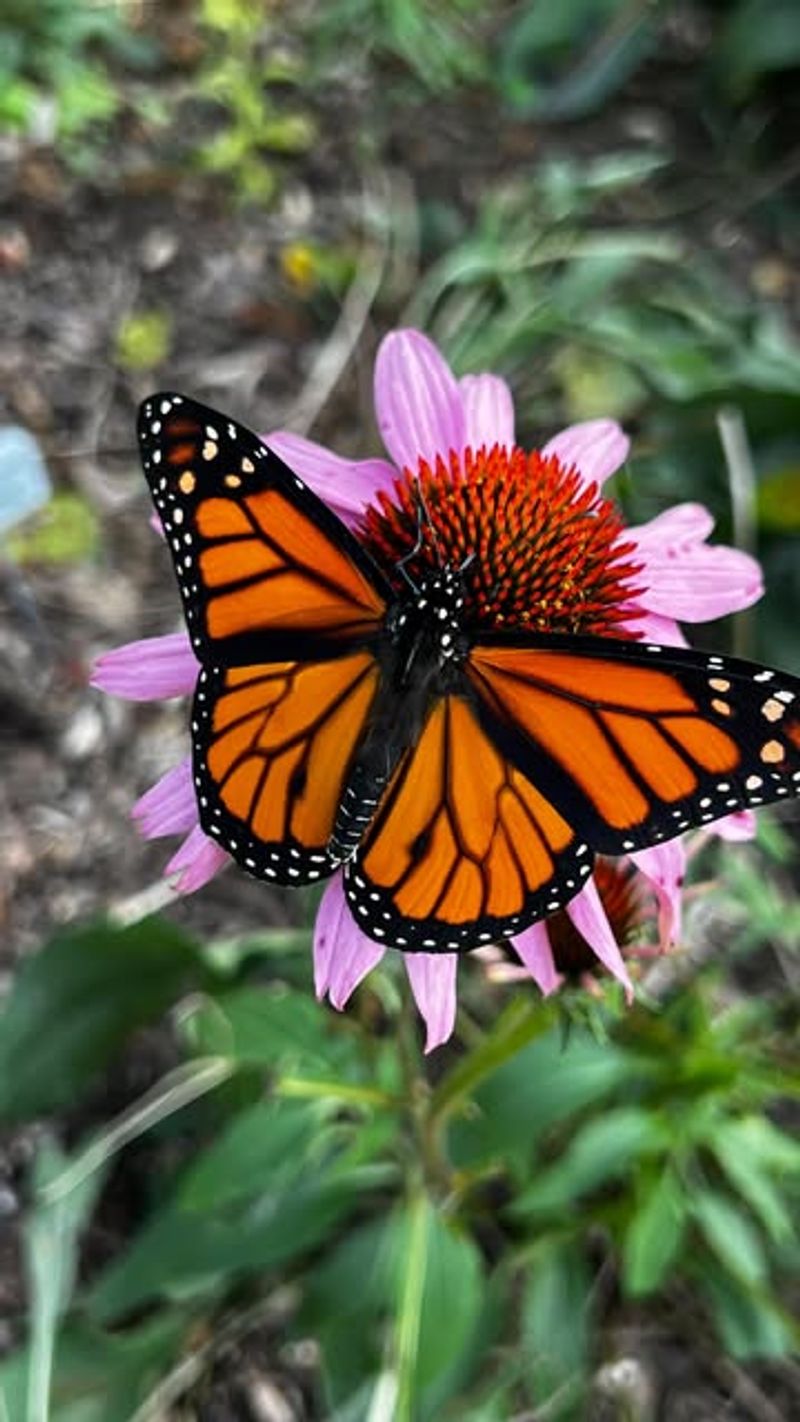
Watching a monarch hover over a bright purple coneflower is one of the most satisfying sights a Michigan gardener can enjoy.
Adult monarchs depend heavily on nectar-rich flowers to fuel their energy for breeding, egg-laying, and eventually their long migration south. The more flowering plants you offer, the more time monarchs will spend in your garden.
Purple coneflower (Echinacea purpurea) and bee balm (Monarda didyma) are two native Michigan plants that monarchs absolutely love. Both bloom in midsummer, which lines up perfectly with peak monarch activity across the state.
These plants are also tough, low-maintenance, and attractive, so they benefit your garden’s overall look while feeding butterflies at the same time.
Planting a variety of nectar sources that bloom at different times throughout the season is one of the smartest things a gardener can do.
Early bloomers bring in the first wave of monarchs, while mid-season and late-season flowers keep them fueled right through migration prep.
Milkweed flowers themselves also produce nectar that adult butterflies happily feed on. A well-planned Michigan pollinator garden with layered bloom times can support monarchs from their first arrival in late May all the way through their departure in September.
Mixing colors, heights, and bloom periods creates a garden that looks stunning and works hard for wildlife at the same time.
4. Open Sunny Gardens Are Ideal Habitat
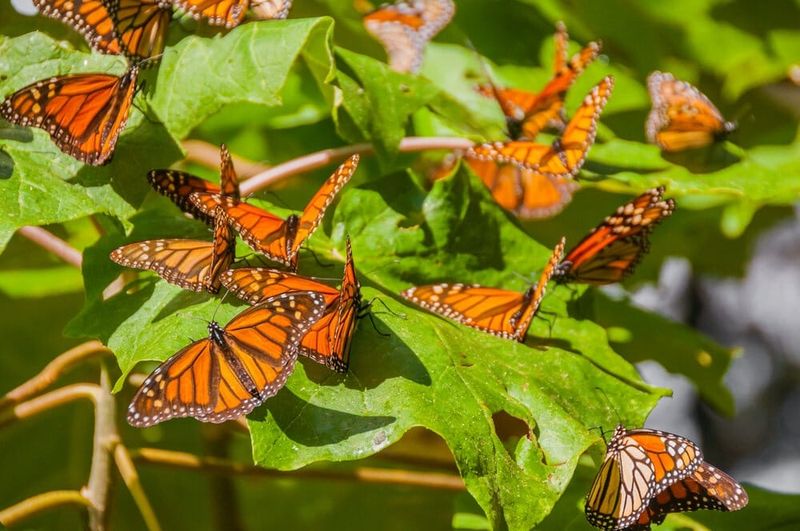
Monarchs are sun lovers through and through. These butterflies are cold-blooded, which means they rely on warm temperatures to stay active, fly efficiently, and find the energy to reproduce.
Michigan’s long summer days and plenty of sunshine make open, south-facing backyard gardens an ideal habitat for them to thrive.
Full-sun garden spots that receive at least six hours of direct sunlight per day are exactly what monarchs prefer. Warm soil and sun-drenched flowers attract more butterflies and encourage milkweed to grow faster and stronger.
If your garden gets good sun exposure, you are already halfway to creating a monarch-friendly space without doing much extra work.
Sunshine also helps monarch caterpillars develop more quickly, which is important in Michigan where the summer breeding window has a natural end point.
Warmer microclimates in your yard, like spots near a south-facing fence or a light-colored wall, can give monarchs a little extra warmth on cooler Michigan mornings.
Keeping garden beds open and uncluttered gives butterflies room to fly, land, and feed comfortably without feeling crowded. Avoid planting tall shrubs or dense trees directly around your monarch garden, since heavy shade reduces both plant growth and butterfly activity.
A sunny, open garden design works beautifully alongside native milkweed and nectar plants to create a welcoming space monarchs will return to every single summer.
5. Native Plants Provide Better Support
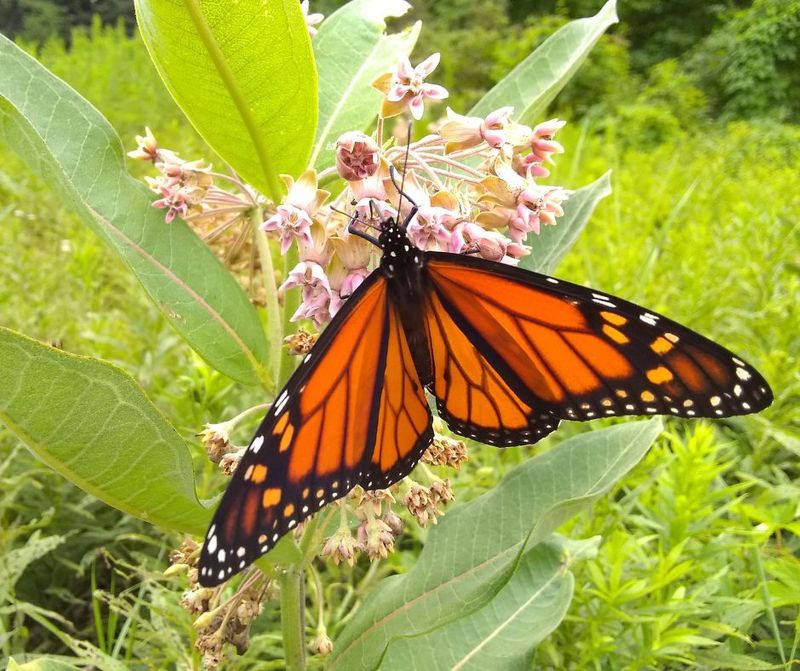
Native plants and monarch butterflies have been growing up together in Michigan for thousands of years, and that relationship shows.
Native species are perfectly matched to local soil types, rainfall patterns, and seasonal temperatures, which means they grow more reliably and produce more nectar than most non-native garden plants. For monarchs, that difference is huge.
Butterfly weed (Asclepias tuberosa) is one of the best native plants a Michigan gardener can choose. Its vivid orange blooms attract adult monarchs for nectar while also serving as a host plant for caterpillars.
It thrives in dry, sunny spots and asks for very little care once established, making it a garden favorite across the state.
Canada goldenrod (Solidago canadensis) is another native powerhouse that blooms from late summer into fall, providing critical nectar during the monarch migration window.
Many people mistake goldenrod for a weed, but it is actually one of the most valuable pollinator plants native to Michigan.
Wild bergamot, black-eyed Susan, and Joe-Pye weed are additional native options that round out a monarch-friendly planting plan beautifully. When you choose native plants over ornamental non-natives, you are giving monarchs food and habitat that their biology is already designed to use.
A garden filled with Michigan natives works harder for wildlife, requires fewer inputs, and looks naturally gorgeous from spring all the way through the first frost.
6. Late-Season Flowers Help With Migration
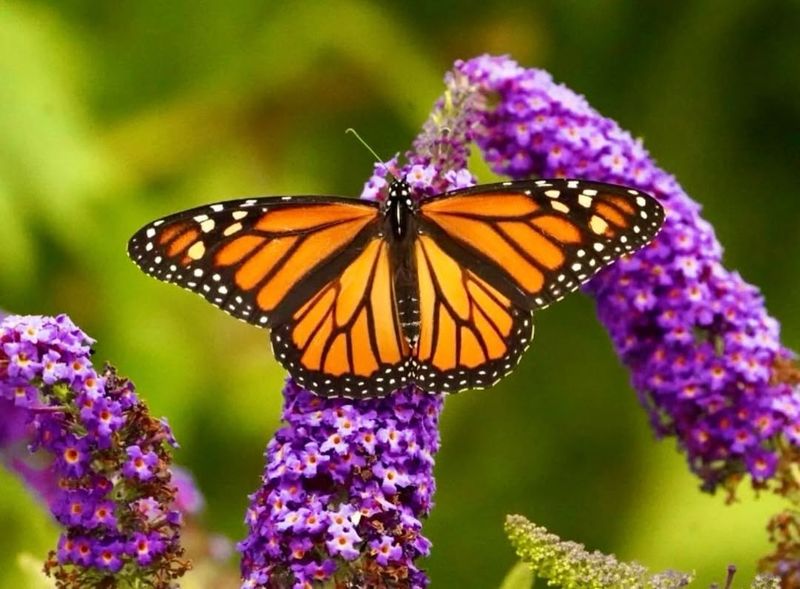
August and September bring a shift in the monarch world. The butterflies that emerge during these weeks are not breeders.
They are migrants, fueling up for a journey of over two thousand miles to their wintering grounds in the mountains of central Mexico. Michigan gardens with late-season blooms play a direct role in helping them make it there safely.
New England aster (Symphyotrichum novae-angliae) is the star of the late-season monarch garden. Its rich purple flowers bloom just as monarchs are preparing to head south, offering a concentrated burst of nectar at exactly the right time.
This plant is native to Michigan, grows tall and full, and produces hundreds of blooms per plant each fall season.
Canada goldenrod also shines during this critical migration window, and the two plants look stunning planted side by side in a Michigan garden. Late-blooming sneezeweed, ironweed, and boneset are other native options worth adding to extend your garden’s nectar season deep into September.
Monarchs that pass through Michigan in late summer and early fall need to build up fat reserves before their long flight south, so a well-stocked late-season garden can make a real difference.
Gardeners who resist the urge to cut back their plants too early in fall give migrating monarchs the fuel they need to complete one of nature’s most breathtaking journeys.
7. Avoiding Pesticides Protects Monarchs
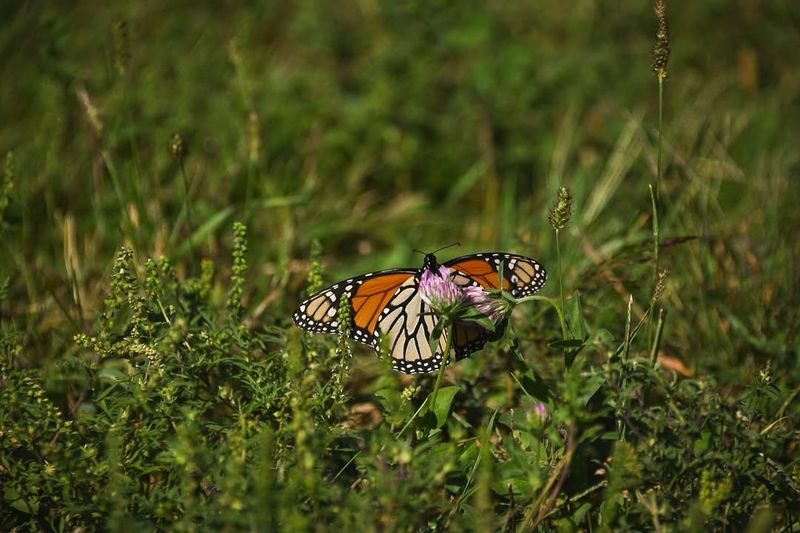
Here is a truth that surprises a lot of gardeners: even pesticides labeled as safe for general garden use can seriously harm monarch butterflies.
Insecticides do not distinguish between pest insects and beneficial ones, which means eggs, caterpillars, and adult monarchs are all at risk when chemicals get sprayed in or near a garden.
Protecting monarchs starts with putting the spray bottle down for good. Systemic pesticides are especially problematic because they get absorbed into a plant’s tissues, including its nectar and leaves.
When monarchs feed on treated flowers or caterpillars munch on treated milkweed, they can absorb enough of the chemical to cause serious harm.
Even pesticides applied weeks earlier can linger in plant tissue long after the spray has dried.
The good news is that Michigan gardens filled with native plants tend to have fewer pest problems in the first place, since native plants have natural defenses that non-natives often lack.
When pests do show up, hand-picking, a blast of water from the hose, or introducing beneficial insects like ladybugs can handle most common garden issues without chemicals.
Neem oil used very carefully and only when monarchs are not present is another option some gardeners consider. The safest approach is always to create a balanced garden ecosystem where natural predators keep pest populations in check.
A pesticide-free Michigan garden is not just better for monarchs, it is better for bees, birds, and your whole yard.
8. Water And Shelter Increase Their Presence
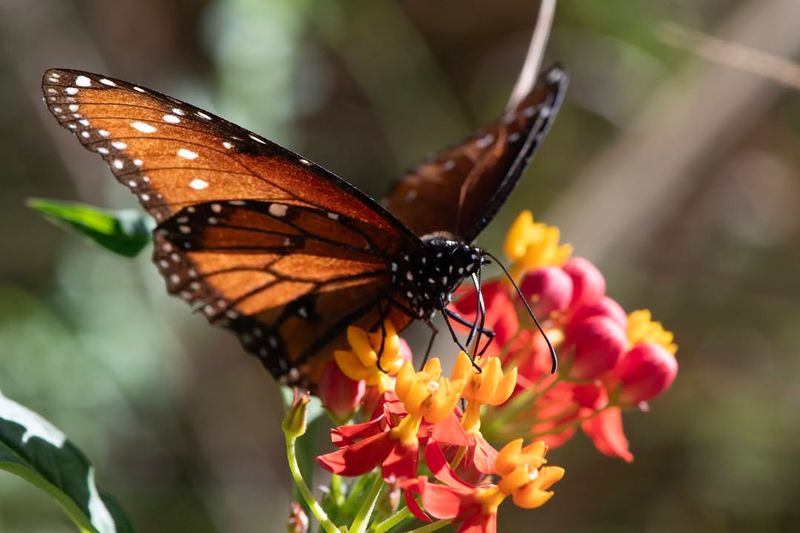
Most gardeners focus on plants when trying to attract monarchs, and that is a great start. But water and shelter are two often-overlooked elements that can make your Michigan garden even more inviting to these beautiful butterflies.
Adding just a few simple features can noticeably increase how often monarchs visit and how long they stick around.
Monarchs need moisture, especially on hot summer days. A shallow birdbath or a small tray filled with water and stones gives butterflies a safe place to land and drink without the risk of falling in.
The stones give them a stable perch right at the water’s edge, which is exactly the kind of setup they naturally prefer in the wild.
Shelter matters just as much as water. Dense plantings of native grasses, tall perennials, or shrubs give monarchs a place to rest out of the wind and hide from predators during the heat of the day.
Michigan summers can bring strong winds and afternoon storms that push butterflies to seek cover quickly. A garden that offers both open sunny spaces and protected corners mimics natural habitat far better than an open, exposed yard.
Ornamental grasses like little bluestem are native to Michigan and create excellent low-level shelter while also looking beautiful year-round. Together, water and shelter turn a good monarch garden into a great one that butterflies will choose again and again.