Why Your Peace Lily Is All Leaves And No Flowers And How To Fix It In Michigan
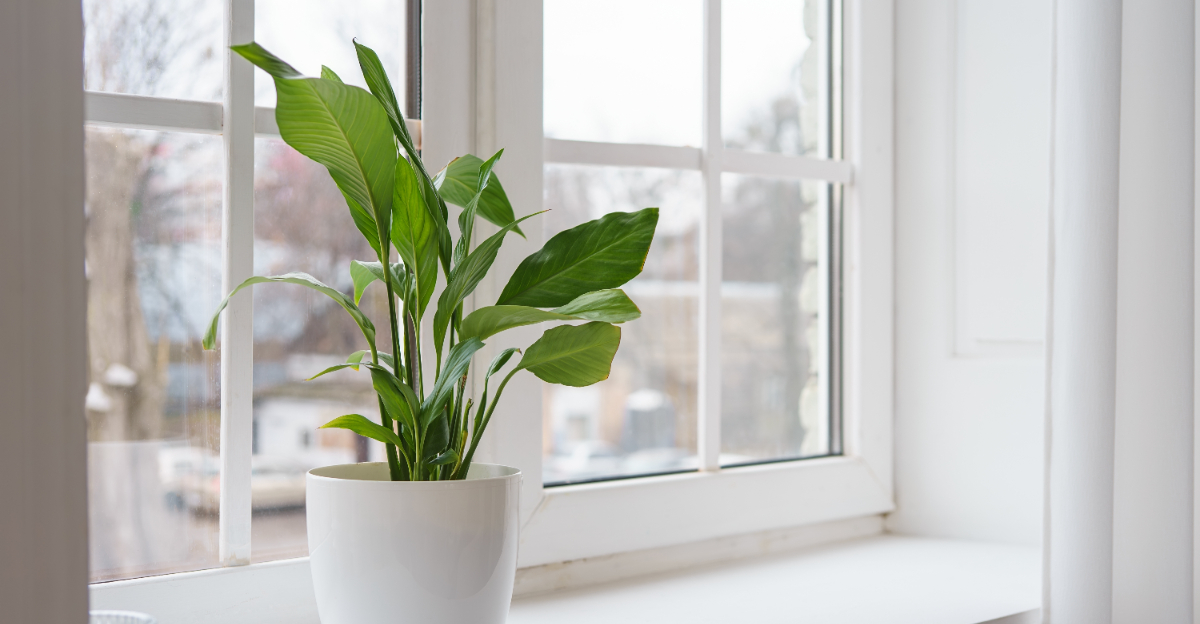
A peace lily full of glossy green leaves but completely without flowers is one of the most common houseplant frustrations Michigan owners run into, and it almost never comes down to bad luck.
These plants bloom reliably when their conditions are right, and when flowering stops or never starts, something specific in their environment is working against them.
Michigan homes create a particular set of challenges for peace lilies that gardeners in sunnier or more consistently warm climates do not face in quite the same way.
Low winter light, dry air from heating systems, and the significant temperature difference between summer and the colder months all affect how these plants behave and whether they feel the right triggers to produce blooms.
The fix is almost always straightforward once you identify which condition is off.
Understanding exactly what a peace lily needs to flower, and what Michigan indoor environments most commonly get wrong, puts you in a position to turn a purely leafy plant into one that blooms consistently throughout the year.
1. Not Enough Light
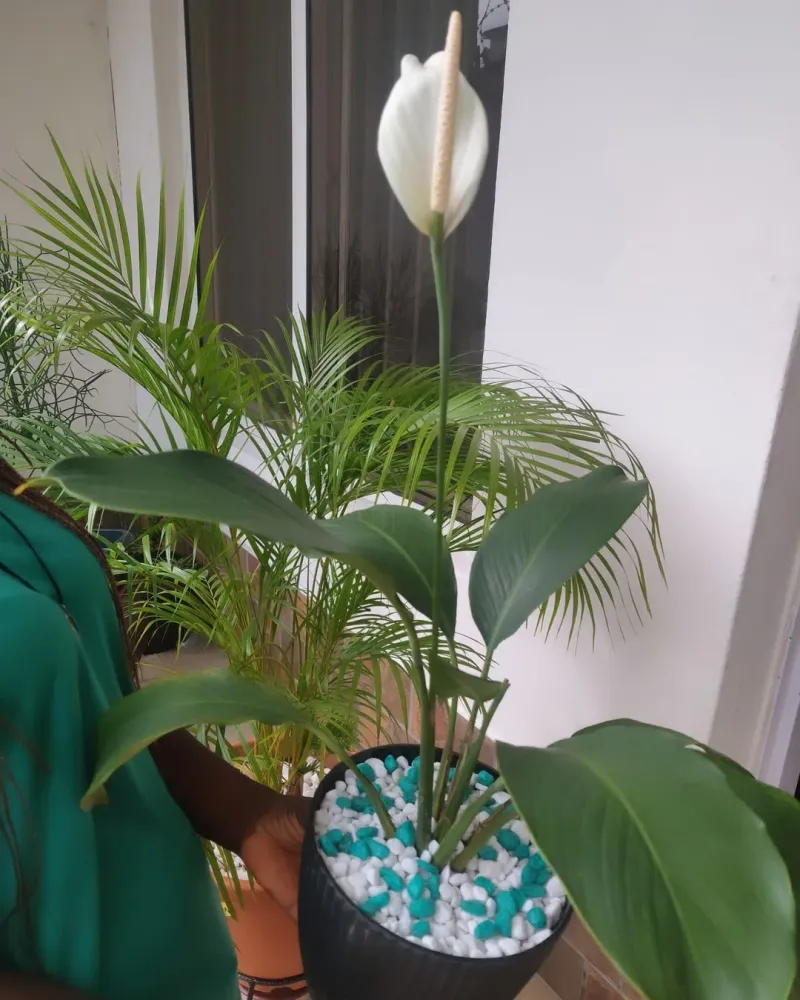
Picture a Michigan winter where the sky stays gray for weeks on end. Your peace lily is sitting in a dim corner, looking lush and green but stubbornly refusing to flower.
That is one of the most common reasons peace lilies skip blooming entirely.
Peace lilies (Spathiphyllum spp.) are famously tolerant of low light, but tolerating low light and thriving in it are two very different things. When light levels drop too low, the plant puts all its energy into keeping its leaves alive rather than producing flowers.
In Michigan especially, winter daylight can be surprisingly weak even near a window.
The fix is simpler than most people expect. Move your plant to a brighter spot, ideally near an east or north-facing window where it gets consistent, gentle indirect light throughout the day.
A few feet back from a south-facing window also works really well. Avoid placing it in direct sunbeams, since that creates a whole different problem.
You should start noticing new growth and possibly flower spikes within a few weeks of making the move. Consistency matters more than intensity here, so pick a bright, stable spot and leave it there.
Michigan gardeners often find that a well-lit bathroom or kitchen works perfectly for peace lilies during the colder months.
2. Too Much Direct Sunlight

Believe it or not, too much light can be just as harmful as too little when it comes to peace lily blooms. Direct sunlight streaming through a window can stress the plant, causing the leaves to fade, yellow, or develop brownish crispy edges.
When a peace lily is dealing with that kind of stress, flowering becomes the last thing on its priority list.
This problem actually catches a lot of Michigan plant owners off guard during the summer months.
The sun angle changes significantly between seasons here, and a window that offered perfect indirect light in February might suddenly blast your plant with intense afternoon rays in July.
Burned or washed-out leaves are the clearest sign that your peace lily is getting too much direct sun.
Your Michigan Garden Changes Every Week. Your Plan Should Too.
Gardening in Michigan changes quickly throughout the season. Every Friday you’ll receive a simple weekly plan showing exactly what to plant, prune, fertilize, harvest, and protect so you never miss the right timing.
Fixing this is easy and takes only a few minutes. Simply hang a sheer curtain over the window to filter the light, or move your plant a few feet further into the room.
You want bright, diffused light rather than harsh rays hitting the leaves directly. Once you reduce the intensity, your plant will start recovering and redirecting its energy toward producing those beautiful white blooms.
Michigan summers can bring surprisingly strong sunlight indoors, so checking your plant’s position seasonally is a smart habit to build into your routine.
3. Overfertilizing Your Plant
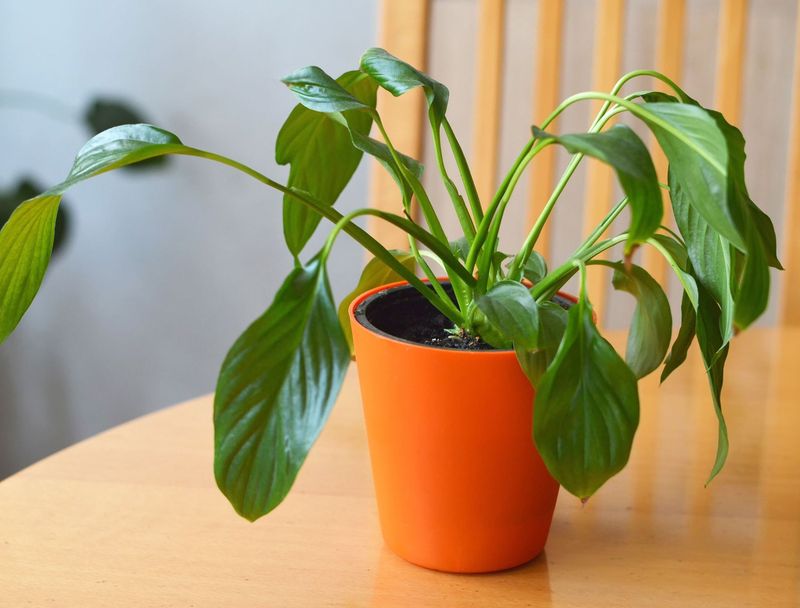
More fertilizer sounds like a great idea until your peace lily turns into a leaf-producing machine with zero interest in flowering. Overfertilizing is one of those sneaky mistakes that seems harmless at first but quietly works against you over time.
Excess nutrients, especially nitrogen, push the plant to grow more and more foliage instead of putting energy toward blooms.
Nitrogen is the nutrient responsible for leafy, green growth, and it is found in high amounts in many general-purpose fertilizers. When a peace lily gets too much of it, the plant essentially decides that growing big, impressive leaves is the better use of its resources.
You end up with a beautiful, bushy plant that never flowers, which is frustrating when you bought it specifically for those elegant white spathes.
The solution is to scale back and keep things balanced. Use a balanced houseplant fertilizer, something like a 20-20-20 formula, and apply it only during the active growing season, which runs from spring through summer in Michigan.
Feed lightly, roughly once a month, and skip fertilizing entirely during fall and winter when the plant naturally slows down. Flushing the soil with plain water occasionally also helps clear out any nutrient buildup.
A lighter touch with fertilizer often produces far better blooming results than heavy, frequent feeding ever will.
4. Underfertilizing Over Time
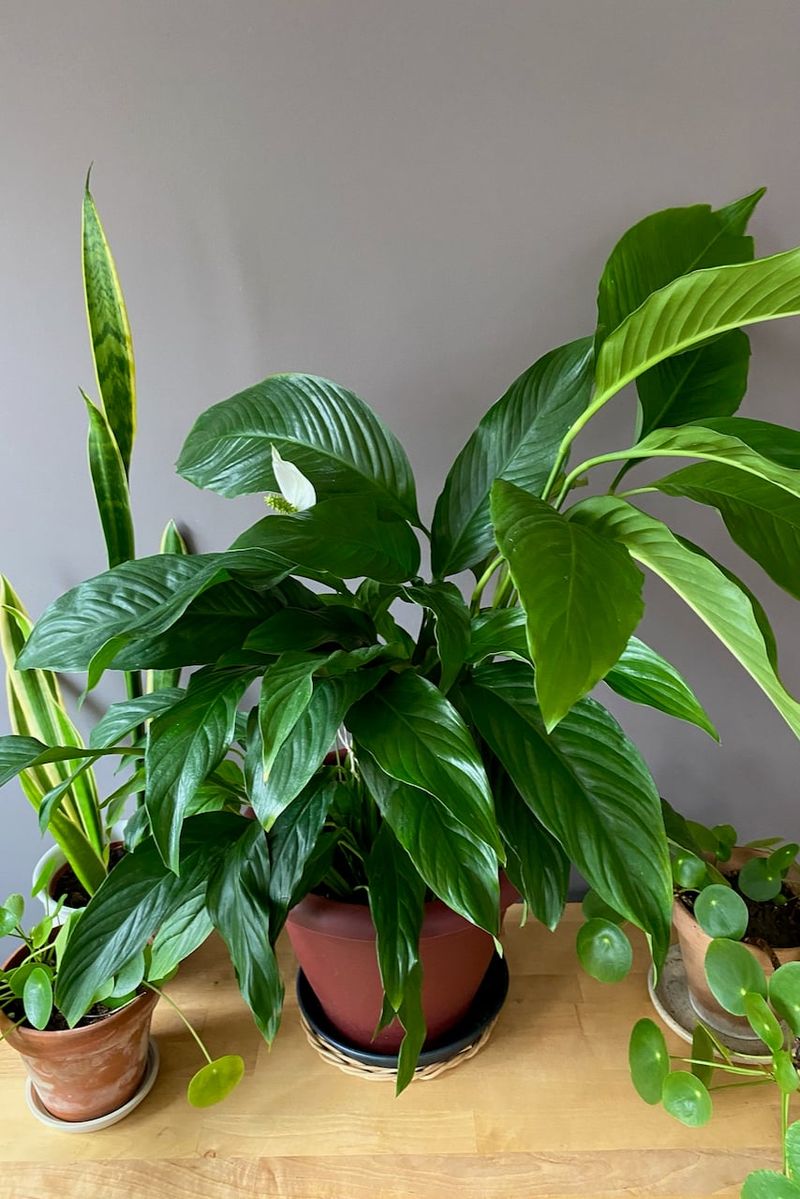
On the flip side, a peace lily that never gets fed will eventually run out of steam. Nutrients in potting soil deplete over time, especially after months or years of watering that slowly flushes minerals away.
When a plant has been living in the same pot for a long time without any feeding, it simply does not have enough fuel to produce flowers.
This is a surprisingly common situation for Michigan houseplant owners who follow the advice to avoid overfertilizing but then swing too far in the opposite direction and never fertilize at all. The signs are subtle at first.
Leaves might look a little dull or pale, growth slows down, and flower spikes stop appearing altogether. By the time it becomes obvious, the plant has been nutrient-starved for quite a while.
Getting back on track does not require anything fancy. Start feeding your peace lily with a balanced, diluted liquid fertilizer once a month during spring and summer.
A half-strength dose is usually plenty to give the plant what it needs without overwhelming it. Think of it as a light, regular meal rather than a big feast.
Within a growing season of consistent care, most peace lilies will respond with fresh new growth and, if all other conditions are right, those long-awaited white blooms. Michigan gardeners often see the best results when they start feeding again in early April.
5. The Pot Is Too Large
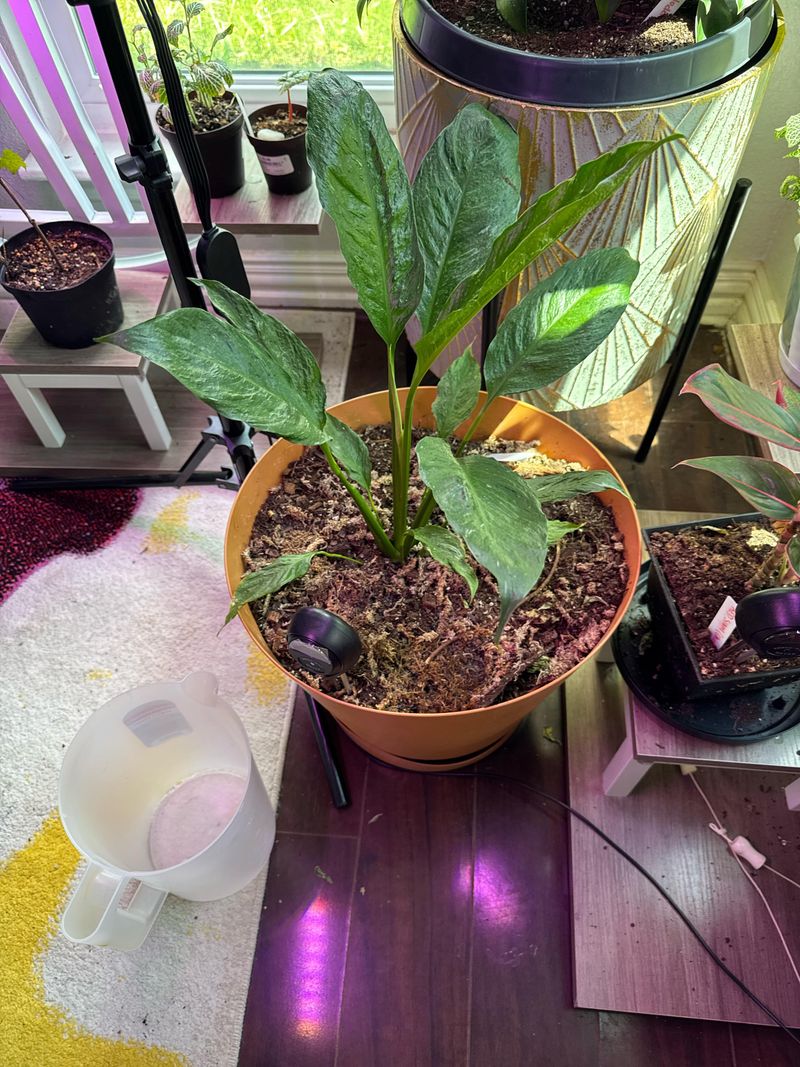
Here is something that surprises almost every new plant parent: peace lilies actually bloom better when they feel a little crowded. Putting a peace lily into a pot that is too large is one of those well-meaning moves that backfires in a predictable way.
When there is too much extra soil around the roots, the plant focuses on expanding its root system and pushing out new leaves rather than putting energy into flowers.
Large pots also hold more moisture for longer periods, which increases the risk of soggy soil and root rot.
In Michigan, where indoor heating during winter dries out the air but can also create inconsistent soil moisture levels, an oversized pot makes it even harder to keep watering balanced. The plant ends up in a cycle of stress that keeps blooming at bay.
The sweet spot for peace lilies is a pot that feels just slightly snug around the roots. When you can see roots starting to peek out of the drainage holes or circle the edges of the current pot, that is a good sign it is time to repot, but only go up one pot size at a time.
Keeping your peace lily a little root-bound mimics the conditions that naturally trigger it to flower. Michigan plant owners who make this simple switch are often amazed at how quickly blooming resumes.
6. Inconsistent Watering Habits
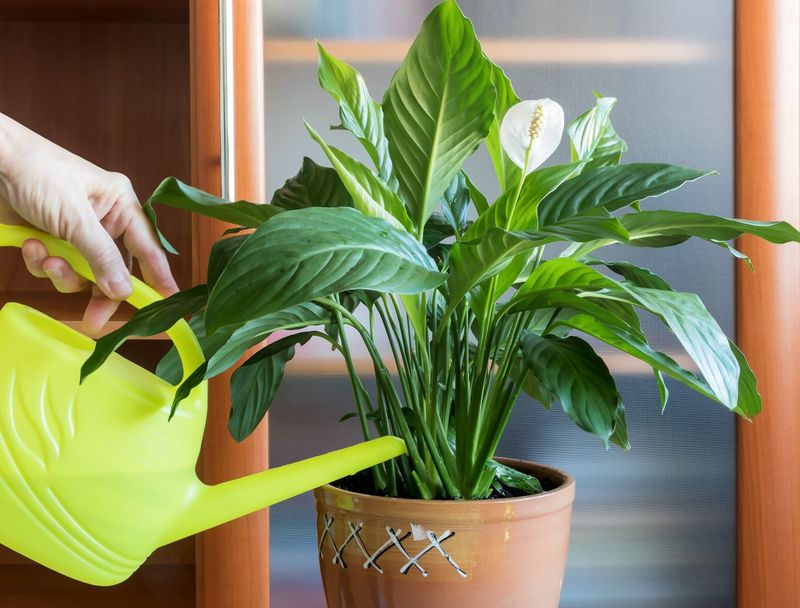
Watering a peace lily sounds simple until you realize how sensitive these plants are to inconsistency. Letting the soil swing from bone dry to completely waterlogged puts the plant under repeated stress, and stressed plants do not bloom.
They survive, but just barely, channeling whatever energy they have into basic functions rather than producing flowers.
Michigan winters make this challenge even more real. Indoor heating systems pull moisture out of the air and soil faster than most people expect, which means a pot that stayed moist for five days in October might dry out in just two days by January.
Then a well-intentioned weekend watering session can leave the soil soggy for too long. That back-and-forth is hard on peace lily roots and will absolutely put flowering on pause.
The goal is to keep the soil evenly moist, not wet, not dry, just consistently damp throughout. Stick your finger about an inch into the soil before watering.
If it still feels moist, wait another day or two. If it feels dry, water thoroughly until it drains from the bottom.
Empty the saucer after watering so roots never sit in standing water. Using room-temperature water is also a nice touch since cold tap water can shock the roots.
Once you build a steady rhythm, your peace lily will reward you with healthier growth and, eventually, those gorgeous white blooms Michigan plant lovers look forward to all year.
7. Natural Bloom Cycles And Plant Age
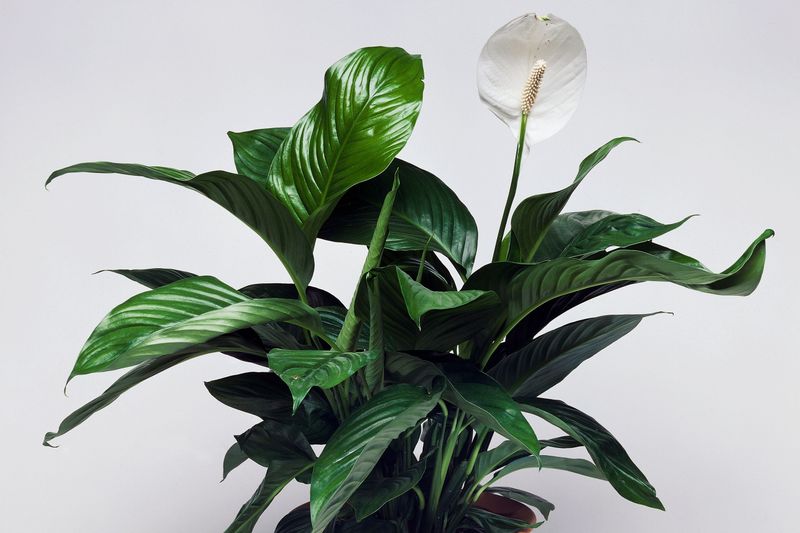
Sometimes the reason your peace lily is not blooming has nothing to do with anything you are doing wrong. Peace lilies are not continuous bloomers, and expecting flowers every single month is setting yourself up for unnecessary worry.
These plants typically flower once or twice a year, most commonly in spring and sometimes again in fall, and younger plants may not bloom at all during their first year or two.
Nurseries often use gibberellic acid to force peace lilies into bloom before selling them, which is why a brand-new plant from a Michigan garden center might flower beautifully at first and then go quiet for a long stretch afterward.
Once that treatment wears off, the plant settles into its own natural rhythm. That quiet period can last quite a while, and it is completely normal.
Patience combined with consistent care is the most powerful tool you have here. Keep light levels bright and indirect, water evenly, fertilize lightly during the growing season, and avoid dramatic temperature swings near drafty Michigan windows in winter.
Some growers also report that giving a peace lily a brief cooler period in late fall, around 55 to 65 degrees Fahrenheit, can help trigger a new bloom cycle.
Healthy, well-cared-for peace lilies will rebloom reliably once they reach maturity and feel settled in their environment. Trust the process and keep showing up for your plant.