These 9 Flowers Handle Oregon Weather Swings Better Than You Think
Oregon weather loves to keep gardeners guessing. One day feels like spring, the next brings a chilly breeze, a soaking rain, or a surprise burst of heat just to keep things interesting.
That kind of back-and-forth can make flower beds a little tricky, especially if you are growing plants that prefer life nice and predictable. Luckily, some flowers are far more adaptable than they get credit for.
They can roll with cool nights, damp mornings, sudden warm spells, and all the moody shifts that Oregon gardens tend to serve up. Even better, they do it while still putting on a colorful show.
The key is choosing blooms that are not easily rattled by a forecast that seems to change its mind every five minutes.
These resilient flowers prove you do not need perfect weather to have a gorgeous garden. In Oregon, a little toughness goes a long way, and these blooms have plenty of it.
1. Heuchera
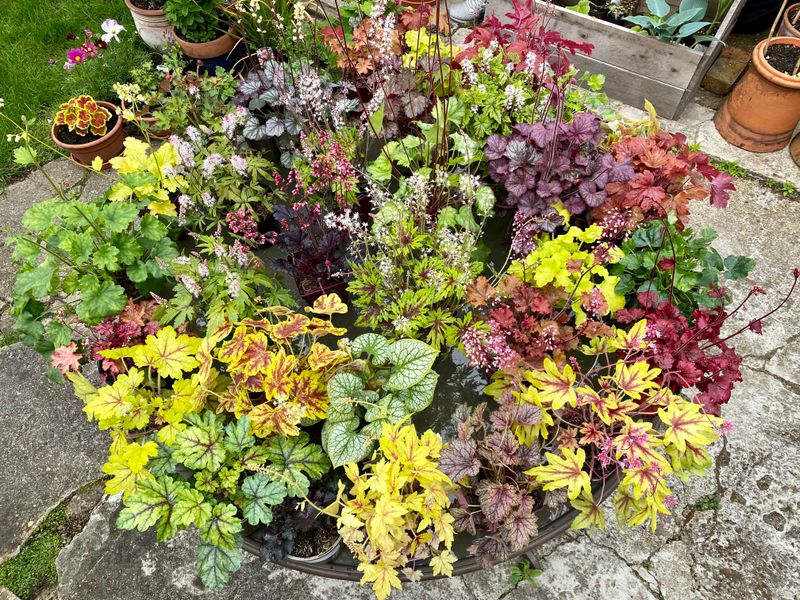
Most people grow heuchera, also called coral bells, for its jaw-dropping foliage rather than its flowers. The leaves come in colors ranging from deep wine red to bright lime green to caramel bronze, and they look stunning all year long.
In Oregon’s mild climate, many heuchera varieties stay semi-evergreen even through winter.
The small, bell-shaped flowers that rise on tall, slender stems in late spring are a bonus treat. Hummingbirds absolutely love them, and you will notice more pollinators visiting your yard when these are in bloom.
They thrive in partial shade, which makes them ideal for the many tree-covered Oregon gardens.
Heuchera handles Oregon’s wet winters well as long as the soil does not stay waterlogged. Good drainage is the one thing they truly need to stay healthy.
Amend heavy clay soil with compost before planting if your yard tends to hold water. Once settled in, they are remarkably tough and low-maintenance.
Pair them with ferns, hostas, or hellebores for a layered shade garden that looks professionally designed. Oregon gardeners from Ashland to Astoria have discovered just how easy and rewarding heuchera can be in the ground.
2. Primrose
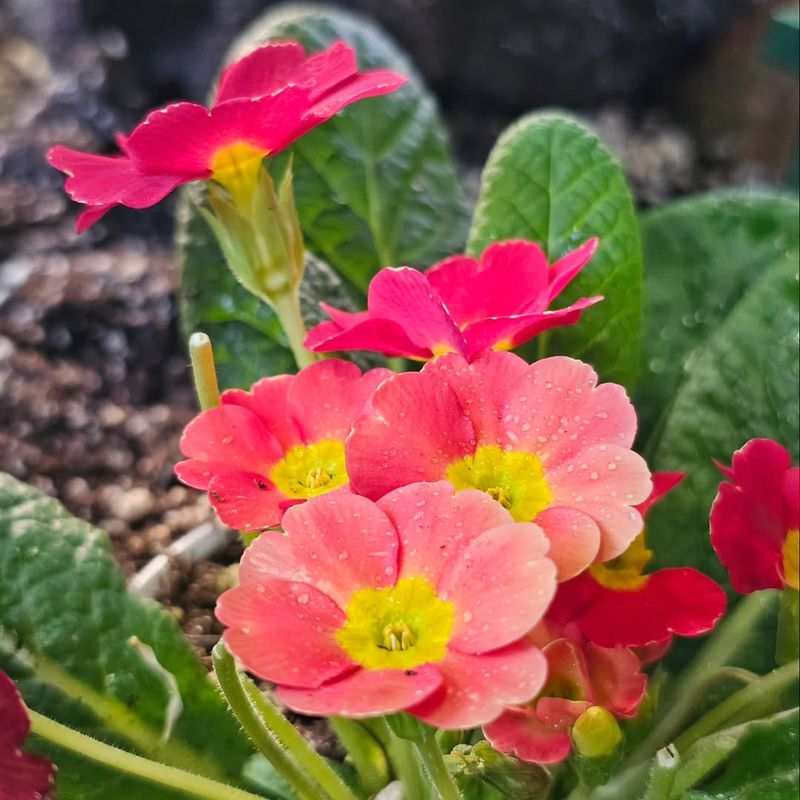
Walking past a patch of primroses in an Oregon garden in early spring feels like the season finally kept its promise. These bold, colorful flowers burst open right after the worst of winter passes.
They love the cool, moist conditions that Oregon delivers so reliably from November through April.
Primroses prefer partial shade and rich, consistently moist soil. They are perfectly suited for Oregon’s wet winters since they need regular moisture to perform well.
Plant them along shaded pathways, under trees, or in containers near your front door for a welcoming display.
One thing to keep in mind is that primroses can struggle once Oregon’s hot, dry summers arrive. Moving container plants to a cooler, shadier spot during July and August helps them survive until fall.
Some gardeners treat them as cool-season annuals and replace them each year, which is totally fine given how affordable they are. Hardy varieties like Primula vulgaris can overwinter well in many parts of Oregon.
Your Oregon Garden Changes Every Week. Your Plan Should Too.
Gardening in Oregon changes quickly throughout the season. Every Friday you’ll receive a simple weekly plan showing exactly what to plant, prune, fertilize, harvest, and protect so you never miss the right timing.
Their wide range of colors, from deep red to pale lavender, makes them incredibly versatile for brightening up any dull garden corner early in the year.
3. Pansy
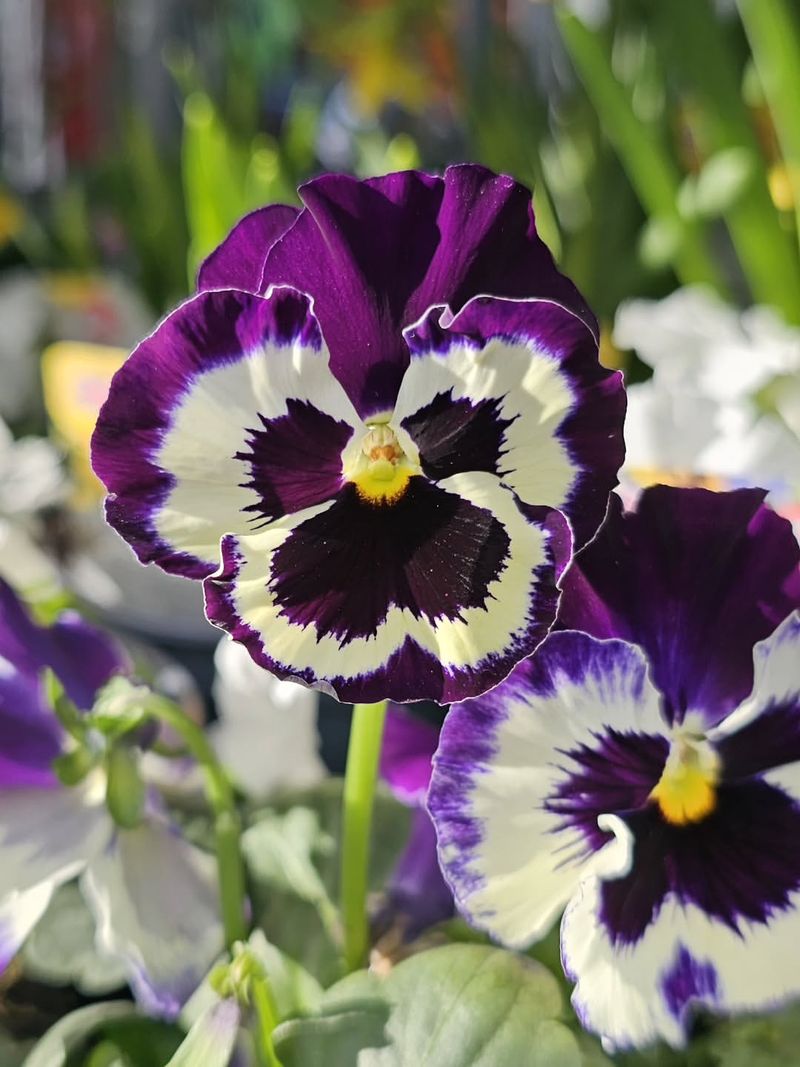
Few flowers earn their keep in an Oregon garden quite like the pansy. These cheerful, face-like blooms show up when most other plants are still hiding from the cold.
Pansies can handle frost without a fuss, which makes them a go-to choice for Pacific Northwest gardeners who want early color.
Plant them in fall or late winter and watch them bounce back even after a hard freeze. They prefer well-drained soil and do best with some morning sun.
Oregon’s cool, wet winters are actually their sweet spot, so you are working with nature instead of against it.
Deadheading spent blooms keeps them flowering longer through spring. You can find pansies in nearly every color imaginable, from deep purple to bright yellow.
Mix them in containers, window boxes, or garden beds for an easy pop of color. They are low-maintenance, affordable, and surprisingly tough for such a delicate-looking flower.
Oregon gardeners across the state swear by them every single season.
4. Hellebore
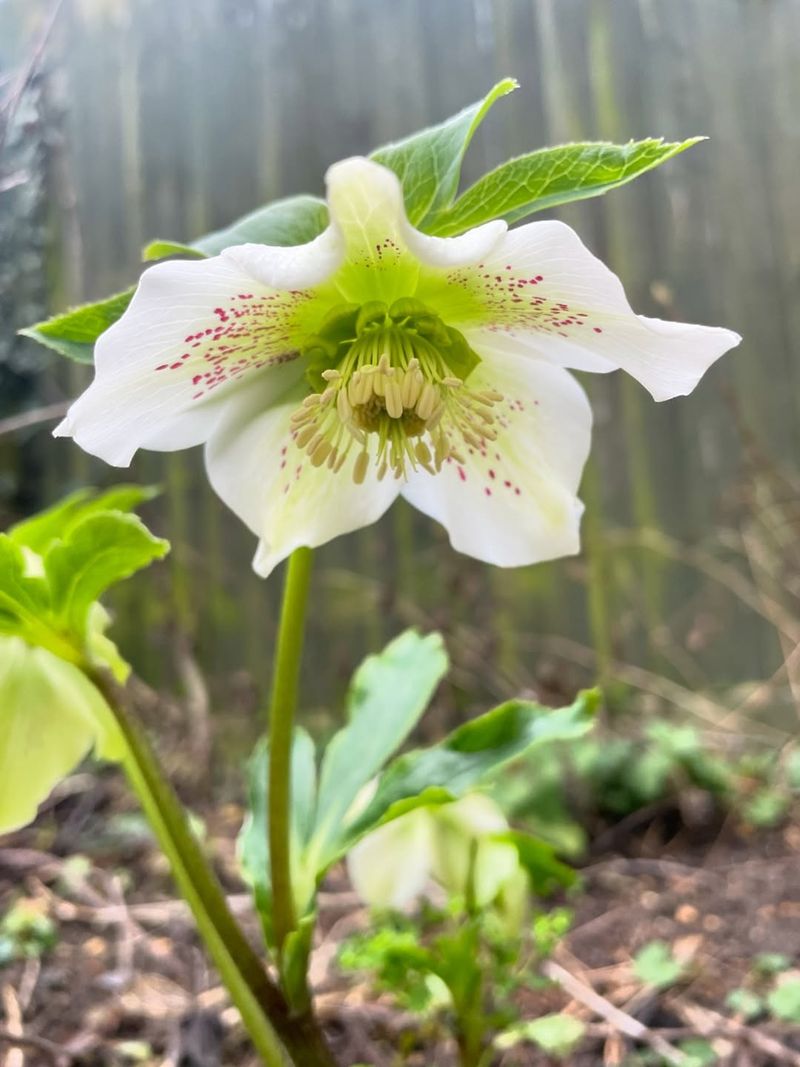
Sometimes called the Lenten rose, the hellebore is one of the most dramatic flowers you can grow in an Oregon garden. It blooms in late winter, often pushing through cold soil when everything else looks completely bare.
Spotting those nodding blooms in February feels like a small miracle every time.
Hellebores love the shady, moist conditions that Oregon winters naturally provide. Tuck them under deciduous trees or along the north side of your house where other flowers refuse to cooperate.
They are incredibly long-lived and get more beautiful with each passing year.
Once established, hellebores need very little attention. They are drought-tolerant in summer once their roots settle in, which is great news for Oregon’s dry July and August stretch.
Their leathery, evergreen leaves look good even when the flowers are not present. Colors range from creamy white to deep burgundy and spotted varieties that look almost painted.
Oregon gardeners in the Portland metro area and the Willamette Valley especially love them for shaded borders. They are one of the most rewarding low-effort plants you can add to your landscape.
5. Viola
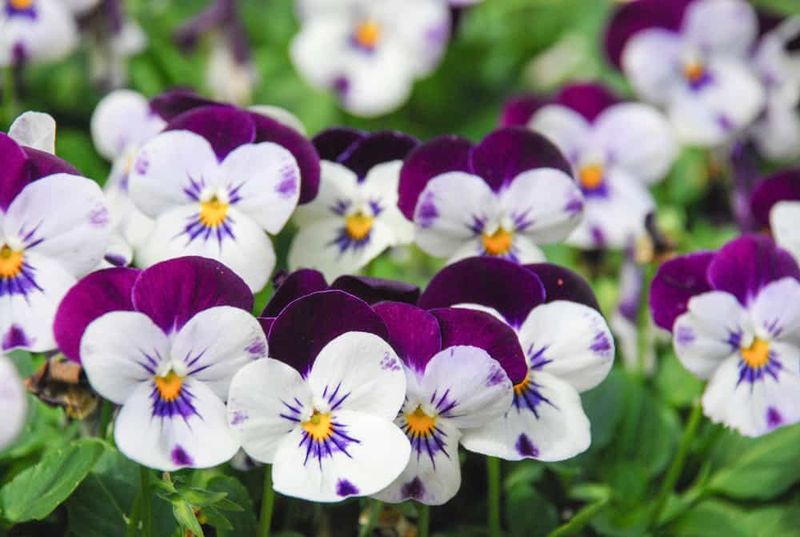
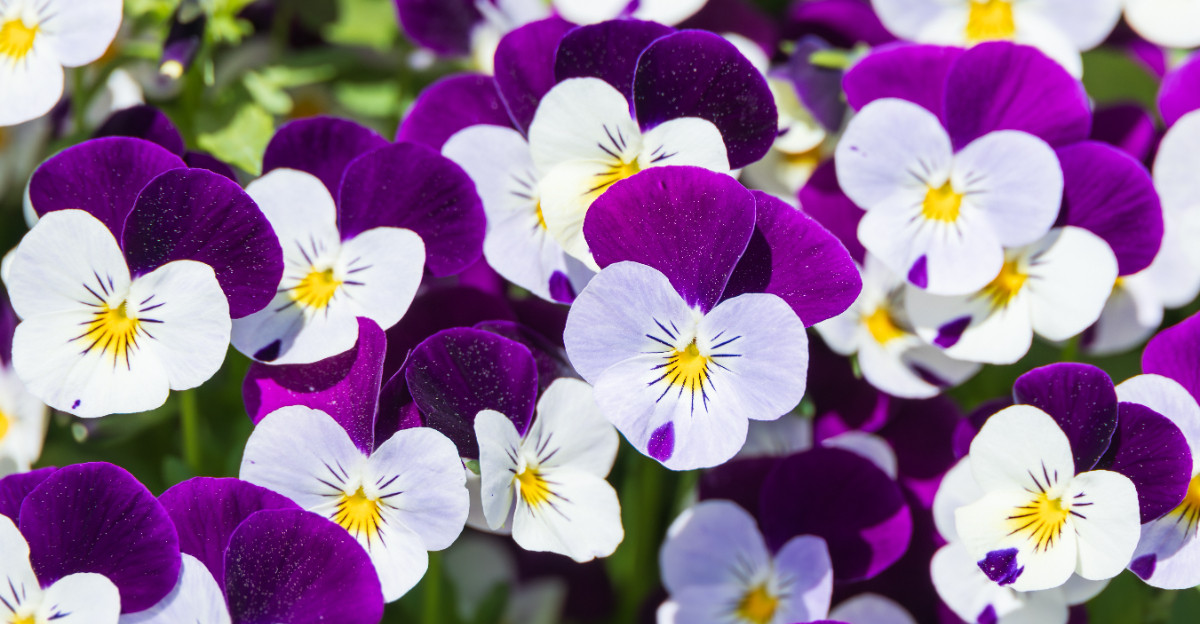
Violas are the underrated cousins of pansies, and honestly, they might be even tougher. These tiny blooms pack a serious punch when it comes to surviving Oregon’s unpredictable weather patterns.
Cold snaps, soggy soil, and gray skies? Violas barely blink.
They self-seed readily, which means once you plant them, they tend to come back year after year on their own. That is a huge win for busy Oregon gardeners who do not have time to replant every season.
They spread naturally and fill in gaps beautifully between other plants.
Violas thrive in partial shade, which suits the shady corners of many Oregon yards perfectly. They bloom from late winter all the way through early summer in cooler climates.
Water them moderately and give them decent drainage, and they will reward you generously. Their dainty flowers attract early pollinators like bees just waking up from winter.
Whether you live in Eugene, Portland, or out on the Oregon coast, violas are a reliable, charming addition to any garden space.
6. Heather
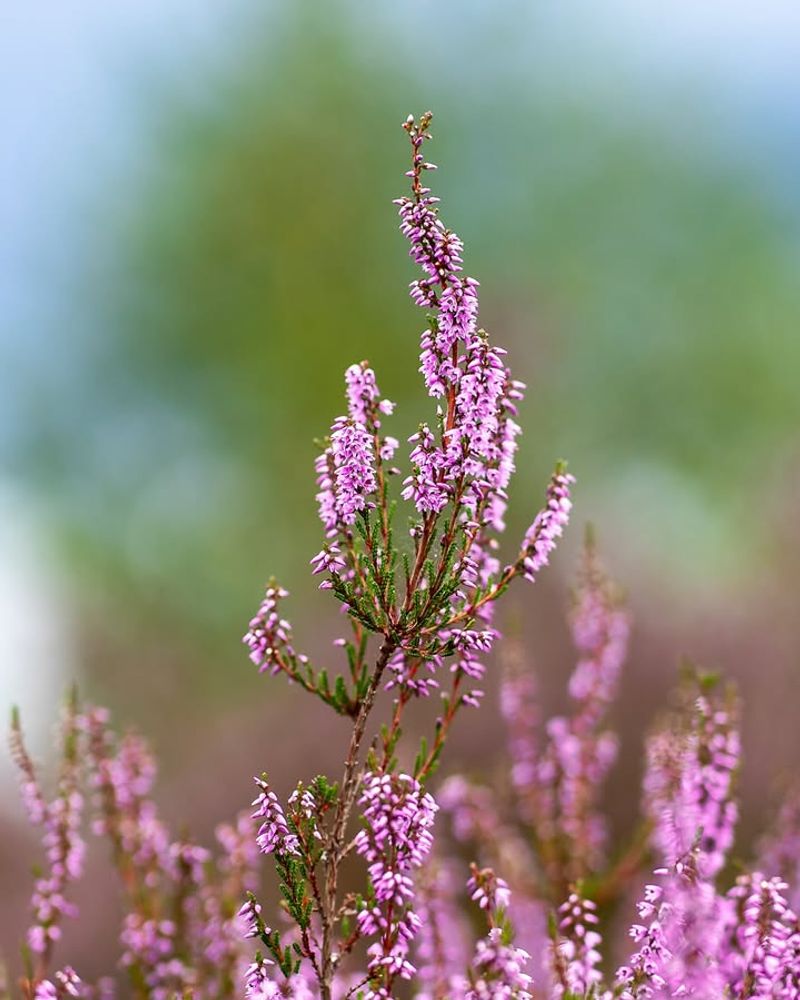
There is something deeply fitting about heather thriving in Oregon. Its rugged, windswept look matches the moody, dramatic landscapes of the Oregon coast and the Cascade foothills perfectly.
Heather blooms in late winter or early spring, filling the garden with color exactly when you need it most.
Scotch heather and winter heather varieties are especially well-suited to Oregon’s climate. They love acidic, well-drained soil, which is exactly what much of the Pacific Northwest naturally provides.
Full sun brings out the best blooms, but they can tolerate some light shade without losing much performance.
Once established, heather is remarkably drought-tolerant, making it a smart choice for Oregon’s dry summer months. A light trim after flowering keeps the plants compact and encourages fresh growth the following season.
Avoid cutting into old wood, as heather does not regenerate well from bare stems. Plant heather in masses for the biggest visual impact, or use it as a colorful ground cover on slopes.
Bees are drawn to heather blooms early in the season when few other flowers are open. Oregon gardeners who embrace this plant rarely look back once they see it perform through an entire year.
7. Hardy Geranium
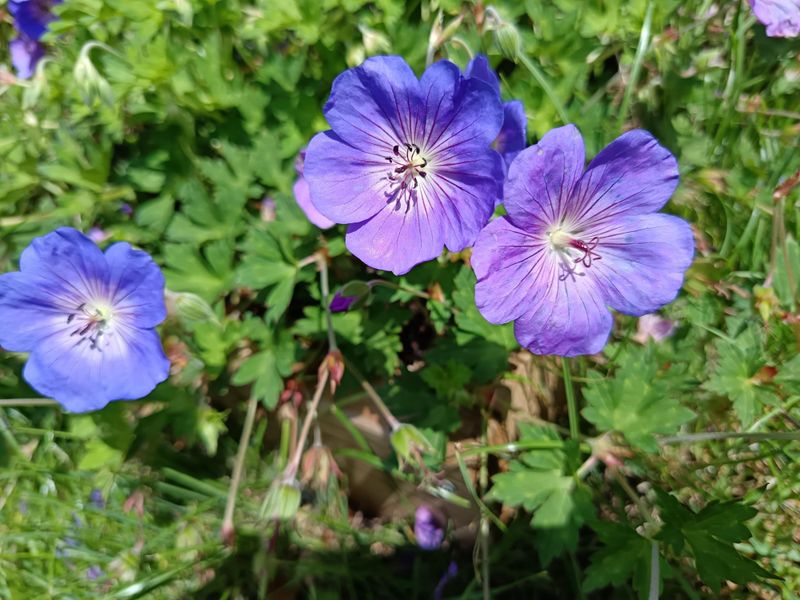
Do not confuse hardy geraniums with the tender potted geraniums you see on patios every summer. These are tough, ground-hugging perennials that come back year after year without complaint.
Oregon gardeners love them because they handle both wet winters and dry summers with impressive ease.
Also called cranesbills, hardy geraniums spread into tidy mounds of deeply lobed, attractive leaves. They bloom in late spring and early summer, producing cheerful flowers in shades of purple, blue, pink, and white.
Some varieties even offer a second flush of blooms in fall if you cut them back after the first flowering.
They grow well in both full sun and partial shade, which gives you a lot of flexibility in the garden. Hardy geraniums tolerate Oregon’s clay soils better than many other perennials, though they always appreciate some added compost.
They are excellent weed suppressors once they fill in, reducing your maintenance workload significantly. Pair them with roses, salvias, or ornamental grasses for a layered, textured border.
Oregon gardeners in the Willamette Valley particularly appreciate how reliably they perform season after season without much fuss or extra care needed.
8. Yarrow
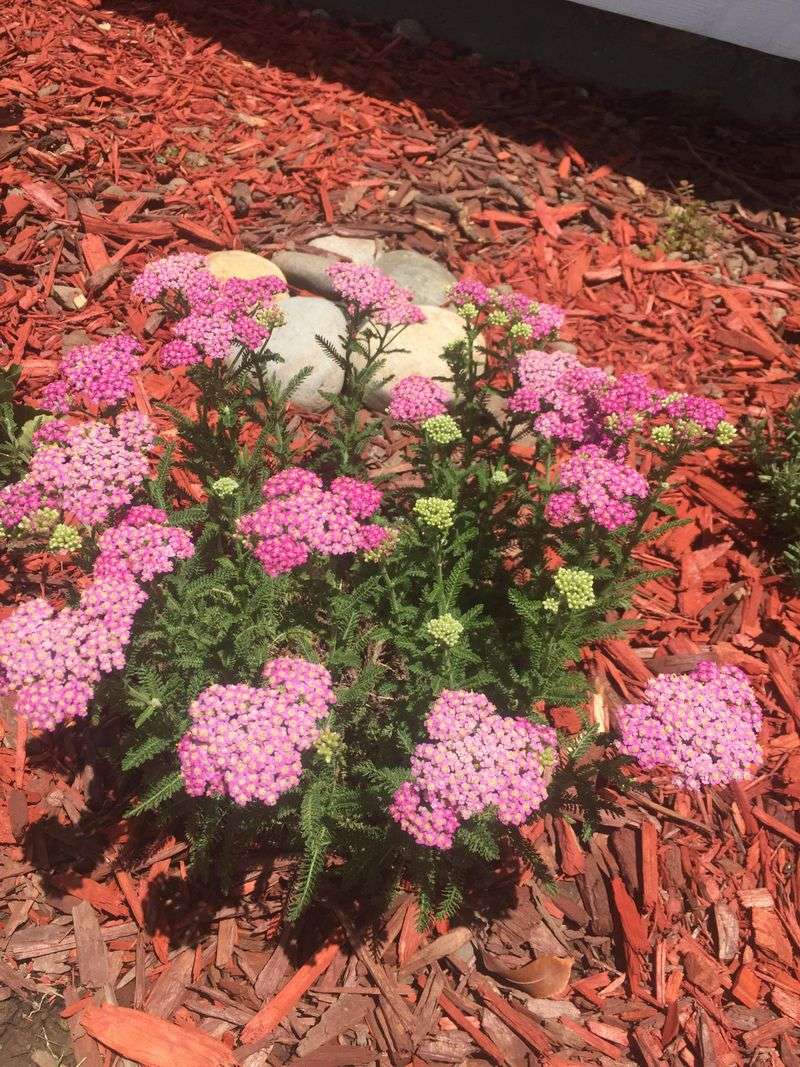
Yarrow has been growing wild across Oregon’s meadows and roadsides for centuries, which tells you everything you need to know about its toughness.
This perennial thrives in full sun and handles dry conditions like a champion, making it one of the best choices for Oregon’s hot, rainless summers east of the Cascades.
The flat-topped flower clusters come in shades of yellow, white, pink, and red, and they bloom from late spring well into fall. Butterflies and beneficial insects flock to yarrow blooms, making it a fantastic plant for pollinator-friendly gardens.
The feathery, aromatic foliage stays attractive even when the plant is not in flower.
Plant yarrow in well-drained soil and give it full sun for the best results. It spreads gradually over time, so divide clumps every few years to keep it tidy and vigorous.
Yarrow is also deer-resistant, which is a real bonus for Oregon gardeners living near wooded areas. Dried yarrow flowers hold their color beautifully and make wonderful additions to arrangements.
It is hard to find a more adaptable, low-water flower that performs this consistently across Oregon’s wildly different regional climates year after year.
9. Salvia
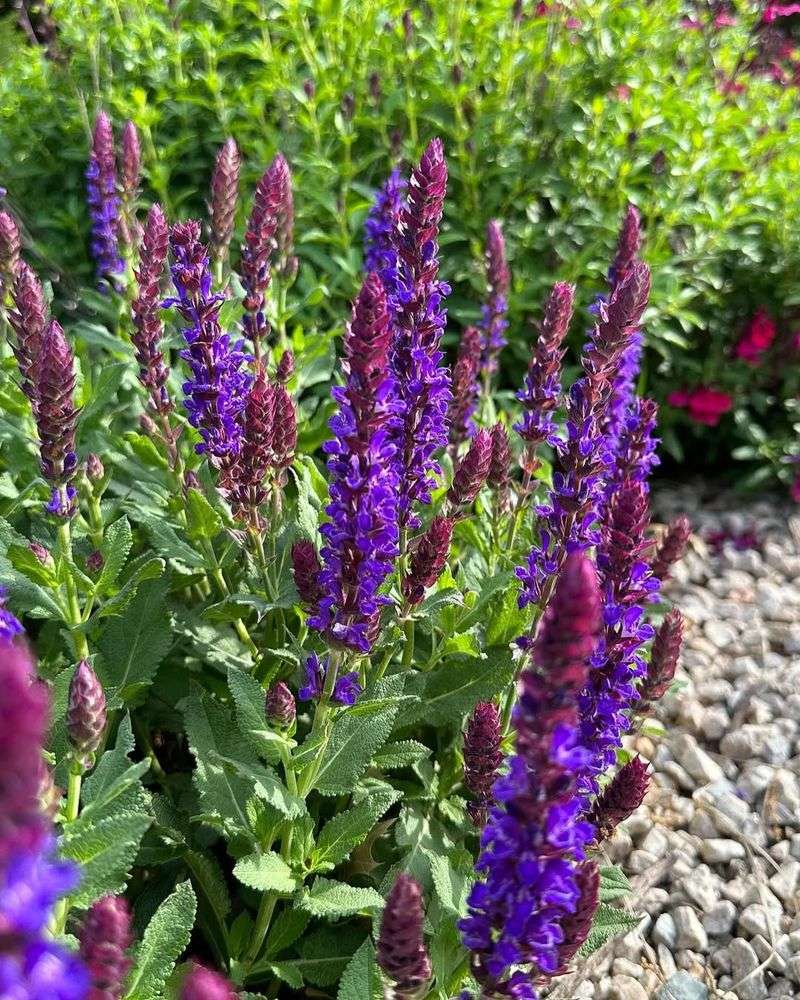
Bold, vertical, and buzzing with pollinators, salvia brings serious energy to any Oregon garden. The tall spikes of purple and blue flowers stand out from a distance and keep blooming for months on end.
Hummingbirds and bees treat salvia like their personal buffet all summer long.
Hardy salvia varieties like Salvia nemorosa and Salvia x sylvestris are perfectly suited to Oregon’s climate swings. They handle the wet spring season well and then shift seamlessly into drought mode once Oregon’s dry summer settles in.
That kind of flexibility is exactly what Pacific Northwest gardeners need from their plants.
Plant salvia in full sun with well-drained soil for peak performance. Cutting the spent flower spikes back after the first bloom flush encourages a strong second wave of color in late summer.
This simple step makes a big difference in how long your garden stays vibrant. Salvia pairs beautifully with yarrow, hardy geraniums, and ornamental grasses for a low-water, high-impact border.
Across Oregon, from the sunny Rogue Valley to the drier eastern plains, salvia earns its place in the garden every single year with minimal effort and maximum reward.