These 11 Native Plants Thrive With Neglect In Oregon
Some Oregon plants seem to sulk the second conditions are less than perfect. Native plants are not usually that dramatic.
Many are built for the state’s soggy winters, dry summer stretches, and all the unpredictability in between, which makes them a smart pick for gardeners who do not want a yard that constantly asks for attention.
Once established, these plants can handle a lot with very little help, all while bringing texture, seasonal color, and a more natural look to the landscape.
That is a big win for busy homeowners, forgetful waterers, and anyone tired of high-maintenance plantings that never seem satisfied.
Choosing natives can make your garden feel easier, more resilient, and far more in sync with Oregon’s climate. Sometimes the best-looking yard is the one that does not need constant babysitting.
1. Oregon Grape
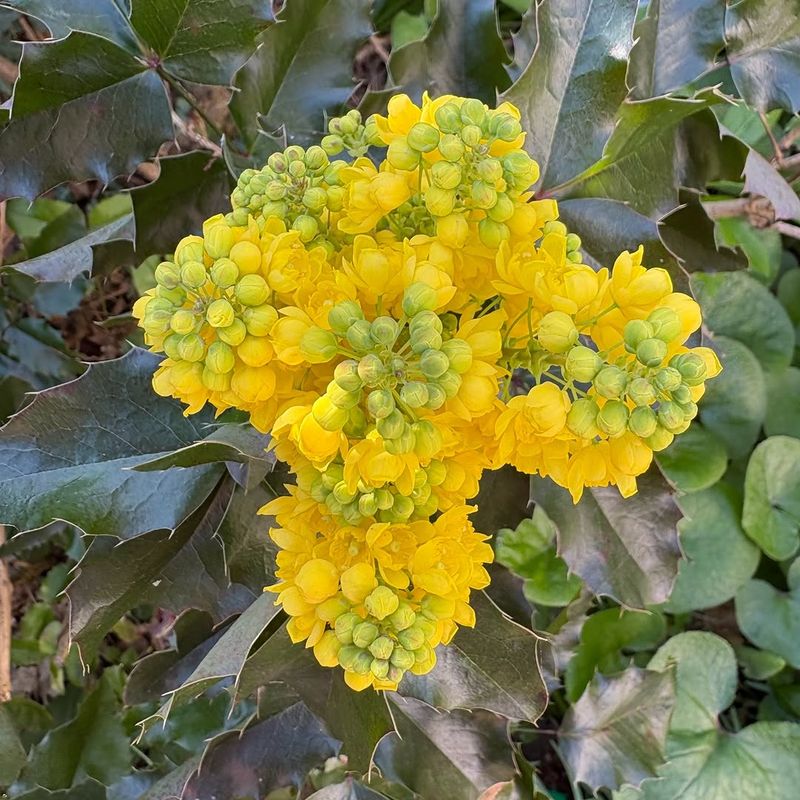
Walk through almost any forest in Oregon and you will likely spot Oregon Grape growing along the trail. This tough, evergreen shrub is practically built for the Pacific Northwest.
Its glossy, spiky leaves look a little like holly, and in spring it bursts into clusters of bright yellow flowers that pollinators absolutely love.
Oregon Grape handles shade like a champ. It grows well under tall trees, along fences, or in spots where other plants struggle.
Once it is established, you barely need to water it at all. Oregon’s rainy winters usually give it everything it needs to stay healthy through the dry summer months.
Beyond its good looks, Oregon Grape also produces clusters of small blue-purple berries that birds go crazy for. Native wildlife has depended on this plant for centuries.
The berries are technically edible for humans too, though they are quite tart. Oregon Grape is also the state flower of Oregon, making it a proud and fitting addition to any local garden.
Plant it once, step back, and let it do its thing.
2. Red-Flowering Currant
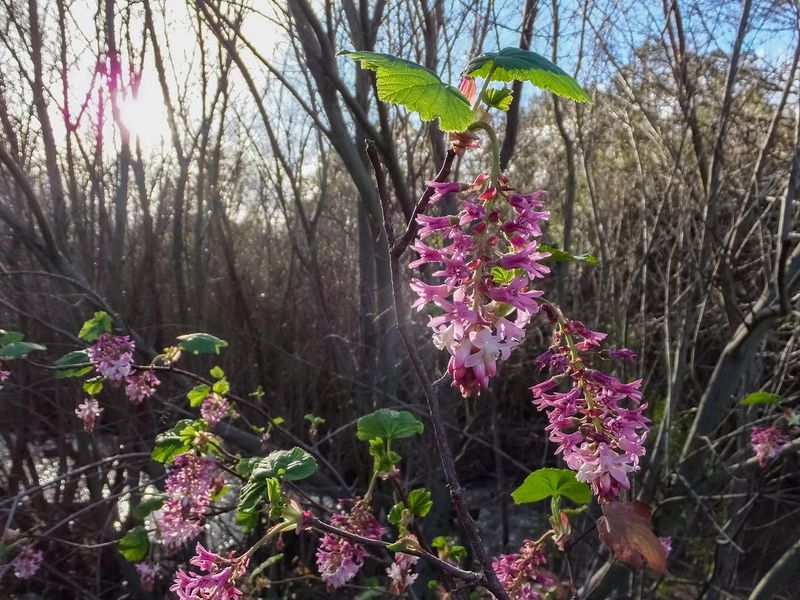
Few sights in an Oregon garden are as cheerful as Red-Flowering Currant bursting into bloom in late winter or early spring. Before most plants have even thought about waking up, this shrub is already covered in dangling clusters of deep pink to red flowers.
Hummingbirds show up almost immediately, drawn in by all that color and nectar.
Red-Flowering Currant is remarkably easy to grow. It handles both sun and partial shade without complaint, and once it gets established in Oregon’s soil, it rarely needs extra watering.
It is naturally adapted to the wet winters and dry summers that define much of the state’s climate.
This shrub grows to about five to ten feet tall, making it a great natural screen or hedge. In fall, it produces small dark berries that birds enjoy.
The leaves also turn beautiful shades of orange and red before dropping for the season. Planting Red-Flowering Currant means you get four seasons of interest with almost zero effort.
It is a win for your garden, a win for local wildlife, and a win for anyone who wants Oregon’s beauty without the hard work.
Your Oregon Garden Changes Every Week. Your Plan Should Too.
Gardening in Oregon changes quickly throughout the season. Every Friday you’ll receive a simple weekly plan showing exactly what to plant, prune, fertilize, harvest, and protect so you never miss the right timing.
3. Salal
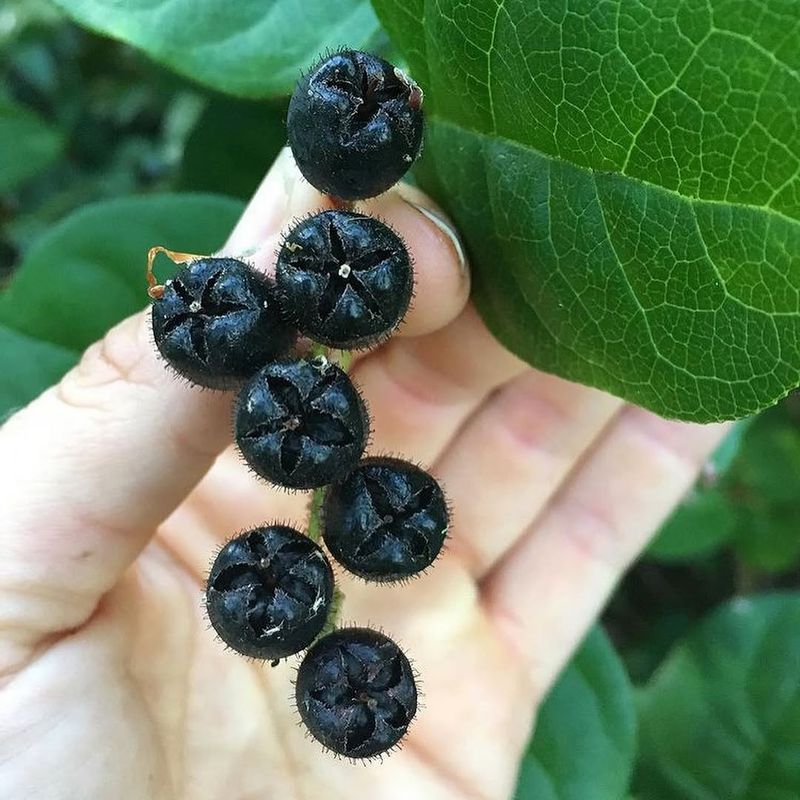
Salal is one of Oregon’s most dependable native ground covers and shrubs. You have probably seen it before without even realizing it.
It lines the floors of coastal and mountain forests across the Pacific Northwest, growing in dense, lush carpets of thick, waxy leaves. Florists actually love salal foliage and use it in arrangements all the time.
What makes salal so special for low-maintenance gardens is its ability to thrive in deep shade. Most plants struggle without sunlight, but salal is perfectly happy growing under a canopy of tall Douglas firs or western red cedars.
It handles Oregon’s heavy winter rains and dry summer stretches without missing a beat.
Salal grows slowly, which means you do not have to worry much about it taking over your garden. It spreads by underground stems, gradually filling in bare spots and preventing weeds from moving in.
In late spring, it produces tiny bell-shaped white or pink flowers, followed by dark purple berries that birds and other wildlife enjoy eating. If you have a shady, difficult spot in your Oregon garden where nothing seems to grow, salal might just be the answer you have been looking for.
4. Evergreen Huckleberry
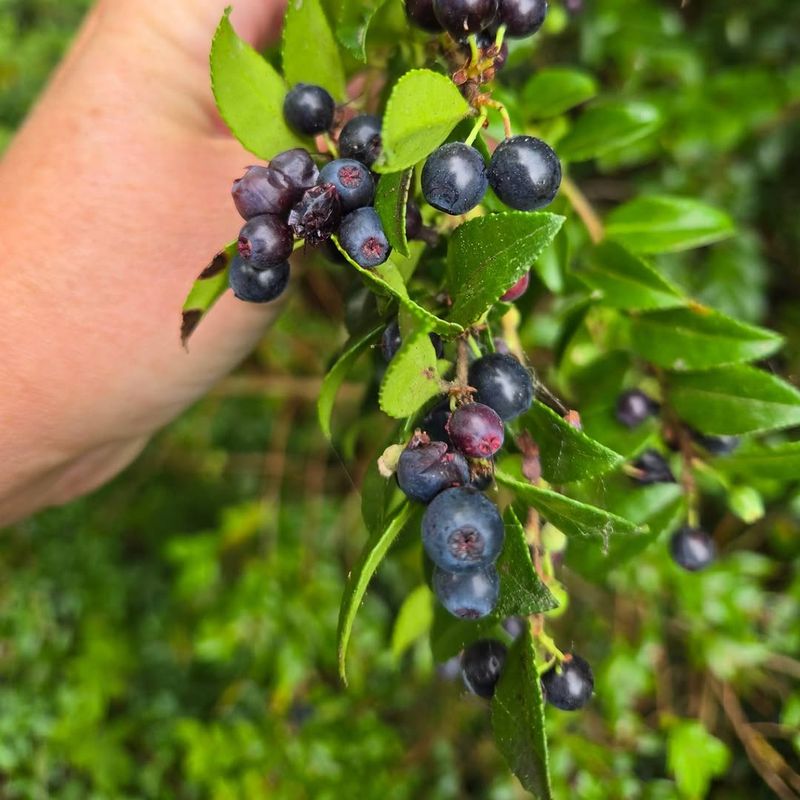
Sweet, small, and absolutely packed with flavor, huckleberries are beloved across Oregon. The Evergreen Huckleberry is a native shrub that keeps its glossy green leaves all year long, making it a great-looking plant even when nothing else in the garden is doing much.
It grows naturally along Oregon’s coast and in shaded inland areas.
This plant is wonderfully low-maintenance. It prefers well-drained, slightly acidic soil, which is exactly what much of Oregon naturally offers.
Once planted, Evergreen Huckleberry rarely needs fertilizing or extra watering. It is perfectly adapted to the region’s rainfall patterns, making it a smart, sustainable choice for any Oregon yard.
The berries ripen in late summer and early fall, and they are genuinely delicious. People use them in pies, jams, pancakes, and muffins.
Birds and small mammals also go out of their way to find these berries, so planting Evergreen Huckleberry is basically like setting up a free buffet for local wildlife. The shrub can grow anywhere from three to eight feet tall, so it works as a hedge, a backdrop plant, or even a standalone feature.
It is one of Oregon’s most rewarding native plants to grow.
5. Oregon Sunshine
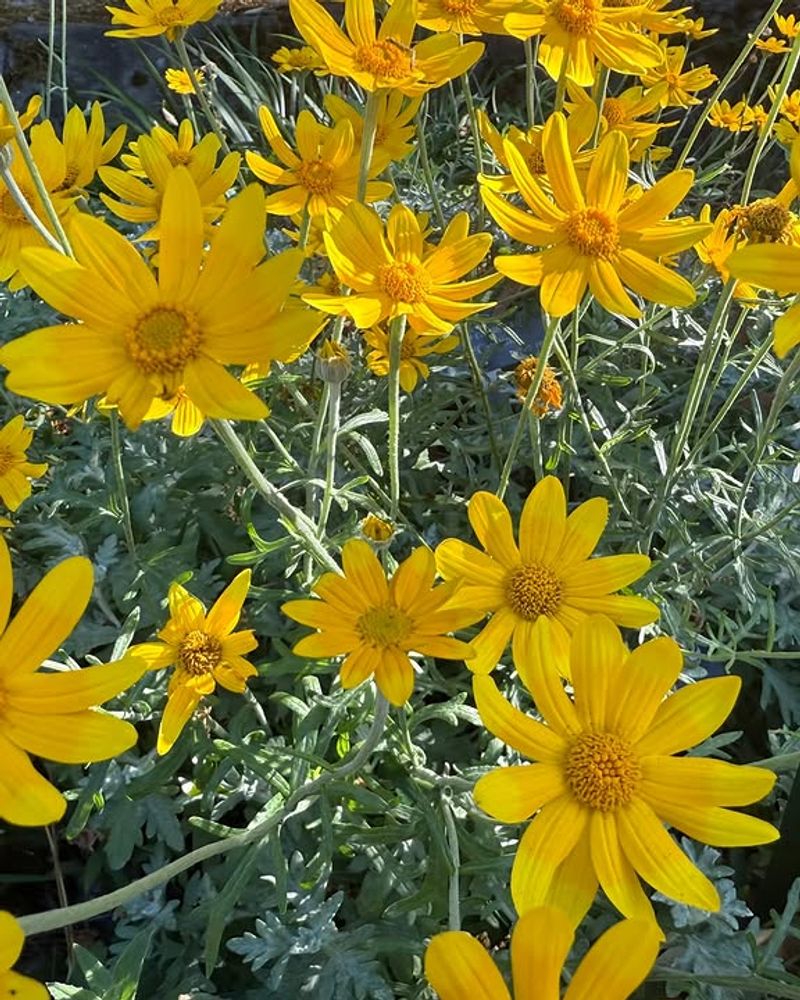
Bright, bold, and almost impossible to ignore, Oregon Sunshine lives up to its cheerful name. This native wildflower produces masses of golden-yellow, daisy-like blooms that light up dry hillsides and rocky slopes across the state.
It is one of those plants that looks like it belongs on a postcard from Eastern Oregon.
Oregon Sunshine was made for tough conditions. It thrives in poor, rocky soil with full sun and almost no extra water.
In fact, overwatering is one of the few things that can actually hurt it. If you have a hot, dry, sunny spot in your yard that seems impossible to plant, Oregon Sunshine is your answer.
The silvery-gray, woolly leaves are part of what makes this plant so drought-tough. That fuzzy coating helps reduce water loss in Oregon’s dry summer heat.
It blooms from late spring through summer, giving you months of color with minimal effort. Pollinators, especially native bees, are huge fans of Oregon Sunshine.
It also reseeds itself naturally, meaning you may find little volunteer plants popping up nearby over time. For a no-fuss, high-reward wildflower that celebrates Oregon’s natural beauty, this one is hard to beat.
6. Western Columbine
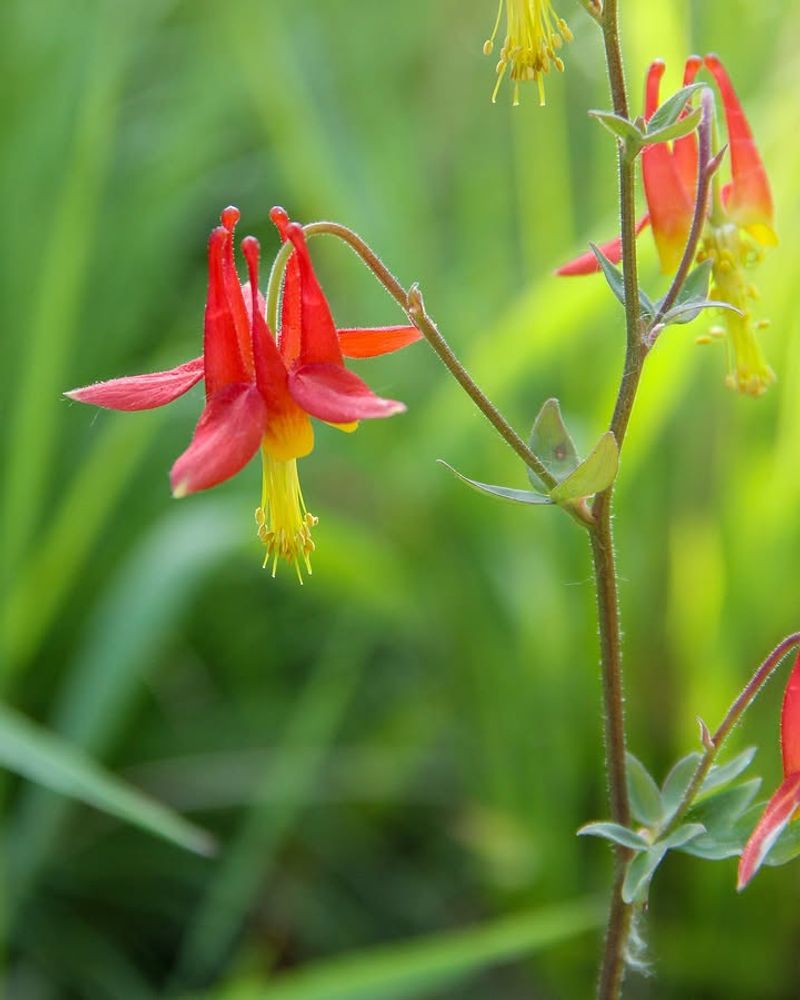
There is something almost magical about Western Columbine. Its flowers droop gracefully from slender stems, showing off a striking combination of red and yellow petals with long, elegant spurs trailing behind them.
Hummingbirds absolutely cannot resist these blooms, and watching them hover nearby is one of the simple joys of an Oregon garden.
Western Columbine grows naturally in Oregon’s forests, meadows, and along stream banks. It is comfortable in both sun and partial shade, which makes it a flexible choice for many different garden spots.
Once it gets established, it needs very little care. Oregon’s natural rainfall usually gives it plenty of moisture through the growing season.
One of the best things about Western Columbine is how it reseeds itself year after year. You plant it once, and it quietly multiplies, filling in gaps and spreading gently without becoming aggressive.
The lacy, blue-green foliage looks attractive even when the plant is not in bloom. It typically grows one to three feet tall, making it a great mid-border plant.
If you want a delicate, wildlife-friendly flower that takes care of itself in an Oregon garden, Western Columbine is a genuinely wonderful choice worth every bit of space it takes up.
7. Camas
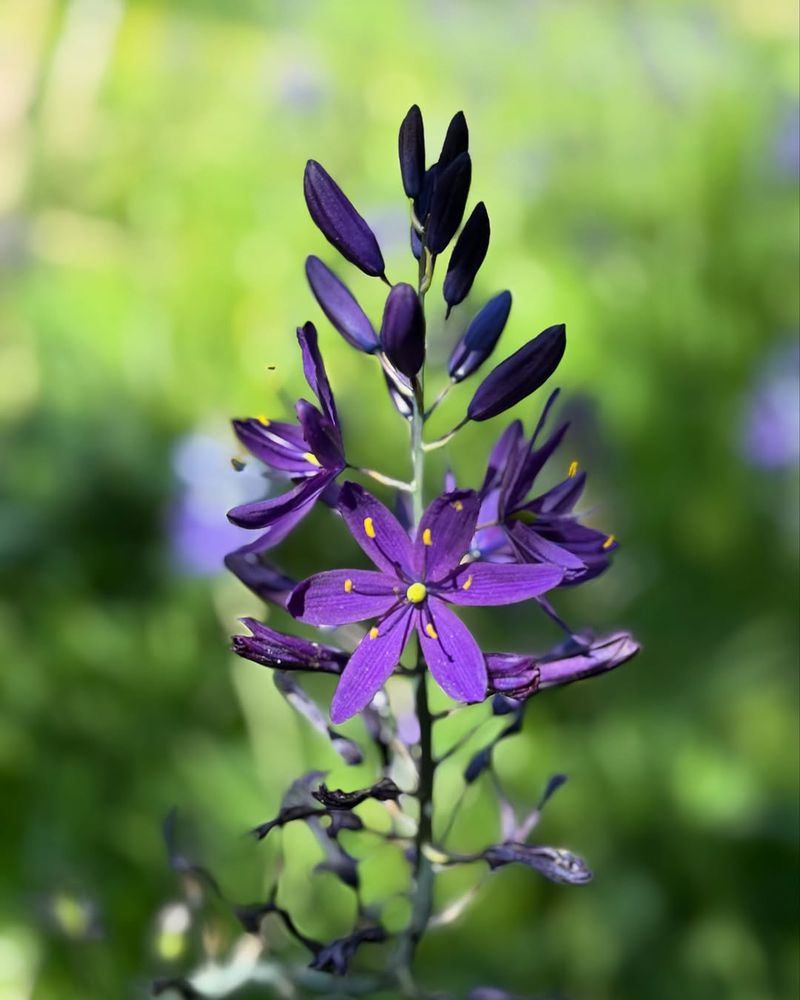
Picture a meadow in Oregon painted brilliant blue-purple as far as the eye can see. That is what a Camas bloom looks like in spring, and it is genuinely breathtaking.
Camas is a native bulb plant with deep historical roots in the Pacific Northwest. Indigenous peoples across Oregon and beyond have relied on Camas bulbs as an important food source for thousands of years.
Growing Camas in your garden is surprisingly easy. Plant the bulbs in fall in a sunny or lightly shaded spot with decent moisture, and let Oregon’s rainy season do the work.
By late spring, tall spikes covered in star-shaped flowers will reward your patience. After blooming, the plant quietly goes dormant until the following year.
Camas prefers moist soil, so it works especially well in low-lying areas or spots near downspouts where water tends to collect. It is also a magnet for native bees and other pollinators during its blooming period.
Over time, Camas spreads gradually, producing more and more flowers each season. It is one of those rare plants that actually gets better with age and minimal interference.
Adding Camas to your Oregon garden is a meaningful way to celebrate and preserve the region’s natural heritage.
8. Douglas Aster
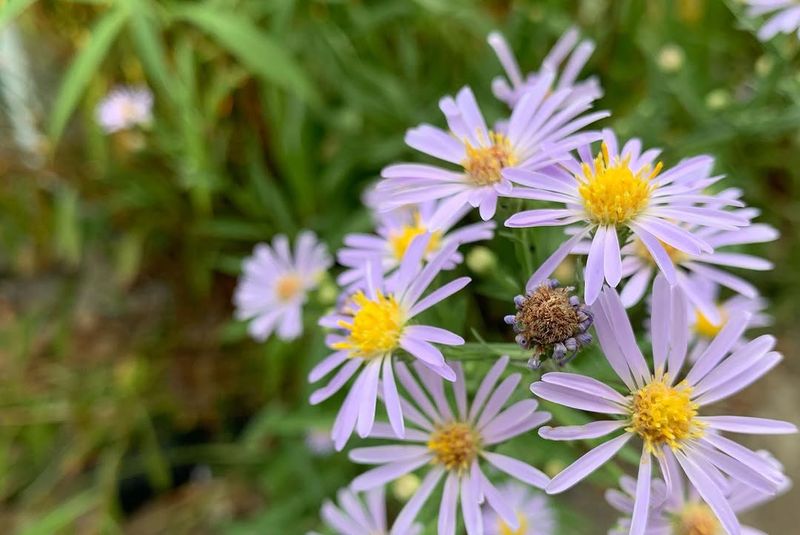
When most summer flowers are fading away, Douglas Aster is just getting started. This cheerful native wildflower bursts into bloom in late summer and keeps going well into fall, covering itself with lavender-purple, daisy-like flowers that have sunny yellow centers.
It is a fantastic way to keep color in your Oregon garden when other plants are winding down.
Douglas Aster is naturally found along Oregon’s coast, in meadows, and along roadsides throughout the state. It handles a wide range of conditions, from full sun to partial shade, and it is not picky about soil quality.
Once established, it rarely needs supplemental watering, making it a great fit for Oregon’s dry late summers.
Butterflies and bees are especially fond of Douglas Aster during its long blooming season. It provides a critical late-season food source for pollinators that are preparing for winter.
The plant grows two to four feet tall and spreads gradually over time, filling in garden beds with a soft, natural look. It also works beautifully as a cut flower for indoor arrangements.
For an easy, wildlife-friendly, late-season bloomer that thrives across Oregon with minimal attention, Douglas Aster is a standout native plant worth growing.
9. Yarrow
Yarrow has been growing wild across Oregon for centuries, and for good reason. It is one of the toughest, most adaptable native plants you can put in the ground.
Poor soil, drought, rocky terrain, full sun exposure: Yarrow handles all of it without flinching. It is basically the definition of a plant that thrives on neglect.
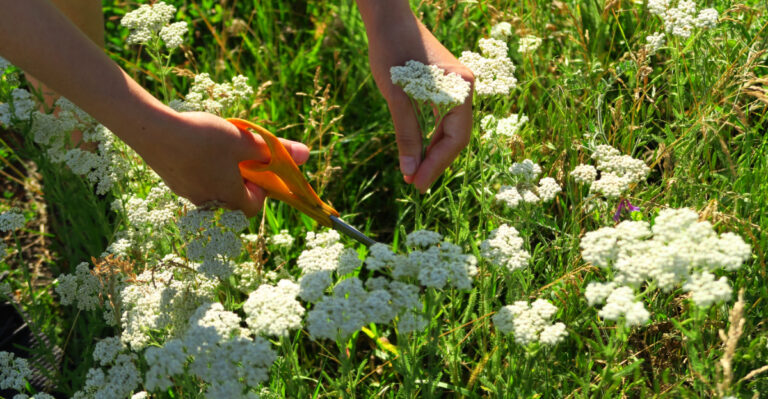
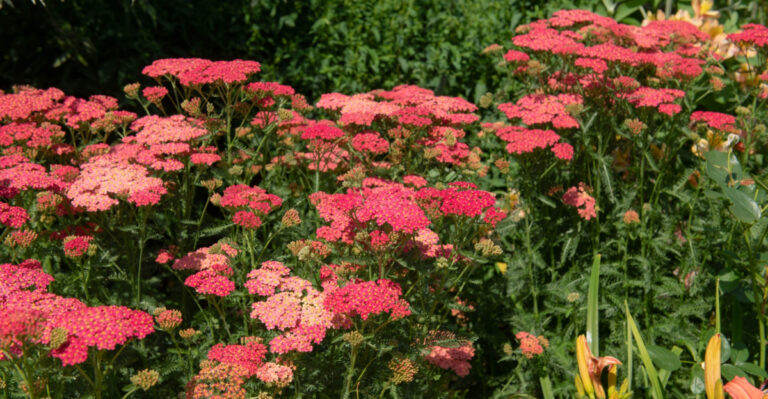
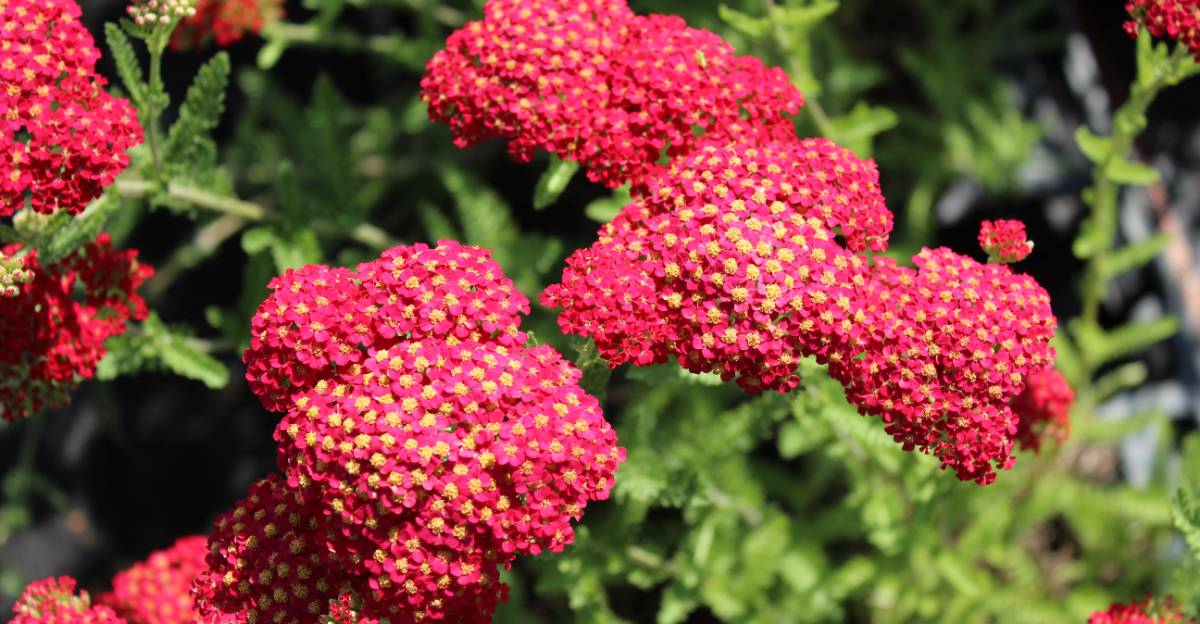
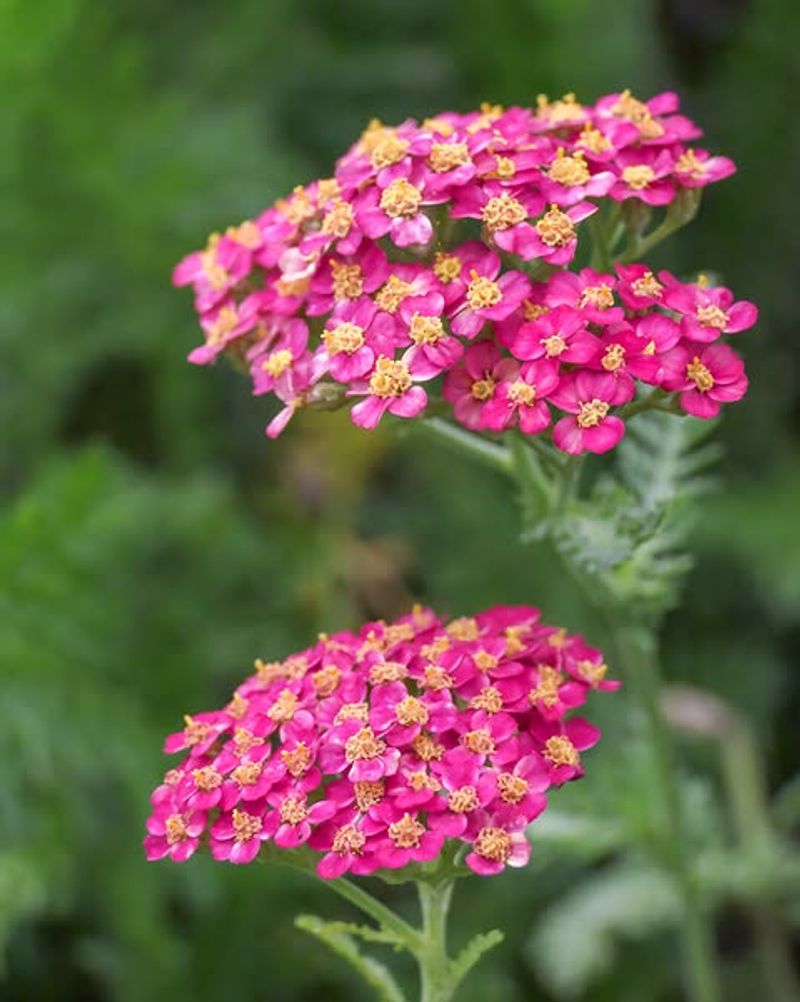
The flat-topped flower clusters come in white, yellow, and even shades of pink, sitting on top of feathery, fern-like leaves that stay attractive all season long. Yarrow blooms from late spring through midsummer, and if you cut it back after the first flush of flowers, it will often bloom again.
Oregon gardeners love it for this reason.
Pollinators are wild about Yarrow. Butterflies, native bees, and beneficial insects flock to the flowers throughout the blooming season.
It also has a long history of medicinal use among Indigenous peoples and early settlers across the Pacific Northwest. Yarrow spreads by both seeds and underground runners, so it gradually fills in bare spots on its own.
It works beautifully in wildflower meadows, along pathways, or in any sunny, dry area of your Oregon yard where you want color and life without constant maintenance.
10. Snowberry
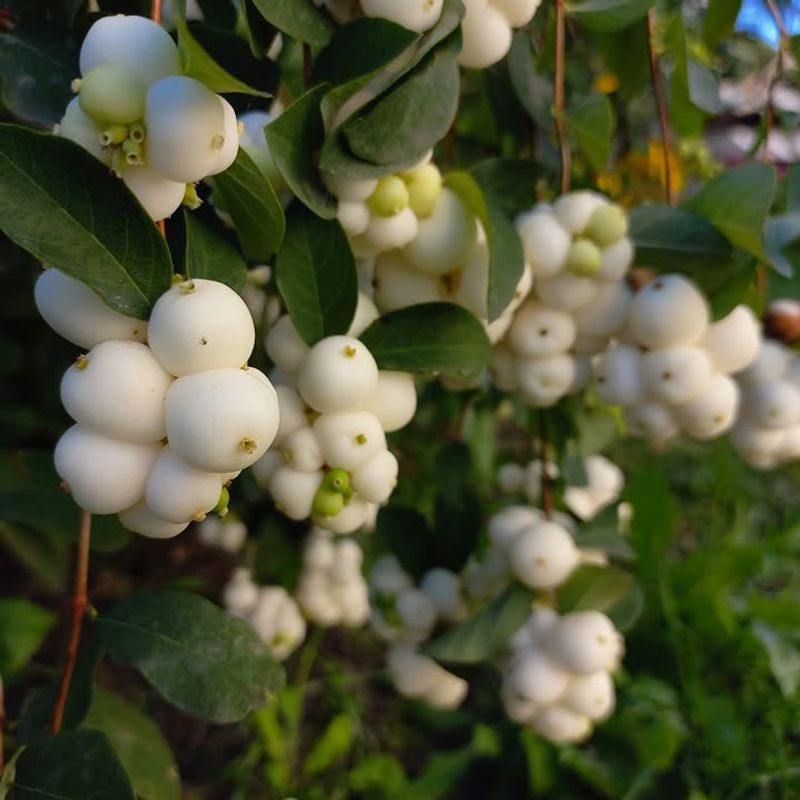
Most plants show off in spring and summer, but Snowberry saves its best act for fall. After its leaves drop, this native Oregon shrub is covered in clusters of round, waxy white berries that practically glow against bare stems.
It looks like something out of a winter fairy tale, and it stays that way well into the cold months.
Snowberry is incredibly tough. It grows in sun or shade, handles dry or moist soil, and thrives in the variable conditions found all across Oregon.
Slopes, woodland edges, and shaded borders are all fair game. It spreads by underground runners, slowly forming dense thickets that are excellent for erosion control on hillsides.
Wildlife benefits enormously from Snowberry. Many bird species eat the berries during fall and winter when other food sources are scarce.
The dense branching also provides shelter and nesting cover for small birds. While the berries are not safe for people to eat, they are harmless to touch and simply beautiful to look at.
Snowberry is a fantastic choice for any Oregon gardener who wants year-round interest, wildlife habitat, and a plant that genuinely requires almost no attention once it gets settled in.
11. Kinnikinnick
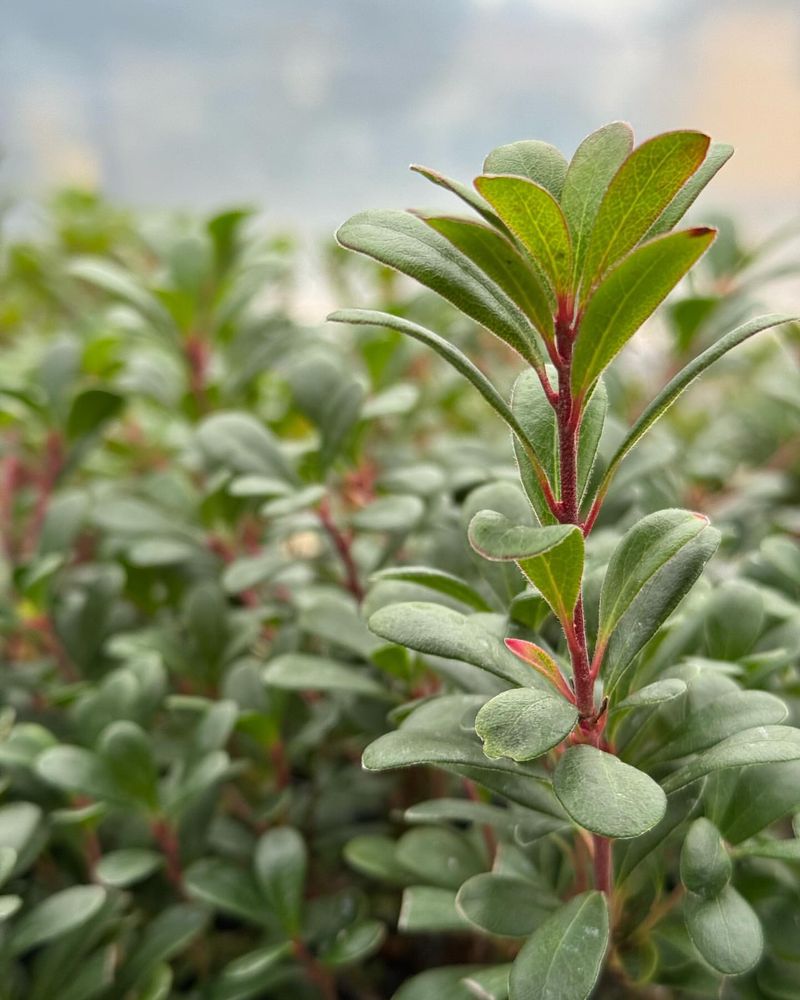
Kinnikinnick might have a fun name to say out loud, but its real superpower is what it does in the garden. This low-growing, evergreen ground cover hugs the ground tightly, spreading out in a dense mat of small, glossy green leaves.
It is one of the best native plants Oregon has for covering slopes, rocky areas, and dry sunny spots where grass simply refuses to grow.
This plant is extraordinarily drought-tolerant once established. It is found naturally across Oregon’s drier regions, growing on sandy slopes, rocky outcrops, and open pine forests.
It prefers well-drained soil and full to partial sun. Once it gets its roots down, Kinnikinnick needs almost no supplemental water, even during Oregon’s driest summers.
In spring, tiny pink bell-shaped flowers appear and quickly attract native bees and other pollinators. By fall, those flowers turn into bright red berries that many bird species, including grouse and robins, eagerly consume.
The berries persist through winter, giving birds a reliable food source during lean times. Kinnikinnick also stays green year-round, adding color to the garden even in the depths of an Oregon winter.
For ground-level beauty and zero-fuss performance, this native plant is genuinely one of Oregon’s finest.