What To Fertilize In April In North Carolina Flower Beds And What To Skip
April can bring a big burst of life to North Carolina flower beds, but that does not mean every plant needs fertilizer right away. This is when many gardeners feel ready to feed everything in sight, hoping for faster growth and bigger blooms.
Sometimes that works, but sometimes it causes weak stems, fewer flowers, or plants that grow too fast and flop over. In spring, timing matters just as much as the product you use.
Some flowers are ready for a boost as they wake up and start growing strong. Others do better with little help or none at all.
That is what makes April feeding a little more important than it seems. A smart choice now can lead to healthier plants and better color later.
The wrong one can waste money and create problems that are hard to fix once the season moves forward.
1. Roses (Rosa spp.)
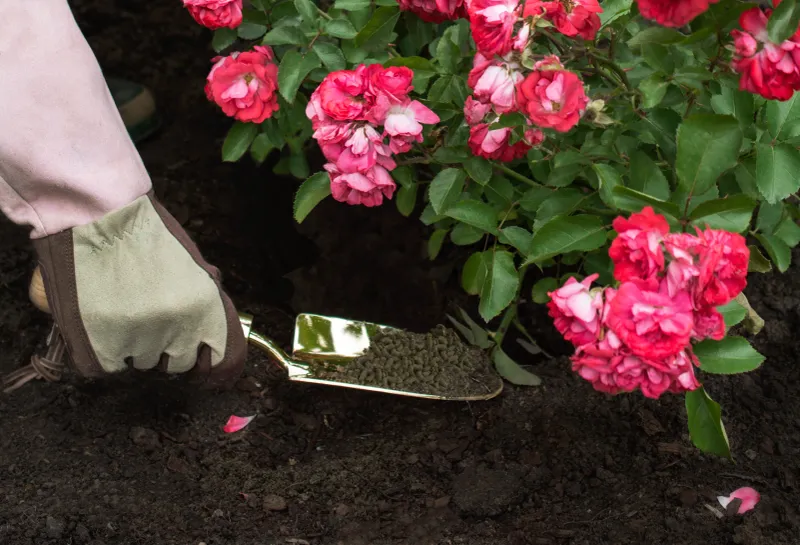
Few plants put on a show quite like roses do in a North Carolina garden, and April is exactly when they need your attention most. As soon as you spot those first red or green shoots pushing up from the canes, that is your signal to grab the fertilizer.
New growth means the plant is actively pulling nutrients from the soil, and feeding it now sets the stage for an incredible blooming season ahead.
A balanced rose-specific fertilizer works best at this stage. Look for products labeled for roses, often with a formula like 6-12-6 or similar, which supports both strong root development and flower production.
Spread it evenly around the base of each plant, keeping it a few inches away from the main cane, and water it in well so nutrients reach the roots quickly.
North Carolina gardeners have a real advantage here because April temperatures are warm enough to activate fertilizer but not so hot that nutrients burn off too fast.
Feeding roses every four to six weeks from April through late summer keeps blooms coming in waves all season.
Avoid heavy nitrogen-only products, since they push leafy growth over flowers. Stick with balanced formulas, water consistently, and your roses will absolutely thrive in those Tar Heel State flower beds.
2. Panicle Hydrangeas (Hydrangea paniculata)
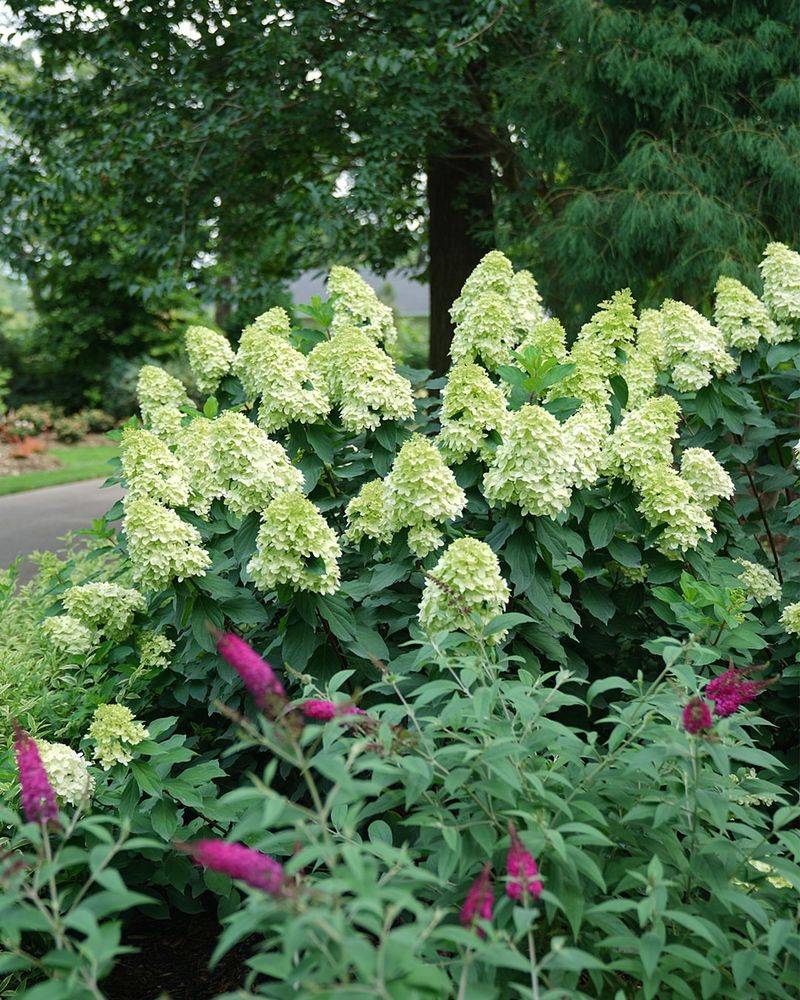
Panicle hydrangeas are among the most reliable bloomers you can grow in North Carolina, and a little spring feeding goes a long way toward those spectacular cone-shaped flower clusters.
April is the sweet spot for fertilizing because the plant is just beginning to push out new leaves and build the energy it needs for summer flowering. Feeding too late means nutrients arrive after the plant has already committed its energy reserves.
A slow-release granular fertilizer is the smartest choice here. Products with a balanced formula, something around 10-10-10, deliver a steady supply of nutrients over several weeks without overwhelming the plant all at once.
Sprinkle the granules in a wide circle around the drip line, which is the outer edge of the branches, and water everything in thoroughly. Avoid piling fertilizer right against the stems.
Your North Carolina Garden Changes Every Week. Your Plan Should Too.
Gardening in North Carolina changes quickly throughout the season. Every Friday you’ll receive a simple weekly plan showing exactly what to plant, prune, fertilize, harvest, and protect so you never miss the right timing.
One thing North Carolina gardeners should keep in mind is that panicle hydrangeas are surprisingly tough and do not need heavy feeding. Overfeeding actually causes problems, pushing out lots of leafy growth while reducing the number of blooms.
One light application in April, followed by another in early June if needed, is usually plenty. These hydrangeas already love the warm, humid conditions across much of North Carolina, so a little fertilizer support gives them just the boost they need to shine.
3. Daylilies (Hemerocallis spp.)
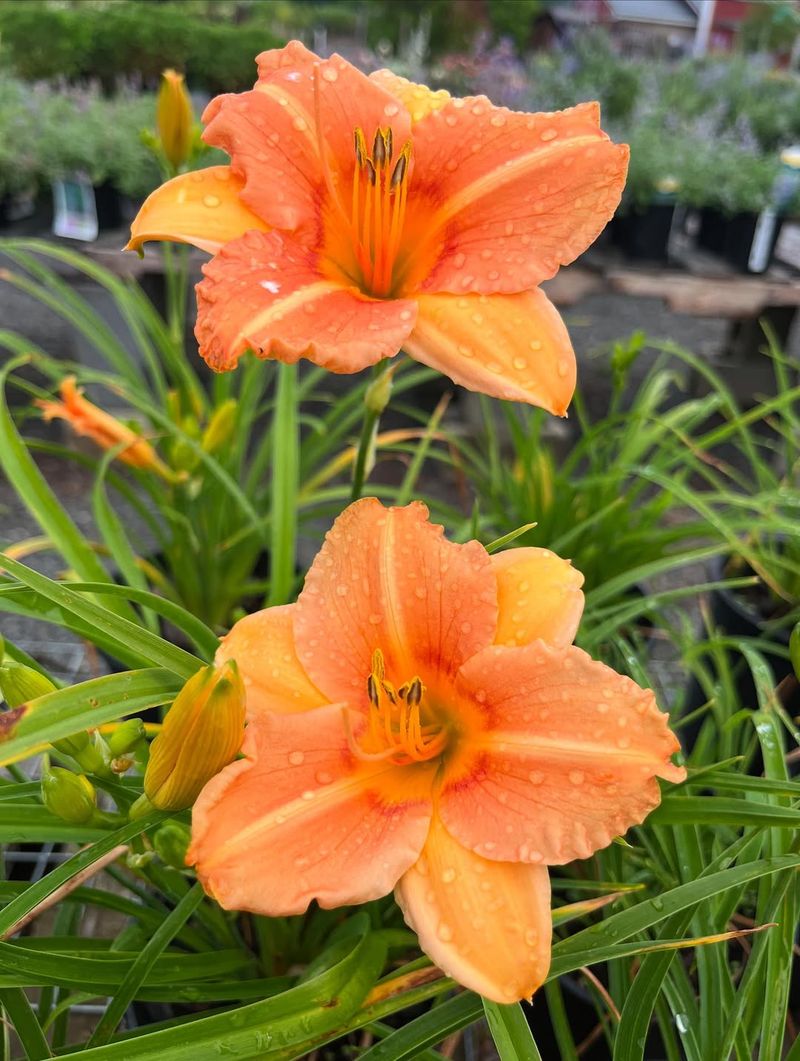
Daylilies are one of the hardest-working plants in any North Carolina flower bed, and watching those bright green fans of foliage push up through the soil in April is genuinely satisfying. Right at that moment of emergence is actually the best window to apply a light fertilizer.
The plant is shifting into active growth mode and can put those nutrients to immediate use building stronger leaves and setting the groundwork for summer blooms.
A balanced granular fertilizer with equal or near-equal parts nitrogen, phosphorus, and potassium works well for daylilies.
Something in the range of 10-10-10 or 12-12-12 applied lightly around the base of each clump gives the plants what they need without going overboard.
Water it in right after applying so the nutrients move down toward the roots where they are actually needed.
Here is something cool about daylilies: each individual flower only lasts one day, but a healthy, well-fed plant can produce dozens of blooms over several weeks.
In North Carolina, where summers get hot and humid, well-nourished daylilies hold up far better than underfed ones.
Avoid fertilizing again after midsummer, since late-season feeding can push soft new growth that struggles as temperatures drop in fall. One solid April application gives these cheerful plants exactly what they need to put on a brilliant summer show across your garden beds.
4. Hostas (Hosta spp.)
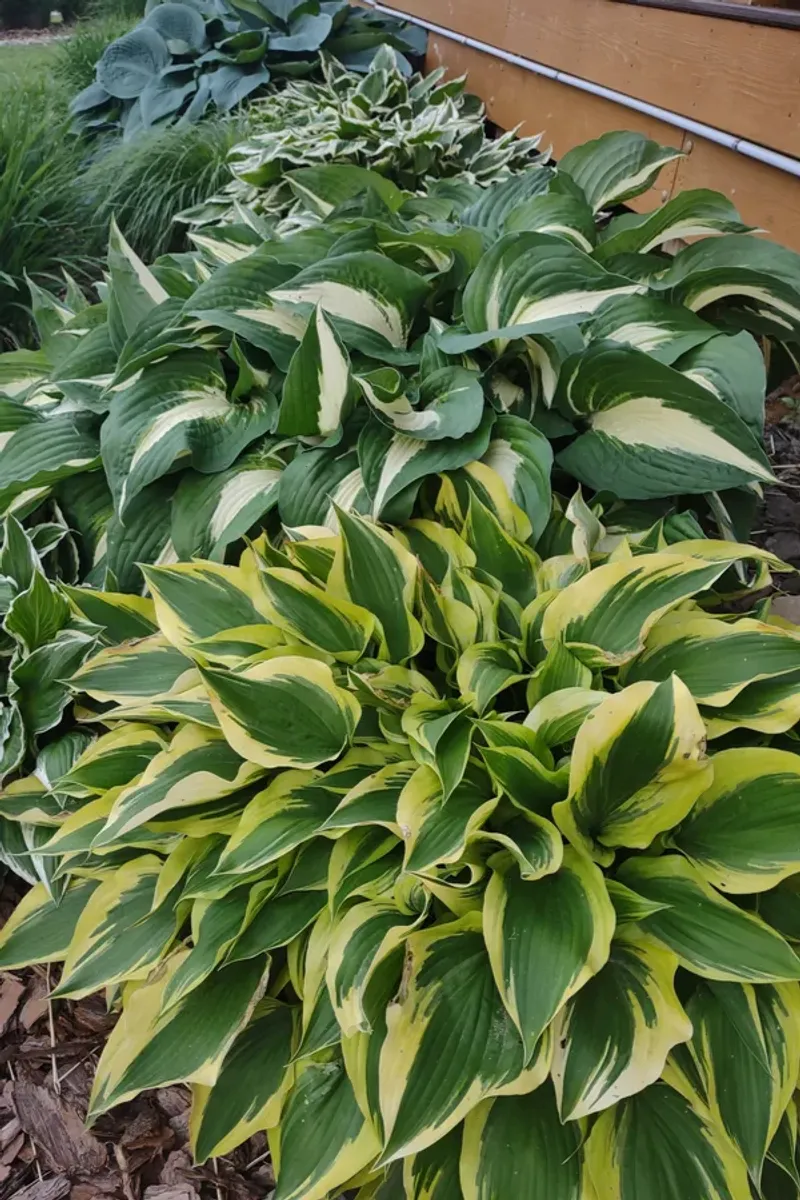
Hostas are the undisputed champions of shaded garden beds across North Carolina, and April is when their bold, beautiful leaves begin their dramatic unfurling. That moment when the tightly rolled shoots start opening up is your best opportunity to apply a balanced fertilizer.
The plant is actively growing and ready to absorb nutrients that will support those gorgeous, lush leaves through the entire season.
Because hostas are grown mainly for their foliage rather than their flowers, a fertilizer with a slightly higher nitrogen content works well in spring. A formula like 10-8-6 encourages that rich, deep leaf color and impressive size that makes hostas so eye-catching.
Apply it around the base of the clump, being careful not to let granules settle into the crown of the plant where tightly packed new shoots are emerging, since that can cause irritation to the soft new growth.
North Carolina’s shaded garden spots often have soil that gets depleted faster than sunny areas because trees compete for nutrients. That makes spring fertilizing even more important for hostas growing under large canopy trees in your yard.
Water thoroughly after feeding and consider adding a layer of compost around the base to help retain moisture during summer heat.
One good April feeding, possibly followed by a second lighter application in June, keeps hostas looking full, vibrant, and absolutely stunning all season long in your North Carolina beds.
5. Garden Phlox (Phlox paniculata)
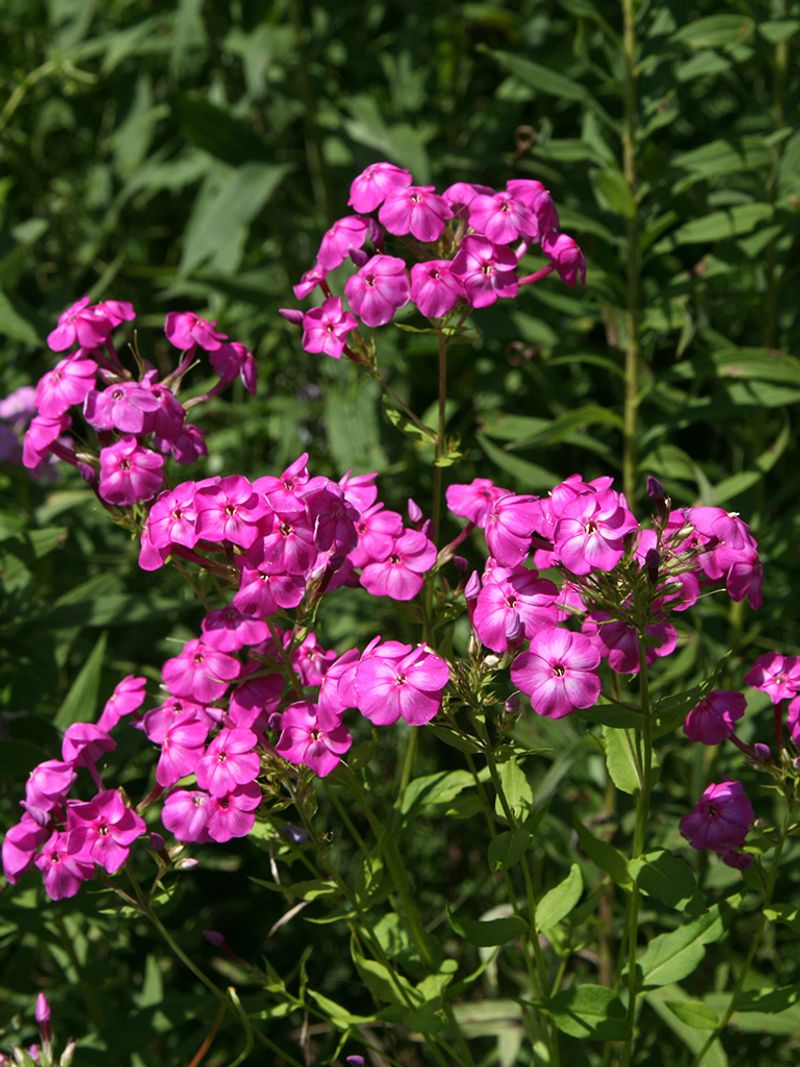
Garden phlox brings some of the most vibrant color to North Carolina flower beds every summer, and that stunning display starts with what you do in April.
When the new stems begin pushing up from the ground and reaching a few inches tall, that is the right moment to apply a light fertilizer.
Feeding at this stage helps build the strong, upright stems that phlox needs to hold up those heavy flower clusters without flopping over.
A balanced slow-release fertilizer is the way to go here. Garden phlox does not need or want heavy feeding, especially in North Carolina where the combination of heat and humidity already creates challenging conditions.
Too much nitrogen makes stems tall and weak, which leads to flopping and increases the risk of powdery mildew, a common problem for phlox in the Southeast. Light and targeted is always the better approach.
Spread a moderate amount of a 10-10-10 granular fertilizer around the base of each clump and water it in well. If you have a large grouping of phlox, think about thinning the stems to just five or six per clump at the same time you fertilize.
Better air circulation combined with proper nutrition gives garden phlox the best possible chance of staying healthy and blooming beautifully from midsummer all the way into early fall across your North Carolina garden beds.
6. Shasta Daisy (Leucanthemum x superbum)
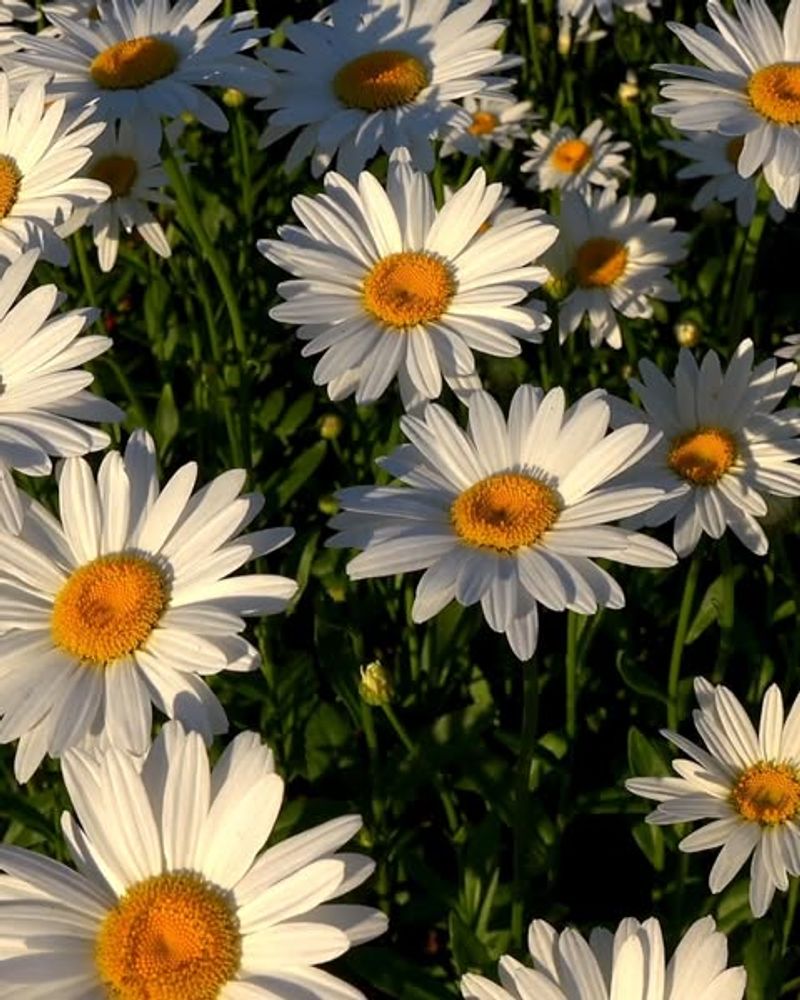
There is something wonderfully cheerful about a patch of Shasta daisies, and North Carolina gardeners who feed them right in April will be rewarded with a sea of crisp white blooms come summer.
These classic perennials wake up reliably each spring and respond really well to a light fertilizer application as their new foliage begins filling out.
Getting nutrients in early helps the plant build a strong root system and sturdy stems before the heat of summer arrives.
A balanced granular fertilizer, such as a 10-10-10 blend, applied lightly around the base of each clump in April gives Shasta daisies everything they need for a great season.
Avoid going heavy on nitrogen, since too much leafy growth can actually reduce the number of flowers the plant produces.
The goal is balanced nutrition that supports the whole plant, from roots to blooms, rather than just pushing foliage.
Shasta daisies are not heavy feeders, so one spring application is usually all they need for the entire growing season in North Carolina. After flowering, cut the spent blooms back to encourage a second flush of flowers later in summer.
These plants love full sun and well-drained soil, both of which are easy to find across many parts of North Carolina. A little April fertilizer, good drainage, and plenty of sunshine is really all it takes to keep Shasta daisies looking spectacular season after season.
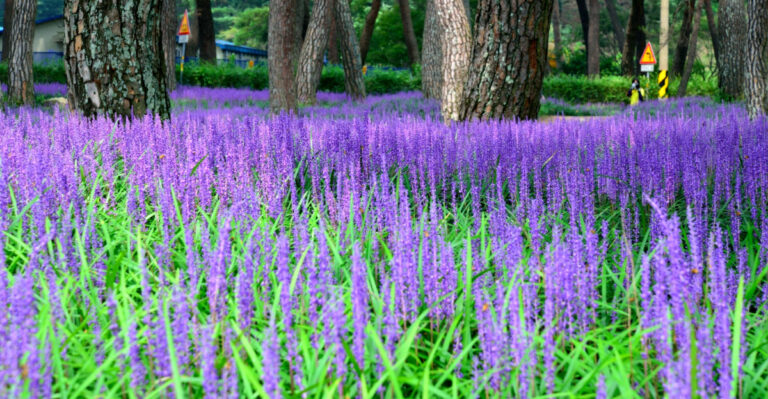
7. Lavender (Lavandula spp.)
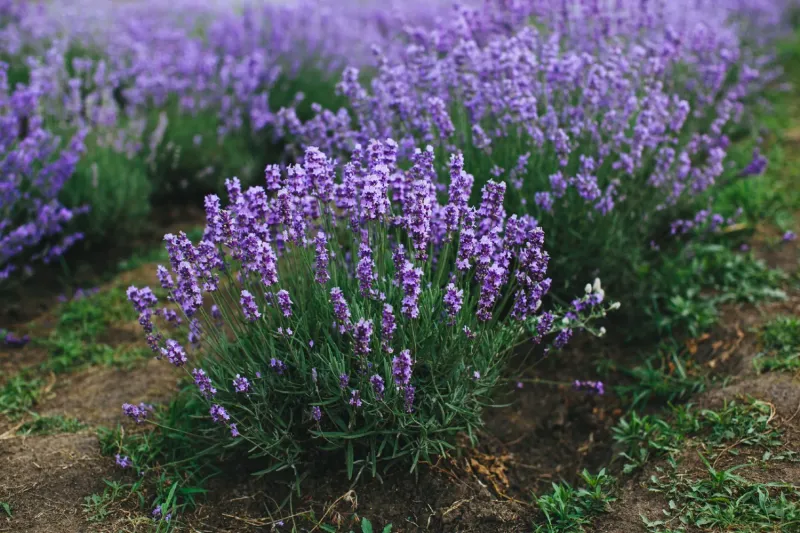
Lavender is one of those plants that genuinely thrives on neglect, and nowhere is that more true than in North Carolina’s warm, humid climate.
Reaching for the fertilizer bag when your lavender starts greening up in April is actually one of the biggest mistakes you can make with this plant.
Lavender evolved in the rocky, nutrient-poor soils of the Mediterranean, and it simply does not need or want extra feeding.
When you fertilize lavender, the plant responds by pushing out lots of soft, lush new growth. That might sound like a good thing, but in North Carolina’s high-humidity spring and summer conditions, that soft growth becomes a real problem.
It is far more vulnerable to fungal issues and struggles to hold up well through the growing season. Plants that are overfed tend to look floppy and less vigorous rather than better.
The best thing you can do for lavender in April is make sure it has excellent drainage and full sun exposure. If the soil is very poor or sandy, a thin layer of compost worked in around the plant in early spring is the most it ever needs.
Skip the fertilizer entirely and focus instead on trimming back any woody or dead stems from winter to encourage fresh growth from the base. North Carolina gardeners who follow this lean-soil approach will have far healthier, longer-lasting lavender plants than those who feed them generously each spring.
8. Coneflower (Echinacea purpurea)
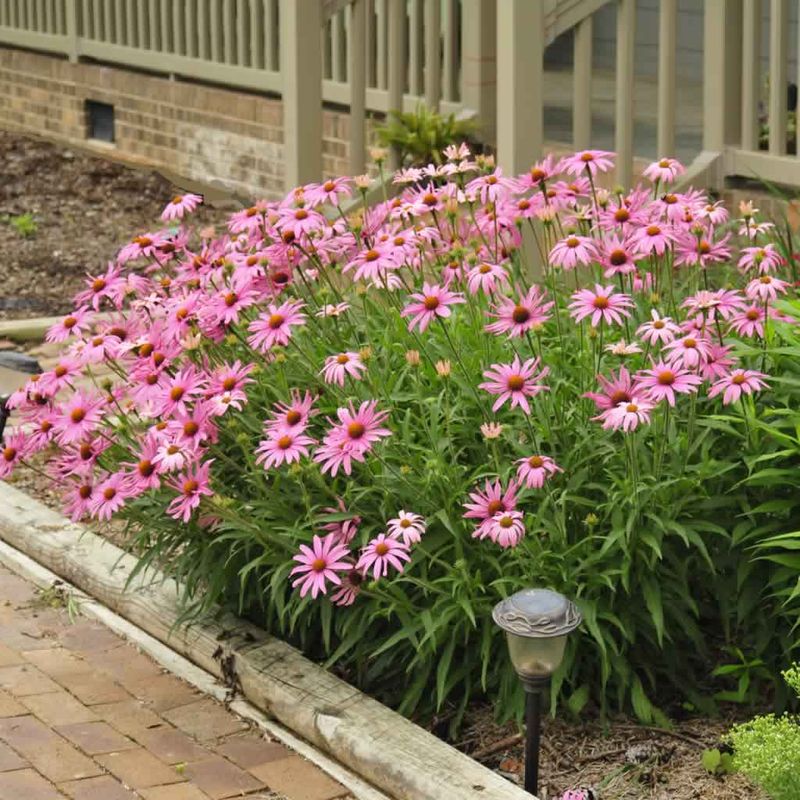
Coneflowers are native to North America, and that fact alone tells you a lot about what they need to grow well in a North Carolina garden: not much.
These plants evolved alongside the natural soils of the region, which means they are perfectly adapted to average and even somewhat poor growing conditions.
Fertilizing them in April is one of the easiest ways to accidentally make them perform worse rather than better.
When coneflowers get too many nutrients, especially nitrogen, they respond by producing tall, leafy stems that flop over easily and produce fewer flowers. The whole point of growing coneflowers is those cheerful purple blooms that attract butterflies and pollinators throughout summer and into fall.
Overfeeding shifts the plant’s energy away from flowers and toward vegetative growth, which is the opposite of what any gardener wants.
North Carolina gardeners should treat coneflowers as the low-maintenance powerhouses they truly are. Plant them in a sunny spot with decent drainage, water them through dry spells in their first season, and then largely leave them alone.
If your soil is genuinely exhausted or sandy, a thin layer of compost in early spring is the most intervention these plants ever need.
Skipping the April fertilizer routine for coneflowers is not laziness, it is actually the smart, science-backed choice that leads to stronger, more floriferous plants across your garden beds year after year.
9. Coreopsis (Coreopsis spp.)
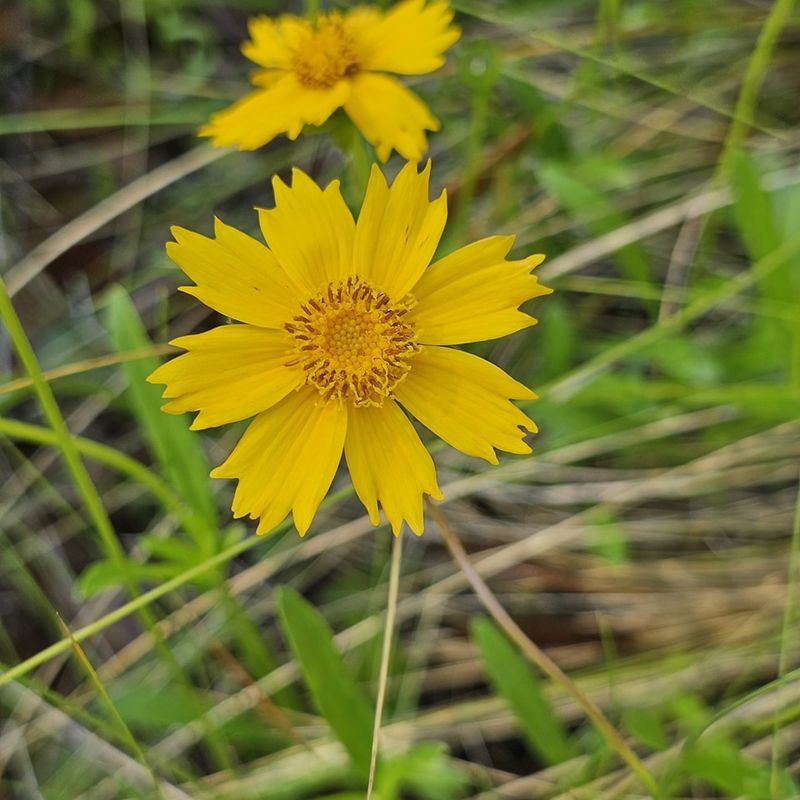
Coreopsis, often called tickseed, is one of the most cheerful and low-fuss perennials you can grow in a North Carolina garden. Those bright yellow, daisy-like flowers bloom for weeks on end, and the plants ask for almost nothing in return.
April might feel like the right time to give them a nutritional boost, but coreopsis is actually one plant where fertilizing does more harm than good.
Native varieties of coreopsis, and there are several that grow naturally across North Carolina, evolved in dry, nutrient-poor soils. When you add fertilizer in spring, the plant responds by channeling energy into producing lush, dense foliage rather than flowers.
The result is a green, leafy mound that blooms far less than it should, which defeats the entire purpose of growing coreopsis in the first place.
Rich soil also tends to shorten the lifespan of coreopsis plants, causing them to decline faster than they would in leaner conditions. The best setup for these plants in North Carolina is a sunny spot with well-drained, average to slightly sandy soil and no added fertilizer at all.
If the planting area is very compacted or clay-heavy, working in some coarse sand or fine gravel improves drainage far more effectively than any fertilizer could.
Trust the plant’s natural preferences, skip the April feeding, and coreopsis will reward you with a brilliant, long-lasting flower display that brightens your garden beds from late spring well into summer.
10. Black-Eyed Susan (Rudbeckia spp.)
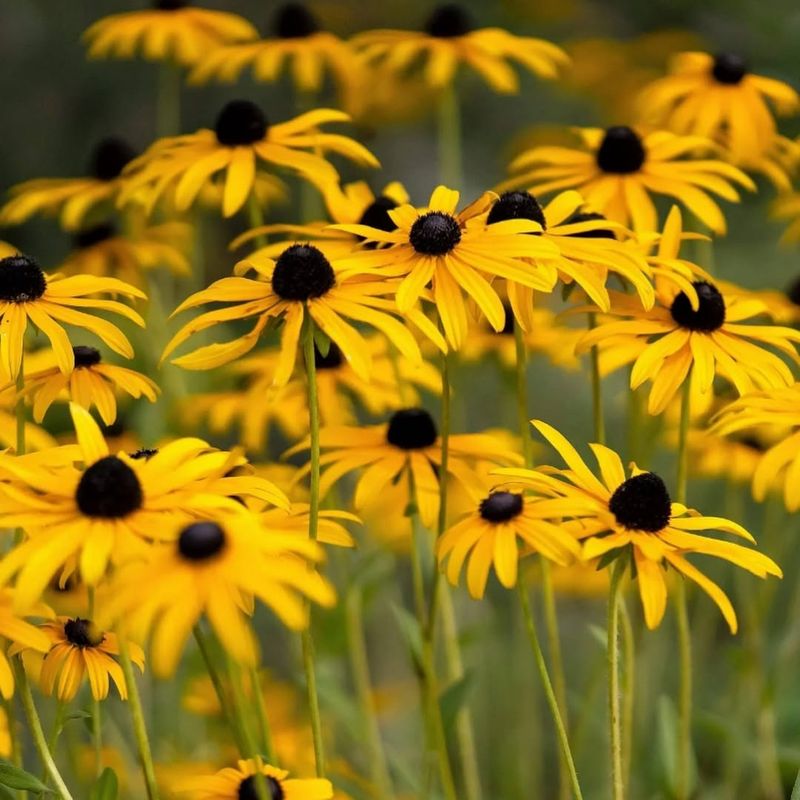
Black-eyed Susans are one of the most recognizable wildflowers across North Carolina, popping up along roadsides, meadows, and garden beds with those bold golden-yellow petals and dark centers.
Their natural habitat gives away everything you need to know about their fertilizing needs: they grow wild in fields and disturbed soils without any help at all. Fertilizing them in April is a step you can confidently skip every single year.
Adding fertilizer, especially a nitrogen-rich one, pushes black-eyed Susans to produce an abundance of large green leaves at the expense of flowers. The plants end up looking full and bushy but blooming far less than they would in leaner soil.
Since the whole reason to grow them is that gorgeous late-summer flower display, overfeeding works directly against your gardening goals.
These rugged plants actually prefer average to slightly poor soil and full sun, conditions that are very easy to find across many parts of North Carolina.
Once established, they handle summer heat and drought with impressive toughness, spreading naturally to fill in garden spaces over time.
If you want to support black-eyed Susans in spring, a light top-dressing of compost is the most they will ever benefit from. Save your fertilizer for the plants that truly need it, and let these golden beauties do what they do best: thrive beautifully on their own terms all season long.