These 7 Native Perennials Thrive In Full Sun In Oregon Gardens
If you have a sunny spot in your Oregon garden and want plants that can handle it without acting dramatic, native perennials are a pretty great place to start.
These plants already know how to deal with local conditions, which means they are often easier to grow, more resilient, and a lot more useful for pollinators and wildlife.
Even better, they do not just survive in full sun. They can absolutely shine there. With the right picks, you can fill a garden bed with long-lasting color, interesting texture, and flowers that look right at home in the landscape.
That means less fussing over needy plants and more enjoying a yard that feels vibrant and alive.
For gardeners who want beauty with a practical side, sun-loving native perennials are an easy win. They bring the kind of effortless charm that makes a garden look well-planned, even when it is doing most of the hard work on its own.
1. Yarrow
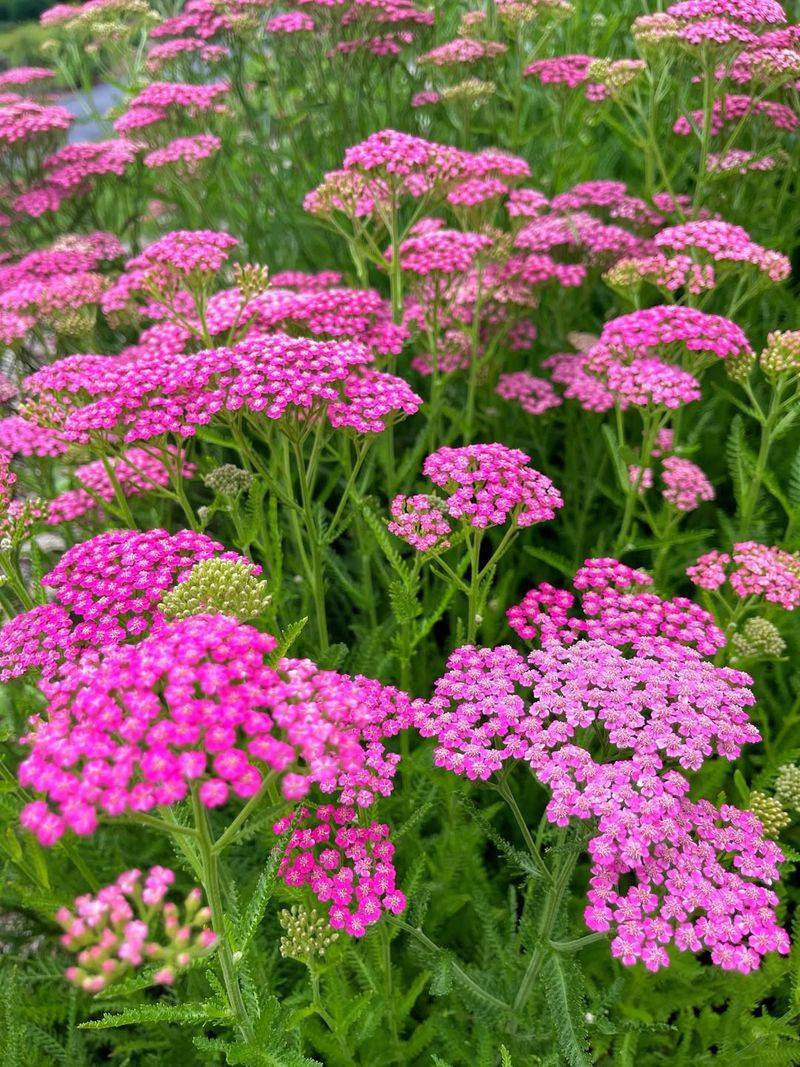
Few plants are as tough and reliable as yarrow when it comes to sunny Oregon gardens. With its flat-topped clusters of tiny flowers and feathery, fern-like leaves, this plant brings texture and color from late spring all the way through summer.
You can find it blooming in shades of white, yellow, and soft pink.
Yarrow thrives in full sun and well-drained soil, and once it gets established, it barely needs any water at all. That makes it a dream plant for Oregon gardeners who want beauty without a lot of effort.
It spreads slowly over time, filling in gaps and crowding out weeds naturally.
Pollinators absolutely love yarrow. Butterflies, bees, and beneficial insects flock to its blooms throughout the season.
Planting yarrow near vegetables or other flowers can actually help attract helpful insects that keep pests in check. It also makes a lovely cut flower for indoor arrangements.
If you want a plant that works hard, looks great, and supports local wildlife across Oregon, yarrow is a fantastic place to start.
2. Oregon Sunshine
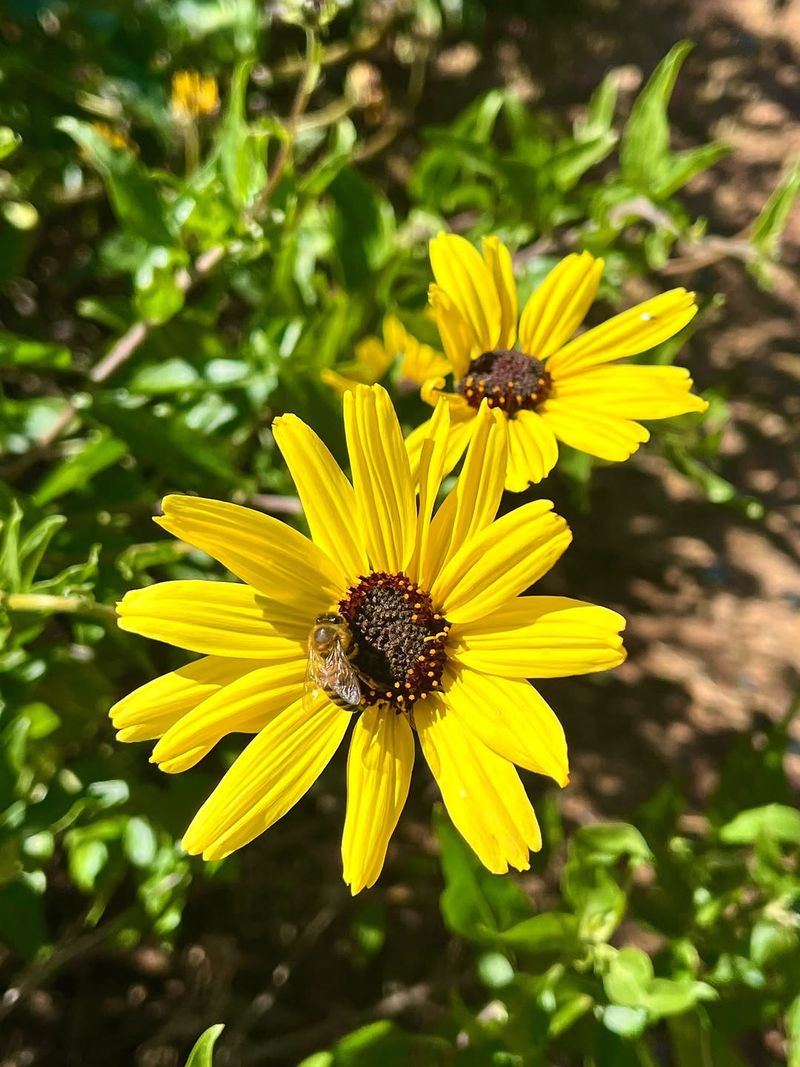
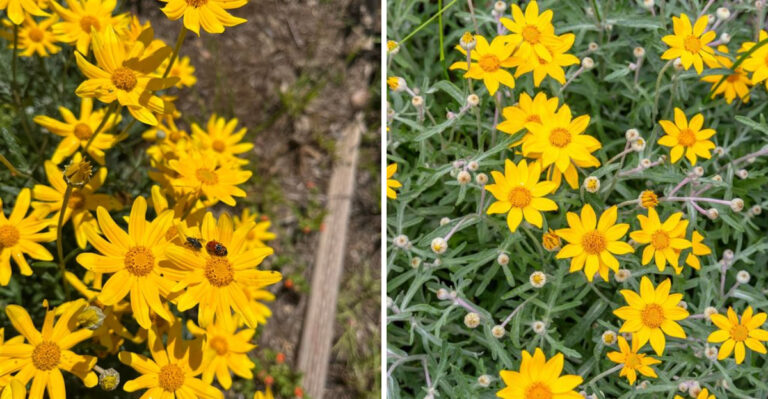
Bright as a summer morning, Oregon Sunshine earns its cheerful name with bold yellow, daisy-like blooms that light up any sunny garden bed. Botanically known as Eriophyllum lanatum, this native perennial is a true Oregon original.
It blooms from late spring into summer, bringing weeks of vibrant color to your outdoor space.
One of the best things about Oregon Sunshine is how little it asks for in return. Give it full sun and well-drained soil, and it will reward you season after season.
It handles dry conditions like a champ, making it perfectly suited to Oregon’s warm, dry summers west of the Cascades.
The silvery-green leaves add visual interest even when the plant is not blooming, giving your garden a soft, textured look year-round. Oregon Sunshine works beautifully along pathways, in rock gardens, or mixed into a wildflower border.
It also provides early-season nectar for native bees and other pollinators waking up after winter. For anyone building a low-water, sun-filled Oregon garden, this native gem should be near the top of your planting list.
Your Oregon Garden Changes Every Week. Your Plan Should Too.
Gardening in Oregon changes quickly throughout the season. Every Friday you’ll receive a simple weekly plan showing exactly what to plant, prune, fertilize, harvest, and protect so you never miss the right timing.
3. Great Camas
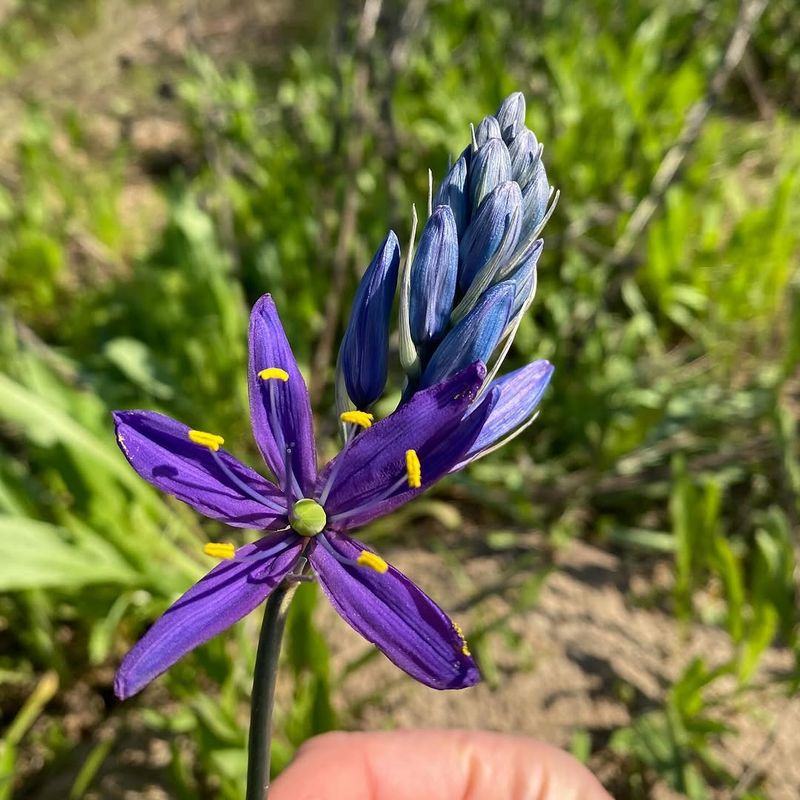
There is something almost magical about watching a field of Great Camas burst into bloom in the spring. This stunning native bulb produces tall, elegant spikes of deep blue-violet flowers that look like something out of a dream.
For generations, Great Camas held deep cultural and food significance for Indigenous peoples throughout the Pacific Northwest, including right here in Oregon.
Camassia leichtlinii grows best in full sun and moist to moderately well-drained soil. It thrives in low meadow areas where water collects in winter and spring but dries out by summer.
That makes it a smart choice for Oregon gardens with seasonal wet spots that are hard to plant otherwise.
Great Camas naturalizes beautifully over time, spreading slowly to form sweeping drifts of color. It pairs wonderfully with other Oregon natives like yarrow and Oregon iris for a layered, meadow-style planting.
After the flowers fade, the foliage dies back quietly, so you can fill the space with summer bloomers. Pollinators, especially native bees, are drawn to its flowers in large numbers.
It is a plant with real history and real beauty, perfect for any Oregon native garden.
4. Showy Milkweed
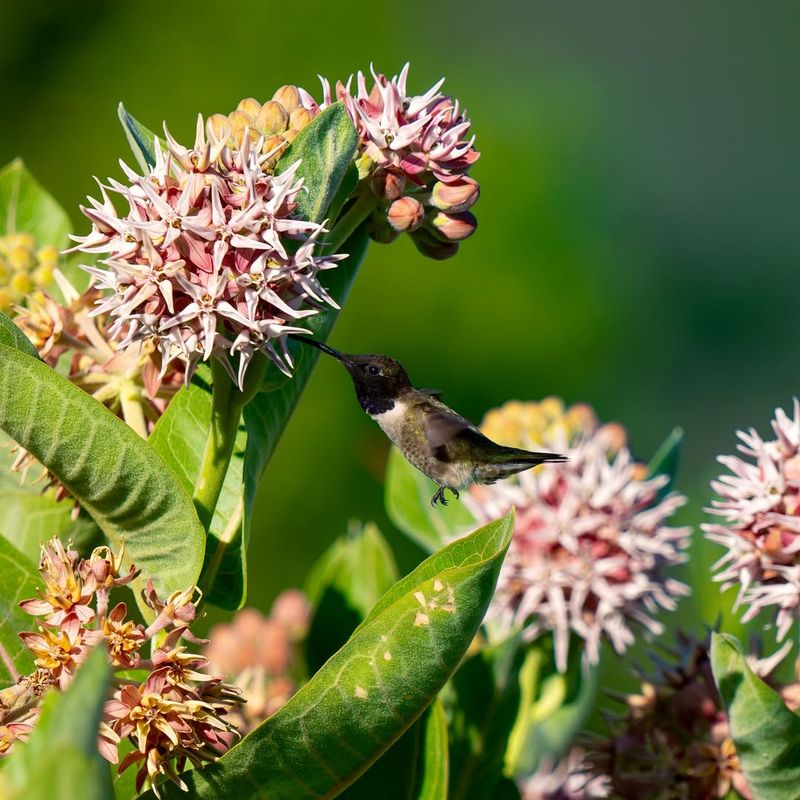
If you have ever wanted to help monarch butterflies, planting Showy Milkweed is one of the best things you can do in your Oregon garden. This bold, striking native perennial is the only plant monarch caterpillars can eat, making it absolutely essential for their survival.
Watching a monarch lay eggs on your milkweed is one of those unforgettable garden moments.
Asclepias speciosa produces clusters of soft pink, star-shaped flowers with a sweet, powdery fragrance. It blooms in early to midsummer and reaches two to four feet tall.
Full sun and well-drained to moderately moist soil are all it needs to put on a spectacular show in eastern and central Oregon landscapes.
Beyond monarchs, Showy Milkweed attracts a whole community of native bees, hummingbirds, and other beneficial insects. The large seed pods that form after blooming split open to release silky seeds that drift on the breeze, creating a magical late-season display.
It spreads via underground rhizomes, so give it some room to roam. For a garden that actively supports Oregon wildlife while delivering bold, beautiful blooms, Showy Milkweed is a standout choice you will not regret.
5. Oregon Iris
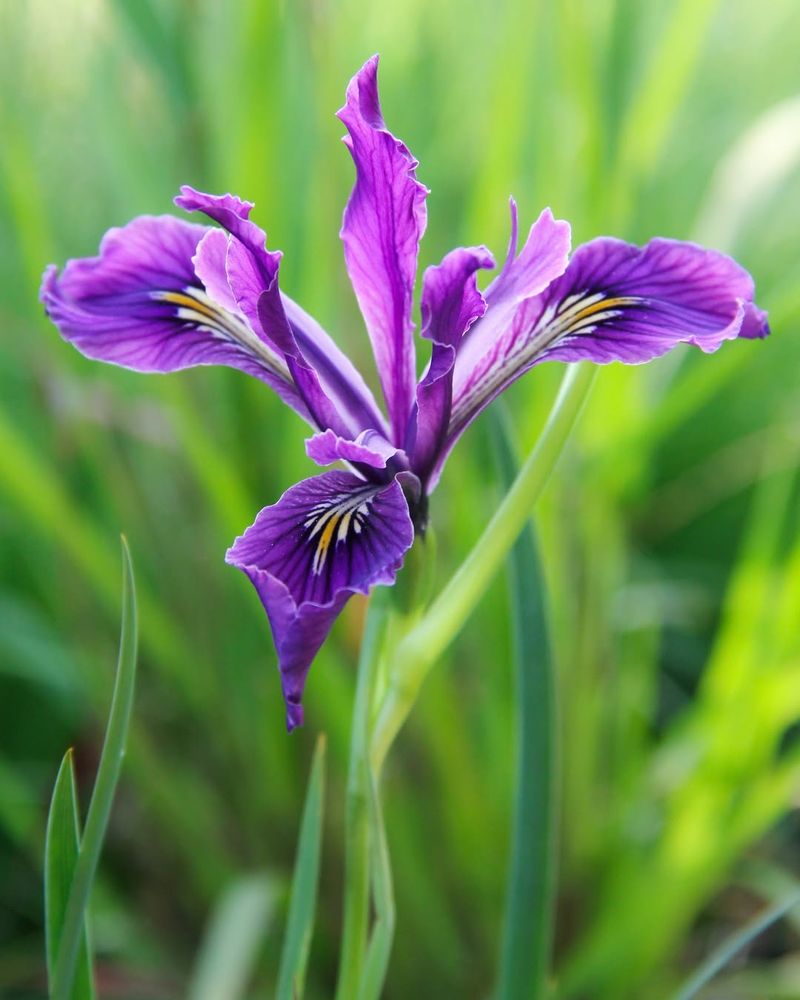
Delicate yet surprisingly tough, Oregon Iris is one of the most beloved native wildflowers in the state. Known scientifically as Iris tenax, this compact perennial produces elegant blooms in shades of purple, lavender, and occasionally white, each with soft yellow and white markings at the center.
It blooms in mid to late spring, adding a refined, artistic look to the garden.
Oregon Iris grows naturally in meadows, open woodlands, and roadsides throughout western Oregon. It prefers full sun to light shade and well-drained soil.
Once established, it is remarkably drought-tolerant, needing very little water through Oregon’s dry summer months. That toughness is part of what makes it so appealing to low-maintenance gardeners.
The name tenax actually means tough or tenacious in Latin, and Indigenous peoples in Oregon historically used the strong leaf fibers to make rope and nets. That bit of history makes growing Oregon Iris feel even more meaningful.
It forms tidy clumps that slowly expand over time and works well along borders, pathways, or in naturalized areas. Native bees are frequent visitors to the blooms.
Few plants combine elegance, history, and resilience quite like this Oregon original.
6. Pearly Everlasting
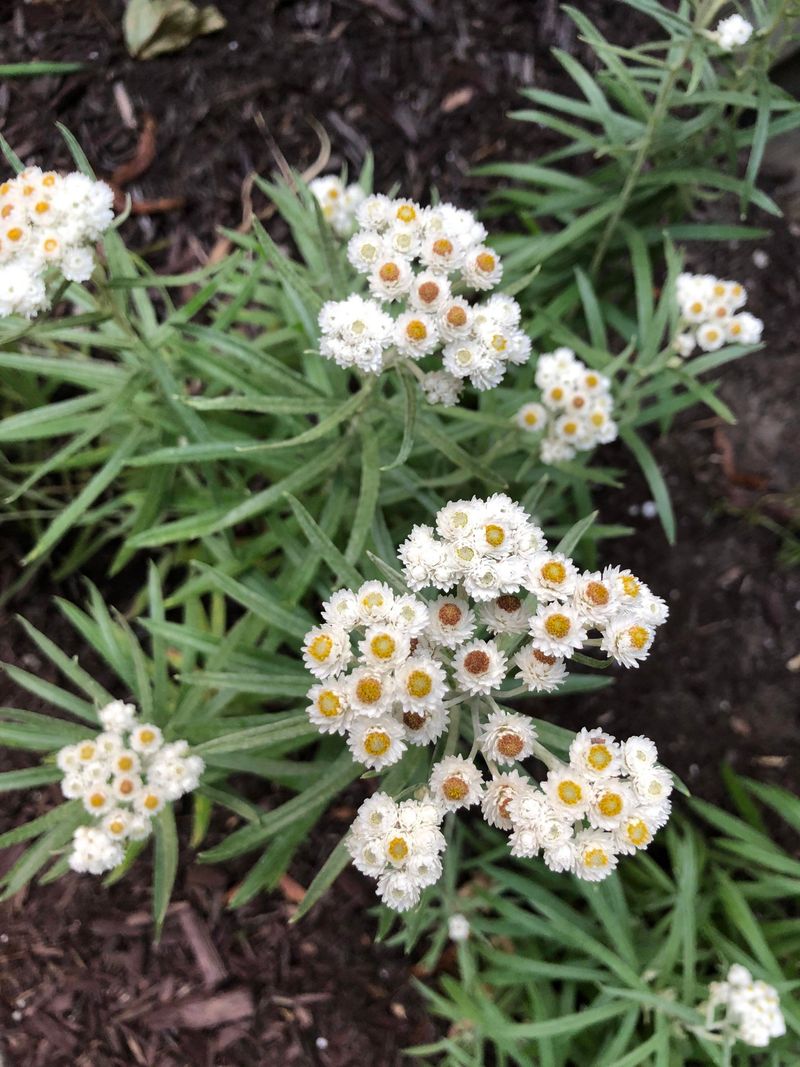
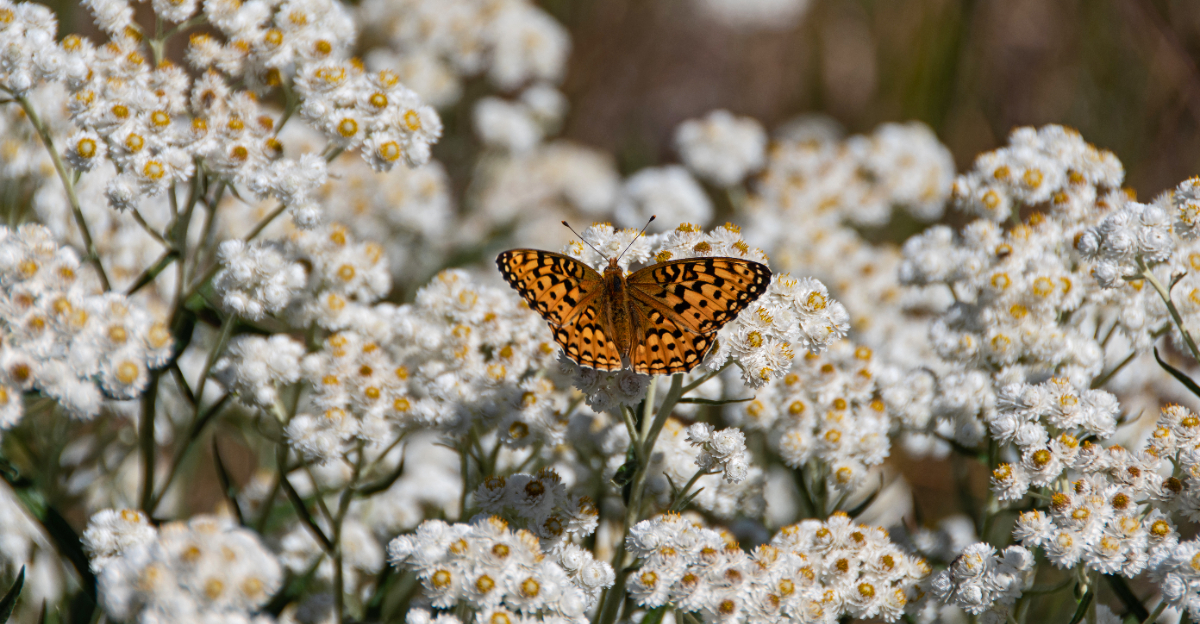
Walk through a sunny Oregon hillside in late summer and you are likely to spot the soft, papery blooms of Pearly Everlasting catching the light. Anaphalis margaritacea is one of those understated beauties that grows on you the more you notice it.
The clusters of small, bright white flowers with yellow centers look almost like tiny pearls, which is exactly how this plant got its charming name.
Pearly Everlasting thrives in full sun and dry to moderately moist, well-drained soil. It handles poor soils without complaint and is highly drought-tolerant once established, making it well-suited to the sunny, dry conditions found across much of Oregon during summer.
It typically blooms from midsummer into early fall, extending your garden’s season beautifully.
The silvery-gray foliage is a standout feature all on its own, offering a soft contrast to bolder green plants nearby. Painted lady butterflies depend on Pearly Everlasting as a host plant, which makes it an important addition to any pollinator-friendly garden in Oregon.
The blooms also dry beautifully on the stem, providing natural winter interest. If you want a plant that is both ecologically valuable and visually calming, Pearly Everlasting is a quiet star worth growing.
7. Rose Checkermallow
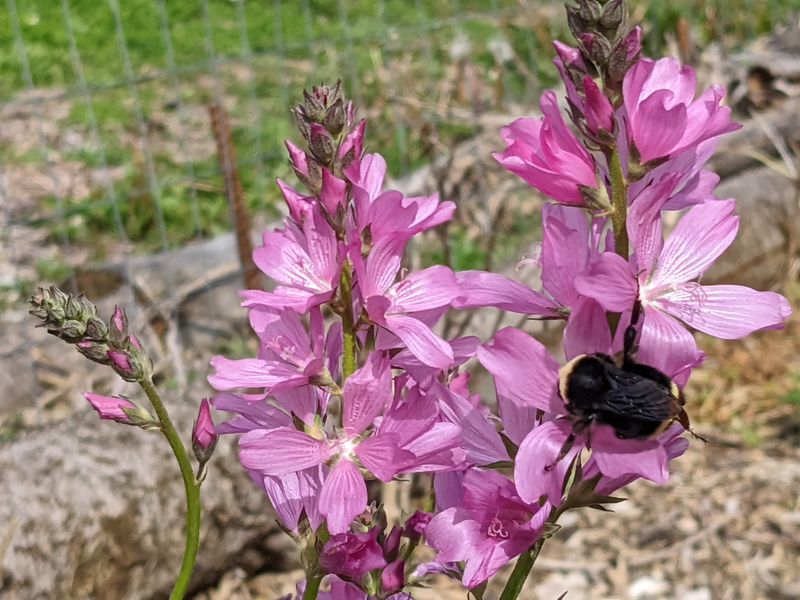
Tall, rosy, and absolutely radiant in a summer garden, Rose Checkermallow is one of Oregon’s most eye-catching native perennials. Sidalcea oregana produces slender spikes covered in bright pink flowers that look like miniature hollyhocks.
It blooms from late spring through midsummer and can reach up to three feet tall, making it a natural focal point in any sunny garden bed.
Growing Rose Checkermallow in Oregon is straightforward. It prefers full sun and well-drained to moderately moist soil.
It handles Oregon’s dry summers with ease once the roots are established, and it comes back reliably year after year without much fuss. That combination of low maintenance and high visual impact is hard to beat.
West Coast lady butterflies use Rose Checkermallow as a host plant, meaning the caterpillars feed on its leaves. Planting it creates a small but meaningful habitat right in your backyard.
Native bees also visit the flowers regularly for nectar and pollen. The plant looks especially stunning when massed in groups or planted along a fence line where its tall spikes can really show off.
For Oregon gardeners who want big, bold color with minimal care, Rose Checkermallow delivers in every possible way.