The 11 Best Veggies To Add To Your Oregon Garden Before April Ends
Some vegetables just know how to make the most of an Oregon spring. By late April, garden beds start warming up, daylight stretches a little longer, and suddenly it feels like the whole yard is hinting that it is time to plant something delicious.
This is that sweet spot when cool weather still helps certain crops settle in, but the season is already building toward bigger harvests ahead.
It is also the moment many gardeners get a little too excited and rush into summer picks that would rather wait.
The smarter move is filling your space with vegetables that actually love these mild spring conditions. A few good choices now can set the tone for a garden that feels productive, lush, and satisfying almost right away.
Oregon’s mixed spring weather can be tricky, but it also opens the door to some seriously rewarding crops. The right vegetables planted now can make the rest of the season feel easier.
1. Peas
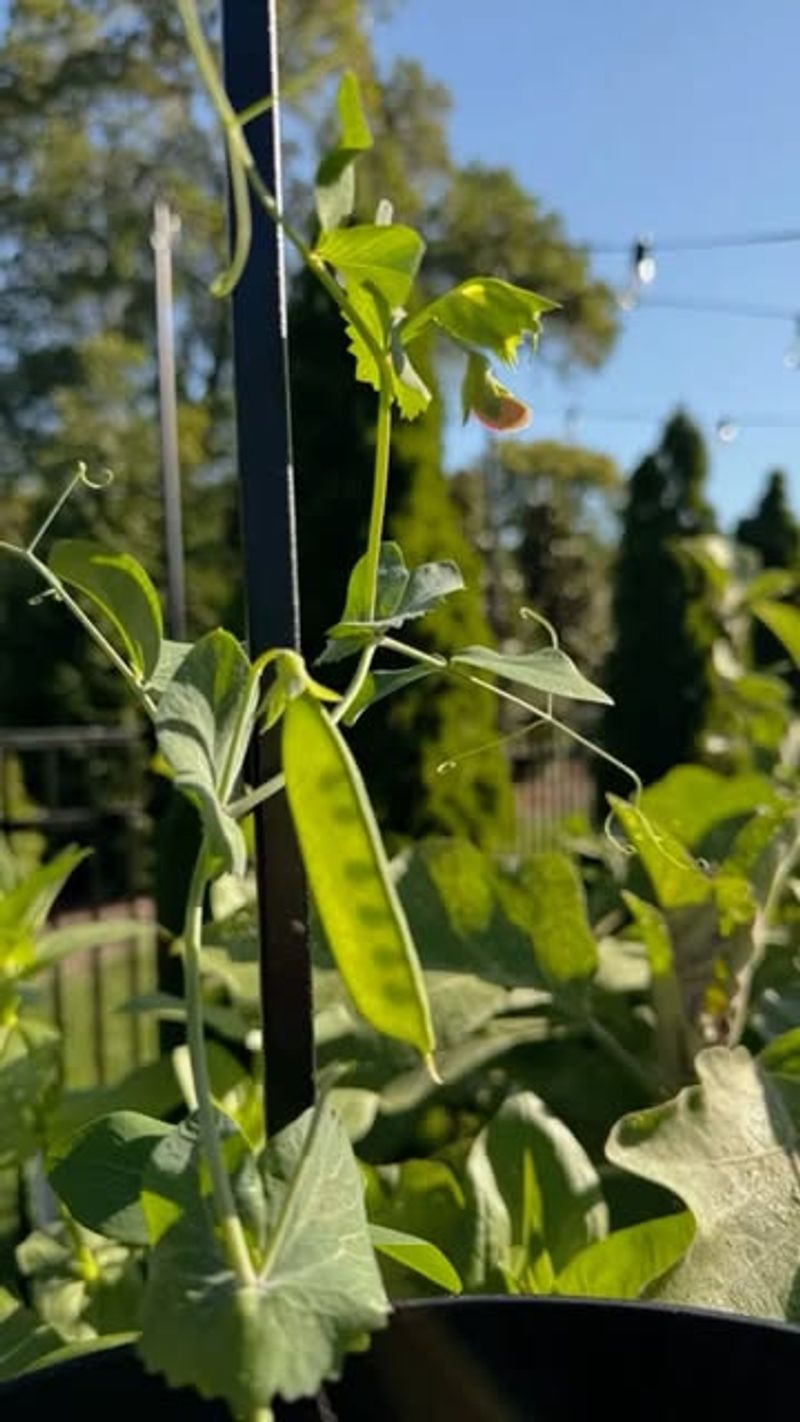
Nothing signals the start of Oregon’s gardening season quite like a row of peas climbing a trellis in the cool spring air. Peas are one of the best cool-weather crops you can plant, and April is right in their sweet spot.
They love the damp, mild conditions that Oregon naturally provides this time of year.
Plant your pea seeds about one inch deep and two inches apart. Give them something to climb, like a simple wooden trellis or wire fence.
They will grab on and grow fast once the soil temperature reaches around 45 degrees Fahrenheit.
You can expect to harvest your peas in about 60 to 70 days. Pick them regularly to encourage more pods to form.
Both shelling peas and snap peas do well in Oregon gardens. Add a little compost to your soil before planting for an extra boost.
Peas also add nitrogen back into the soil, which is great for whatever you plant next in that same spot.
2. Lettuce
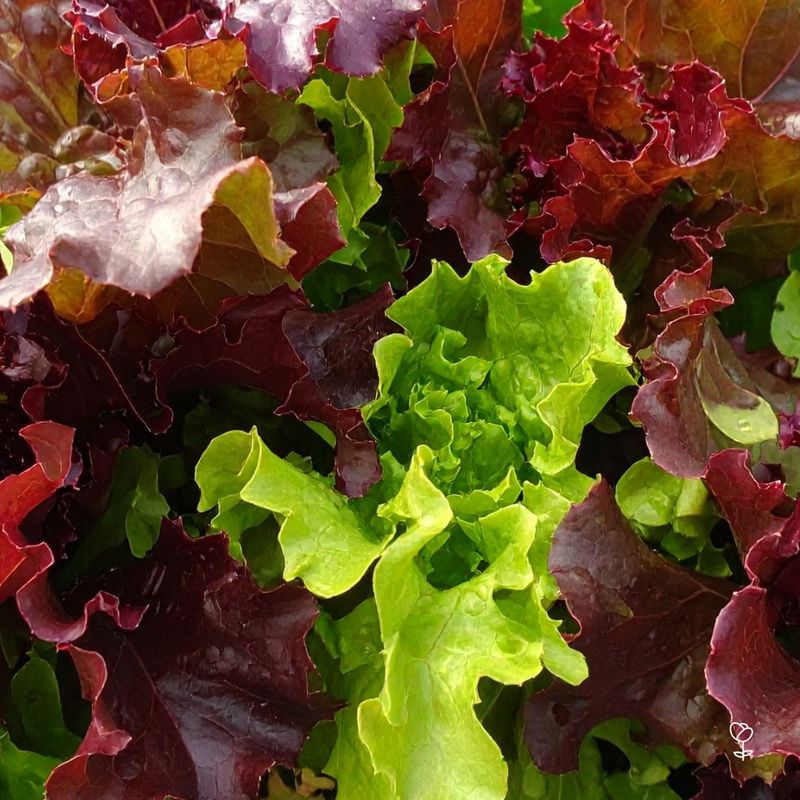
Lettuce is one of the easiest and most rewarding vegetables you can grow in an Oregon spring garden. It loves cool temperatures, and April in Oregon is practically perfect for getting it started.
You can have fresh salad greens ready in as little as four to six weeks after planting.
Sow seeds directly into well-draining soil, spacing them about 12 to 15 inches apart. Keep the soil moist but not soggy.
Oregon’s spring rains usually help with that, but check regularly to make sure the top inch of soil does not dry out completely.
One of the best things about lettuce is that you can harvest outer leaves while the plant keeps growing. This is called cut-and-come-again harvesting, and it stretches your harvest for weeks.
Try planting a mix of varieties like romaine, butterhead, and red leaf to keep your salad bowl interesting. Avoid planting lettuce in spots that get too much afternoon sun, since heat can make it bitter.
In most parts of Oregon, a partially shaded bed works great for keeping lettuce sweet and tender all spring long.
Your Oregon Garden Changes Every Week. Your Plan Should Too.
Gardening in Oregon changes quickly throughout the season. Every Friday you’ll receive a simple weekly plan showing exactly what to plant, prune, fertilize, harvest, and protect so you never miss the right timing.
3. Spinach
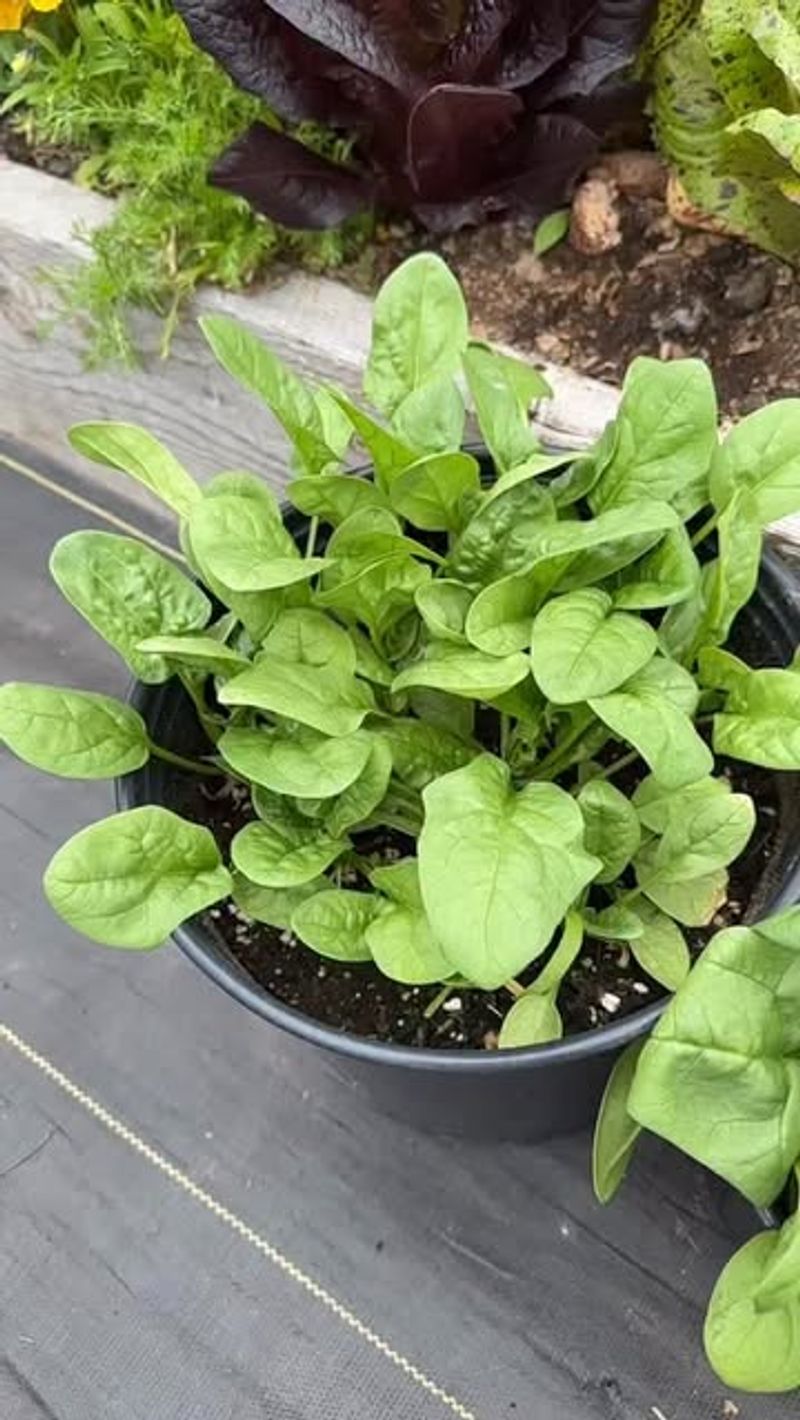
Packed with iron, vitamins, and flavor, spinach is a powerhouse vegetable that thrives in Oregon’s cool April weather. It actually grows better in chilly conditions than in warm ones, making it a natural fit for the Pacific Northwest spring.
If you have been thinking about adding more greens to your diet, spinach is a great place to start.
Plant seeds about half an inch deep and two inches apart. Once the seedlings sprout and reach a couple of inches tall, thin them to about six inches apart so each plant has room to grow full and healthy.
Thinning might feel wasteful, but it makes a big difference in your final harvest.
Spinach is ready to pick in around 40 to 50 days. You can harvest individual leaves or cut the whole plant at the base.
Either way, it bounces back quickly. Amend your soil with compost before planting to give it the nutrients it needs.
Oregon gardeners in the Willamette Valley especially love spinach because the valley’s rich soil and mild spring climate create near-perfect growing conditions. Keep an eye out for slugs, which are common in Oregon and love tender spinach leaves just as much as you do.
4. Radishes
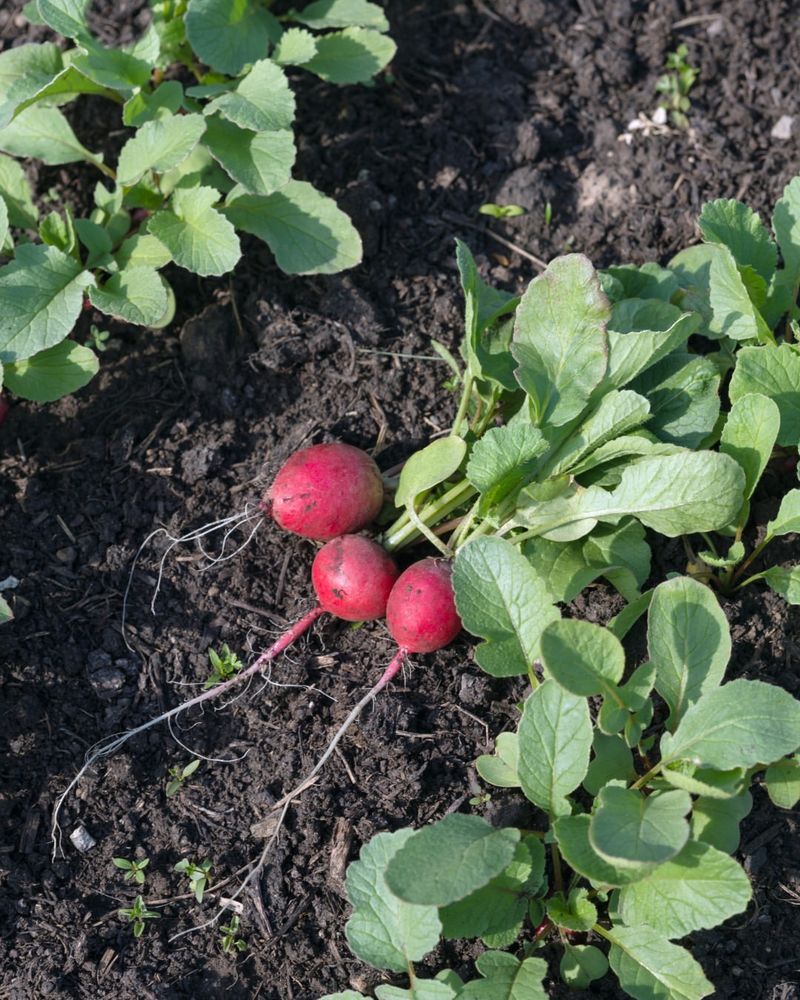
If you want a gardening win fast, radishes are your best friend. They are one of the quickest vegetables to grow, going from seed to harvest in as little as three to four weeks.
For new Oregon gardeners who want to see results right away, radishes offer instant gratification that keeps you motivated to keep planting.
Sow seeds about half an inch deep and one inch apart. Once they sprout, thin them to about two inches apart so the roots have space to swell up properly.
Crowded radishes tend to grow more leaf than root, so thinning is key.
April in Oregon is ideal for radishes because they bolt quickly in heat. Cooler spring temperatures keep them growing at just the right pace, producing crisp, mild roots instead of hot, pithy ones.
You can tuck radishes in between slower-growing vegetables like carrots or beets to make the most of your garden space. They mark rows and loosen soil as they grow.
Cherry Belle and French Breakfast are two popular varieties that do especially well in Oregon’s spring conditions. Try sowing a new row every two weeks for a steady supply of fresh radishes all spring long.
5. Carrots
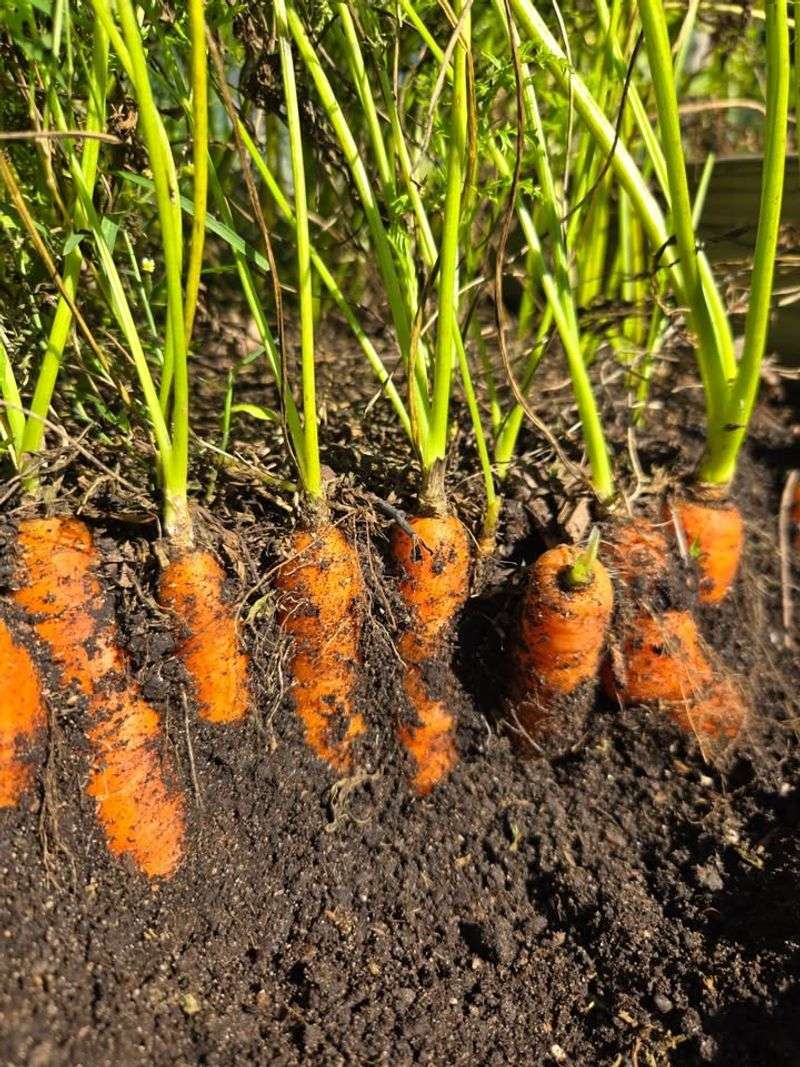
Carrots take a little patience, but the payoff is absolutely worth it. April is a great time to get them in the ground in Oregon because they prefer cool soil for germination.
The mild Pacific Northwest spring gives them exactly the slow, steady start they need to develop sweet, crunchy roots.
Before planting, loosen your soil to at least 12 inches deep. Carrots need soft, rock-free ground to grow straight and long.
Sow seeds thinly, about a quarter inch deep, and keep the soil consistently moist until they germinate. This can take up to two weeks, so do not give up if nothing appears right away.
Once seedlings are about two inches tall, thin them to three inches apart. Crowded carrots produce small, twisted roots that are hard to use.
Nantes and Chantenay varieties are popular choices for Oregon gardens because they perform well in heavier soils. Add a layer of light mulch to help retain moisture and keep the soil temperature steady.
Carrots are ready to harvest in about 70 to 80 days. Pull one out to check the size before harvesting the whole row.
Freshly pulled Oregon-grown carrots taste far sweeter than anything from a grocery store.
6. Beets
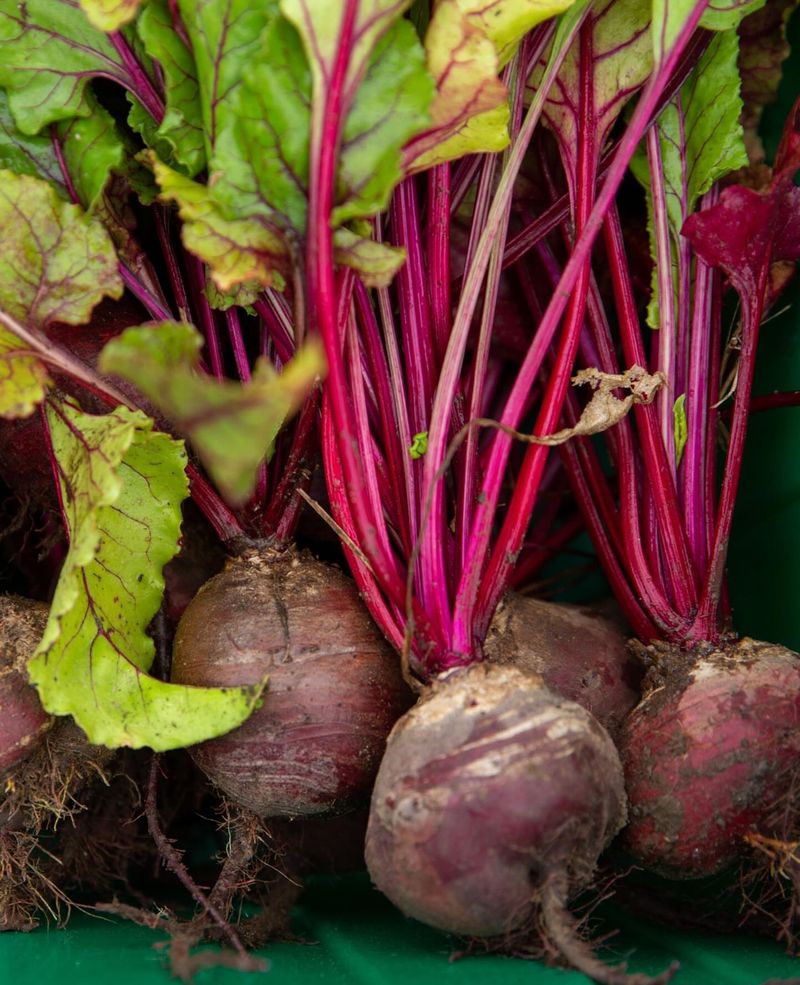
Beets are a two-for-one vegetable that Oregon gardeners absolutely love. You get the sweet, earthy root and the tender, nutritious greens all from one plant.
April is the right time to get them in the ground before the weather warms up too much and slows their growth.
Sow beet seeds about half an inch deep and three inches apart. Each beet seed is actually a cluster of seeds, so you will likely see multiple sprouts from one spot.
Thin seedlings to about four inches apart once they reach two inches tall. Do not toss the thinned seedlings; they are delicious in salads.
Beets prefer loose, well-drained soil that has been enriched with compost. They do not like compacted or clay-heavy soil, which can be common in parts of Oregon, so amending your soil before planting makes a real difference.
Beet greens can be harvested young, and the roots are typically ready in 55 to 70 days. Detroit Dark Red and Golden Beet are two reliable varieties for Oregon spring gardens.
Beets store well in the refrigerator or a cool cellar, so a good harvest can keep your kitchen stocked for weeks after the growing season ends.
7. Swiss Chard
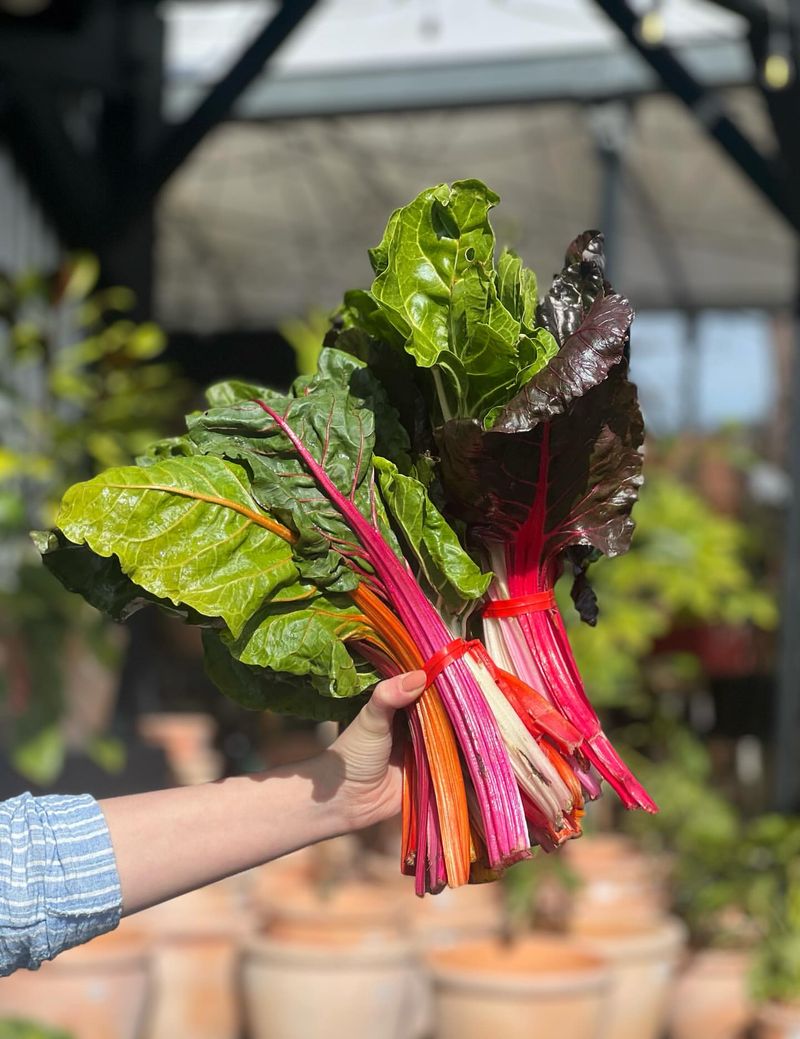
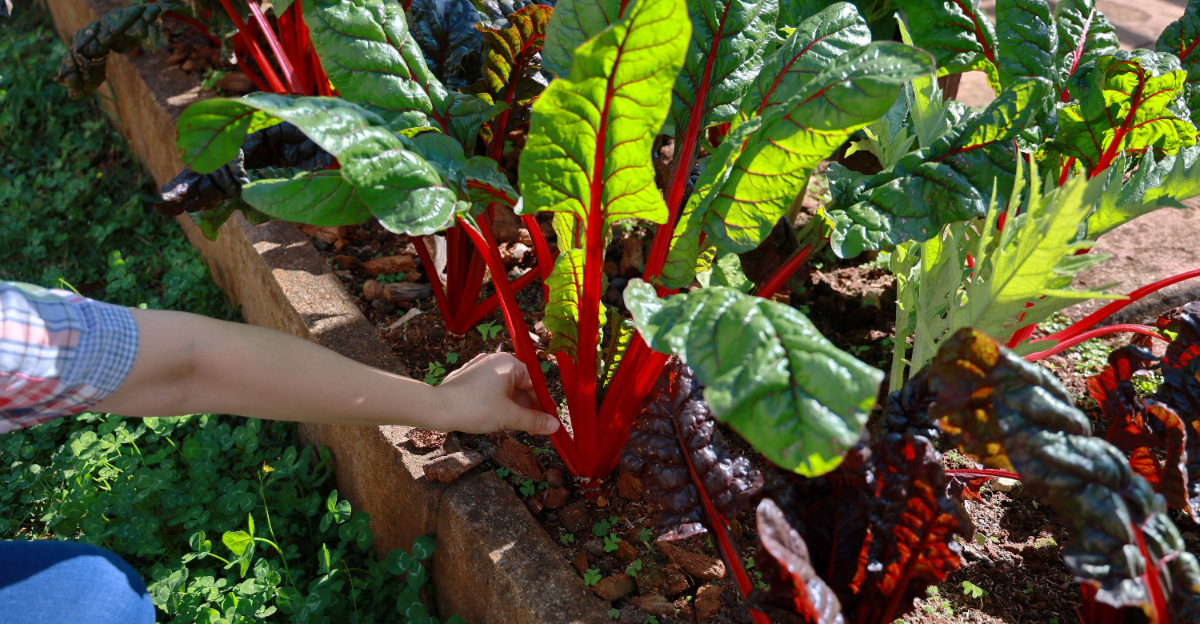
Swiss chard is one of the most colorful vegetables you can grow, and it thrives beautifully in Oregon’s cool spring weather. The stems come in shades of red, yellow, orange, and white, making your garden look as good as it tastes.
It is also incredibly forgiving, bouncing back quickly after a light spring frost.
Space your chard plants about six inches apart to start. As they grow bigger, thin them again to about 12 inches apart.
The thinned plants can go straight into a stir-fry or soup. Chard prefers rich, well-drained soil, so mix in plenty of compost before planting if your Oregon garden has heavy clay.
One of the biggest advantages of Swiss chard is that it keeps producing leaves for months. You harvest the outer leaves and the plant just keeps growing from the center.
This makes it an excellent choice for gardeners who want a long, steady harvest rather than a one-time yield. Rainbow chard varieties are especially popular in Oregon because they look stunning in the garden and taste just as good as single-color types.
Plant chard near taller vegetables to give it a little afternoon shade as the season progresses and temperatures slowly begin to climb.
8. Kale
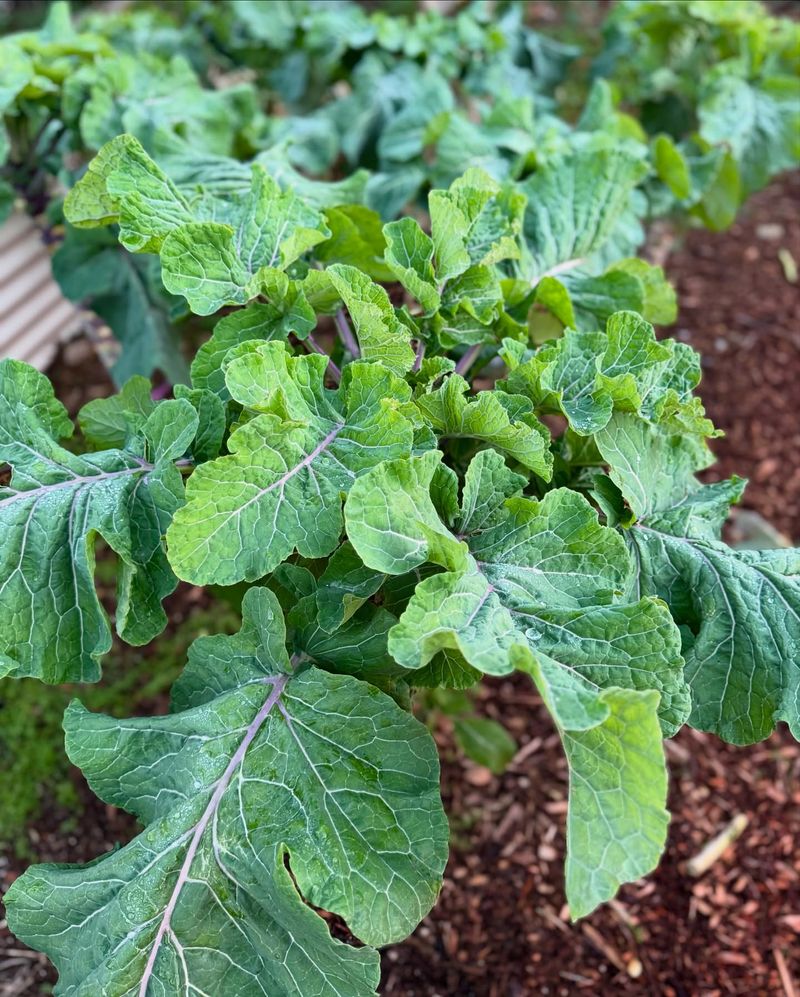
Kale has earned its reputation as a superfood, and Oregon’s cool spring climate is one of the best environments in the country for growing it. Hardy and resilient, kale actually tastes sweeter after a light frost, which makes early spring planting in Oregon a smart move.
You can harvest leaves all season long without replanting.
Space your kale plants about 18 inches apart so they have room to spread out. Harvest the outer leaves regularly and the plant will keep pushing out new growth from the center.
This cut-and-come-again habit makes kale one of the most productive vegetables per square foot in your Oregon garden.
Lacinato kale, also called dinosaur kale, is a favorite among Oregon gardeners for its rich flavor and sturdy texture. Curly kale varieties like Winterbor are also excellent choices that hold up well in salads, soups, and smoothies.
Kale is not picky about soil, but it does best when you add compost and water consistently. Watch for cabbage worms and aphids, which can appear in spring.
A lightweight row cover can protect young plants while they get established. Kale planted in April in Oregon can keep producing well into summer and sometimes even fall if conditions stay mild.
9. Turnips
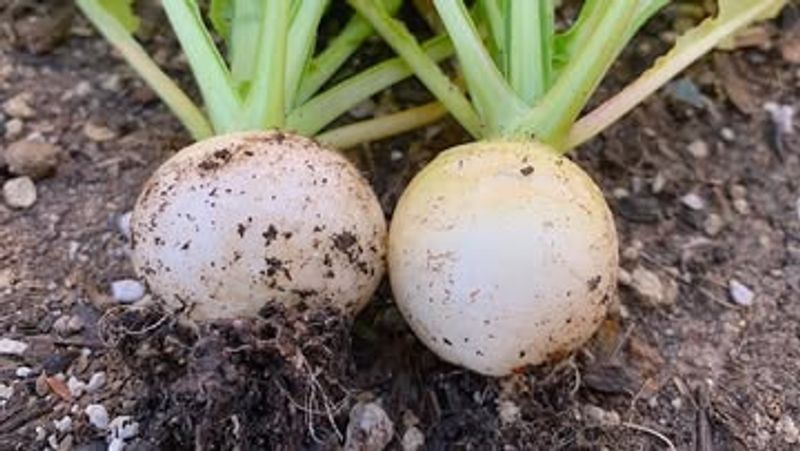
Turnips do not always get the spotlight they deserve, but Oregon gardeners who grow them know just how versatile and easy they are. Both the root and the greens are edible, making them a double-duty crop similar to beets.
April planting gives them the cool conditions they need to develop their best flavor.
Sow turnip seeds directly in the garden about half an inch deep and one inch apart. Thin seedlings to about four to six inches apart once they are a couple of inches tall.
Turnips grow quickly and are often ready to harvest in just 40 to 60 days, making them one of the faster root vegetables you can plant in an Oregon spring garden.
Purple Top White Globe is one of the most popular turnip varieties and performs reliably across Oregon. Smaller turnips tend to be more tender and sweet, so harvest them before they get too large.
Turnip greens can be harvested early and cooked like mustard greens or added to soups. The roots store well in a cool, dark place for several weeks after harvest.
If you have never tried growing turnips before, April in Oregon is the perfect time to give this underrated vegetable a well-deserved chance in your garden.
10. Cabbage
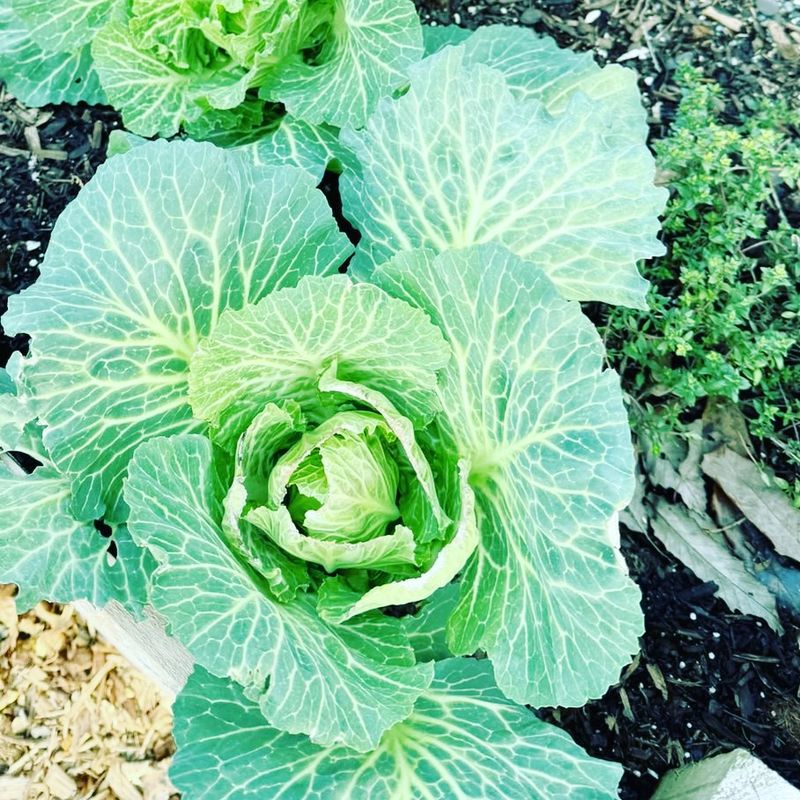
Few vegetables look as satisfying in a garden as a big, solid cabbage head. Cabbage loves cool weather, and Oregon’s April climate is practically made for it.
Getting transplants in the ground before the end of April gives cabbage the long, cool growing season it needs to form tight, heavy heads full of crunch and flavor.
Plant cabbage transplants about 18 inches apart for smaller varieties and up to 24 inches for larger heading types. Cabbage is a heavy feeder, so work a generous amount of compost into your soil before planting.
A balanced vegetable fertilizer applied every few weeks during the growing season will also keep the plants growing strong.
Oregon gardeners should keep an eye out for cabbage loopers and imported cabbageworms, which are common spring pests in the Pacific Northwest. Row covers are an effective and chemical-free way to protect young plants from these insects.
Early Jersey Wakefield and Savoy types are popular choices that perform well in Oregon’s spring conditions. Cabbage is ready to harvest when the head feels firm and solid when you squeeze it gently.
A single well-tended cabbage plant can produce a head weighing several pounds, giving you plenty of material for coleslaw, sauerkraut, and hearty soups all spring and summer long.
11. Potatoes
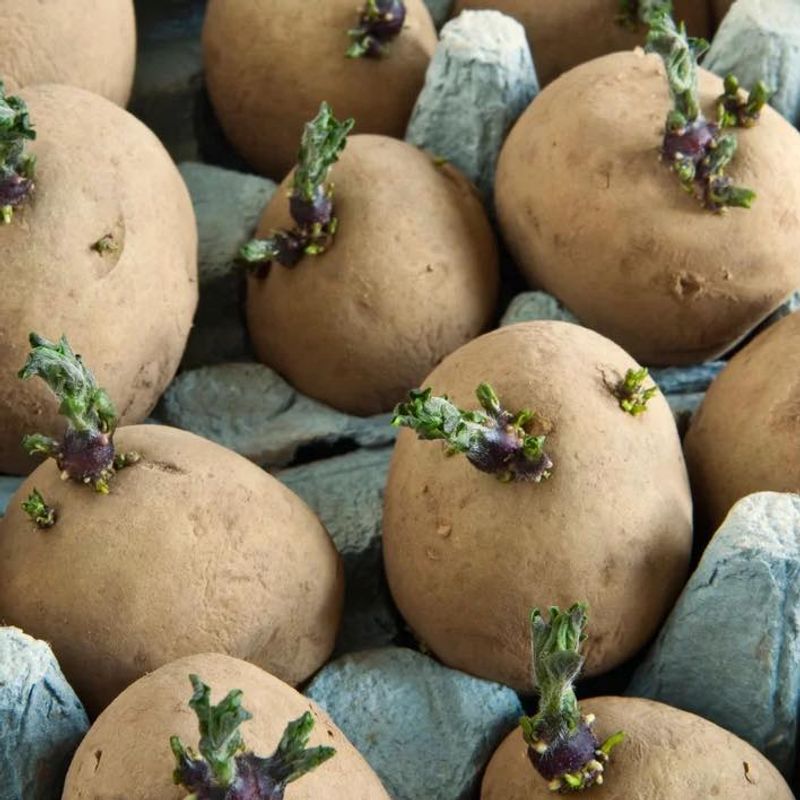
Potatoes are one of Oregon’s most beloved garden crops, and April is the ideal month to get your seed potatoes in the ground. Oregon’s mild spring temperatures and naturally moist soil create conditions that potato plants absolutely thrive in.
From russets to fingerlings, there is a potato variety for every Oregon gardener’s taste.
Cut seed potatoes into pieces, making sure each piece has at least one or two eyes. Let the cut pieces dry for a day or two before planting to help prevent rot.
Plant them about four inches deep and 12 inches apart in rows spaced about two to three feet apart. As the plants grow, mound soil up around the stems to encourage more tubers to form underground.
Yukon Gold and Red Pontiac are two reliable varieties that do especially well in Oregon gardens. Keep the soil consistently moist but not waterlogged, since waterlogged soil can cause the tubers to rot before harvest.
Potatoes are typically ready to harvest in 70 to 120 days depending on the variety. You will know they are ready when the plants start to flower or the foliage begins to yellow.
Few things are more satisfying than reaching into Oregon soil and pulling up a handful of homegrown potatoes you grew yourself from scratch.