How To Grow Japanese Anemone In Oregon Gardens
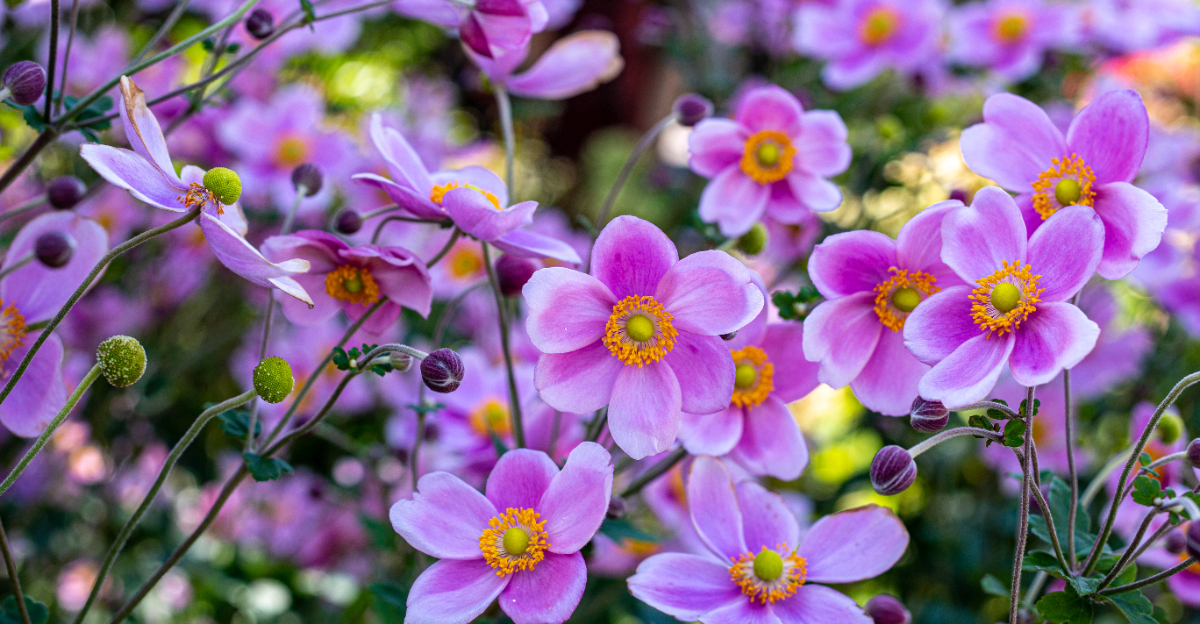
Japanese anemones are the kind of flowers that make a garden look effortlessly graceful, like they just floated into bloom and decided to improve everything around them. In Oregon gardens, they feel especially at home.
The mild climate, cool evenings, and generous rainfall give them a solid chance to settle in and put on a show right when many summer flowers are starting to fade.
Their soft pink or white blooms sway above tall stems, bringing movement and a slightly wild, romantic look to borders and shady corners.
They may look delicate, but these plants are tougher than they seem once they get established. The trick is giving them the right start and not fussing over them too much afterward.
With a little patience, Japanese anemones can become one of the most reliable stars of the late-season garden. They are elegant, surprisingly easygoing, and well worth making room for in an Oregon yard.
1. Plant In Part Shade
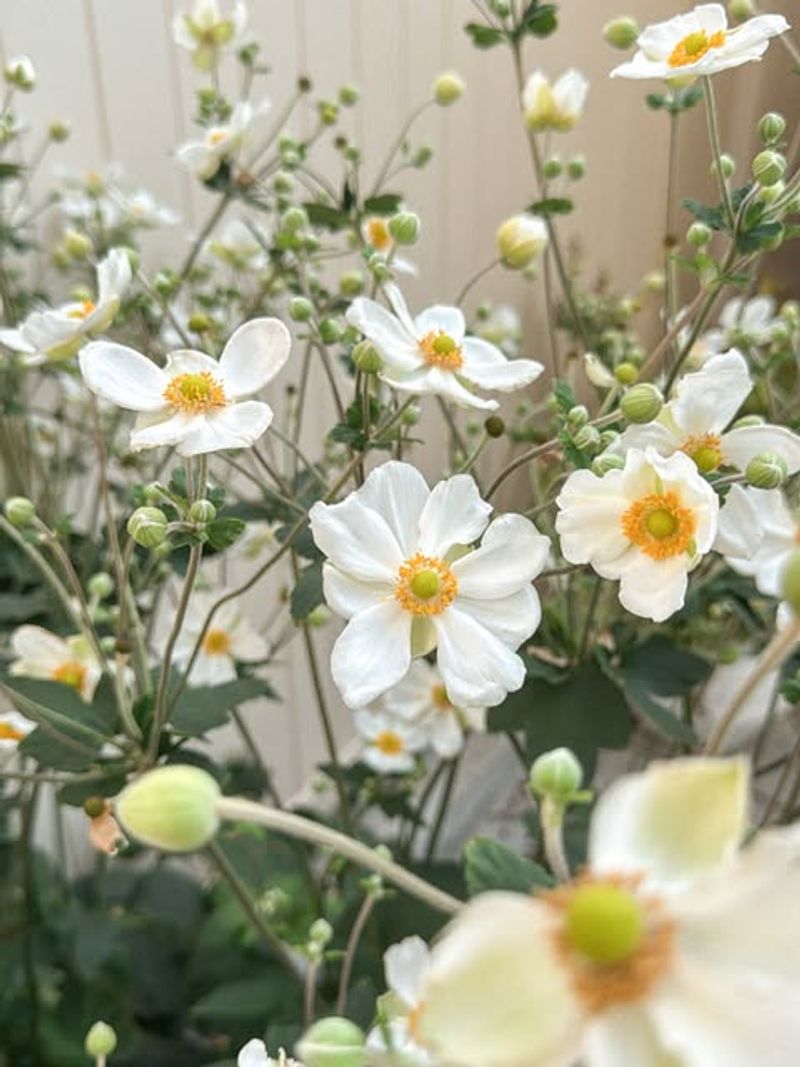
Shady spots in your Oregon garden might just be the best real estate for Japanese anemone. These plants are naturally woodland growers, which means they are built for life under a canopy of trees or along a fence where light filters through gently.
Too much direct sun, especially in the hotter parts of Oregon like the Willamette Valley, can stress the plant and cause the leaves to look scorched and tired. Partial shade keeps the foliage looking lush and green all season long.
A spot under a large deciduous tree works really well. The tree provides shade in summer but lets in more light in spring, which helps the anemone get a strong start before the heat arrives.
When choosing your planting spot, look for a place that gets no more than a few hours of direct sun each day. North-facing garden beds or spots beside a tall shrub are excellent choices in Oregon landscapes.
Planting in part shade also helps the soil stay cooler and hold moisture longer. That is a big bonus during Oregon’s dry summers, when even a few hot days can dry out garden beds quickly.
2. Give It Morning Sun
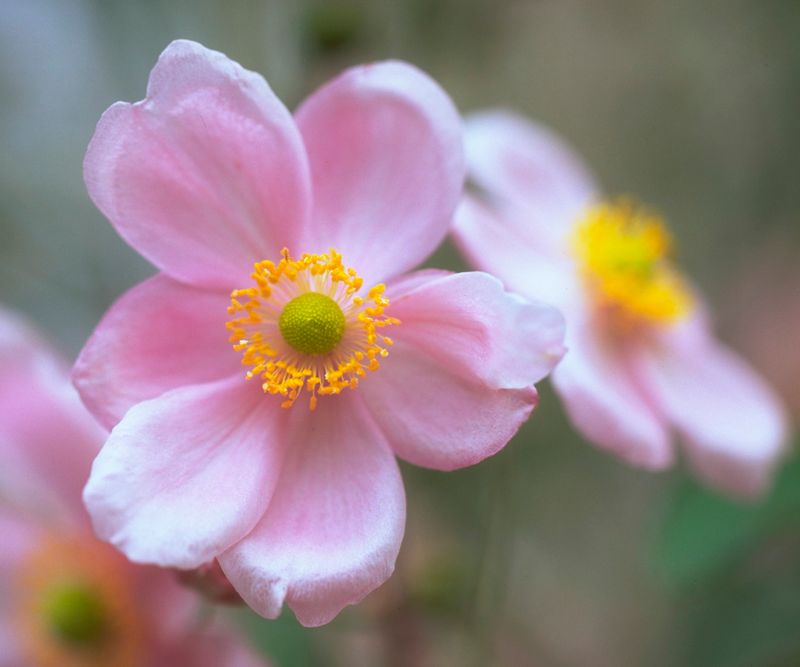
Morning sun is like a gentle wake-up call for Japanese anemone. A spot that gets bright light from the east in the early hours gives the plant the energy it needs without the harsh heat of afternoon rays beating down on it.
In Oregon, afternoon sun can get surprisingly intense during July and August, even in cooler coastal areas. By positioning your anemone where it catches the morning light and rests in shade by midday, you are setting it up for a long, healthy blooming season.
East-facing garden borders are perfect for this. The plant gets a solid three to four hours of direct morning sun, which is just enough to fuel strong stem growth and plenty of flower buds.
Fun fact: Japanese anemone actually blooms longer when it is not overheated. Cooler conditions help the flowers last well into October in Oregon, long after summer bloomers have faded away.
Your Oregon Garden Changes Every Week. Your Plan Should Too.
Gardening in Oregon changes quickly throughout the season. Every Friday you’ll receive a simple weekly plan showing exactly what to plant, prune, fertilize, harvest, and protect so you never miss the right timing.
If you only have a south-facing yard, try planting near a taller plant or structure that provides afternoon shade. A little creativity with your garden layout goes a long way toward keeping your anemone happy and producing blooms all fall.
3. Use Rich Soil
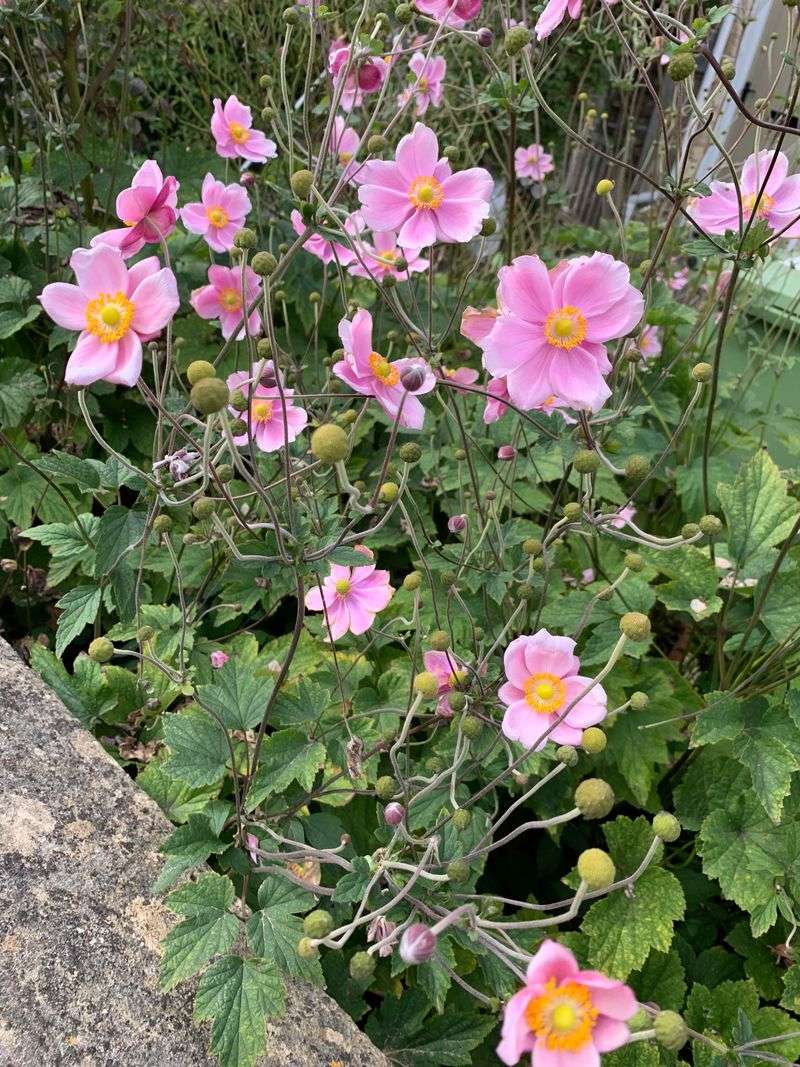
Soil quality makes a huge difference when growing Japanese anemone in Oregon. These plants are not fussy, but they do love a rich, fertile growing environment packed with organic matter.
Before planting, work in a generous amount of compost or aged manure. This adds nutrients, improves soil texture, and encourages the kind of healthy root growth that supports big, beautiful blooms in late summer and fall.
Oregon soils vary a lot depending on where you live. In the Willamette Valley, soils can be heavy clay, which holds too much water and suffocates roots.
Along the coast, soils might be sandier and drain too fast. Either way, adding compost fixes both problems at once.
A good rule of thumb is to mix in about two to three inches of compost into the top twelve inches of your garden bed before planting. This gives roots plenty of rich material to grow through as the plant establishes itself.
Feeding your anemone with a slow-release balanced fertilizer in early spring also helps. You do not need to go overboard, just a light application to give the plant a nutritional boost before the growing season kicks into full gear.
4. Improve Drainage First
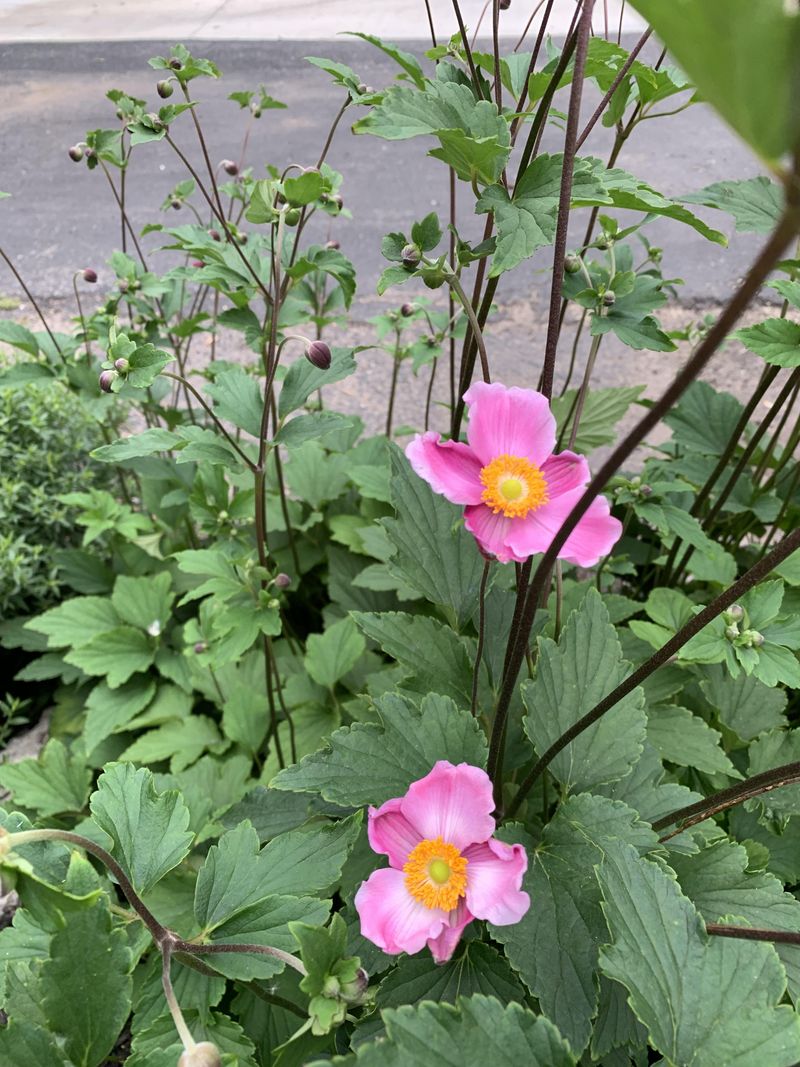
Here is something many gardeners learn the hard way: Japanese anemone roots do not like sitting in soggy water. Even though these plants enjoy moisture, poor drainage can cause root rot, which weakens the plant over time and stops it from blooming.
Oregon gets a lot of rain, especially from October through April. That consistent moisture is great for many plants, but it can be a problem if your garden bed does not drain properly.
Standing water after a rainstorm is a clear warning sign.
To fix drainage issues before planting, try raising your garden bed by a few inches. You can also mix coarse sand or fine gravel into your soil along with compost to create a looser, faster-draining mix.
Another option is to create a simple raised bed using timber or stone borders. This keeps your anemone roots elevated above any waterlogged ground-level soil, which is especially helpful in low-lying Oregon yards that collect rainwater.
Check your drainage by digging a hole about twelve inches deep, filling it with water, and watching how fast it drains. If the water sits for more than an hour, your soil needs improvement before planting.
Taking care of drainage first saves a lot of trouble later.
5. Keep Soil Moist
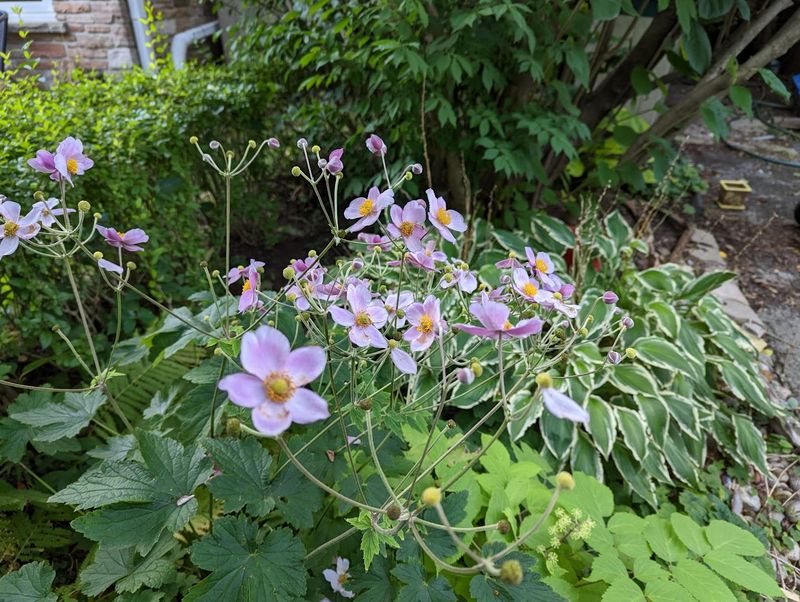
Consistent moisture is one of the biggest keys to growing Japanese anemone successfully in Oregon. While the rainy season takes care of watering for much of the year, those dry Oregon summers require you to step in with the hose regularly.
During July and August especially, aim to water deeply about once or twice a week. Deep watering encourages roots to grow downward rather than staying shallow near the surface, which makes the plant more resilient during dry spells.
Avoid letting the soil dry out completely between waterings. When anemone plants get too dry, their leaves start to droop and the flower buds can drop before they even open.
A quick check of the top inch of soil tells you when it is time to water.
Drip irrigation works really well for Japanese anemone. It delivers water slowly and directly to the root zone without wetting the foliage, which helps prevent fungal problems like powdery mildew that can show up during warm, dry stretches in Oregon gardens.
Morning is the best time to water. It gives the leaves a chance to dry out before evening, reducing the risk of disease.
Staying consistent with your watering schedule through the summer months pays off with a stunning fall flower display.
6. Mulch Around The Roots
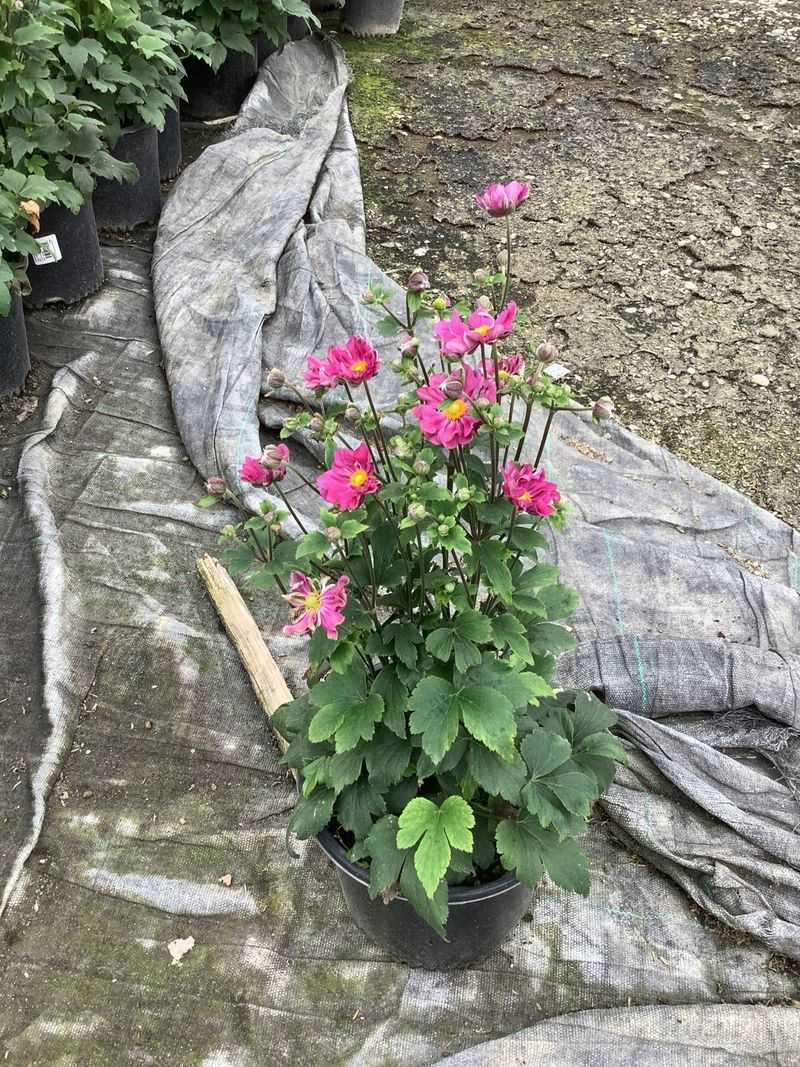
Mulching might be the easiest thing you can do to help your Japanese anemone thrive in an Oregon garden. A good layer of mulch around the base of the plant does several important jobs all at once.
First, it holds moisture in the soil so you do not have to water as often during Oregon’s dry summer months. Second, it keeps the soil temperature more stable, which roots really appreciate when the weather swings from cool mornings to warm afternoons.
Organic mulches like shredded bark, wood chips, or straw work best. They slowly break down over time and add nutrients back into the soil, which is a bonus for a plant that loves rich growing conditions.
Apply about two to three inches of mulch in a ring around each plant. Keep the mulch a few inches away from the base of the stems so moisture does not build up against them, which could cause problems at the crown of the plant.
In Oregon, mulching in late fall also protects the roots from freezing temperatures in colder inland areas like Eastern Oregon or higher elevation gardens.
Refreshing your mulch layer each spring keeps the benefits going and gives your garden a clean, tidy appearance all season long.
7. Let It Spread
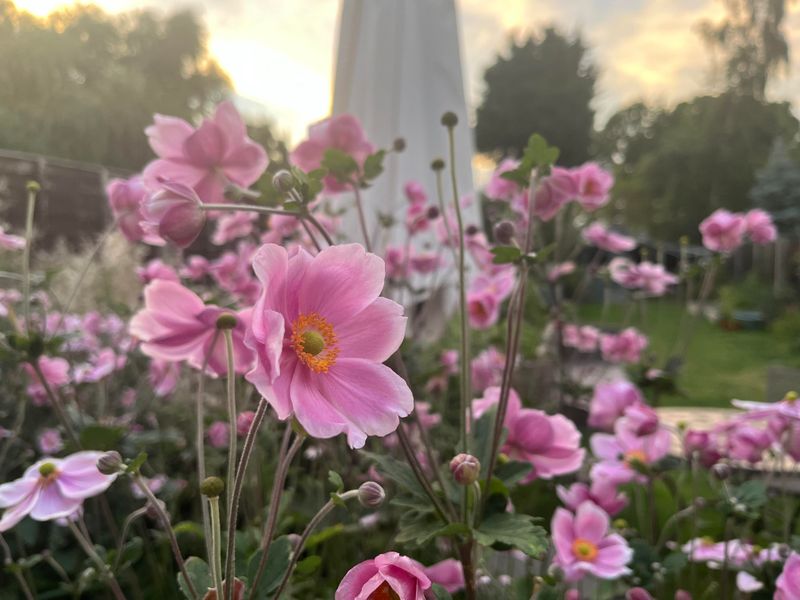
One of the most charming things about Japanese anemone is that it loves to roam. Over time, these plants spread by sending out underground runners, slowly filling in a garden bed with lush foliage and waves of late-season blooms.
In Oregon, where the growing conditions are so favorable, Japanese anemone can spread quite enthusiastically. Many gardeners in the Pacific Northwest actually welcome this habit because it means more flowers with less work each year.
If you want to keep the spread under control, simply dig up sections of the plant every three or four years and divide them. You can replant the divisions elsewhere in your garden or share them with neighbors, which is a fun and generous way to spread some Oregon garden beauty around.
Letting your anemone fill in a shaded border or slope is a great landscaping strategy. The dense foliage helps suppress weeds naturally, which means less time pulling and more time enjoying your garden.
Just be thoughtful about where you plant it initially. Give it a spot where spreading is welcome, like along a back fence or under a tree canopy.
With a little room to grow, Japanese anemone will reward you with one of the most gorgeous fall displays your Oregon garden has ever seen.