Why Overwatering In March Causes More Damage In Arizona Gardens
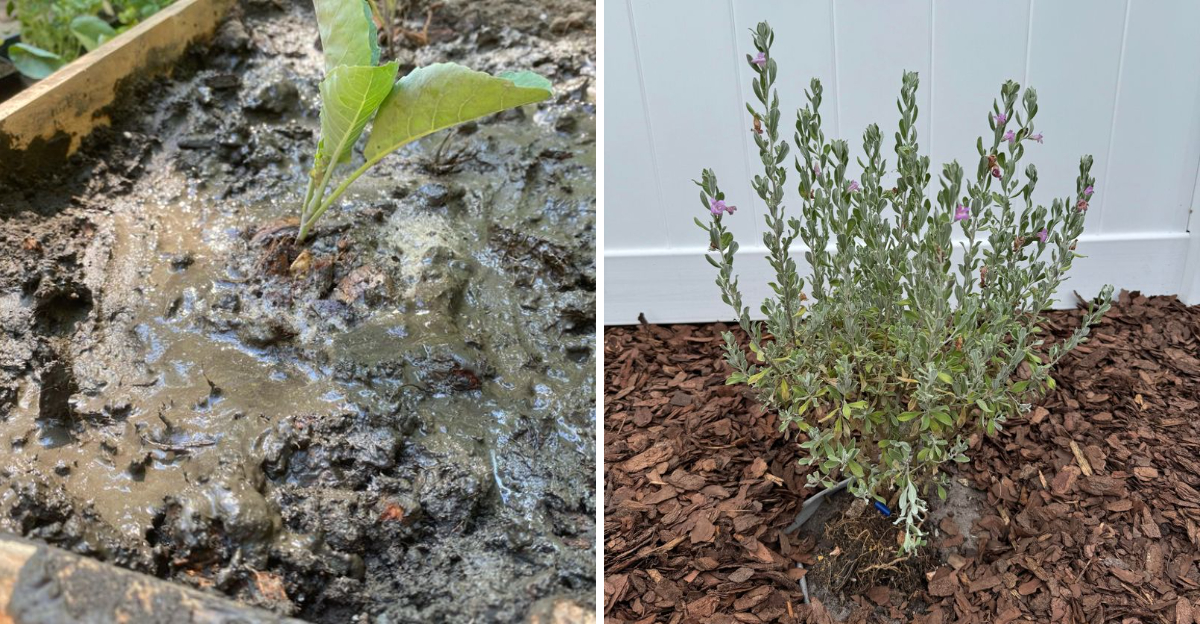
March has a way of making watering feel like the safest move in an Arizona garden. The sun starts to stay longer, plants push fresh growth, and the soil looks like it dries out almost as soon as you turn your back.
It is easy to fall into the habit of adding more water, thinking it will keep everything steady and growing strong.
What is not as obvious is how much is happening below the surface during this time. The top layer can look dry while deeper soil still holds moisture, and roots are not always ready for the extra.
Plants respond quietly at first, without giving clear signs that something is off.
That is why this period can be tricky to read. Everything can appear healthy on the outside, while small patterns begin to form underneath, shaping how the garden handles the rest of the season.
1. Soil Holds Moisture Longer In Early Spring
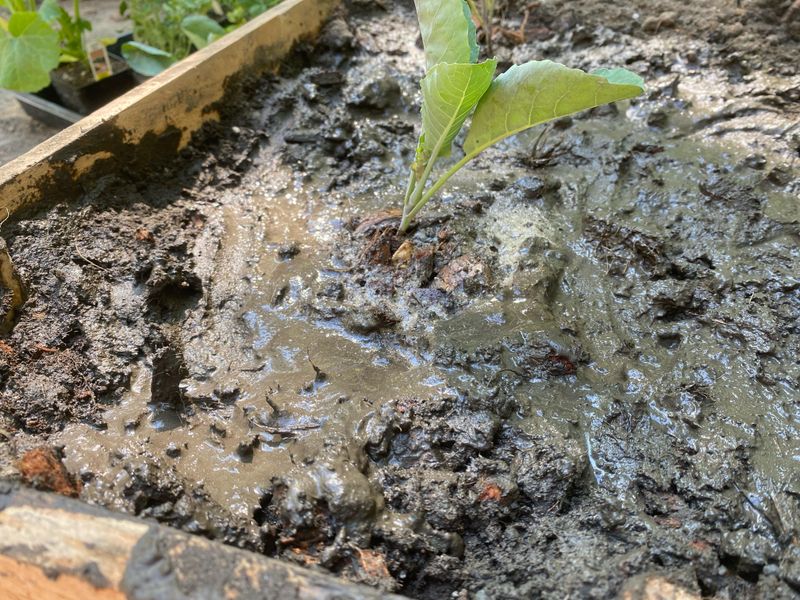
Arizona soil in March is not behaving the way most people expect. Cooler temperatures mean the ground stays wet far longer than it would in July or August, when the sun bakes moisture out within hours.
That slow drying time is a serious problem when you add extra water on top of soil that is already holding plenty.
During summer, evaporation works fast in the Sonoran Desert. But in early spring, that same evaporation process slows way down.
Soil that gets watered on a Monday might still feel soggy by Thursday. If your irrigation timer is set to a summer schedule, you are almost certainly overwatering every single week in March.
Clay-heavy soils found in parts of the Phoenix and Tucson areas are especially slow to drain. Water sits in the root zone much longer than it should, and roots that were perfectly healthy start to struggle.
Checking soil moisture before every watering session is the simplest habit you can build. Push a finger or a screwdriver about three inches into the ground.
If it comes out damp, skip the watering entirely. Adjusting your irrigation schedule at the start of March rather than waiting until April can prevent a lot of unnecessary damage to your Arizona landscape.
2. Roots Lose Oxygen In Constantly Wet Soil
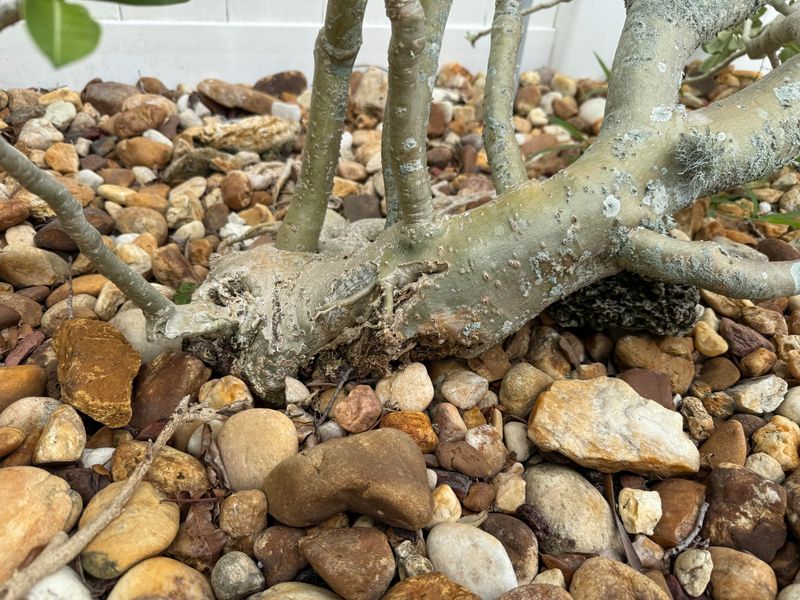
Roots need air just as much as they need water. Most people focus on moisture when thinking about plant health, but oxygen in the soil is equally critical.
When soil stays saturated for days at a time, all the tiny air pockets that roots depend on fill up with water instead.
Without oxygen reaching the root zone, roots begin to break down. Beneficial microbes in the soil also shift when conditions stay wet, and some of those changes create an environment where harmful organisms thrive.
Root rot is not just a problem for overwatered houseplants. It shows up regularly in Arizona landscapes where irrigation schedules are not adjusted for the season.
Palo verde trees, saguaros, and native desert shrubs are especially sensitive to this because they evolved in fast-draining, dry conditions. Their roots are not built to sit in wet soil for extended periods.
Your Arizona Garden Changes Every Week. Your Plan Should Too.
Gardening in Arizona changes quickly throughout the season. Every Friday you’ll receive a simple weekly plan showing exactly what to plant, prune, fertilize, harvest, and protect so you never miss the right timing.
Even non-native plants that tolerate some moisture can struggle when March watering is too frequent. Symptoms often show up weeks after the damage starts, which makes it hard to connect the problem back to overwatering.
Yellowing leaves, soft stems near the base, and a general wilted look even when the soil is wet are all signs that roots may be losing the oxygen they need to function properly in your Arizona garden.
3. Cooler Nights Slow Evaporation Rates
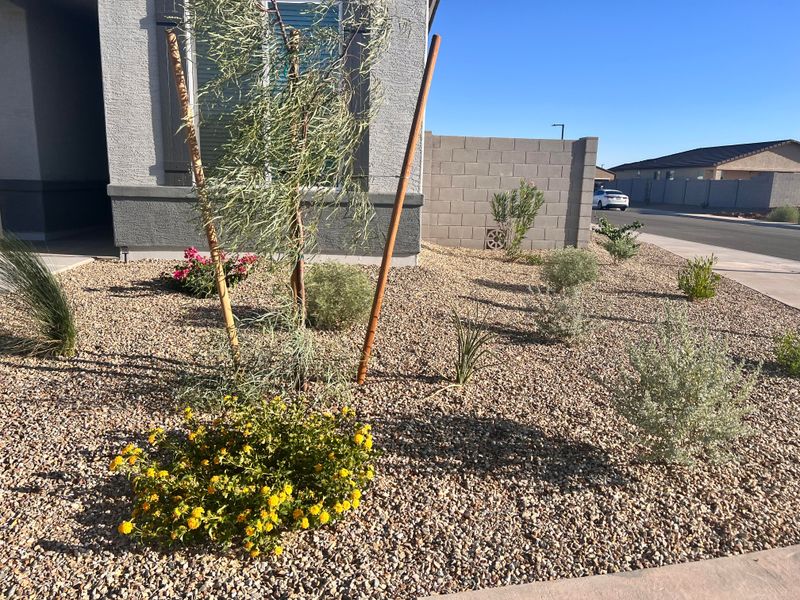
Nighttime temperatures in Arizona during March regularly drop into the 40s and 50s across much of the state. That cooling effect does something most gardeners overlook entirely: it nearly stops evaporation in its tracks.
Water that sits on the soil surface after an evening watering session can stay there until well into the next morning.
Extended surface moisture creates problems beyond just soggy roots. Prolonged wetness at the base of plants encourages crown rot, especially in succulents and low-growing perennials.
Agaves and aloe plants are particularly vulnerable when water pools around their centers overnight. A single poorly timed watering in cool weather can do more harm than several weeks of summer irrigation.
Watering in the early morning rather than the evening is a smart adjustment for March in Arizona. By the time temperatures drop at night, the soil surface has had several hours to dry out.
Even shifting watering time by just a few hours makes a real difference in how long moisture lingers. Reducing the frequency of irrigation during this month matters just as much as the amount you apply.
Many Arizona gardeners water three to four times a week during summer but forget to dial that back to once a week or less in March.
Evaporation rates tell the real story, and in early spring across the desert Southwest, those rates are much lower than most irrigation timers are set to account for.
4. Damp Conditions Encourage Fungal Problems
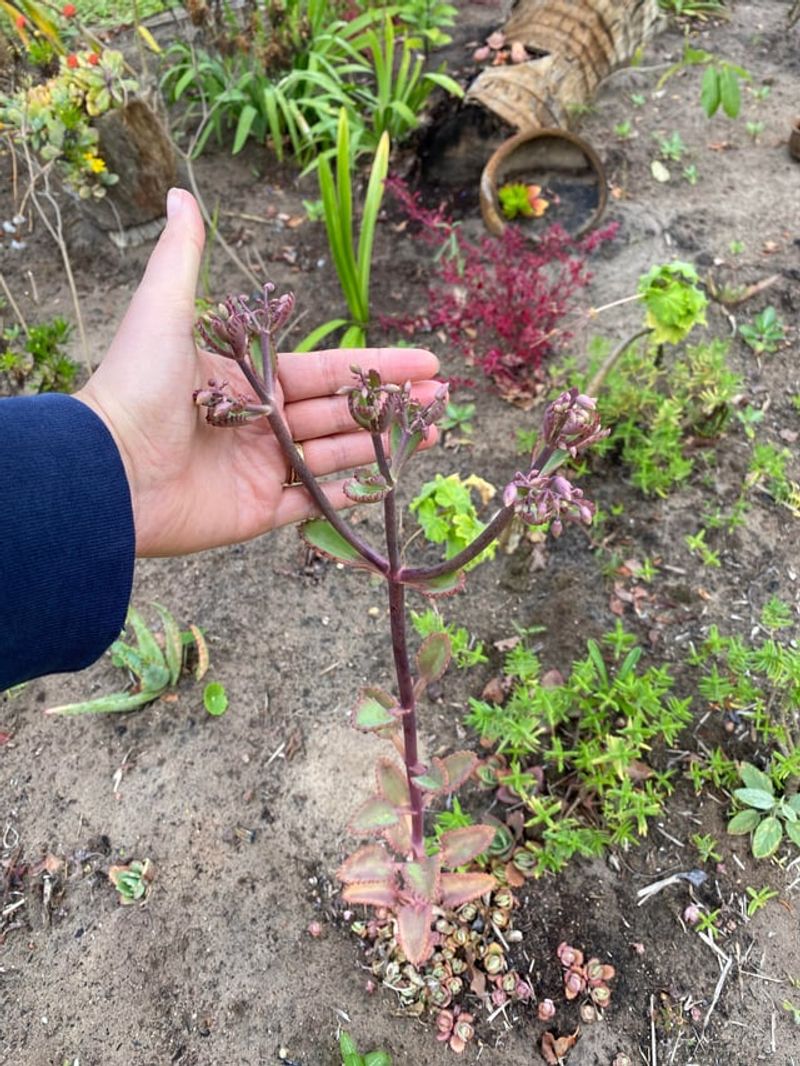
Fungal spores are always present in garden soil, just waiting for the right conditions to take hold. Consistent moisture combined with mild spring temperatures in Arizona creates exactly the kind of environment where those spores wake up and spread fast.
Overwatering in March is basically rolling out the welcome mat for fungal problems.
Powdery mildew is one of the most common issues that shows up in Arizona gardens after a wet stretch in early spring. It starts as a white dusty coating on leaves and spreads quickly to nearby plants.
Soil-borne fungi like pythium and phytophthora are harder to see but far more destructive. They attack root systems underground, and by the time the damage becomes visible above the soil line, the problem has usually been building for weeks.
Cutting back on watering frequency is the most direct way to reduce fungal pressure. Improving drainage around plants that are showing signs of stress also helps significantly.
Avoid piling mulch directly against plant stems, since trapped moisture in that area creates a perfect spot for fungal growth to start. In Tucson and the greater Phoenix area, March humidity can already be slightly higher than mid-summer levels on certain days.
Adding unnecessary irrigation moisture on top of that makes conditions even more favorable for pathogens.
Keeping the soil surface dry between watering sessions is one of the most effective and underrated strategies for protecting your Arizona garden from fungal damage in early spring.
5. Soft Spring Growth Becomes More Vulnerable
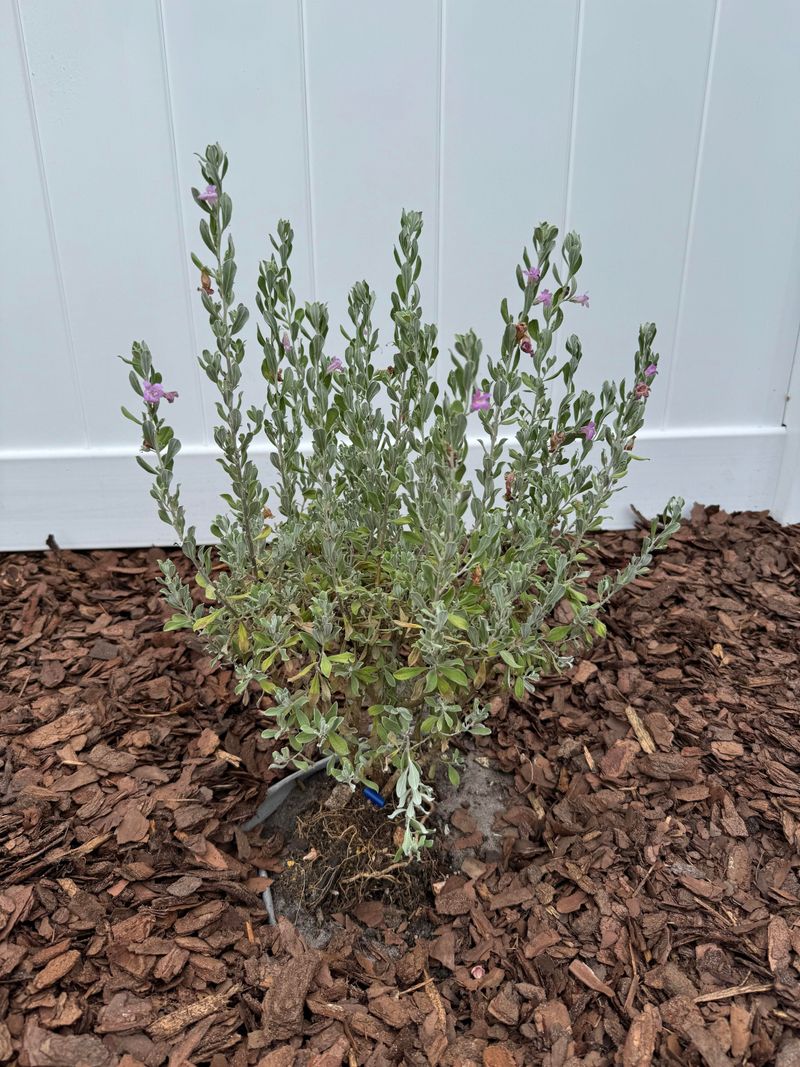
New growth that pushes out in early spring is softer and more fragile than growth that develops later in the season. Cells in these young shoots are actively dividing and expanding, which makes them sensitive to stress from all directions.
Overwatering during this window puts that tender new growth at higher risk than at almost any other time of year.
Excess moisture causes plant tissue to take up more water than it can efficiently process. Stems and leaves swell, and the cell walls become stretched and weak.
That soft, waterlogged tissue is far more attractive to sucking insects like aphids and whiteflies, which show up early in Arizona gardens and zero in on the most vulnerable new growth they can find.
There is also a temperature risk layered on top of the moisture issue. Soft, water-filled tissue is more likely to suffer cold damage if a late frost hits the Tucson or Flagstaff areas in March.
A plant that is growing lean and slightly on the dry side handles cold snaps much better than one that has been pushed into lush, watery growth by excess irrigation. Spring growth that develops under drier conditions tends to be firmer, more compact, and better prepared for the intense Arizona summer ahead.
Encouraging that tougher growth pattern starts with pulling back on water in March rather than ramping it up just because plants are waking up and looking active again.
6. Nutrients Leach Out With Excess Water
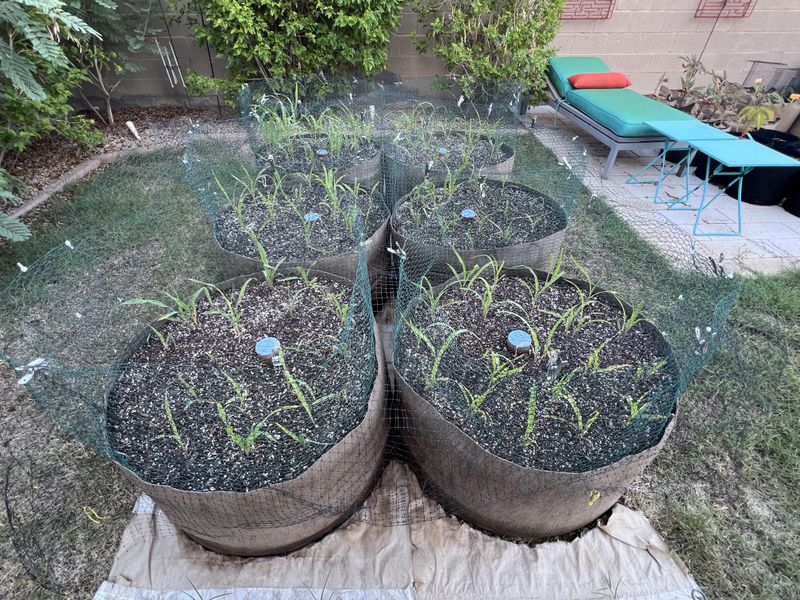
Watering too much does not just drown roots. It also washes nutrients straight through the soil and out of the root zone before plants ever get a chance to absorb them.
Nitrogen is especially vulnerable to leaching because it moves easily with water. In a well-draining Arizona soil, heavy watering events can push nitrogen several feet below where roots actually reach.
Yellowing leaves in spring are often blamed on a lack of fertilizer, but the real cause is sometimes overwatering that has already flushed nutrients out of the soil.
Adding more fertilizer on top of a waterlogged garden rarely solves the problem and can sometimes make things worse by increasing salt buildup around roots that are already under stress.
Arizona soils often have naturally high pH levels, which already limits how well certain nutrients are available to plants. When you add excess irrigation on top of that, the conditions for nutrient uptake become even less ideal.
Phosphorus and iron availability both drop in overly wet, high-pH soils. Plants start showing signs of deficiency even when those nutrients are technically present in the ground.
Pulling back on irrigation frequency in March helps nutrients stay where roots can actually reach them.
Pairing a more restrained watering schedule with a light application of slow-release fertilizer in early spring gives Arizona garden plants a much better foundation for the growing season without the waste that comes from leaching nutrients away with unnecessary water.
7. Plants Enter Heat With Weakened Root Systems
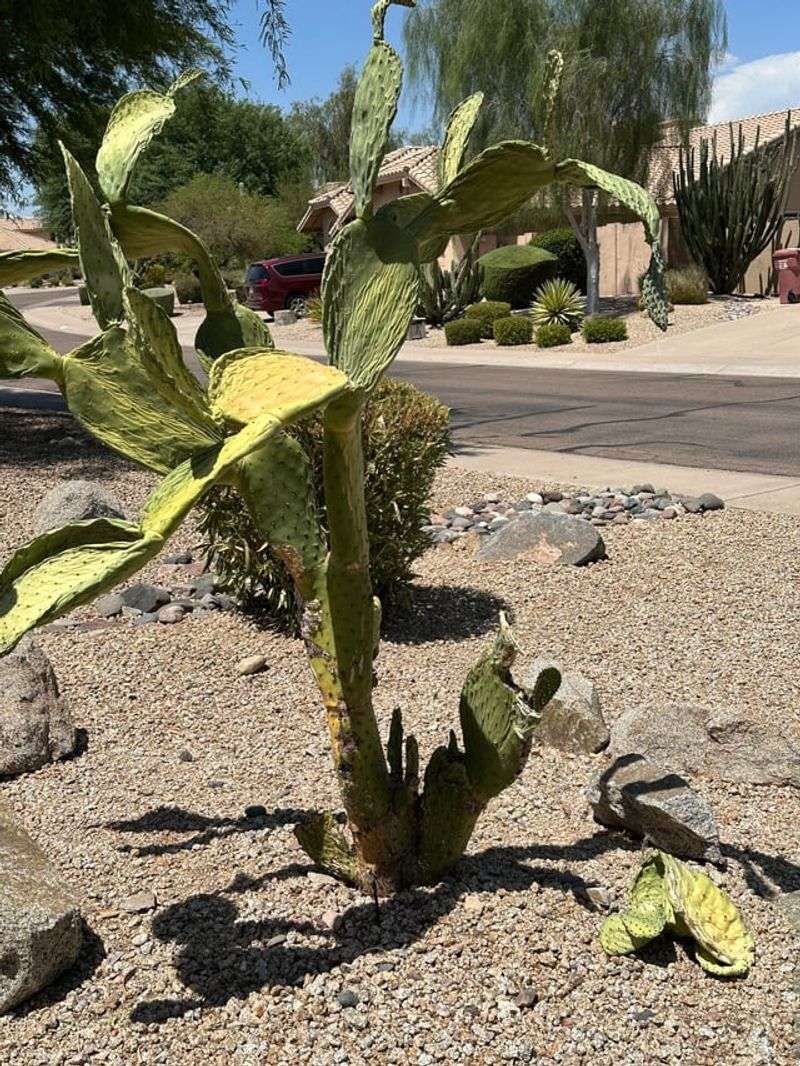
April and May in Arizona are not forgiving. Temperatures climb fast, and plants need deep, strong root systems to pull moisture from lower soil layers when the surface dries out.
Overwatering in March undermines that process by encouraging roots to stay shallow and close to the surface where moisture has been consistently available.
Roots follow water. Keep moisture near the surface all through March, and roots have no reason to push deeper into the soil profile.
When summer heat arrives and surface soil dries out within hours of watering, those shallow-rooted plants have almost nothing to draw from between irrigation sessions. Stress sets in quickly, and plants that looked healthy in spring start to decline rapidly by June.
Deep, infrequent watering is the strategy that builds root systems capable of handling Arizona summers. Allowing the soil to dry out partially between watering sessions in March encourages roots to search downward for moisture.
Even one or two weeks of more restrained irrigation during early spring can make a measurable difference in how deep the root zone develops before summer stress begins.
Gardeners across the Phoenix metro and Tucson basin who adjust their March watering habits consistently report stronger plants through the hottest months.
Giving plants a reason to grow deep roots now is one of the most practical investments you can make in the long-term health and resilience of your Arizona garden landscape.