7 Common Mistakes Arizona Gardeners Make With Mulberry Trees
Mulberry trees grow fast in Arizona, which is exactly why mistakes with them show up just as fast. What seems like a simple choice early on can turn into a bigger problem once the tree starts putting on serious growth.
Size, fruit drop, and overall shape can get out of control before most gardeners realize what is happening.
In Arizona yards, mulberries respond quickly to how they are planted, watered, and managed from the start. Small missteps do not stay small for long, especially once the heat kicks in and the tree pushes new growth.
The tricky part is that these mistakes often look normal at first. The tree still grows, still fills out, and still looks healthy on the surface.
But underneath, the structure and growth pattern may already be heading in the wrong direction, making it harder to correct later on.
1. Planting In Poorly Draining Soil
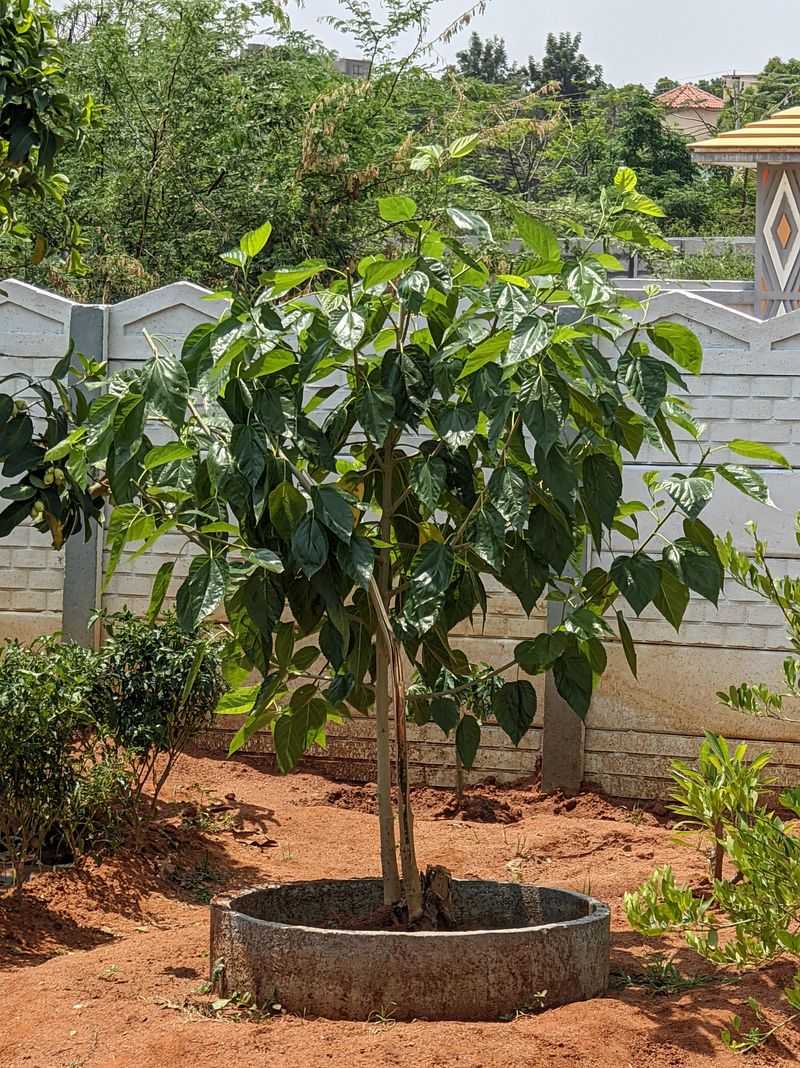
Soggy roots are a mulberry tree’s worst enemy. Arizona soil can be tricky — some yards have dense caliche layers just below the surface that trap water and suffocate roots.
When a mulberry sits in poorly draining ground, root rot sets in quietly and the tree starts struggling before you even notice anything wrong above ground.
Before you plant, dig a hole about 12 inches deep and fill it with water. If the water is still sitting there an hour later, you’ve got a drainage problem that needs fixing first.
Breaking through a caliche layer with a breaker bar or adding a gravel drainage layer at the bottom of the planting hole can make a big difference.
Sandy loam is what mulberries actually prefer. Mixing in compost when you plant helps loosen heavy soil and gives roots room to spread out properly.
Raised planting beds work well in Arizona yards where the native ground is especially dense or rocky.
Gardeners in the Phoenix metro area and Tucson often skip the soil test step because mulberries look tough and adaptable. They are resilient, but poor drainage is one issue that catches up with even the hardiest trees.
Roots sitting in standing water after a monsoon storm or a heavy irrigation cycle can develop problems that are hard to reverse once they take hold.
Spending a little time improving your soil before planting is always worth it in the long run.
2. Watering Too Frequently In Mild Weather
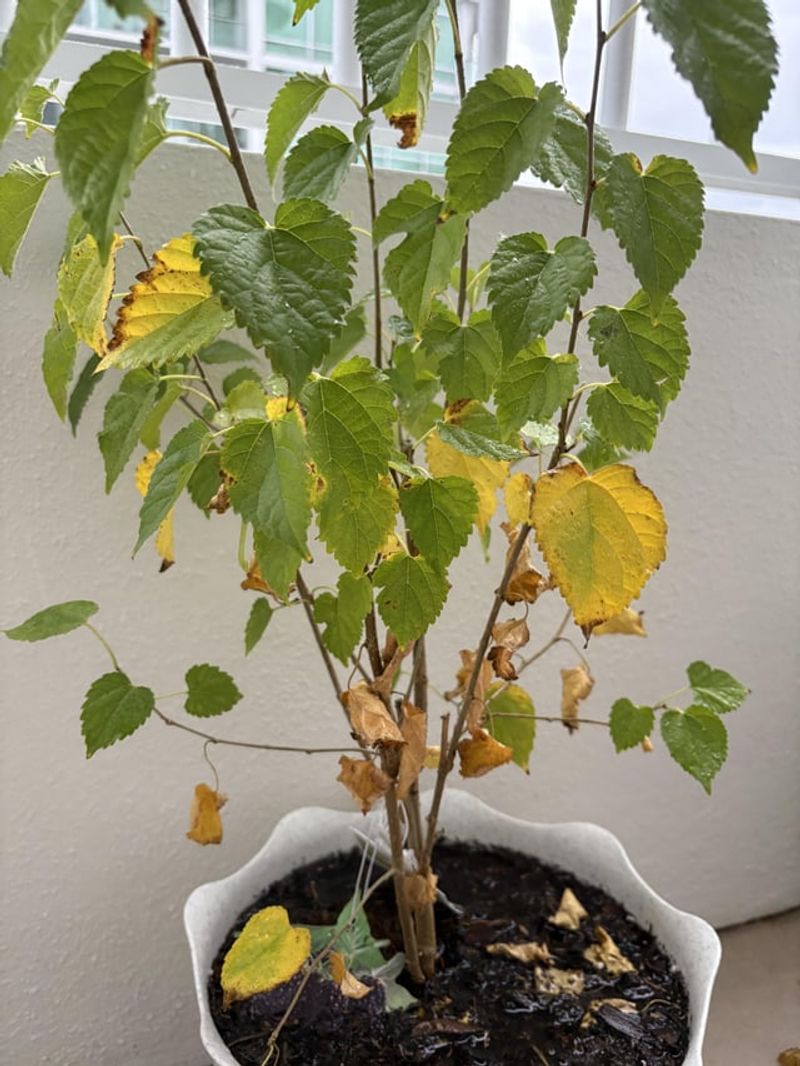
Overwatering is probably the most common mistake Arizona gardeners make with mulberry trees, and it happens most often during the cooler months when people forget that the tree’s water needs drop significantly.
Fall and spring in Arizona can feel warm by most standards, but mulberries slow their water intake during those periods and don’t need as much help from you.
A good rule of thumb is to water deeply but less often. Letting the soil dry out between waterings encourages roots to push deeper into the ground, which actually makes the tree stronger and more stable over time.
Shallow, frequent watering does the opposite — it keeps roots hanging near the surface where they’re more vulnerable.
Your Arizona Garden Changes Every Week. Your Plan Should Too.
Gardening in Arizona changes quickly throughout the season. Every Friday you’ll receive a simple weekly plan showing exactly what to plant, prune, fertilize, harvest, and protect so you never miss the right timing.
Check the soil before you turn on the drip system. Stick a screwdriver or a wooden dowel about six inches into the ground near the tree.
If it comes out damp, hold off on watering for a few more days. If it’s bone dry, it’s time to water thoroughly and slowly.
During Arizona summers, especially in the low desert around Phoenix, mature mulberry trees typically need a deep soak once or twice a week.
Younger trees need more attention, but still not daily watering unless there’s an extreme heat event pushing temperatures past 110 degrees.
Adjust your irrigation schedule seasonally rather than leaving it on a fixed timer all year. Your tree will respond noticeably better with a schedule that matches the actual weather patterns in your area.
3. Letting Growth Go Unpruned Too Long
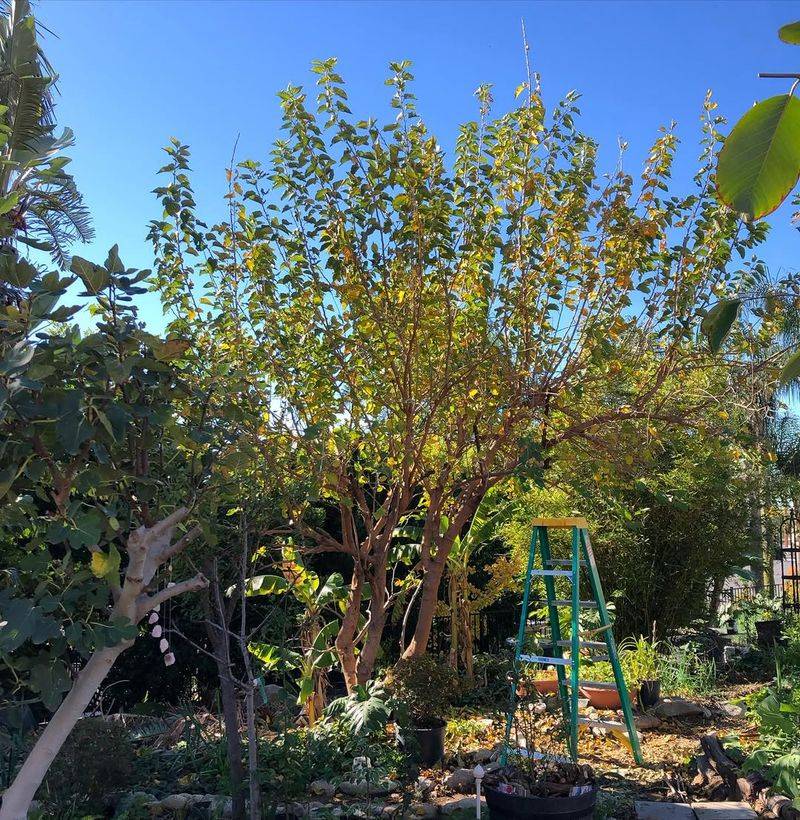
Mulberry trees grow fast — and in Arizona’s long warm season, they can put on several feet of new growth in a single year.
Skipping pruning for two or three seasons leaves you with a tree that’s harder to manage, more prone to storm damage, and sending branches in every direction without much structure.
Late winter is the best window for pruning mulberry trees here in Arizona, right before new growth starts pushing out. Cutting back during this period reduces sap loss and gives the tree time to seal its wounds before the heat arrives.
Pruning during summer or early fall, when temperatures are still high, stresses the tree unnecessarily and can attract pests to fresh cuts.
You don’t need to take off huge amounts at once. Light, consistent pruning every year keeps the canopy open, lets air circulate through the tree, and reduces the weight load on main branches during monsoon winds.
Gardeners in Tucson and Scottsdale sometimes go years without touching their mulberry trees because they seem healthy. But a tree left to grow without any guidance can develop weak branch unions that split during summer storms.
Arizona’s monsoon season hits hard, and heavy, unpruned canopies catch a lot of wind.
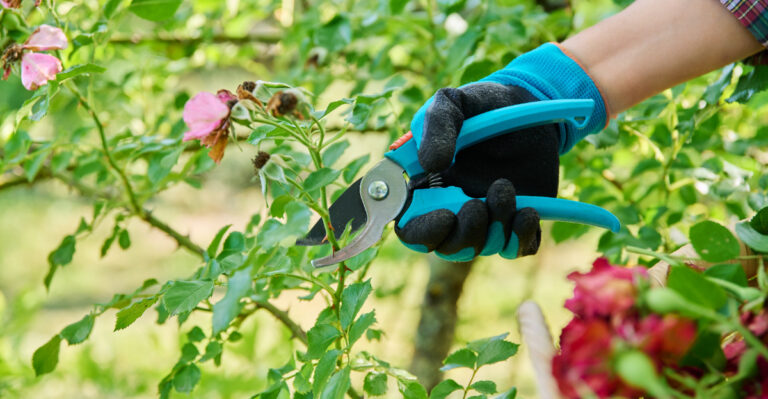
A pair of clean, sharp loppers and an hour of your time each late winter keeps a mulberry looking and performing its best for years.
4. Placing Trees Too Close To Structures
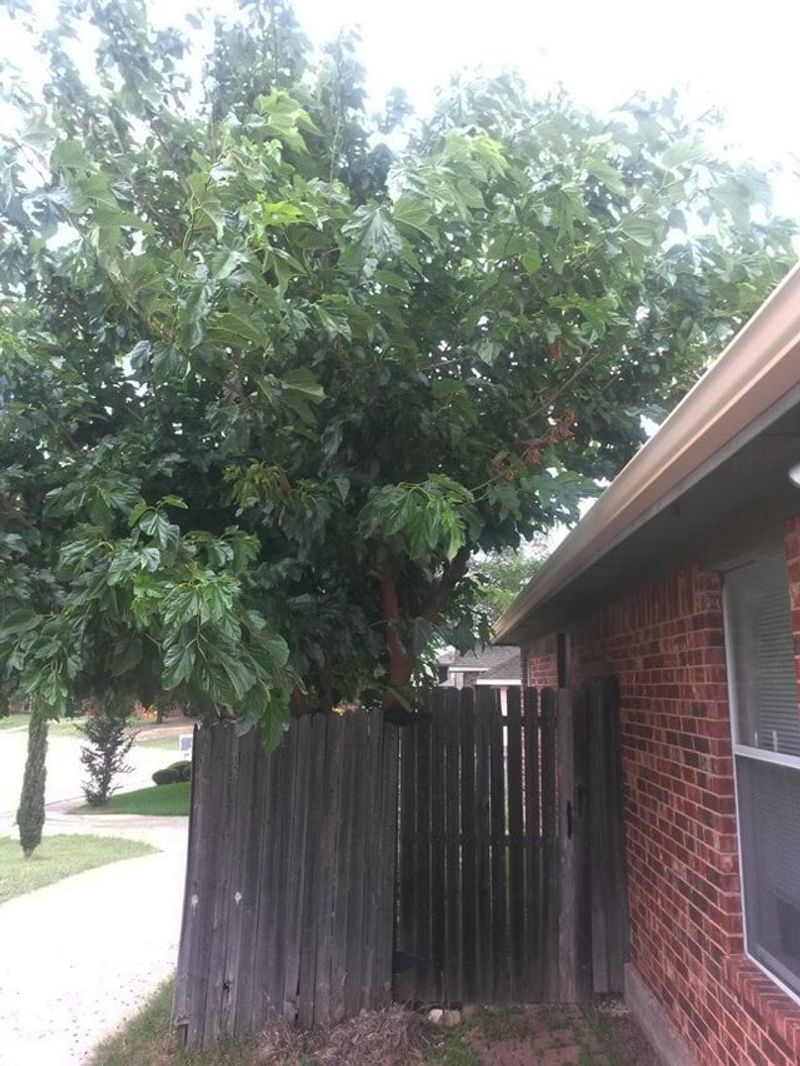
Mulberry roots are aggressive. There’s no polite way to say it — these trees will find water wherever it is, and that includes your irrigation lines, sewer pipes, and home foundation.
Planting a mulberry too close to a structure is one of those mistakes that feels fine for the first few years and then turns into an expensive repair job.
Experts generally recommend keeping mulberry trees at least 50 feet away from any structure, including block walls, patios, driveways, and underground utility lines.
That distance sounds like a lot, but it reflects how far these root systems can actually travel when the tree reaches full size.
Arizona yards in neighborhoods like Chandler, Mesa, and Gilbert often don’t have 50 feet of open space to work with. If that’s your situation, consider a dwarf mulberry variety that stays smaller and has a less aggressive root system.
Standard-sized mulberry trees planted in tight spaces almost always cause problems eventually.
Root barriers made from heavy-duty plastic sheeting can help redirect root growth away from structures when space is limited. They’re not a perfect solution, but combined with thoughtful placement, they can reduce the risk of root intrusion into pipes and pavement.
Walk your yard and map out where your water lines and sewer cleanouts are located before you plant. Your city or county utility office can usually help you identify underground line locations for free.
A few minutes of planning now prevents a very costly plumbing or foundation repair later.
5. Ignoring Surface Root Spread
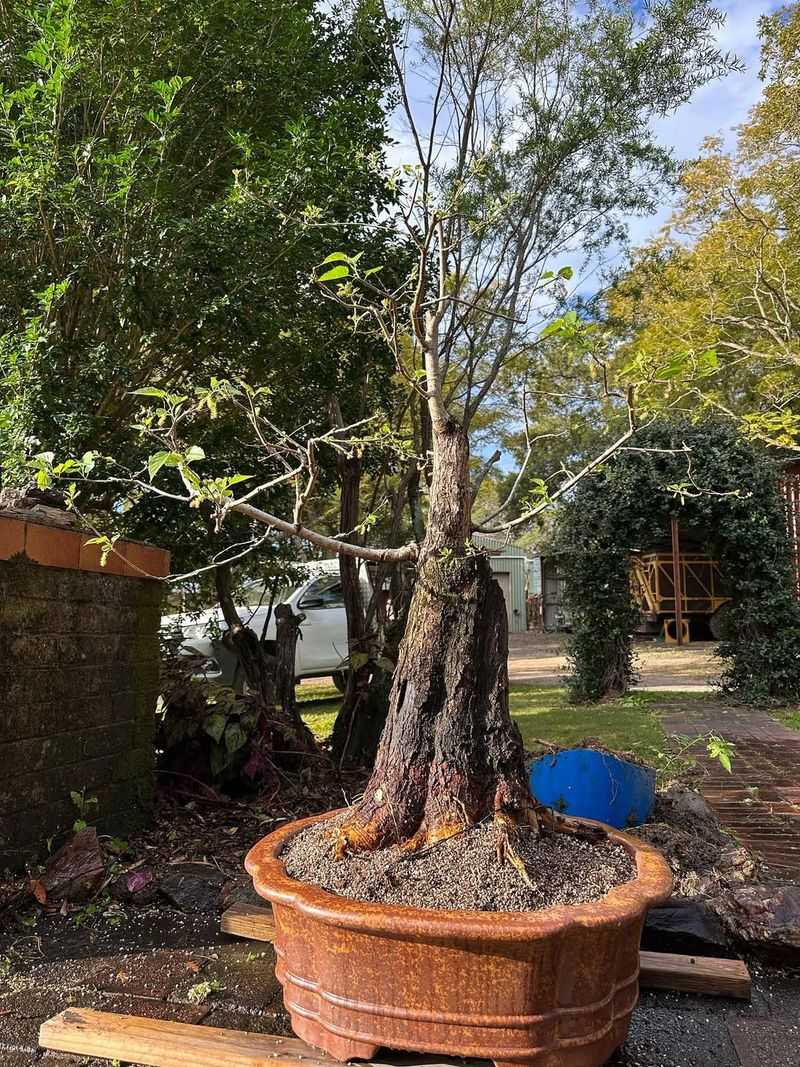
Surface roots on mulberry trees are a real issue that Arizona gardeners often don’t notice until they’ve already caused problems.
As the tree matures, roots near the top of the soil spread outward in all directions, sometimes lifting pavement, creating tripping hazards, and making it nearly impossible to grow grass or ground cover nearby.
Cutting surface roots to fix the problem usually makes things worse. Removing large roots stresses the tree and can cause it to become unstable, especially in Arizona’s sandy or loose desert soils where roots serve as anchors.
Instead of cutting them, the smarter move is to plan around them from the start.
Mulch is your best friend here. Laying down a wide ring of wood chip mulch around the base of the tree covers surface roots, protects them from the brutal Arizona sun, and keeps the soil underneath cooler and more moisture-retentive.
A three to four inch layer works well and needs refreshing once or twice a year.
Avoid planting turf grass or shallow-rooted plants right up against the trunk. Mulberry surface roots compete hard for water and nutrients, and most smaller plants lose that battle quickly.
Low-maintenance desert plants placed at the outer edge of the canopy drip line tend to coexist better with the tree’s root system.
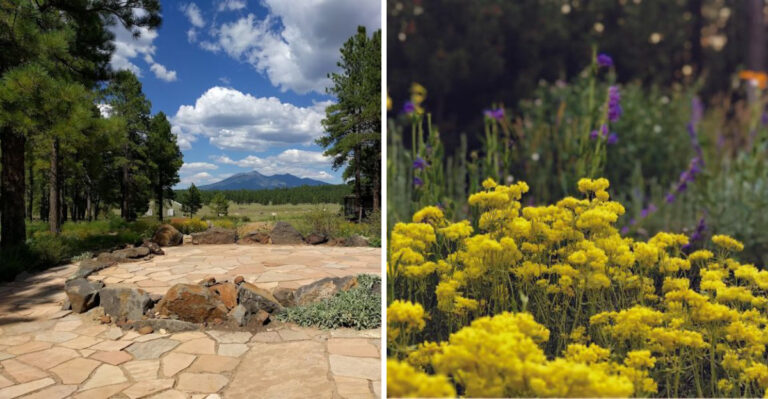
Flagstone pathways or decomposed granite areas near mulberry trees in Arizona yards look attractive and hold up better against root pressure than poured concrete or standard brick pavers.
6. Fertilizing More Than Needed
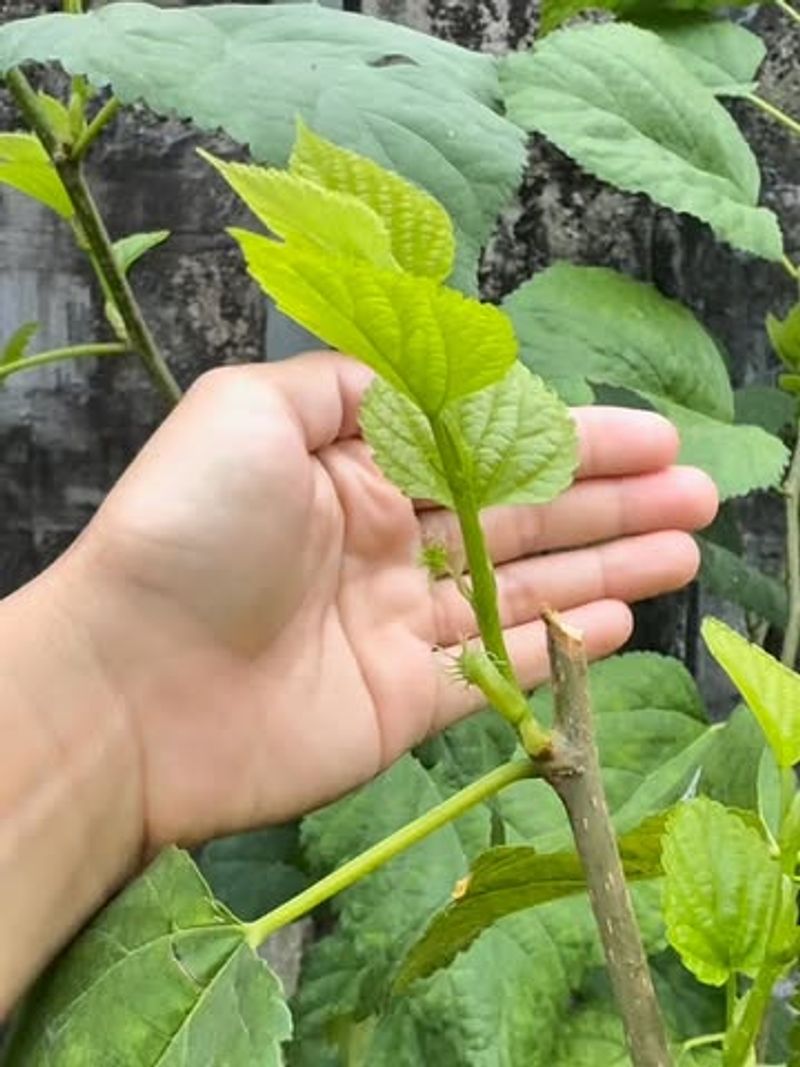
More fertilizer does not mean a healthier tree. Mulberry trees are naturally vigorous and don’t need heavy feeding to thrive in Arizona.
Piling on nitrogen-rich fertilizer pushes the tree into producing lots of soft, fast-growing shoots that are weak, prone to pests, and more likely to break during storms.
In Arizona’s desert soil, a light application of balanced fertilizer in early spring is usually plenty for an established tree. If your soil is already reasonably fertile, you might not need to fertilize at all.
Mulberry trees that are growing well, putting out healthy leaves, and producing fruit don’t need extra encouragement.
Signs of over-fertilizing include unusually dark green leaves, excessive shoot growth that’s soft and floppy, and an increase in aphid or whitefly activity. Insects are attracted to that lush, nitrogen-pumped new growth.
Cutting back on fertilizer often reduces pest pressure more effectively than spraying.
Compost is a better option than synthetic fertilizers for most Arizona gardeners.
A few inches of compost spread around the base of the tree in late winter feeds the soil slowly, improves water retention in sandy ground, and adds beneficial microbial activity without the risk of burning roots or pushing uncontrolled growth.
If you’re not sure whether your tree needs fertilizing, get a basic soil test done first. Arizona Cooperative Extension offices can point you toward affordable testing resources.
Knowing what’s actually in your soil makes fertilizing decisions a lot more straightforward and prevents wasted effort.
7. Allowing Fruit To Drop And Build Up
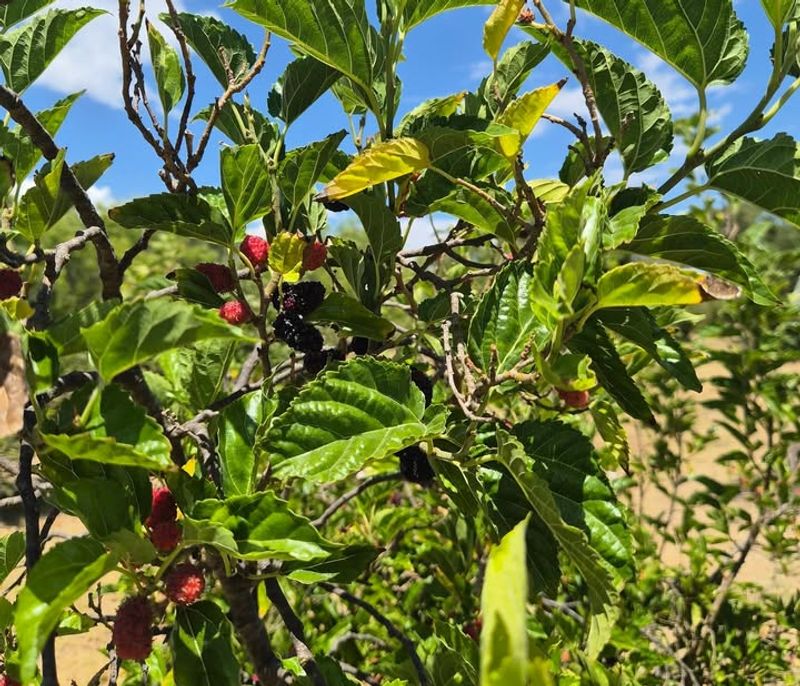
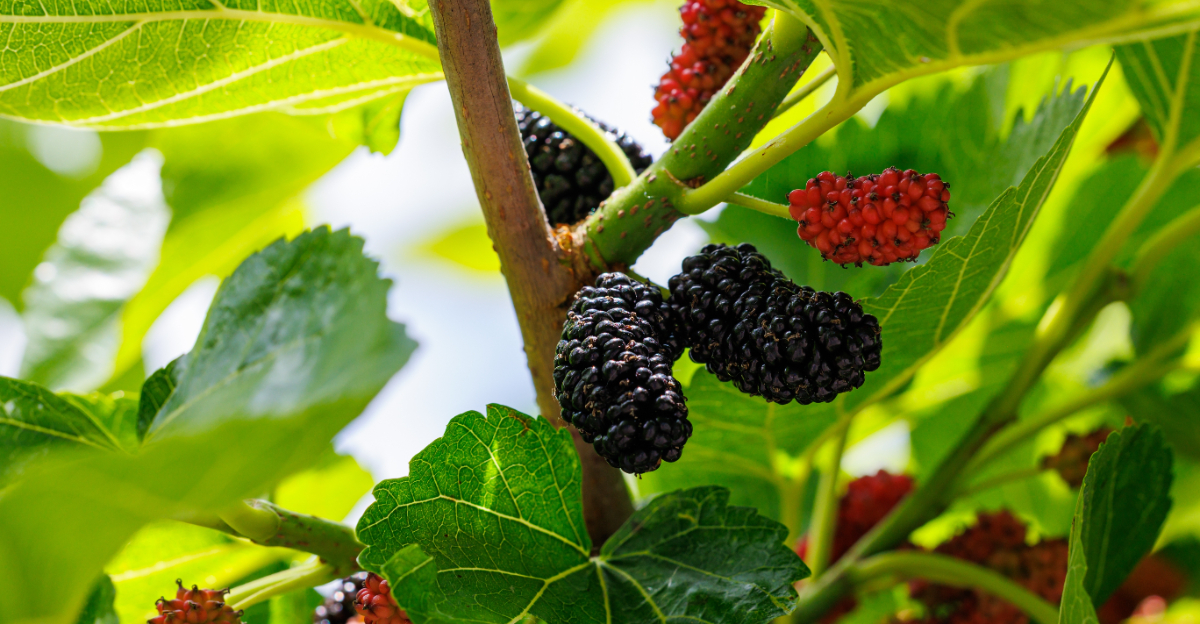
Mulberry fruit drops fast and stains everything it touches — concrete, stone, car paint, shoes, and clothing.
Arizona gardeners who plant mulberry trees near patios or driveways often find themselves dealing with purple-stained surfaces that are genuinely difficult to clean up once the staining sets in.
Letting fallen fruit pile up under the tree is a bigger problem than just aesthetics. Rotting mulberries attract wasps, ants, and other insects that you don’t want hanging around your outdoor living space.
During Arizona summers, the heat speeds up decomposition quickly, and the smell of fermenting fruit is not subtle.
Harvesting fruit regularly before it drops is the most effective solution. Spreading a tarp or old sheet under the tree and giving branches a gentle shake brings down ripe fruit quickly and makes cleanup much easier.
Doing this every few days during peak fruiting season keeps the mess under control.
If you don’t want to deal with fruit at all, fruitless mulberry varieties are widely available at Arizona nurseries and are actually very popular across the state. Fruitless trees still provide the same fast shade without the cleanup headaches.
Just know that fruitless trees still produce pollen, which is a major allergy trigger for many people in the Phoenix and Tucson areas.
For those who do want the fruit, keeping a regular harvest schedule and raking up dropped berries every couple of days makes living with a fruiting mulberry tree much more manageable and enjoyable throughout the season.