What Arizona Gardeners Should Avoid Spraying During Extreme Heat
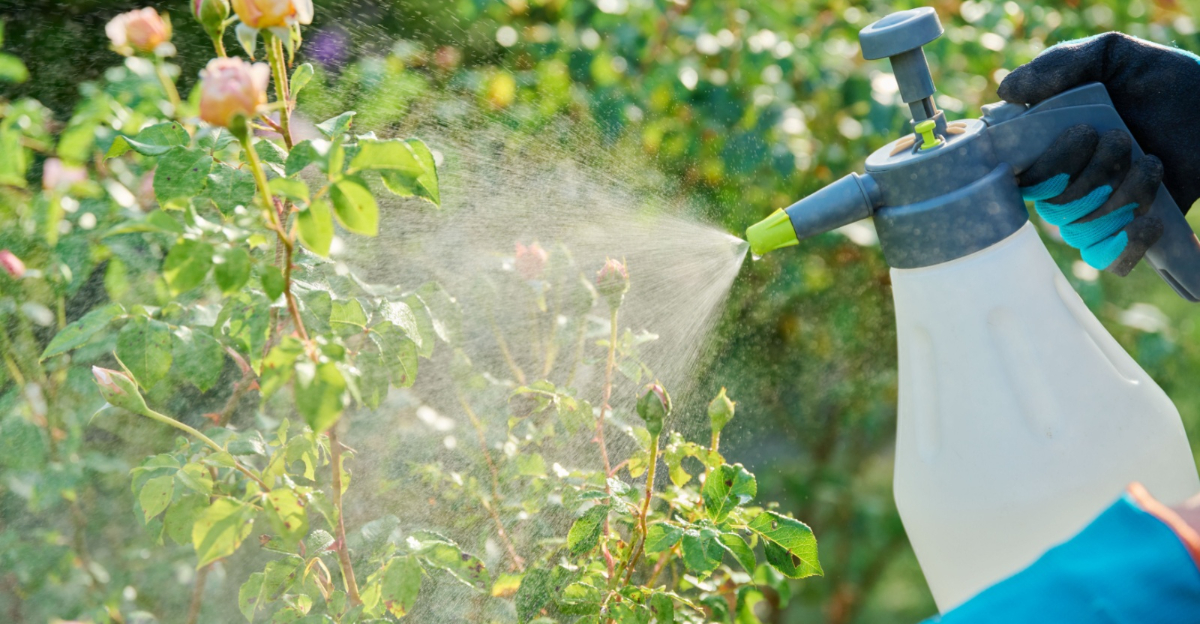
Arizona summer has a way of turning simple gardening tasks into high-stakes experiments. One minute you are out with a spray bottle feeling productive, and the next your plants are looking stressed after baking in triple-digit heat all afternoon.
Desert gardening definitely keeps people humble. The tricky part is that many garden sprays react differently once temperatures soar.
Oils, soaps, fertilizers, and even homemade mixtures can become a lot harsher on leaves when the sun is blazing and hot wind is rolling through the yard.
Patio containers heat up fast, citrus leaves become more sensitive, and vegetable plants can struggle under all that extra stress.
Timing matters more than many gardeners realize. A smart spray routine during Arizona summer is often less about what you use and more about when you use it.
1. Horticultural Oils Can Burn Leaves In High Heat
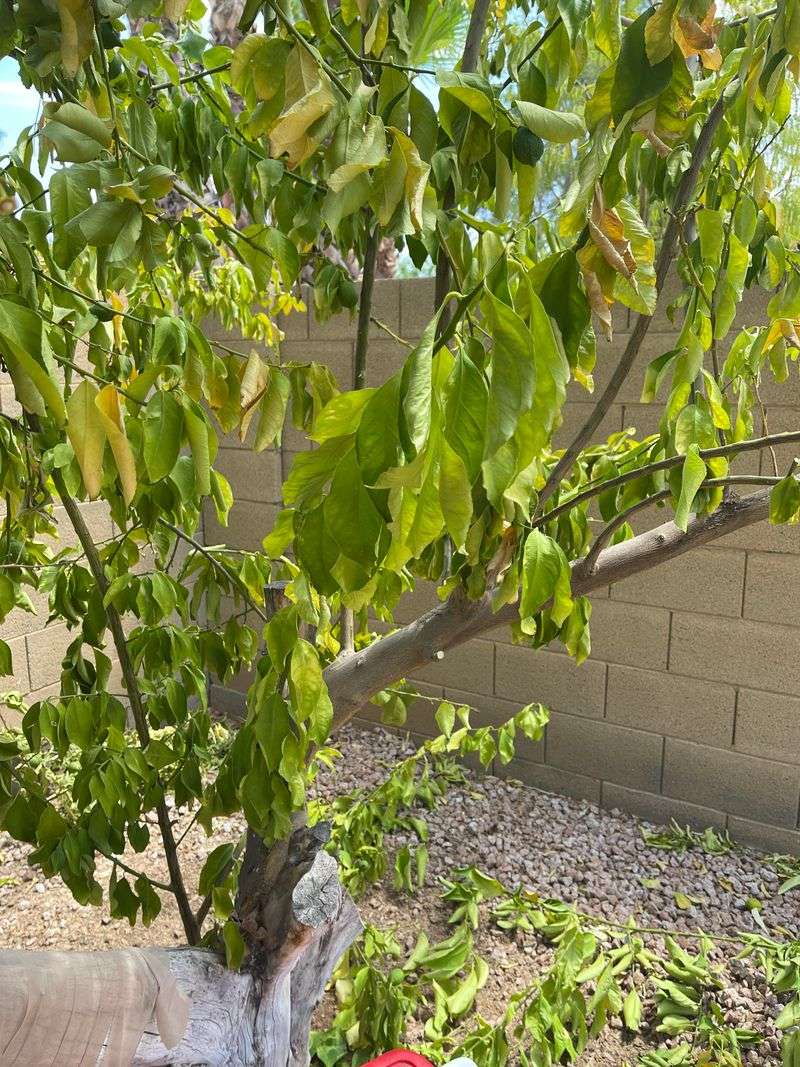
Leaves that feel almost hot to the touch during an Arizona afternoon are already working overtime just to survive. Spraying horticultural oil on foliage in that condition can make things significantly worse.
These oil-based products coat leaf surfaces and, when combined with intense heat and direct sunlight, can trap warmth against the plant tissue and lead to visible scorch marks.
Horticultural oils are useful tools for managing soft-bodied pests like scale insects, whiteflies, and mites on citrus trees and ornamentals.
The problem is that Arizona summers regularly push temperatures into ranges where these sprays become risky.
Most product labels suggest avoiding application when temps are above 90 degrees Fahrenheit, and Arizona easily exceeds that for months at a time.
If you need to use horticultural oil, wait for a stretch of cooler weather or apply it very early in the morning before temperatures rise. Make sure the plant is well-watered beforehand, since dry, stressed foliage tends to react more strongly.
Always read the label carefully, as different formulations carry different heat-related warnings that apply directly to Arizona growing conditions.
2. Neem Oil Needs Cooler Application Conditions
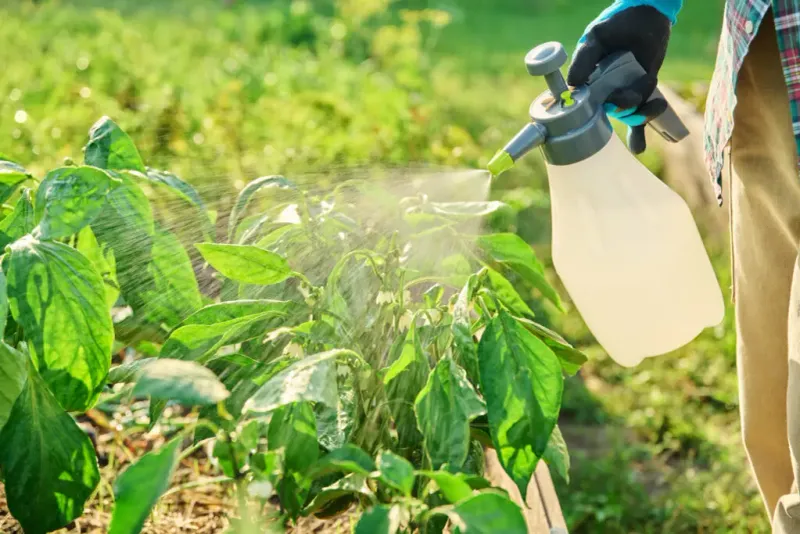
Neem oil has become a go-to product for many Arizona gardeners managing aphids, spider mites, and fungal issues on vegetables, roses, and fruit trees. It comes from the neem tree and works as both a pesticide and a fungicide, making it pretty versatile.
But in Arizona heat, neem oil can turn from helpful to harmful in a hurry.
When temperatures soar above 90 degrees, neem oil applied to foliage can cause what gardeners call phytotoxicity, meaning the leaves develop spots, yellowing, or a burned appearance.
The oil sits on the leaf surface and essentially cooks under the Arizona sun.
Tender new growth and plants already dealing with drought stress are especially vulnerable to this kind of damage.
Timing really matters with neem oil in Arizona. Early morning applications, before the sun gets strong and temperatures climb, give the product time to dry and break down before the heat of the day sets in.
Avoid spraying during windy afternoons, which are common in Arizona monsoon season, since drift can carry the product onto unintended plants.
Your Arizona Garden Changes Every Week. Your Plan Should Too.
Gardening in Arizona changes quickly throughout the season. Every Friday you’ll receive a simple weekly plan showing exactly what to plant, prune, fertilize, harvest, and protect so you never miss the right timing.
Following the label directions closely and never spraying during the hottest parts of the day is the safest approach here.
3. Insecticidal Soap Can Stress Heat-Tired Plants
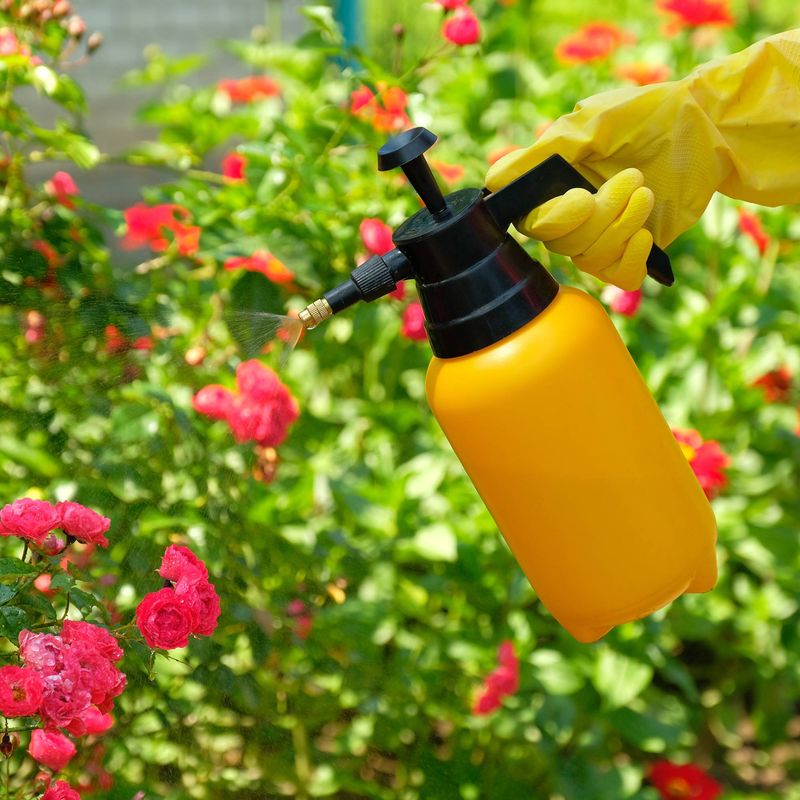
Insecticidal soap sprays work by breaking down the outer coating of soft-bodied insects like aphids, thrips, and spider mites, which are all common garden pests in Arizona.
When used correctly, these products are considered relatively low-risk compared to stronger chemical options.
However, Arizona summers create conditions where even a gentle soap spray can push stressed plants over the edge.
Heat-tired plants have already been working hard to manage water loss, regulate temperature, and keep their cells functioning. Adding a soap spray during peak afternoon heat can disrupt the waxy coating on leaves that helps them retain moisture.
Once that protective layer is compromised, leaves can quickly show signs of burning, wilting, or browning along the edges.
Vegetable gardens are especially sensitive to this issue because crops like tomatoes, peppers, and squash are already under significant pressure during Arizona summers.
If you need to use insecticidal soap, choose early morning as your window and make sure the plants have been watered the day before.
Avoid applying it on days when temperatures are expected to spike, and rinse foliage lightly with water a few hours after application if the day heats up faster than expected.
4. Broad-Spectrum Pesticides Can Harm Beneficial Insects
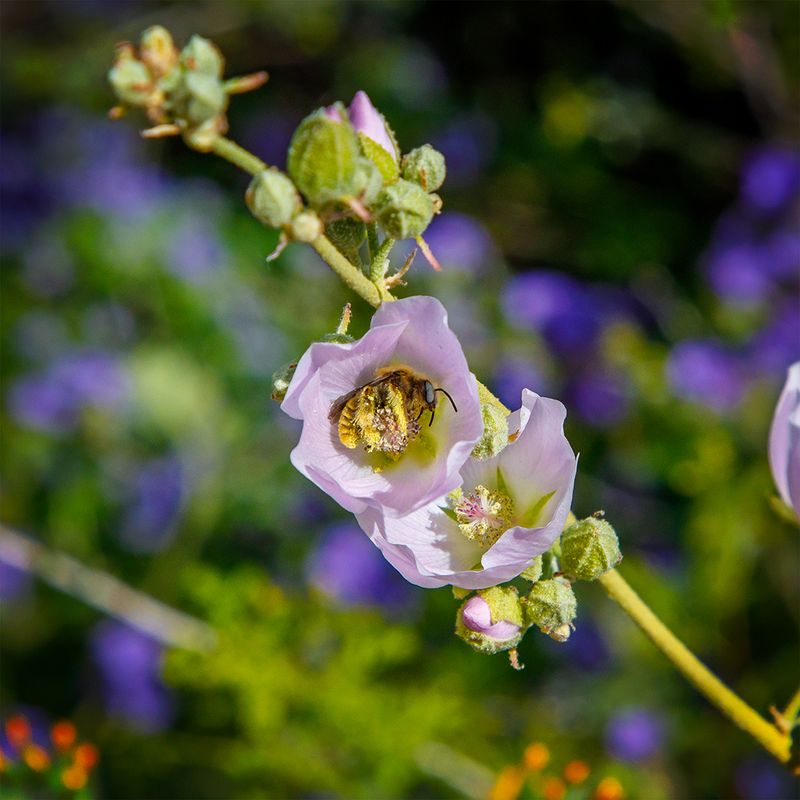
Broad-spectrum pesticides are designed to target a wide range of insects, but that wide reach is exactly what makes them risky in an Arizona summer garden.
Pollinators like bees and wasps are often active during morning hours, and beneficial predators like lacewings and ladybugs help keep pest populations in check naturally.
Spraying broad-spectrum products during warm weather can reduce these helpful populations right when your garden needs them most.
Arizona gardens attract a surprising variety of native bees, especially in areas near desert-adapted flowering plants, fruit trees, and vegetable beds.
When broad-spectrum sprays drift onto blooms or linger on surfaces in the heat, foraging insects can pick up residue long after the initial application.
Hot, dry conditions in Arizona can also slow down how quickly some spray residues break down, extending the window of potential exposure.
A more targeted approach works better during extreme heat. Identifying the specific pest causing damage and choosing a product designed for that pest reduces collateral impact on the rest of your garden ecosystem.
Spot-treating affected areas rather than blanket-spraying the whole garden is a practical strategy that Arizona gardeners managing mixed landscapes of edibles, ornamentals, and native plants may find especially useful.
5. Herbicides Can Drift More Easily In Hot Weather
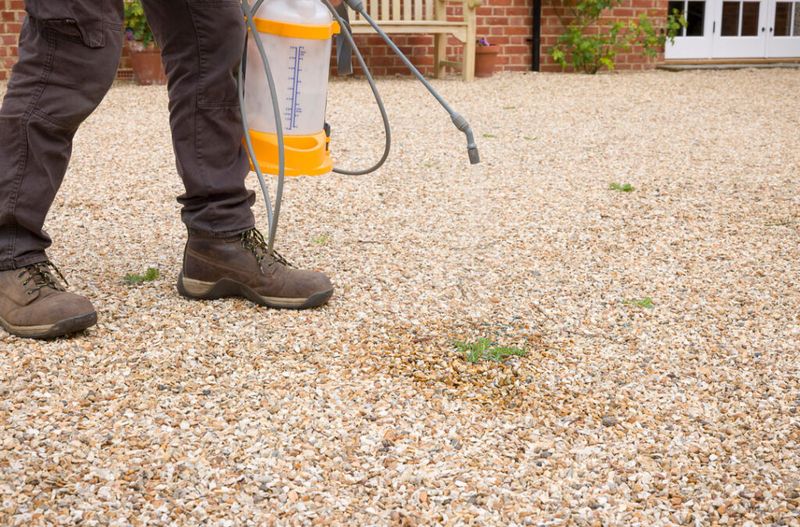
Hot Arizona afternoons are almost always accompanied by wind, and that combination creates a real challenge for anyone trying to apply herbicides accurately.
Spray droplets become smaller and lighter in hot, dry air, which means they can travel far beyond the target area before landing.
This drift can land on vegetable beds, flowering shrubs, citrus trees, or your neighbor’s garden without you even realizing it.
Herbicide drift is not just a precision problem, it can cause visible damage to non-target plants fairly quickly. Broadleaf herbicides, in particular, can curl and distort leaves on ornamentals and edibles if even a small amount of spray reaches them.
In Arizona, where patio containers and raised vegetable beds are often close together, the risk of accidental contact is higher than it might seem.
Checking the wind speed before spraying is a practical first step. Most labels recommend avoiding application when winds are above a certain speed, and Arizona afternoons regularly exceed those thresholds.
Early morning, when air is calmer and temperatures are lower, is generally the safer window for herbicide use.
Using a low-pressure setting, a coarser spray nozzle, and a spray shield can also help reduce drift in Arizona yards where plants grow close together.
6. Homemade Soap Sprays Can Damage Sensitive Leaves
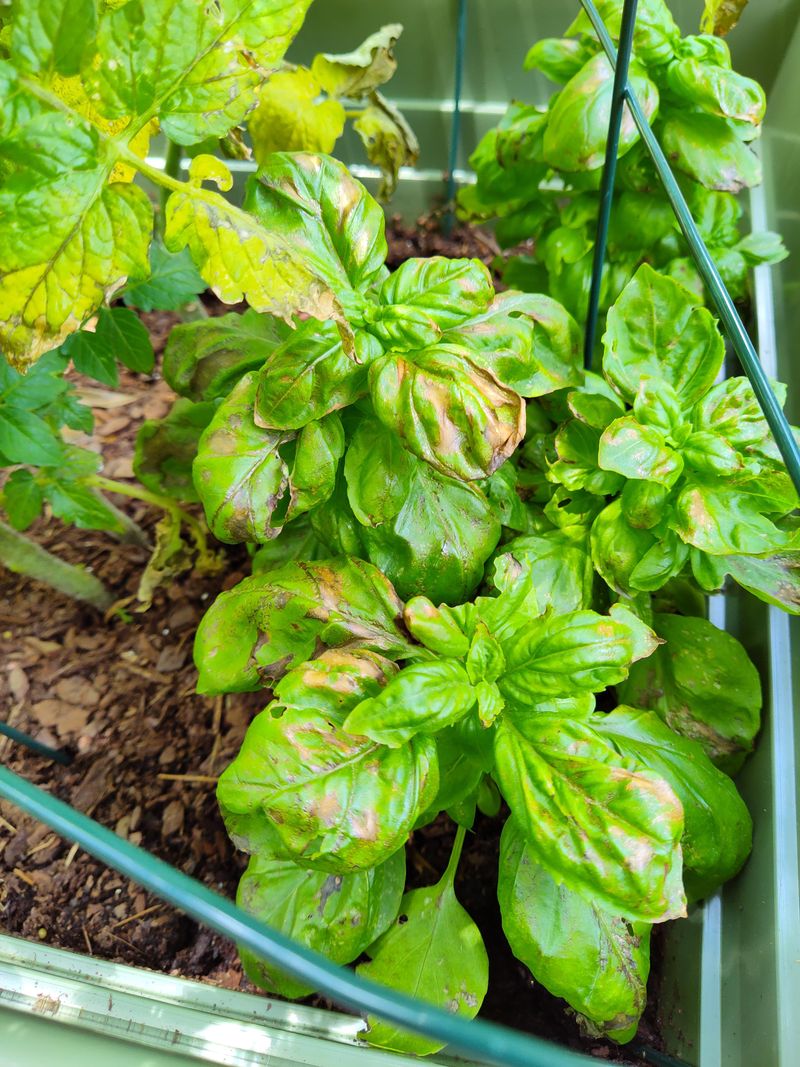
Plenty of Arizona gardeners mix up their own soap sprays using dish soap and water as a budget-friendly way to deal with aphids, mites, and other soft-bodied pests.
It seems simple enough, and the idea of using something from under the kitchen sink rather than a commercial pesticide has real appeal.
But homemade soap sprays carry some unpredictability that commercial insecticidal soaps are formulated to avoid.
Dish soaps often contain degreasers, fragrances, and other additives that are not designed with plant safety in mind.
In Arizona heat, these compounds can be more aggressive on leaf surfaces, stripping away the protective wax layer that helps plants retain water.
Sensitive plants like basil, beans, and some flowering annuals can show damage within hours of application, especially if sprayed mid-morning when temperatures are already rising.
Concentration matters a lot with homemade sprays. Even a slightly stronger mixture than intended can tip the balance from pest control to leaf damage in hot, dry Arizona conditions.
If you prefer a DIY approach, keeping the concentration very low, testing on a small section of the plant first, and applying only in the early morning are all reasonable precautions.
Rinsing the plant with plain water a few hours after application can also reduce the risk of residue buildup during a hot Arizona day.
7. Copper And Sulfur Sprays Need Label Care In Heat
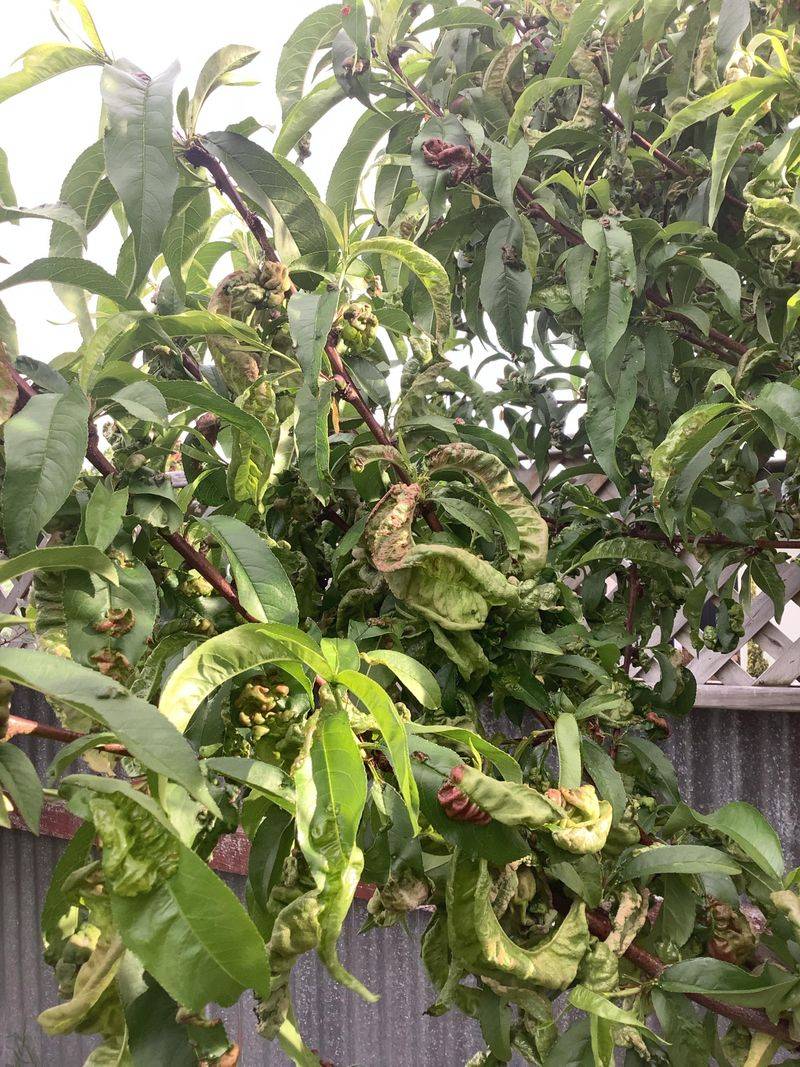
Copper and sulfur-based sprays are commonly used in Arizona vegetable gardens and orchards to manage fungal diseases and bacterial issues. They have a long track record in organic and conventional gardening alike.
The challenge in Arizona is that both products carry real risks when applied during high heat, and those risks are clearly spelled out on most product labels if you take the time to read them carefully.
Sulfur sprays are particularly sensitive to temperature. Many labels warn against application when temperatures are expected to exceed 90 degrees Fahrenheit within 24 hours of treatment.
Arizona summers make this warning relevant for months at a stretch.
When sulfur is applied in heat, it can cause phytotoxic reactions on leaves, showing up as bleaching, spotting, or a scorched appearance on squash, melons, and other cucurbit vegetables that are common in Arizona gardens.
Copper sprays carry their own heat-related concerns, especially on thin-leaved plants and young seedlings. Buildup of copper residue on foliage in hot, dry conditions can cause discoloration and leaf drop over time.
Both products work better when applied during cooler stretches or very early in the morning.
Checking the forecast before spraying and never applying either product if a heat spike is coming is a practical rule for Arizona gardeners managing fruit and vegetable crops.
8. Early Morning Applications Are Safer Than Afternoon Sprays
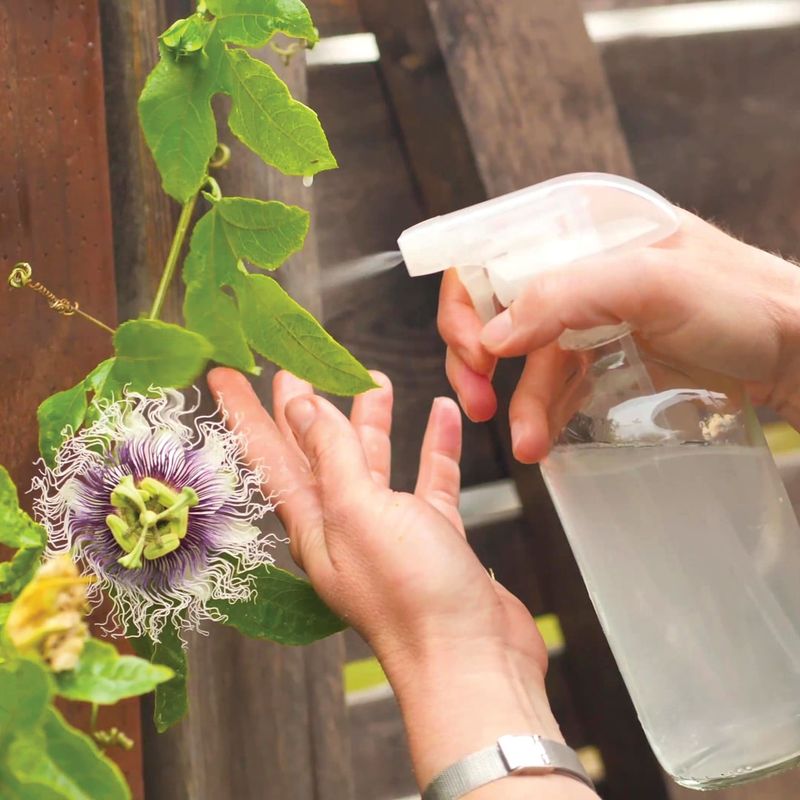
Sunrise in Arizona during summer brings a brief window of cooler temperatures, calmer winds, and lower light intensity that makes it the most practical time for spray applications of almost any garden product.
By mid-morning, temperatures in many Arizona cities are already climbing past 90 degrees, and by afternoon, conditions are often far outside the safe range listed on most pesticide and fertilizer labels.
Early morning spraying gives products time to dry and absorb before the sun reaches its peak intensity.
Leaves are also generally more turgid in the morning after overnight cooling, which means they are better equipped to handle the mild stress of a spray application.
This is true across Arizona garden types, from raised vegetable beds and container plants on patios to established citrus groves and flowering desert shrubs.
Planning your spray schedule around the forecast is a habit worth building during Arizona summers. If a day is expected to reach 105 degrees or higher, even an early morning application of some products may carry more risk than usual.
Keeping a small notebook or phone reminder to track spray dates, products used, and temperatures at the time of application can help Arizona gardeners spot patterns and adjust their approach as the season progresses.
A little planning goes a long way when the heat is relentless.