What Georgia Viburnums Need In March For A Better Bloom Season
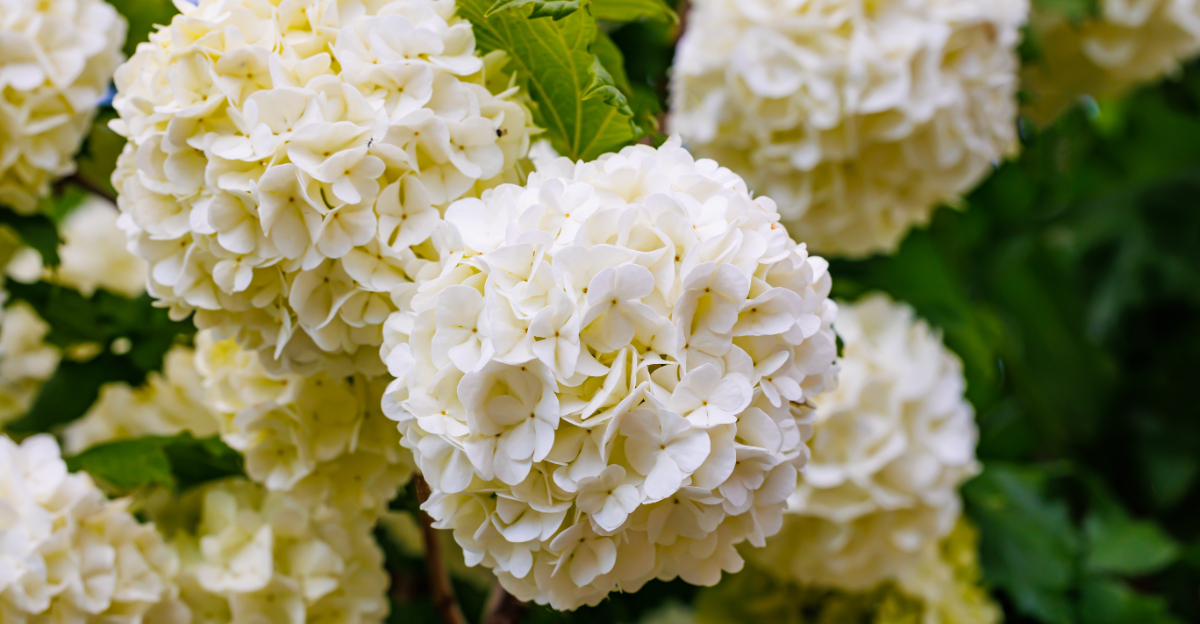
March is when viburnums in Georgia quietly set the stage for everything that comes next. At a glance, they may not look dramatically different, but behind that early spring growth, important changes are already happening.
Buds are forming, energy is shifting, and the plant is preparing for its bloom season.
It is easy to assume they will handle this part on their own, especially since viburnums are known for being reliable. But in Georgia, March conditions can vary just enough to influence how strong those blooms turn out.
Small adjustments during this window can make a noticeable difference later.
What makes this timing so important is how quickly the plant moves once spring settles in. There is a short stretch where the right care supports fuller growth, better bud development, and a more consistent display.
Miss that window, and the results can feel slightly off without an obvious reason why.
1. Prune Right After Flowering Instead Of Cutting In March
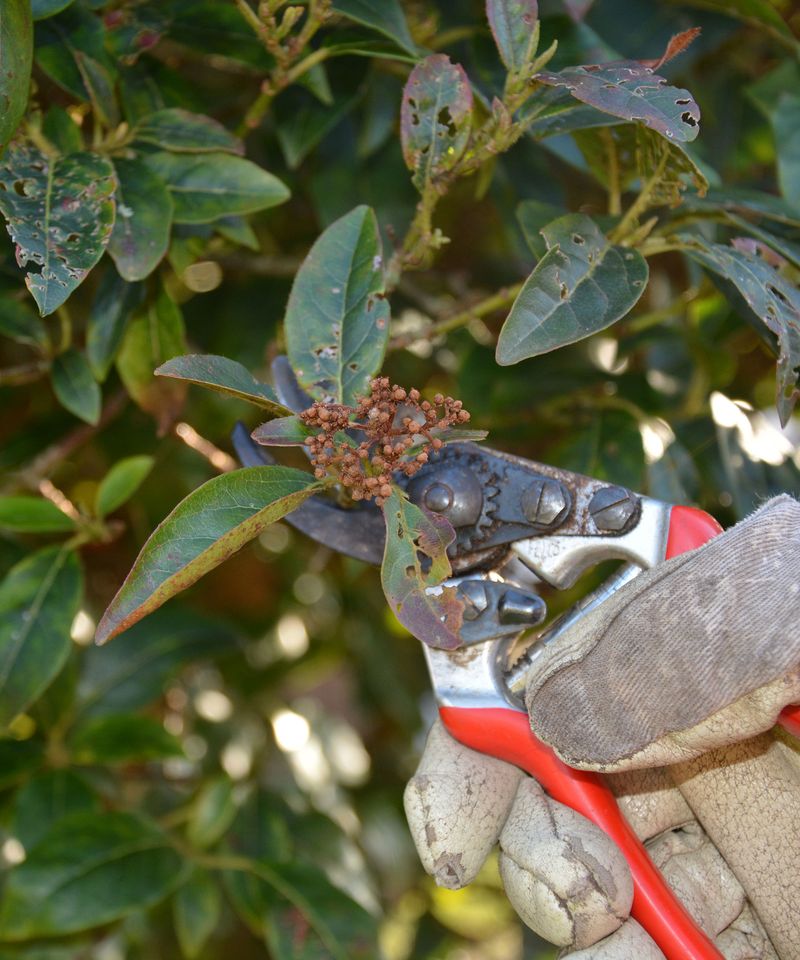
Cutting your viburnum in early March is one of the fastest ways to wreck the bloom season before it even starts. Viburnums set their flower buds on old wood from the previous year, which means any stems you remove right now are likely carrying the buds you have been waiting all winter to see open.
Plenty of Georgia gardeners make this mistake every spring, especially when they see the shrub looking scraggly after winter and feel the urge to tidy things up. Resist that urge.
Pruning too early strips the plant of exactly what it needs to put on a good show in April and May.
Wait until the flowers have fully finished and the petals have dropped before picking up your pruners. Right after bloom is the ideal window because the plant has already done its work, and you still have plenty of time before it starts setting next year’s buds.
Keep the cuts clean and angled so water runs off. In Georgia’s humid spring conditions, clean cuts heal faster and reduce the chance of fungal issues taking hold at the wound site.
A light shaping at the right time does far more good than aggressive cutting at the wrong one.
2. Give Full Sun Or Light Shade For Stronger Bud Development
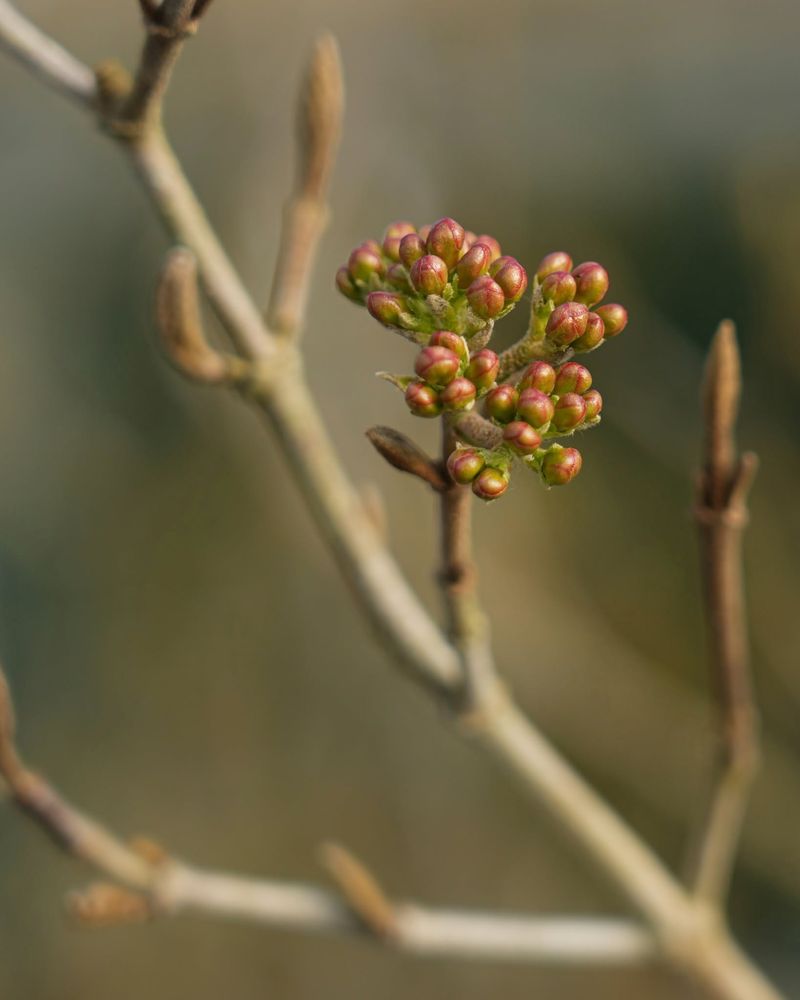
Sunlight is doing serious work for your viburnum right now, even before you see a single bud open. In March, as days get longer across Georgia, the plant is using every bit of available light to build the energy it needs for flowering.
Where your viburnum is planted makes a bigger difference than most people realize.
Full sun, meaning around six hours of direct light per day, tends to produce the strongest bud development and the most flowers overall.
Shrubs growing under heavy tree canopy or on the north side of a building often bloom later, bloom less, or produce thinner flower clusters compared to those with good sun exposure.
Light shade during the hottest part of the afternoon is actually fine in Georgia, especially in the central and southern parts of the state where summer heat arrives early.
Your Georgia Garden Changes Every Week. Your Plan Should Too.
Gardening in Georgia changes quickly throughout the season. Every Friday you’ll receive a simple weekly plan showing exactly what to plant, prune, fertilize, harvest, and protect so you never miss the right timing.
Morning sun with some afternoon shelter can keep the plant from stressing out while still giving it enough light to develop strong buds.
If your viburnum has been struggling to bloom well and nothing else seems wrong, take a close look at its light situation before assuming the problem is soil or water. Sometimes a nearby tree has grown enough over the years to shade a spot that used to be sunny.
Trimming a few overhead branches or even moving a younger shrub to a better location can turn a weak bloomer into one of the better-looking plants in your Georgia yard.
3. Water Deeply If Spring Rains Are Inconsistent
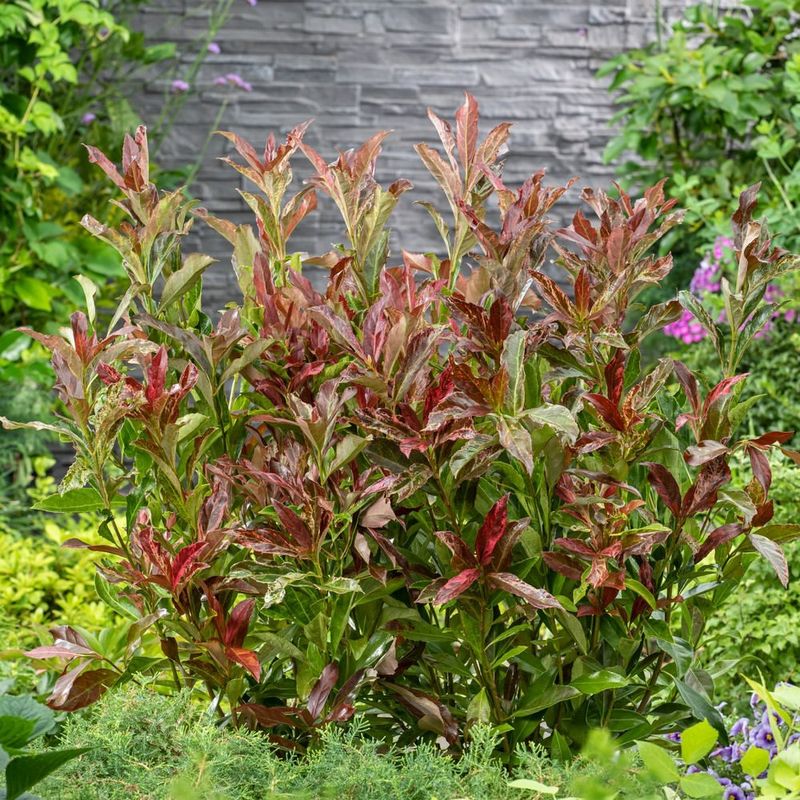
Georgia springs can go from soaking wet to bone dry within the same week, and viburnums heading into bloom season feel every bit of that inconsistency.
Shallow or irregular watering during March pushes roots to stay near the surface, which leaves the plant more vulnerable when a dry stretch hits right before flowers open.
Deep watering once or twice a week does far more good than light daily sprinkles. When you water deeply, moisture reaches down into the root zone where it actually supports growth and bud development.
Aim to soak the soil to about eight to ten inches below the surface. A slow trickle from a hose left at the base of the shrub for twenty to thirty minutes usually gets the job done better than a quick spray from above.
Pay attention to rainfall totals in your part of Georgia rather than just assuming the sky has handled things. North Georgia can get drenched while areas around Macon or Valdosta stay dry for two weeks straight.
A simple rain gauge near your garden takes the guesswork out of it. If you have had less than an inch of rain in a week, go ahead and water.
Viburnums heading into bloom with consistently moist roots tend to produce fuller flower clusters and hold their blooms longer than those that went through stress right before the flowers opened.
Getting the watering right in March pays off in a noticeable way by mid-spring.
4. Apply A Balanced Slow-Release Fertilizer Early In The Month
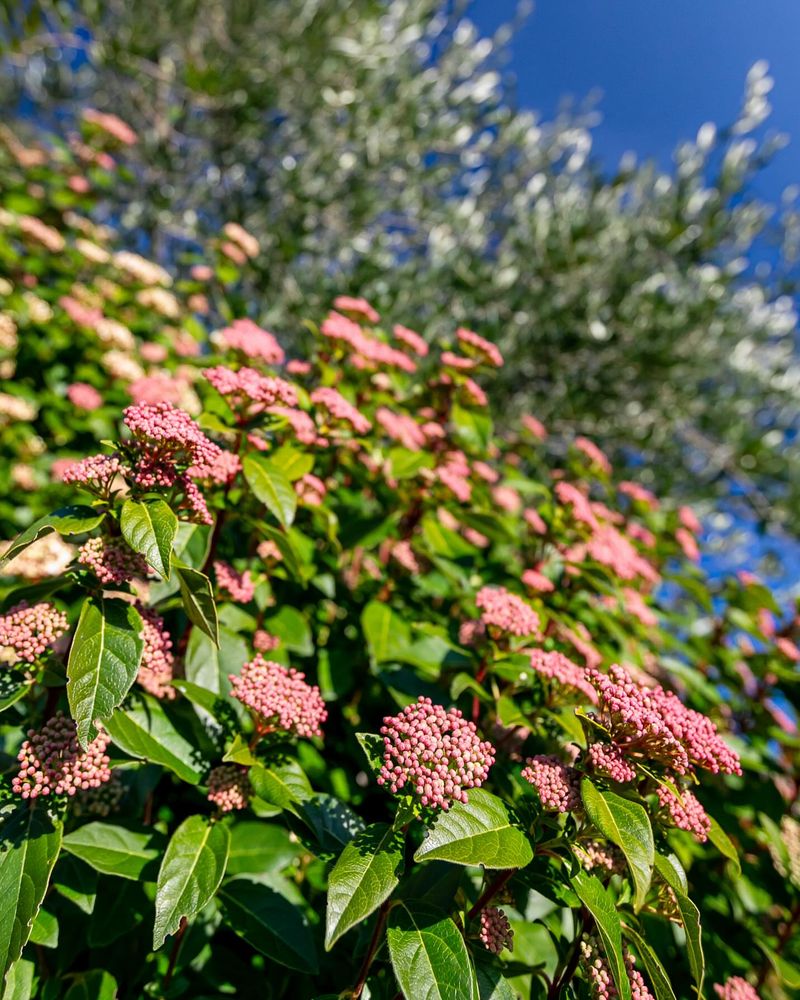
Early March is exactly when viburnum roots start waking up and pulling nutrients out of the soil, so hitting that window with fertilizer makes a real difference.
A balanced slow-release granular formula, something like a 10-10-10 or similar ratio, gives the plant a steady supply of nutrients without forcing a sudden burst of soft growth that could be vulnerable to a late frost.
Scatter the granules evenly around the drip line of the shrub rather than piling them up against the trunk or base. Roots spread outward, so that outer ring is where nutrients actually get absorbed.
Water the area after applying so the granules start breaking down and moving into the soil.
In Georgia, where spring temperatures can spike quickly, a slow-release formula keeps feeding the plant gradually over six to eight weeks rather than dumping everything in at once.
Skip high-nitrogen fertilizers at this stage. Too much nitrogen pushes leafy green growth at the expense of flowers, which is the opposite of what you want heading into bloom season.
Phosphorus supports root strength and flower production, so look for a product where the middle number is not dramatically lower than the others.
If your viburnum has been planted in the same Georgia garden spot for several years without any fertilizer, the soil is likely depleted enough that a good feeding in early March will show a visible improvement in bloom quality and overall plant health by the time April arrives.
5. Refresh Mulch To Keep Soil Moist And Roots Cool
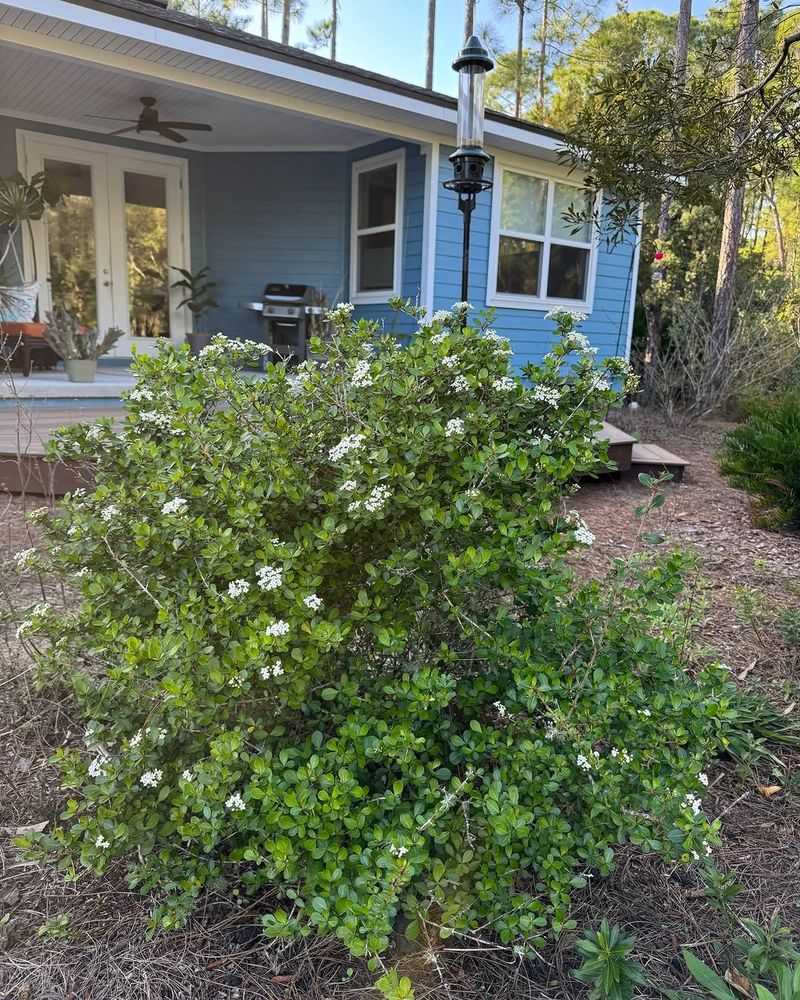
Old mulch breaks down over winter and loses most of its ability to hold moisture or regulate soil temperature by the time March rolls around.
Pulling away what is left and replacing it with a fresh two to three inch layer is one of the simplest things you can do to support your viburnum heading into bloom season.
Good mulch slows down evaporation from the soil surface, which matters a lot during the unpredictable dry spells Georgia gets in early spring.
It also keeps soil temperatures more stable, which helps roots stay comfortable even when afternoon temps start climbing in the southern part of the state.
Consistent soil temperature around the root zone means the plant can focus energy on flowering rather than adjusting to dramatic swings between cool nights and warm days.
Shredded hardwood bark, pine bark nuggets, or pine straw all work well around viburnums in Georgia. Pine straw is especially popular here and does a solid job of keeping moisture in without compacting as heavily as some bark products.
Whatever you use, keep the mulch pulled a few inches away from the base of the stems. Piling it up against the wood traps moisture against the bark and can lead to rot over time.
Spread it out to the drip line if possible, covering the full root zone. Fresh mulch applied in early March can reduce how often you need to water through the rest of spring and helps the soil stay in better shape as temperatures rise through April and May.
6. Check For Aphids And Scale Before Growth Speeds Up
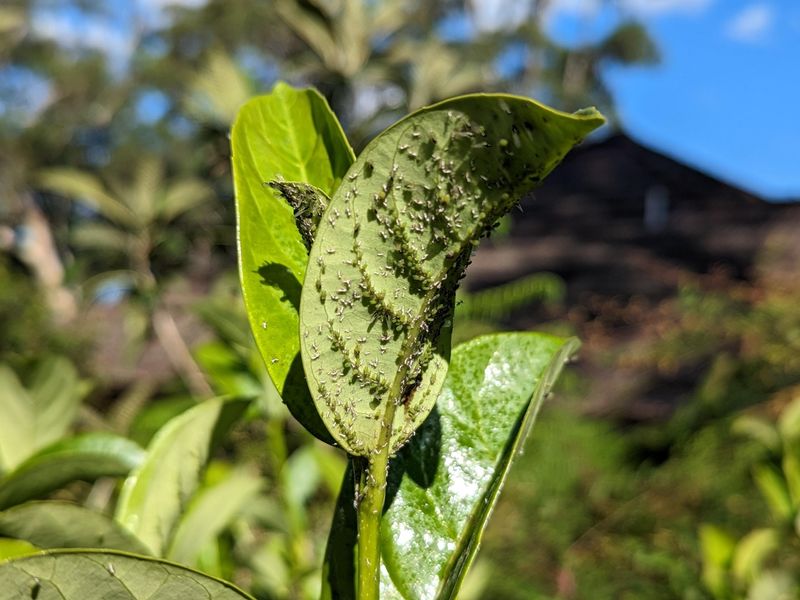
March is the calm before the storm when it comes to pest pressure on viburnums. Growth is just starting to push, temperatures are still mild, and populations of aphids and scale are small enough that you can actually get ahead of them if you look early.
Wait another month and the situation gets a lot harder to manage.
Aphids cluster on new growth and the undersides of young leaves. Look for sticky residue on leaves or a slight curling at the tips of new shoots, both are signs that aphids are already feeding.
Scale insects tend to hide along stems and look like small bumps that do not move. They are easy to miss until populations get large enough to cause yellowing or stunted growth on your Georgia plants.
A strong spray of water from a garden hose knocks aphids off effectively in the early stages and does not require any chemicals.
For scale, a horticultural oil spray applied while the plant is still dormant or just barely leafing out works well because the oil smothers the insects before they spread.
Follow label directions and avoid spraying on windy days or when temperatures are expected to drop below freezing overnight.
Catching either pest in March, when numbers are low and the plant is not yet under the stress of full growth, gives your viburnum a much cleaner start to the bloom season.
A healthy plant going into flowering holds its blooms longer and looks significantly better than one already dealing with pest pressure.
7. Remove Weak Or Damaged Stems To Support Healthy Blooms
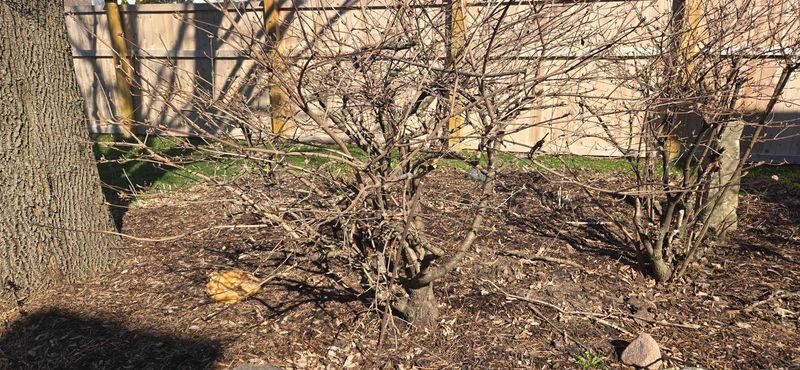
Not all pruning is off-limits in March. While you should leave flower-bud-bearing stems alone, going through the shrub and cutting out anything that is clearly weak, broken, or damaged is genuinely helpful right now.
Stems that struggled through winter are not going to suddenly bounce back and produce strong blooms, so removing them frees up energy for the healthy growth that actually will.
Look for stems that are noticeably thinner than the rest, ones that bend easily or have bark that looks shrunken and discolored. Branches snapped by winter wind or ice are obvious candidates.
Anything rubbing hard against another branch and wearing down the bark is worth removing too, since those wounds become entry points for disease in Georgia’s humid spring conditions.
Use sharp, clean bypass pruners for this work. Dull blades crush stems rather than cutting cleanly, and crushed cuts are slower to seal.
A quick wipe of the blades with rubbing alcohol between cuts is good practice, especially if you are moving from a damaged or potentially diseased stem to a healthy one. Cut back to a healthy bud or a main branch junction rather than leaving a stub sticking out.
Stubs rarely seal well and tend to become problem spots over time.
Doing this light cleanup in early March takes maybe twenty to thirty minutes on an average-sized shrub, but the payoff is a plant that channels its resources into full, healthy flower clusters rather than wasting effort trying to push growth through compromised wood.