6 Tips For Growing Fig Trees In Containers In Texas
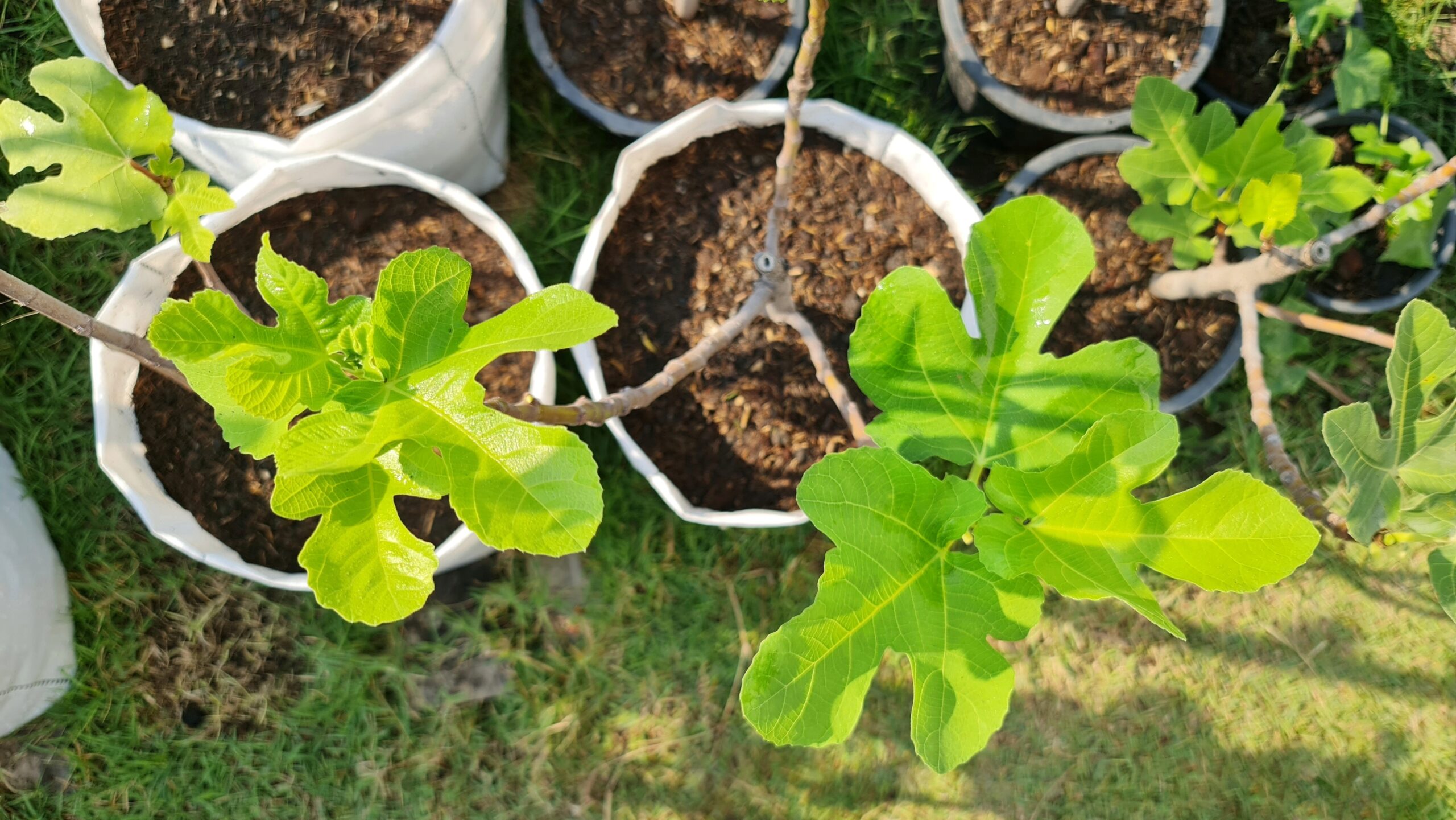
Fig trees already have a lot going for them. They look beautiful, they produce sweet fruit, and they bring a relaxed, almost Mediterranean feel to a patio or backyard.
In Texas, where growing conditions can be intense, putting a fig tree in a container can actually be a really smart move. It gives you more control over the soil, the watering, and even the tree’s location when the weather starts acting up.
That flexibility can make a big difference, especially in places where heat, wind, and sudden cold snaps all like to show up uninvited.
The nice part is that fig trees tend to adapt well to container life when they get what they need. They do not require a huge amount of fuss, but they do appreciate the right setup from the start.
A good pot, proper drainage, steady sunlight, and a little attention to watering can help them stay healthy and productive.
For Texas gardeners who want fresh fruit without planting directly in the ground, this can be a really satisfying option. With the right approach, a potted fig tree can do a lot more than just survive. It can thrive.
1. Choose The Right Fig Variety
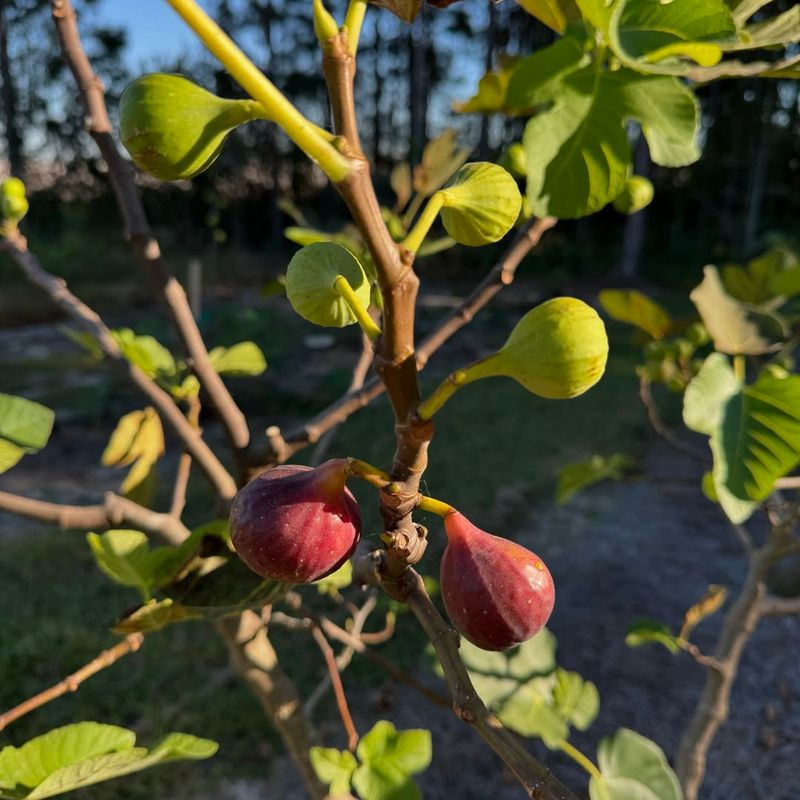
Not every fig tree is built for the Texas heat, and picking the wrong variety can make container growing a real struggle. The good news is that a few tried-and-true varieties handle Texas conditions like champions.
Starting with the right one makes everything else so much easier. ‘Celeste’ is a fan favorite across Texas. It produces small, sweet figs with a honey-like flavor, and it handles both heat and brief cold snaps really well.
Gardeners in North and Central Texas love it because it stays compact, which makes it perfect for containers.
‘Brown Turkey,’ also called ‘Texas Everbearing,’ is another top pick for the Lone Star State. It thrives along the Gulf Coast and produces fruit from June through August, sometimes giving you two separate harvests in one season. That kind of productivity is hard to beat.
‘LSU Purple’ and ‘Alma’ are also worth considering if you want variety in your container garden. ‘Alma’ is especially popular in Central Texas because of its rich, caramel-like flavor and strong heat tolerance. Having a couple of different varieties can extend your overall harvest window.
When shopping for a fig tree, look for healthy green leaves and a strong root system. Avoid trees with yellowing leaves or roots circling tightly at the bottom of the nursery pot. A healthy start means a stronger, more productive tree down the road.
Texas nurseries often carry locally adapted varieties that are already hardened to your specific region. Buying local gives your tree a head start and reduces the adjustment period after planting.
2. Use A Large, Well-Draining Container
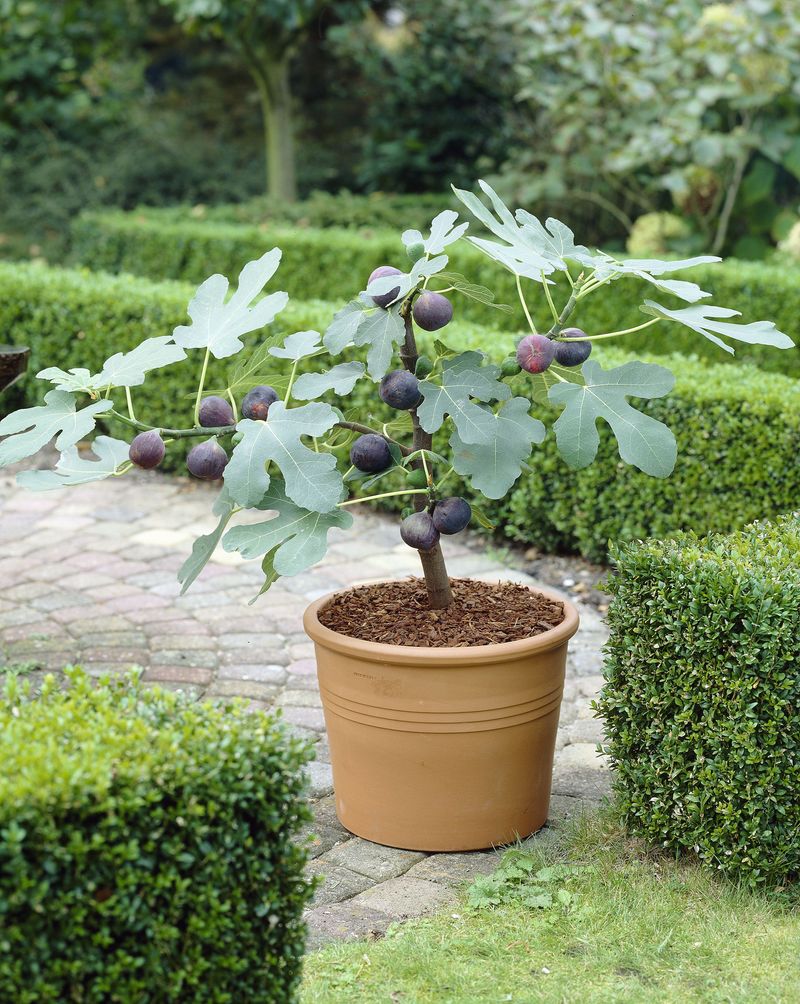
Container size matters more than most people think when growing fig trees in Texas. Fig trees have aggressive root systems, and cramped roots mean a stressed tree that produces little fruit.
Going bigger from the start saves you the trouble of frequent repotting. Start with at least a 15 to 20 gallon container. Anything smaller will limit root growth and cause the tree to dry out too quickly during Texas summers.
Your Texas Garden Changes Every Week. Your Plan Should Too.
Gardening in Texas changes quickly throughout the season. Every Friday you’ll receive a simple weekly plan showing exactly what to plant, prune, fertilize, harvest, and protect so you never miss the right timing.
A larger pot holds more soil, which means better moisture retention and more room for roots to spread and anchor the tree.
Drainage holes are non-negotiable. Without them, water pools at the bottom of the pot and causes root rot, which can seriously damage your tree over time.
Make sure your container has multiple holes at the base, and never let your pot sit in standing water for long periods.
Material matters too. Fabric grow bags are a popular choice among Texas container gardeners because they allow air pruning of roots and prevent overheating.
Terra cotta pots look great but can dry out fast in the blazing Texas sun. Dark plastic containers absorb heat, which can cook roots during peak summer months.
Light-colored or insulated containers work best in Texas because they reflect sunlight and keep the root zone cooler. If you already have a dark pot, wrapping it with burlap or placing it inside a larger decorative pot can help regulate temperature.
As your fig tree grows, plan to repot it every two to three years into a slightly larger container. Moving up in size gradually keeps the tree healthy without overwhelming it with too much extra soil at once.
3. Use High-Quality, Well-Draining Soil
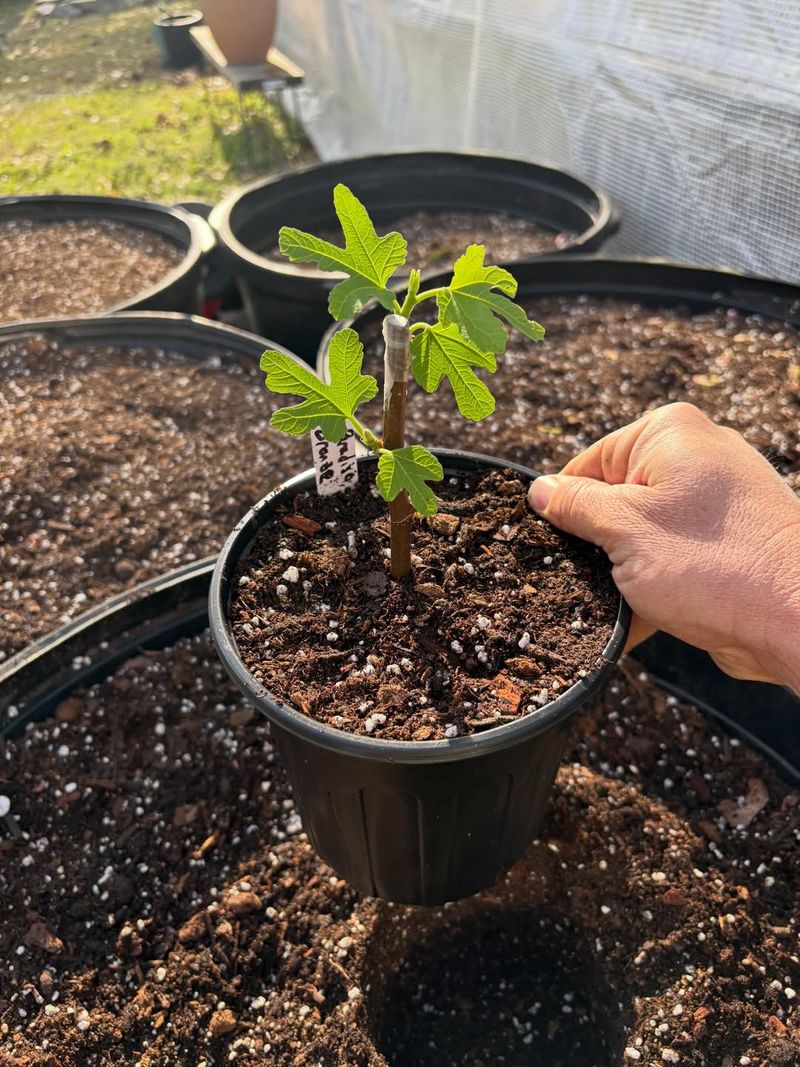
Soil quality is the foundation of a healthy container fig tree, and in Texas, getting this right is especially important. The intense heat and frequent watering cycles that come with Texas summers can compact regular garden soil quickly.
That leads to poor drainage and unhappy roots. A mix of high-quality potting soil, compost, and perlite is a winning combination for container figs. Aim for roughly 60% potting soil, 20% compost, and 20% perlite.
The potting soil gives structure, the compost adds nutrients, and the perlite keeps the mix light and airy so water flows through easily.
Coarse bark chips or coarse sand can also be added to improve drainage. Some Texas gardeners swear by adding a small amount of sand to their mix, especially in areas with extreme summer temperatures.
Just avoid fine sand, which can actually make soil more compact over time. Never use straight garden soil in a container. It gets dense and waterlogged quickly, which suffocates roots and creates an environment where fungal problems thrive.
Container soil needs to be fluffier and faster-draining than what you would use in the ground.
Refreshing your soil mix every couple of years is a smart habit. Over time, potting soil breaks down and loses its structure.
When you repot your fig tree, take the opportunity to replace old soil with a fresh batch of your preferred mix.
Adding a layer of mulch on top of the soil surface helps slow evaporation during hot Texas days. Wood chips or straw work well and can reduce how often you need to water, which is a big plus during peak summer heat across the state.
4. Provide Full Sun Exposure
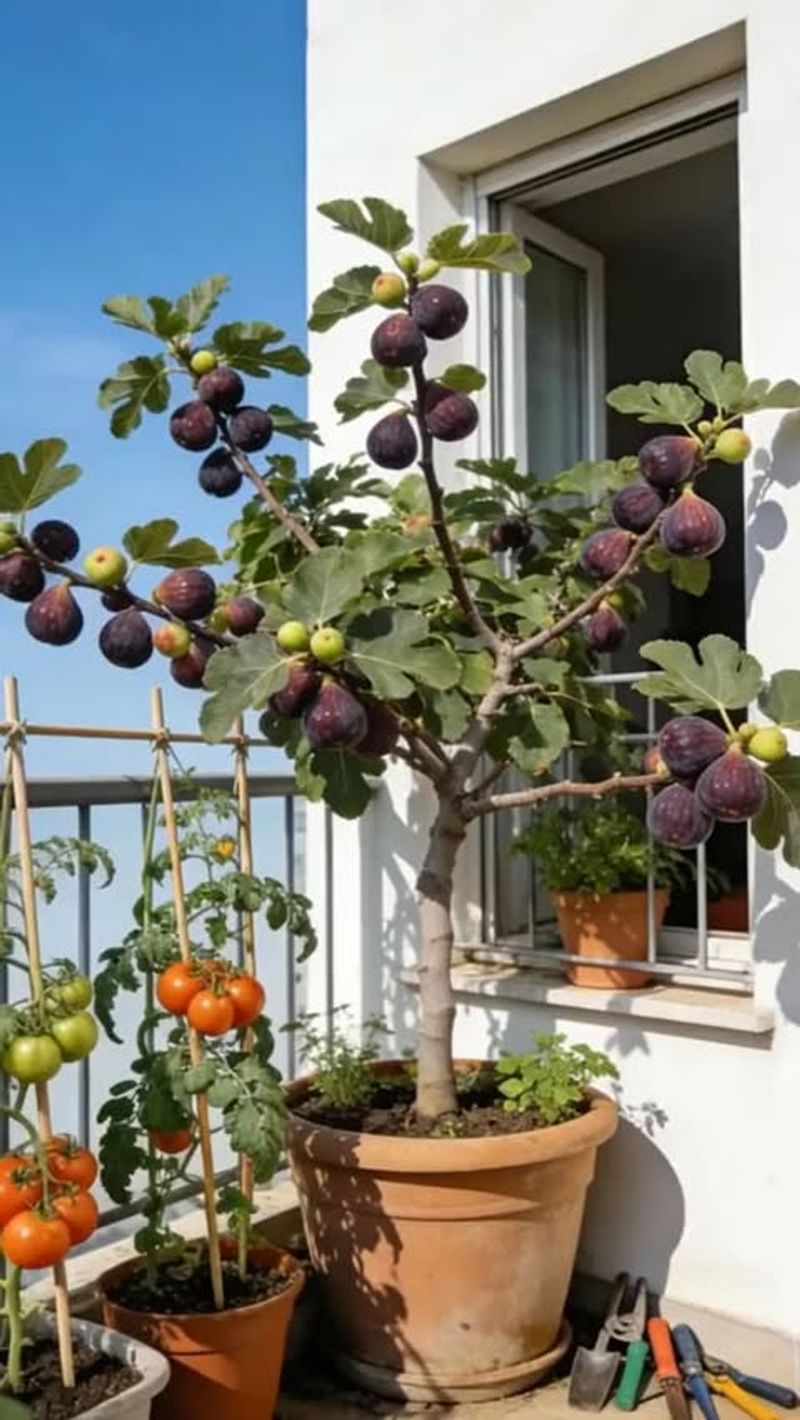
Fig trees are sun lovers, plain and simple. They need plenty of direct light to produce sweet, flavorful fruit, and luckily, Texas has sunshine in abundance.
Placing your container fig in the right spot can make a dramatic difference in how much fruit you harvest each season.
Aim for at least six to eight hours of direct sunlight every day. South-facing patios, driveways, and open backyard spaces are ideal in Texas.
The more sun your tree gets, the more energy it has to push out new growth and ripen fruit to perfection.
One of the biggest advantages of container growing is the ability to move your tree. If one spot in your yard is shaded part of the day, you can simply roll or carry your pot to a sunnier location. That kind of flexibility is something in-ground trees just cannot offer.
During the scorching peak of a Texas summer, some afternoon shade can actually be helpful. While figs love sun, extreme afternoon heat above 105 degrees can stress young trees.
Placing your container where it gets morning sun and a little afternoon relief strikes a nice balance.
Watch your tree closely during the first few weeks in a new spot. Leaves that are dark green and pointing upward usually signal happiness.
Yellowing or drooping leaves can mean too little sun, too much heat stress, or a watering issue worth investigating.
Rotating your container every few weeks ensures all sides of the tree get equal light exposure. This encourages even, balanced growth and prevents the tree from leaning heavily toward one direction over time. It is a small habit that pays off in a fuller, healthier canopy.
5. Water Deeply But Infrequently
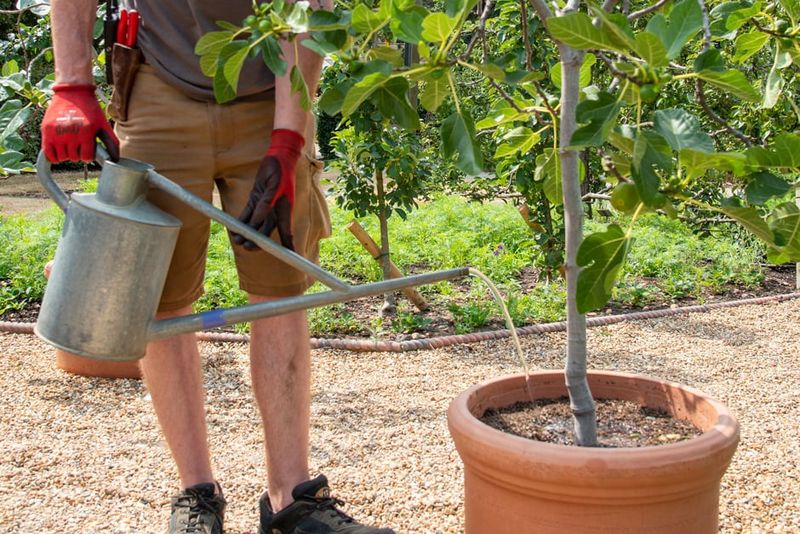
Watering a container fig tree in Texas requires a bit of strategy. The hot, dry conditions across much of the state mean that containers dry out faster than in-ground plantings.
But overwatering is just as problematic as underwatering, so finding the right rhythm is key.
The best rule of thumb is to let the top inch of soil dry out before watering again. Stick your finger about an inch into the soil.
If it feels dry, it is time to water. If it still feels moist, give it another day before checking again. This simple test takes the guesswork out of your watering routine.
When you do water, water deeply. Pour slowly and steadily until you see water draining freely from the holes at the bottom of the container.
This ensures the entire root ball gets moisture, not just the top layer of soil. Shallow watering encourages shallow roots, which makes trees more vulnerable to heat stress.
During the hottest stretches of a Texas summer, container figs may need watering every one to two days. In spring and fall, every three to four days is usually enough.
In winter, when the tree is dormant, you can cut back significantly and water only every week or two.
Morning watering is generally the best time in Texas. It gives roots time to absorb moisture before the heat of the day kicks in, and it allows the soil surface to dry out a bit before nightfall, which helps prevent fungal issues.
Self-watering containers or drip irrigation setups can be real time-savers during busy summer weeks. These systems deliver consistent moisture directly to the root zone, which keeps your tree happy even when temperatures soar across Texas.
6. Fertilize Lightly During The Growing Season
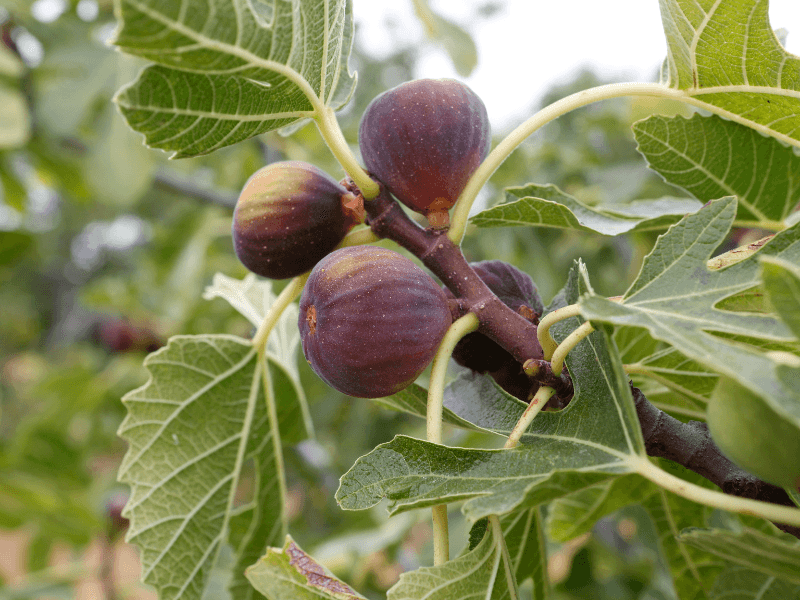
Fertilizing a container fig tree is kind of like seasoning food. A little goes a long way, and too much can actually ruin the whole thing.
Figs in containers need regular feeding because nutrients wash out of the soil more quickly than in-ground plantings, especially with frequent watering in the Texas heat.
Start fertilizing in early spring when you notice new leaves beginning to emerge. A balanced fertilizer with equal parts nitrogen, phosphorus, and potassium works well for figs.
Look for a ratio like 10-10-10 on the label. This gives your tree a steady, even boost without pushing it in one direction too hard.
Apply fertilizer again in early to mid-summer to support the second wave of growth and fruit production. After that, hold off.
Feeding your tree too late in the season can push out soft new growth that is vulnerable when temperatures start to drop in fall across Texas.
Slow-release granular fertilizers are a convenient option for container fig growers. You sprinkle them on top of the soil and they break down gradually over weeks.
This reduces the risk of over-fertilizing and means you spend less time worrying about your feeding schedule.
Too much nitrogen is the most common fertilizing mistake with fig trees. It causes the tree to push out lots of lush green leaves while producing very little fruit.
If your tree looks bushy and leafy but is not setting fruit, ease up on the nitrogen and let it settle into a more balanced growth pattern.
Adding a layer of compost around the base of the container once or twice a year is a gentle, natural way to supplement feeding. Compost releases nutrients slowly and also improves soil structure, which benefits your fig tree all season long across any Texas climate zone.