Why Some Texas Gardeners Are Replacing Crape Myrtles
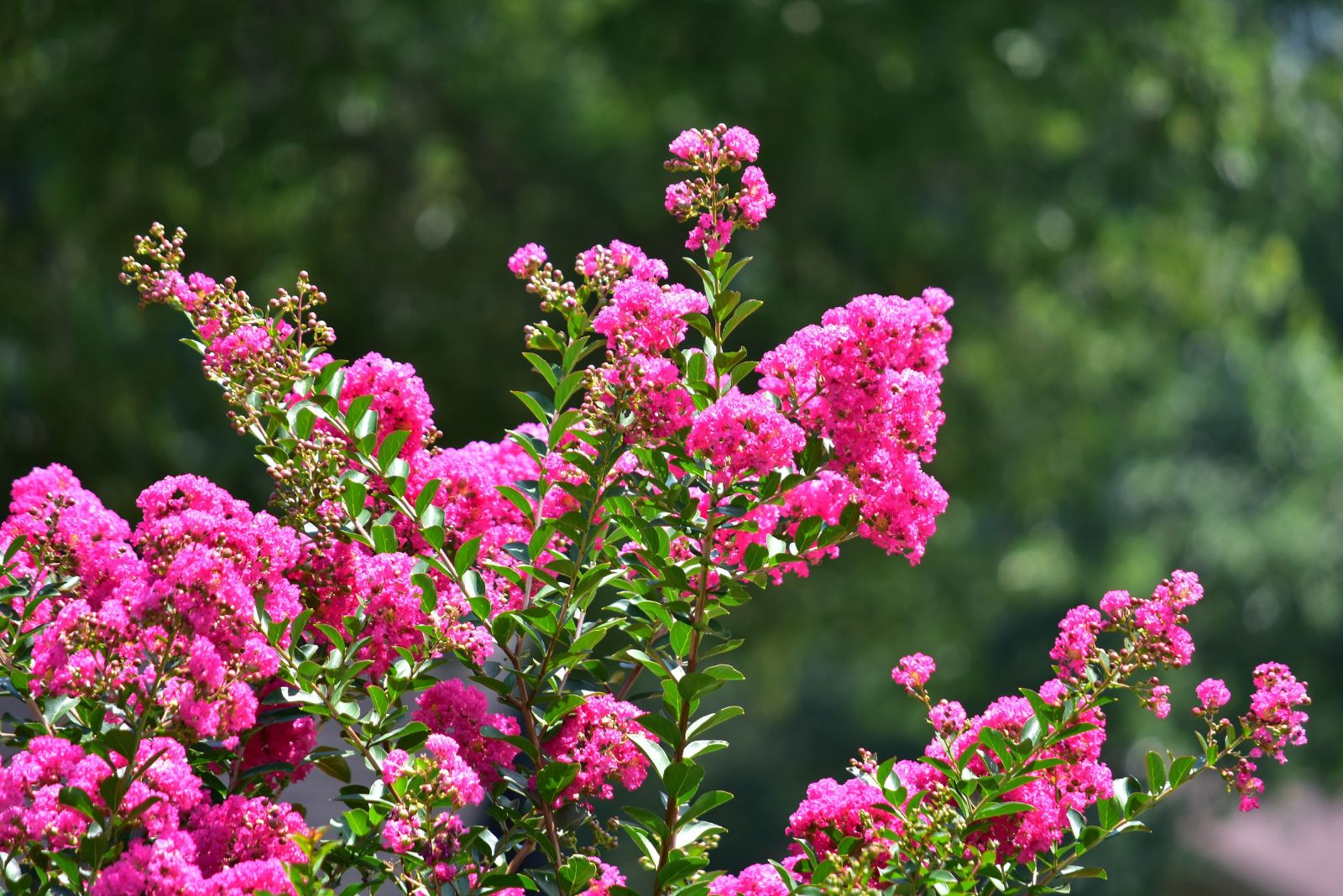
Crape myrtles have been a Texas favorite for years, so seeing some gardeners move away from them might sound a little surprising at first.
They are easy to recognize, loaded with color in summer, and often treated like a go-to choice for front yards and neighborhood streets.
But the more people rethink what they want from their landscape, the more those old standbys are starting to lose a little ground. A tree can be popular and still not be the perfect fit for every yard, and that is exactly what more Texas gardeners are starting to notice.
For some, it comes down to maintenance. For others, it is about wanting trees that offer more shade, better support for wildlife, or a look that feels less overused.
There is also a growing interest in planting choices that fit Texas conditions more naturally instead of relying on the same familiar options again and again. That shift does not mean crape myrtles suddenly stopped being useful.
It just means gardeners are asking better questions about what works best long term. Once you start comparing the alternatives, it becomes a lot easier to see why some people are ready to plant something different.
1. The Downsides Of Crape Myrtles In Texas Landscapes
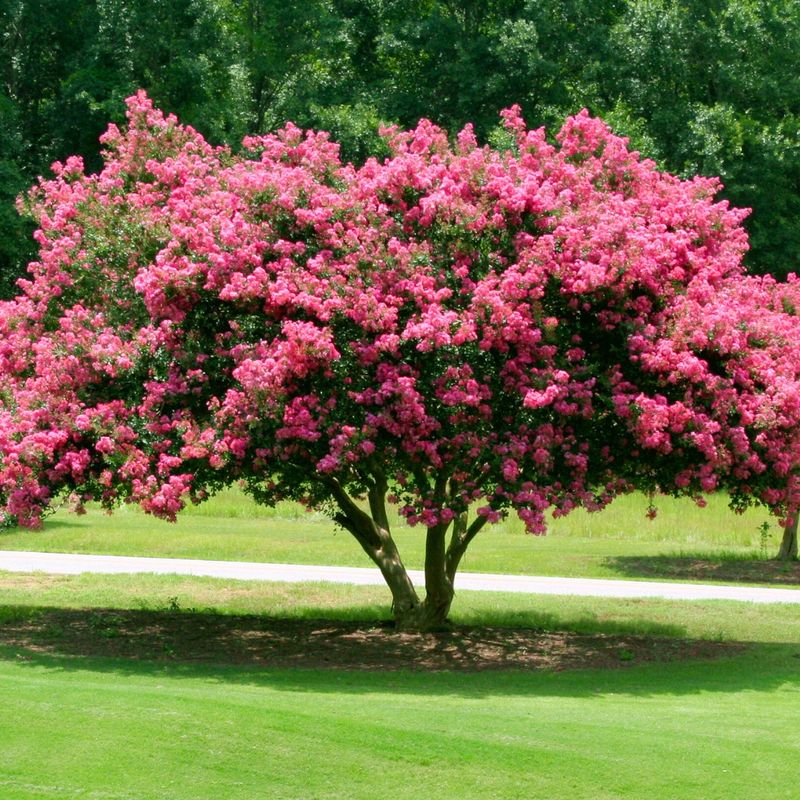
Walk through almost any neighborhood in Texas during summer and you will spot them: crape myrtles chopped down to thick, ugly stubs. .
This brutal pruning style has become so common that horticulturists gave it a name, “crape murder.” It ruins the tree’s natural shape and makes it grow back weaker and more crowded every single year. Many homeowners do not even realize they are hurting their trees.
Beyond the pruning problem, crape myrtles create a surprising amount of mess. They drop sticky flower clusters, shed bark in papery strips, and leave behind seed pods that scatter across driveways and lawns.
If you have ever parked under a crape myrtle in July, you know exactly what that sticky windshield situation feels like. Cleanup becomes a regular chore throughout the warm months in Texas.
Pest problems are another real headache. Crape myrtles in Texas are highly vulnerable to aphids, which coat the branches and leaves with a sticky substance called honeydew.
That honeydew then triggers sooty mold, a black fungal coating that makes the tree look diseased and unhealthy. Powdery mildew is also a frequent visitor, especially in humid parts of Texas like Houston and East Texas.
Crape myrtle bark scale has spread across the state in recent years, causing even more damage. Many gardeners who thought they were planting a low-maintenance tree soon discover they are dealing with constant pest monitoring, spraying, and cleanup.
The reality is that crape myrtles demand far more attention than their reputation suggests, and Texas gardeners are starting to notice.
2. The Growing Shift Toward Native Plants
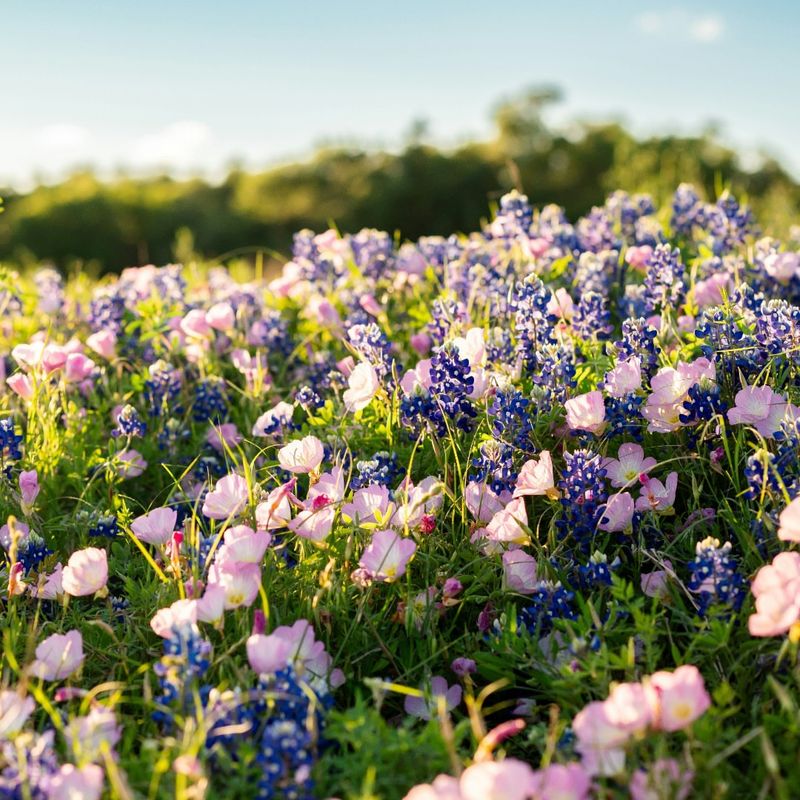
Something exciting is happening in Texas yards right now. More and more gardeners are tossing out the old landscaping rulebook and reaching for plants that actually belong here.
Native plants, meaning species that evolved in Texas over thousands of years, are becoming the new standard for smart landscaping. Nurseries across cities like Dallas, Austin, and San Antonio are reporting record interest in native trees and shrubs.
Your Texas Garden Changes Every Week. Your Plan Should Too.
Gardening in Texas changes quickly throughout the season. Every Friday you’ll receive a simple weekly plan showing exactly what to plant, prune, fertilize, harvest, and protect so you never miss the right timing.
The reason for this shift makes a lot of sense. Native plants already know how to survive in Texas.
They are built for the rocky soil, the blazing summer heat, the unpredictable rainfall, and the occasional hard freeze that catches everyone off guard.
They do not need to be babied through their first few years the way non-native plants often do. Once established, many native species thrive almost entirely on their own.
Sustainable landscaping is also becoming a bigger priority for Texas homeowners. People are thinking more carefully about where their water goes, what chemicals they spray in their yard, and how their garden affects the local environment.
Choosing native plants is one of the easiest and most effective ways to garden more responsibly.
Organizations like the Native Plant Society of Texas have seen membership grow steadily as more people seek guidance on making their yards work with nature instead of against it.
Schools, city parks, and community gardens across Texas are also embracing native landscaping, which is helping spread the message to a whole new generation of gardeners who want their outdoor spaces to be both beautiful and meaningful.
3. Water Concerns And Drought Resistance
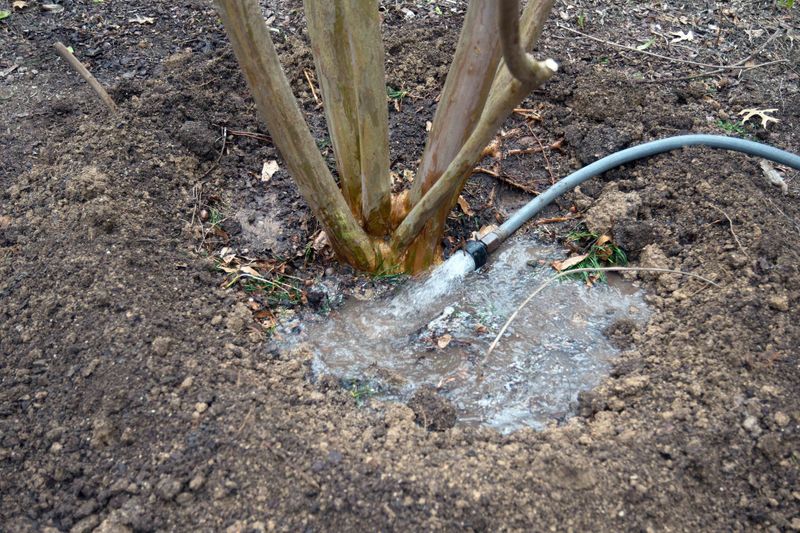
Texas summers are no joke. Temperatures regularly climb past 100 degrees Fahrenheit, and drought conditions have become more frequent and more severe across the state.
Water is a precious resource in Texas, and using it wisely in the garden is not just a good habit, it is becoming a necessity. That is one big reason why gardeners are rethinking their crape myrtles.
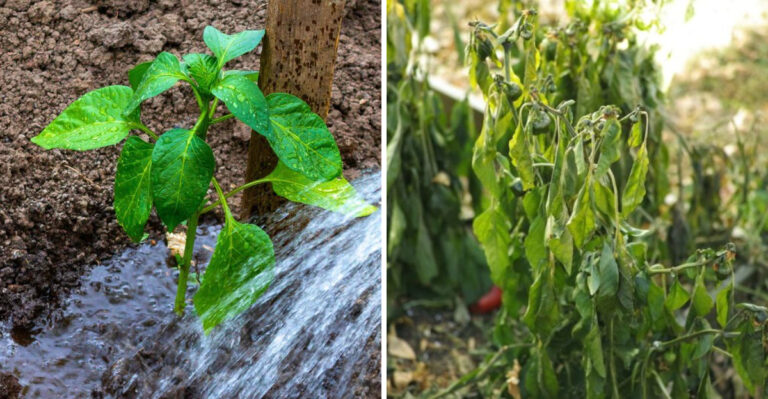
Crape myrtles are sometimes marketed as drought-tolerant, but the full truth is a bit more complicated. Young crape myrtles need regular watering to get established, and even mature trees perform best with consistent moisture during dry spells.
In a state where summer droughts can stretch for weeks or even months, that water demand adds up fast. Many Texas cities have imposed watering restrictions in recent years, making thirsty plants a real liability in the garden.
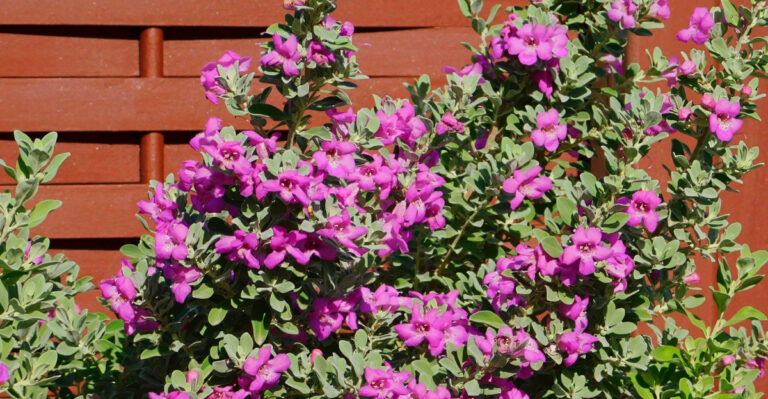
Native plants, on the other hand, are naturally equipped for Texas drought conditions. Species like Texas sage, cenizo, and desert willow have deep root systems and efficient water-use strategies that allow them to stay healthy even when rainfall is scarce.
They evolved right alongside the Texas climate, so they are not just surviving, they are thriving. Gardeners in places like West Texas and the Hill Country especially appreciate how little supplemental irrigation native plants need once they are settled in.
Choosing drought-resistant natives is one of the smartest moves a Texas gardener can make right now.
It saves money on water bills, reduces the stress of keeping plants alive during brutal summers, and helps protect local water supplies that communities across the state depend on every single day.
4. Better Options For Pollinators And Wildlife
Here is something most people do not realize about crape myrtles: bees and butterflies are not that impressed by them. While the flowers do attract some pollinators, crape myrtles are non-native species from Asia, which means local wildlife did not evolve alongside them.
Native insects, birds, and butterflies are wired to seek out plants they have depended on for thousands of generations, and crape myrtles simply are not on that list.
Native Texas plants, by contrast, are ecological powerhouses. A Texas mountain laurel buzzing with native bees in spring is a genuinely exciting sight.
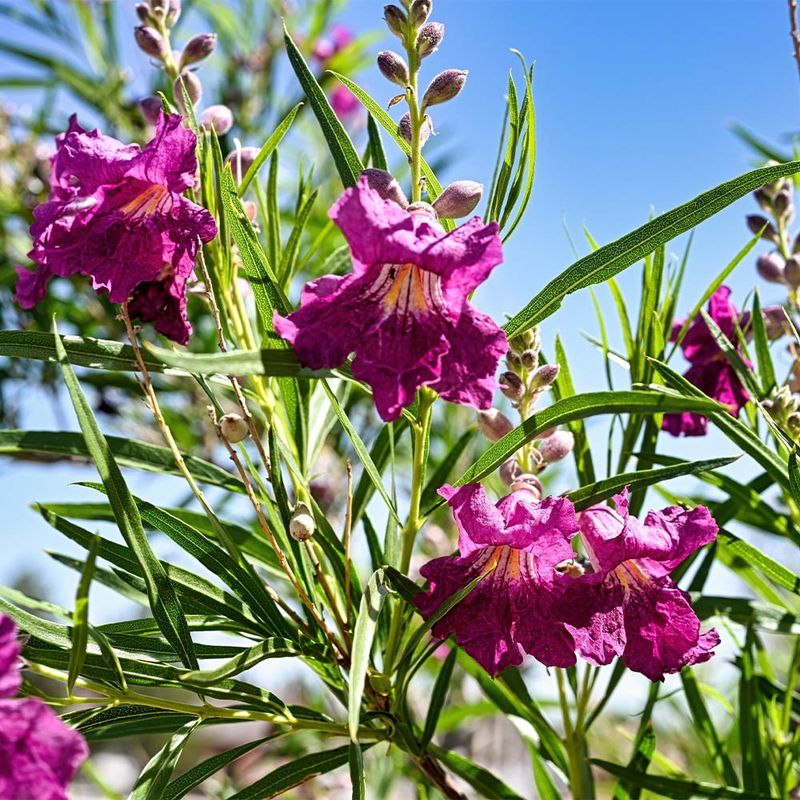
Desert willow flowers attract hummingbirds that dart between blooms with impressive speed. Mexican plum trees support specialist bee species that cannot use other plant sources.
Even the leaves of native trees serve as host plants for butterfly caterpillars, which means planting natives directly supports the full life cycle of local wildlife.
Across Texas, awareness of pollinator decline has grown significantly. Monarch butterfly populations have dropped sharply, and native bee numbers are under pressure from habitat loss.
Gardeners in cities like Austin and San Antonio are responding by turning their yards into small wildlife refuges. Every native plant added to a Texas landscape is a real contribution to local biodiversity.
Bird populations also benefit, since native trees and shrubs produce berries, seeds, and insects that birds rely on for food and nesting. Crape myrtles offer very little of this.
Making the switch from crape myrtles to native alternatives is one of the most impactful choices a Texas gardener can make for the environment, and the results are visible almost immediately once the right plants go in the ground.
5. Maintenance And Long-Term Care Considerations
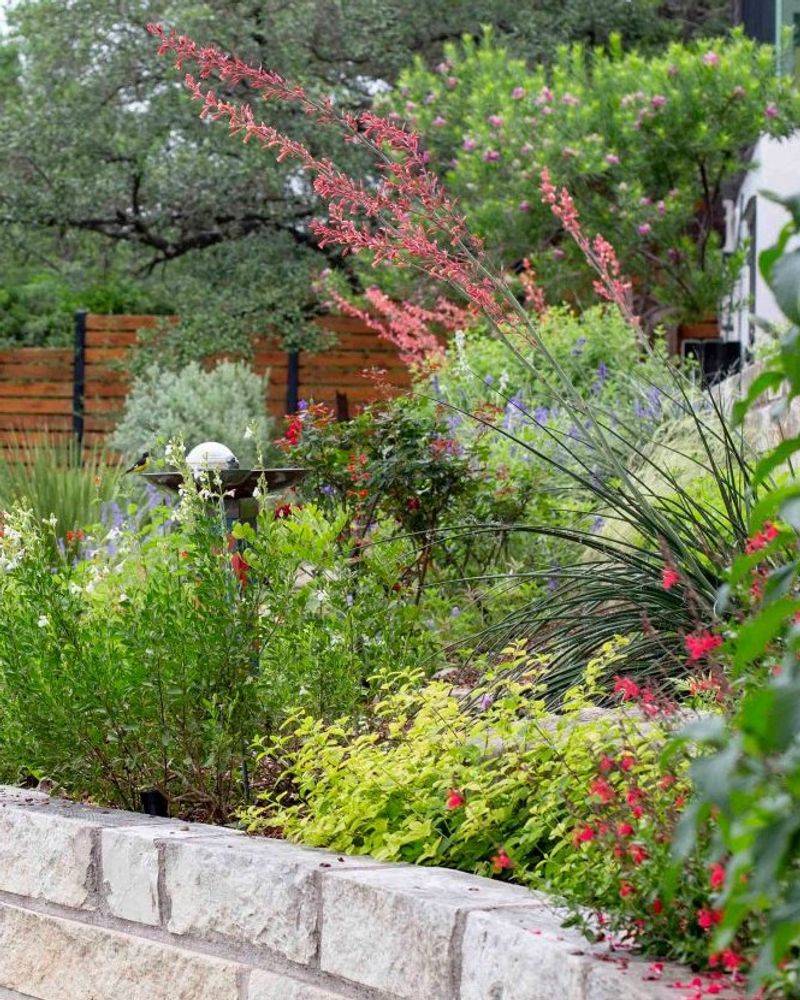
Ask any experienced Texas gardener what they wish they had known before planting crape myrtles, and the answer usually involves time. The amount of upkeep these trees demand surprises a lot of homeowners.
Pruning season rolls around, and suddenly you are hauling out the loppers, dragging branches to the curb, and then doing it all over again because the tree sprouted a tangle of weak new growth right where you cut.
Fallen flowers, sticky seed pods, and peeling bark all need regular attention throughout the growing season. During peak bloom in Texas summers, the mess under a crape myrtle can be relentless.
Add in the need to monitor for aphids, bark scale, and sooty mold, and you have a tree that quietly demands a lot of your weekends. Many homeowners did not sign up for that level of commitment when they planted what they thought was a simple ornamental tree.
Native alternatives change the equation entirely. Once established in Texas soil, plants like Texas redbud, roughleaf dogwood, and Texas mountain laurel generally take care of themselves.
They do not need heavy pruning to stay attractive. They drop less mess, attract fewer pest outbreaks, and rarely require chemical intervention.
For busy families, retirees, and anyone who wants a beautiful yard without spending every Saturday maintaining it, native plants offer a genuinely appealing solution. The initial planting investment pays off quickly when you realize how little follow-up work is needed.
Long-term, native plants save Texas homeowners real time and real money, and they look better doing it because they are growing the way nature intended all along.
6. The Best Native Alternatives Texas Gardeners Are Choosing
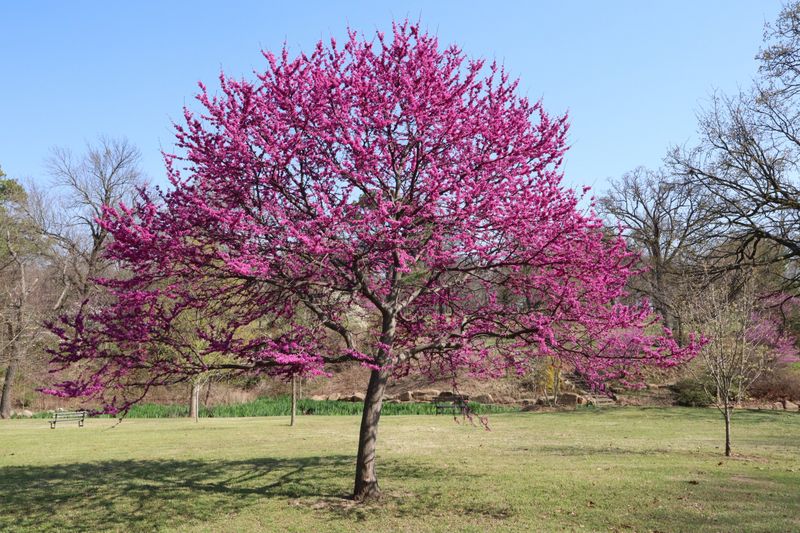
Good news: replacing a crape myrtle does not mean giving up on beauty. Texas is home to some genuinely stunning native trees and shrubs that bloom just as boldly, if not more so, than any crape myrtle in the neighborhood.
Gardeners across the state are discovering these plants and wondering why they waited so long to make the switch.
Desert willow is a standout choice for Texas landscapes. It produces showy pink, purple, and white trumpet-shaped flowers from spring through fall, and it thrives in full sun with very little water.
Hummingbirds absolutely love it. Texas redbud is another crowd favorite, lighting up the landscape with vivid magenta-pink blooms every spring before the leaves even appear.
It handles Texas heat and rocky soil with ease and grows into a graceful, multi-season tree. Mexican plum is a smaller native tree with fragrant white spring flowers that support native bees and produce small plums that birds eagerly eat in summer.
Texas mountain laurel is perhaps the most dramatic native option available. Its clusters of deep purple flowers carry a scent that smells remarkably like grape soda, and it is one of the first plants to bloom each year in the Hill Country and across central Texas.
All of these natives offer seasonal interest, wildlife value, and low maintenance that crape myrtles simply cannot compete with. Many Texas nurseries now carry these species regularly, making them easier to find than ever before.
Choosing one of these plants means investing in a tree that belongs in Texas, supports the local ecosystem, and rewards you with beauty year after year without the constant upkeep.