9 Plants You Can Grow Year-Round In Texas
Texas gardeners have one big advantage that people in colder states can only dream about. The growing season does not pack up and disappear for half the year.
In many parts of Texas, there is always something that can be planted, picked, or enjoyed, even when the weather shifts. That opens the door to a garden that feels active far beyond spring and summer.
Instead of treating gardening like a short seasonal project, you can build a space that keeps producing color, texture, herbs, or vegetables month after month.
That is what makes year-round growing in Texas so appealing. With the right plants, your garden does not have to hit pause when temperatures rise or dip.
Some plants handle heat beautifully, others shine in cooler stretches, and a few keep going with surprising consistency through both. The trick is knowing which ones can keep up with Texas conditions without turning into a constant challenge.
If you like the idea of stepping outside and always having something growing, blooming, or ready to harvest, this kind of garden can be incredibly satisfying.
In Texas, a yard that stays productive all year is not just possible. It is much more realistic than many people think.
1. Texas Lantana
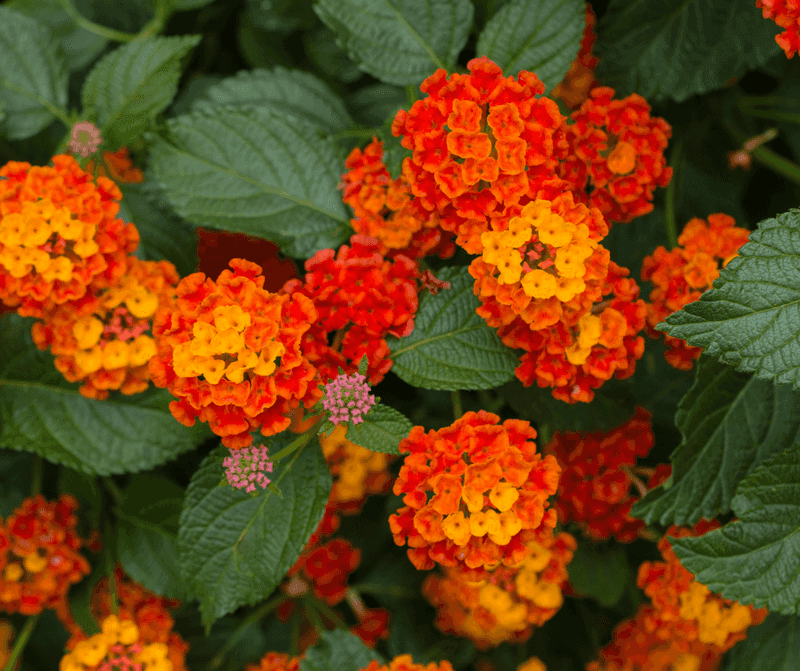
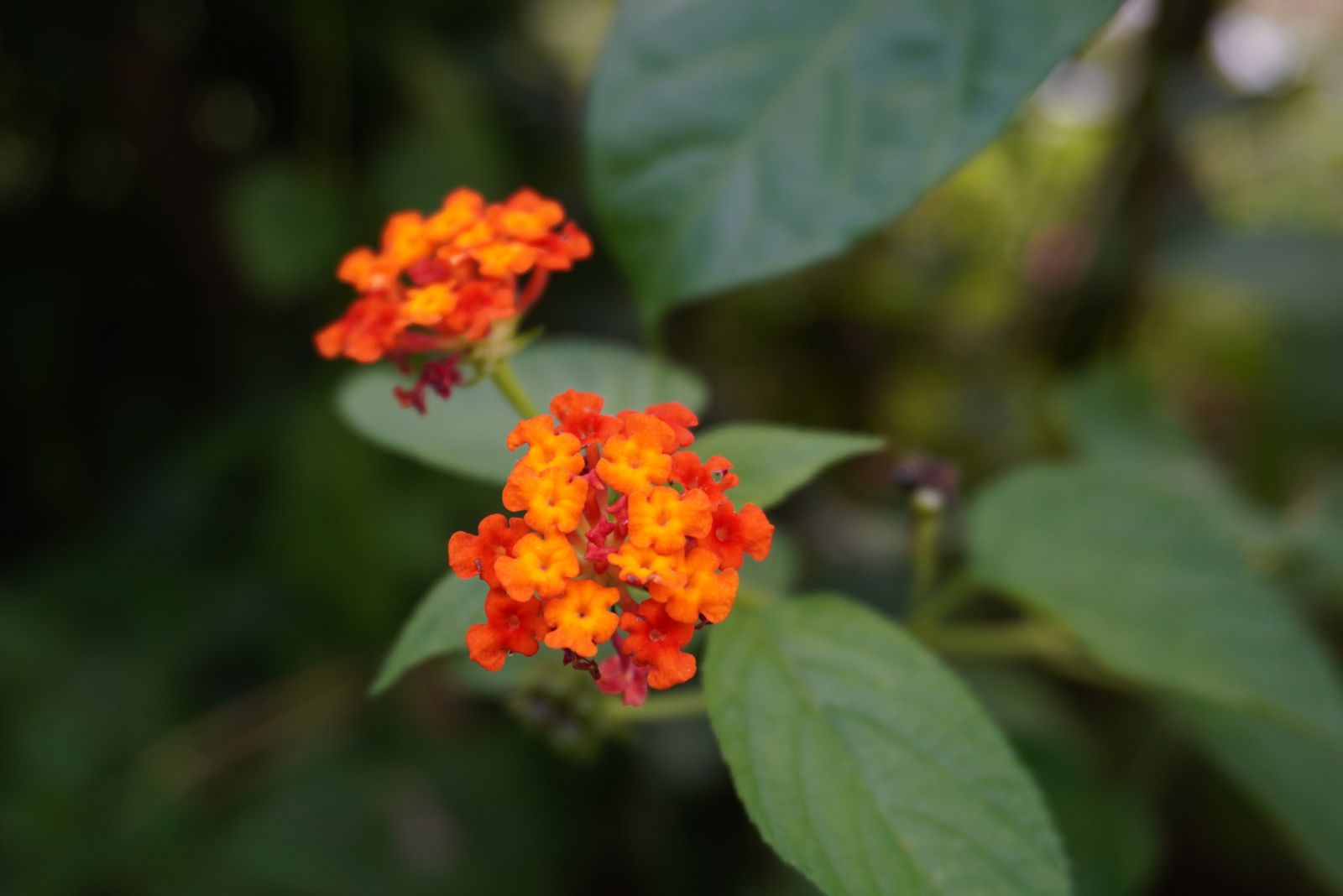
Few plants are as tough and cheerful as Texas Lantana. Walk through almost any neighborhood in Austin, San Antonio, or Houston during summer, and you will spot its bright clusters of orange, yellow, and red flowers everywhere.
It is one of those plants that seems to love the Texas heat instead of suffering from it. Texas Lantana is incredibly drought-tolerant, which makes it a smart choice for gardeners who do not want to spend hours watering every week.
Once it gets established in the ground, it can handle long dry spells with very little help from you.
It thrives in full sun and poor soil, which means it works great in spots where other plants might struggle.
In the warmer southern parts of Texas, Lantana often stays green and keeps blooming well into the cooler months. Even if a light frost knocks it back, it usually bounces back from the roots when temperatures warm up again.
Planting it along borders, in raised beds, or even in containers gives it room to spread and show off. Butterflies and bees love it too, so you get beautiful blooms and helpful pollinators all at once.
2. Rosemary
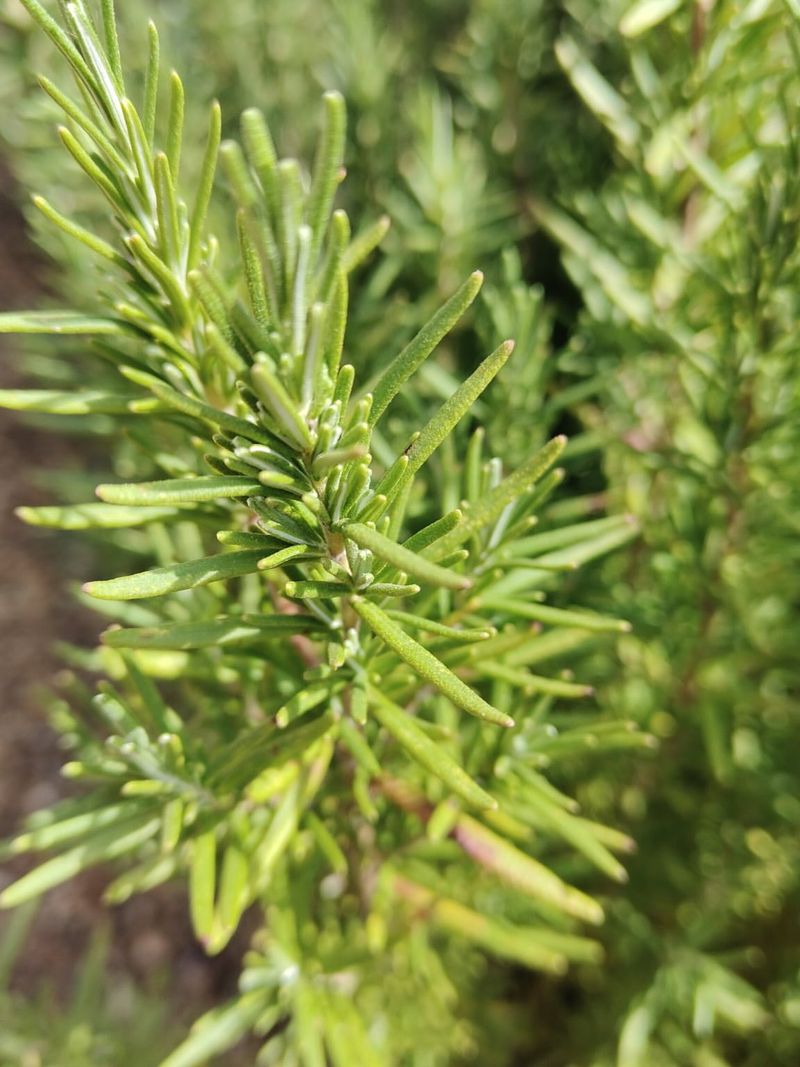
Rosemary is one of those rare plants that looks great in the garden and smells amazing in the kitchen. Across Texas, it grows as a tough, woody evergreen shrub that stays green and healthy all year long.
Whether you live in Dallas, El Paso, or along the Gulf Coast, rosemary can handle your climate with very little fuss.
One reason rosemary does so well in Texas is that it loves heat and dry conditions. It actually prefers poor, well-drained soil over rich, moist garden beds.
Overwatering is really the only way to get into trouble with this plant. Give it full sun, water it occasionally, and it will reward you with fragrant, needle-like leaves that you can harvest anytime.
Your Texas Garden Changes Every Week. Your Plan Should Too.
Gardening in Texas changes quickly throughout the season. Every Friday you’ll receive a simple weekly plan showing exactly what to plant, prune, fertilize, harvest, and protect so you never miss the right timing.
Rosemary also handles light frost pretty well, which means it stays productive through the mild Texas winters that most of the state experiences. It is perfect for herb gardens, raised beds, or even as a low hedge along a walkway.
The light purple flowers that appear in spring attract bees and add a nice decorative touch. Fresh rosemary from your own yard makes roasted potatoes, grilled chicken, and homemade bread taste so much better.
3. Turk’s Cap
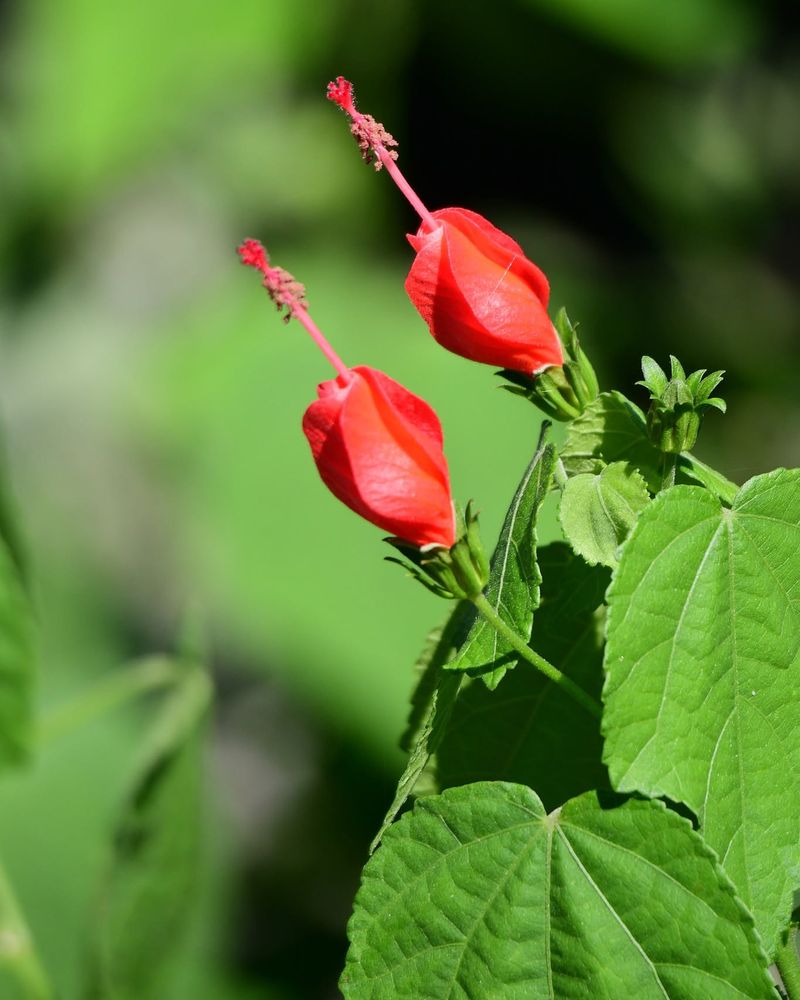
If you have a shady corner in your Texas yard that nothing seems to like, Turk’s Cap might be exactly what you need.
This native Texas plant produces unique, bright red flowers that look like little twisted caps, which is exactly where the name comes from. Hummingbirds absolutely love it, and watching them visit your garden is a real treat.
Turk’s Cap is incredibly adaptable. It handles partial shade better than most flowering plants, making it one of the few colorful options for spots that do not get full sun all day.
It also tolerates the intense Texas summer heat without skipping a beat. Plant it once and it tends to come back reliably year after year, even after cold winter temperatures cause the top growth to die back.
Because it is a native plant, Turk’s Cap has deep roots in Texas soil and ecology. It supports local wildlife, including hummingbirds, butterflies, and even birds that eat its small red berries.
It spreads slowly over time and can form a nice, full shrub if given enough space. Gardeners across central and south Texas especially love it because it fills in beautifully with minimal effort and practically no special care required.
4. Esperanza
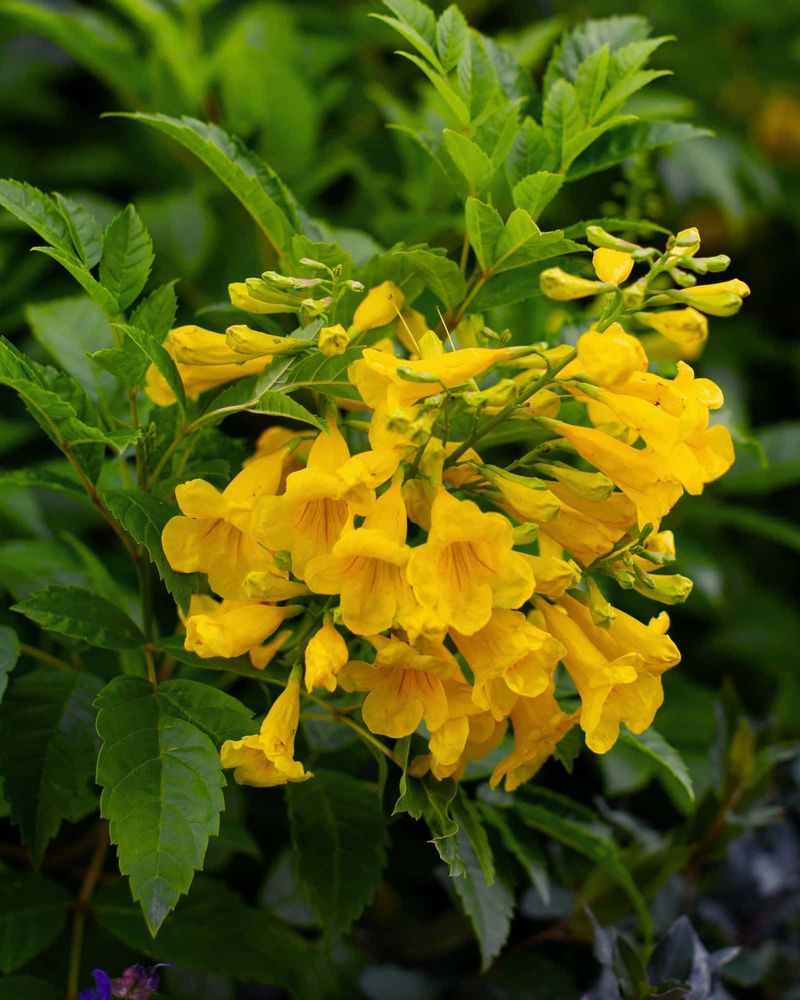
Bright, bold, and full of energy, Esperanza is one of the showiest plants you can grow in Texas. Its clusters of golden yellow, trumpet-shaped flowers bloom from late spring all the way through fall, giving your yard months of stunning color.
The name Esperanza means hope in Spanish, and this plant certainly delivers on that promise season after season.
Esperanza thrives in Texas heat and actually blooms more during hot spells instead of slowing down. It loves full sun and well-drained soil, making it a natural fit for many Texas landscapes.
Once established, it is very drought-tolerant and rarely needs much extra watering. You can plant it in the ground or in large containers on a patio or deck for a dramatic tropical look.
In the colder parts of Texas, Esperanza may lose its above-ground growth during winter, but the roots often survive and send up fresh new growth once spring arrives. In south Texas and along the Gulf Coast, it can stay green much longer into the year.
Butterflies and hummingbirds are big fans of its flowers, adding even more life to your outdoor space. It is a reliable, low-maintenance plant that makes Texas yards look vibrant and alive.
5. Aloe Vera
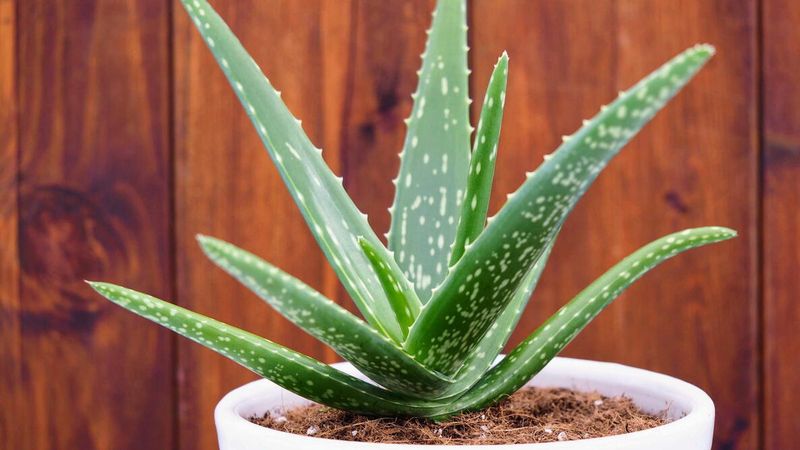
Aloe Vera is one of the most useful plants you can grow in Texas. Most people know it for its soothing gel, which works great on sunburns and minor skin irritations.
But beyond its practical uses, Aloe Vera is also a striking, sculptural plant that looks fantastic in gardens, pots, and desert-style landscaping across the state.
Growing Aloe Vera in Texas is almost effortless. It loves hot, dry conditions and stores water in its thick leaves, so it barely needs any irrigation once it settles in.
In the warmer parts of Texas, like San Antonio, Laredo, and the Rio Grande Valley, Aloe Vera can stay outdoors all year without any protection. In areas that get occasional freezes, you can grow it in containers and move it inside during cold snaps.
Aloe Vera prefers sandy, fast-draining soil and plenty of direct sunlight. Avoid planting it in heavy clay without amending the soil first, because soggy roots are its biggest weakness.
It rarely needs fertilizer and actually does better when left alone. Over time, it produces offshoots called pups around the base of the main plant.
You can separate these and start new plants for free, making Aloe Vera one of the most rewarding and budget-friendly additions to any Texas garden.
6. Oregano
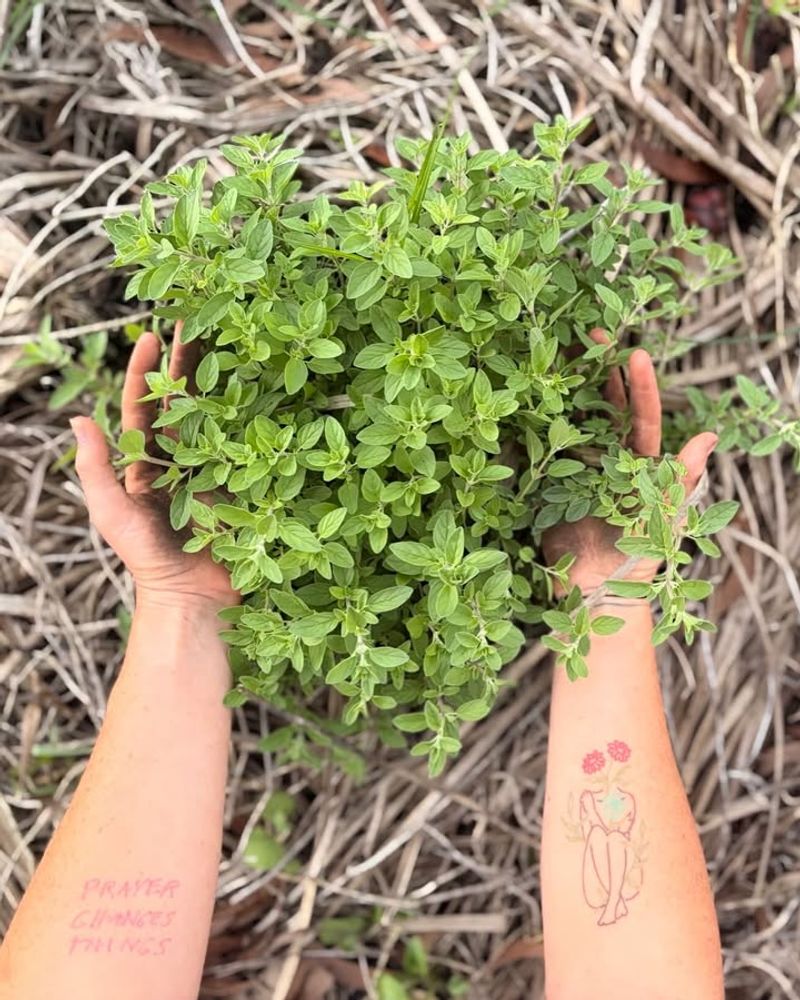
Oregano might be the most underrated herb in the Texas garden. Most people buy it dried from the grocery store, but fresh oregano from your own yard is something else entirely.
It has a stronger, more complex flavor that makes homemade pizza sauce, pasta, and marinades taste noticeably better. And the good news is that oregano grows really well in Texas all year long.
This herb is a tough little plant that handles heat, drought, and even light frost without much complaint. It does best in full sun with well-drained soil, and it does not need rich or heavily fertilized ground to thrive.
In fact, oregano planted in average or slightly poor soil tends to develop a stronger flavor, which is exactly what you want for cooking.
You can grow oregano in garden beds, raised beds, or containers on a sunny porch or balcony. It stays relatively compact and does not take up much space, making it a great option for small yards or apartment patios.
Trim it regularly to keep it bushy and encourage fresh leaf growth. In most parts of Texas, oregano will keep growing through the winter months, giving you a fresh supply of this flavorful herb even when other plants have slowed down.
It is a smart, practical addition to any Texas kitchen garden.
7. Salvia
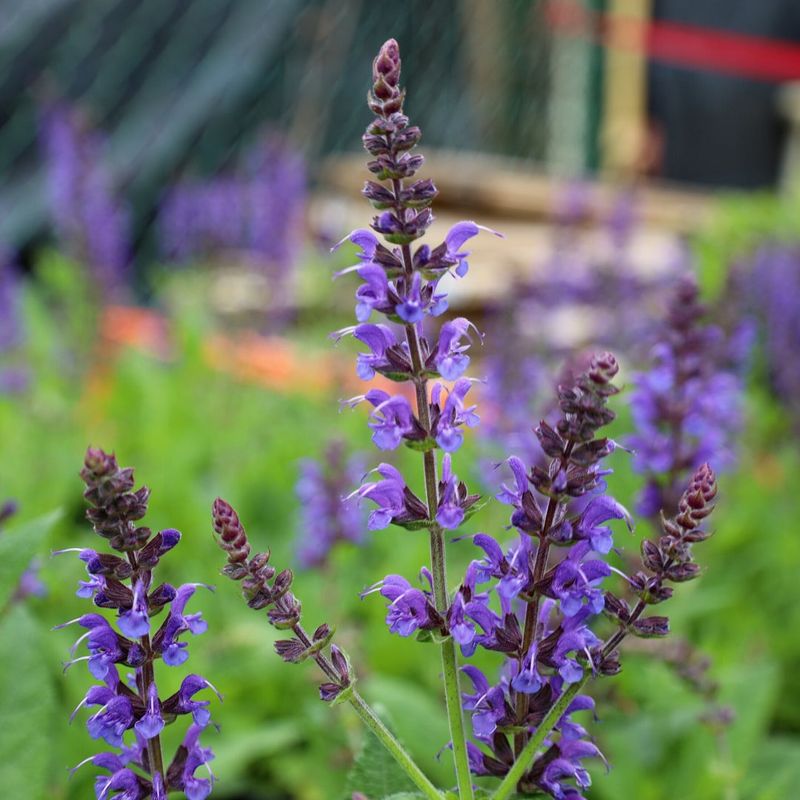
Walk past a garden full of blooming Salvia on a warm Texas afternoon, and you will likely see it buzzing with bees, butterflies, and hummingbirds.
Salvia is one of the most pollinator-friendly plants you can grow anywhere in the state, and Texas has several native and adapted varieties that perform beautifully across different regions and climate zones.
Cedar Sage, Autumn Sage, and Mealy Blue Sage are just a few of the varieties that do especially well in Texas. Most of them bloom from spring through fall, and some keep going even longer in the warmer southern parts of the state.
They handle Texas heat with ease and are quite drought-tolerant once they get established in the ground. Many gardeners find that Salvia actually blooms more when the weather is hot and dry.
Salvia plants come in a wide range of colors, from deep red and coral to lavender, purple, and white. This variety makes it easy to find a type that fits your garden style.
Most varieties prefer full sun and well-drained soil, and they rarely need much fertilizing or fussing.
Cutting them back lightly after a big bloom cycle encourages fresh new growth and even more flowers. For a long-blooming, wildlife-friendly, low-effort plant in Texas, Salvia is hard to beat.
8. Kale
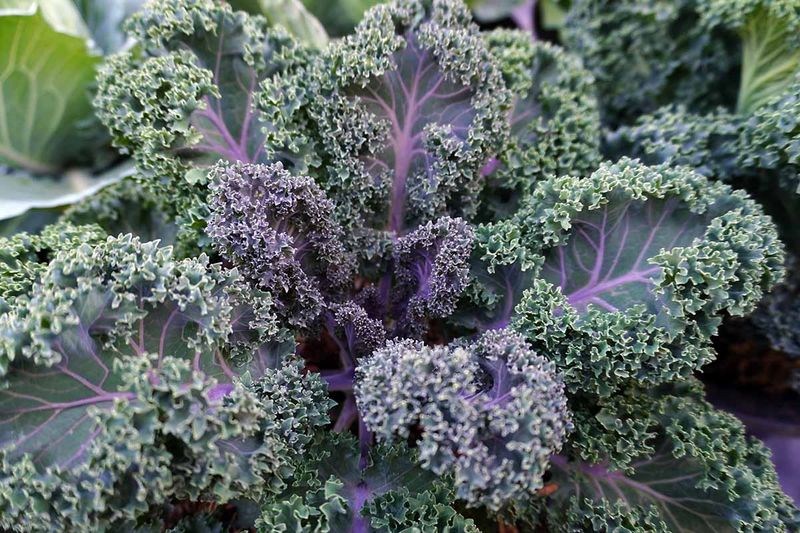
Kale is one of the most productive vegetables you can grow in a Texas garden, and it has a much longer season than most people realize.
While many vegetables struggle when temperatures drop or spike, kale handles both ends of the thermometer surprisingly well. It is a cool-season crop that really shines from fall through spring in most parts of Texas.
Planting kale in September or October sets you up for harvests that can last well into late winter or even early spring. Light frosts actually improve the flavor of kale by making the leaves a little sweeter and more tender.
In south Texas, where winters are mild, kale can grow almost continuously throughout the year with very little interruption.
One of the best things about kale is that you do not have to harvest the whole plant at once. Just pick the outer leaves as you need them, and the plant keeps producing new growth from the center.
It grows well in garden beds, raised beds, and even large containers. Kale is packed with vitamins and nutrients, making it a great choice for families who want to grow their own healthy food at home.
For Texas gardeners who want something edible and reliable, kale is a fantastic option that delivers big results with minimal effort.
9. Chives
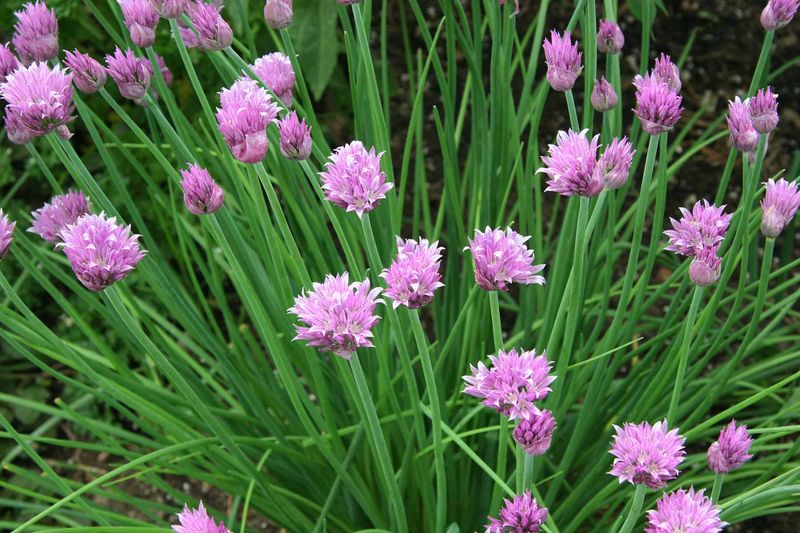
Chives are one of those quiet, reliable plants that just keep showing up for you year after year. Plant them once in your Texas garden, and they will come back on their own each season without any replanting required.
They are a perennial herb, which means they are built for the long haul, and they handle Texas conditions better than most herbs out there.
During the cooler fall and winter months, chives stay green and keep growing at a steady pace. When spring arrives, they really take off, producing fresh green shoots and pretty purple globe-shaped flowers that are actually edible.
Even during the hot Texas summer, chives can manage if they get a little afternoon shade and regular watering to keep the soil from drying out completely.
Growing chives is about as simple as it gets. They work well in containers, raised beds, or regular garden soil.
Snip the green tops with scissors whenever you need them for cooking, and the plant will grow right back. They taste great on baked potatoes, scrambled eggs, soups, and salads.
Chives also help repel certain garden pests, which makes them a smart companion plant for vegetables. For Texas gardeners who want a no-fuss herb that delivers flavor and function all year, chives are an easy and rewarding choice.