How To Trim Roses In Oregon For More Flowers
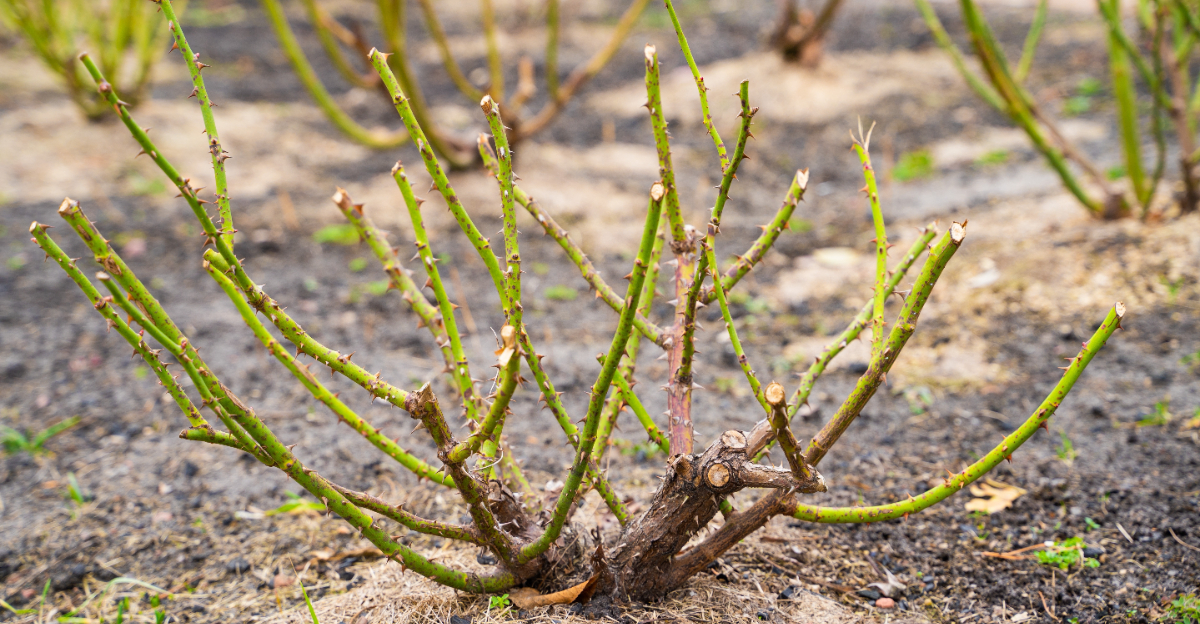
Pruning roses can feel a little intimidating at first, mostly because every stem starts looking important the second you pick up the clippers.
But if you garden in Oregon, learning how to trim them the right way can make a huge difference in how many flowers you get and how healthy the plant looks all season.
Roses are generous plants, but they do not usually reward random hacking with their best performance. A smart trim helps open up the plant, encourages strong new growth, and sets the stage for more buds instead of a tangled, woody mess.
Oregon’s cool, damp spring conditions also make timing especially important, since pruning too early or too late can create extra stress. The good news is that rose pruning is not as mysterious as it seems.
Once you know what to cut, when to do it, and what to leave alone, you can help your roses put on a much bigger and better flower show.
Prune Now, Not Later
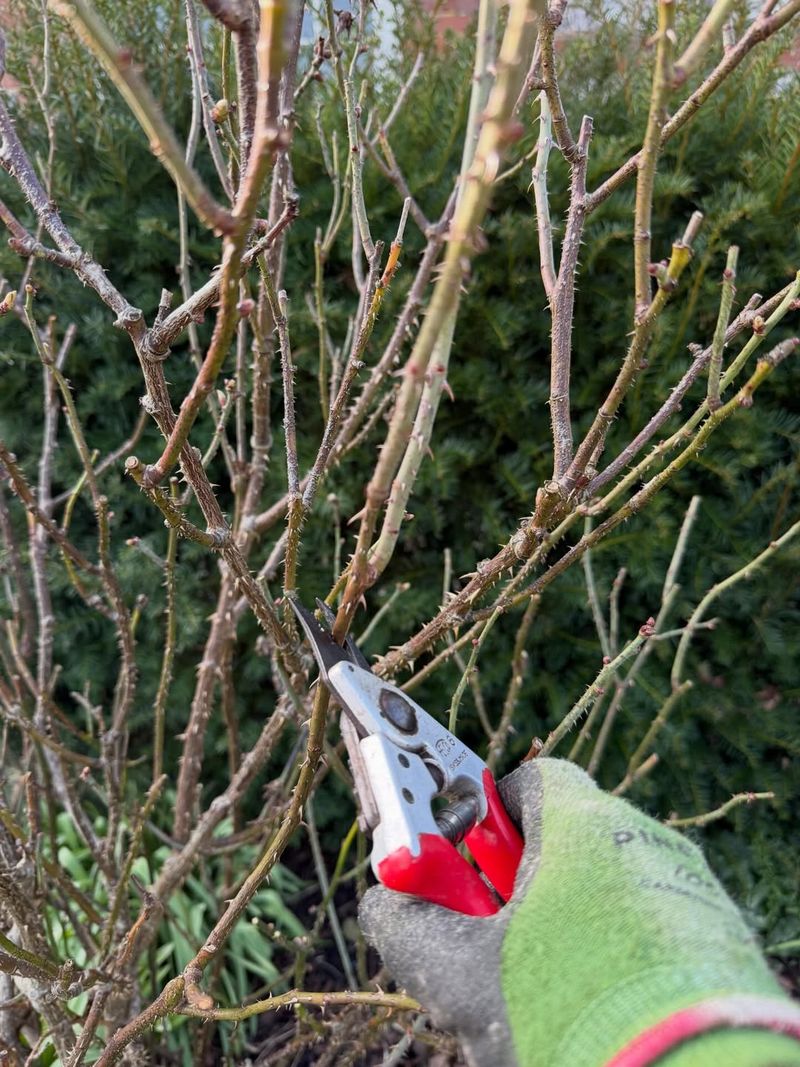
Timing is everything when it comes to rose pruning in Oregon. If you wait too long, your roses will already be pushing out new growth, and cutting it back wastes the plant’s energy.
Prune too early, though, and a late frost can damage the fresh cuts.
In western Oregon, including the Willamette Valley, mid-February to early March is the sweet spot. That is when roses are still mostly dormant but starting to wake up.
You can spot the right time by looking for small red buds just beginning to swell on the canes.
Eastern and central Oregon gardeners should wait until April. Hard freezes can still happen in those areas, so patience pays off.
Pruning during a freeze can stress your plants and slow down blooming.
Getting the timing right sets up your roses for a strong, healthy growing season. Mark your calendar, watch your plants, and be ready to act when the moment is right.
A well-timed prune means more energy goes straight into making flowers instead of recovering from damage.
Remove Damaged Canes First
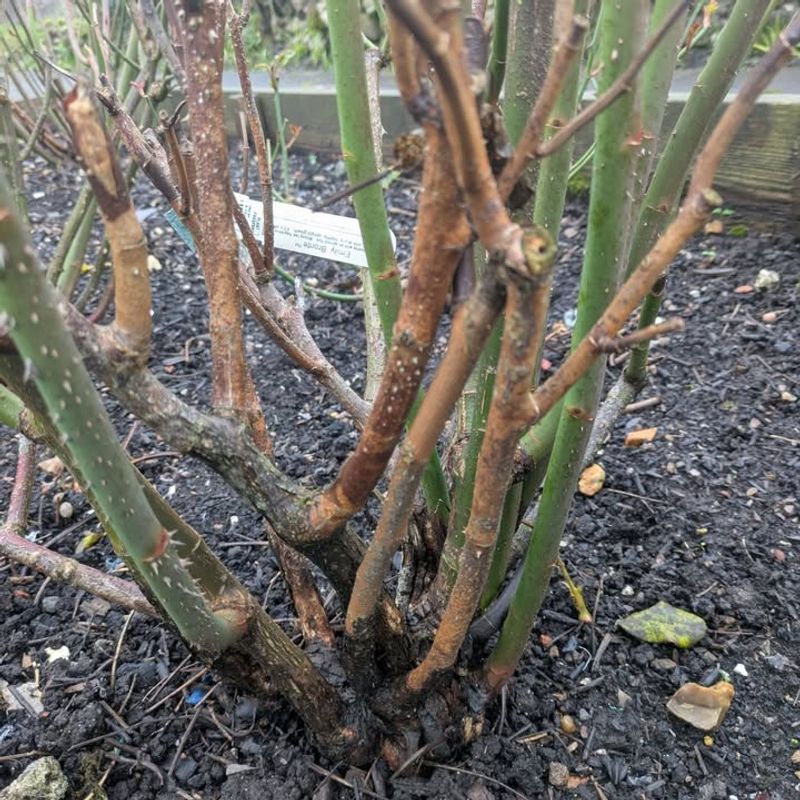
Before anything else, look your rose bush over carefully. Damaged canes are the first thing to go.
These are the brown, shriveled, or mushy stems that no longer carry life to the plant. Keeping them attached only slows the whole bush down.
Dead canes can also invite disease and pests. Oregon’s wet winters create conditions where fungal problems spread easily, and old wood gives those problems a place to start.
Removing it right away keeps the rest of the plant cleaner and healthier.
Cut each damaged cane all the way down to where you see healthy, white or green tissue inside. If the center of the cane looks brown or hollow, keep cutting lower.
You want every remaining cane to be solid and alive.
Also look for canes that are crossing over each other or rubbing together. Constant friction creates wounds that let in disease.
Snip those out too, keeping the strongest ones and removing anything that crowds the center of the bush. Starting with this cleanup step makes every other part of pruning easier and more effective.
Your Oregon Garden Changes Every Week. Your Plan Should Too.
Gardening in Oregon changes quickly throughout the season. Every Friday you’ll receive a simple weekly plan showing exactly what to plant, prune, fertilize, harvest, and protect so you never miss the right timing.
Cut To Strong Buds
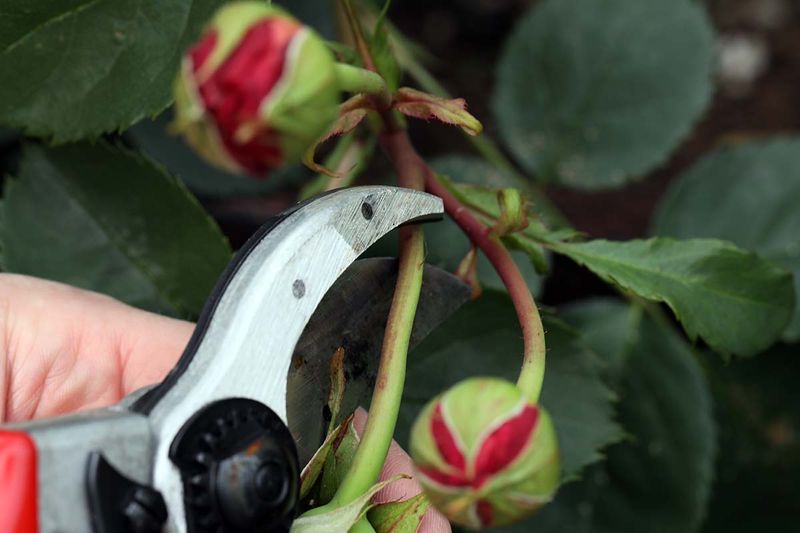
Every cut you make should have a purpose. When you trim a rose cane, you want to cut just above a strong, outward-facing bud.
That bud is where the new growth will come from, so choosing the right one matters a lot.
Make your cut at a 45-degree angle, slanting away from the bud. This lets water run off instead of pooling on the cut, which helps prevent rot and disease.
Place your cut about a quarter inch above the bud, not too close and not too far.
Outward-facing buds are key because they direct new growth away from the center of the plant. This keeps the bush open and airy, which is especially important in Oregon where moisture and gray skies can encourage fungal issues.
For hybrid tea and grandiflora roses, cut healthy canes back to about 12 to 18 inches tall. Floribunda types can stay a bit taller, around 24 to 36 inches.
Always use clean, sharp pruning shears. Dull blades crush the cane instead of cutting it cleanly, which slows healing and invites problems you do not want.
Open The Center
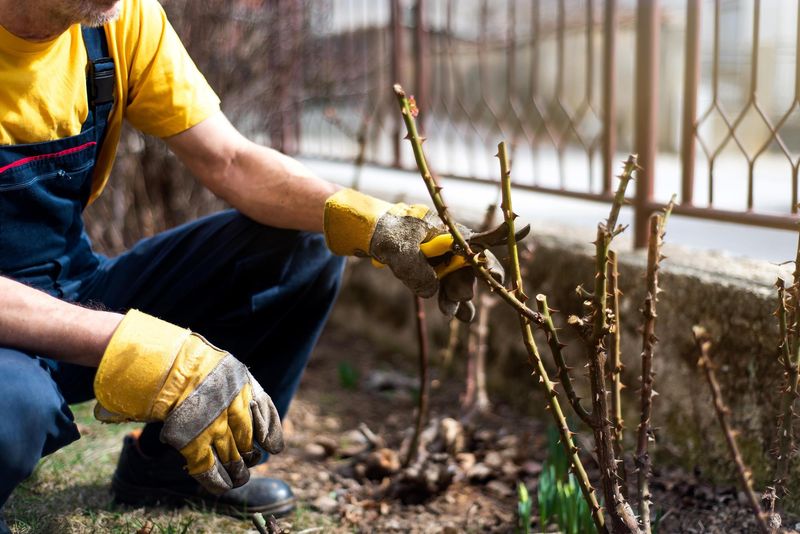
Imagine your rose bush shaped like a vase, wide open in the middle. That is exactly what you are going for when you prune.
An open center lets sunlight reach all parts of the plant and lets air move freely through the branches.
Good airflow is a big deal in Oregon, where foggy mornings and rainy springs can lead to black spot and powdery mildew. These fungal diseases thrive in damp, crowded spaces.
Pruning the center open is one of the best natural defenses you have.
Look for any canes growing straight toward the middle of the bush. Remove them, even if they look healthy.
Also take out any canes that are growing downward or are too close together. The goal is space and light, not just removing what looks bad.
After you finish shaping, step back and take a look at the whole plant. You should be able to see through the center of the bush a little.
If it still looks crowded, take out one or two more canes. A well-opened rose bush in Oregon will reward you with stronger stems and bigger, brighter blooms all season long.
Clear Weak Growth
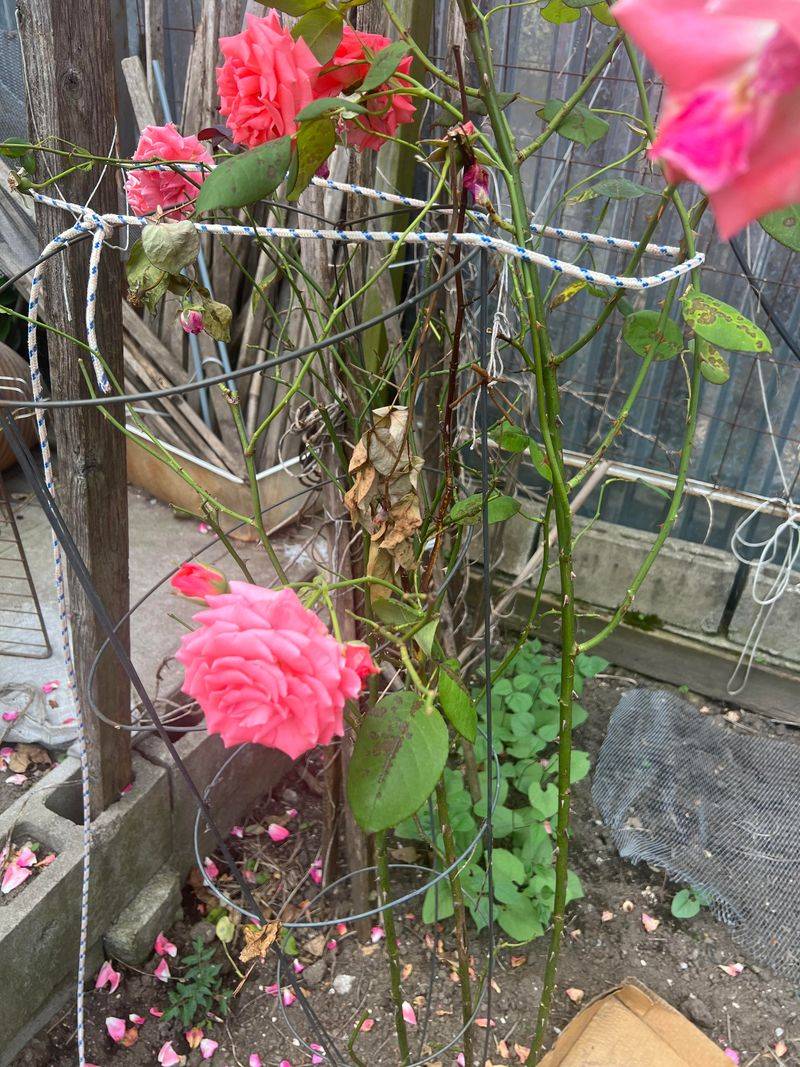
Not all living canes are worth keeping. Thin, spindly growth that is smaller than a pencil in diameter is a drain on the plant.
These weak stems rarely produce good flowers, and they take up space and energy that stronger canes could use.
Go through your rose bush and pinch or snip out any cane that looks too thin or wiggly to support a bloom. You want to keep only the canes that are thick, firm, and clearly healthy.
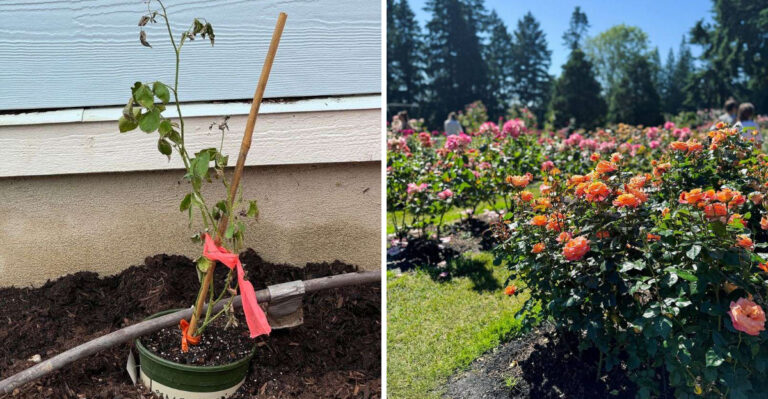
For younger rose bushes in Oregon, aim to keep two to three of the best canes. Older, established plants can support five to seven.
Also remove any suckers growing up from the base of the plant below the graft union. These shoots come from the rootstock, not the desirable rose variety on top.
If left alone, they can take over the whole plant and crowd out the blooming canes you actually want.
Clearing weak growth is not just about looks. It is a practical step that puts more of the plant’s resources into fewer, stronger canes.
The result is fuller, more vibrant flowers that make your Oregon garden shine from late spring right through fall.
Watch For New Shoots
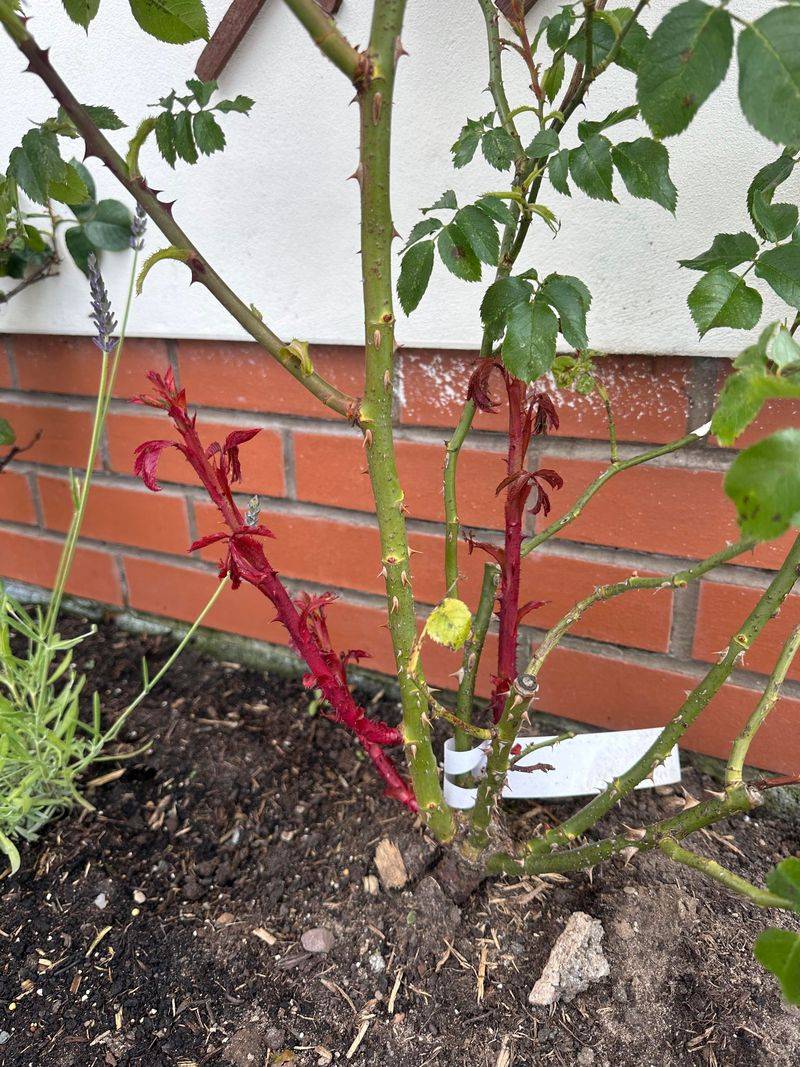
After pruning, the waiting game begins. Within a few weeks of a good pruning session, you should start to see bright red or green new shoots pushing out from the buds you left behind.
These shoots are a great sign that your roses are healthy and responding well.
Keep an eye on which shoots are growing outward and which ones are heading back toward the center. If a new shoot is growing inward, you can pinch it off early before it becomes a problem.
Catching it small makes the job much easier than dealing with a full cane later.
In Oregon, new growth usually shows up in March or April in western areas, and a bit later in eastern regions. If your roses are slow to push out new shoots, do not panic.
Cool, wet springs can slow things down a little, but the growth will come.
Watching new shoots also tells you how well your pruning worked. Strong, evenly spaced shoots all around the bush mean you opened it up correctly.
Lots of growth in one spot might mean you need to adjust your technique next year for an even better result.
Feed After Pruning
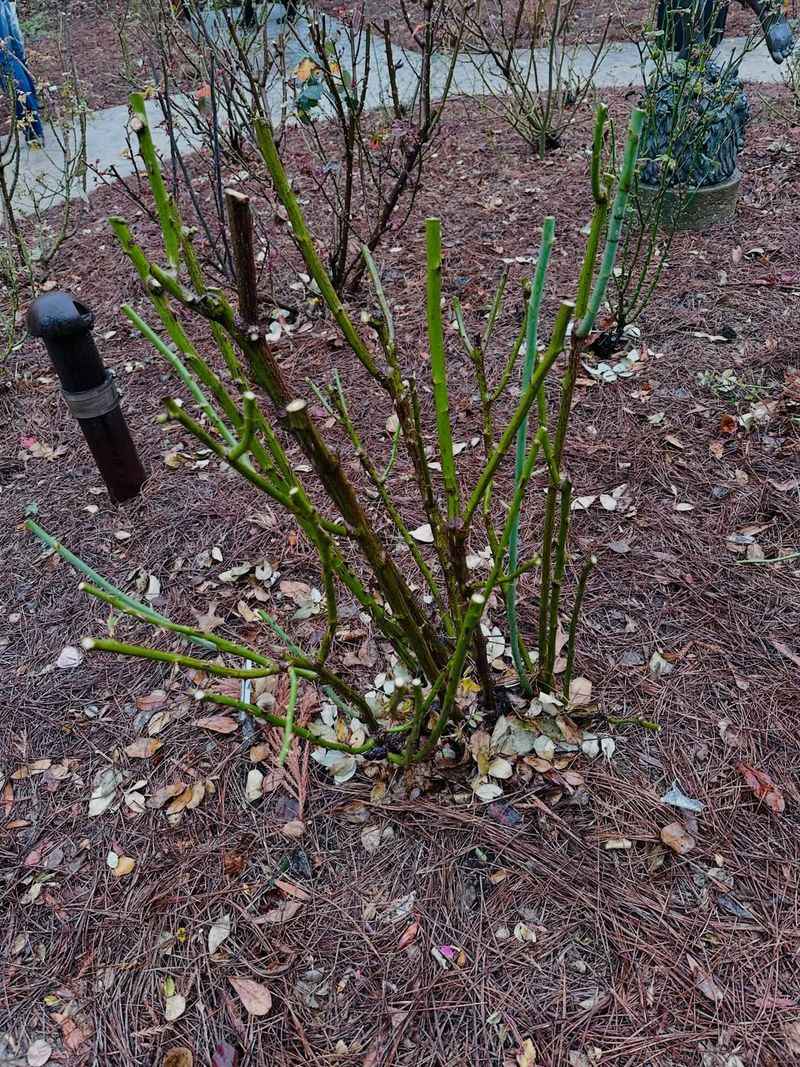
Pruning wakes your roses up and tells them it is time to grow. But all that new growth needs fuel.
Feeding your roses right after pruning gives them the nutrients they need to push out strong stems and loads of flowers.
Use a balanced rose fertilizer with equal or near-equal amounts of nitrogen, phosphorus, and potassium. Nitrogen helps leaves and stems grow.
Phosphorus encourages strong roots and blooms. Potassium keeps the whole plant healthy and helps it handle stress, which matters during Oregon’s unpredictable spring weather.
Granular fertilizers are easy to use. Sprinkle them around the base of the plant, keeping them a few inches away from the canes.
Then water them in well. Liquid fertilizers also work great and get absorbed quickly, which can give your roses a faster boost early in the season.
Do not over-fertilize. More is not always better, and too much nitrogen can push out lots of leafy growth at the expense of flowers.
Follow the package directions and stick to a regular feeding schedule through the growing season. Well-fed roses in Oregon can bloom from late spring all the way into November with the right care.
Clean Up And Mulch
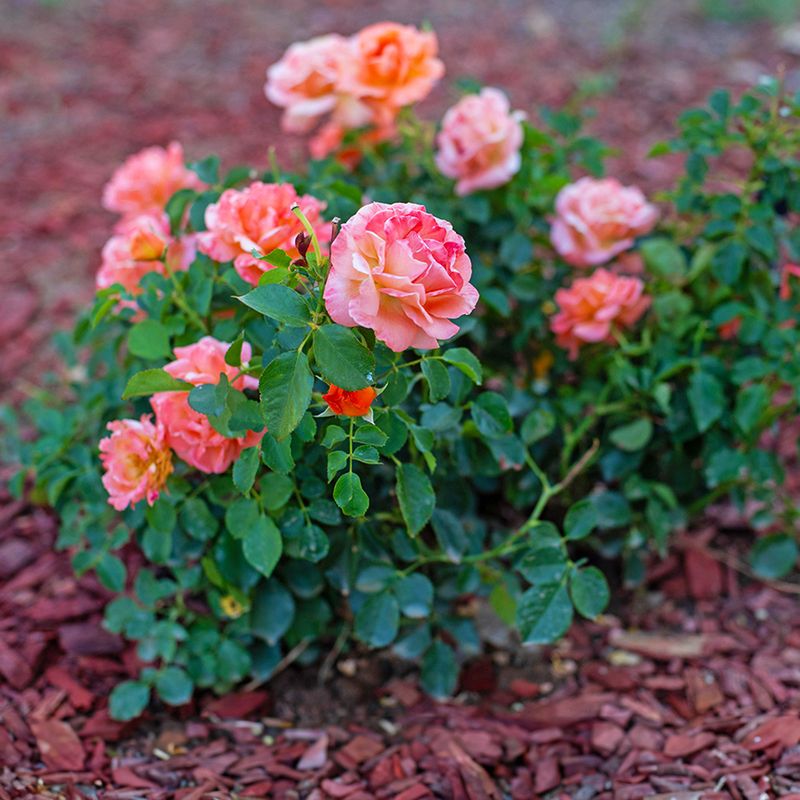
Once the pruning is done, the cleanup is just as important as the cutting. Gather every bit of trimmed cane, leaf, and debris from around the base of your rose bushes.
Do not leave clippings on the ground. They can harbor fungal spores and pests that will come back to bother your plants.
Put the clippings in the trash or yard waste bin, not the compost pile. Rose clippings, especially diseased ones, can spread problems through compost that has not heated up enough to break down pathogens.
It is a simple step that keeps your whole Oregon garden healthier.
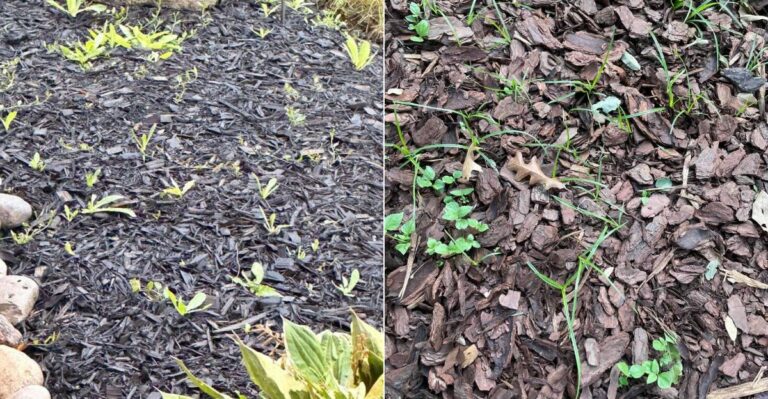
After cleaning up, apply a fresh layer of mulch around each rose bush. Bark mulch or wood chips work well.
Aim for a layer about two to three inches deep, keeping it a few inches away from the base of the canes so moisture does not build up against the stems.
Mulch holds soil moisture, keeps roots cool during warm spells, and cuts down on weeds that compete with your roses for nutrients.
In Oregon’s rainy climate, it also helps prevent soil from splashing up onto leaves, which can spread disease. A clean, mulched rose bed is a happy, productive rose bed.