The Best Spots To Plant Nasturtiums In Oregon Yards
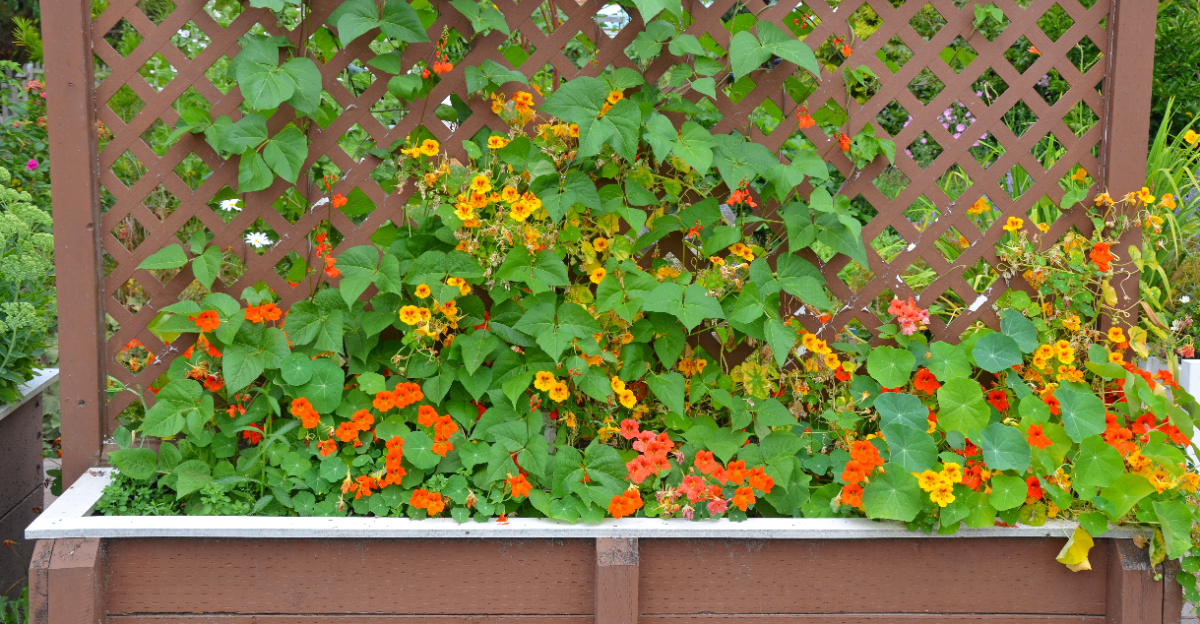
Nasturtiums have a way of making a garden feel instantly more cheerful. Their bright, glowing flowers and round lily pad leaves look playful, a little wild, and completely at home in an Oregon yard.
But where you plant them makes a bigger difference than many gardeners expect. Tuck them into the right spot, and they spill, climb, and bloom like they were born to be there.
Put them in the wrong place, and they can end up leggy, slow, or far less impressive than promised.
Oregon gives nasturtiums a lot to love, especially with its cool spring weather and milder summers in many areas. Still, they tend to do best where they get plenty of light, decent drainage, and a little breathing room.
That opens up more possibilities than people think, from raised beds and edible gardens to sunny borders, containers, and even awkward corners that need a soft, colorful touch.
Once you know the spots that suit them best, nasturtiums become one of the easiest flowers to work into the yard.
1. At The Front Of Sunny Garden Beds
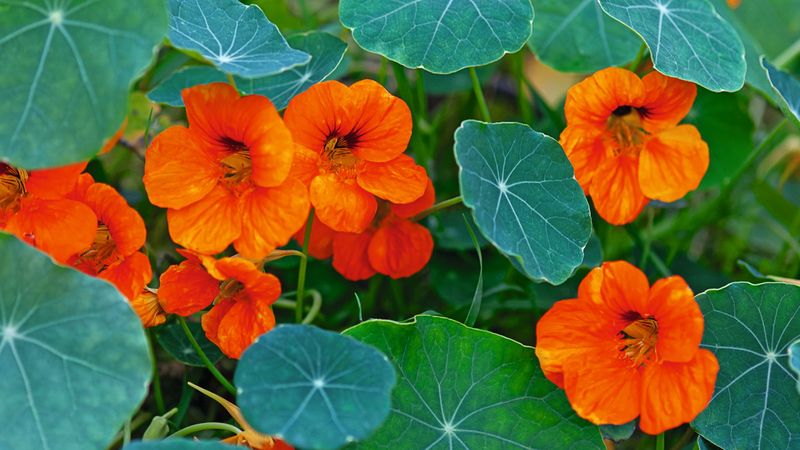
Few things grab a neighbor’s attention faster than a wave of bright nasturtium blooms lining the front of a garden bed. Planting nasturtiums at the front of sunny garden beds is one of the smartest moves Oregon gardeners can make.
These plants stay low and bushy, which makes them perfect for edging.
In Oregon, most yards get enough sun to keep nasturtiums happy in a front bed position. Aim for a spot that gets at least six hours of direct sunlight each day.
The Willamette Valley and southern Oregon regions tend to offer plenty of that during summer months.
One important tip: do not use rich, heavily fertilized soil in these front beds. Nasturtiums actually bloom better in leaner soil.
Too much nitrogen pushes the plant to grow lots of leaves but fewer flowers.
Sow seeds directly into the bed after the last frost, usually late April to mid-May in most parts of Oregon. Water them in well and then step back.
They sprout fast and fill in quickly. Within a few weeks, your front garden bed will look like something straight out of a garden magazine.
2. Along Raised Bed Edges
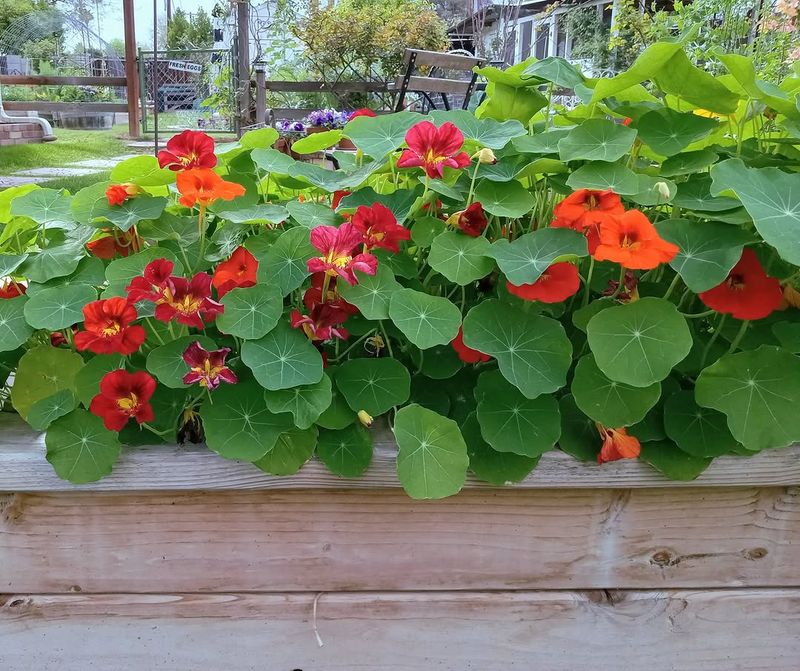
Raised beds are a staple in Oregon gardens, and nasturtiums fit right in along their edges. Planting them around the perimeter of a raised bed creates a colorful border that also serves a practical purpose.
The flowers and leaves can help confuse and deter common garden pests like aphids.
Nasturtiums planted along raised bed edges tend to trail slightly over the sides, softening the look of the wood or stone. This gives your raised bed a lush, overflowing feel that looks intentional and beautiful.
Trailing varieties work especially well here.
In Oregon’s cooler coastal areas, raised beds warm up faster in spring, which gives nasturtiums a head start. The improved drainage that comes with raised beds also suits these plants perfectly, since they do not like sitting in soggy soil.
Your Oregon Garden Changes Every Week. Your Plan Should Too.
Gardening in Oregon changes quickly throughout the season. Every Friday you’ll receive a simple weekly plan showing exactly what to plant, prune, fertilize, harvest, and protect so you never miss the right timing.
Keep in mind that nasturtiums planted near vegetables in a raised bed can act as trap crops. Aphids tend to go after the nasturtiums first, drawing them away from your tomatoes or kale.
It is a win-win situation. Plant seeds about a foot apart along the edge, water consistently during the first few weeks, and watch them take off beautifully through Oregon’s growing season.
3. In Window Boxes And Porch Containers
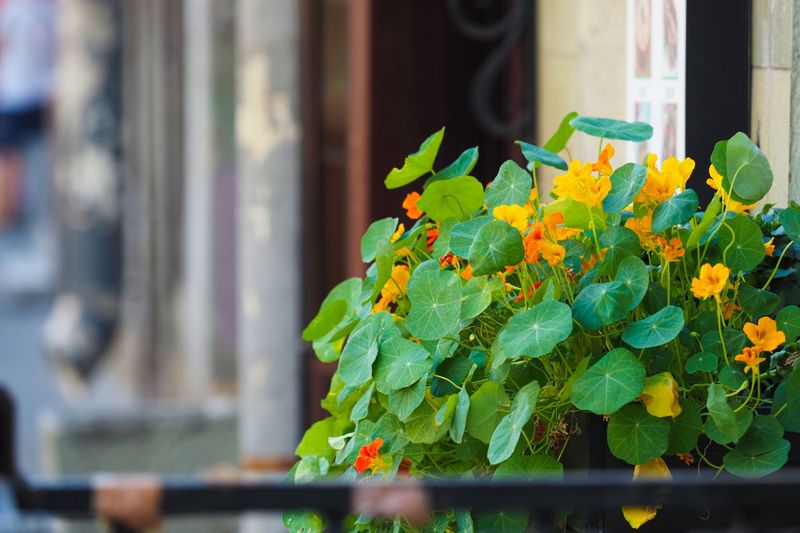
Window boxes and porch containers are some of the most fun places to grow nasturtiums in Oregon. Trailing varieties look absolutely stunning when they spill over the edges of a container, creating a waterfall of color right at eye level.
It is an easy way to dress up any porch or front entryway.
Container growing gives you full control over the soil. Use a well-draining potting mix and avoid anything too rich in nutrients.
A leaner mix encourages more blooms and less leafy overgrowth, which is exactly what you want in a small container setting.
Oregon porches can be shady or sunny depending on which direction they face. South or west-facing porches tend to get the most light, making them the best choice for nasturtiums.
East-facing spots can also work well, especially during Oregon’s warmer summer months.
Water container nasturtiums more often than in-ground plants since pots dry out faster. Check the soil every couple of days during warm stretches.
If the top inch feels dry, give it a good drink. Deadhead spent flowers regularly to keep new blooms coming.
With a little attention, your window boxes and porch containers will stay colorful from late spring through early fall across Oregon.
4. Spilling Over Retaining Walls Or Planters
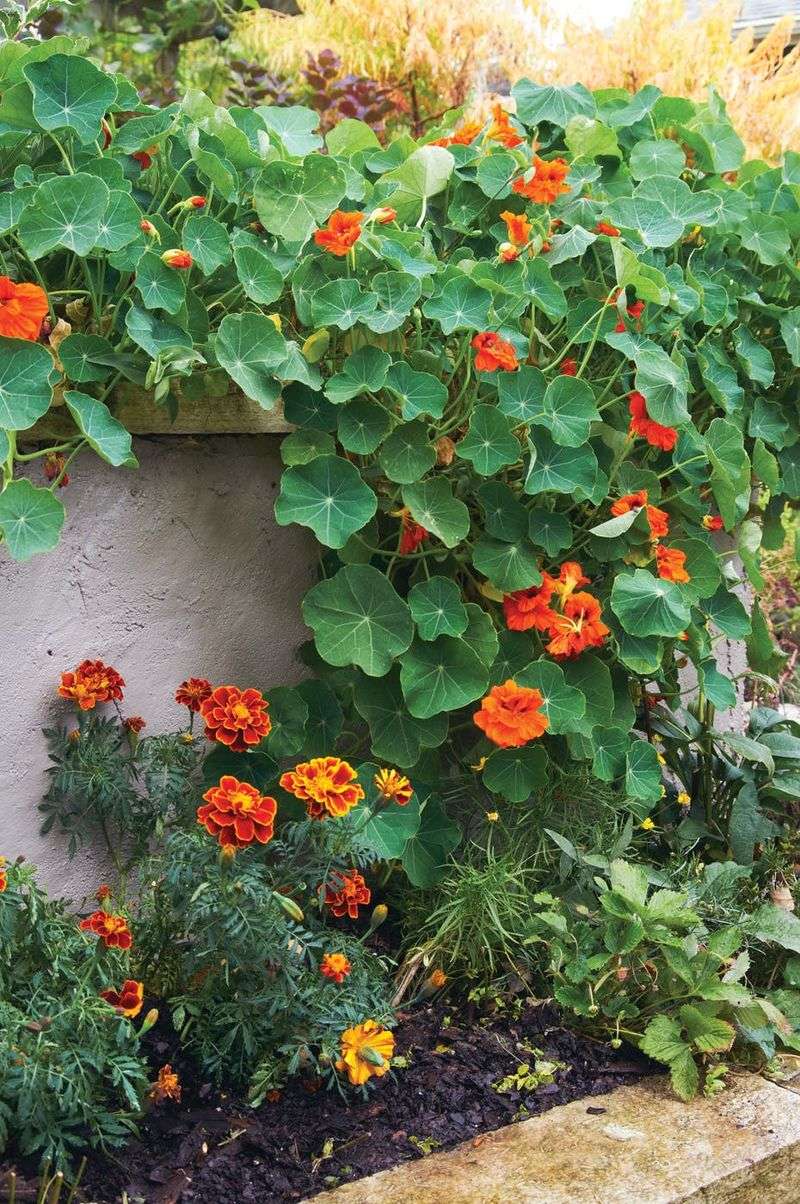
There is something almost magical about seeing nasturtiums cascade down the face of a retaining wall. The round, lily-pad-like leaves and bright blooms create a living curtain of color that transforms plain stone or concrete into something truly eye-catching.
Oregon yards with sloped terrain often have retaining walls, and these are perfect places for nasturtiums to shine.
Plant nasturtiums at the top edge of the wall so they can trail downward naturally. Trailing varieties like ‘Jewel of Africa’ or standard Tropaeolum majus work great for this purpose.
They spread quickly and cover a lot of ground, or in this case, a lot of wall.
The drainage at the top of a retaining wall is usually excellent, which nasturtiums love. Avoid adding compost or fertilizer to the planting area if the soil already has some nutrients.
Lean soil keeps the blooms coming strong throughout Oregon’s long growing season.
In warmer parts of Oregon like the Rogue Valley, afternoon shade on the wall can help prevent heat stress during peak summer. A little shade goes a long way in keeping the plants blooming longer.
Once established, these plants are surprisingly drought-tolerant and need minimal care to look spectacular all season.
5. Near Trellises Or Short Fences For Climbing Types
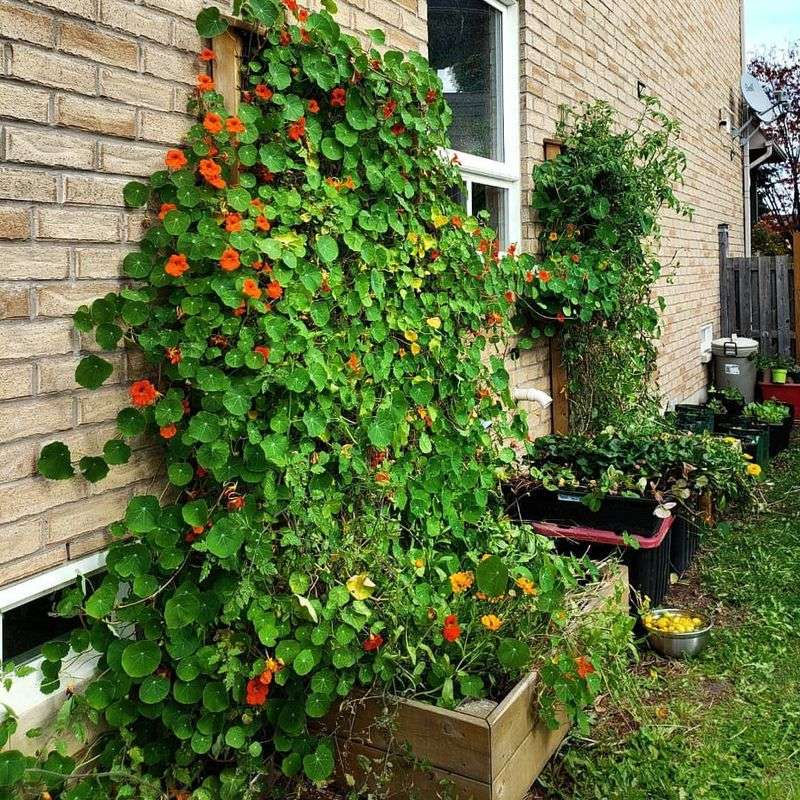
Not all nasturtiums stay low to the ground. Some varieties are natural climbers, and giving them a trellis or short fence to work with brings out their best qualities.
Watching them weave upward through a structure is genuinely satisfying, and the vertical color they add to an Oregon yard is hard to beat.
Climbing nasturtiums use their leaf stems to grip and wrap around supports. They are not as aggressive as morning glories or beans, but they will make good use of a simple bamboo trellis, wire fence, or wooden lattice panel.
Keep the support structure under five feet tall for best results.
Place the trellis in a sunny spot in your Oregon yard, ideally facing south or west. These climbing types need that full sun exposure to reach their potential.
In shadier spots, they will grow but produce far fewer flowers, which kind of defeats the purpose.
Sow seeds at the base of the trellis after the last frost in your area of Oregon. Gently guide the first few stems toward the support to get them started.
After that, they figure it out on their own. By midsummer, you will have a vibrant vertical display that adds structure and color to your garden all at once.
6. In Herb And Vegetable Gardens
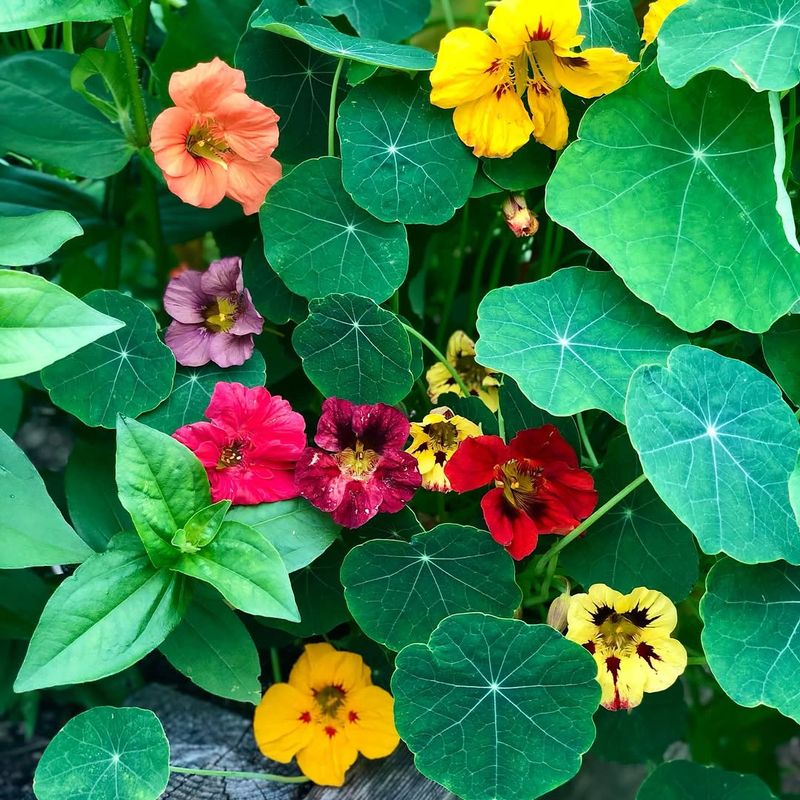
Gardeners in Oregon have long known that nasturtiums and vegetable gardens are a natural match. These flowers do double duty: they attract beneficial pollinators like bees and butterflies while also luring pest insects away from your food crops.
Planting them among your tomatoes, squash, or cucumbers is one of the smartest companion planting moves you can make.
Aphids are a common problem in Oregon vegetable gardens, especially during cool, damp springs. Nasturtiums act as a trap crop, drawing aphids to themselves and away from your prized vegetables.
You can then remove the affected nasturtium stems without worrying about your food plants.
Herbs like basil, dill, and cilantro grow happily alongside nasturtiums too. The combination creates a diverse, pest-resistant garden environment.
Plus, nasturtium flowers and leaves are edible, adding a peppery flavor to salads and garnishes straight from your Oregon garden.
Plant nasturtium seeds around the outer edges of your vegetable beds or between rows. Give each plant about ten to twelve inches of space so air can circulate well.
They do not need much water once established, which is helpful during Oregon’s drier summer months. Their low maintenance nature makes them a favorite addition for both beginner and experienced Oregon vegetable gardeners alike.
7. In Lean, Well-Drained Border Spaces
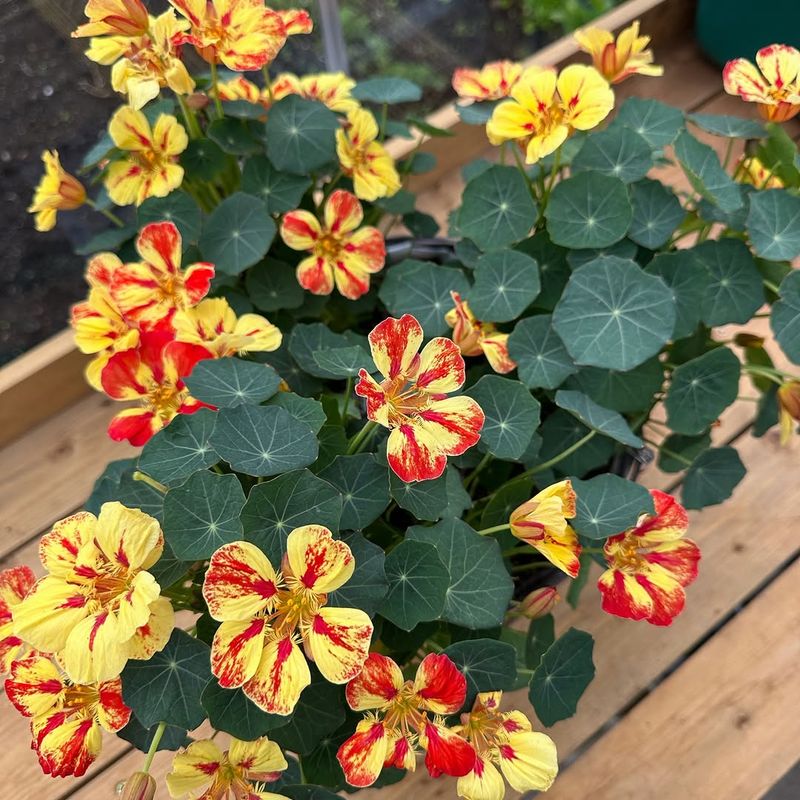
Some spots in an Oregon yard just seem impossible to plant. Dry strips along driveways, gravelly areas near fences, or thin border spaces between a sidewalk and a lawn often sit bare and uninviting.
Nasturtiums were practically made for these kinds of spots.
Unlike most flowering plants, nasturtiums actually prefer lean, low-nutrient soil. Rich soil causes them to put all their energy into growing big, lush leaves instead of producing flowers.
A dry, well-drained border with average or even poor soil gives them exactly the stress they need to bloom abundantly.
In Oregon, many yards have strips of compacted or sandy soil near hardscaping. These are often overlooked planting areas, but they are actually prime real estate for nasturtiums.
Just loosen the top few inches of soil, press in a seed, water it in, and let nature take over.
Once established, nasturtiums in lean border spaces need very little supplemental watering, especially in western Oregon where spring rains do most of the work. By summer, these once-forgotten strips can be bursting with color.
The blooms last well into fall, giving your Oregon yard a long season of low-effort beauty that surprises and delights anyone who walks by.