These 11 Border Plants Keep Blooming From Spring Through Frost In Oregon
A flower border that still looks lively months after spring has passed feels a little like cheating, and honestly, that is the dream.
In Oregon, where the growing season can be wonderfully long but the weather likes to mix things up, plants that keep blooming through frost are worth their weight in gold.
They save you from that midseason garden slump when everything starts strong, then fizzles out long before you are ready.
The real stars are the border plants that just keep going, adding color, texture, and fresh blooms while the rest of the yard starts running low on energy.
Even better, a long-blooming border makes the whole garden feel fuller, brighter, and a lot less needy. With the right picks, you can enjoy a steady parade of flowers instead of one quick burst and a long goodbye.
That is a pretty great deal for any Oregon gardener who wants nonstop color without nonstop replanting.
1. Salvia
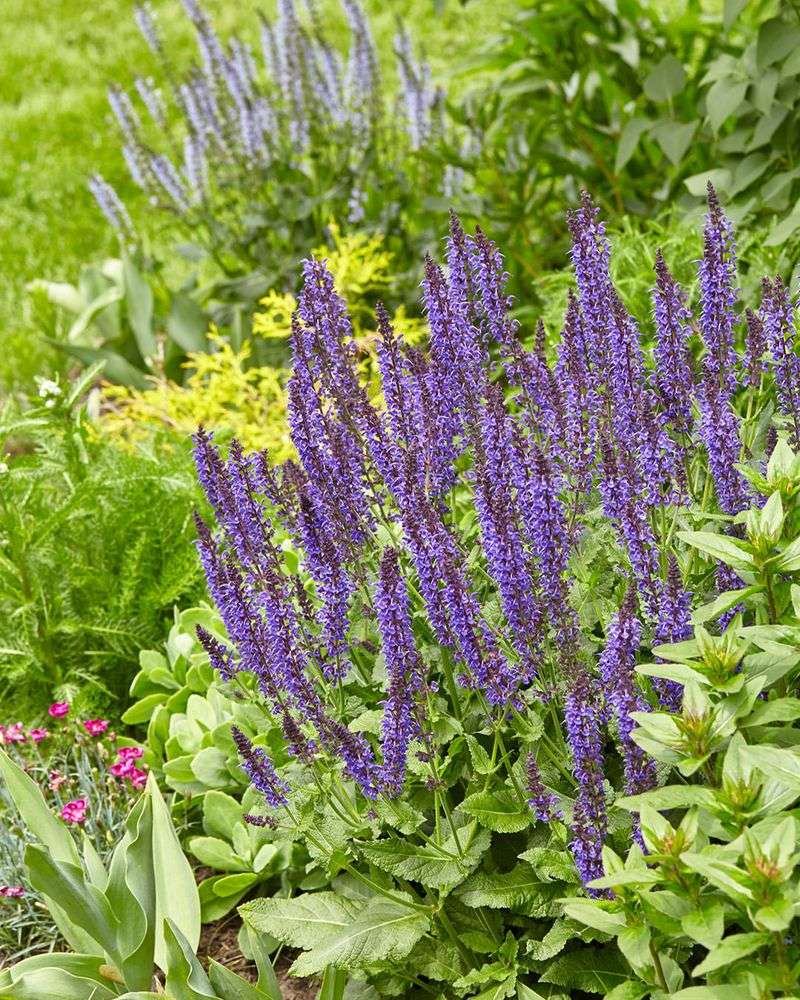
Few plants put on a show quite like Salvia does from late spring straight through to fall. The tall, spiky blooms come in rich shades of purple, blue, red, and pink, making any garden border look like it belongs on a magazine cover.
Oregon gardeners absolutely love it because it handles both wet springs and dry summers without much fuss.
Salvia thrives in full sun and well-drained soil, which makes it a natural fit for raised borders and sunny garden edges across the state. Plant it in groups for a bold, eye-catching effect that pollinators like bees and hummingbirds cannot resist.
Deadheading spent flowers regularly encourages even more blooms throughout the season.
One fun fact: Salvia belongs to the mint family, which explains why deer tend to leave it alone. That is great news for Oregon gardeners dealing with wildlife pressure.
Varieties like Salvia nemorosa are especially reliable performers in the Pacific Northwest climate. Give it a spot with good drainage and watch it reward you with months of non-stop color right up until the first frost hits.
2. Yarrow
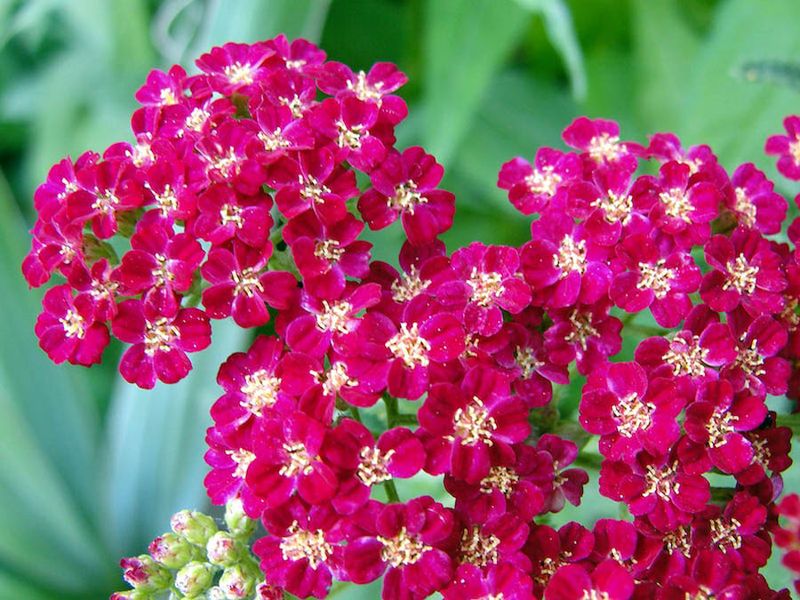
Yarrow has been growing wild across Oregon’s meadows and roadsides for centuries, so it is no surprise that it thrives in cultivated garden borders too.
The flat-topped flower clusters come in cheerful shades of yellow, red, pink, and white, and they bloom from early summer well into fall.
Even after the flowers fade, the dried seed heads add texture and interest to the garden.
Tough and adaptable, Yarrow handles poor soil, drought, and full sun like a champion. In fact, overly rich soil can actually make it floppy, so skip the heavy fertilizing.
Oregon’s wet winters are not a problem as long as the soil drains well, which is something to keep in mind when choosing a planting spot.
Pollinators go absolutely wild for Yarrow. Butterflies, bees, and beneficial wasps flock to its blooms all summer long, making it a fantastic choice for eco-friendly gardeners.
It spreads gently over time, filling in gaps along borders without becoming invasive.
Your Oregon Garden Changes Every Week. Your Plan Should Too.
Gardening in Oregon changes quickly throughout the season. Every Friday you’ll receive a simple weekly plan showing exactly what to plant, prune, fertilize, harvest, and protect so you never miss the right timing.
Cut it back hard in late summer and you may even get a fresh flush of blooms before the season ends. Yarrow is truly one of Oregon’s most reliable border plants.
3. Hardy Geranium
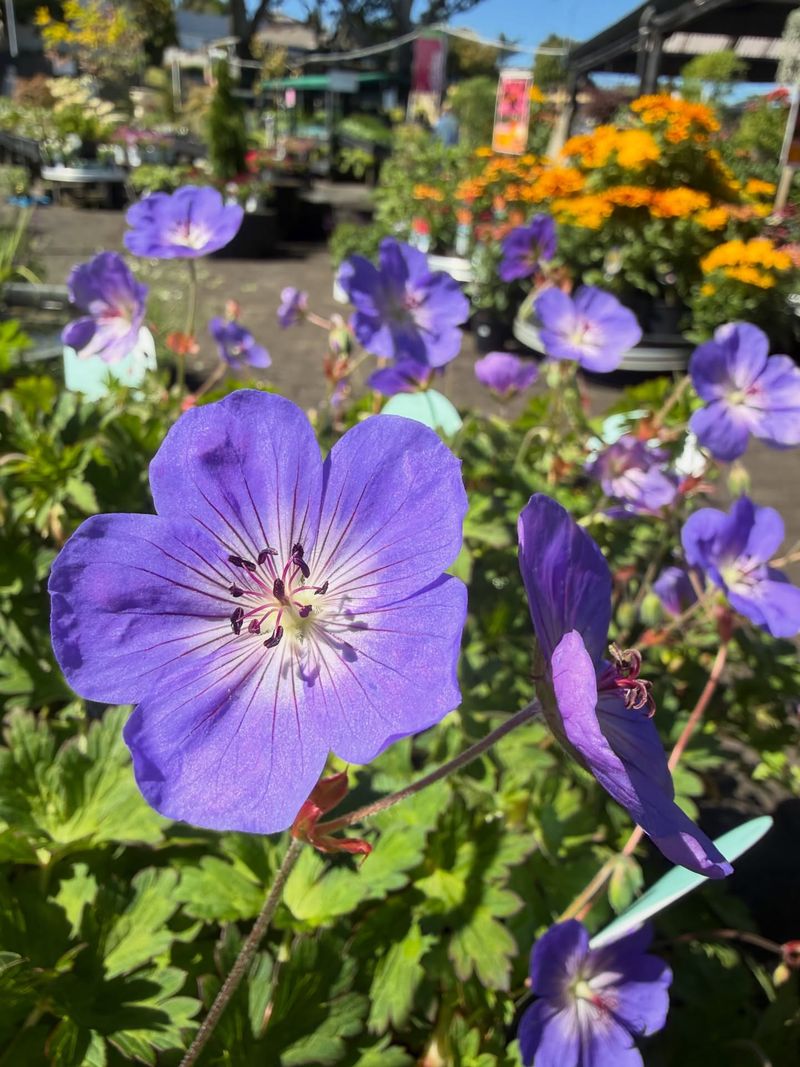
Do not confuse Hardy Geranium with the tender potted geraniums you see on porches every summer. Hardy Geraniums, also called Cranesbills, are true perennials that come back year after year without any fuss.
They bloom in shades of purple, pink, blue, and white, and many varieties keep flowering from spring all the way through fall with minimal care.
Oregon’s mild, moist climate is practically perfect for Hardy Geraniums. They grow happily in full sun to partial shade, which makes them incredibly versatile along borders that receive changing light throughout the day.
The deeply lobed leaves look attractive even when the plant is not in bloom, adding a lush, textured look to garden edges.
One variety worth trying in Oregon is Geranium ‘Rozanne,’ which is famous for its incredibly long bloom time. It produces violet-blue flowers almost continuously from late spring through frost, making it one of the hardest-working plants you can put in your border.
Plant it near the front of the border so the trailing stems can spill over edges gracefully. Hardy Geranium is low-maintenance, deer-resistant, and genuinely beautiful throughout the entire growing season.
4. Gaura
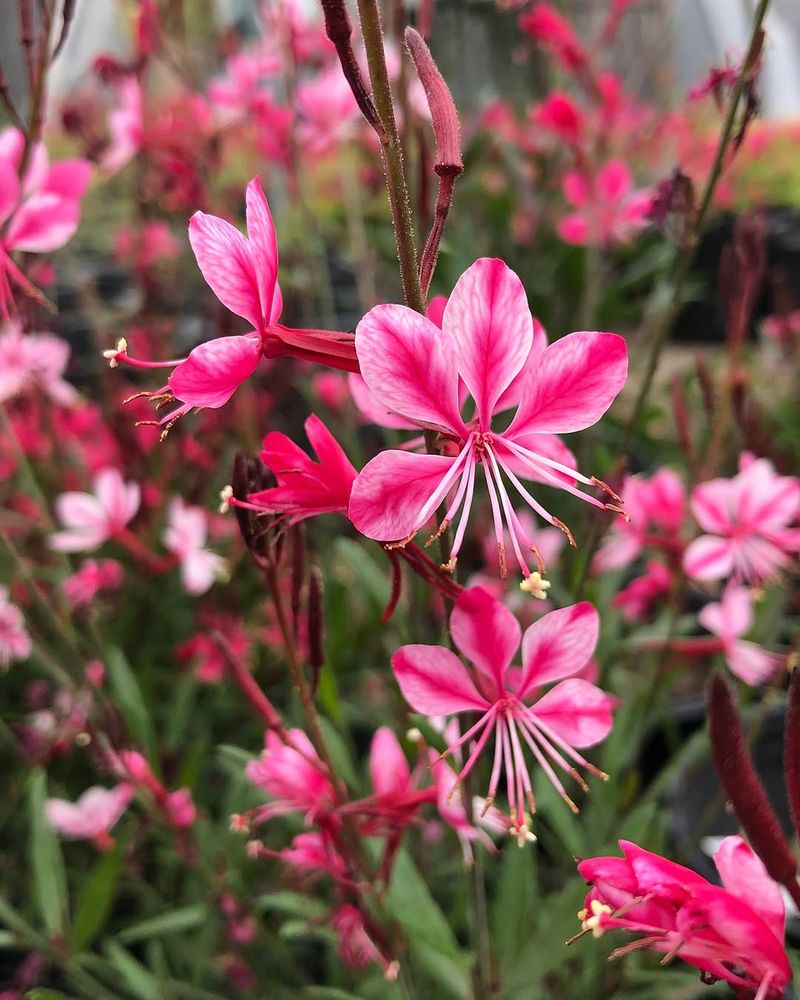
Gaura has a whimsical, airy quality that sets it apart from most other border plants. The slender stems arch and sway in the breeze, topped with delicate white and pink flowers that look like tiny butterflies dancing above the garden.
Blooming from late spring all the way through fall, Gaura adds movement and lightness to Oregon garden borders.
Heat and drought do not bother Gaura much once it is established, which is a real bonus for gardeners in eastern Oregon or during the dry summer months west of the Cascades. It prefers full sun and well-drained soil, so avoid planting it in soggy spots.
Raised borders and slopes are ideal locations for getting the best performance out of this plant.
Gaura pairs beautifully with bold, solid-colored plants like Salvia and Coreopsis, providing a soft contrast that makes the whole border feel balanced and lively. Cut it back by about one-third in midsummer if it starts to look tired, and it will bounce back quickly with fresh growth and flowers.
The variety ‘Whirling Butterflies’ is especially popular among Oregon gardeners for its graceful, long-lasting display season after season.
5. Coreopsis
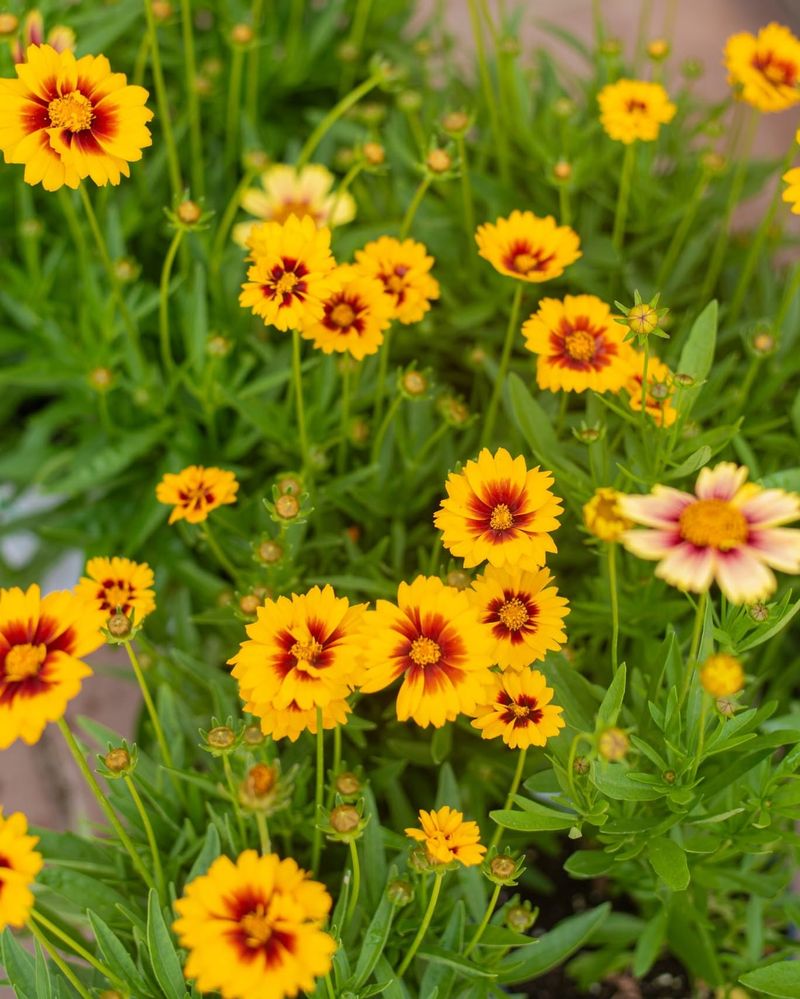
Known by the fun nickname tickseed, Coreopsis is one of the cheeriest plants you can add to an Oregon border garden. The daisy-like flowers come in sunny shades of yellow, orange, and pink, and they bloom generously from late spring through fall.
Few plants deliver such a long season of color with so little effort on your part.
Coreopsis loves full sun and handles Oregon’s dry summer spells without complaining. It is drought-tolerant once established, so you will not need to water it constantly during those warm August days.
Well-drained soil is important, but Coreopsis is not particularly fussy about fertility, meaning you can plant it in average garden soil and still get excellent results.
Regular deadheading keeps the flowers coming in waves all season long. If you get tired of removing spent blooms, many modern varieties are self-cleaning, which means they drop old flowers on their own.
‘Moonbeam,’ a soft yellow variety, is one of the most beloved Coreopsis options among Pacific Northwest gardeners.
It forms a tidy, mounding shape that works beautifully along the front of a border. Plant Coreopsis in groups of three or more for the biggest visual impact in your Oregon garden.
6. Catmint
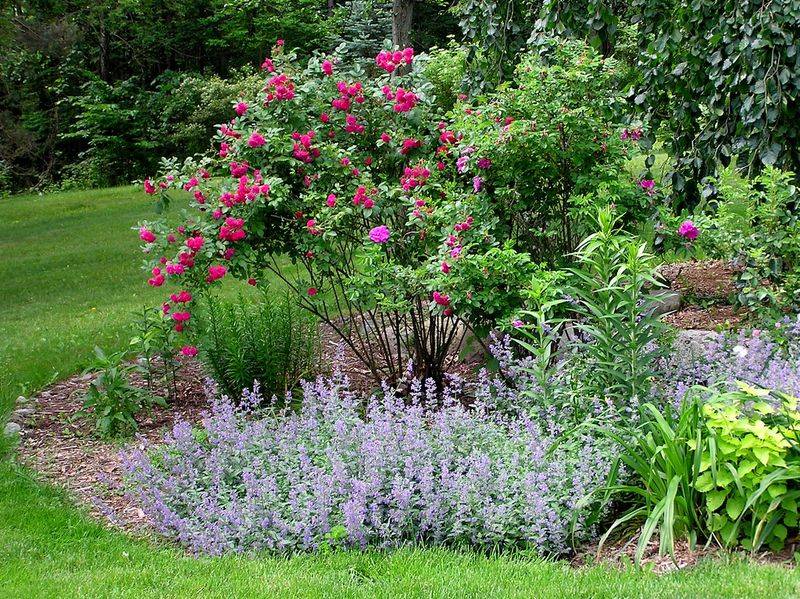
Walk past a patch of Catmint on a warm Oregon afternoon and you will immediately notice the soft, pleasant fragrance rising from its silvery-green leaves. The lavender-blue flower spikes appear in late spring and put on an impressive show for weeks.
Cut the plant back by half after the first flush fades and it will reward you with a strong second bloom later in summer.
Catmint is incredibly easy to grow and nearly impossible to neglect into failure. It thrives in full sun with well-drained soil and handles Oregon’s dry summers without needing constant attention.
Once established, it is quite drought-tolerant, which makes it a smart choice for water-conscious gardeners throughout the state.
Bees absolutely love Catmint, so planting it along your border is a great way to support pollinators while also enjoying beautiful, long-lasting blooms.
The plant forms a tidy, mounding shape that looks attractive even when it is not flowering. ‘Walker’s Low’ is one of the most popular varieties and works wonderfully as a border edging plant in Oregon gardens.
Despite the name, cats are not always the biggest fans, but gardeners certainly are. Catmint is tough, fragrant, and endlessly rewarding.
7. Penstemon
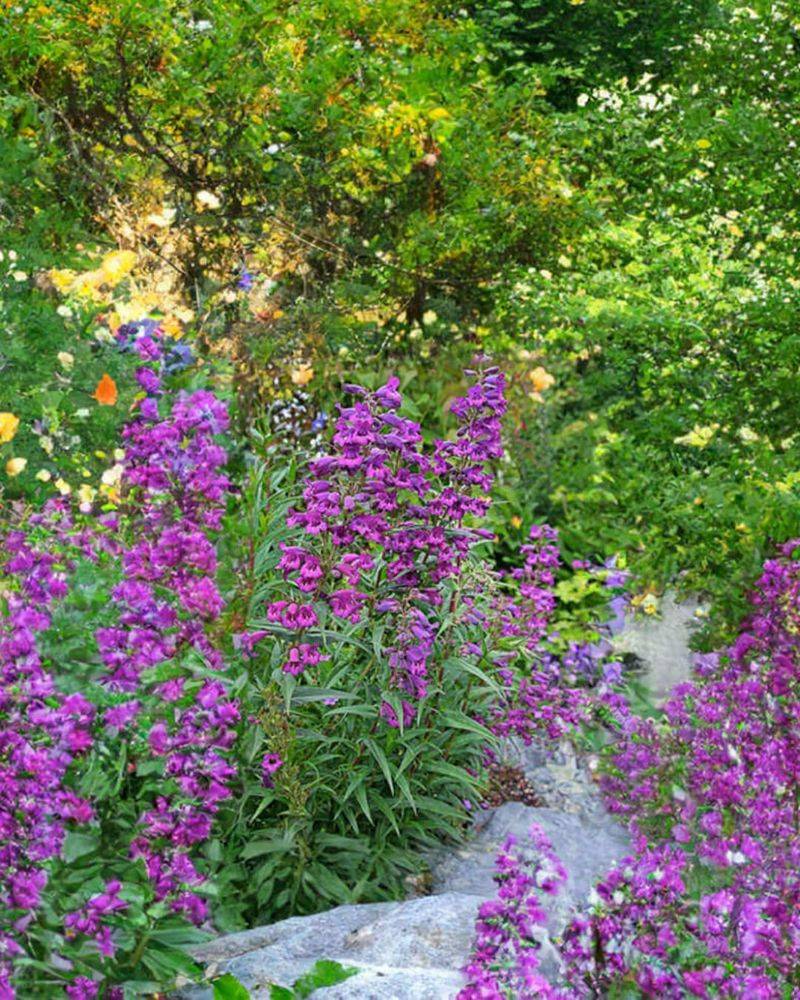
Oregon has a special relationship with Penstemon. Several species are actually native to the Pacific Northwest, which means they are perfectly adapted to the region’s climate, soils, and rainfall patterns.
The tubular flowers come in shades of red, pink, purple, and white, and they attract hummingbirds like a magnet from late spring through summer.
Penstemon performs best in full sun with excellent drainage. Rocky slopes, raised beds, and dry borders are ideal spots for this plant.
It does not love wet feet, so avoid low-lying areas that stay soggy after Oregon’s rainy winters. Once established, Penstemon is remarkably drought-tolerant and requires very little supplemental watering during summer.
Choosing native Penstemon species like Penstemon serrulatus or Penstemon davidsonii gives your Oregon garden a strong sense of place while also supporting local wildlife. These plants provide nectar for hummingbirds and native bees throughout the blooming season.
Even after the flowers fade, the upright seed heads add structure and visual interest to the border.
Penstemon is not the most commonly planted border perennial, but once you see it in full bloom alongside a stone wall or gravel path, you will wonder why you waited so long to try it.
8. Aster
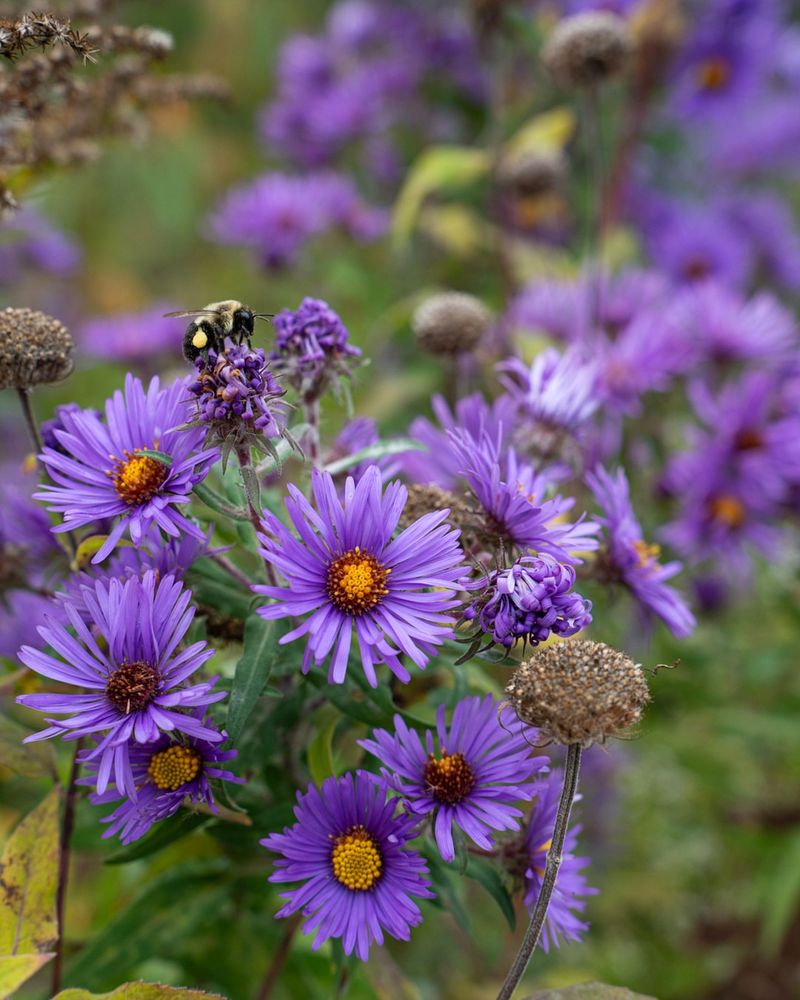
When most other plants are winding down for the year, Aster is just getting started. These daisy-like flowers bloom from late summer through fall, providing a burst of purple, pink, blue, and white color right when Oregon gardens need it most.
They are a lifeline for late-season pollinators like monarch butterflies that are preparing for migration.
Asters grow well in full sun to light shade and prefer average, well-drained soil. Oregon’s mild fall temperatures are actually ideal for them, allowing the blooms to last longer than they would in hotter climates.
Pinching the plants back in early summer encourages bushier growth and more flower buds, which means an even bigger display come September and October.
There is something nostalgic about a border filled with Asters in autumn. The flowers have a cheerful, old-fashioned charm that pairs beautifully with ornamental grasses and late-blooming Helenium.
Varieties like Aster novae-angliae and Aster x frikartii perform exceptionally well throughout Oregon. Plant them toward the back or middle of the border where their height becomes an asset rather than a problem.
Asters are the perfect way to keep your Oregon garden looking vibrant and full of life all the way to the first frost.
9. Geum
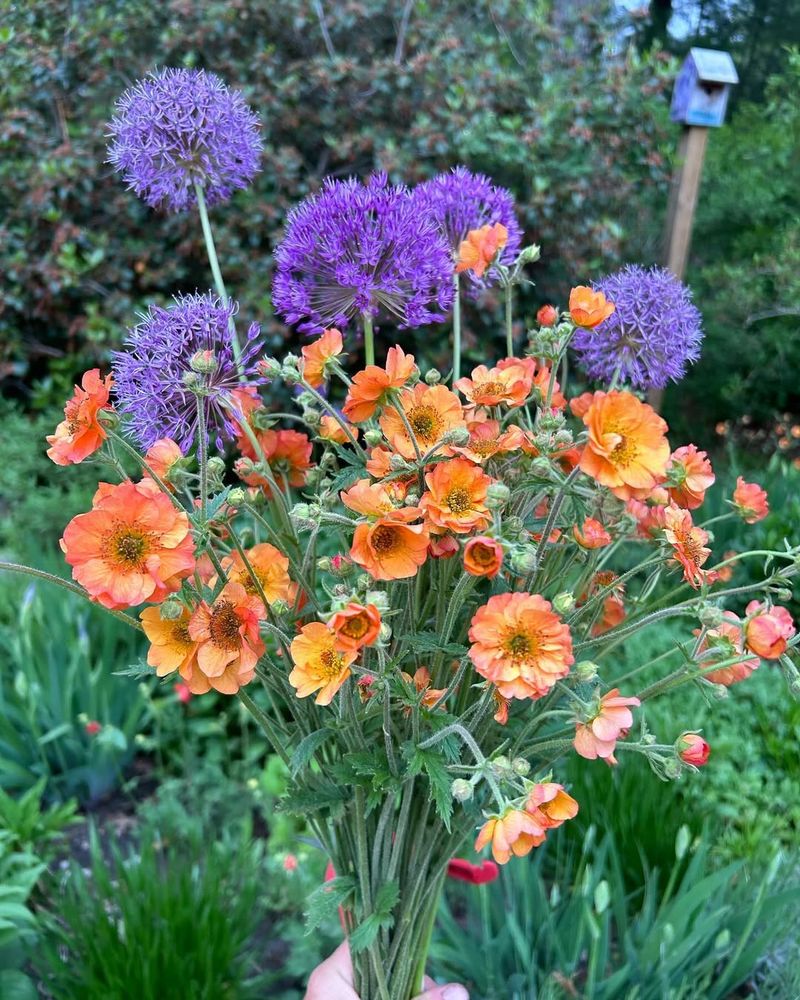
Geum is one of those plants that makes you stop and stare the first time you see it. The flowers look like little roses or buttercups perched on tall, wiry stems, and they come in striking shades of orange, red, yellow, and coral.
Blooming from spring through early summer, Geum kicks off the border season with a lot of energy and personality.
In Oregon, Geum performs best in full sun to partial shade with moist but well-drained soil. It appreciates a bit of afternoon shade in the hotter interior valleys of the state, where summer temperatures can climb.
The basal rosette of rounded, hairy leaves stays evergreen in mild Oregon winters, giving the border some structure even during the off-season.
Deadhead Geum regularly to extend its blooming period as far into summer as possible. Some varieties, like ‘Totally Tangerine’ and ‘Scarlet Tempest,’ have been bred specifically for longer bloom times, making them excellent choices for Oregon border gardens.
Geum pairs beautifully with blue-flowered plants like Catmint and Hardy Geranium, creating a vibrant color contrast. It is not the most commonly discussed border plant, but experienced Oregon gardeners know it is one of the most rewarding ones to grow.
10. Helenium
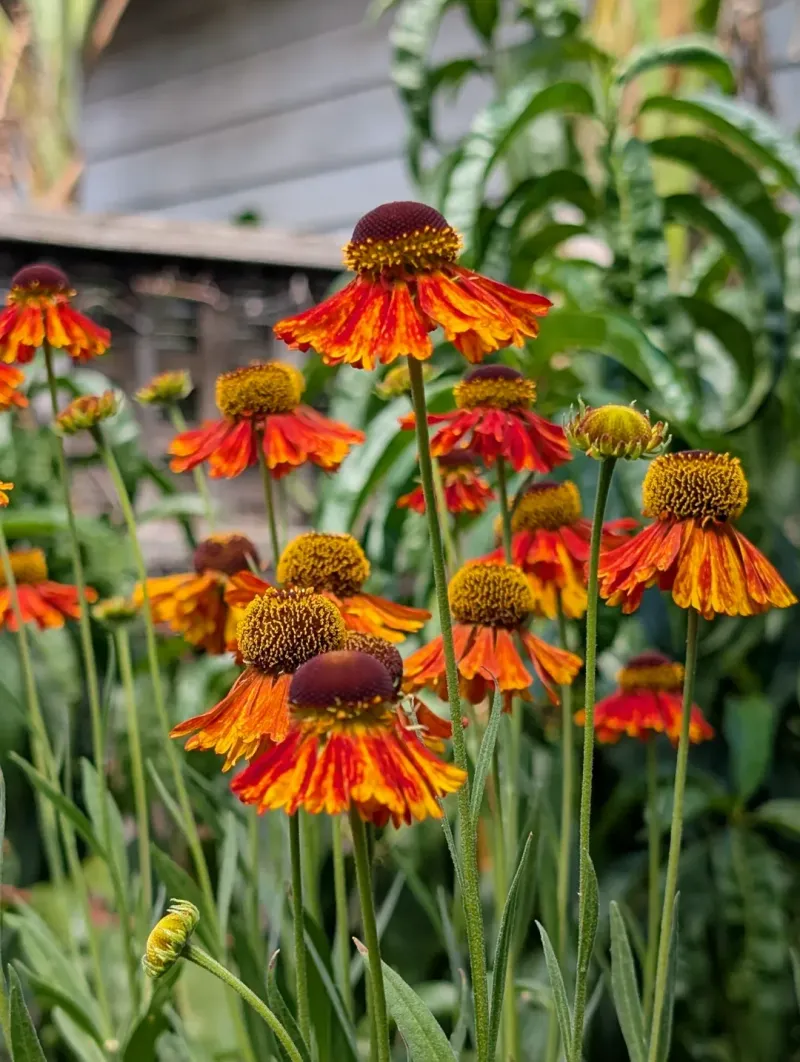
Helenium goes by the charming common name Sneezeweed, but do not let that put you off. It has nothing to do with allergies.
The name comes from an old tradition of making snuff from dried leaves, which is a far cry from what most Oregon gardeners care about. What they do care about is the spectacular display of warm-toned blooms that appear from midsummer through fall.
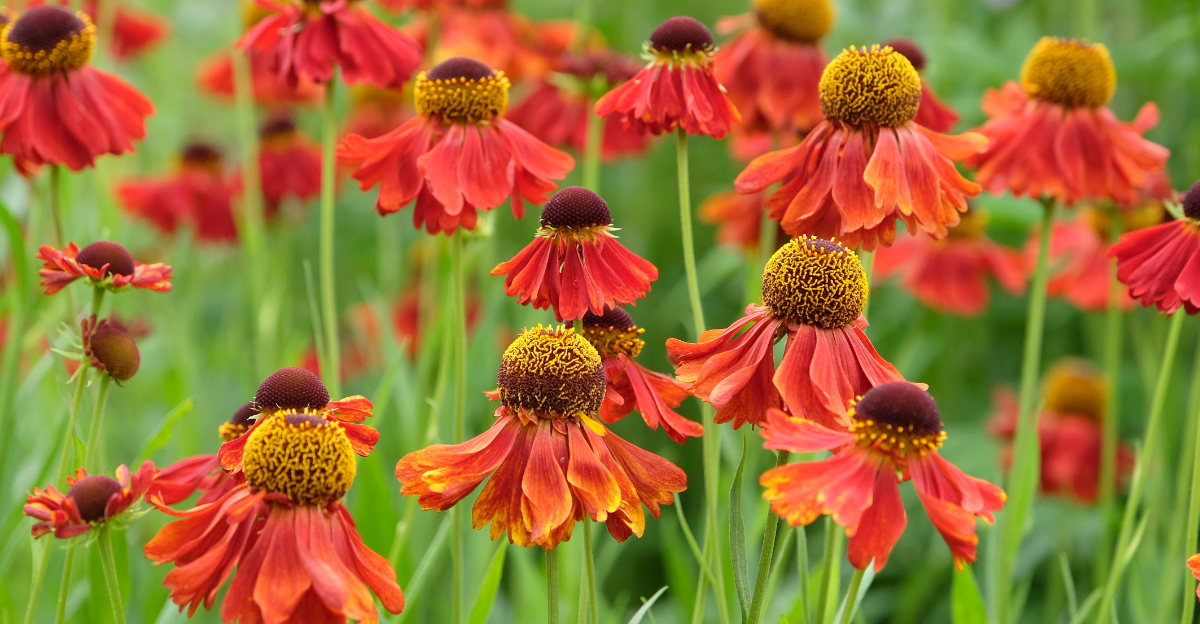
The daisy-like flowers come in rich shades of orange, red, yellow, and bronze, often with contrasting dark centers that add depth and drama to the border. Helenium grows best in full sun and moist, fertile soil.
Unlike some other border perennials, it actually appreciates regular watering, making it a great companion for plants in Oregon’s wetter garden areas.
Pinch back the stems in late spring to encourage a more compact plant and a greater number of flower buds.
Helenium pairs wonderfully with ornamental grasses and late-season Asters, creating a rich, warm palette that feels perfectly suited to Oregon’s golden autumn days.
The flowers are also excellent for cutting and bringing indoors. Bees and butterflies visit Helenium constantly throughout its long bloom season, making it a true workhorse of the fall border garden.
11. Creeping Phlox
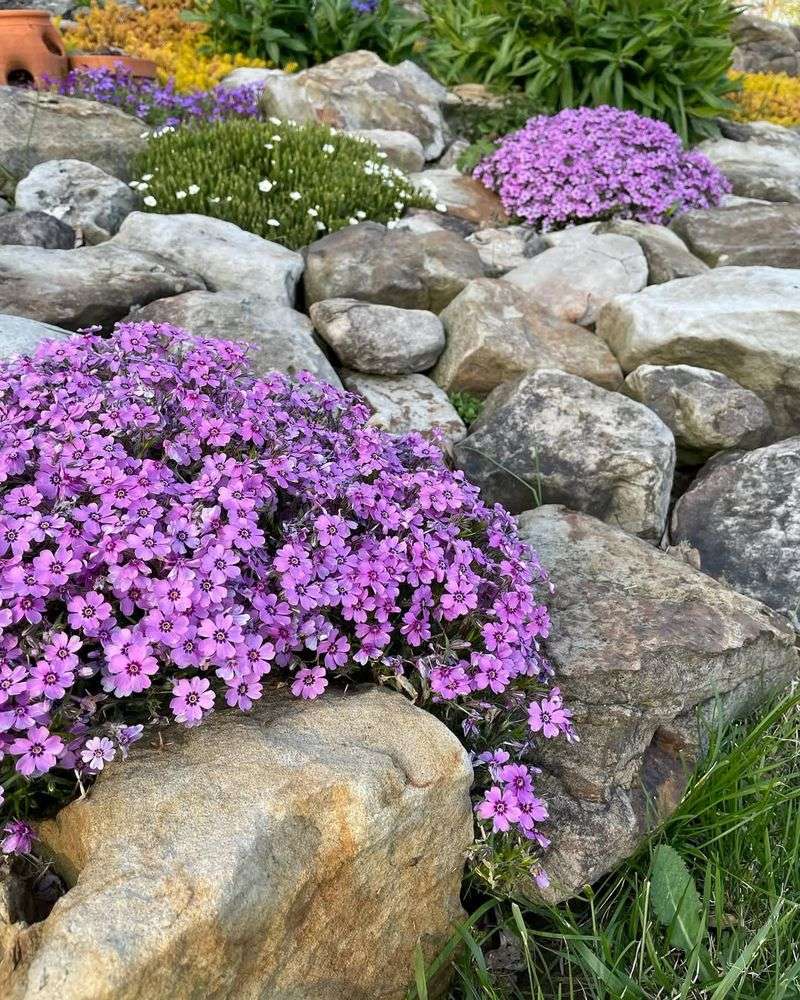
Spring in Oregon gets a spectacular welcome from Creeping Phlox. This low-growing perennial spreads into a dense, colorful mat of star-shaped flowers in shades of pink, purple, white, and lavender.
It typically blooms in early to mid-spring, covering the ground so thickly that weeds barely get a chance to grow underneath.
Creeping Phlox thrives in full sun and well-drained soil, which makes it a natural choice for rocky slopes, stone walls, and the sunny front edges of garden borders across Oregon.
It is evergreen in most parts of the state, meaning the needle-like foliage stays attractive even after the flowers fade.
That is a real bonus for gardeners who want their borders to look tidy year-round.
After flowering, give Creeping Phlox a light trim to keep it compact and encourage healthy new growth for the following spring. It spreads steadily over time, filling in gaps beautifully without becoming aggressive.
The Oregon State University Extension Service recommends it as one of the best choices for sunny border edges in the Pacific Northwest. Pair it with spring bulbs like tulips and daffodils for a breathtaking early-season display.
Creeping Phlox is simple, stunning, and completely dependable in Oregon’s garden conditions.