The Oregon Fruit Tree Planting Calendar Every Gardener Needs
Fruit trees are the kind of garden promise that feels almost too good to be true. Plant a bare-root apple, cherry, pear, plum, peach, or fig at the right time in Oregon, and you are not just adding a tree.
You are setting up future pies, backyard snacks, spring blossoms, shady afternoons, and that very smug joy of saying, “I grew this.” Timing matters, though, because Oregon’s climate loves variety.
Coastal gardens stay milder, the Willamette Valley warms earlier, mountain areas keep frost in the plot, and high desert sites play by their own rules.
Plant too early in soggy soil or too late before heat arrives, and a young tree can struggle before it ever gets going. Get the calendar right, and those roots have a much better chance to settle in strong.
1. Plant Apples Before Spring Wakes Up
Apple trees are the backbone of many Oregon home orchards, and for good reason. They love the mild, moist winters of the Willamette Valley and thrive when planted while still dormant.
The sweet spot for planting in Oregon is late January through mid-March, before buds begin to swell.
Bare-root apple trees are your best bet during this window. They are cheaper, easier to handle, and tend to establish faster than container-grown trees.
Look for disease-resistant varieties like Honeycrisp, Fuji, or Liberty, which do especially well in western Oregon’s rainy conditions.
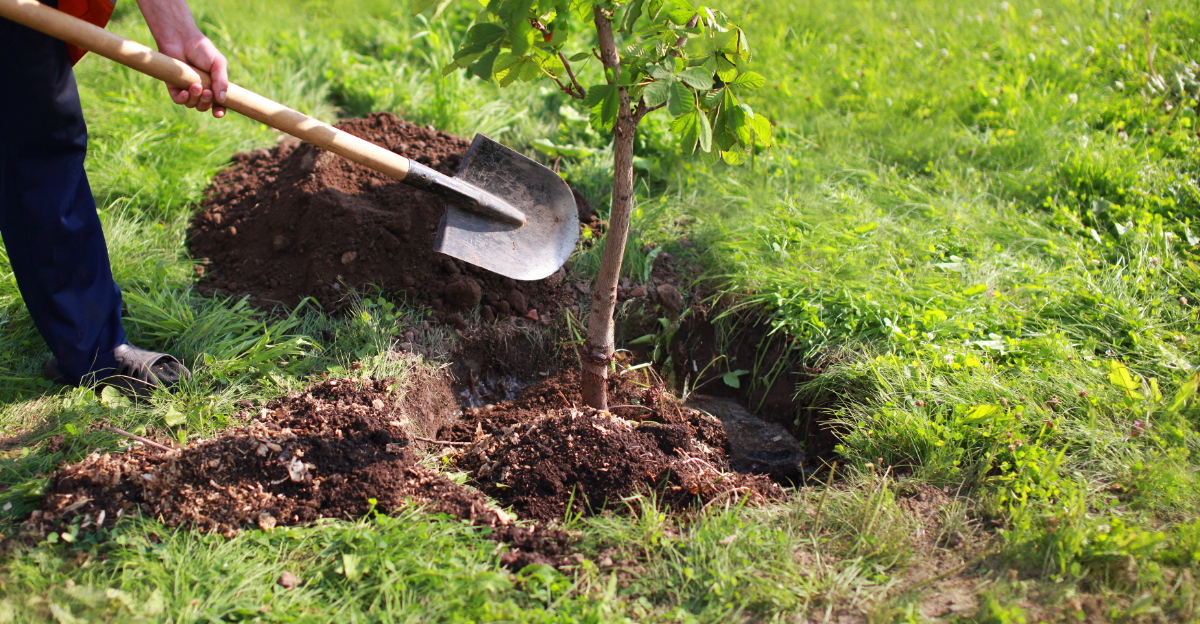
When you plant, dig a hole twice as wide as the roots but no deeper than necessary. Spread the roots out naturally and avoid bending them.
Backfill with the original soil and water deeply right away. Apples need full sun, at least six to eight hours a day, so pick your spot carefully.
Mulching around the base helps hold moisture and keeps weeds back. Keep mulch a few inches away from the trunk to prevent rot.
Most apple trees need a pollinator nearby, so plant at least two compatible varieties within 50 feet of each other for the best fruit set in your Oregon garden.
2. Give Pears A Late-Winter Start
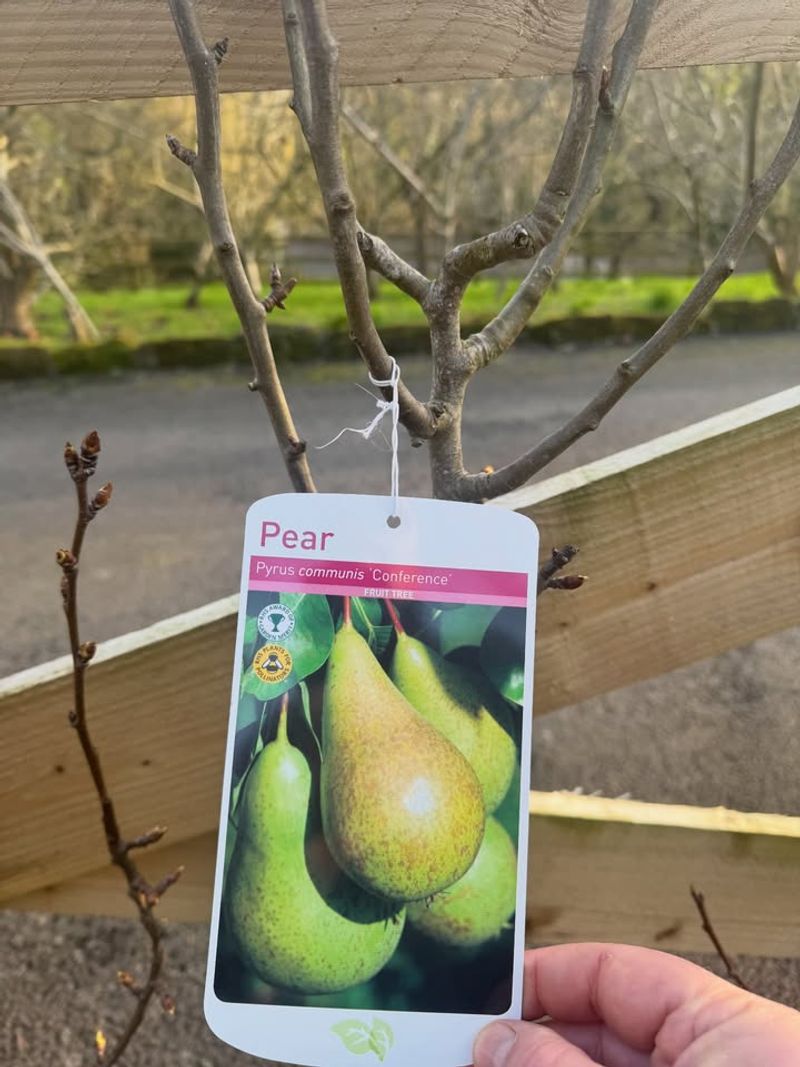
Few things beat biting into a perfectly ripe pear you grew yourself, and Oregon’s climate is practically made for it. Pears are incredibly well-suited to the cool, wet winters of the Pacific Northwest.
Planting them in late February through early March gives their roots time to settle before warm weather arrives.
Bosc and Bartlett are classic choices for western Oregon, while Comice does beautifully in the Rogue Valley near Medford. If you are in eastern Oregon, look for hardier varieties that can handle colder winters and hotter summers.
Bare-root stock is widely available at local nurseries during this window and is easy to plant.
Pears prefer well-drained soil with a slightly acidic pH between 6.0 and 6.5. Before planting, loosen the soil deeply and mix in a little compost.
Avoid heavy clay spots where water tends to pool after Oregon’s winter rains. Good drainage is essential for healthy root development.
Like apples, pears need cross-pollination to produce well. Plant two different varieties close together.
Your Oregon Garden Changes Every Week. Your Plan Should Too.
Gardening in Oregon changes quickly throughout the season. Every Friday you’ll receive a simple weekly plan showing exactly what to plant, prune, fertilize, harvest, and protect so you never miss the right timing.
Stake your young tree if your area gets strong winds off the Coast Range or Cascades. Water consistently during the first growing season to help the roots spread wide and deep.
3. Get Cherries In Before Bud Break
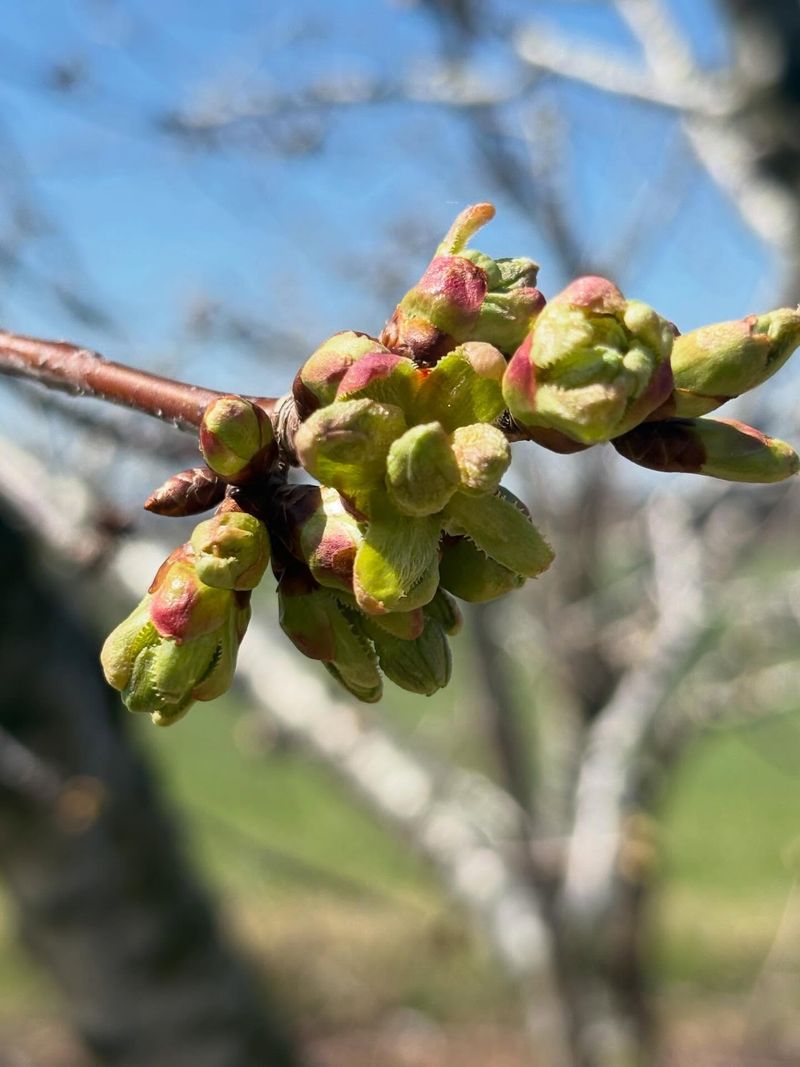
Cherry trees have a sense of urgency about them. They want to be in the ground before their buds start opening, which means you have a fairly tight window in Oregon.
Aim to plant sweet or sour cherries from late January through the end of February for the best results in most parts of the state.
Sweet cherries like Bing and Rainier are extremely popular in the Willamette Valley and the warmer parts of southern Oregon. Sour cherries, such as Montmorency, are tougher and better suited to colder spots in central or eastern Oregon.
Both types need full sun and good air circulation to stay healthy.
Cherry trees are sensitive to waterlogged soil. If your Oregon property has heavy clay, amend it with compost before planting and consider raised beds or berms to improve drainage.
Roots that sit in standing water after winter rains can suffer from crown rot, which weakens the whole tree.
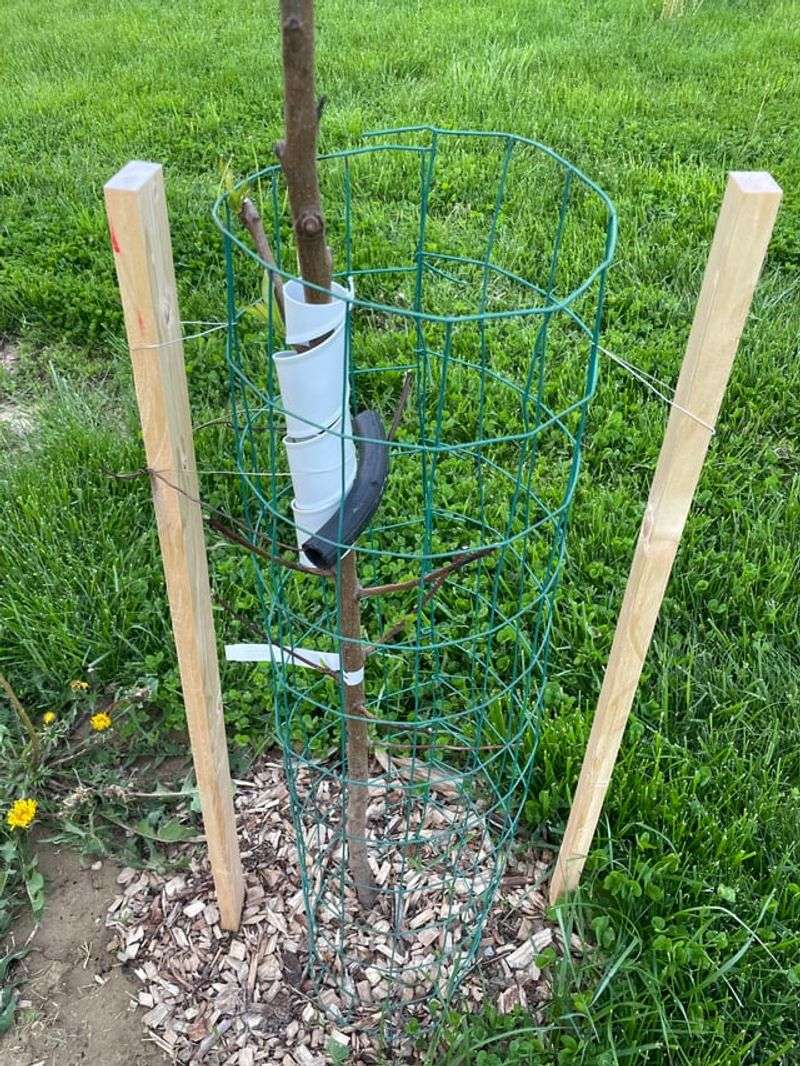
Most sweet cherries need a pollinator, so plant two compatible varieties unless you choose a self-fertile type. Stake newly planted trees and protect the bark from deer, which are common in rural Oregon.
A simple wire cage around the trunk works well during the first few seasons of growth.
4. Plant Plums While They’re Dormant
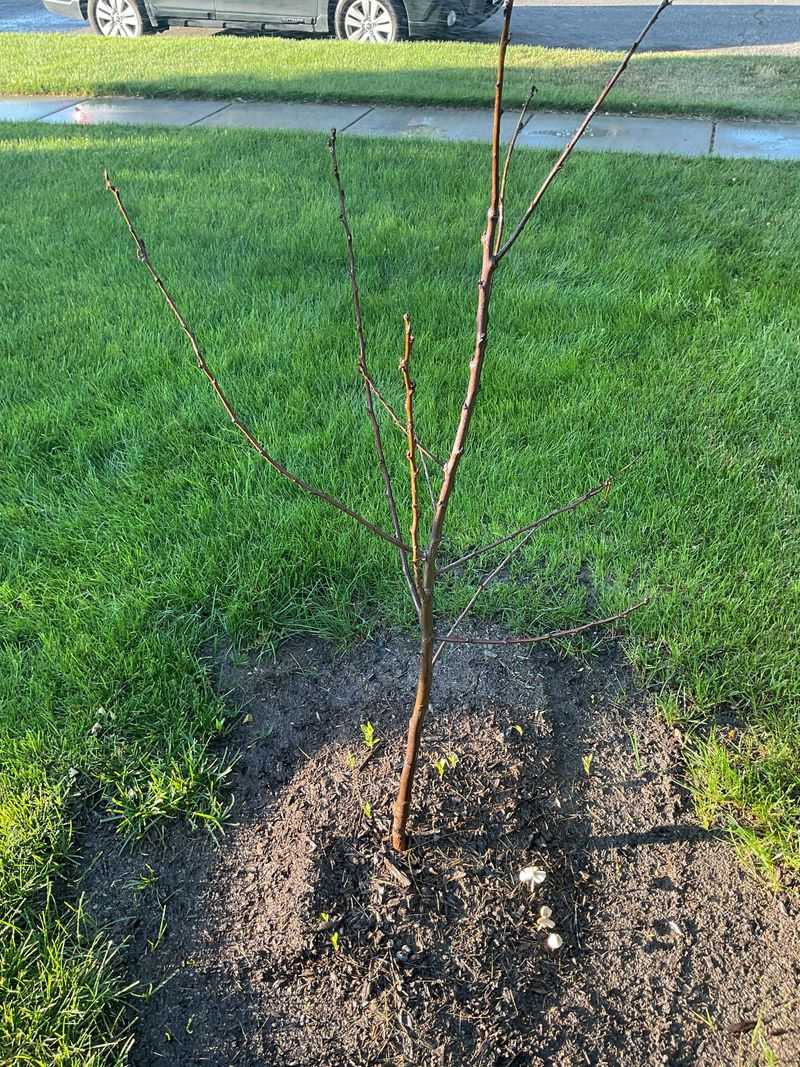
Plums are some of the most forgiving fruit trees you can grow in Oregon, but they still reward gardeners who get the timing right. Planting during full dormancy, from mid-January through February, gives plum trees the best chance to establish strong roots before leafing out.
They wake up fast once temperatures climb, so earlier is better.
European plums like Italian Prune are legendary in the Willamette Valley, where they have been grown commercially for generations. Japanese plums such as Satsuma and Santa Rosa do well in warmer parts of western and southern Oregon.
Choose your variety based on your local climate and how cold your winters typically get.
Plums are not picky about soil as long as it drains well. They can tolerate slightly heavier soils than cherries or peaches.
Dig a wide planting hole, loosen the surrounding soil, and avoid adding too much fertilizer at planting time. Excess nitrogen early on can push leafy growth at the expense of root development.
Water your newly planted plum tree well right after planting and then give it a deep soak every week or two through its first spring and summer. Mulch generously around the base to hold moisture during Oregon’s dry summers.
Most European plums are self-fertile, but Japanese types usually need a pollinator nearby.
5. Wait For Warmer Soil With Peaches
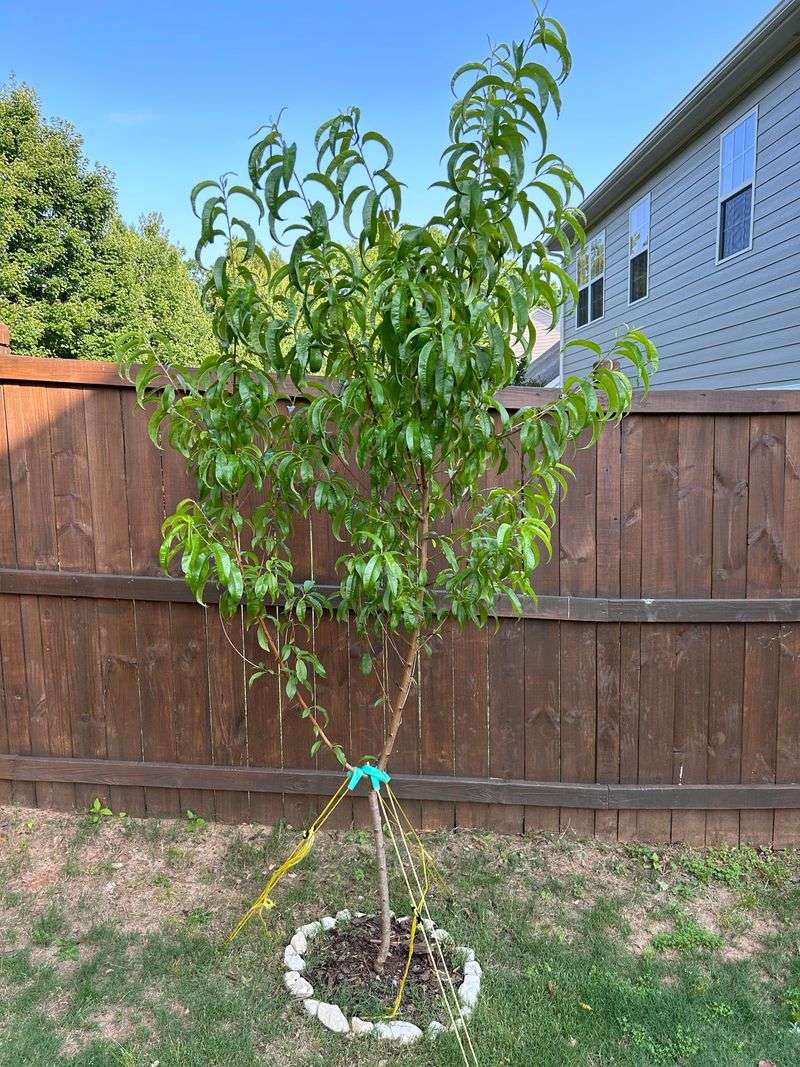
Peaches are the divas of the fruit tree world, and in Oregon, they need a little extra patience. Unlike apples or pears, peaches do best when planted after the soil has warmed up a bit.
Late February through mid-March is the right window in western Oregon, while gardeners in eastern Oregon should wait until March or even early April.
Peaches love heat and sunshine, so plant them in the warmest, most sheltered spot in your yard. South-facing slopes or walls that reflect heat are ideal.
In the Willamette Valley, late spring frosts can be a real threat to peach blossoms, so choosing a frost-protected location is smart planning from the start.
Well-drained, sandy-loam soil is what peaches thrive in. If your Oregon garden has heavy clay soil, build up a raised planting area or add significant amounts of coarse sand and compost before putting your tree in.
Peaches will not tolerate wet feet, especially during winter and early spring when Oregon rain is heaviest.
Many peach varieties are self-fertile, which makes them a good choice for smaller gardens. Redhaven and Reliance are two popular varieties that perform well in Oregon’s climate.
Water consistently during the first growing season and prune lightly each year to keep the canopy open and productive for years to come.
6. Plant Figs After Hard Frosts Pass
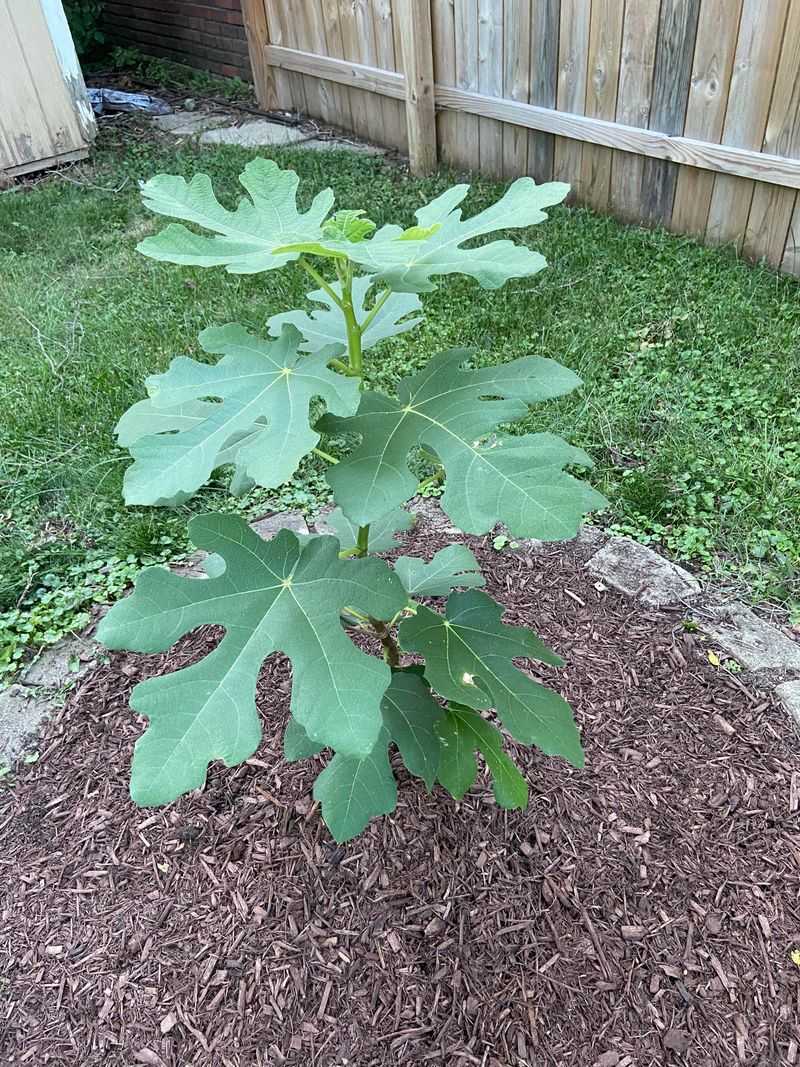
Figs have a bit of a rebellious reputation in the Pacific Northwest, but Oregon gardeners who know their timing are rewarded with incredible harvests. The key is waiting until the last hard frost has passed before putting a fig tree in the ground.
In western Oregon, that usually means waiting until mid-April at the earliest.
Portland and the northern Willamette Valley can still get surprise cold snaps in early spring, so patience really pays off with figs. Southern Oregon near Medford and Ashland is warmer and drier, making it some of the best fig-growing territory in the entire state.
Varieties like Desert King and Lattarula have proven track records in Oregon.
Figs prefer fast-draining soil and a warm, sunny location. They love being planted near a south-facing wall or fence that holds heat overnight.
In colder parts of Oregon, planting against a structure can extend the growing season enough to ripen a full crop before fall arrives.
Container-grown fig starts are more commonly available than bare-root stock, and they transplant easily in spring. Water deeply but infrequently once established.
Figs are drought-tolerant after their first season and do not need much fertilizer. A light layer of mulch and annual pruning to remove crowded branches will keep your fig tree productive for many years.
7. Set Persimmons Out In Spring
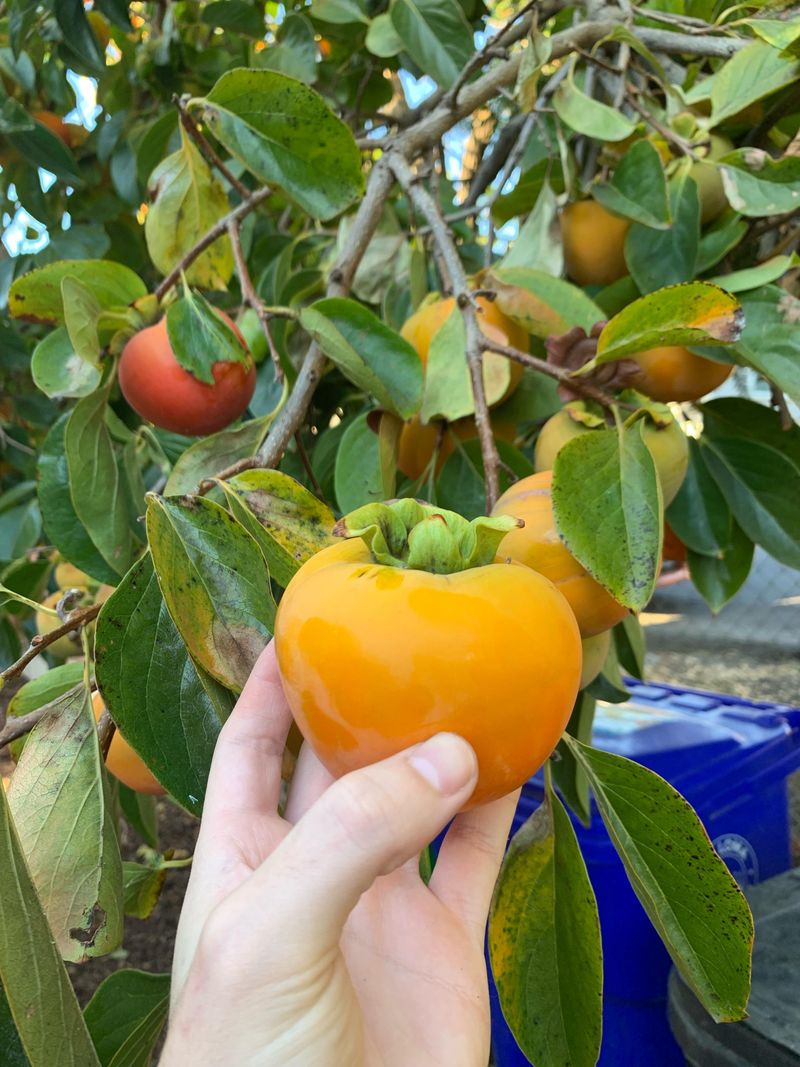
Persimmons are not as common in Oregon gardens as apples or pears, but that is starting to change. More gardeners are discovering that these beautiful trees are surprisingly tough and low-maintenance.
The best time to plant persimmons in Oregon is mid-spring, from April into early May, once nighttime temperatures stay reliably above freezing.
American persimmons are the hardiest option and can handle cold winters in central and eastern Oregon. Japanese persimmons, like Hachiya and Fuyu, are better suited to the milder climate of the Willamette Valley and southern Oregon.
Fuyu is especially popular because it can be eaten while still firm, making it a favorite at farmers markets across the state.
Persimmons are not fussy about soil as long as it drains reasonably well. They adapt to clay, loam, or sandy soils, which makes them a flexible choice for Oregon gardeners dealing with a wide range of soil types.
Avoid planting in spots that flood during winter, since saturated roots can weaken even a tough persimmon tree over time.
Young persimmon trees need consistent watering during their first summer. After that, they are quite drought-tolerant.
They rarely need heavy pruning, just light shaping in late winter. Most Japanese varieties need a pollinator, but Fuyu is self-fertile and a great single-tree option for smaller Oregon yards.
8. Give Asian Pears A Cool-Season Start
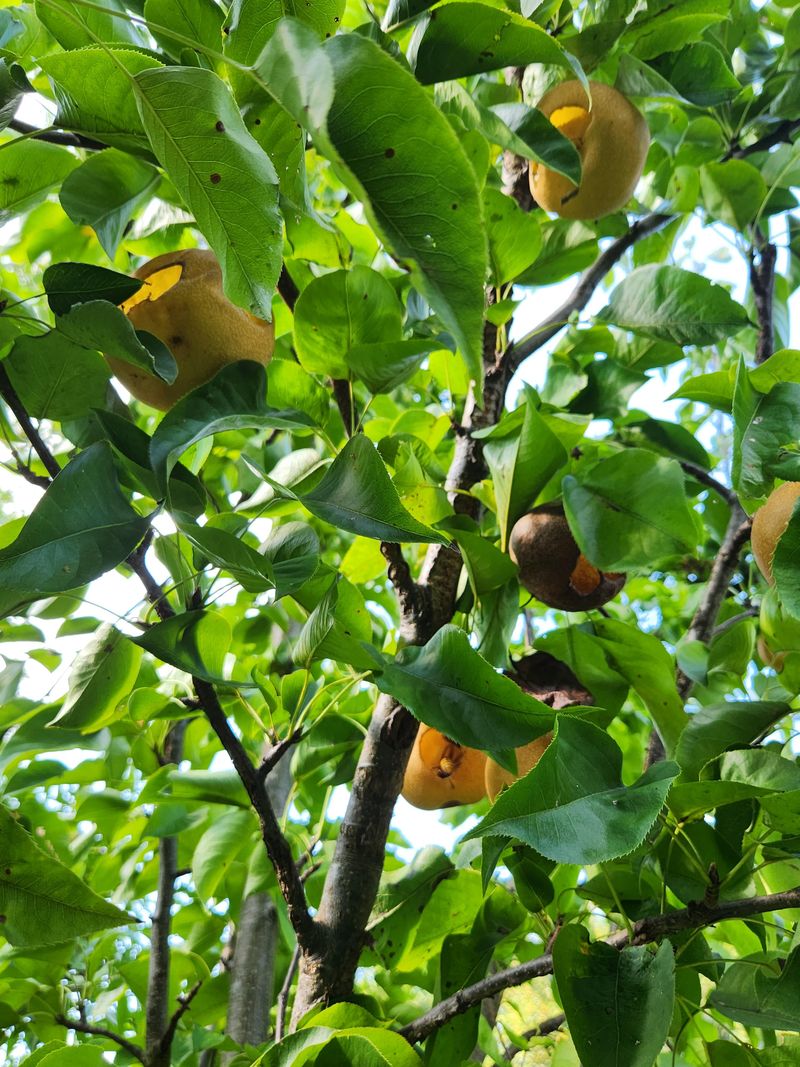
Asian pears are crisp, juicy, and absolutely delicious, and they grow exceptionally well in Oregon. Unlike European pears, Asian pears are eaten firm right off the tree, which makes them a fun and unique addition to any home orchard.
Plant them in late February through March, while the soil is still cool and the trees are fully dormant.
Hosui, Shinseiki, and Twentieth Century are all excellent varieties for Oregon’s climate. They handle the wet winters of the Willamette Valley well and produce heavy crops in most years.
In eastern Oregon, choose hardier varieties and plant a little later in spring when the risk of deep freezes has passed.
Asian pears need full sun and well-drained soil. They are more tolerant of heavier soils than peaches but still appreciate good drainage.
Amend planting holes with compost to improve soil structure, and avoid planting in low spots where cold air pools on frosty nights, which is a common problem in valley floors across Oregon.
Almost all Asian pear varieties need cross-pollination to set fruit, so plant two different varieties near each other. They will often cross-pollinate with European pears as well, which is handy if you already have one in your yard.
Water regularly during the first year and thin fruit aggressively in early summer to get bigger, better pears at harvest time.