How To Start A Productive Spring Vegetable Garden In Western Oregon
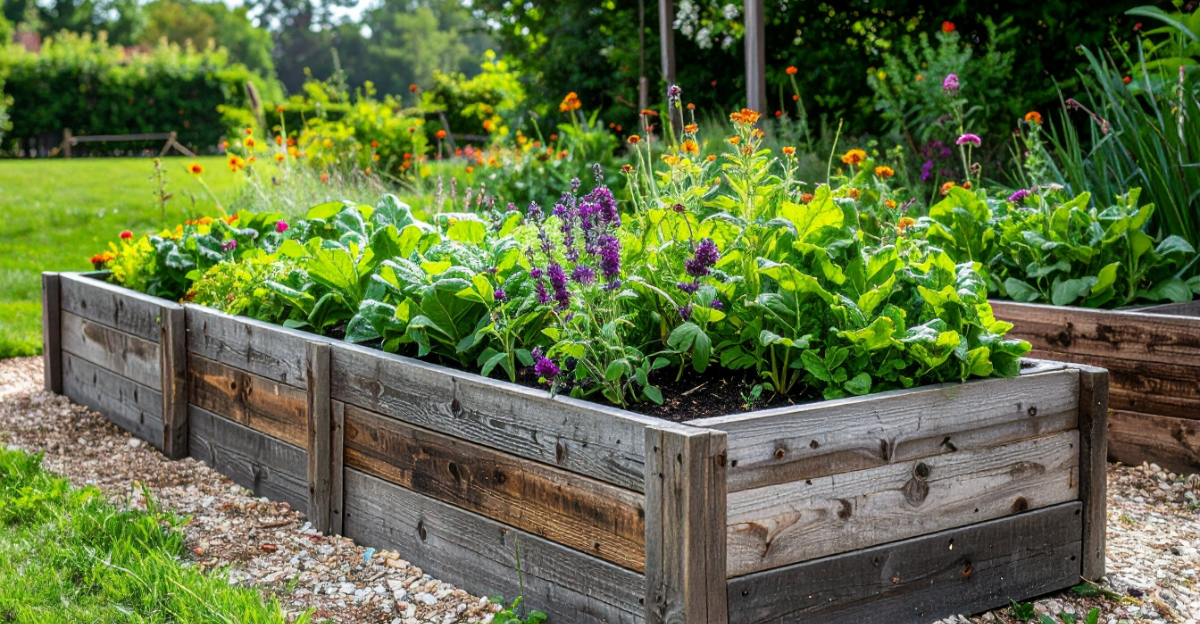
Starting a spring vegetable garden in Western Oregon feels a little like joining forces with the weather and hoping it stays in a good mood.
One minute the soil is ready, the next it is soggy, chilly, and acting like winter never got the memo.
Still, this region can be an amazing place to grow food if you play it smart. The mild temperatures, long growing season, and reliable rain can work in your favor, but timing matters, and so does choosing crops that actually enjoy these conditions.
A productive garden is not about tossing seeds around and crossing your fingers. It is about setting things up so your plants get a strong start and keep growing without constant drama.
With the right plan, even a modest backyard bed can turn into a steady source of lettuce, peas, carrots, kale, and plenty more. Spring is go-time, and your future harvest is ready to get started.
1. Choose Your Sunniest Spot
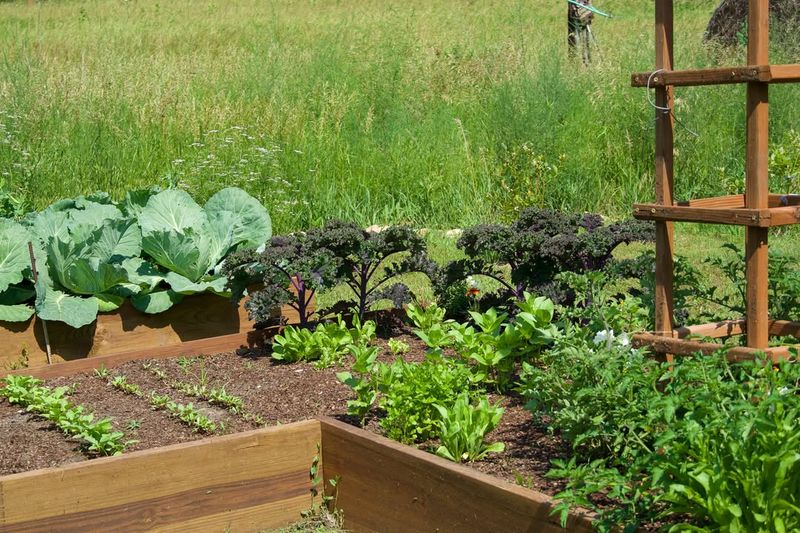
Sunlight is the engine that powers your entire garden. Without enough of it, even the healthiest seeds will struggle to grow into strong, productive plants.
In Western Oregon, where cloudy skies are common in spring, finding the sunniest spot in your yard is one of the most important first steps you can take.
Most vegetables need at least six hours of direct sunlight every day. Walk around your yard at different times of the day and watch where the sun hits longest.
South-facing areas usually get the most light, especially during the shorter days of early spring.
Stay away from spots that sit in the shadow of tall fences, large trees, or buildings. Those shaded areas might look fine in the morning but could be completely blocked by noon.
Also, avoid low areas where cold air and water tend to collect.
Once you find your sunniest spot, take note of how water drains there after rain. Western Oregon gets a lot of rainfall in spring, so good drainage matters just as much as sunlight.
A spot that stays soggy after a heavy rain can cause root problems for your plants.
Picking the right location now saves you a lot of trouble later. A well-chosen garden spot in Western Oregon sets you up for a strong and rewarding harvest season.
2. Wait For Soil To Warm
Eager gardeners in Western Oregon often want to plant the moment February ends, but rushing can backfire fast. Cold soil slows down seed germination and can leave young roots sitting in wet, chilly ground for weeks.
Patience at this stage pays off in a big way later in the season.
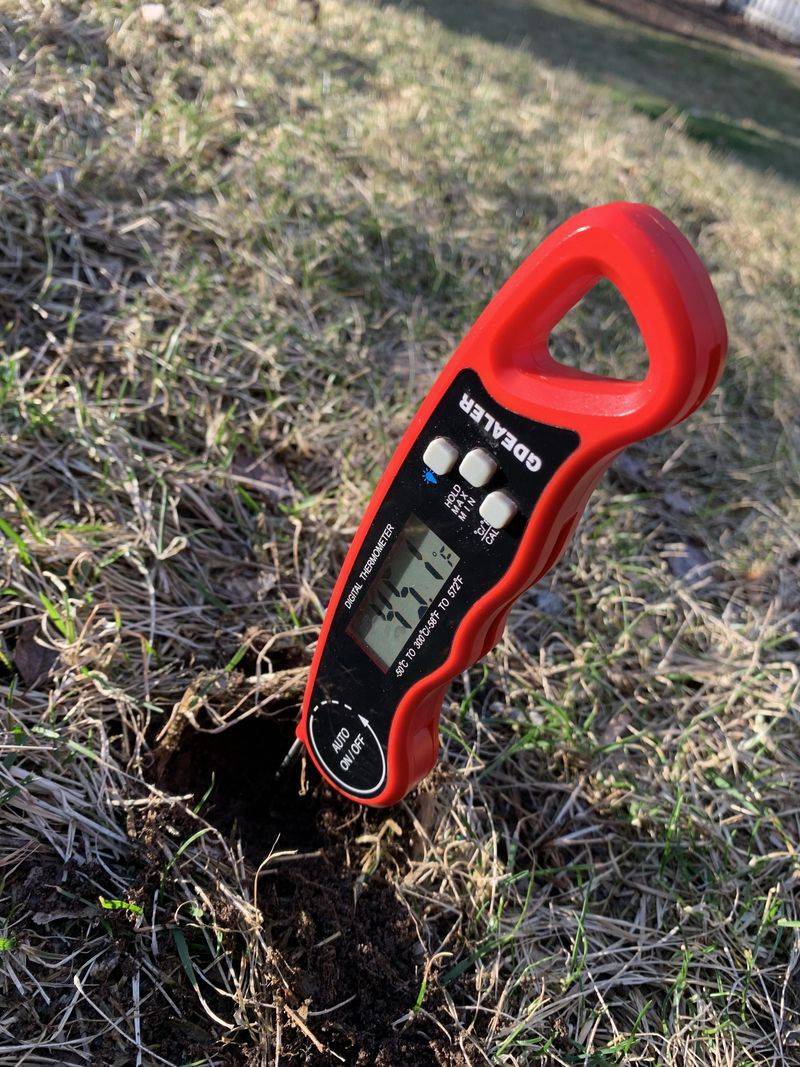
Most vegetable seeds need soil temperatures of at least 40 to 50 degrees Fahrenheit to begin sprouting. Cool-season crops like spinach and peas can handle cooler soil, but even they prefer it to be above 35 degrees.
A simple soil thermometer, available at most garden centers, takes the guesswork out of timing.
In Western Oregon, soil usually starts warming up enough for planting between late February and early April, depending on where you live. Inland valleys like the Willamette Valley tend to warm up faster than coastal areas.
Your Oregon Garden Changes Every Week. Your Plan Should Too.
Gardening in Oregon changes quickly throughout the season. Every Friday you’ll receive a simple weekly plan showing exactly what to plant, prune, fertilize, harvest, and protect so you never miss the right timing.
Check your soil temperature a few inches down, not just at the surface.
Black plastic mulch is a great trick for warming soil faster. Lay it over your garden bed a few weeks before planting and it absorbs heat from the sun, raising the soil temperature underneath.
Remove it right before you plant or cut holes in it and plant directly through it.
Timing your planting with soil temperature rather than the calendar gives your seeds and seedlings the best possible start in Western Oregon’s cool spring conditions.
3. Start With Cool-Season Crops
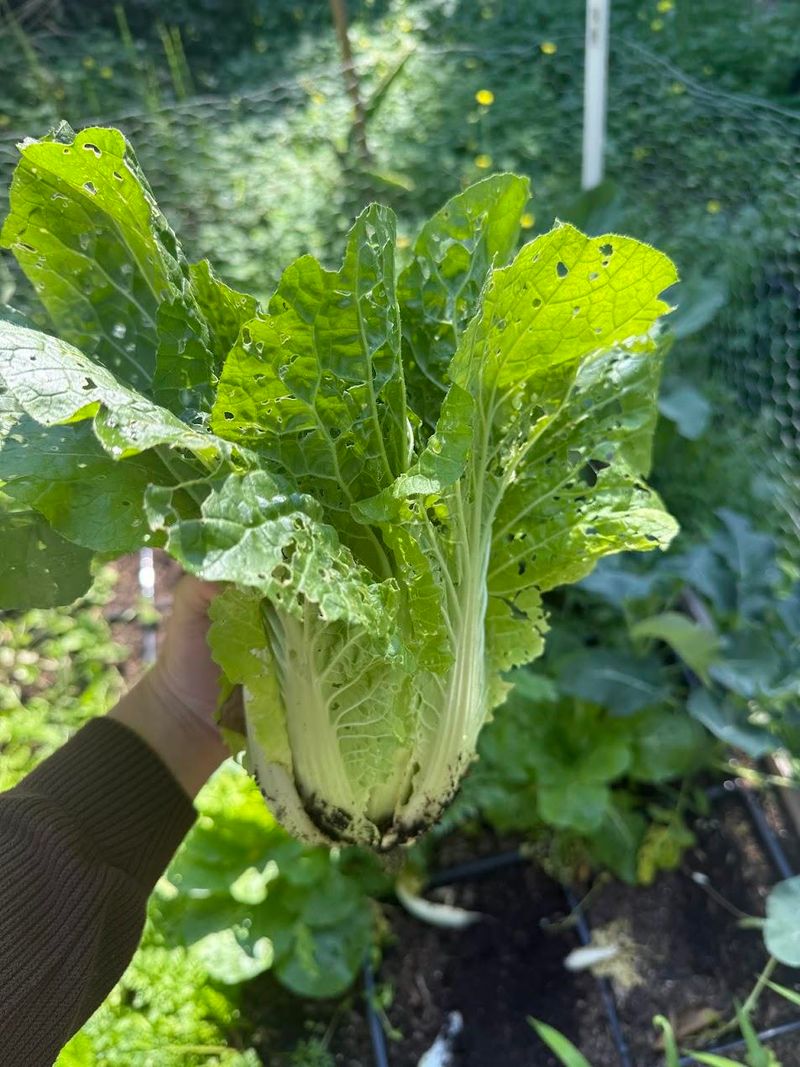
Spring in Western Oregon is cool, damp, and sometimes unpredictable. That actually makes it the ideal time to grow vegetables that love chilly weather.
Cool-season crops thrive in temperatures between 45 and 65 degrees Fahrenheit, which lines up perfectly with what Western Oregon offers from February through May.
Lettuce, spinach, kale, peas, radishes, and broccoli are all excellent choices to start with. These vegetables not only tolerate cool temperatures but actually taste better when grown in them.
Spinach and kale become sweeter after a light frost, and peas produce more pods when nights stay cool.
You can direct sow many of these crops straight into the ground as early as late February or early March in the Willamette Valley. Peas especially love being planted early and will climb happily up a simple trellis as the season progresses.
Radishes are one of the fastest growers and can be ready to harvest in as little as three to four weeks.
Starting with cool-season crops also gives you a head start on the growing season before warm-season vegetables like tomatoes and peppers are ready to go in the ground. You can enjoy multiple harvests from the same bed by replanting after your first round of cool-season crops finishes.
Building your spring garden around these reliable performers makes gardening in Western Oregon both fun and productive right from the start.
4. Add Compost Before Planting
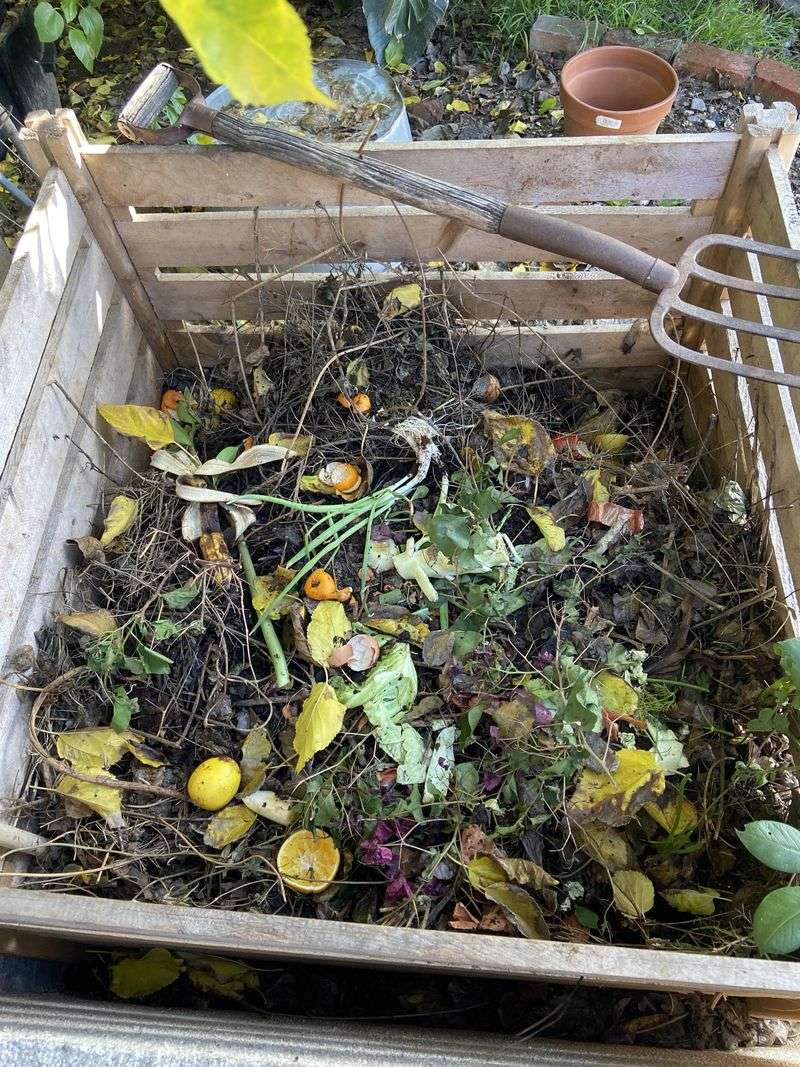
Rich, healthy soil is the foundation of any great vegetable garden. In Western Oregon, the native soil can range from heavy clay to sandy loam depending on where you live.
Adding compost before planting is one of the simplest and most effective ways to improve whatever soil type you are working with.
Compost adds organic matter that loosens dense clay soil and helps sandy soil hold more moisture. It also feeds the billions of tiny microorganisms that live in healthy soil and help plants absorb nutrients.
Think of compost as a slow-release fertilizer that keeps feeding your garden all season long.
Spread two to four inches of finished compost over your garden bed and work it into the top six to eight inches of soil. You can buy compost at garden centers, or make your own using kitchen scraps and yard waste.
Many cities in Western Oregon, including Portland and Eugene, offer free or low-cost compost through local programs.
Adding compost also helps regulate soil pH. Most vegetables prefer a pH between 6.0 and 7.0.
Western Oregon soils tend to be slightly acidic, and compost can help balance that out over time. If your soil is very acidic, mixing in a little garden lime along with compost will help even more.
Making this one extra effort before planting can dramatically improve how well your vegetables grow throughout the entire spring season in Western Oregon.
5. Use Raised Beds If Needed
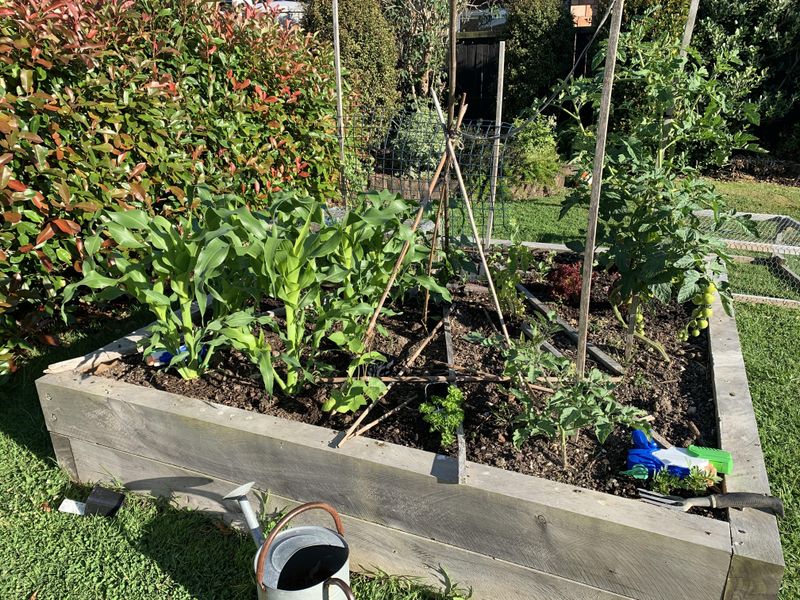
Western Oregon’s rainy winters leave a lot of garden soil soggy and compacted by the time spring arrives. If your yard drains poorly or your native soil is heavy clay, raised beds can completely change your gardening experience.
They give you full control over the growing environment from the very start.
Raised beds warm up faster in spring than in-ground soil because they drain better and have more exposure to air and sunlight. That means you can start planting earlier and extend your growing season on both ends.
For Western Oregon gardeners who want to get a jump on the short early-spring window, this advantage is huge.
Building a raised bed does not have to be complicated or expensive. A simple frame made from untreated lumber, cedar, or even cinder blocks works great.
Fill it with a mix of topsoil, compost, and a little sand for drainage. A depth of at least twelve inches gives most vegetable roots plenty of room to grow.
Raised beds also make it easier to manage weeds, pests, and soil quality over time. You can adjust the soil in a raised bed much more easily than trying to fix a large in-ground plot.
They are also easier on your back since you do not have to bend as far to tend your plants.
For gardeners dealing with tough soil conditions common in parts of Western Oregon, raised beds are a smart and practical solution worth every bit of the effort.
6. Space Plants For Better Growth
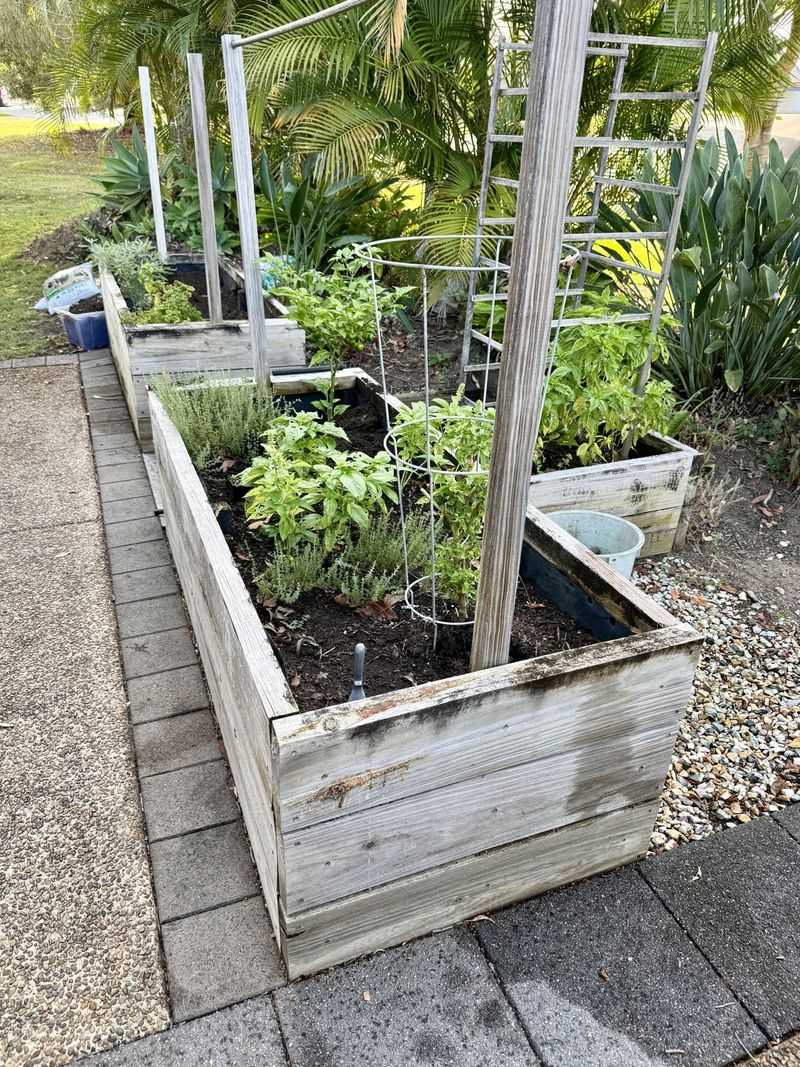
Crowding plants together is one of the most common mistakes new gardeners make. It seems like more plants would mean more food, but the opposite is usually true.
When vegetables are planted too close together, they compete for water, nutrients, and sunlight, and the result is often smaller yields and weaker plants.
Every seed packet and transplant label includes spacing recommendations for a reason. Follow them.
Broccoli needs about eighteen inches between plants. Lettuce can get by with six to eight inches.
Carrots do best when thinned to about two to three inches apart once they sprout. Giving each plant the space it needs allows the roots to spread and the leaves to capture sunlight without fighting neighbors.
Proper spacing also improves airflow around your plants. In Western Oregon, where spring humidity can be high, good airflow helps prevent fungal diseases like powdery mildew and damping off.
These diseases spread quickly in damp, crowded conditions and can wipe out young plants before they have a chance to mature.
Thinning seedlings can feel wasteful, but it is actually one of the kindest things you can do for your garden. Removing weaker seedlings gives the stronger ones room to thrive.
You can even eat many of the thinnings, like young radish greens or baby lettuce leaves.
Getting spacing right from the beginning leads to healthier plants, better harvests, and a much easier time managing your Western Oregon spring garden overall.
7. Protect Young Plants From Cold
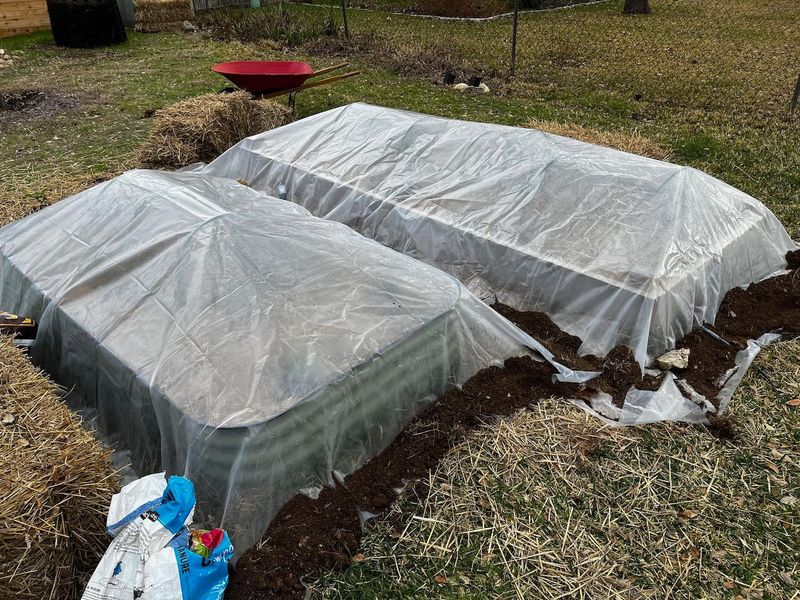
Even after you plant, Western Oregon’s spring weather can throw you a curveball. Late frosts are not unusual in the Willamette Valley through mid-April, and unexpected cold snaps can damage tender seedlings that seemed perfectly safe just a day earlier.
Having a few protective tools on hand makes a real difference.
Floating row covers are lightweight fabric sheets that trap heat around your plants without blocking sunlight or rain. They are easy to drape over a row of seedlings and can raise the temperature underneath by several degrees.
That small buffer is often enough to protect young plants from a light frost overnight.
Cold frames are another great option for Western Oregon gardeners. A cold frame is basically a bottomless box with a clear lid, often made from old windows.
You set it over your plants in the evening and open it during the day to let air circulate. It works like a mini greenhouse and can extend your planting season by several weeks in either direction.
Cloches, which are individual bell-shaped covers placed over single plants, are perfect for protecting transplants right after they go into the ground. They come in plastic, glass, or even homemade versions using plastic jugs with the bottoms cut off.
Keeping a few of these tools ready in your Western Oregon garden shed means a surprise cold night will never catch you off guard or set your whole spring garden back.