These Are The Mistakes Oregon Gardeners Make With Blueberries Every Single Year
Blueberries seem simple until they start sulking. The leaves turn pale, the berries stay small, or the plant barely grows even though it gets plenty of attention.
What went wrong? In Oregon, many blueberry problems come down to soil, water, pruning, or picking the wrong spot in the yard.
These plants are not difficult, but they are picky in ways that really matter. They want acidic soil.
They also need steady moisture without sitting in soggy ground. Skip one basic need, and the harvest can shrink fast.
The tricky part is that some mistakes do not show up right away. A bush may look fine at first, then slow down year after year.
That is frustrating, especially when homegrown blueberries should feel like a summer reward. The good news is that most problems are easy to fix once you know what to watch for.
A few smart changes can help blueberry bushes grow stronger and produce much better fruit.
Planting Blueberries Without Testing Oregon’s Soil First
Most gardeners grab their blueberry plants, dig a hole, and drop them in without a second thought about what is already in the ground. That is one of the biggest and most avoidable mistakes you can make.
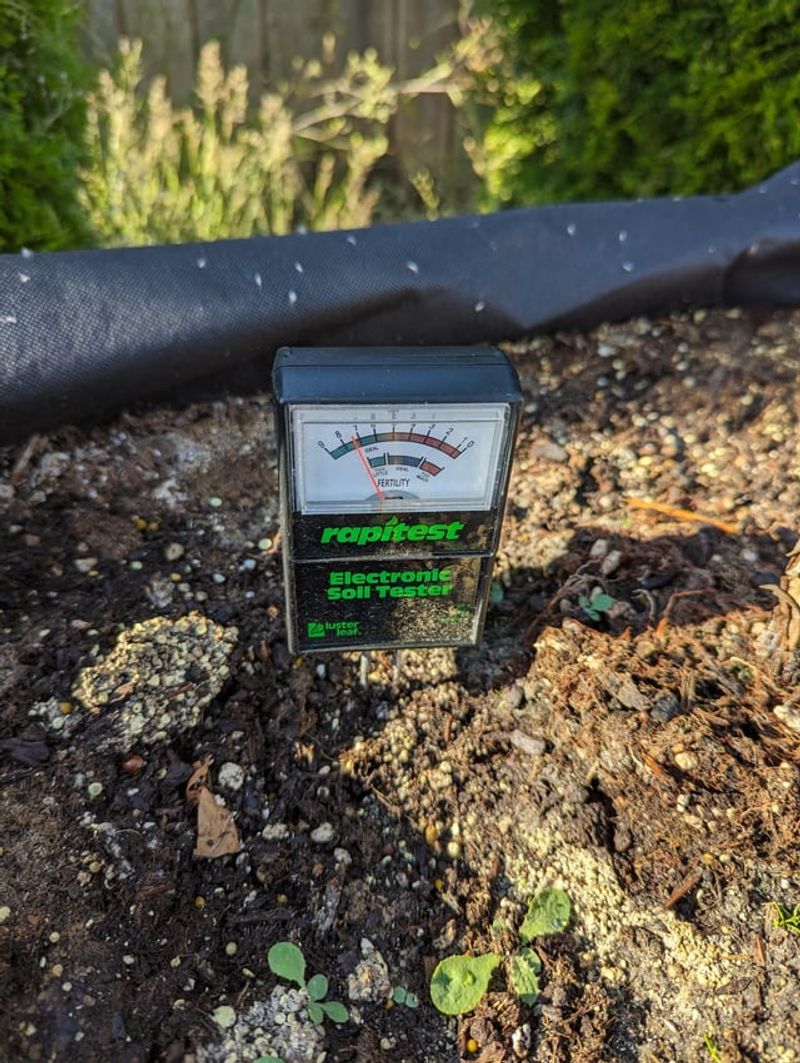
Soil testing is not just for farmers or professionals. It is a simple step that can completely change how well your blueberries grow.
Oregon soil varies a lot depending on where you live. Coastal soils behave differently than valley soils.
High desert soil is a whole other world. Without a test, you are basically guessing, and blueberries do not respond well to guessing.
They are picky plants that need very specific conditions to produce well.
A basic soil test tells you the pH level, nutrient content, and organic matter in your soil. You can get a test kit at most garden centers or send a sample to Oregon State University Extension for a more detailed report.
The test usually costs very little and takes just a few days. Once you know what your soil is working with, you can make smart adjustments before planting.
Fixing soil problems after the plant is already in the ground is much harder and takes longer to show results. Testing first saves you time, money, and a whole lot of disappointment later.
Forgetting That Blueberries Need Acidic Soil To Thrive
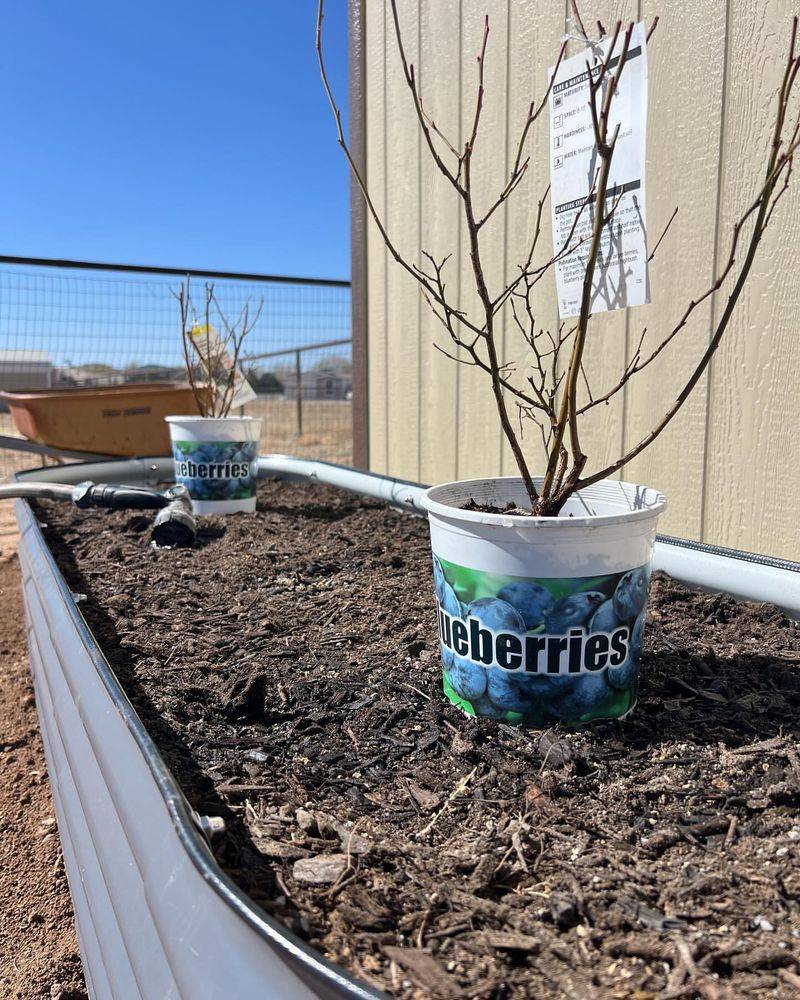
Blueberries are one of those plants that will simply not perform well unless the soil pH is just right. They need a pH between 4.5 and 5.5 to absorb nutrients properly.
That range is much more acidic than what most garden plants prefer, and many soils naturally sit too high on the pH scale.
When the pH is too high, blueberry plants cannot take up iron and other minerals even if those nutrients are present in the soil. The leaves turn yellow, growth slows down, and fruit production drops off fast.
Many gardeners assume the plant is sick or not getting enough water, when the real problem is pH.
Lowering soil pH takes time and patience. Elemental sulfur is one of the most effective amendments for acidifying soil, but it works slowly.
Your Oregon Garden Changes Every Week. Your Plan Should Too.
Gardening in Oregon changes quickly throughout the season. Every Friday you’ll receive a simple weekly plan showing exactly what to plant, prune, fertilize, harvest, and protect so you never miss the right timing.
You may need to apply it months before planting and test again before putting your plants in the ground. Acidic fertilizers and mulches like pine bark or coffee grounds can also help maintain low pH over time.
Once you get the pH into the right range, blueberries reward you with strong growth and heavy fruit production. Keeping that pH stable year after year is one of the most important ongoing tasks for any blueberry grower.
Choosing A Spot With Poor Drainage Or Too Much Shade
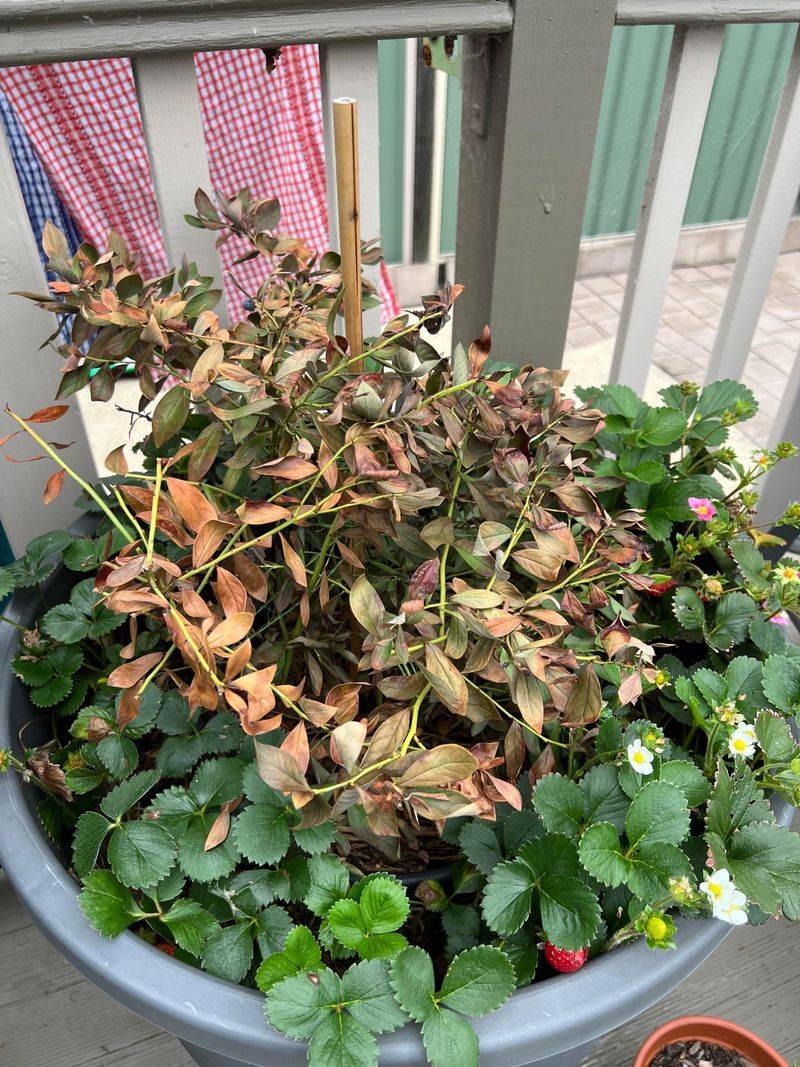
Location matters more than most people realize when it comes to growing blueberries. You might have the best soil in the neighborhood, but if you plant in the wrong spot, your results will always be disappointing.
Two of the most common location mistakes are poor drainage and too much shade.
Blueberries hate sitting in waterlogged soil. Their roots are shallow and sensitive, and standing water cuts off the oxygen they need to function.
Here, where fall and winter rains can be relentless, planting in a low spot or heavy clay soil without drainage is a recipe for root rot and weak plants. Raised beds or mounded planting rows can make a huge difference in wet areas.
Shade is the other big problem. Blueberries need full sun, which means at least six to eight hours of direct sunlight per day.
Less than that and the plants grow slowly, produce fewer flowers, and set much less fruit. Partial shade might look harmless, but over a full growing season it adds up to a significantly smaller harvest.
Before you pick a planting spot, spend a day watching how the sun moves across your yard. Find the sunniest, best-drained area available.
That small bit of planning upfront will pay off with bigger, better blueberry harvests for years to come.
Relying On Oregon Rain And Skipping Summer Watering
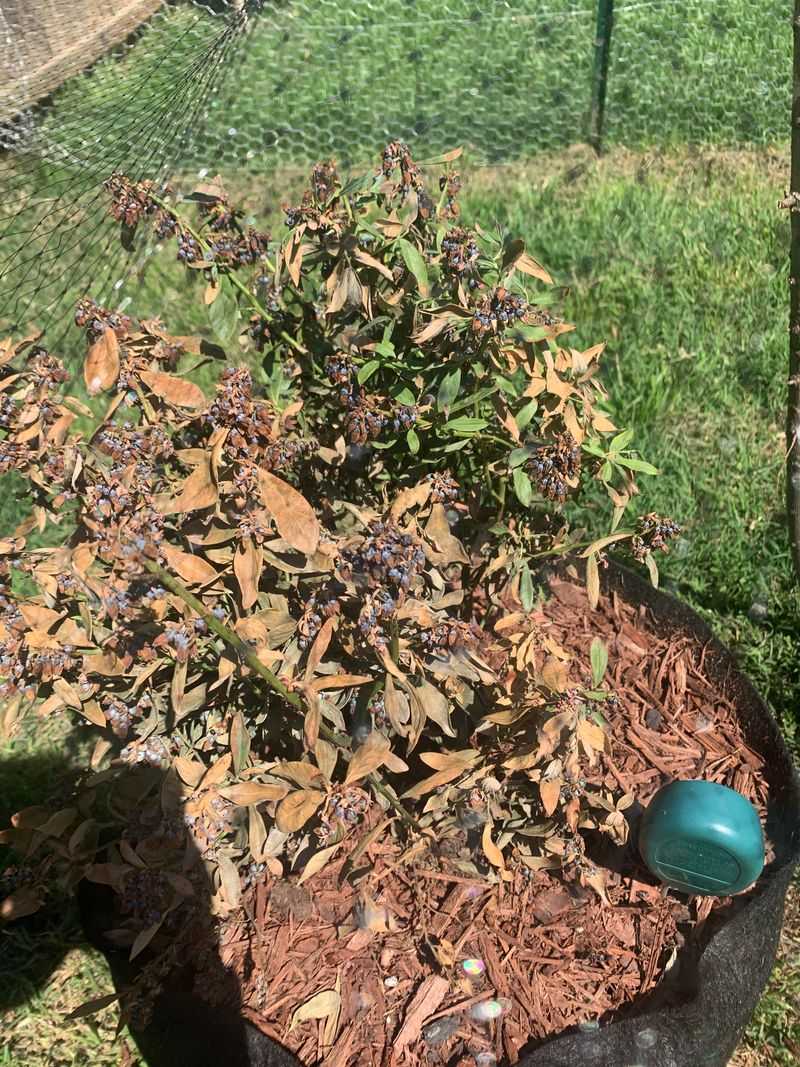
Oregon has a reputation for rain, and that reputation makes a lot of gardeners overconfident. Yes, the state gets plenty of precipitation from fall through spring.
But summers here can be notoriously dry, especially west of the Cascades. That dry season lines up almost perfectly with the time blueberries need water the most.
Blueberries produce their fruit during the summer months. That is exactly when heat and dry conditions peak across much of the state.
Without consistent watering during this period, the plants get stressed, berries shrink, and the overall harvest suffers badly. Shallow roots mean blueberries dry out faster than deeper-rooted plants, so they need more frequent attention than you might expect.
A drip irrigation system is one of the best investments you can make for a blueberry patch. It delivers water slowly and directly to the root zone without wetting the foliage, which helps prevent fungal issues.
Aim for about one to two inches of water per week during the growing season, more during heat waves. Mulching around the base of the plants also helps retain soil moisture between waterings.
Do not assume the clouds will take care of things in summer. Summer watering is not optional for blueberries.
It is one of the most important things you can do to protect your harvest.
Using The Wrong Compost Fertilizer Or Mulch Around Blueberries
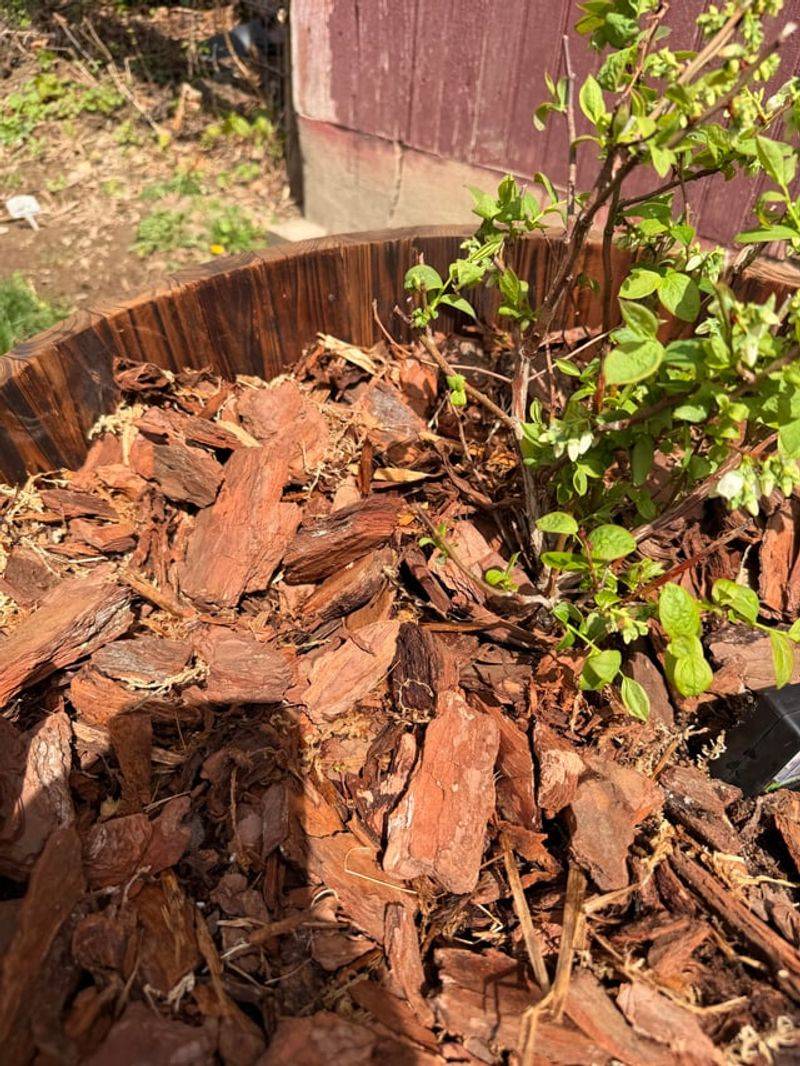
Not all compost, fertilizer, and mulch are created equal, and blueberries are very particular about what goes around their roots. Using the wrong products is one of those mistakes that sneaks up on you.
The plants might look okay for a season or two, then gradually decline without an obvious reason.
Many standard garden composts are made from materials that raise soil pH over time. Wood ash, mushroom compost, and manure-based products tend to be alkaline.
Adding them around blueberries can undo all the acidifying work you did before planting. Fertilizers matter too.
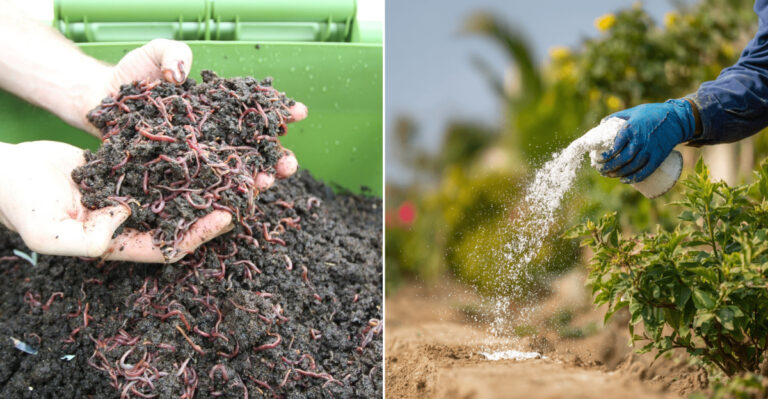
Blueberries prefer ammonium sulfate or fertilizers specifically formulated for acid-loving plants. Regular balanced fertilizers can throw off the soil chemistry and cause nutrient lockout.
Mulch is something blueberries absolutely love, but only the right kind. Pine bark, wood chips from conifers, and sawdust from untreated wood all break down slowly and help keep soil acidic.
They also suppress weeds and lock in moisture, which blueberries benefit from greatly. Avoid using grass clippings, straw, or bark from hardwood trees, as these can raise pH or introduce weed seeds.
Apply mulch about three to four inches deep around the base of each plant, keeping it away from the main stem. Refreshing it every year keeps the benefits going strong.
Letting Weeds Compete With Shallow Blueberry Roots
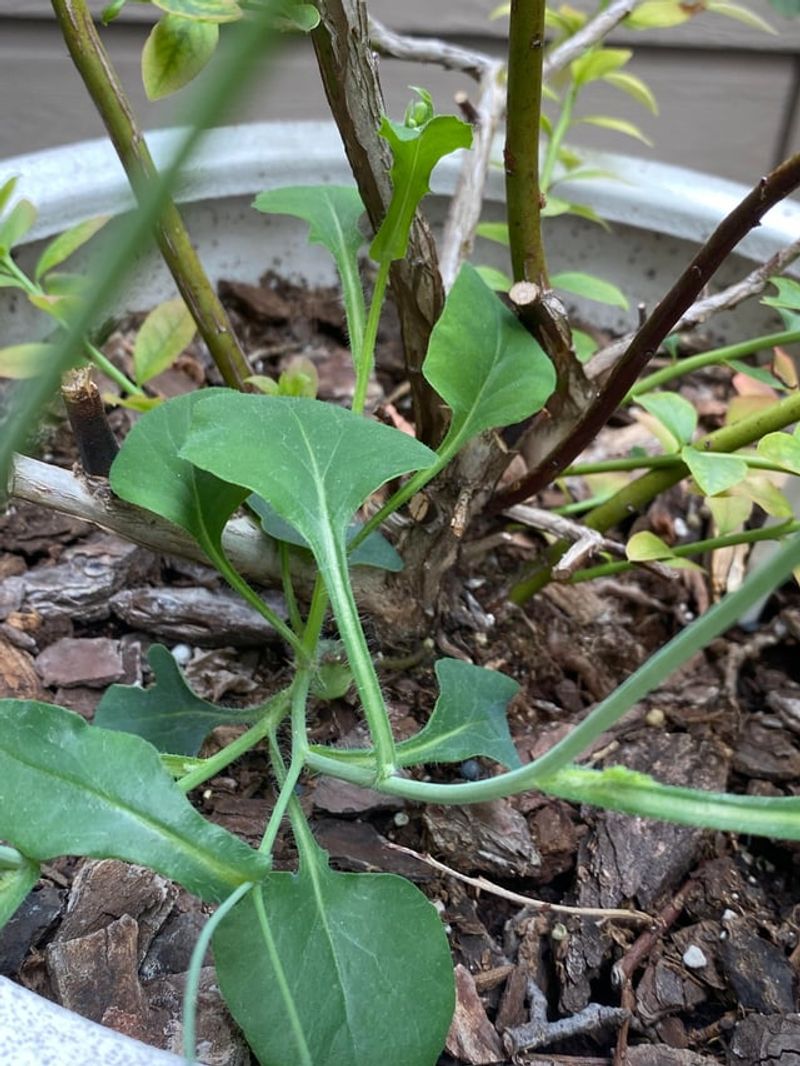
Few garden problems are as quietly destructive as weeds around blueberries. Because blueberry roots sit so close to the surface, they compete directly with weeds for water, nutrients, and space.
What looks like a minor weed problem can actually be stealing a significant portion of what your blueberry plants need to thrive.
Blueberry roots spread out wide and stay shallow, usually within the top six to twelve inches of soil. That makes them incredibly vulnerable to competition.
Weeds that go unchecked can take over quickly, especially during the warm growing months. Grasses and broadleaf weeds are particularly aggressive and can outcompete young blueberry plants with surprising speed.
Hand weeding is the safest method around blueberries because using a hoe or cultivator too close to the plants risks slicing through those delicate shallow roots. Pull weeds early and often before they get a chance to set seed.
A thick layer of mulch, around three to four inches, does a great job of blocking weed growth between your weeding sessions. Some gardeners also use landscape fabric under their mulch for extra weed suppression, though it needs to be permeable to allow water and air through.
Staying consistent with weed control from early spring through summer makes a noticeable difference in how healthy and productive your blueberry plants become over time.
Pruning Too Hard Or Not Pruning At All
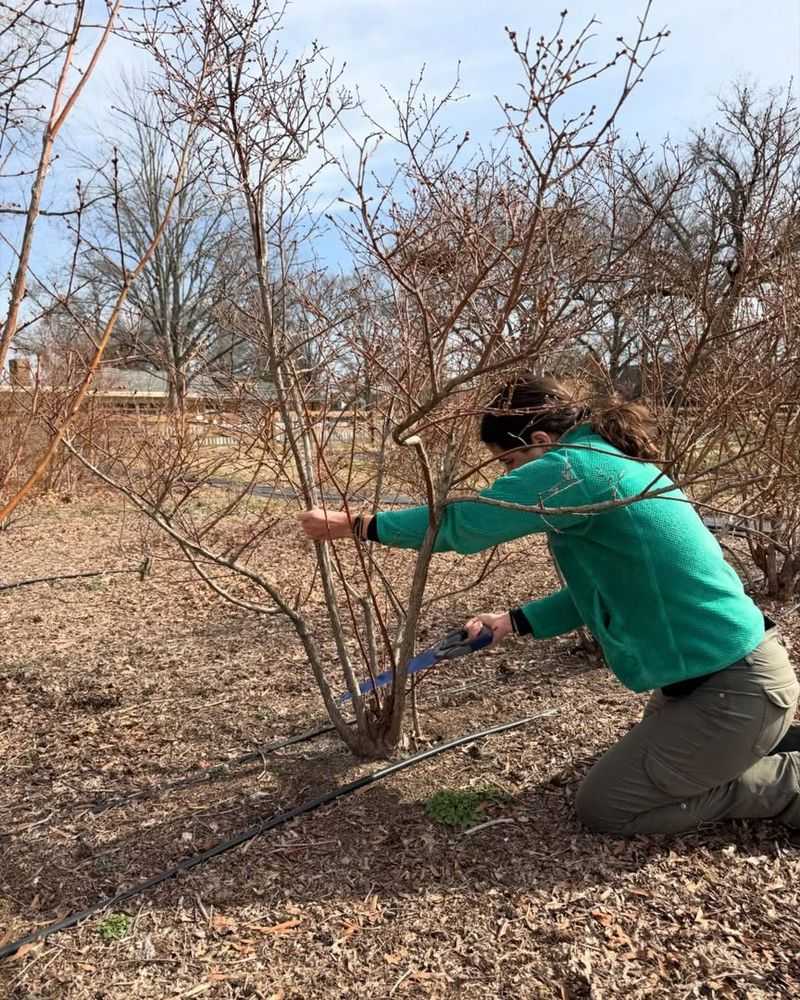
Pruning is one of those garden tasks that makes people nervous, and blueberries seem to bring out the extremes. Some gardeners are afraid to cut anything and let the plants grow wild.
Others get a little too enthusiastic and cut back so hard the plants barely recover. Both approaches hurt production in a big way.
Blueberries produce their best fruit on wood that is two to four years old. Older wood becomes less productive over time.
If you never prune, the plant gets crowded with old, unproductive canes that block light and air circulation. That leads to smaller berries, more disease pressure, and a plant that looks scraggly and tired.
Skipping pruning year after year is a slow decline that many gardeners do not notice until it is too late to fix quickly.
On the flip side, cutting too much at once shocks the plant and removes the canes that were ready to produce a great harvest. The goal is to remove about one-third of the oldest, thickest canes each year during dormancy, which is typically late winter, before new growth begins.
Also remove any damaged or crossing branches. This keeps the plant open, encourages new productive growth, and extends the life of the bush significantly.
Pruning done right is one of the most rewarding things you can do for your blueberry patch.
Picking The Wrong Blueberry Varieties For Your Oregon Region
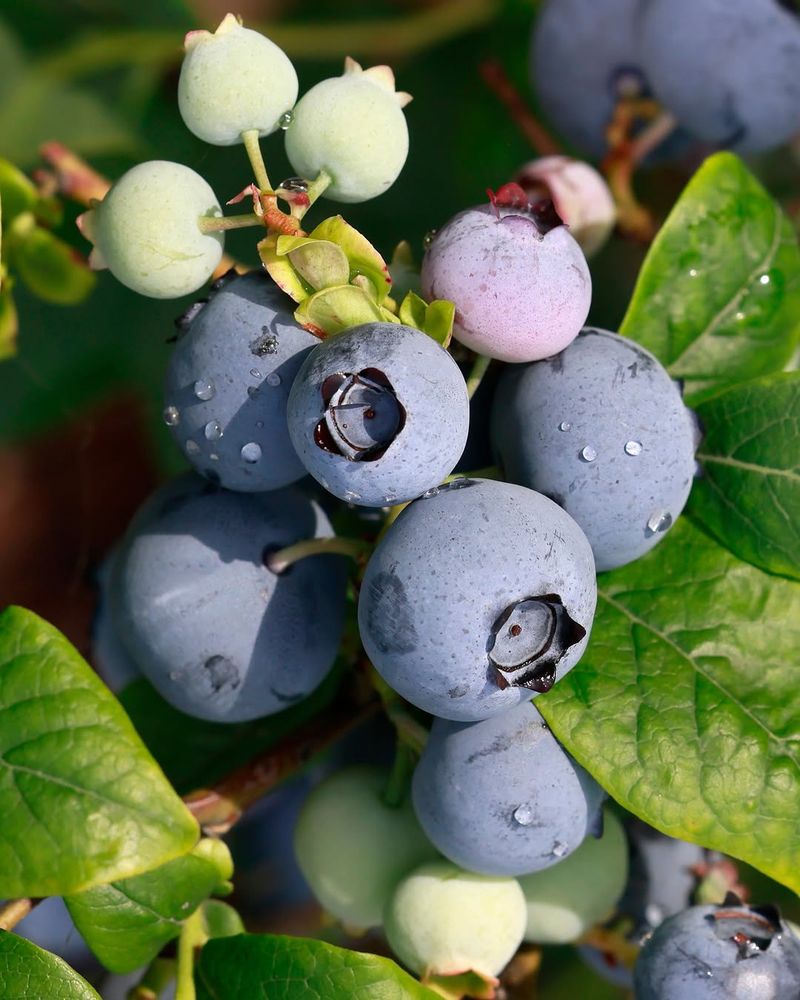
This is a surprisingly diverse state when it comes to growing conditions. The wet, mild climate of the Willamette Valley is completely different from the cold winters of the east or the cool, foggy conditions along the coast.
Picking a blueberry variety without thinking about your specific region is one of the most common and costly mistakes gardeners make.
Highbush varieties like Bluecrop, Duke, and Legacy do very well in the west where winters are mild and summers are warm but not extreme. Southern highbush types can struggle with too much winter cold if planted in higher elevation areas.
Half-high varieties bred for cold hardiness work better in the east, where temperatures can drop well below freezing for extended periods during winter.
Cross-pollination is another factor many people overlook. Planting at least two different varieties that bloom at the same time dramatically improves fruit set and berry size.
A single variety planted alone will produce some fruit, but not nearly as much as a pair of compatible varieties growing side by side. Talk to your local Oregon State University Extension office or a knowledgeable nursery staff member about which varieties perform best in your specific area.
Choosing the right variety from the start gives your blueberry garden the best possible foundation for years of productive, satisfying harvests.