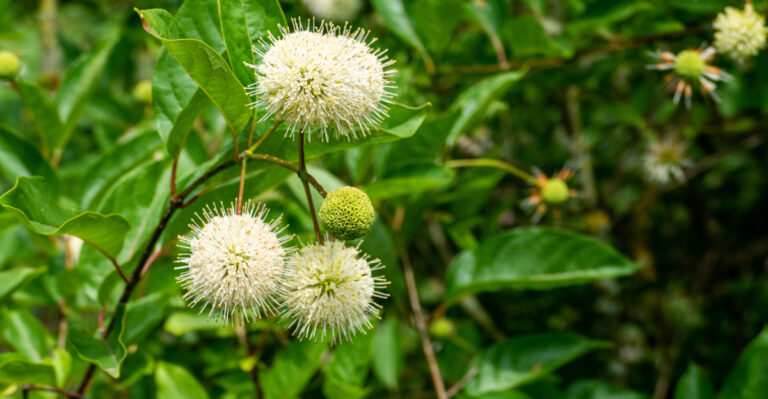
The Low-Maintenance Flowering Groundcover Georgia Butterflies Can’t Get Enough Of
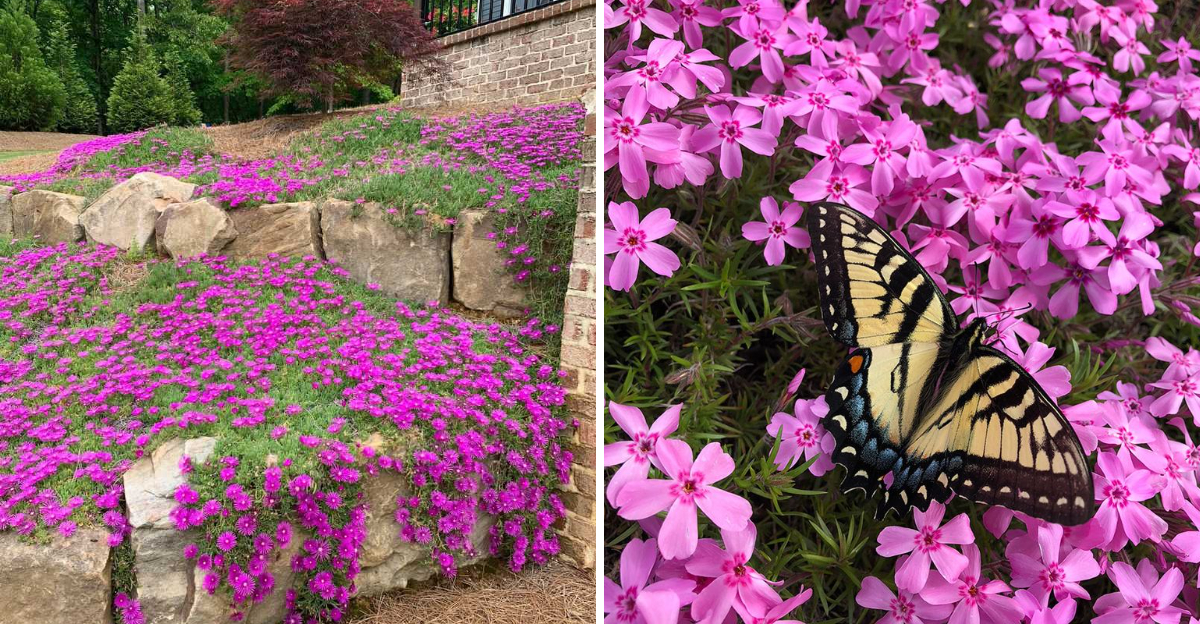
Georgia spring does not wait around, and a front yard can go from dull to desperate for color in what feels like a week. That is where creeping phlox earns its spot.
This low-growing perennial spreads into a bright carpet of blooms just as the season starts warming up, turning sunny slopes, rocky edges, and bare borders into something much more eye-catching. It also helps with more than looks.
Georgia gardeners like it for its easygoing habit, its ability to cover tricky spots, and the steady stream of butterfly activity it brings once flowering begins.
When creeping phlox hits full bloom, it is hard to miss and even harder not to want more of it.
1. Why Creeping Phlox Works So Well In Georgia Yards
Georgia’s clay-heavy soils, hot summers, and unpredictable late-winter freezes can make growing flowering groundcovers feel like a gamble. Creeping phlox, however, is one of those plants that seems built for Southern conditions.
It handles the transition from cool Georgia winters to warm spring temperatures without missing a beat, pushing out dense mats of needle-like foliage that hold their color even in the off-season.
The plant thrives in USDA hardiness zones 3 through 9, which covers all of Georgia comfortably.
That broad range means it can handle both the cooler mountain conditions in North Georgia and the milder, humid climate found farther south.
Well-drained soil is its one firm requirement, and fortunately, that’s easy to achieve in Georgia by choosing sloped beds, raised borders, or amended planting areas.
One of the biggest advantages for Georgia gardeners is how little intervention creeping phlox needs once it establishes.
Unlike fussier flowering perennials that demand regular fertilizing, pruning spent blooms, or replanting, this groundcover just spreads steadily and returns each spring.
It suppresses weeds naturally as it fills in, reducing one of the most time-consuming chores in any Georgia front yard.
For gardeners who want reliable spring color without constant upkeep, creeping phlox earns its place along edges, slopes, and sunny borders across the state.
2. Spring Color That Wakes Up The Whole Front Yard
Few flowering groundcovers put on a show quite like creeping phlox does when Georgia’s spring temperatures climb into the 60s.
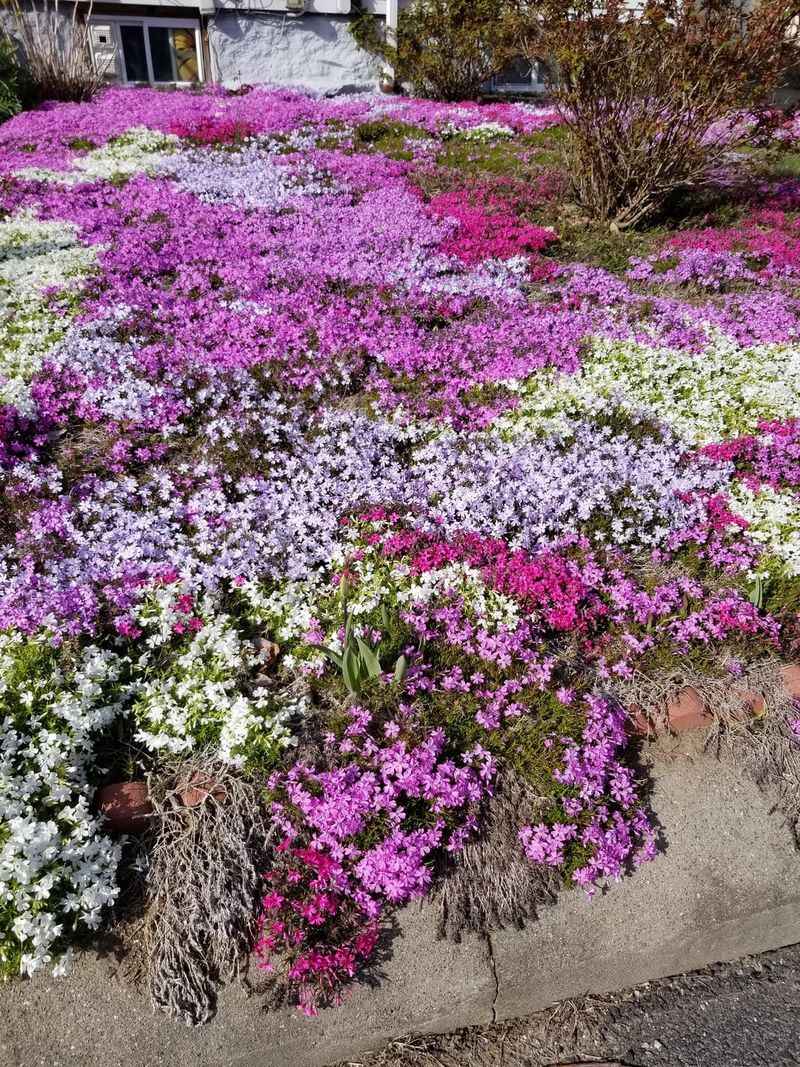
From late March through early May, depending on location within the state, the plant produces masses of five-petaled flowers in shades of pink, lavender, white, and soft blue-purple.
The effect is striking enough to stop neighbors mid-walk.
What makes this bloom season so satisfying is the timing. Creeping phlox flowers right when Georgia gardens are shaking off winter’s dullness, before most perennials have even leafed out fully.
A single established plant can spread two to three feet wide over several seasons, turning a bare slope or flat border into something that looks deliberately designed and well cared for.
Beyond the flowers themselves, the foliage stays semi-evergreen in Georgia’s climate, which means the mat of fine, needle-like leaves remains visible and green-tinted even after blooming ends.
That gives the planting some visual structure through summer and fall, unlike annual groundcovers that disappear entirely.
Your Georgia Garden Changes Every Week. Your Plan Should Too.
Gardening in Georgia changes quickly throughout the season. Every Friday you’ll receive a simple weekly plan showing exactly what to plant, prune, fertilize, harvest, and protect so you never miss the right timing.
Pairing creeping phlox with later-blooming perennials along Georgia walkways or driveway edges creates a layered color sequence that carries interest from early spring well into the growing season.
The spring bloom alone, though, is reason enough for most Georgia gardeners to give it a permanent spot in the front yard.
3. Why Butterflies Keep Coming Back To The Blooms
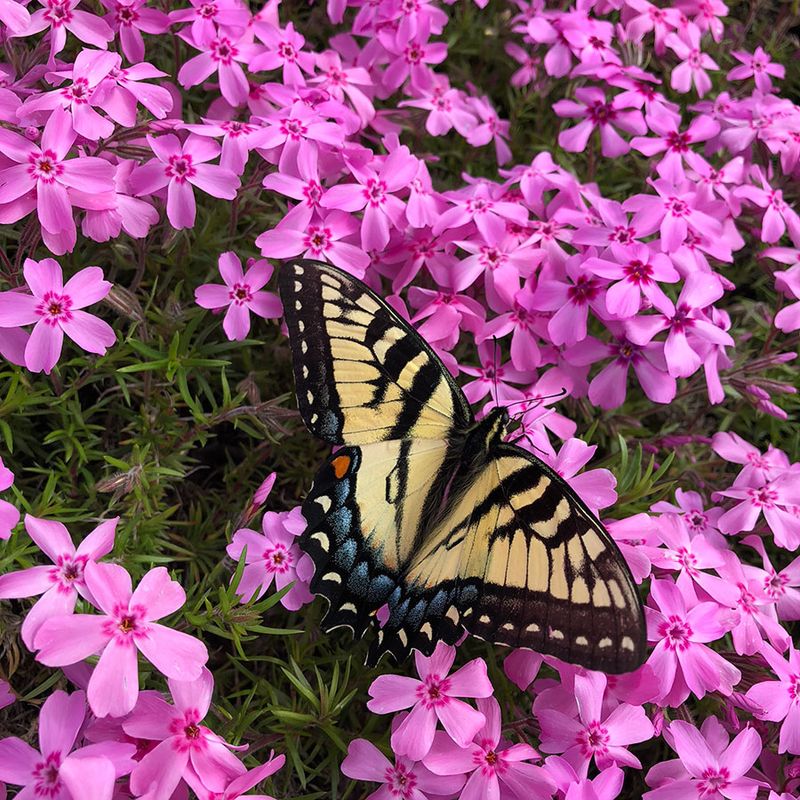
Watch a patch of creeping phlox on a warm Georgia morning in April and the butterfly activity becomes hard to ignore.
Swallowtails, skippers, and sulphurs move from flower to flower with clear purpose, drawn in by the nectar that each small bloom offers.
The dense clusters of flowers act like a landing platform, giving butterflies easy, stable access to feed without much effort on their part.
Creeping phlox blooms during a critical early-spring window when many other nectar sources in Georgia are not yet open.
That timing makes it especially valuable for butterflies that emerge or migrate through the state in late March and April.
Eastern tiger swallowtails, which are among Georgia’s most recognizable spring butterflies, are frequent visitors, and smaller species like the cabbage white and cloudless sulphur show up consistently as well.
The shallow flower structure of creeping phlox suits a wide variety of butterfly species, not just those with long proboscises. That accessibility broadens its pollinator value beyond what many deeper-tubed flowers can offer.
Planting creeping phlox in a sunny Georgia front yard border, especially near existing trees or shrubs that host butterfly larvae, creates a connected habitat that supports the full butterfly life cycle.
It’s a practical way to turn a decorative groundcover into a functioning piece of a pollinator-friendly Georgia landscape.
4. The Sunny Spots Where Creeping Phlox Shines Most
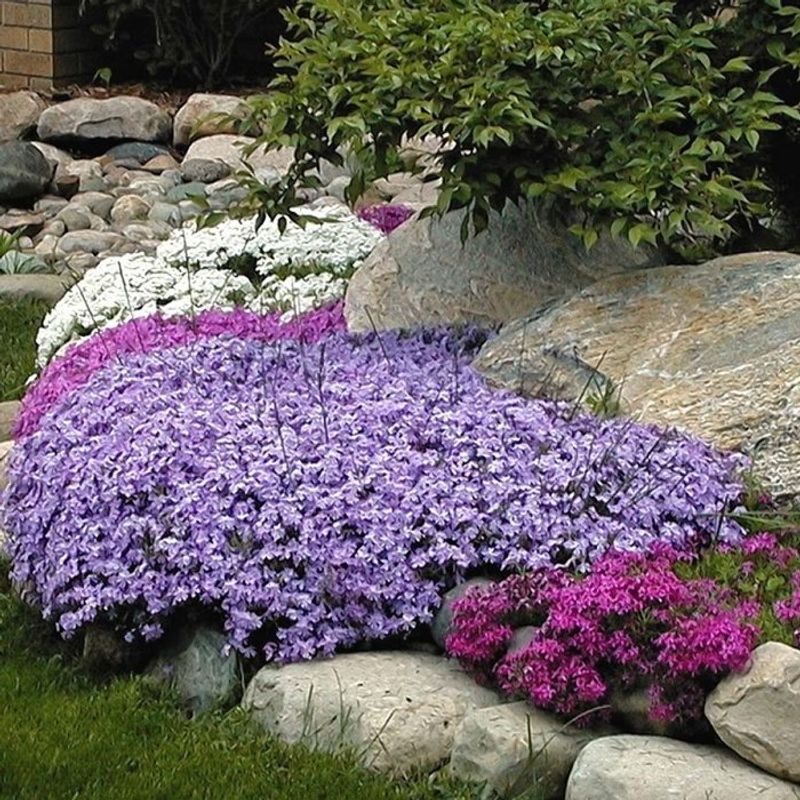
South-facing slopes in Georgia front yards that bake in afternoon sun are exactly the kind of spot where creeping phlox feels most at home.
It performs best in full sun, meaning at least six hours of direct light per day, and that sun exposure is what drives the densest flowering and the most vigorous spread.
Shaded spots under large trees tend to produce sparse, weak growth with far fewer blooms.
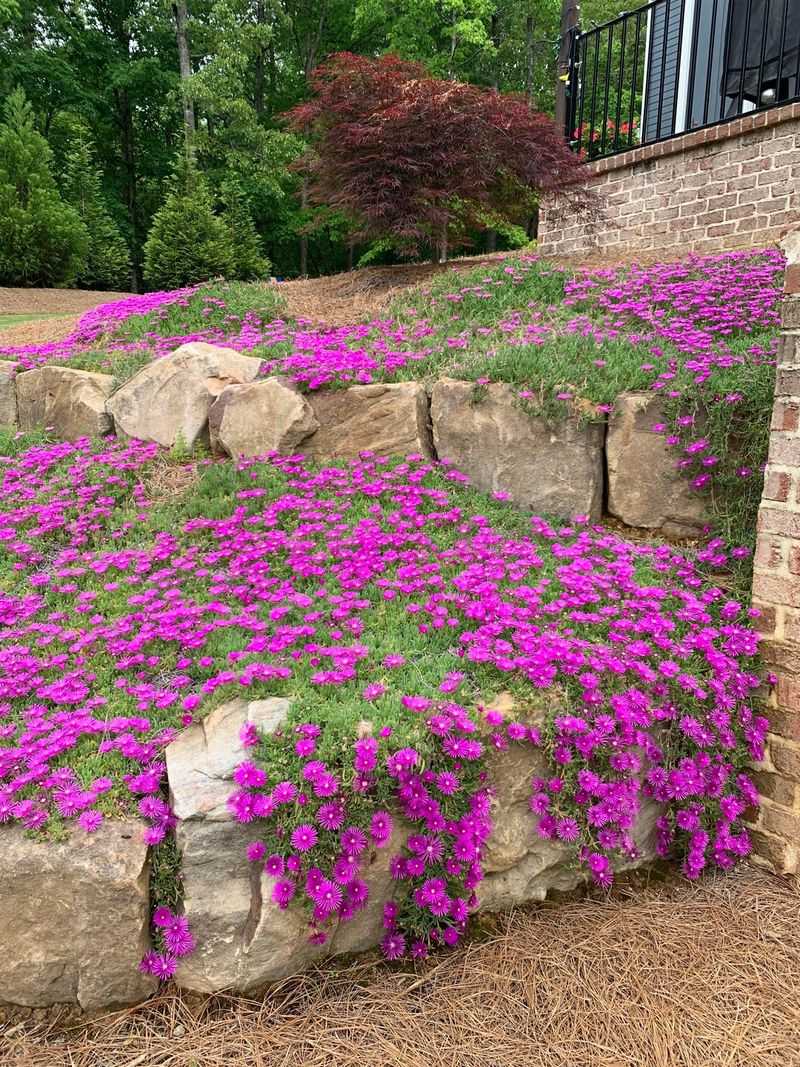
Rock gardens are another natural fit. The combination of excellent drainage, reflected heat, and open sun that rock gardens provide mimics the dry, rocky hillside conditions where creeping phlox grows well in the wild.
Georgia gardeners with sloped front yards, retaining walls, or terraced beds find that creeping phlox anchors those areas beautifully while reducing erosion on steeper ground.
Edges along driveways and walkways also work well, provided the area gets consistent sun and the soil drains reasonably fast after rain.
In Georgia, where heavy clay soils can hold moisture longer than creeping phlox prefers, slightly raised beds or amended planting strips along hardscaping give the roots the drainage they need.
Spots that receive morning sun and a bit of afternoon shade in the hottest part of summer can also work in the warmer regions of Georgia, where intense heat sometimes stresses the foliage if drainage is not ideal.
5. How This Groundcover Helps Fill Bare Edges Fast
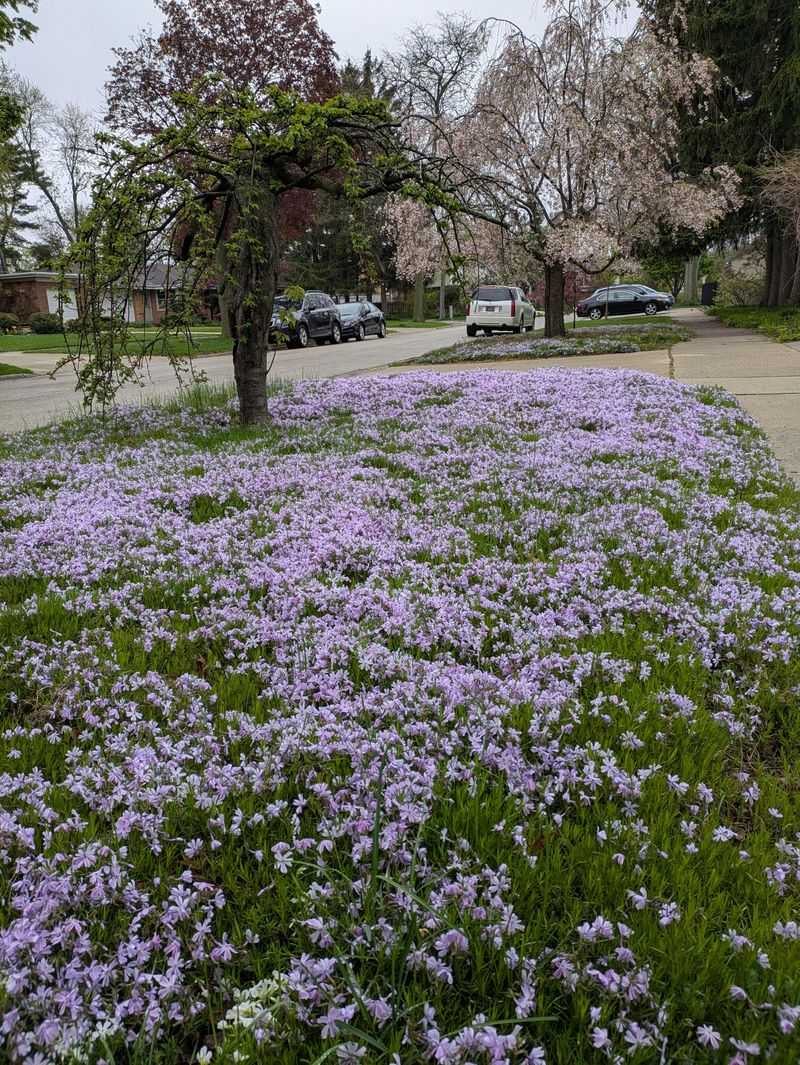
Bare soil along walkway edges, property borders, and front-yard beds is an open invitation for weeds, and in Georgia’s warm growing season, those weeds move fast.
Creeping phlox works as a natural solution by spreading horizontally and forming a dense mat that shades out competing plants before they can establish.
It won’t eliminate every weed immediately, but over two to three seasons, an established planting significantly reduces the amount of hand-weeding a gardener has to do.
New plants spread roughly one to two feet per year under good conditions, which means a row of starter plants spaced twelve to eighteen inches apart will knit together into a solid groundcover within a couple of growing seasons.
That rate of spread is steady without being aggressive, so creeping phlox fills gaps without taking over nearby plantings the way some groundcovers do in Georgia’s fertile soils.
For gardeners tackling a long driveway edge or a wide front border that looks patchy after winter, planting creeping phlox in early spring gives it the entire warm season to root in and begin spreading.
Mulching lightly between new plants during the first season helps hold moisture and discourages weeds while the groundcover fills in.
Once established, the mat itself takes over that job. The result is a cleaner, more finished edge that requires far less ongoing attention than bare soil or traditional mulch beds.
6. What Creeping Phlox Needs For Strong Spring Growth
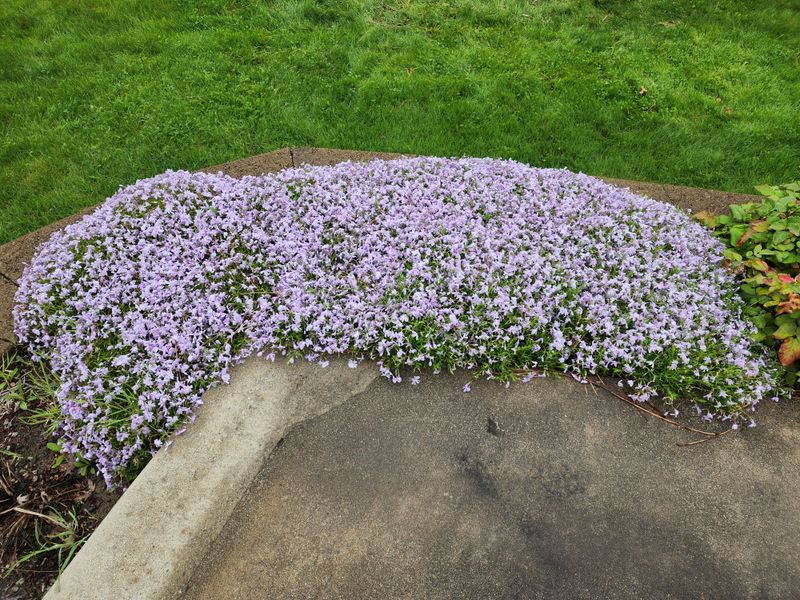
Getting creeping phlox off to a strong start in Georgia comes down to a few straightforward conditions, and drainage tops the list.
Roots that sit in wet soil for extended periods after Georgia’s spring rains are more likely to rot or develop fungal issues, so planting in a spot where water moves away quickly is the single most important factor.
Raised beds, sloped areas, or soil amended with coarse sand or fine gravel all help achieve that.
Soil pH in the slightly acidic to neutral range, roughly 6.0 to 7.0, suits creeping phlox well.
Georgia’s native soils often fall within or near that range, though a quick soil test from a local cooperative extension office can confirm whether any amendment is needed before planting.
Adding a modest amount of balanced slow-release fertilizer at planting time gives new starts a gentle boost without forcing excessive leafy growth at the expense of flowers.
March is a reliable planting window across most of Georgia. Soil temperatures are warming, frost risk is dropping, and the plant has time to establish roots before summer heat arrives.
Water new plants consistently for the first four to six weeks, aiming for moist but not saturated soil.
After that establishment period, creeping phlox becomes notably more drought-tolerant and requires supplemental watering only during extended dry stretches in Georgia’s summer months.
7. The Common Mistakes That Can Thin It Out
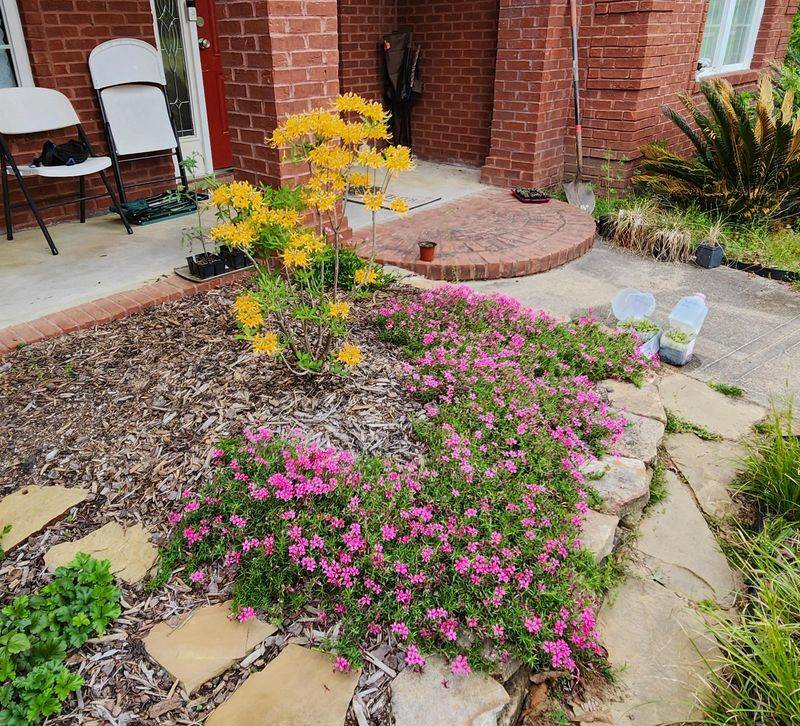
Even a tough, low-maintenance plant like creeping phlox can underperform when a few basic conditions go wrong.
Overwatering is one of the most frequent issues Georgia gardeners run into, particularly in flat beds without adequate slope or drainage.
Soggy roots lead to thinning patches, yellowing foliage, and a plant that spreads much more slowly than it should.
If a planting area holds standing water after a heavy Georgia rain, creeping phlox will struggle there regardless of how much sun it receives.
Planting in too much shade is another common reason established patches start to thin over time. As nearby shrubs and trees grow larger, they gradually shade out areas that were sunny when the creeping phlox was first planted.
Reduced light leads to stretched, sparse growth and fewer blooms, and over several seasons the mat can develop noticeable bare spots. Pruning back overhanging branches or relocating the planting to a sunnier spot can reverse that trend.
Skipping the post-bloom trim is a less obvious but meaningful mistake. Without a light shearing after flowers fade, the center of older clumps can become woody and open up.
Some Georgia gardeners also make the mistake of applying thick mulch directly over the mat, which holds too much moisture against the stems.
Keeping mulch pulled back from the plant’s crown and trimming lightly each season keeps the groundcover dense and healthy.
8. How To Keep Creeping Phlox Looking Full After Bloom
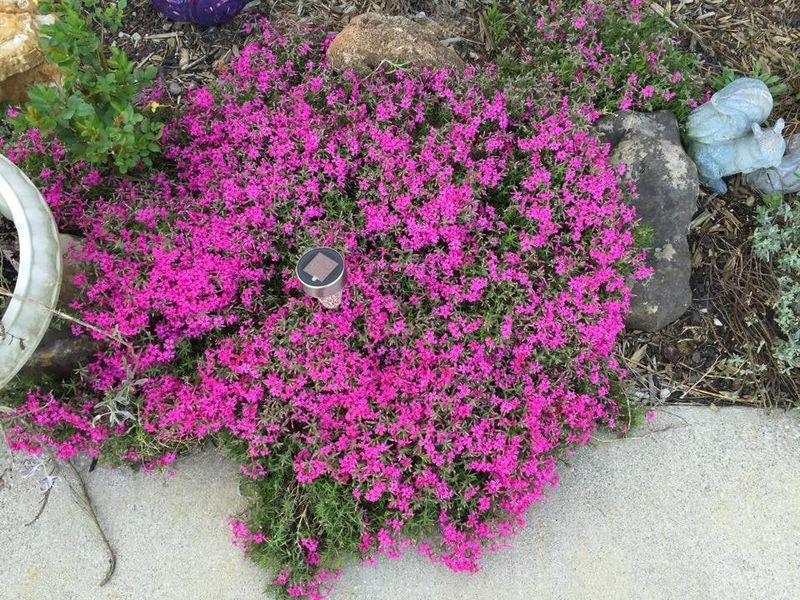
Once the spring flower show wraps up, usually by mid-May in most parts of Georgia, a light trim makes a real difference in how the plant looks and grows for the rest of the season.
Cutting back the stems by about one-third with garden shears or hedge trimmers encourages fresh foliage growth from the base, keeps the mat from becoming leggy, and helps prevent the woody center from declining in older plantings.
This post-bloom shearing doesn’t need to be precise or time-consuming. A quick pass with shears to even out the mat and remove the spent flower stems is enough.
Some Georgia gardeners do this right after the last blooms fade, while others wait until new basal growth is visible, usually within a week or two of bloom ending.
Either approach works well as long as the trim happens before summer heat peaks.
Through the rest of Georgia’s growing season, creeping phlox needs very little attention. Watering during dry spells, especially in July and August when Georgia summers can be relentless, helps the foliage stay green and the root system stay strong heading into fall.
A light application of balanced fertilizer in early fall gives the plant a boost before winter.
By the time Georgia’s next spring arrives, a well-maintained patch of creeping phlox will be ready to put on its full flower display all over again, attracting butterflies and brightening the yard from the ground up.