7 Easy Cucumber Hacks For Bigger Harvests In Georgia This Summer
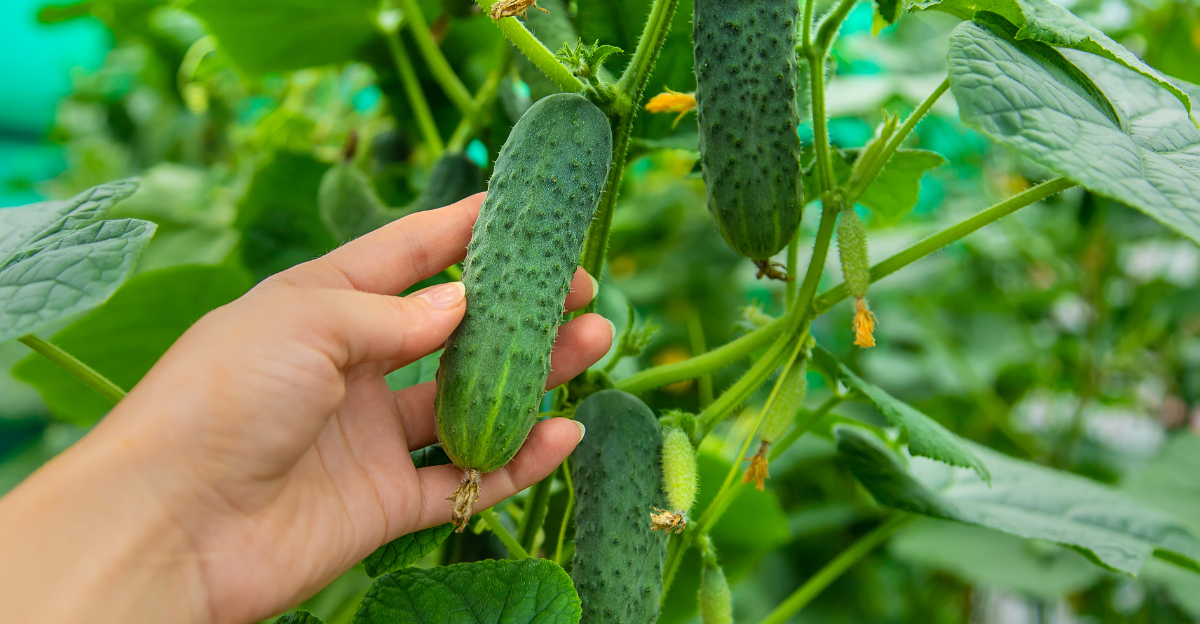
Cucumbers usually start out strong, then suddenly something changes once summer heat settles in.
Vines stop looking as full, fresh cucumbers grow slower, or plants that looked perfect a week ago begin struggling to keep producing the same way.
That frustrates a lot of Georgia gardeners because cucumbers often grow fast early in the season.
Big harvests can drop off surprisingly quickly once moisture swings, heavy humidity, and hot afternoons start putting more stress on the plants.
Small growing habits often make the biggest difference with cucumbers during summer. A few simple changes can keep plants producing longer and far more heavily once the toughest stretch of the season arrives.
1. Pick Cucumbers Often Before The Vines Slow Down
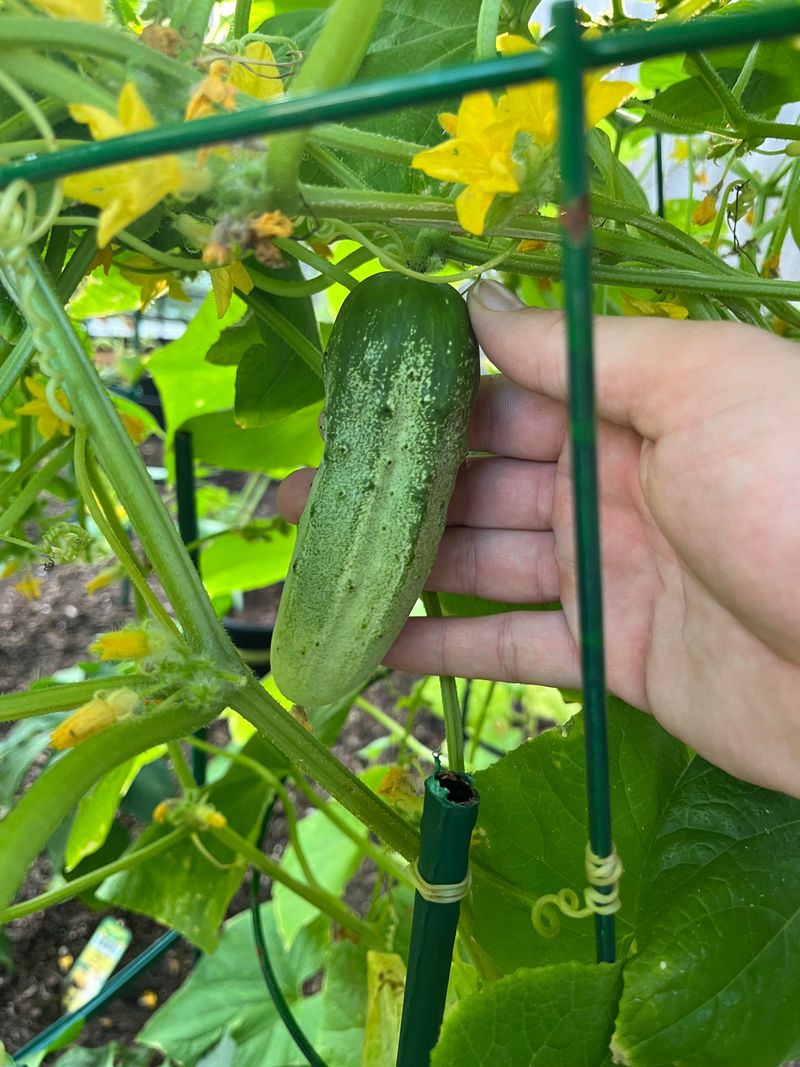
Leaving cucumbers on the vine too long is one of the fastest ways to slow your harvest down. Once a cucumber reaches full size and starts yellowing, the plant shifts its energy toward ripening that fruit rather than producing new ones.
Picking regularly sends a signal to the plant that it needs to keep growing more.
In Georgia’s summer heat, cucumbers can go from perfectly sized to overripe within just a couple of days. Checking your vines every one to two days is a reasonable habit to build, especially during peak growing weeks in June and July.
Warm nights combined with hot days can speed up fruit development faster than you might expect.
Aim to harvest cucumbers when they are firm, evenly colored, and around six to eight inches long for slicing varieties. Pickling types are often best pulled even smaller, around two to four inches.
Catching them at the right size keeps the plant focused on producing the next round of fruit rather than pouring resources into seeds.
Consistent picking also reduces the weight load on vines, which helps prevent stem damage during Georgia’s afternoon thunderstorms. Lighter vines hold up better against wind and rain.
A small harvest every other day adds up to significantly more cucumbers over the course of a full season compared to waiting for a big haul all at once.
2. Keep Watering Consistent Once Summer Heat Settles In
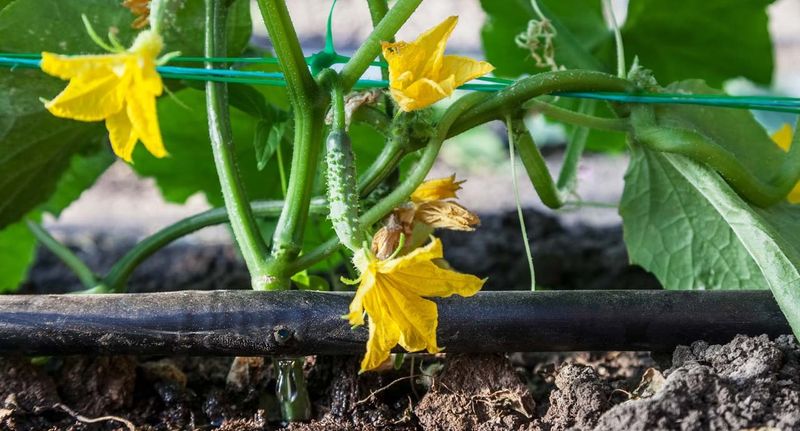
Uneven watering is quietly one of the biggest reasons cucumber plants underperform during Georgia summers. When soil dries out between waterings and then gets flooded again, plants respond with stressed growth, bitter fruit, and sometimes blossom drop.
Keeping moisture levels steady gives roots a predictable environment to work with.
Cucumbers are roughly 95 percent water, so it makes sense that consistent hydration directly affects fruit quality and size.
Aiming for about one to two inches of water per week works well in most Georgia gardens, though sandy soils may need more frequent attention than clay-heavy plots.
Morning watering is generally more effective because it gives foliage time to dry before evening, which helps reduce fungal issues.
Drip irrigation or soaker hoses placed at the base of plants are worth considering if you are not already using them. Overhead sprinklers wet the leaves, which can encourage powdery mildew, a common problem in Georgia’s humid conditions.
Your Georgia Garden Changes Every Week. Your Plan Should Too.
Gardening in Georgia changes quickly throughout the season. Every Friday you’ll receive a simple weekly plan showing exactly what to plant, prune, fertilize, harvest, and protect so you never miss the right timing.
Keeping water directed at the roots rather than the foliage makes a practical difference.
Watch your plants for early signs of water stress, including wilting in the morning before temperatures climb. Some afternoon wilting on very hot days is normal and not necessarily a concern.
Morning wilt, though, usually means the soil has dried out more than the plant can handle. Adjusting your schedule based on what you observe is more reliable than sticking to a fixed routine regardless of conditions.
3. Train Vines Up Instead Of Letting Fruit Rest On Damp Soil
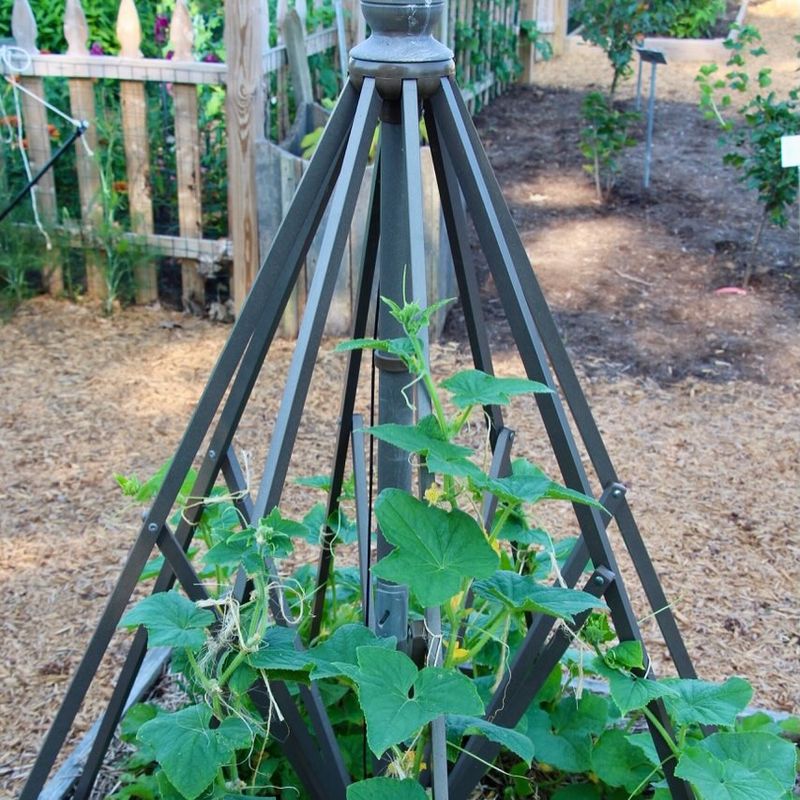
Cucumbers sprawling across the ground might look natural, but contact with damp Georgia soil creates real problems during summer. Fruit resting on wet ground is far more likely to rot, develop soft spots, or attract pests that move through the soil surface.
Getting vines off the ground is one of the most straightforward improvements you can make.
Trellises, cattle panels, or even simple wooden stakes give vines something to climb and keep fruit hanging freely in the air. When cucumbers hang vertically, they also tend to grow straighter, which makes them easier to spot and harvest.
Straight fruit is not just about looks; it is also a sign the plant is under less mechanical stress from the weight pulling at odd angles.
Setting up a trellis before vines get long enough to need one is smarter than trying to redirect established growth. In Georgia, where vines can grow fast during warm spells in May and June, getting support structures in place early saves a lot of frustration.
Gently guiding new growth toward the trellis every few days is usually enough to train the plant in the right direction.
Better airflow around the leaves is another benefit of vertical growing that often goes unmentioned. Georgia summers bring high humidity, and good air circulation around foliage can slow the spread of common fungal diseases.
Vertical growing does not eliminate the risk, but it does create a less favorable environment for moisture to sit on leaves and stems.
4. Mulch Early Before Soil Starts Drying Too Fast
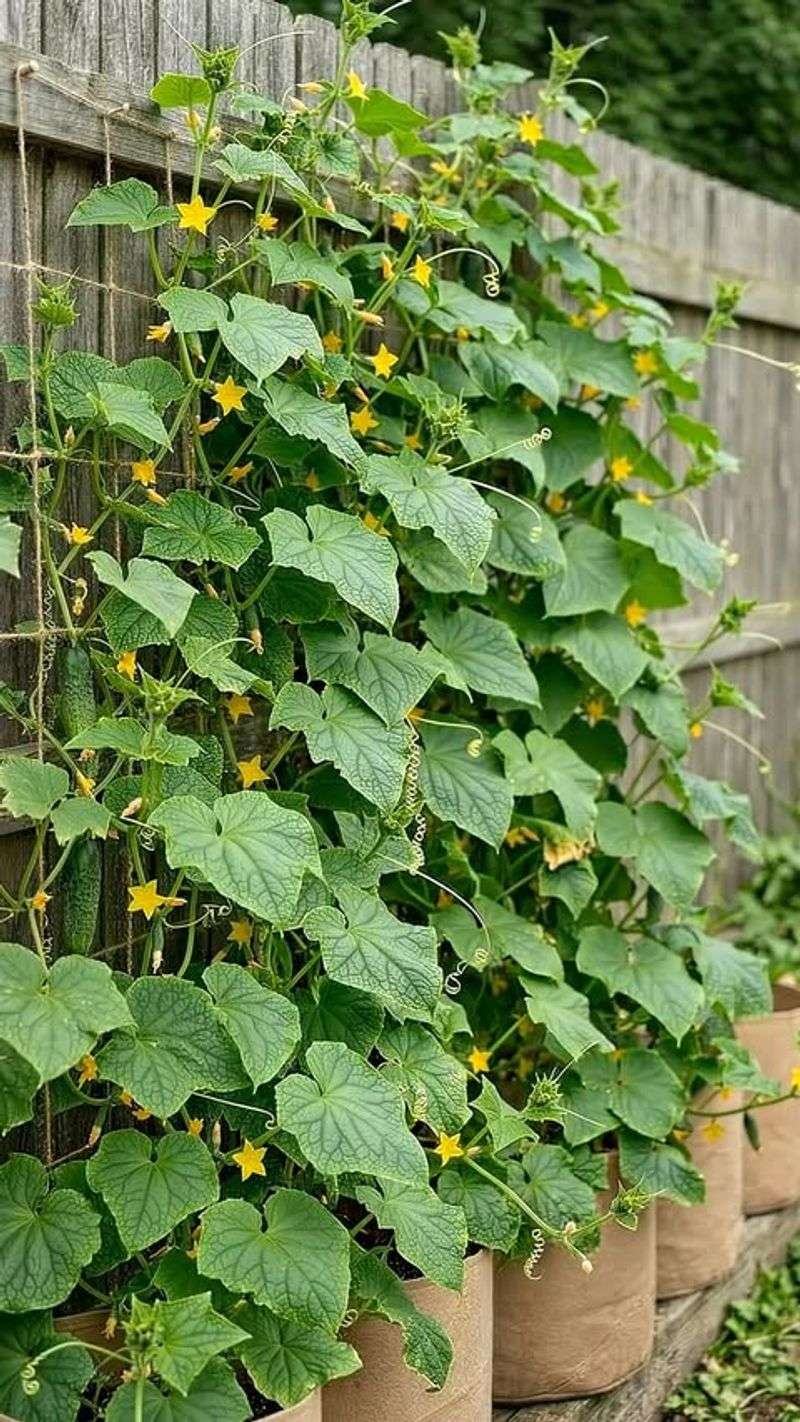
Georgia soil in July can go from moist to bone dry in a matter of hours on a clear, sunny afternoon. Mulch acts like a protective layer between the sun and the soil, slowing evaporation and keeping root zones cooler during the hottest parts of the day.
Applying it before temperatures peak is far more effective than adding it after the soil has already baked.
Straw, shredded leaves, and wood chips all work well around cucumber plants. A layer about two to three inches thick is usually enough to make a noticeable difference in soil moisture retention.
Piling mulch too thick can trap excess moisture against stems, which creates its own set of problems, so leaving a small gap right at the base of each plant is worth doing.
Beyond moisture, mulch also helps suppress weeds that compete with cucumbers for water and nutrients. Weeding around sprawling vines can be awkward and time-consuming, so fewer weeds to deal with is a genuine time saver.
In Georgia’s warm climate, weeds can establish quickly if bare soil is left exposed for more than a week or two.
Organic mulch breaks down slowly over the season and adds a small amount of organic matter back into the soil as it decomposes. It is not a fertilizer replacement, but it does contribute to long-term soil health in a modest way.
Applying mulch right after transplanting or shortly after seeds germinate gives it the most time to do its job throughout Georgia’s long growing season.
5. Leave More Space Between Plants For Better Airflow
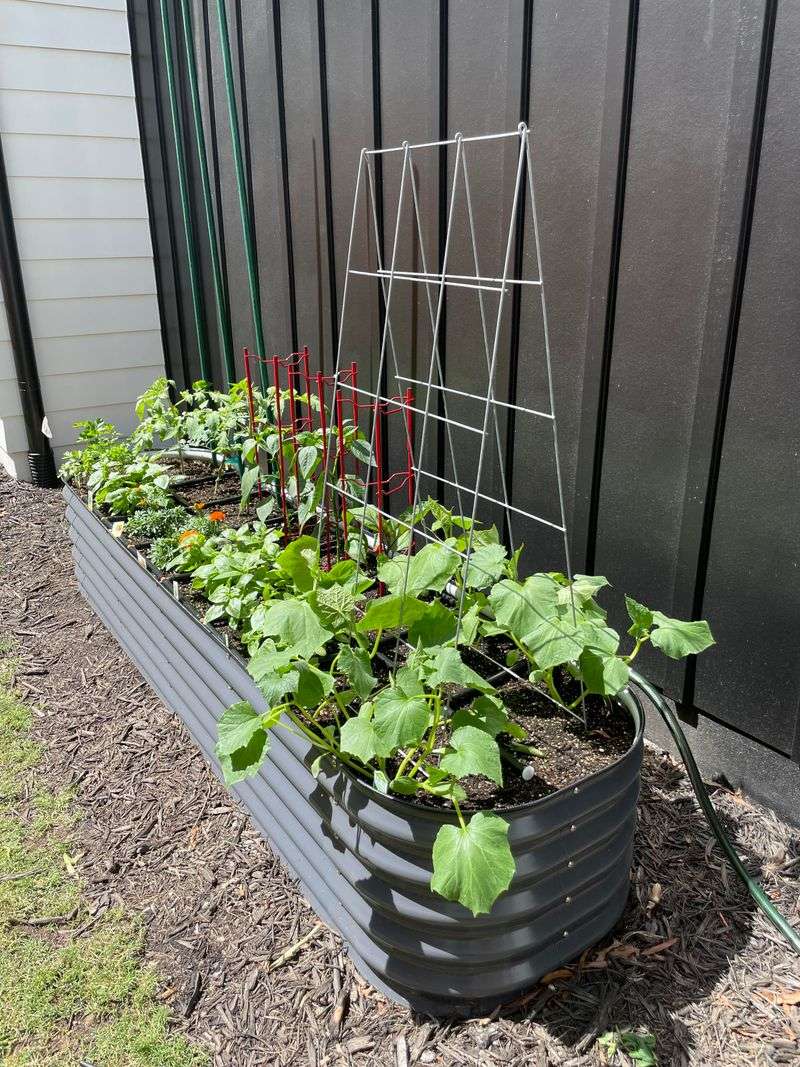
Crowding cucumber plants together feels efficient when seedlings are small, but it tends to backfire once vines fill in and Georgia’s summer humidity settles over the garden. Packed plants create pockets of still, moist air that fungal diseases love.
Giving each plant a reasonable amount of space is one of the simpler things you can do to protect your crop.
Most cucumber varieties grow best with about 18 to 24 inches between plants in a row, with rows spaced around four to six feet apart if you are letting vines spread on the ground.
Vertical growing setups can allow tighter spacing since vines go up rather than out, but even then, leaving at least 12 inches between plants helps with airflow and light penetration.
Adequate spacing also makes it easier to spot problems early. Spotting a yellowing leaf or a cluster of beetle damage is much harder when you are trying to reach through a tangle of overlapping vines.
Regular inspection becomes faster and more effective when plants are not crammed together.
Sunlight distribution is another factor that spacing affects. Cucumber leaves need direct light to photosynthesize efficiently, and when vines overlap heavily, lower leaves get shaded out and become less productive.
In Georgia, where summer sun is strong and reliable, positioning plants to take full advantage of that light is worth planning out from the start rather than adjusting after the fact.
6. Check Under Leaves Before Cucumber Beetles Spread
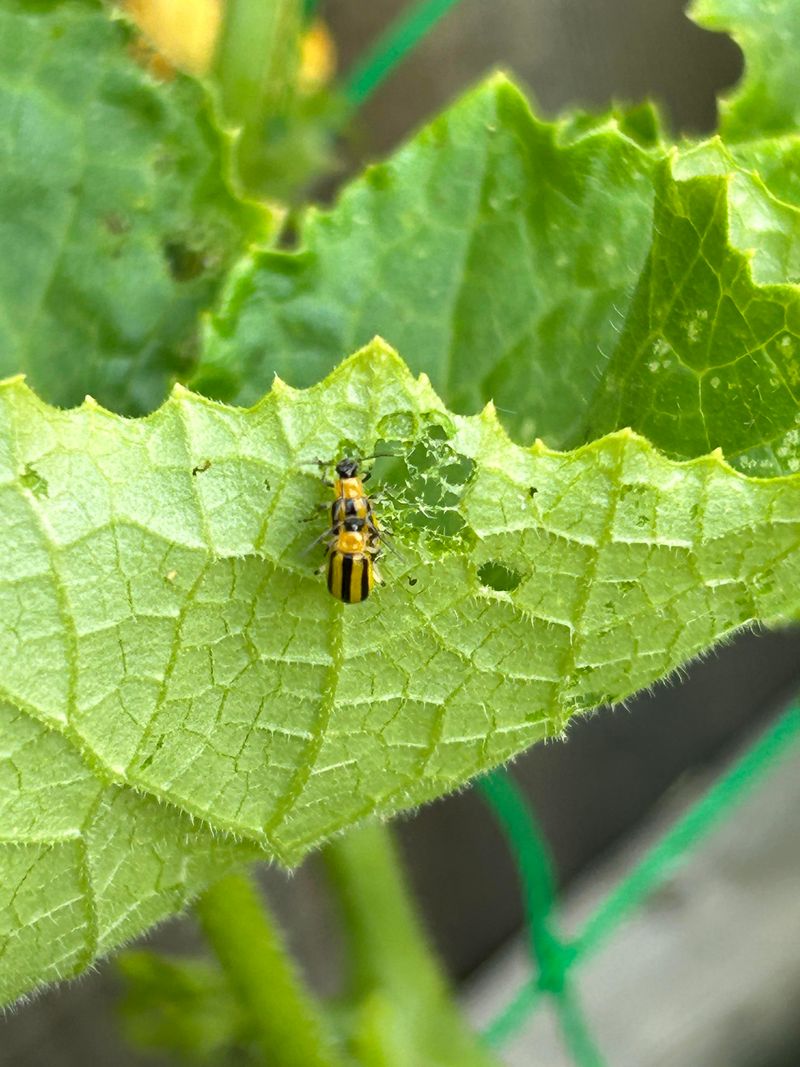
Cucumber beetles are a serious concern for Georgia gardeners, and catching them early makes a meaningful difference in how much damage they cause.
Striped and spotted cucumber beetles both feed on foliage, flowers, and fruit, and they can transmit bacterial wilt, which spreads through the plant and is difficult to reverse once established.
Checking plants regularly is your most practical line of defense.
Adults lay eggs at the base of plants, and larvae feed on roots below the soil. What you see above ground, including chewed leaves and wilting stems, is often a sign that the population has already grown.
Flipping leaves over to check the undersides is where you are most likely to spot adults resting or feeding during cooler parts of the day.
Row covers placed over young plants at the start of the season can reduce early beetle pressure significantly. Remove them once flowers appear so pollinators can reach the blossoms.
In Georgia, beetle activity typically picks up in late spring and stays active through much of the summer, so staying alert through June and July is especially important.
Yellow sticky traps placed near plants can help you monitor population levels without being a complete solution on their own. Catching a few beetles early does not mean the problem is handled, but a sudden spike in trap numbers is a useful warning sign.
Acting quickly when populations are low is far more manageable than trying to address a large infestation after it has had time to spread across your garden.
7. Feed Plants Lightly After The First Cucumbers Appear
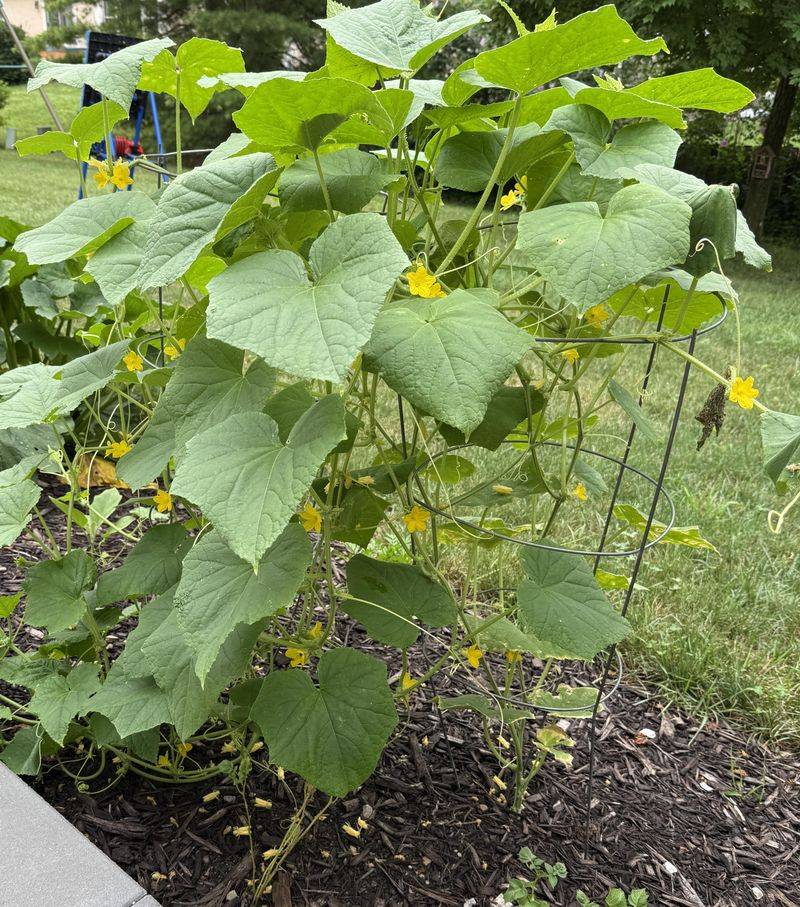
Once your first cucumbers start forming, the plant’s nutritional needs shift in a noticeable way. Before fruiting, nitrogen helps build strong leaves and vines.
After fruit sets, a lighter feeding approach focused on balanced nutrients supports continued production without pushing the plant into excessive leafy growth at the expense of cucumbers.
Heavy fertilizing after fruiting begins can actually work against you. Too much nitrogen at this stage encourages lush foliage but can reduce how many new flowers and fruits the plant produces.
A balanced liquid fertilizer diluted to half strength, applied every two to three weeks, tends to give plants steady support without overwhelming them.
Compost tea or a diluted fish emulsion are options that Georgia gardeners often find effective because they deliver nutrients gradually rather than in a sharp spike.
Slow, steady feeding matches the pace at which cucumbers actually use nutrients during active production.
Quick-release synthetic fertilizers applied too generously can cause more problems than they solve at this stage of growth.
Soil quality matters here too. If your garden beds in Georgia were amended with compost before planting, your plants may need less supplemental feeding overall.