These 13 Oregon Native Plants Practically Grow Themselves
If you have ever fallen for a beautiful plant at the nursery only to watch it sulk, droop, or completely give up in your yard, Oregon natives are here to restore your faith. These are the plants that already understand the assignment.
They know the rain, the dry spells, the moody spring temperatures, and the oddball soil conditions that make Oregon gardening feel like a personality test.
Because they belong here, they usually need less water, less pampering, and far less hand-holding than fussier imports.
That makes them a dream for gardeners who want a landscape that looks lush and lively without becoming a full-time responsibility.
Even better, native plants tend to support birds, bees, butterflies, and other wildlife, so your yard ends up working harder while you work less.
Not a bad deal. If easygoing, beautiful, and locally adapted sounds like your kind of plant lineup, these Oregon natives are about to look very appealing.
1. Yarrow
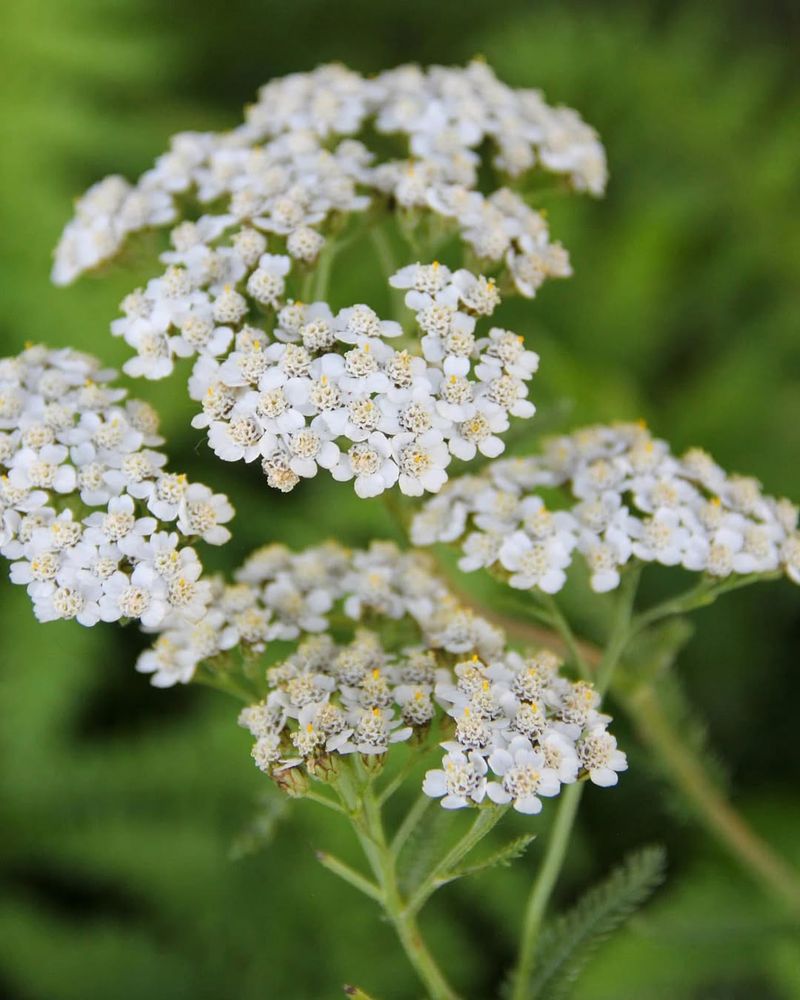
Few plants earn their place in the garden quite like yarrow. Tough, cheerful, and nearly impossible to ignore, this Oregon native has been winning over gardeners for generations.
Its flat-topped flower clusters come in white and soft pink shades that look stunning against its feathery, fern-like leaves.
Yarrow grows well across much of Oregon, from dry hillsides to roadsides and open meadows. It handles poor soil and drought without complaint, which makes it a dream plant for low-maintenance gardens.
Once established, it spreads slowly on its own, filling in bare patches with ease.
Plant yarrow in full sun and watch it attract bees, butterflies, and other beneficial insects all season long. It blooms from late spring through summer, giving your garden months of color.
You rarely need to water it after the first year, which is a huge plus during Oregon’s dry summers.
Yarrow also works great as a cut flower. Bring a bunch inside, and the blooms last a surprisingly long time in a vase.
Trim the spent flowers to encourage more blooms and keep the plant looking tidy throughout the growing season.
2. Oregon Sunshine
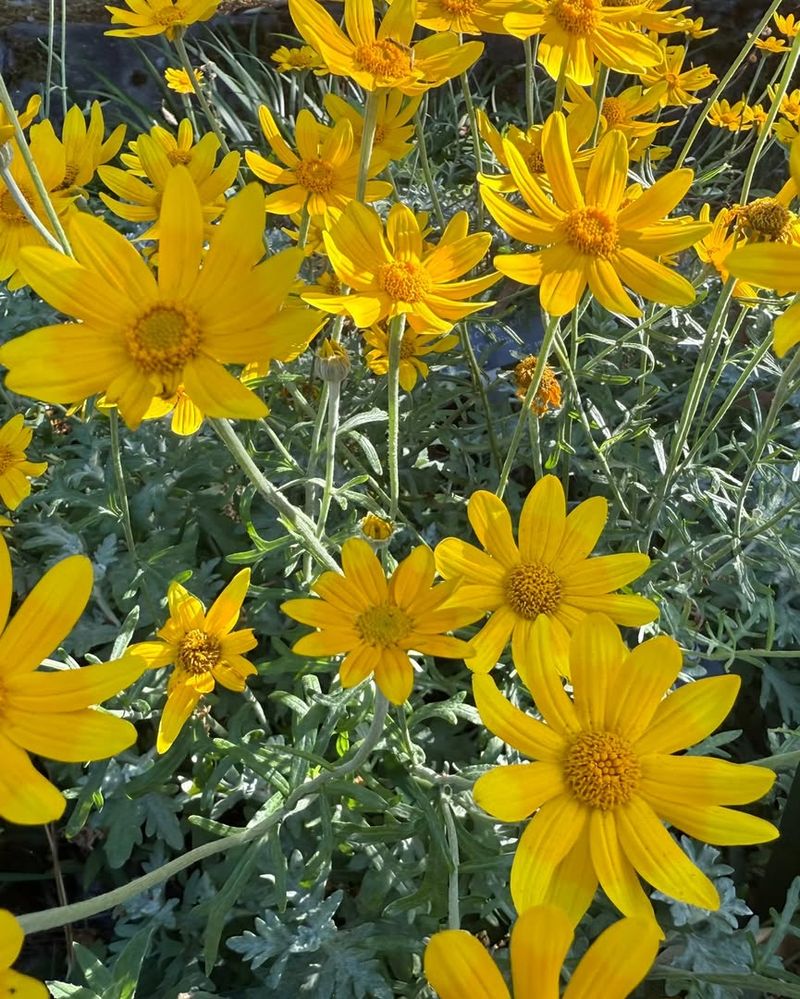
Bright yellow flowers and silvery leaves make Oregon Sunshine one of the most eye-catching native plants in the state. Also known as woolly sunflower, this low-growing perennial brings a cheerful pop of color to any sunny spot in an Oregon garden.
It blooms from spring into early summer, just when your garden needs that burst of energy.
Oregon Sunshine loves full sun and well-drained soil. It handles dry conditions really well once it gets settled, making it a smart pick for water-conscious gardeners.
Rocky slopes, gravel gardens, and sunny borders are all great spots for this plant to shine.
The silvery foliage stays attractive even when the plant is not in bloom, so it earns its place in the garden year-round. Bees and butterflies flock to the bright flowers, turning your yard into a mini pollinator paradise.
It is a genuinely low-fuss plant that asks for very little in return.
You can find Oregon Sunshine growing naturally in open, dry habitats across the state, especially west of the Cascades. Planting it in your garden is a great way to celebrate what makes Oregon landscapes so uniquely beautiful and resilient.
Your Oregon Garden Changes Every Week. Your Plan Should Too.
Gardening in Oregon changes quickly throughout the season. Every Friday you’ll receive a simple weekly plan showing exactly what to plant, prune, fertilize, harvest, and protect so you never miss the right timing.
3. Douglas Iris
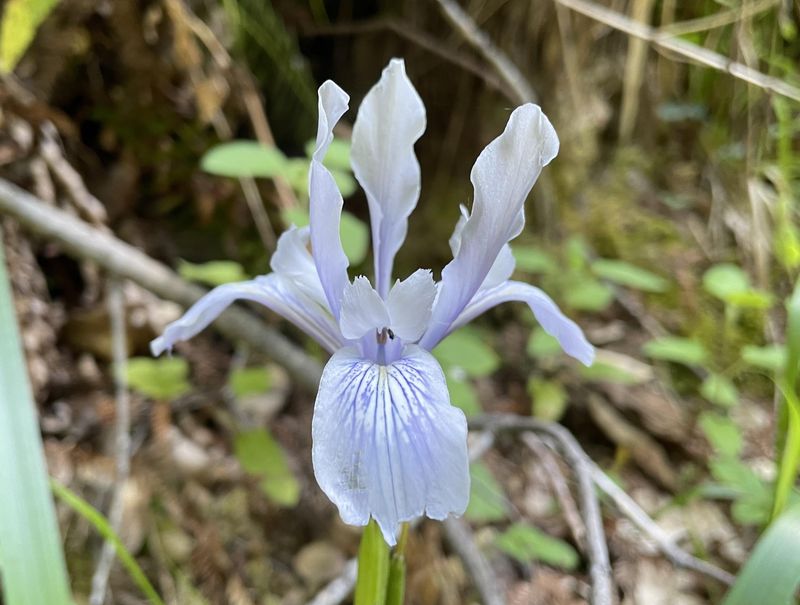
There is something quietly elegant about the Douglas Iris. Its slender green leaves and stunning violet-to-purple blooms give it a refined look that feels right at home in both wild and cultivated Oregon gardens.
This native iris is named after the famous Scottish botanist David Douglas, who explored the Pacific Northwest in the early 1800s.
Douglas Iris grows naturally along the Oregon coast and in the foothills of the Coast Range, where it pops up in open woodlands and grassy clearings. It prefers well-drained soil and does well in full sun to partial shade.
Once planted, it spreads gradually into a beautiful, weed-suppressing clump.
Spring is when this plant truly shines. The flowers appear from March through May, drawing in native bees and hummingbirds looking for early-season nectar.
The blooms come in a range of shades, from pale lavender to deep purple, and some plants even show creamy white or yellow markings.
Water it occasionally during its first summer, and after that, it largely takes care of itself. Douglas Iris is also deer-resistant, which is a welcome bonus for Oregon gardeners who share their space with local wildlife.
It is a truly rewarding plant to grow.
4. Great Camas
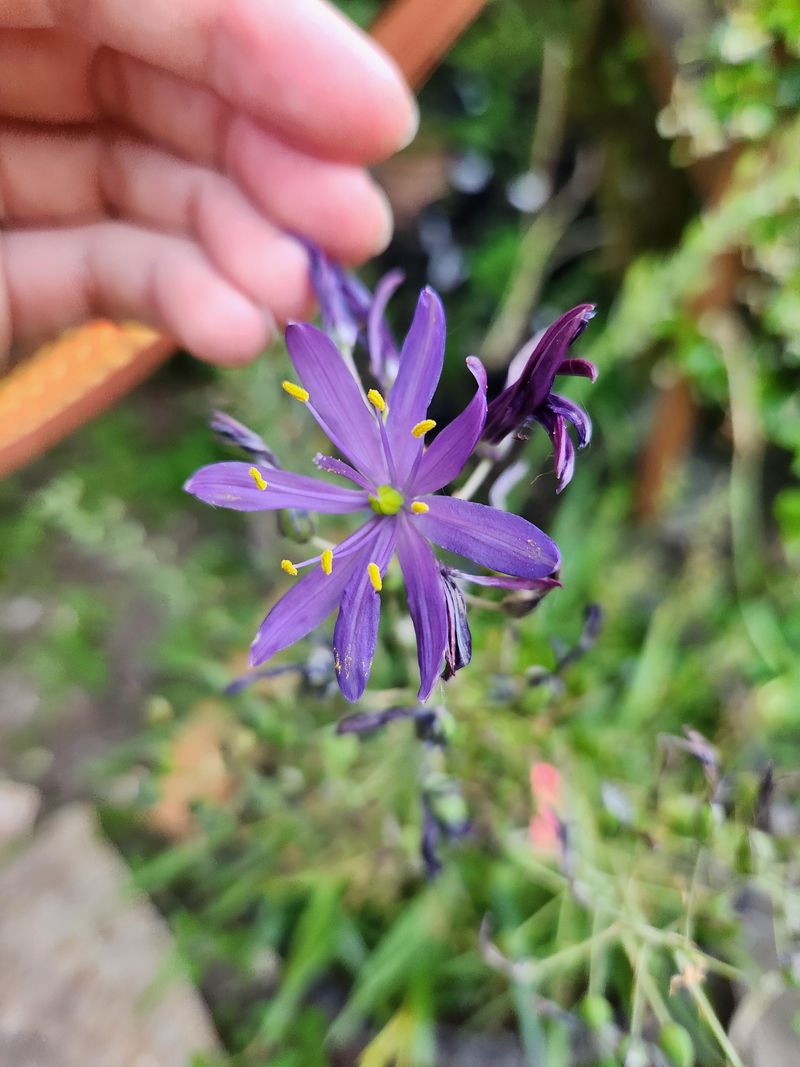
Walk through a blooming camas meadow in Oregon in spring, and you might think you are looking at a lake. That is how striking Great Camas can be.
Its tall spikes of deep blue-violet flowers create a sea of color that has amazed visitors to the Pacific Northwest for centuries. Indigenous peoples across the region have long valued camas bulbs as an important food source.
Great Camas thrives in moist, open meadows and prairies, making it a natural fit for wetter parts of Oregon. It does especially well in areas that stay damp in winter and spring but dry out a bit in summer.
Plant the bulbs in fall, and they will reward you with gorgeous blooms the following spring.
This plant is a powerhouse for pollinators. Bumblebees in particular love the flowers, and you will often see them buzzing happily from bloom to bloom on a warm spring day.
Great Camas also naturalizes well, meaning it will spread slowly over time and come back stronger each year.
It pairs beautifully with other Oregon native wildflowers like yarrow and Douglas Iris. Together, they create a stunning and wildlife-friendly garden that celebrates the natural beauty of the Pacific Northwest.
5. Showy Milkweed
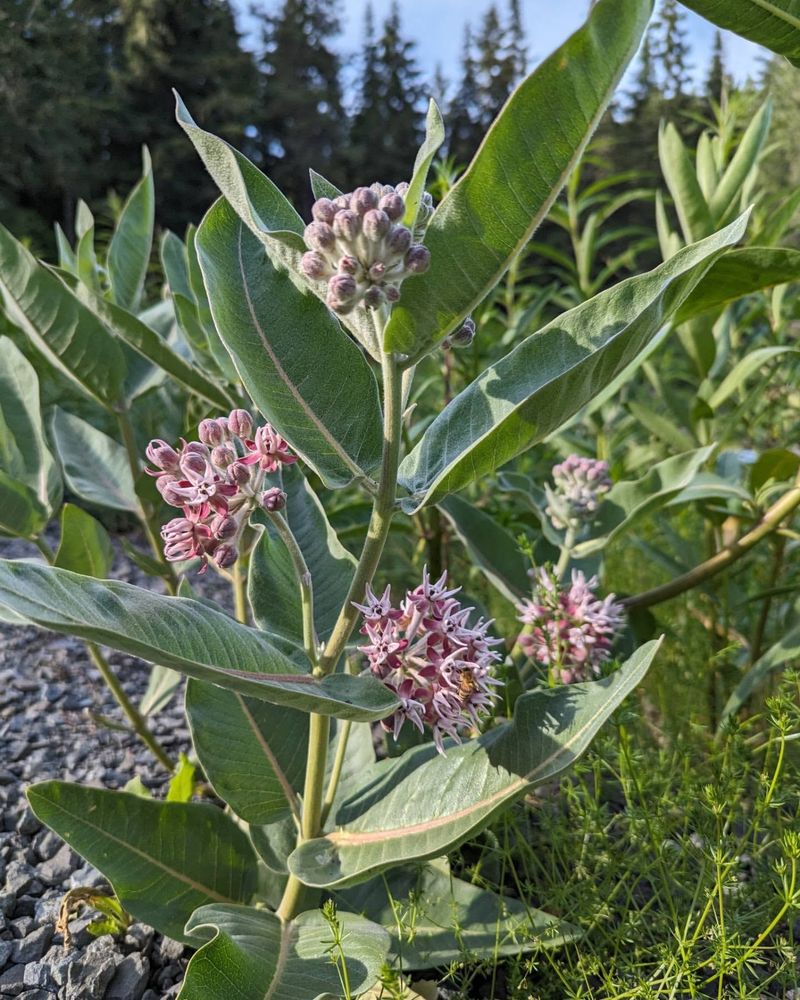
If you want to bring monarch butterflies to your Oregon garden, Showy Milkweed is the plant to grow. Monarchs depend on milkweed to complete their life cycle, laying their eggs on the leaves so their caterpillars have food to eat.
Planting Showy Milkweed is one of the most direct ways you can help support this iconic butterfly species.
Beyond its value for wildlife, Showy Milkweed is genuinely beautiful. It grows one and a half to three feet tall and produces rounded clusters of fragrant, star-shaped pink flowers from May through September.
The large, oval leaves give the plant a bold, tropical look that stands out in any garden bed.
This native plant loves full sun and does well in moist to moderately dry soils. It is well-suited to many parts of eastern Oregon and the drier inland valleys of the state.
Once established, it spreads through underground rhizomes, slowly forming a robust and eye-catching colony.
Showy Milkweed also attracts bees, hummingbirds, and many other pollinators. The seedpods that form in late summer are interesting too, splitting open to release silky white seeds that float away on the breeze.
It is a plant full of surprises from spring all the way through fall.
6. Pearly Everlasting
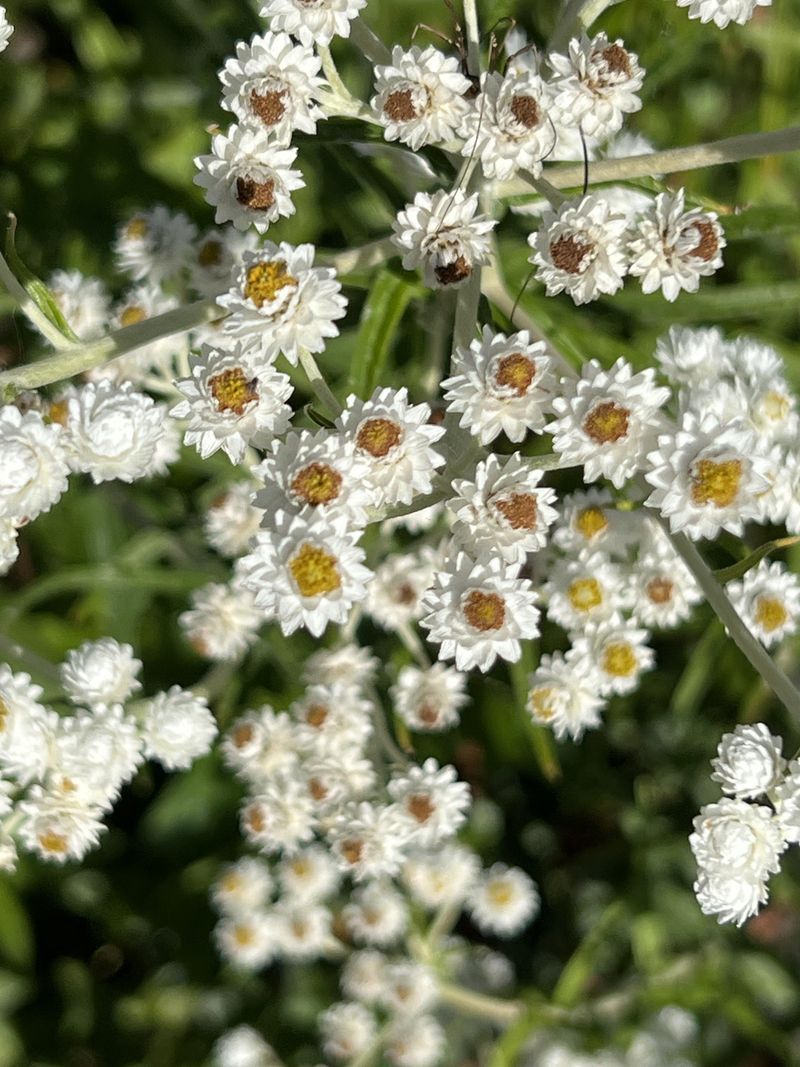
Pearly Everlasting gets its charming name from its small, round, papery-white flower heads that look like tiny pearls clustered along silver-green stems. Even after the blooms fade, the flowers hold their shape and color beautifully, making this plant a favorite for dried flower arrangements.
Oregon gardeners have appreciated it for both its looks and its toughness for a very long time.
You will find Pearly Everlasting growing naturally in open, disturbed areas across Oregon, from roadsides to burned slopes and forest edges. It thrives in full sun and dry, well-drained soil, which means it handles Oregon’s dry summers without needing extra water.
It is one of those plants that seems genuinely happy being left alone.
Painted lady butterflies have a special relationship with this plant. Their caterpillars feed on the leaves, making Pearly Everlasting an important part of the local butterfly food web.
Bees also visit the flowers regularly, adding life and movement to the garden.
Plant it in a sunny border or along a dry garden path, and it will spread gently over time through seeds and underground runners. It grows about one to three feet tall and looks especially lovely when planted in groups.
Few plants offer this much beauty with this little effort.
7. Rose Checkermallow
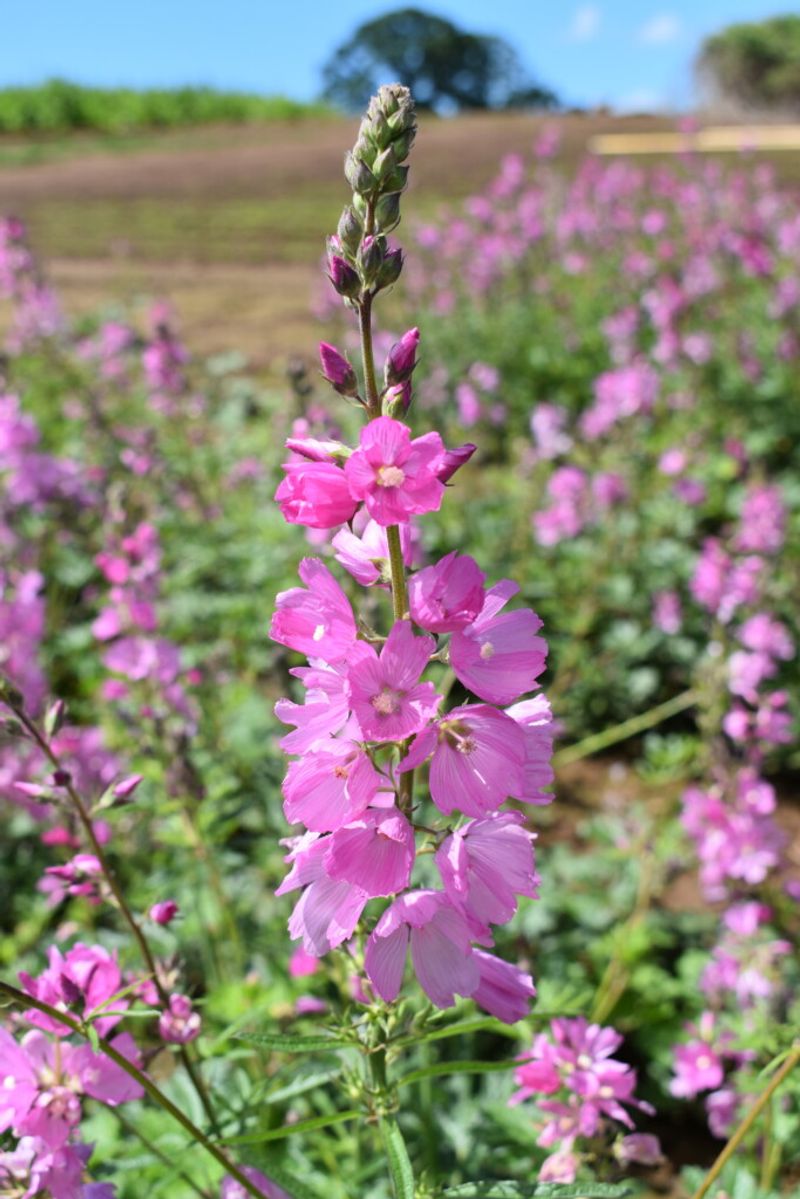
Its tall stems covered in bright, rosy-pink flowers have a cheerful, cottage-garden look that fits perfectly into Oregon’s natural landscapes. Native to meadows and open slopes throughout the Pacific Northwest, it has been charming gardeners and pollinators alike for as long as anyone can remember.
This plant grows two to four feet tall and blooms from late spring well into summer. The flowers look a bit like small hollyhocks, with five rounded petals in shades of deep pink to soft rose.
Bees absolutely love them, and you will often see several species visiting the blooms on a single sunny afternoon.
Rose Checkermallow prefers full sun and tolerates a range of soil types, from sandy and rocky to moderately moist. It is quite drought-tolerant once it gets established, which makes it a great fit for Oregon’s often dry summer months.
Minimal watering and occasional deadheading are really all it needs.
It also reseeds itself gently, so you may find new plants popping up nearby each year. Rather than a nuisance, this is a welcome bonus that helps fill your garden with more of its lovely blooms over time.
It is a true Oregon native gem.
8. Fringecup
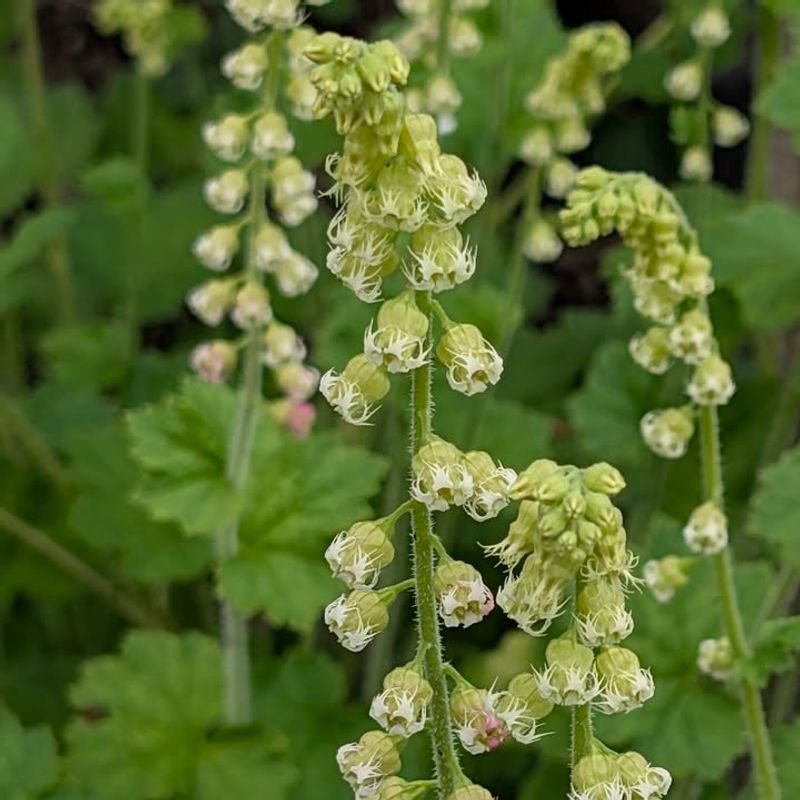
Fringecup is one of Oregon’s most underrated native plants, and it deserves far more attention than it usually gets. Its tall, slender stems carry rows of small, intricately fringed flowers that shift from creamy white to deep pink as they age.
Up close, each bloom looks almost like a tiny piece of lace, which makes it one of the most detailed and delicate-looking wildflowers in the Pacific Northwest.
This plant thrives in moist, shaded spots, making it a perfect choice for woodland gardens and shady corners that other plants might struggle with. It grows naturally along stream banks, in forest understories, and on moist slopes throughout Oregon.
Give it rich, consistently moist soil and some shade, and it will reward you generously.
Fringecup blooms from spring into early summer, bringing subtle beauty to the garden during a season when showier plants tend to steal the spotlight. Hummingbirds and small native bees are drawn to the flowers, adding welcome movement to shady garden spaces.
One of its best qualities is how freely it self-seeds. Once you have one plant, you will likely have many more within a few years.
It spreads without becoming aggressive, gradually filling shaded areas with its lovely, fringed blooms. For a low-effort woodland garden, Fringecup is hard to beat.
9. Western Columbine
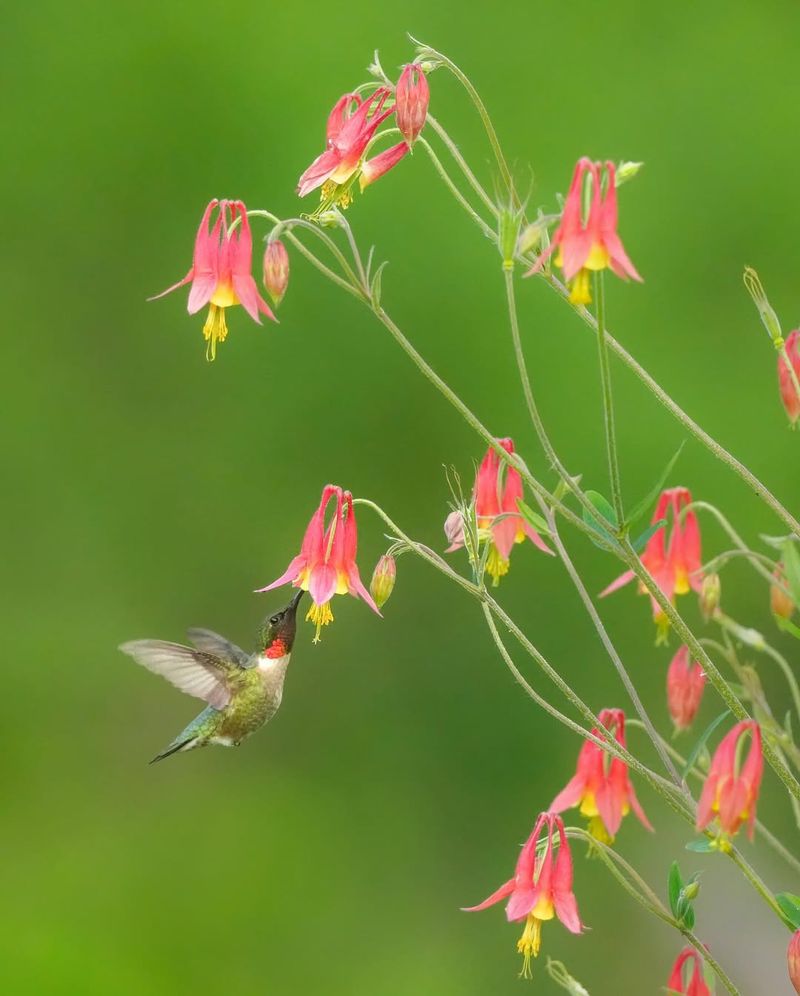
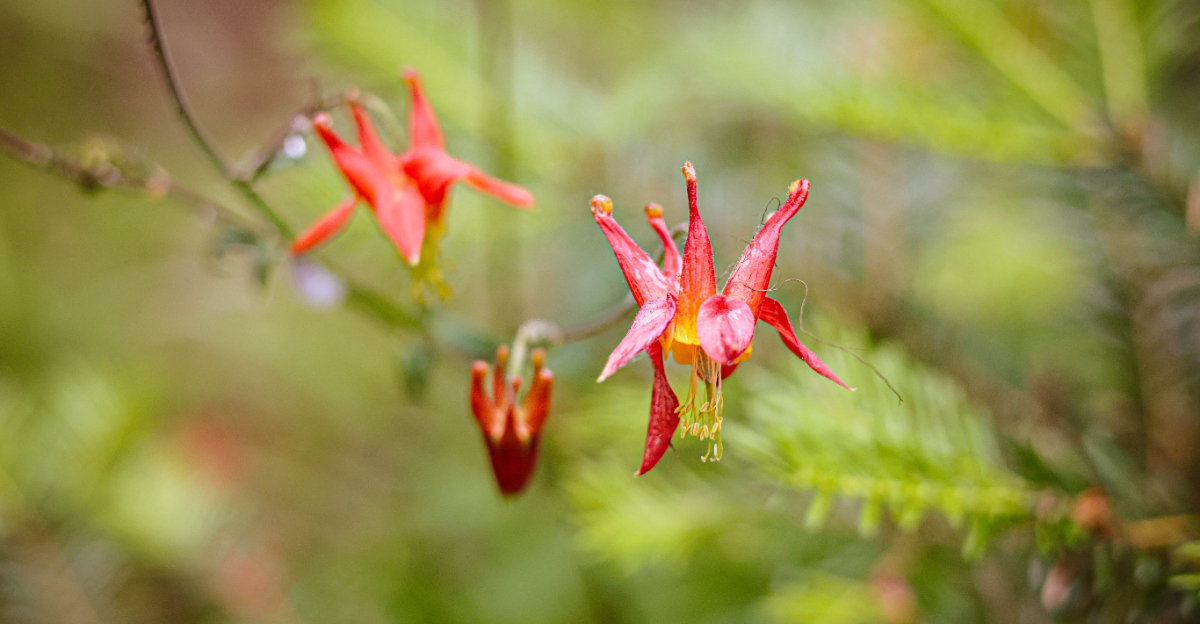
Hummingbirds go absolutely wild for Western Columbine. The plant’s distinctive red-and-yellow flowers, with their long backward-pointing spurs, are perfectly shaped for hummingbird beaks.
Watching a rufous hummingbird dart from bloom to bloom on a warm Oregon morning is one of the genuine joys of growing this native plant in your garden.
Western Columbine is native to moist, open woodlands and stream banks throughout Oregon and much of the western United States. It grows one to three feet tall and blooms from spring into early summer.
The blue-green, lobed leaves are attractive on their own, giving the plant a graceful look even when it is not in flower.
It does well in partial shade but can handle full sun if the soil stays reasonably moist. Once established, it is quite adaptable and will often self-seed freely, popping up in new spots around the garden each year.
This makes it a great plant for naturalizing a shaded bed or a woodland garden edge.
Beyond hummingbirds, Western Columbine also attracts bumblebees and various native bee species. The seeds that form after flowering are eaten by small birds, extending its value for wildlife well into late summer.
It is a plant that gives back far more than it takes.
10. Cascade Oregon Grape
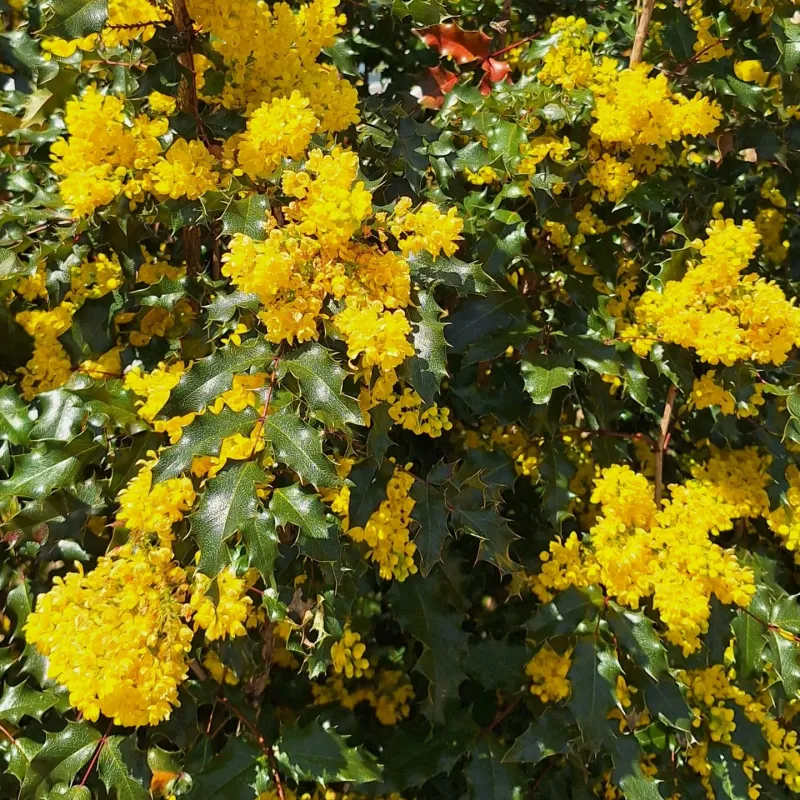
Bold, beautiful, and practically unstoppable, Cascade Oregon Grape is one of the most dependable native shrubs you can plant in an Oregon garden. Its glossy, holly-like leaves stay green all year long, giving your garden structure and color even in the middle of winter.
In spring, clusters of bright yellow flowers appear, followed by dusty blue-purple berries in late summer.
This shrub handles shade remarkably well, which makes it a valuable plant for spots under trees or along the north side of a house. It also tolerates dry conditions once established, though it grows best with occasional summer water during its first year or two.
You will find it growing naturally in forests throughout Oregon, especially west of the Cascade Mountains.
The berries are edible, though quite tart, and they are eagerly eaten by birds like robins, cedar waxwings, and band-tailed pigeons. Making jelly from the berries is a fun Pacific Northwest tradition that many Oregon families have enjoyed for generations.
The plant also has a long history of use in Indigenous medicine and culture.
Cascade Oregon Grape grows slowly to about three to six feet tall and wide. It rarely needs pruning and almost never needs fertilizer.
For a truly hands-off native shrub, it is one of the very best choices available to Oregon gardeners.
11. Salal
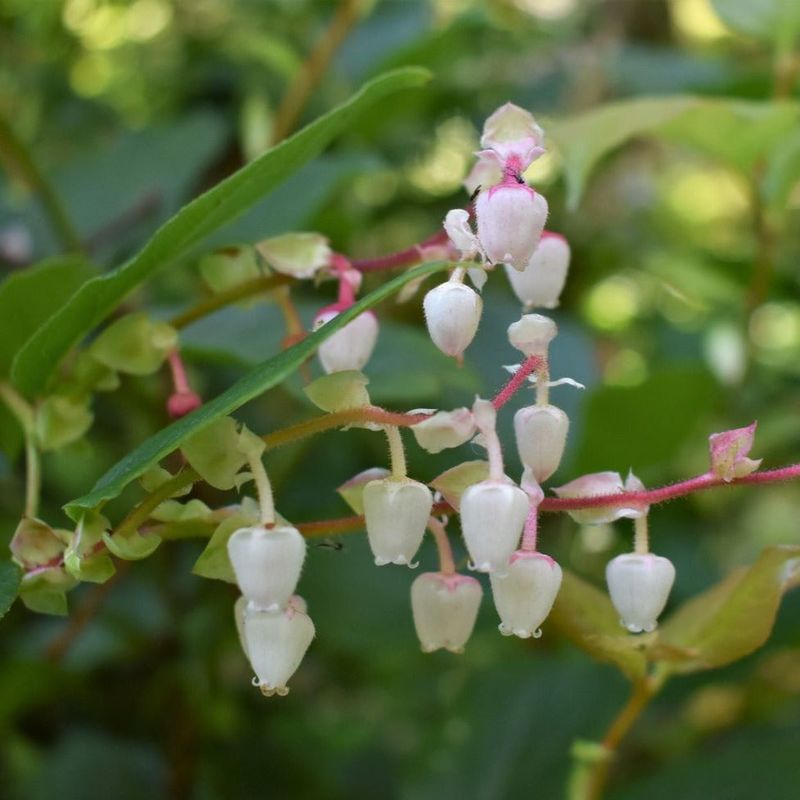
Ask any florist in Oregon about salal, and they will likely light up. The glossy, dark green leaves of this native shrub are one of the most popular foliage choices in floral arrangements across the Pacific Northwest and beyond.
But salal is much more than a pretty leaf. It is a tough, versatile, and ecologically valuable plant that thrives in some of Oregon’s shadiest and moistest spots.
Salal is native to coastal forests and woodland edges throughout Oregon, where it often forms dense, waist-high thickets under tall conifers. It produces small, urn-shaped flowers in white to pale pink from spring into early summer.
Dark purple berries follow in late summer, and they are edible, with a sweet, slightly musky flavor that Indigenous peoples have enjoyed for centuries.
This shrub grows slowly but steadily, eventually spreading through underground runners to form a weed-suppressing ground cover. It prefers moist, acidic soil and partial to full shade, which makes it an excellent choice for difficult, low-light garden areas.
Once established, it is very drought-tolerant and needs almost no care.
Wildlife love salal too. Bears, deer, birds, and small mammals all feed on the berries.
Planting it means creating a little slice of Oregon’s coastal forest right in your own backyard.
12. Evergreen Huckleberry
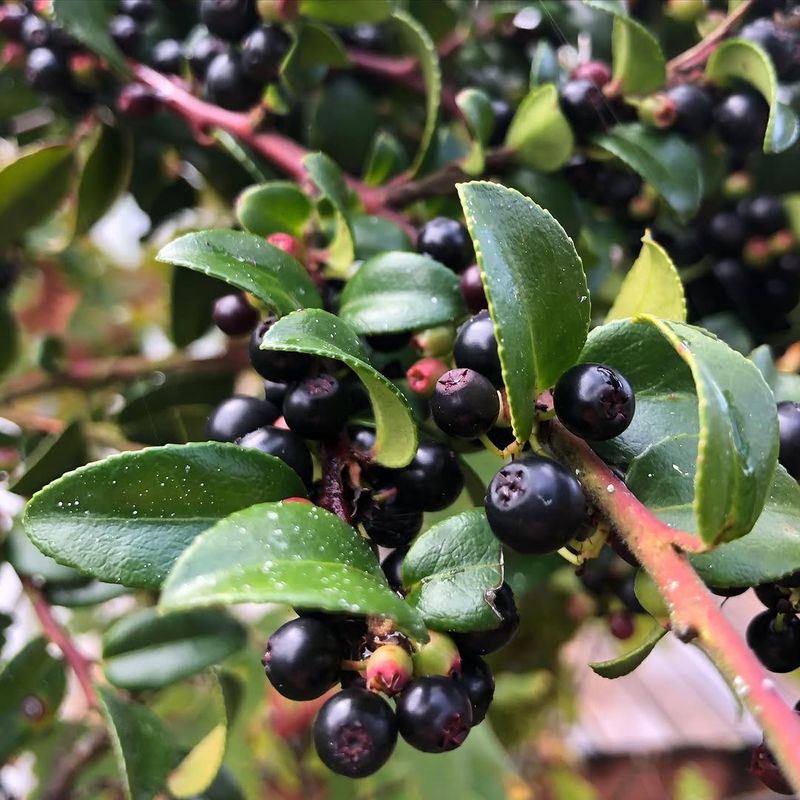
Sweet, juicy, and loved by practically every creature in the Oregon forest, Evergreen Huckleberry is one of the Pacific Northwest’s most treasured native shrubs. Its small, dark berries ripen in late summer and fall, and they taste absolutely wonderful fresh off the bush.
Oregon hikers and foragers have been snacking on them for generations, and birds and bears never seem to get enough either.
Evergreen Huckleberry grows naturally along the Oregon coast and in the western foothills, typically in moist, shaded areas under conifers. It keeps its small, glossy leaves all year long, making it a handsome plant even in winter.
In spring, tiny pink bell-shaped flowers appear, hinting at the berry harvest to come.
This shrub does best in acidic, well-drained soil with partial shade, though it can handle a bit more sun near the coast where fog keeps things cool and moist. It grows slowly to about two to eight feet tall depending on conditions.
Once settled in, it needs very little attention beyond occasional watering during dry spells.
Planting Evergreen Huckleberry near your home also means welcoming in songbirds like thrushes, waxwings, and sparrows that come to feast on the berries. It is a genuinely rewarding plant that connects your garden to the wild beauty of Oregon’s forests.
13. Red Flowering Currant
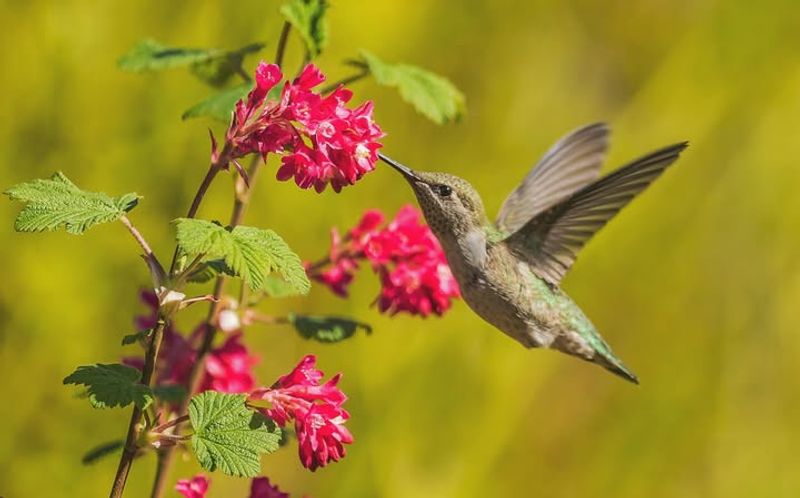
One of the first signs that spring has arrived in Oregon is the Red Flowering Currant bursting into bloom. Before most other plants have even woken up from winter, this cheerful shrub is already covered in dangling clusters of bright pink-to-red flowers that practically glow in the early spring light.
It is a breathtaking sight, especially on a clear Pacific Northwest morning.
Hummingbirds arrive right on cue with the blooms. Rufous hummingbirds migrating north in early spring rely heavily on Red Flowering Currant as one of their first reliable nectar sources.
Planting this shrub is essentially setting out a welcome mat for one of Oregon’s most beloved birds.
Red Flowering Currant is adaptable and easy to grow. It tolerates a wide range of soil types and light conditions, from full sun to partial shade.
It handles Oregon’s wet winters and dry summers without complaint. After its first year in the ground, it rarely needs supplemental watering and grows happily with minimal attention.
The dark blue-black berries that follow the flowers are eaten by many bird species, extending the plant’s wildlife value well into summer. It grows four to ten feet tall and makes a stunning informal hedge or garden backdrop.
Few Oregon native shrubs offer this much beauty and ecological value in one package.