These Oregon Edible Plants Thrive In Partial Shade And Produce All Season
Partial shade can feel like a garden problem at first, especially when every seed packet seems obsessed with full sun.
But Oregon yards often have softer light under trees, beside fences, or near the north side of a house. Those spots do not have to sit there looking useless and moody.
Some edible plants actually enjoy a break from harsh afternoon sun, and they can keep producing for a surprisingly long time.
That is great news for gardeners who want more harvests without turning every bright patch into a crowded food zone. The trick is knowing which plants can handle less light without giving up halfway through the season.
Oregon’s cooler spring weather can also make partial shade more helpful than people expect.
A shady corner might not grow giant tomatoes, but it can still earn its keep. Sometimes the quiet spots in the yard are hiding the best surprises.
1. Lettuce Lasts Longer With Afternoon Shade
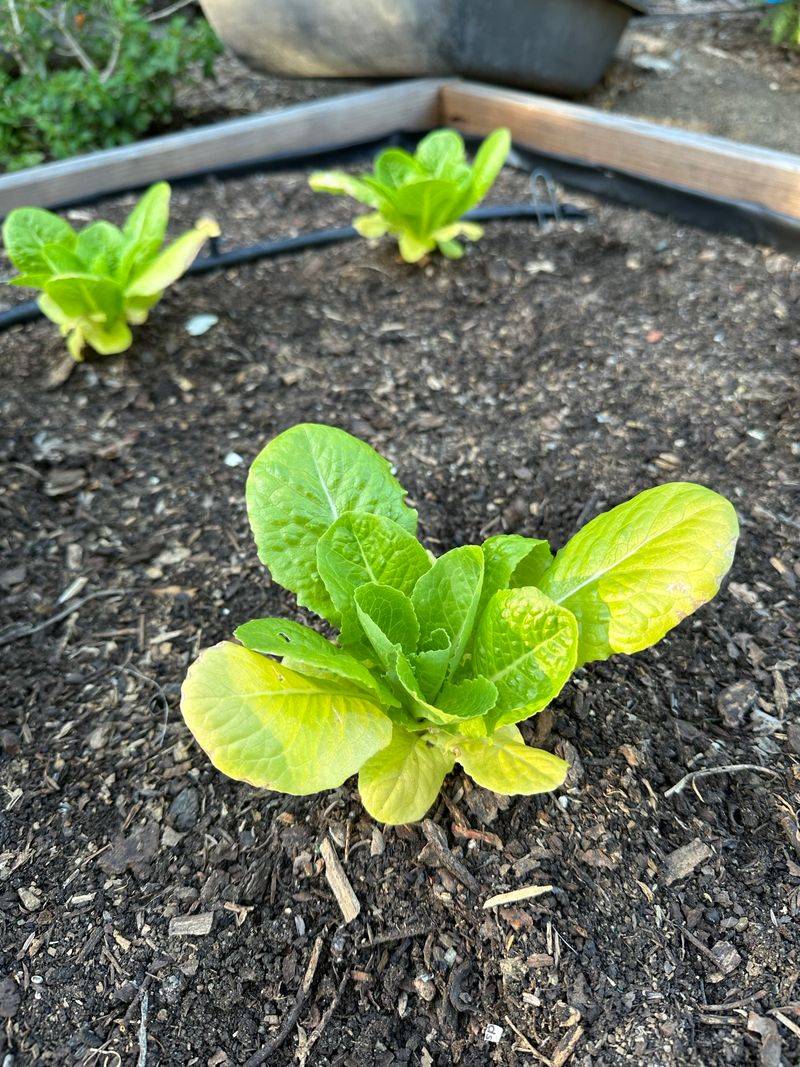
Hot sun is lettuce’s biggest enemy. When temperatures climb, lettuce bolts fast, turning bitter and tough almost overnight. Giving it afternoon shade is one of the smartest moves a gardener can make in this state.
Partial shade slows the bolting process significantly. That means you get more weeks of tender, mild-flavored leaves before the plant goes to seed.
In Oregon’s warmer inland valleys, afternoon shade can extend your lettuce harvest by three to four extra weeks compared to full-sun beds.
Loose-leaf varieties like ‘Black Seeded Simpson’ and ‘Red Sails’ do especially well in shadier spots.
They bounce back quickly after cutting and keep producing new growth all season. Plant them along the east side of a fence or under a taller crop like tomatoes or beans to create natural shade.
Succession planting works beautifully with shaded lettuce. Sow new seeds every two to three weeks from early spring through late summer. That way, you always have fresh greens ready to harvest without a gap.
Container growing is another great option for shady patios or covered porches. A wide, shallow pot with good drainage and quality potting mix gives lettuce everything it needs. Water consistently, since containers dry out faster than garden beds.
With just a little attention, shaded lettuce can be one of the most reliable and rewarding crops in your entire garden all season long.
2. Arugula Gives Quick Harvests Before Heat Builds
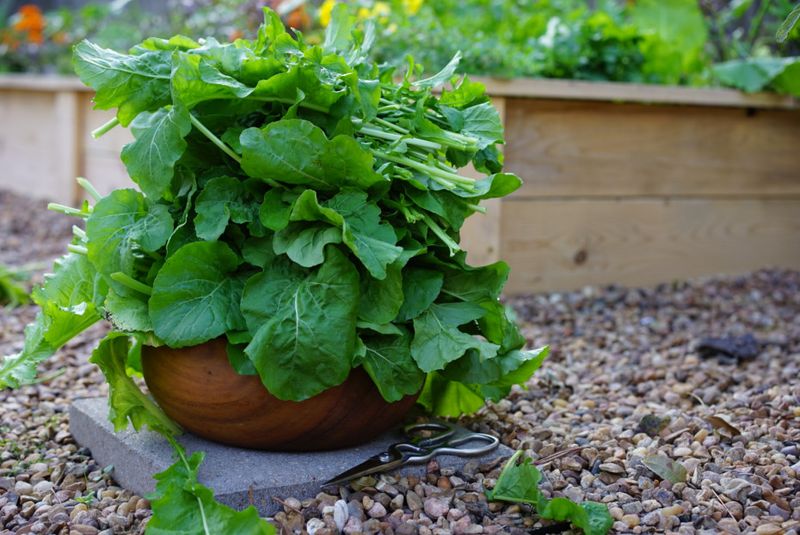
Few greens move from seed to salad bowl as fast as arugula. Under the right conditions, you can be harvesting in as little as three weeks after planting. That speed makes it one of the most satisfying crops for impatient gardeners.
Arugula’s peppery, nutty flavor is at its absolute best when the plant grows cool and slow. Partial shade helps maintain that ideal environment, especially as spring shifts into summer.
Without some shade protection, arugula can turn sharp and bitter faster than you can keep up with it.
In our state, arugula shines brightest in early spring and again in early fall. Plant it under taller crops or along the shaded edge of a raised bed.
Your Oregon Garden Changes Every Week. Your Plan Should Too.
Gardening in Oregon changes quickly throughout the season. Every Friday you’ll receive a simple weekly plan showing exactly what to plant, prune, fertilize, harvest, and protect so you never miss the right timing.
The dappled light keeps soil temperatures lower and moisture levels more stable, which arugula loves.
Cut-and-come-again harvesting keeps the plant producing for weeks. Snip outer leaves at the base and let the center keep growing. Avoid cutting more than a third of the plant at once so it can recover quickly between harvests.
Arugula also works wonderfully in containers on shaded decks or balconies. Use a pot at least six inches deep and keep the soil consistently moist. A light layer of mulch on top helps hold moisture between waterings.
Toss the fresh leaves into salads, sandwiches, or pasta dishes for a bold, fresh flavor that store-bought greens simply cannot match.
3. Sorrel Brings Lemony Leaves All Season
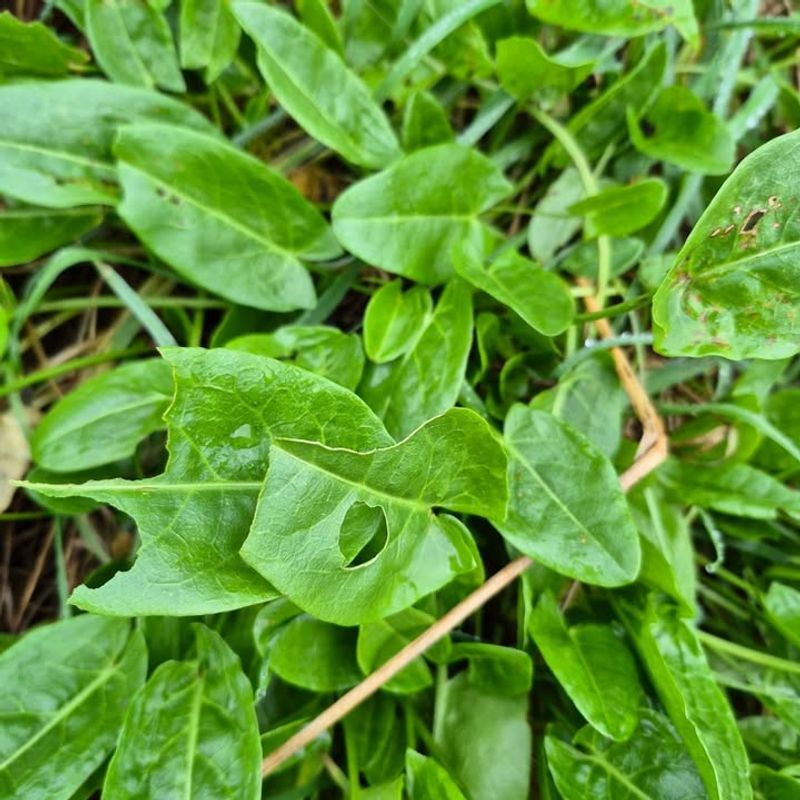
There is something almost magical about a plant that tastes like lemon without ever growing a single fruit. Sorrel does exactly that, and it does it all season long with very little effort from the gardener.
Garden sorrel is a perennial, which means once you plant it, it comes back every year on its own.
That alone makes it worth adding to any shaded corner of your yard. The tangy, citrusy leaves are ready to harvest from early spring until the first hard frost of fall.
Partial shade suits sorrel very well. Too much direct sun causes the leaves to become tougher and more bitter, especially in summer.
A spot that gets morning light and afternoon shade keeps the leaves tender and flavorful all the way through the warmest months.
Sorrel grows well in the ground or in containers. It prefers slightly acidic, well-drained soil with consistent moisture. Once established, it is surprisingly drought-tolerant for a leafy green.
Cut the flower stalks back as soon as they appear to keep the plant focused on leaf production.
In the kitchen, sorrel is wonderfully versatile. Chop it fresh into salads, blend it into creamy soups, or mix it into sauces for fish and chicken. The flavor mellows beautifully when cooked.
Kids often enjoy the tangy taste, making it a fun plant to grow with younger gardeners. It is one of those rare edibles that earns its garden space every single year.
4. Parsley Stays Useful In Part-Shade Pots
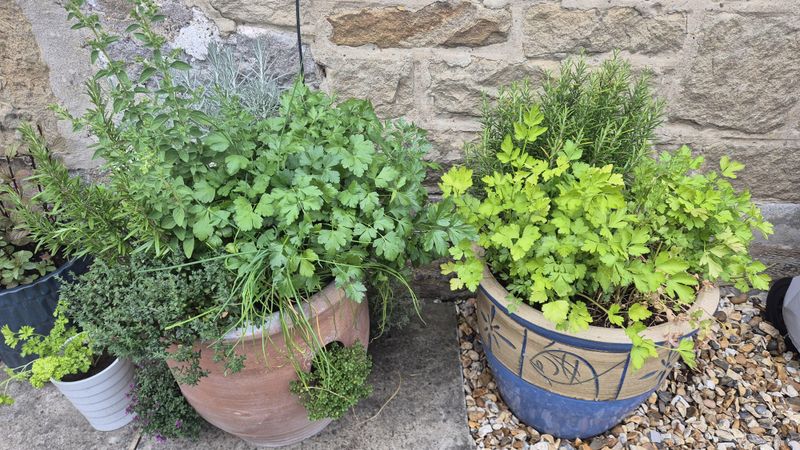
Parsley might be the most underappreciated herb in the garden. Most people think of it as a garnish, but it is actually a flavorful, nutrient-rich herb that earns a real spot in everyday cooking.
Better yet, it handles partial shade better than almost any other common herb. Both flat-leaf and curly varieties grow well with just three to four hours of direct sun per day.
That makes parsley a perfect fit for shaded patios, covered porches, or the north-facing side of a raised bed. As long as it gets some light and consistent water, it will keep producing fresh leaves for months.
Parsley is a biennial, meaning it grows leaves in its first year and goes to seed in its second. For steady harvests, plant fresh starts each spring.
Many gardeners in this state keep a pot going indoors through winter and move it outside once temperatures warm up in early spring.
Harvest parsley by cutting outer stems at the base. Always leave the center growth intact so the plant can continue producing. Regular harvesting actually encourages bushier, more productive growth over time.
In the kitchen, flat-leaf parsley is the stronger choice for cooking, while curly parsley works well as a fresh topping.
Add it to soups, grain bowls, roasted vegetables, or homemade sauces. It pairs especially well with garlic, lemon, and olive oil.
Growing your own means you always have a fresh handful ready whenever a recipe calls for it.
5. Chives Come Back After Every Cut
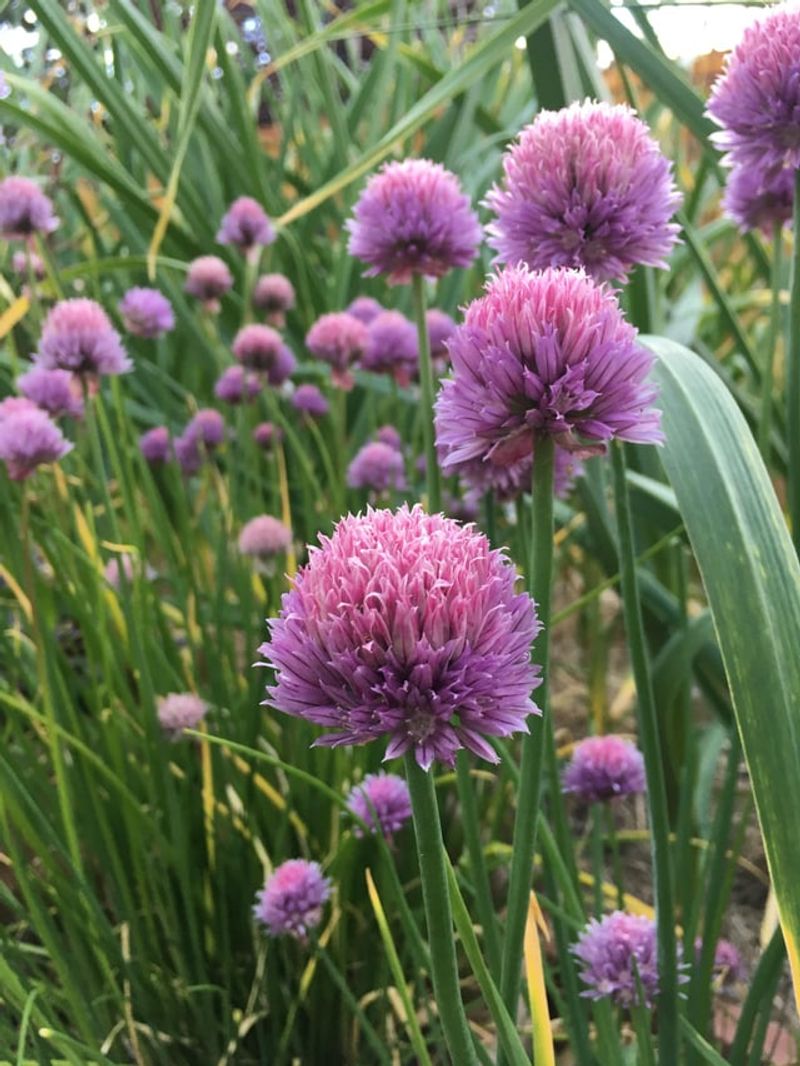
Some plants just make life easier, and chives are exactly that kind of plant. Cut them down, and they grow right back. Ignore them for a week, and they are still there, green and ready to use.
They are one of the most low-maintenance edibles you can grow in a partial shade garden. Chives are perennials that return reliably each spring without any replanting.
Once established, a single clump can produce fresh leaves from early spring all the way through late fall. In milder parts of our state, they sometimes stay green through most of the winter months too.
Partial shade does not bother chives at all. They prefer at least two to three hours of sunlight daily, but they adapt well to dappled or indirect light.
A spot along a shaded fence or under a deciduous tree works perfectly. The soil should be well-drained and moderately fertile for best results.
Harvest chives by snipping the leaves about an inch above the soil line. New growth comes in quickly, often within a week or two.
The purple flowers that appear in late spring are also edible and make a beautiful garnish or salad topping with a mild onion flavor.
In the kitchen, chives add a light, fresh onion taste to eggs, potatoes, soups, dips, and more. They are best used fresh rather than cooked for long periods.
Growing a pot of chives near your kitchen door makes it easy to snip a handful anytime you need them.
6. Mint Thrives Where Other Herbs Struggle
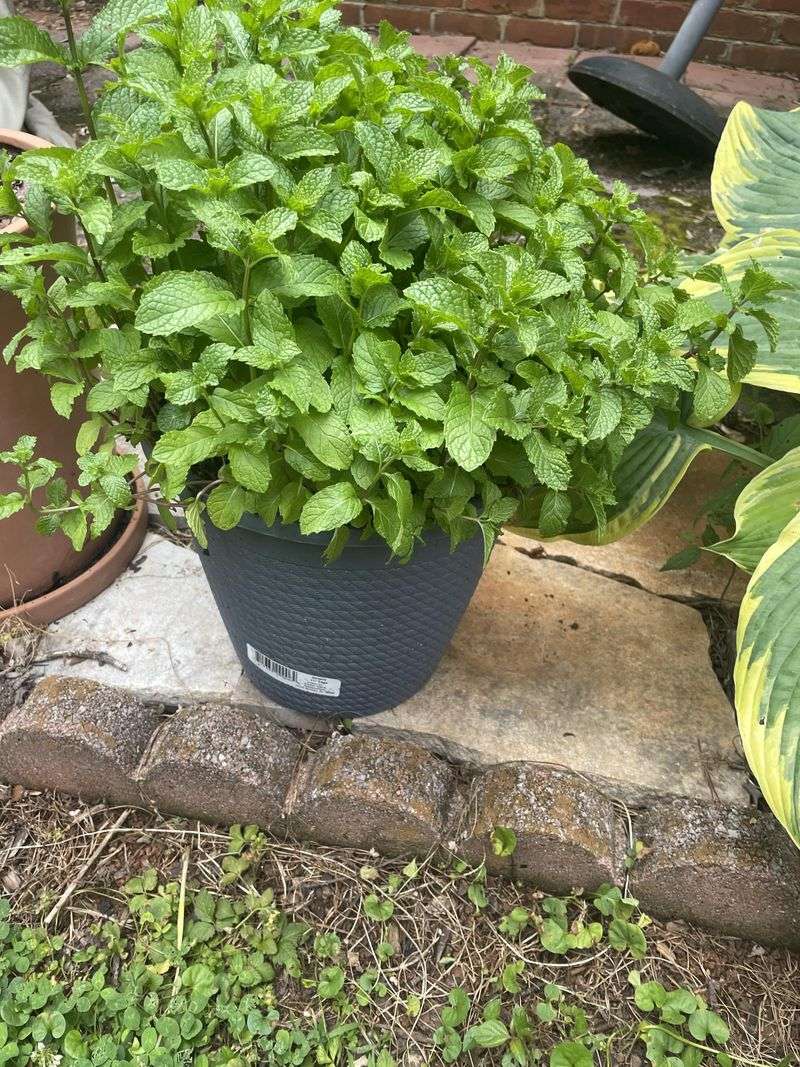
Mint has a reputation for taking over, and honestly, that reputation is well-earned. But in a partially shaded spot where other herbs refuse to grow, that aggressive nature becomes a real advantage.
Mint fills in bare, shady areas with dense, fragrant growth that few plants can match. Spearmint, peppermint, and chocolate mint all handle shade with ease. They prefer moist, rich soil and do not mind less than full sun.
In fact, too much direct afternoon sun can scorch mint leaves, especially during dry summer stretches in eastern parts of this state.
The key to managing mint is containment. Planting it in a buried pot or a raised bed with solid sides keeps the roots from spreading into areas you do not want.
A large container works just as well and lets you move the plant around your yard as needed throughout the season.
Harvest mint by pinching stems just above a leaf node. This encourages the plant to branch out and produce more leaves rather than going straight to flower.
Once mint begins to flower, the leaf flavor can change slightly, so regular harvesting keeps it at its best.
Fresh mint is endlessly useful in the kitchen and beyond. Add it to iced drinks, fruit salads, sauces, and baked goods. It also works wonderfully in homemade teas and infused water.
Beyond cooking, a pot of mint near a doorway or seating area releases a refreshing scent that makes any outdoor space feel more welcoming and alive.
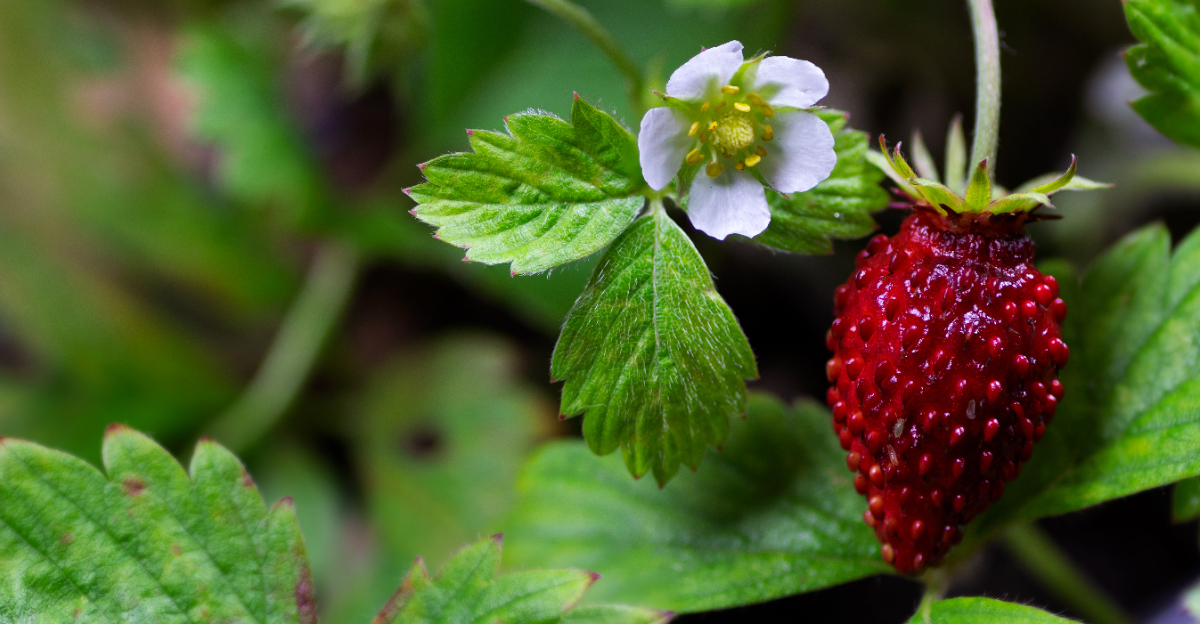
7. Alpine Strawberries Produce Sweet Little Fruit
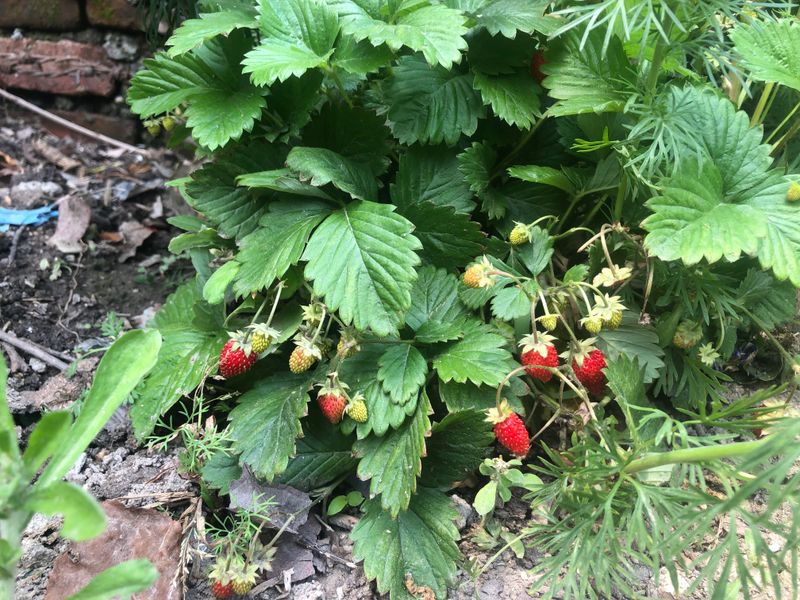
Regular strawberries need full sun to do their best work, but alpine strawberries play by completely different rules.
These compact, charming little plants produce small but intensely sweet berries in spots that would stop most fruiting plants in their tracks.
Alpine strawberries are technically a different species from the large grocery store variety. The fruits are smaller, but the flavor is far more concentrated and aromatic.
Many gardeners describe them as tasting like strawberry candy straight from the plant. They fruit continuously from late spring through fall rather than in one big rush like standard varieties.
Partial shade suits them well, especially in warmer parts of our state where summer heat can stress plants grown in full sun.
A spot that gets morning light and afternoon shade keeps them producing steadily without the stress of heat buildup. They also work beautifully as a ground cover under taller edible plants like blueberries or fruit trees.
Starting alpine strawberries from seed takes patience, but it is very rewarding. Alternatively, you can find starts at local nurseries in spring.
Space plants about ten to twelve inches apart and keep the soil consistently moist but never waterlogged.
Unlike regular strawberries, alpine varieties rarely send out runners, so they stay tidy and manageable in the garden.
Scatter the fresh berries over yogurt, oatmeal, or desserts for a burst of flavor that feels nothing short of special. They are a genuinely delightful surprise for anyone who has never grown them before.
8. Evergreen Huckleberry Adds Edible Berries And Structure
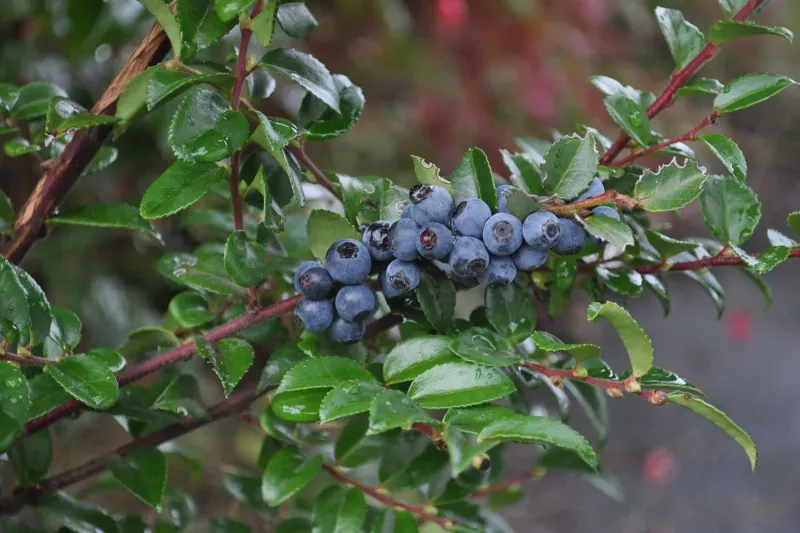
Most edible plants are strictly functional, but evergreen huckleberry brings genuine beauty to a shaded garden while also feeding you.
It is a native shrub that grows naturally in the forests of this state, which means it is already perfectly adapted to our climate and light conditions.
Evergreen huckleberry keeps its glossy, deep green leaves year-round, giving your garden structure and color even in the middle of winter.
In fall, the leaves often turn a rich bronze or reddish color before settling back to green. The small, dark purple berries ripen from late summer into fall and have a sweet-tart flavor that works wonderfully in jams, pies, pancakes, and muffins.
This shrub grows slowly but steadily, eventually reaching four to eight feet tall depending on conditions.
It thrives in well-drained, slightly acidic soil that stays consistently moist. Planting it under a canopy of trees mimics its natural habitat and gives it the best possible start.
Evergreen huckleberry pairs well with other native plants like sword fern, salal, and Oregon grape.
Together, these plants create a low-maintenance, wildlife-friendly understory garden that produces food for both people and birds throughout the season.
Pruning is rarely necessary, but light shaping in early spring keeps the shrub tidy if needed. Birds absolutely love the berries, so harvest early if you want a good share for yourself.
For gardeners who want a long-lived, productive, and beautiful addition to a shaded yard, this native shrub is hard to beat.