How To Keep Oregon Rhododendrons Healthy As Spring Growth Begins
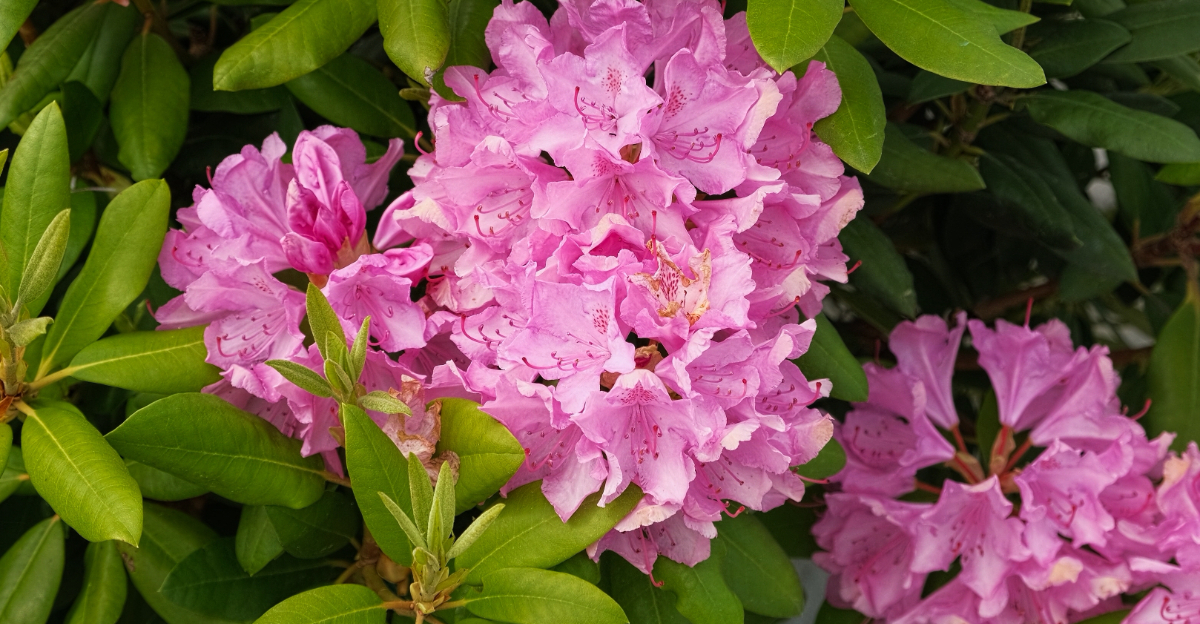
As spring gets going in Oregon, rhododendrons start waking up fast, and that is your cue to give them a little attention before the season really takes off.
These shrubs are practically garden royalty in many parts of the state, but even they can struggle if spring care gets a little sloppy.
New growth is tender, roots are shallow, and Oregon’s mix of rain, cool nights, and surprise warm spells can create a few problems if you are not paying attention. The good news is keeping rhododendrons healthy does not require some grand gardening performance.
A few smart moves can help them push out strong new leaves, set better buds, and stay ahead of common issues like crispy foliage, poor flowering, and stress from soggy soil. Think of it as a spring reset for one of the showiest plants in the yard.
Give your rhododendrons the right start now, and they will reward you with a much better season ahead.
1. Check For Winter Damage
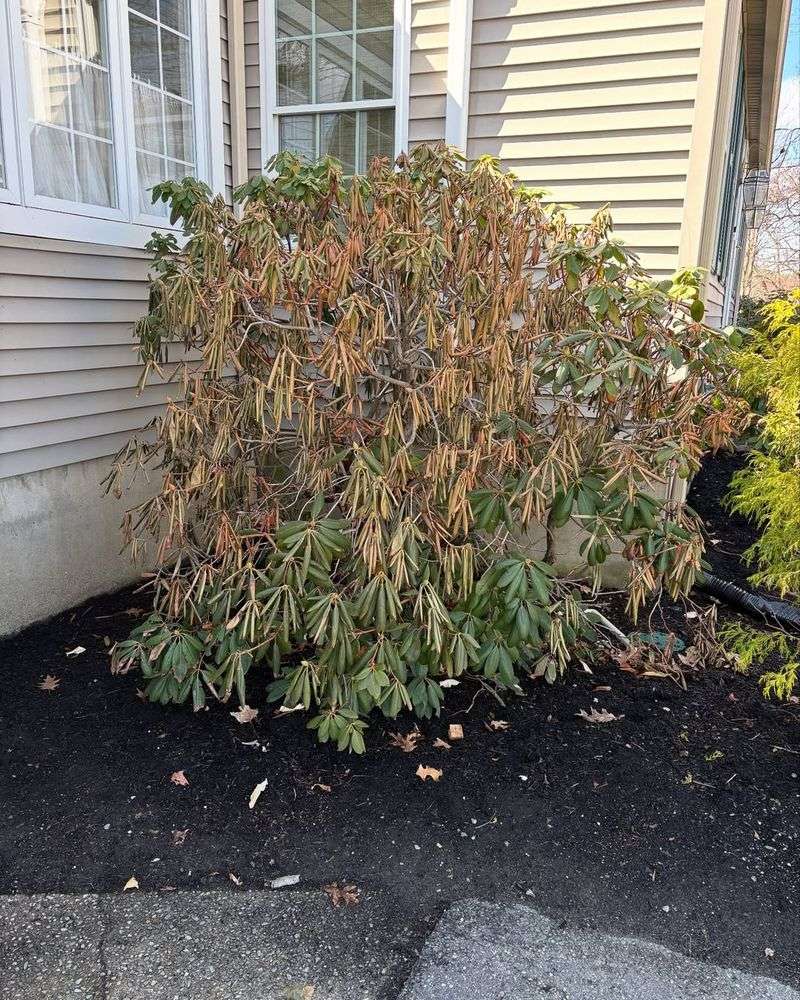
After Oregon winters, your rhododendrons may be carrying some hidden battle scars. Cold snaps, heavy rain, and windstorms can all leave their mark on these plants.
Walking your yard in early spring and giving each shrub a close look is one of the smartest things you can do.
Start by checking the branches. Snap a small twig gently.
If it bends and stays flexible, it is still alive and healthy. If it snaps dry and shows no green inside, that section likely did not make it through the cold months.
Look at the leaves too. Some yellowing is normal after winter, but brown, crispy, or curled leaves that do not recover as temperatures warm up can signal frost damage or root stress.
In Oregon, late cold spells can sneak up even after things seem fine.
Remove any clearly damaged or dead branches with clean pruning shears. Do not leave broken wood on the plant, since it can attract pests and slow down new growth.
Getting rid of that weak material early gives the rest of the shrub room to focus its energy on producing strong new shoots and blooms this spring.
2. Prune After Bloom
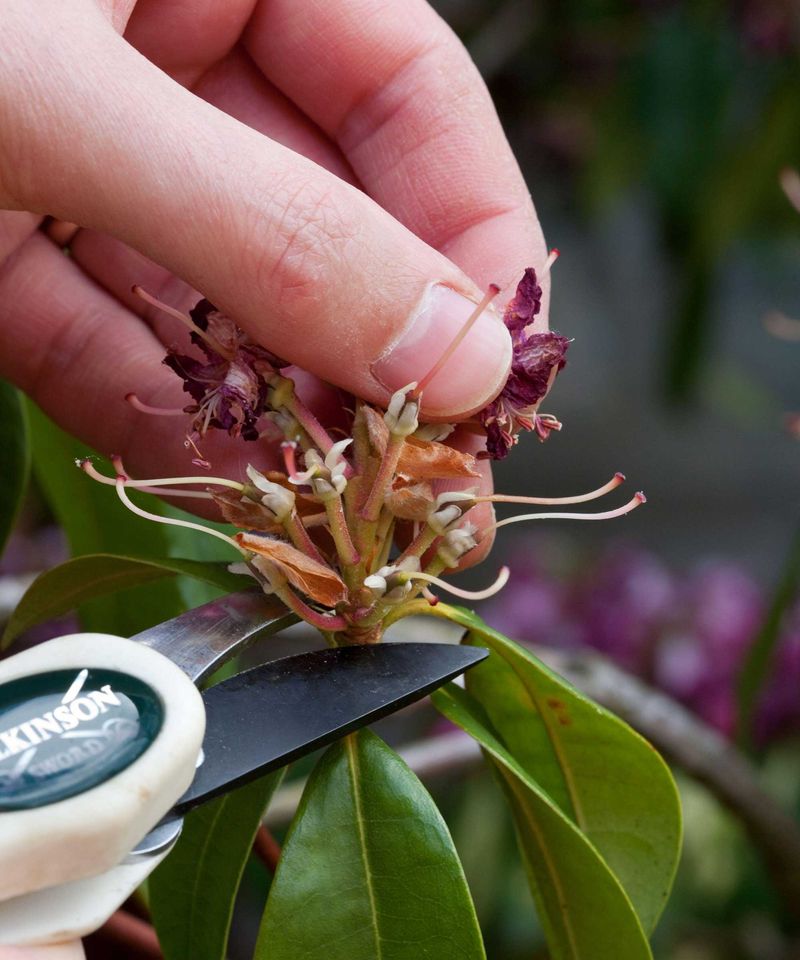
Timing is everything when it comes to pruning rhododendrons. Wait until the flowers fade before you reach for the pruning shears.
Cutting too early means you risk removing the buds that will become next year’s blooms, and nobody wants to lose that beautiful spring show.
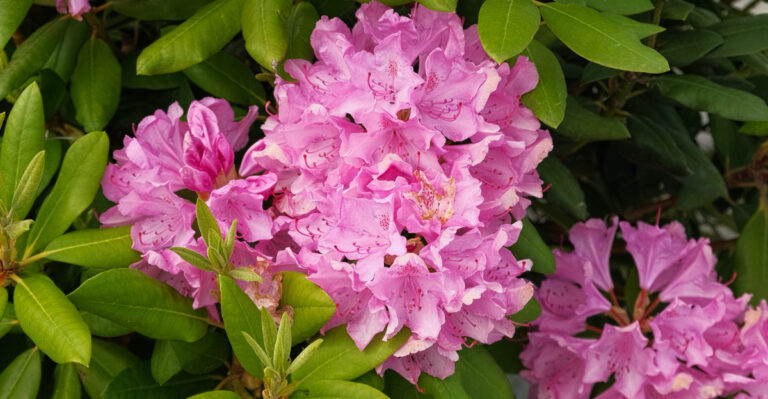
Right after the flowers drop, that is your window. Snip off the spent flower clusters, called trusses, by pinching or cutting just above the new growth buds forming below them.
This small move actually helps the plant put more energy into setting strong buds for next season.
In Oregon, the blooming period for most rhododendrons runs from March through May, depending on the variety and location. Coastal areas tend to see earlier blooms, while higher elevations and eastern parts of the state bloom a bit later.
Knowing your local timing helps you plan your pruning right.
Your Oregon Garden Changes Every Week. Your Plan Should Too.
Gardening in Oregon changes quickly throughout the season. Every Friday you’ll receive a simple weekly plan showing exactly what to plant, prune, fertilize, harvest, and protect so you never miss the right timing.
You can also use this time to shape the shrub a little. Remove any crossing branches or stems that are crowding the center of the plant.
Better airflow through the middle of the bush reduces the chance of fungal problems, which can be a real concern in Oregon’s naturally damp spring climate.
3. Water Deeply If Dry
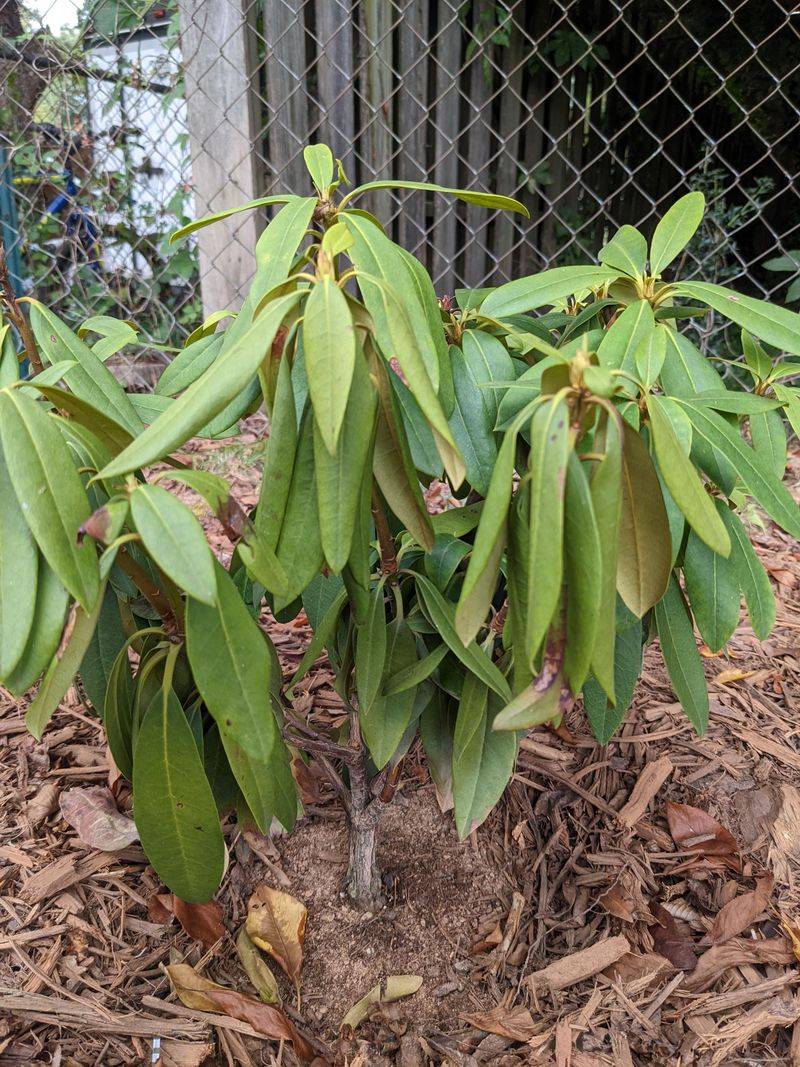
Oregon springs are usually wet, but dry spells do happen, especially later in the season when new growth is really pushing hard. Rhododendrons have shallow roots, and they can stress out quickly when the soil dries up.
Checking the soil moisture regularly is a simple habit that pays off big.
Stick your finger about two inches into the soil near the base of the plant. If it feels dry at that depth, it is time to water.
When you do water, go slow and deep. A slow soak lets the water reach down to where the roots actually live, rather than just wetting the surface and running off.
Avoid watering from above when possible. Wet leaves in Oregon’s already humid spring conditions can encourage fungal diseases like leaf spot.
Watering at the base of the plant keeps the foliage drier and healthier overall.
Early morning is the best time to water if you need to. The plant gets moisture before the day warms up, and any water that does splash on the leaves has time to dry off before evening.
Consistent, deep watering during dry stretches will keep your Oregon rhododendrons looking lush and full all spring long.
4. Mulch The Root Zone
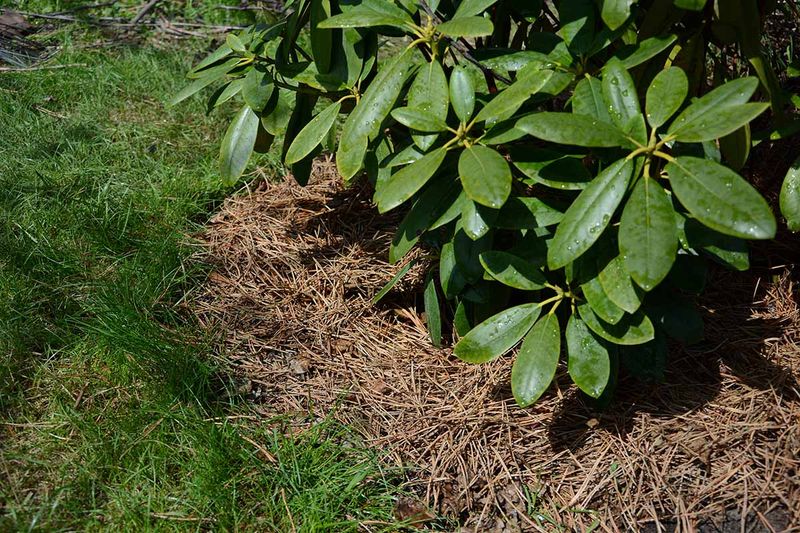
Mulching around your rhododendrons is one of those simple steps that makes a big difference. A two to four inch layer of organic mulch spread around the base of the plant acts like a protective blanket for the roots.
It holds in moisture, keeps the soil temperature steady, and helps block weeds from competing for nutrients.
Pine bark, wood chips, or composted leaves all work well. These materials are slightly acidic as they break down, which rhododendrons love.
Oregon gardeners have easy access to bark mulch at most garden centers, and it is one of the best investments you can make for your shrubs each spring.
One important detail to remember is to keep the mulch a few inches away from the base of the stem. Piling mulch right against the trunk traps moisture and can lead to rot.
Think of it like a donut shape around the plant, not a volcano.
Refresh your mulch layer each spring if it has thinned out over winter. Oregon’s rainy season can wash or compact mulch over time.
Keeping that layer consistent helps protect the shallow root system that rhododendrons rely on, especially during the temperature swings that are common in Pacific Northwest springs.
5. Feed Lightly In Spring
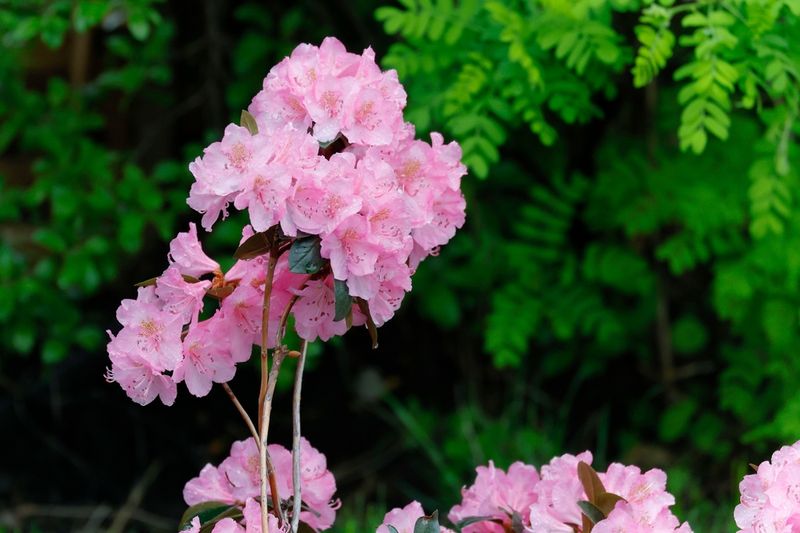
Feeding your rhododendrons in spring gives them a helpful boost right when they need it most. New growth and blooms take a lot of energy, and a light application of the right fertilizer can make a noticeable difference in how your plants look and perform through the season.
Choose a fertilizer made for acid-loving plants. Look for products labeled for rhododendrons, azaleas, or camellias.
These blends have the right balance of nutrients and help maintain the slightly acidic soil pH that Oregon rhododendrons prefer, usually between 4.5 and 5.5.
Apply the fertilizer lightly. More is not better here.
Too much fertilizer can actually burn the shallow roots or push too much leafy growth at the expense of flowers. Follow the package directions and lean toward the lower end of the recommended amount, especially if your plant already looks healthy.
The best time to fertilize is right as the buds are beginning to swell, before the plant fully leafs out. Avoid fertilizing late in the season.
Late feeding can push tender new growth that is then vulnerable when temperatures drop again in fall. A single light spring feeding is usually all a well-established Oregon rhododendron really needs to thrive.
6. Watch For Leaf Problems
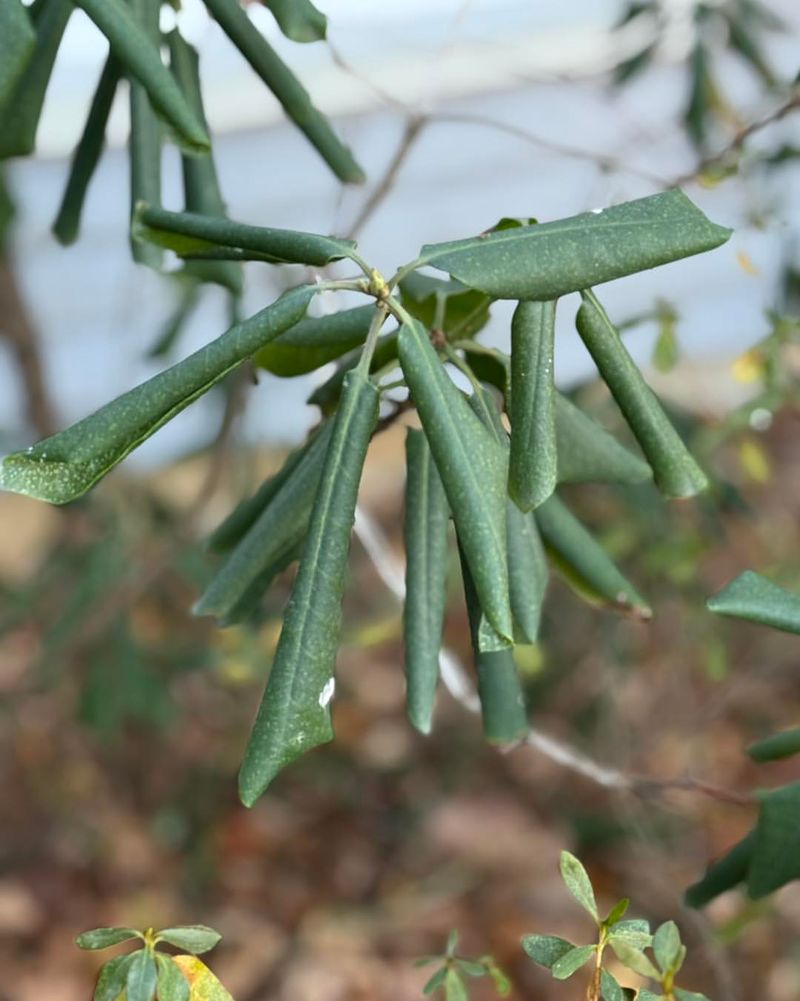
Spring is when leaf problems tend to show up, and catching them early makes them much easier to handle. Oregon’s wet and mild climate creates the perfect conditions for a few common issues that rhododendron growers need to keep an eye on.
Spotting trouble early can save your plant a lot of stress.
Leaf spot is one of the most frequent problems in the Pacific Northwest. It shows up as dark or yellowish spots on the leaf surface.
It spreads in damp conditions, especially when leaves stay wet for long periods. Removing affected leaves and improving airflow around the plant are the first steps to take.
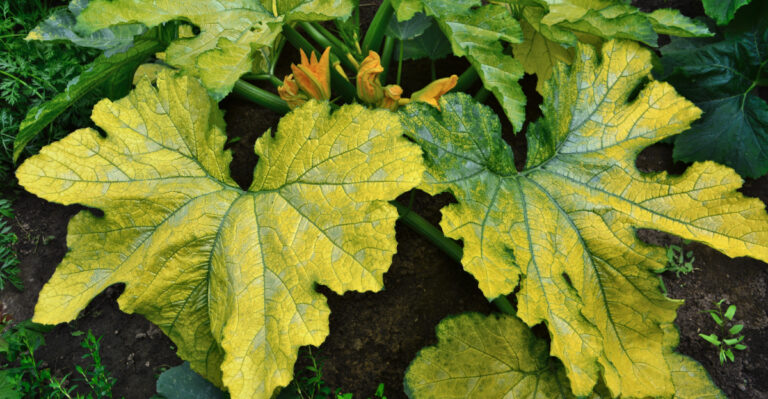
Yellow leaves can mean a few different things. Iron deficiency from soil that is not acidic enough is a common cause in Oregon.
If the veins stay green but the leaf turns yellow between them, that is a classic sign. A soil pH test can confirm the issue, and adjusting with sulfur or an acidifying fertilizer can help over time.
Powdery mildew and root rot are also worth watching for. Root rot usually comes from waterlogged soil, which can happen in Oregon’s heavier clay soils.
Good drainage and avoiding overwatering are your best defenses against both of these common spring challenges.
7. Protect New Growth
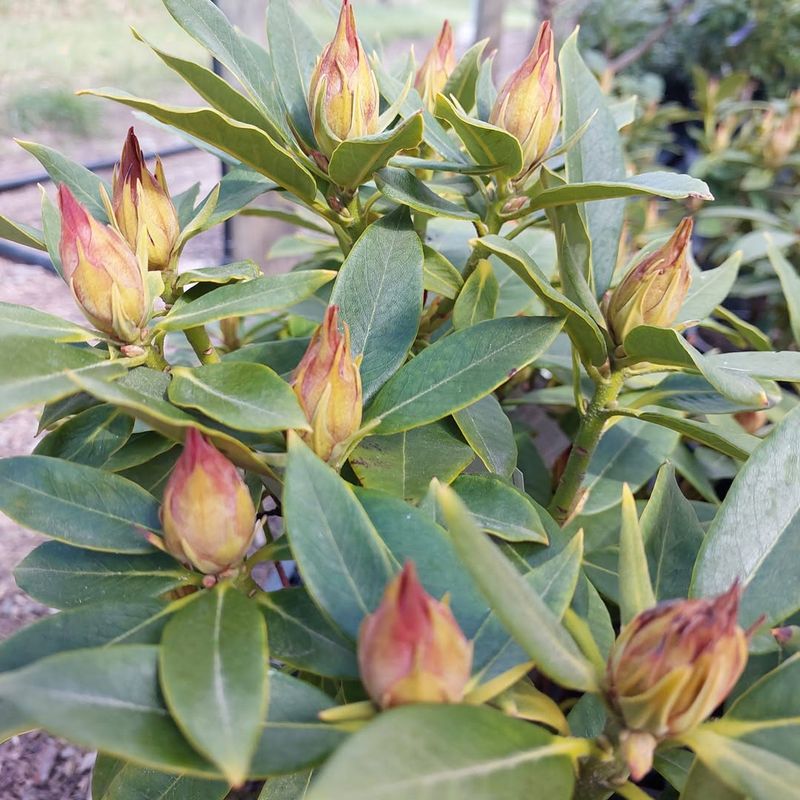
Those soft, bright green shoots that push out in spring are exciting to see, but they are also the most fragile part of the plant. New growth on rhododendrons is tender and easy to damage, especially in Oregon where late frosts can still roll in well into April or even early May in some regions.
Keep an eye on the forecast during the weeks when new leaves and buds are emerging. If temperatures are expected to drop below freezing overnight, cover your plants with frost cloth or an old bedsheet.
Even a single hard frost can brown out fresh growth and set the plant back by weeks.
Planting your rhododendrons in a sheltered spot helps a lot too. A location near a fence, wall, or taller shrubs can provide a natural buffer against cold wind and frost.
Oregon gardeners in the Willamette Valley often have more protection than those in the Coast Range or higher elevations, where frosts come later in the season.
Once the danger of frost has passed and the new growth has hardened off a bit, it becomes much tougher. Hardened leaves are darker green and feel firmer to the touch.
Getting through that early tender phase is the key to a full and healthy spring flush of growth on your Oregon rhododendrons.
8. Keep Roots Cool
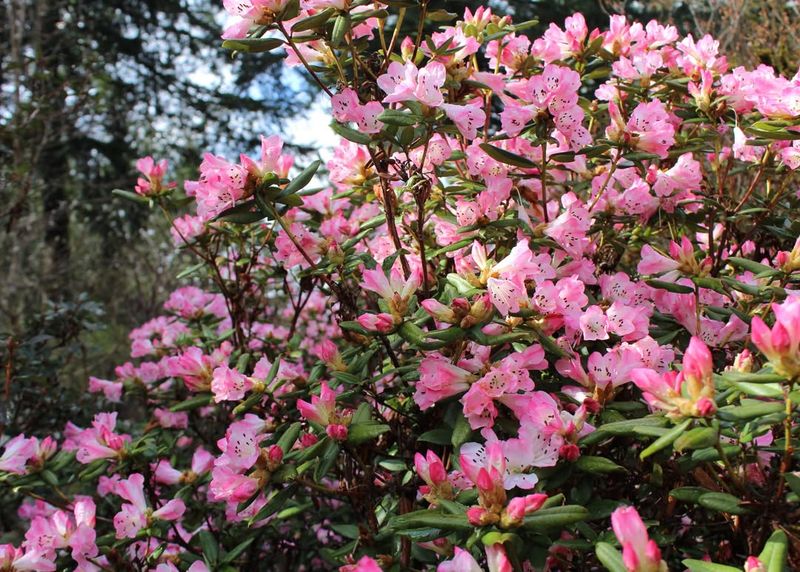
Rhododendrons evolved in cool, shaded forest environments, and their roots reflect that preference. Hot, dry soil is one of the quickest ways to stress these plants out.
In Oregon, the spring season is usually cool enough that this is not a big issue early on, but it becomes more important as the days get longer and warmer heading into summer.
Shade is your friend here. Planting rhododendrons under the canopy of taller trees, like Douglas firs or big leaf maples, creates the kind of dappled light and cool ground conditions they love.
Oregon’s forests naturally produce this environment, which is part of why rhododendrons grow so well in the Pacific Northwest.
Mulch plays a double role in this effort. Besides holding moisture, a good layer of bark or wood chips insulates the soil and keeps root zone temperatures from spiking on warm spring days.
Think of it as giving the roots their own little climate-controlled zone.
Avoid planting rhododendrons in spots that get intense afternoon sun, especially on south or west-facing slopes. Reflected heat from walls or pavement can also warm the soil faster than the plant likes.
Keeping roots cool and comfortable from the start sets your Oregon rhododendrons up for a long and healthy life in your garden.