These 8 Hardy Perennials Thrive In Oregon Pots All Year Long
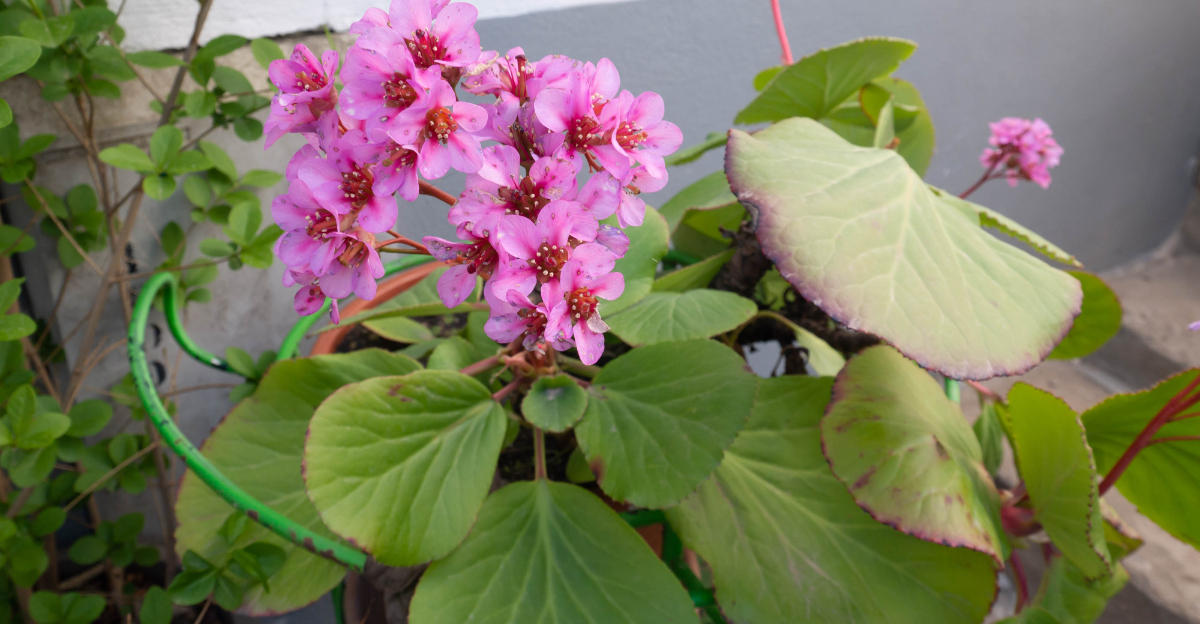
Growing perennials in pots sounds like a compromise. A second-best option for gardeners short on space who just want something that comes back every year.
But talk to anyone who has cracked the code on container perennials in Oregon and they’ll tell you something different. Done right, it’s one of the most flexible and rewarding ways to garden here, and the results can look anything but second-best.
Pots give you control that in-ground planting simply doesn’t. Move things around to chase the sun, protect tender plants from the worst winter weather, and completely reinvent your patio or entryway look whenever the mood strikes.
The key is choosing perennials that are genuinely tough enough to handle life in a container through Oregon’s wet winters and dry summers without falling apart. Hardy, adaptable, and committed to coming back season after season.
The right varieties make container growing look effortless, and your outdoor space stays interesting every single month of the year.
1. Bugbane
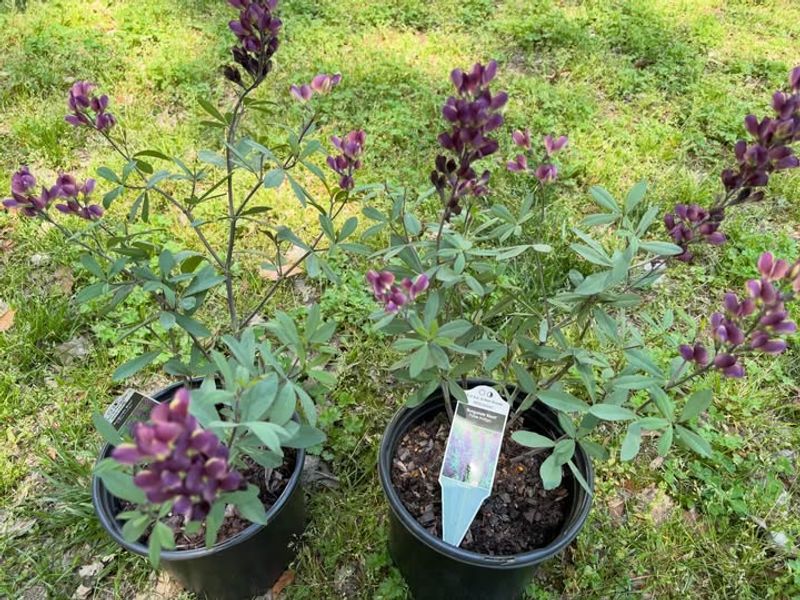
With tall, feathery white flower spikes shooting up from dark, almost black foliage, Bugbane is one of the most dramatic plants you can grow in a pot. Also known as Actaea, it blooms in late summer and fall and fills the air with a light, sweet scent.
It is the kind of plant that makes neighbors stop and ask questions.
Oregon is practically made for Bugbane. It thrives in cool, moist climates with partial shade, which describes most of western Oregon perfectly.
Plant it in a large, deep container with rich, humus-heavy soil. Keep the soil consistently moist, especially during summer dry spells in areas like the Rogue Valley.
The dark leaves add bold contrast to lighter plants nearby, making it a great thriller plant in mixed container arrangements. It grows several feet tall, so place it in a sheltered spot where wind will not knock it over.
Cut back the spent flower stalks in late winter to tidy things up. Bugbane is a slow grower but absolutely worth the wait.
Once established, it returns faithfully every year with minimal fuss.
2. Bergenia
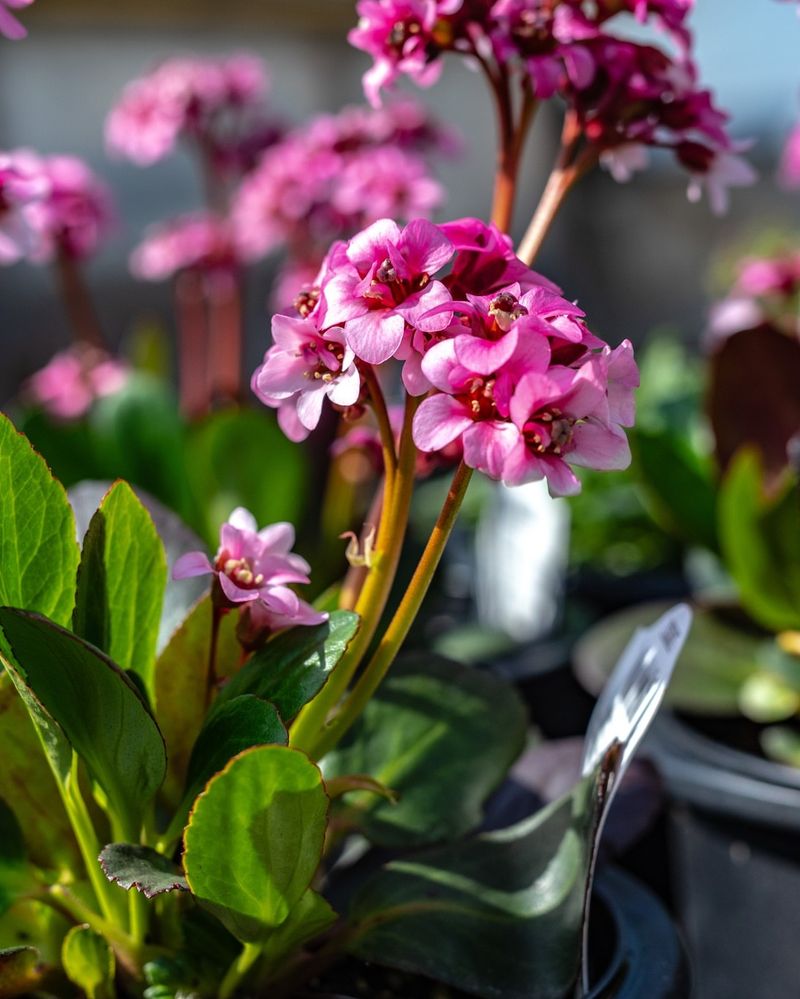
Bergenia is the plant that refuses to look bad, no matter the season. Its big, glossy leaves turn gorgeous shades of red and purple in winter, then bright pink or magenta flowers pop up in early spring.
It is cheerful, tough, and low-maintenance, which makes it a favorite among busy Oregon gardeners.
Sometimes called Pigsqueak because of the sound the leaves make when rubbed together, Bergenia has a fun personality to match its good looks. It handles both sun and shade, tolerates drought once established, and shrugs off freezing temperatures.
In Oregon, it performs well from the coast to the Cascades.
Growing Bergenia in a pot is straightforward. Use well-draining potting mix and water moderately.
It does not need much fertilizer, but a light feeding in spring keeps the blooms coming strong. The large leaves also help suppress weeds and hold moisture in the container.
Pair it with smaller plants like violas or creeping thyme for a layered, eye-catching display. Bergenia spreads slowly over time, so you can divide it every few years to fill new pots.
Your Oregon Garden Changes Every Week. Your Plan Should Too.
Gardening in Oregon changes quickly throughout the season. Every Friday you’ll receive a simple weekly plan showing exactly what to plant, prune, fertilize, harvest, and protect so you never miss the right timing.
It is truly one of Oregon’s most dependable container perennials.
3. Toad Lily
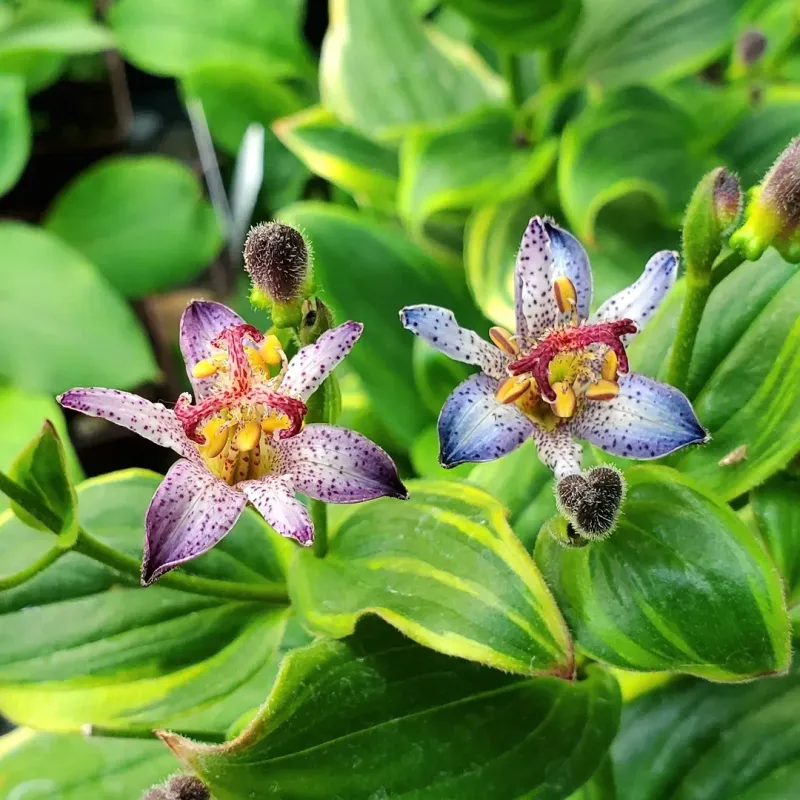
Few plants surprise people quite like the Toad Lily. Its exotic, orchid-like blooms show up in late summer and fall, just when most other flowers are calling it quits.
The speckled purple and white petals look like something straight out of a tropical rainforest, yet this tough plant handles Oregon winters without breaking a sweat.
Toad Lilies love shade and moist soil, making them a dream for Oregon gardeners who deal with lots of rain and tree cover. Plant yours in a pot with rich, well-draining soil and keep it in a spot that gets morning light but stays shaded in the afternoon.
Avoid placing it in full sun, which can scorch the leaves.
In containers, Toad Lilies stay compact and manageable. Water them regularly during dry spells, especially in summer.
A slow-release fertilizer in spring gives them a nice boost. They come back year after year, which means more of those jaw-dropping blooms every fall.
Oregon gardeners in the Willamette Valley especially love this plant because the mild, wet climate suits it perfectly.
4. Coral Bells
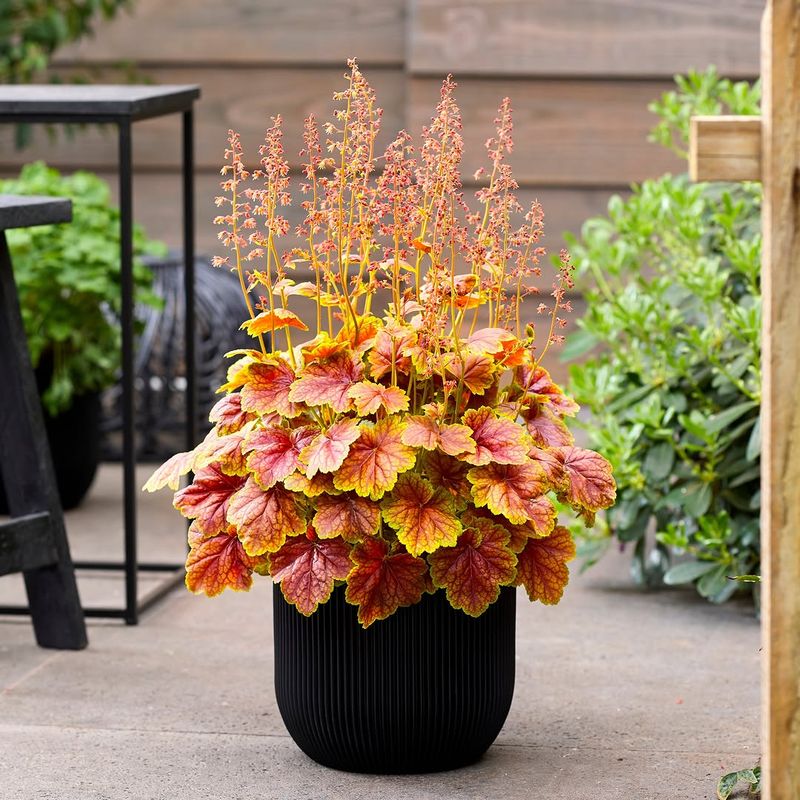
Color is the superpower of Coral Bells. Known botanically as Heuchera, this plant comes in an almost ridiculous range of leaf colors, from deep burgundy and chocolate to lime green, peach, and silver.
Oregon nurseries are packed with Heuchera varieties because they simply perform so well here year-round.
Coral Bells are made for container gardening. Their compact size, stunning foliage, and ability to thrive in partial shade make them ideal for patios and covered porches across Oregon.
In late spring and early summer, they send up delicate wand-like stems topped with tiny bell-shaped flowers that hummingbirds absolutely love.
Plant Coral Bells in well-draining potting mix and water them when the top inch of soil feels dry. They prefer partial shade but can handle more sun if given enough moisture.
In hotter parts of Oregon like Medford, afternoon shade is a must. Fertilize lightly in spring and trim off old flower stalks after blooming.
These plants stay evergreen in most Oregon climates, giving you gorgeous foliage even in the depths of winter. Mix different color varieties together in one large pot for a show-stopping display that lasts all year long.
5. Hellebore
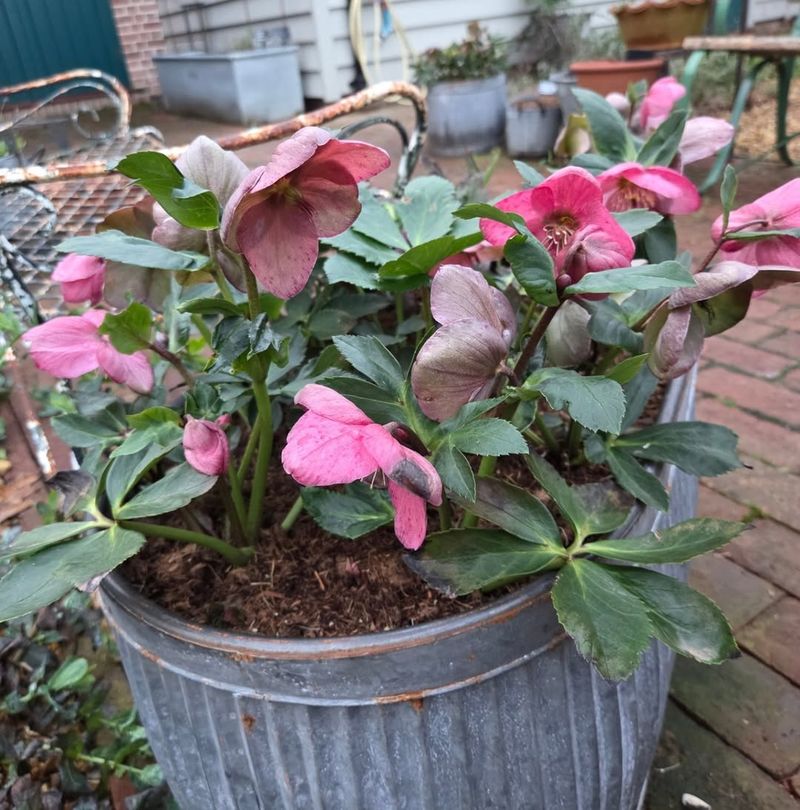
When January rolls around and most gardens look gray and bare, Hellebores steal the show. These remarkable plants bloom in the heart of winter, often pushing out flowers right through frost and snow.
Oregon gardeners treasure them because they bring real color and life to the garden during the dreariest months of the year.
Also called Lenten Rose, Hellebores produce downward-facing blooms in shades of cream, pink, purple, burgundy, and nearly black. The leathery, dark green leaves stay attractive all year.
In Oregon, they thrive under deciduous trees where they get winter sun and summer shade, but they adapt well to pots on shaded patios too.
Growing Hellebores in containers requires well-draining, slightly alkaline soil. They prefer to be kept slightly dry rather than waterlogged, so do not overwater.
A layer of mulch on top of the pot helps regulate soil temperature during cold snaps. Feed them once in early spring with a balanced fertilizer.
Hellebores are slow to establish but extremely long-lived once they settle in. They reseed gently, so you might find little seedlings popping up around the base of the pot.
Oregon winters are no match for these beautiful, resilient bloomers.
6. Sedum
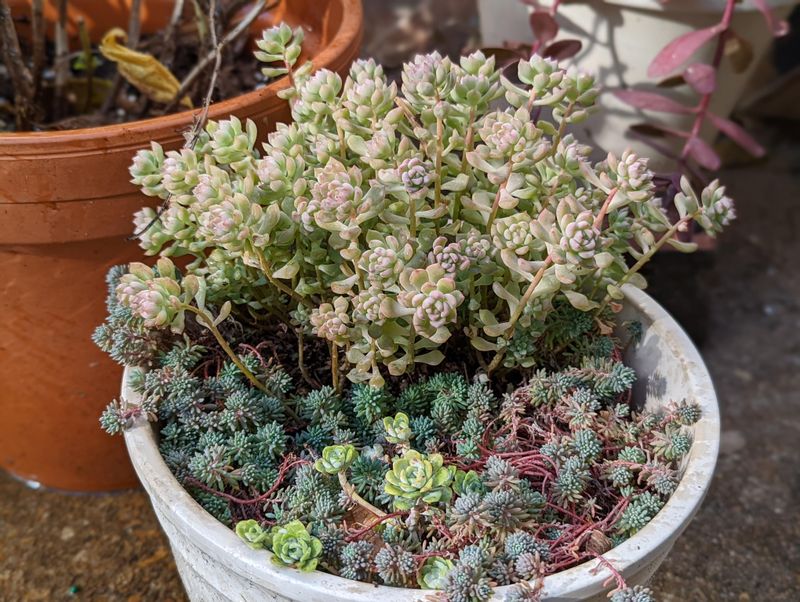
Tough, water-wise, and endlessly varied, Sedum is one of the hardest-working plants you can put in a pot. Also known as Stonecrop, it stores water in its thick, fleshy leaves, which means it handles Oregon dry summers without constant watering.
From groundcover types to tall upright varieties, there is a Sedum for every container situation.
Tall Sedums like Autumn Joy are classic Oregon garden plants. They grow upright, produce large flat-topped flower clusters that start pink and deepen to rust and bronze by fall, and then hold their seed heads through winter for extra interest.
Shorter creeping types spill beautifully over the edges of pots and rock troughs.
Sedum loves full sun and well-draining soil. In Oregon, it performs well in both the sunny east side of the Cascades and the warmer valleys of the west.
Avoid heavy, wet soil or the roots can rot. Water sparingly and skip the heavy fertilizer, since too many nutrients make the stems flop over.
Cut tall varieties back hard in early spring to keep them compact and bushy. Sedum attracts butterflies and bees, so placing a pot near a window gives you a front-row seat to all the action.
7. Lavender
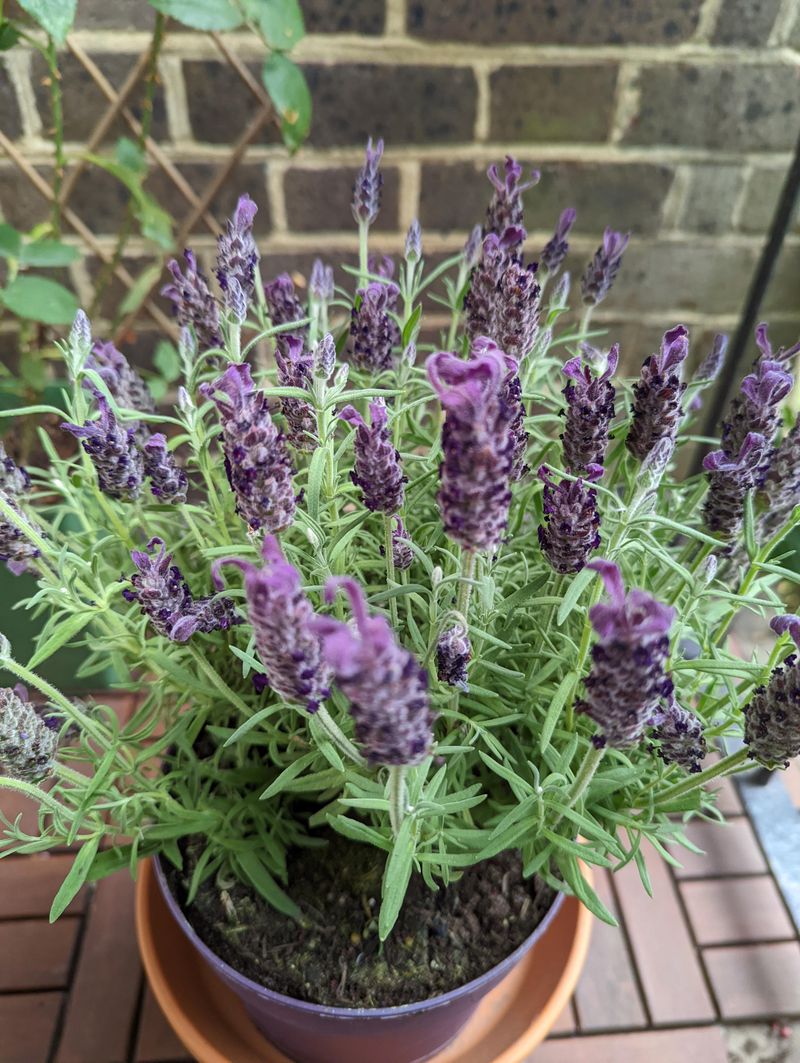
Few plants carry as much charm as Lavender. The silvery-green foliage, the tall purple flower spikes, and that famous calming fragrance make it one of the most beloved plants in Oregon gardens.
Grown in a pot, Lavender actually thrives because containers provide the sharp drainage it craves, something that can be hard to achieve in Oregon’s heavier soils.
English Lavender varieties like Hidcote and Munstead are the most cold-hardy and do especially well in Oregon’s climate. They bloom reliably in summer, and the dried flower heads stay attractive well into fall.
Place your pot in the sunniest spot you have, since Lavender needs at least six hours of direct sun to look and smell its best.
Use a gritty, fast-draining potting mix and avoid keeping the soil soggy. Water deeply but infrequently, letting the soil dry out between waterings.
After the flowers fade, give the plant a light trim to keep it tidy and encourage fresh growth. Avoid cutting into old woody stems too hard, as this can weaken the plant.
In colder parts of Oregon like Bend, move the pot to a sheltered spot near a wall during the harshest winter weeks. Lavender in a pot is practically foolproof with just a little attention.
8. Sword Fern
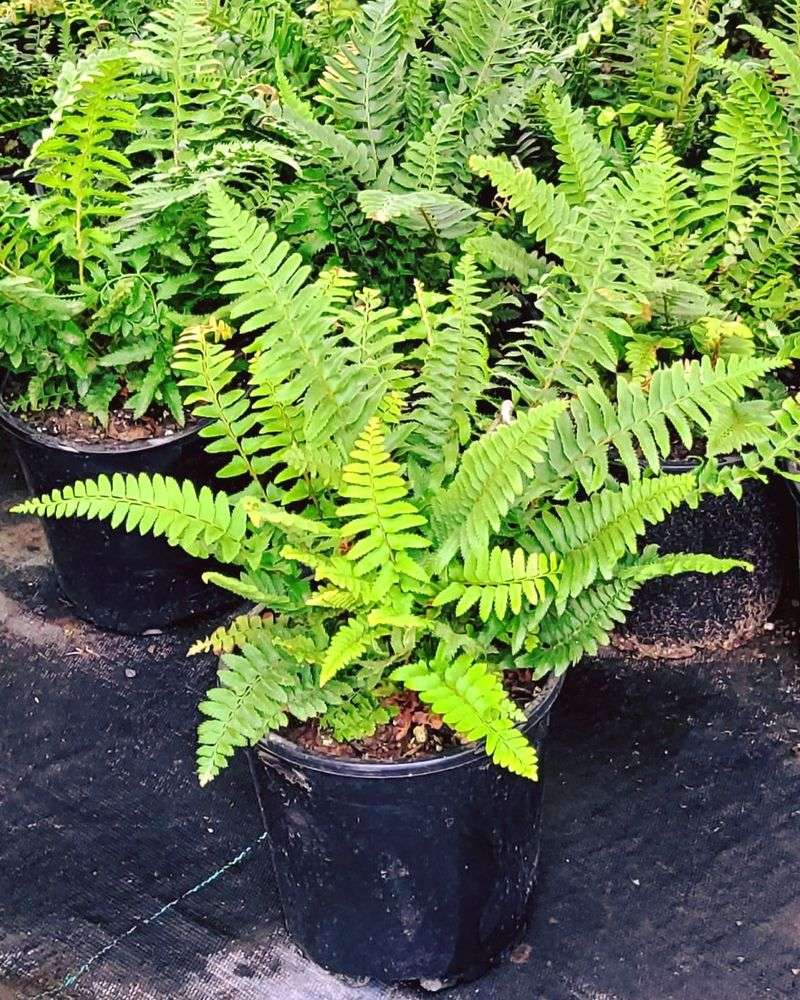
There is something deeply Oregon about a Sword Fern. These bold, arching ferns grow wild across the forests of the Pacific Northwest, and they bring that same lush, native beauty to containers on shaded patios and porches.
The long, sword-shaped fronds stay green all year, even through cold, wet Oregon winters.
Polystichum munitum, the Western Sword Fern, is incredibly tough. It handles deep shade, poor soil, and heavy rain like a champ.
In a pot, it stays more compact than in the ground, making it easier to manage on smaller patios or balconies in cities like Portland or Corvallis. The glossy fronds create a lush, tropical-looking backdrop for colorful flowering plants.
Plant Sword Ferns in a large pot with rich, moisture-retentive potting mix. They like consistent moisture but do not want to sit in standing water.
A shaded or partly shaded location is ideal. Feed lightly with a balanced fertilizer in spring.
Remove old, brown fronds in late winter before new growth emerges to keep the plant looking fresh. Sword Ferns are incredibly long-lived and low-maintenance, which makes them a smart investment for any Oregon container garden.
Once settled in, they practically take care of themselves.